The Nar Phu Valley Trek is a remote Himalayan adventure in Nepal’s Annapurna region, offering a unique combination of traditional Tibetan-influenced villages, ancient monasteries, dramatic mountain landscapes, and high-altitude trekking. This trek is ideal for travellers seeking an authentic cultural experience away from Nepal’s busier trekking routes. Depending on the itinerary, the journey can include crossing Kang La Pass for spectacular views of the Annapurna Himalayas.
| Trek fact | Description |
|---|---|
| Destination | Nar Phu Valley, Annapurna region, Nepal |
| Trek type | Remote cultural and high-altitude trekking |
| Main villages | Nar and Phu |
| Cultural experience | Tibetan-influenced Himalayan traditions |
| Major pass | Kang La Pass (route dependent) |
| Special requirement | Restricted-area permits and applicable guide regulations |
| Best suited for | Travellers seeking remote trails, mountain scenery, and cultural discovery |
Trip Facts
Trip Code
NarPhu
Duration
11 Days
Max. Altitude:
5320m
Group size
1-24
Best Time for Visit
March-May, Sept-November
Activity
Trekking
Meals
B-L-D Plan
DIFFICULTY
Moderate to Challenging
LOCATION
Annapurna Conservation Area, Narphu
Trip Starts
Kathmandu
Trip Ends
Kathmandu
Nar Phu Trek Highlights
- Explore the remote Nar Phu Valley in Nepal’s spectacular Annapurna region.
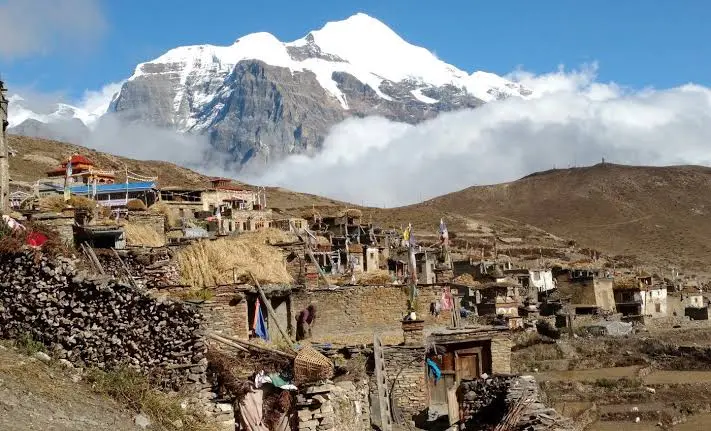
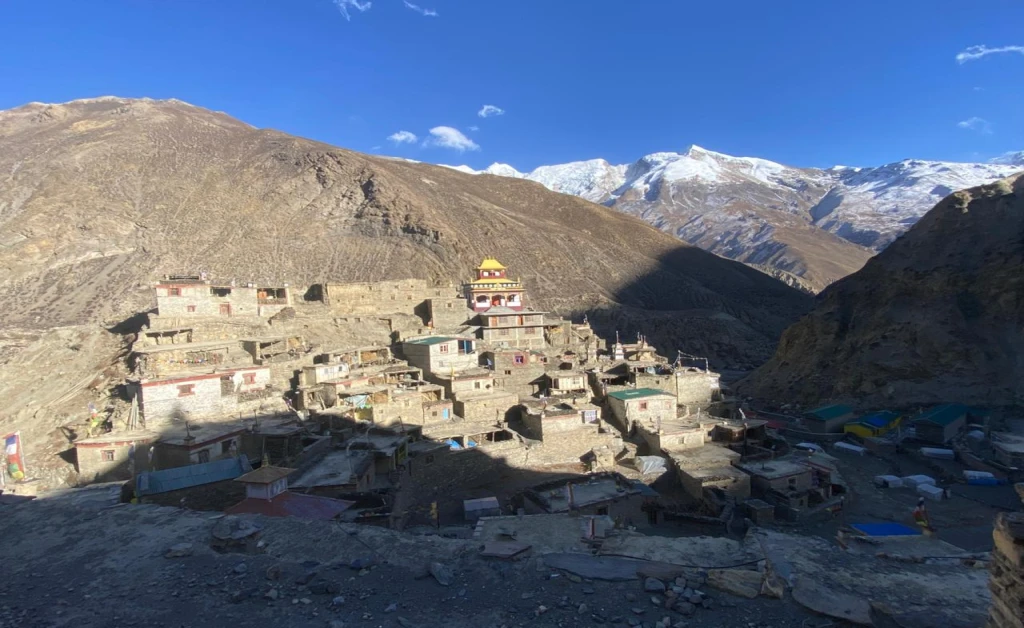
- Discover the traditional stone villages of Nar and Phu, known for their distinctive Himalayan architecture and Tibetan-influenced culture.
- Experience authentic Tibetan Buddhist traditions through ancient monasteries, chortens, mani walls, and colourful prayer flags.
- Trek through dramatic Himalayan landscapes featuring deep gorges, rocky cliffs, barren hillsides, and rugged mountain terrain.
- Experience remote trekking in Nepal away from the busier trails of the Annapurna Circuit.
- Visit the remarkable settlement of Phu Village, surrounded by towering cliffs and an isolated high-mountain landscape.
- Walk through Nar Village and observe traditional Himalayan life, local customs, and the region’s cultural heritage.
- Cross Kang La Pass for expansive mountain views on itineraries that include this challenging high-altitude route.
- Discover the unique landscapes and cultural heritage of the Nar Phu Valley restricted area, subject to applicable trekking permits and regulations.
- Experience the contrast between the arid landscapes of the upper valleys and the changing scenery along the Annapurna trekking trails.
- Enjoy opportunities for mountain photography, cultural exploration, and meaningful encounters with local communities.
- Experience a less-travelled side of the Annapurna region, ideal for trekkers seeking a more secluded Himalayan adventure.
- Challenge yourself with high-altitude trekking that rewards careful preparation, gradual acclimatisation, and a sense of adventure.
- Enjoy a personalised Nar Phu Valley Trek in Nepal with local expertise and trekking arrangements tailored to your interests through First Camp Trek.
Overview
The Nar Phu Valley Trek is one of Nepal’s most rewarding adventures for travellers who want to explore beyond the country’s well-travelled trekking routes. Located in the remote northern part of the Annapurna region, this trek takes you through ancient stone villages, dramatic mountain gorges, high-altitude landscapes, and communities whose traditions reflect a strong Tibetan cultural influence. Far from the busy trails of the Annapurna Circuit, Nar Phu offers a different side of the Himalayas, where the journey is as much about experiencing local life as it is about walking among towering mountains.
What makes the Nar Phu Valley Trek special is the contrast between its rugged natural surroundings and the remarkable settlements found within them. The landscape gradually changes as the trail enters a more isolated region, revealing dry hillsides, rocky cliffs, narrow valleys, and mountain scenery shaped by the rain-shadow conditions of the Himalayas. For trekkers seeking a quieter and more culturally immersive experience, Nar Phu is an opportunity to discover a part of Nepal that remains less visited than many popular trekking destinations.
Discover the Traditional Villages of Nar and Phu
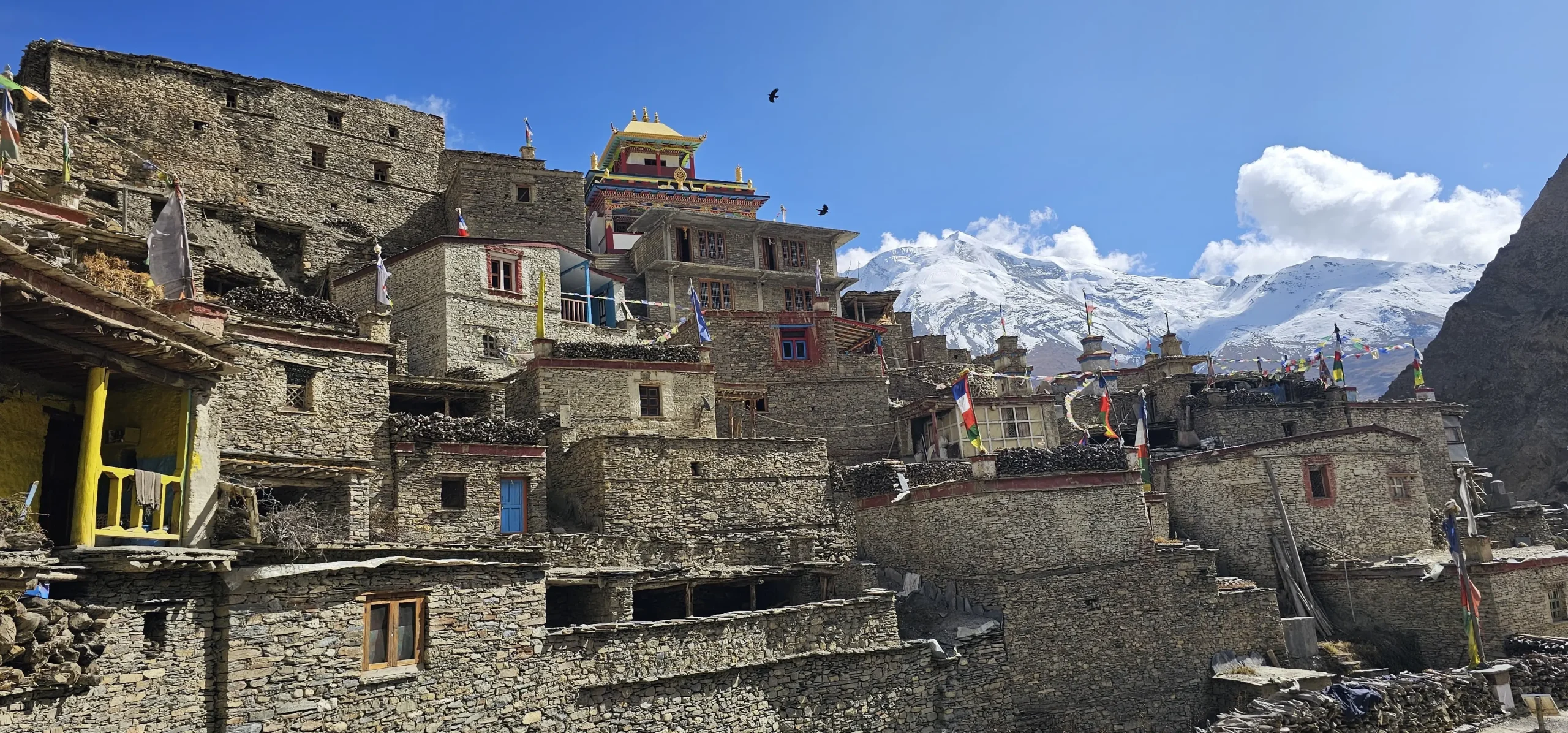
The villages of Nar and Phu are the cultural heart of this trek. Built with traditional stone houses and surrounded by barren hills and rugged mountains, these settlements offer a glimpse into a way of life shaped by geography, climate, Buddhism, and centuries of Himalayan trade and cultural exchange.
Phu Village is particularly striking because of its remote setting and traditional character. Approaching the village, trekkers encounter an impressive landscape of rocky cliffs and steep-sided valleys before reaching clusters of stone buildings overlooking the surrounding terrain. Its old settlement, traditional architecture, and nearby Buddhist religious sites give the village a distinctive atmosphere.
Nar Village offers another perspective on life in the high Himalayas. Its closely grouped houses, narrow pathways, prayer flags, and mountain backdrop reflect the region’s Tibetan-influenced cultural heritage. Walking through these villages allows visitors to observe the relationship between people and their environment, from the architecture of their homes to the religious traditions that remain part of daily life.
Monasteries, chortens, mani walls, and prayer flags are important features of the wider cultural landscape. Trekkers should approach these places respectfully, follow local guidance, and remember that the villages are living communities rather than simply stops along a trekking route.
Experience the Dramatic Landscapes of the Annapurna Region
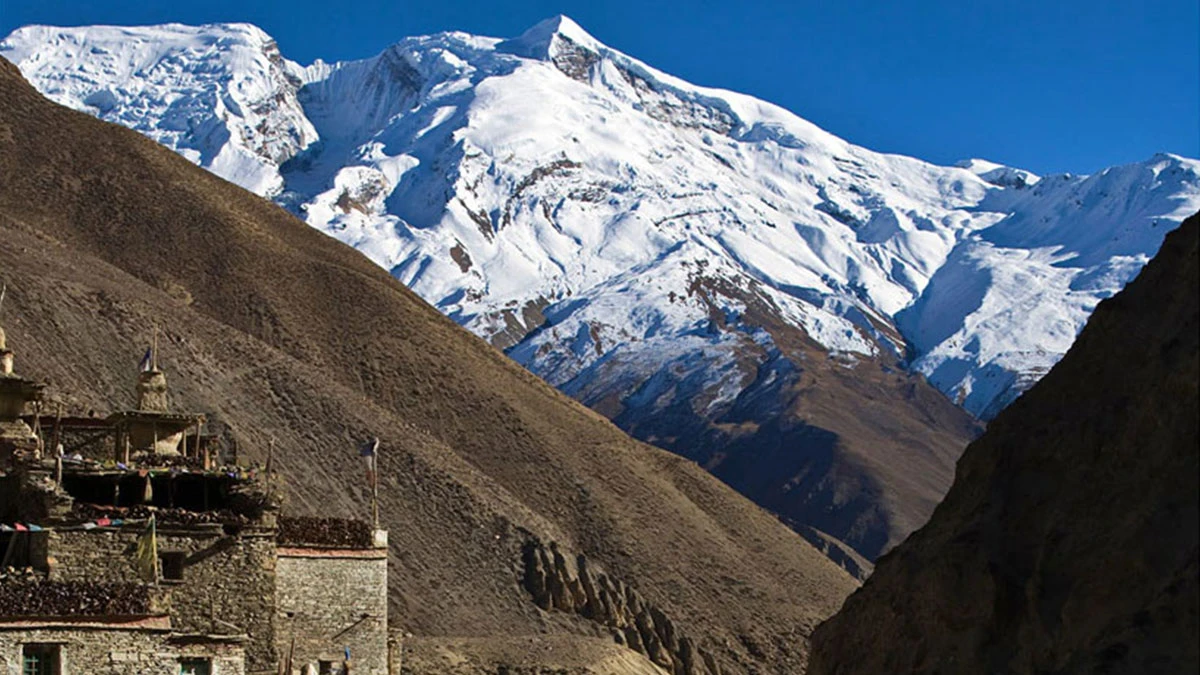
The Nar Phu Valley Trek offers a striking change of scenery throughout the journey. Rather than following a single type of landscape, the route moves through river valleys, deep gorges, rocky trails, dry hillsides, and increasingly open high-altitude terrain.
The trail follows the Nar and Phu valleys into a remote part of the Annapurna region, where the mountains often appear rugged and exposed. The environment can feel very different from the greener forests and terraced hillsides encountered on other Nepal trekking routes. This variety is one of the reasons the trek appeals to experienced hikers and travellers looking for something beyond a conventional Himalayan itinerary.
Mountain views become an important part of the experience, although visibility depends on the weather and season. The landscape is particularly compelling for photographers interested in traditional Himalayan settlements, dramatic geological formations, and the contrast between human habitation and the surrounding mountains.
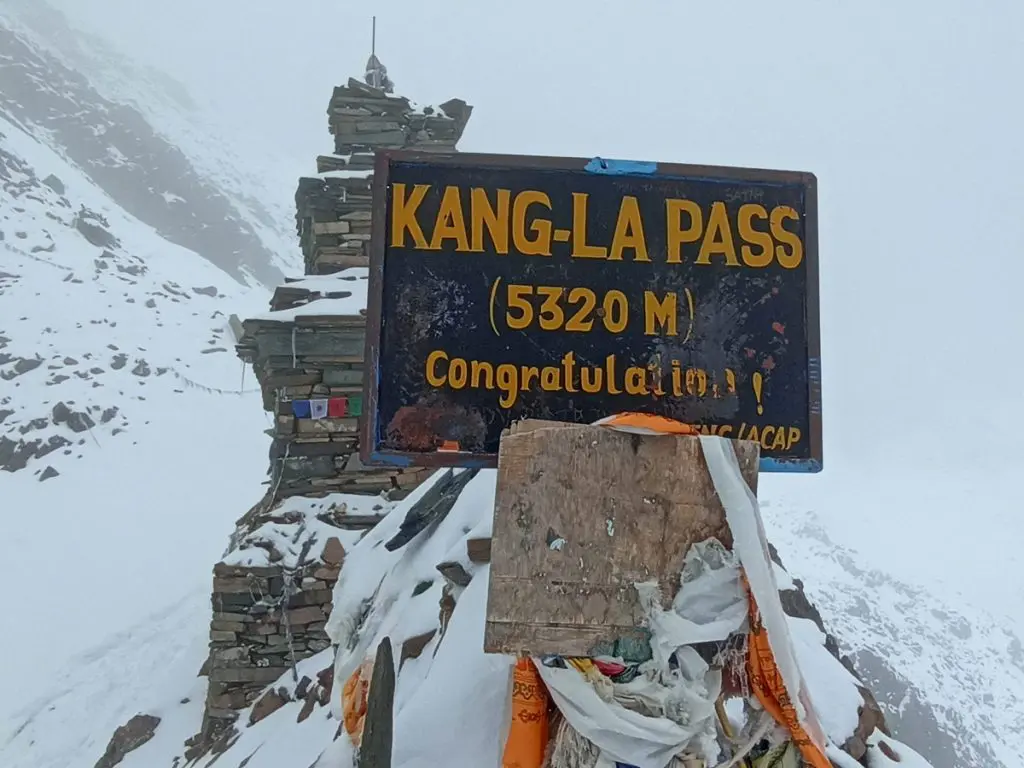
Depending on the chosen route, the trek can also include Kang La Pass, a high mountain crossing that connects the Nar Phu region with the wider Annapurna Circuit trail. Crossing the pass adds a demanding high-altitude section and offers expansive views of the surrounding Himalayan terrain. It requires careful preparation, suitable weather conditions, and an itinerary that allows trekkers to acclimatise properly.
What Makes the Nar Phu Valley Trek Different?
The Nar Phu Valley Trek stands apart from many popular routes because it combines cultural exploration with a genuine sense of remoteness. While destinations such as Everest Base Camp and the main Annapurna Circuit attract substantial numbers of trekkers during peak seasons, the Nar Phu region generally receives fewer visitors.
Its restricted-area status helps regulate access to the region. Travellers must meet the applicable permit requirements and follow the current rules for trekking in the area, including requirements concerning licensed guides and authorised trekking arrangements. These regulations should be confirmed before departure because permit conditions can change.
Facilities are also more limited than on heavily developed trekking routes. Accommodation is generally simpler, services may be less consistent, and travellers should not expect the same range of amenities available in larger trekking villages. This is part of the experience, but it also makes advance planning important.
For those researching Nar Phu Valley Nepal, the attraction lies in this combination of cultural depth, dramatic landscapes, and a less commercialised trekking environment. The region rewards travellers who are interested in understanding a destination rather than simply reaching a famous viewpoint.
Is the Nar Phu Valley Trek Right for You?
This trek is particularly suitable for travellers who enjoy walking through remote landscapes, discovering traditional mountain communities, and experiencing a different side of Nepal. It can appeal to hikers who have already completed popular routes and want a more secluded Himalayan experience, as well as adventurous travellers who value cultural encounters alongside mountain scenery.
However, the Nar Phu Valley Trek should not be underestimated. Walking at high altitude can be physically demanding, and the remote location means that access to medical assistance and emergency evacuation may be more complicated than on busier routes. Previous trekking experience is helpful, especially for itineraries that cross Kang La Pass, although the appropriate level of difficulty depends on the route, acclimatisation schedule, and individual fitness.
A well-planned trek should allow enough time to adjust to increasing altitude, account for changing weather, and avoid rushing through the valleys. Travellers should also be prepared for basic accommodation and changing conditions along the trail. Choosing an itinerary that matches your experience and allowing flexibility for mountain conditions can make a significant difference to the overall journey.
The Nar Phu Valley Trek is ultimately about discovering a less familiar side of the Nepal Himalayas. Its traditional villages, Tibetan-influenced culture, rugged valleys, and demanding mountain trails create an experience that goes beyond the usual highlights of trekking in Nepal. For travellers seeking a remote Himalayan adventure with meaningful cultural encounters, Nar and Phu offer a compelling alternative to the region’s more frequently travelled routes.
With local knowledge and personalised planning from First Camp Trek, travellers can prepare for an experience that balances cultural discovery, mountain exploration, and the practical demands of trekking in this remarkable part of Nepal.
Explore more of Nepal with First Camp Trek, from the iconic [Annapurna Circuit Trek] to the remote [Manaslu Circuit Trek] and scenic [Langtang Valley Trek]. Discover our trekking packages in Nepal and find the perfect Himalayan adventure for your travel style.
Narphu Valley Trek Itinerary
Altitude Gain
2,600 m
Accommodation
Teahouse in Koto
Meal
Lunch and Dinner
Driving time: Approximately 9–12 hours
Your Nar Phu Valley adventure begins with an early morning departure from Kathmandu. Travel along the Prithvi Highway toward Besisahar before continuing through the Marsyangdi Valley toward Dharapani, Chame and Koto in a suitable 4WD vehicle.
The journey gradually leaves the busy city behind, passing terraced hillsides, rivers, traditional settlements and increasingly dramatic mountain scenery. As you approach the Annapurna region, the road becomes rougher and travel times depend heavily on road conditions.
Koto is the gateway to the restricted Nar Phu Valley and the starting point of the trekking route. After arrival, settle into your lodge, enjoy dinner and prepare your equipment for the following day’s walk.
Altitude Gain
3,560 m
Accommodation
Teahouse in Meta
Meal
Breakfast, lunch and dinner
Walking time: Approximately 6–8 hours
After breakfast, complete the required checkpoint formalities and enter the remote Nar Phu Valley. The trail follows the Nar Khola through a dramatic gorge, with steep cliffs, pine forests, waterfalls and suspension bridges along the way.
As you leave the main Annapurna Circuit behind, the surroundings become quieter and more isolated. The path gradually climbs through rugged terrain toward Meta, a small high-altitude settlement overlooking the valley.
This is a demanding trekking day because of the sustained ascent and increase in sleeping altitude. Walk at a steady pace, take regular breaks and drink enough water.
Altitude Gain
4,080 m
Accommodation
Teahouse in Phu Village
Meal
Breakfast, lunch and dinner
Walking time: Approximately 5–7 hours
Today’s trail continues deeper into the Nar Phu Valley toward the remarkable settlement of Phu. From Meta, the landscape gradually changes from forested gorges to open, dry mountain terrain, with rocky hillsides, traditional ruins and distant Himalayan peaks.
Along the way, you may encounter seasonal settlements and grazing areas that reflect the traditional way of life in this remote region. The final approach to Phu reveals a cluster of stone houses set dramatically against the surrounding mountains.
Phu is known for its traditional architecture, Tibetan-influenced culture and close relationship with the surrounding Himalayan environment. After checking into your lodge, take a gentle walk around the village if time and energy permit.
Altitude Gain
4,080 m
Accommodation
Teahouse in Phu Village
Meal
Breakfast, lunch and dinner
Walking time: Optional easy hike
Spend an additional night in Phu to help your body adjust to the altitude. Rather than rushing onward, use the day to explore the village and learn about its cultural and historical significance.
Visit Tashi Lhakhang Monastery if access and local arrangements permit. Walk through the traditional stone lanes, observe the surrounding agricultural terraces and enjoy views of the mountains rising above the settlement.
Trekkers who are feeling well may take a short acclimatization walk to a nearby viewpoint. A longer excursion toward the Himlung Himal base-camp area should only be considered when appropriate for the group’s fitness, acclimatization and local conditions.
The guide will monitor the group’s health and discuss the next stages of the trek.
Altitude Gain
3,490 m
Accommodation
Nar Phedi monastery guesthouse or confirmed local accommodation
Meal
Breakfast, lunch and dinner
Walking time: Approximately 5–7 hours
After breakfast, leave Phu Village and retrace the trail through the rugged Nar Phu Valley. The route descends through rocky terrain and narrow sections of the valley before continuing toward Nar Phedi.
Although much of the day involves descending, the uneven trail still requires care, especially on loose stones and steep sections. The changing landscape offers another opportunity to appreciate the remote character of this region.
Nar Phedi is known for its monastery and simple accommodation arrangements. Because facilities are limited, overnight arrangements and meal availability should be confirmed before the trek begins.
Altitude Gain
4,110 m
Accommodation
Teahouse in Nar Village
Meal
Breakfast, Lunch and Dinner
Walking time: Approximately 3–5 hours
Today’s trek climbs from Nar Phedi toward Nar Village, one of the principal settlements in the restricted valley. The trail ascends through mountain terrain, passing stone walls, chortens and cultivated fields before reaching the village.
Nar is known for its traditional stone houses, agricultural terraces and Tibetan-influenced customs. Compared with the isolated setting of Phu, the village provides another perspective on the cultural life of the region.
After lunch, take a relaxed walk through the settlement and enjoy the mountain scenery. Avoid strenuous activity in the afternoon, as the next stages involve high-altitude walking.
Altitude Gain
4,110 m
Accommodation
Teahouse in Nar Village
Meal
Breakfast, lunch and dinner
Walking time: Optional short acclimatization walk
Spend another night in Nar before attempting Kang La Pass. This day provides time to rest, prepare equipment and assess whether the group is ready for the most demanding section of the trek.
Enjoy a short local walk if everyone is feeling well. The remainder of the day should be dedicated to hydration, eating well, checking warm clothing and preparing packed food for the early start.
The guide should review the weather forecast, snow and trail conditions, headlamps, footwear, gloves and emergency arrangements. The group should discuss the long walking hours and the possibility that the pass crossing may need to be postponed or abandoned if conditions become unsafe.
Altitude Gain
5320m
Accommodation
Teahouse in Ngawal
Meal
Breakfast, packed lunch and dinner
Walking time: Approximately 8–10 hours or longer
This is the highlight and most physically demanding day of the Nar Phu Valley Trek. Begin before dawn, carrying sufficient water, warm clothing, snacks and a packed lunch.
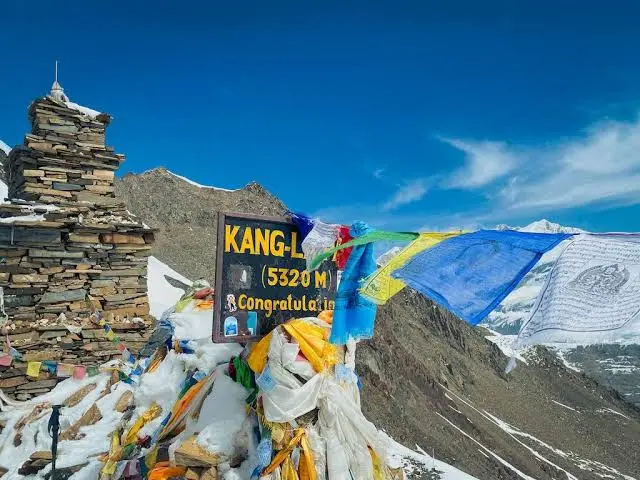
The trail climbs steadily from Nar Village toward Kang La Pass, reaching approximately 5,320 m above sea level. The ascent is demanding because of the altitude, rocky terrain and sustained effort required. From the pass, trekkers can enjoy magnificent views of the Annapurna Himalayas when weather conditions allow.
After taking a short break at the top, begin the long descent toward Ngawal on the Annapurna Circuit side. The trail eventually leads into a more established trekking area, where accommodation options are generally more developed than in the restricted valley.
The crossing should only proceed when weather, trail conditions and the group’s health make it safe. If snow, ice, poor visibility or altitude symptoms create unacceptable risks, the guide must prioritize safety over the planned schedule.
Altitude Gain
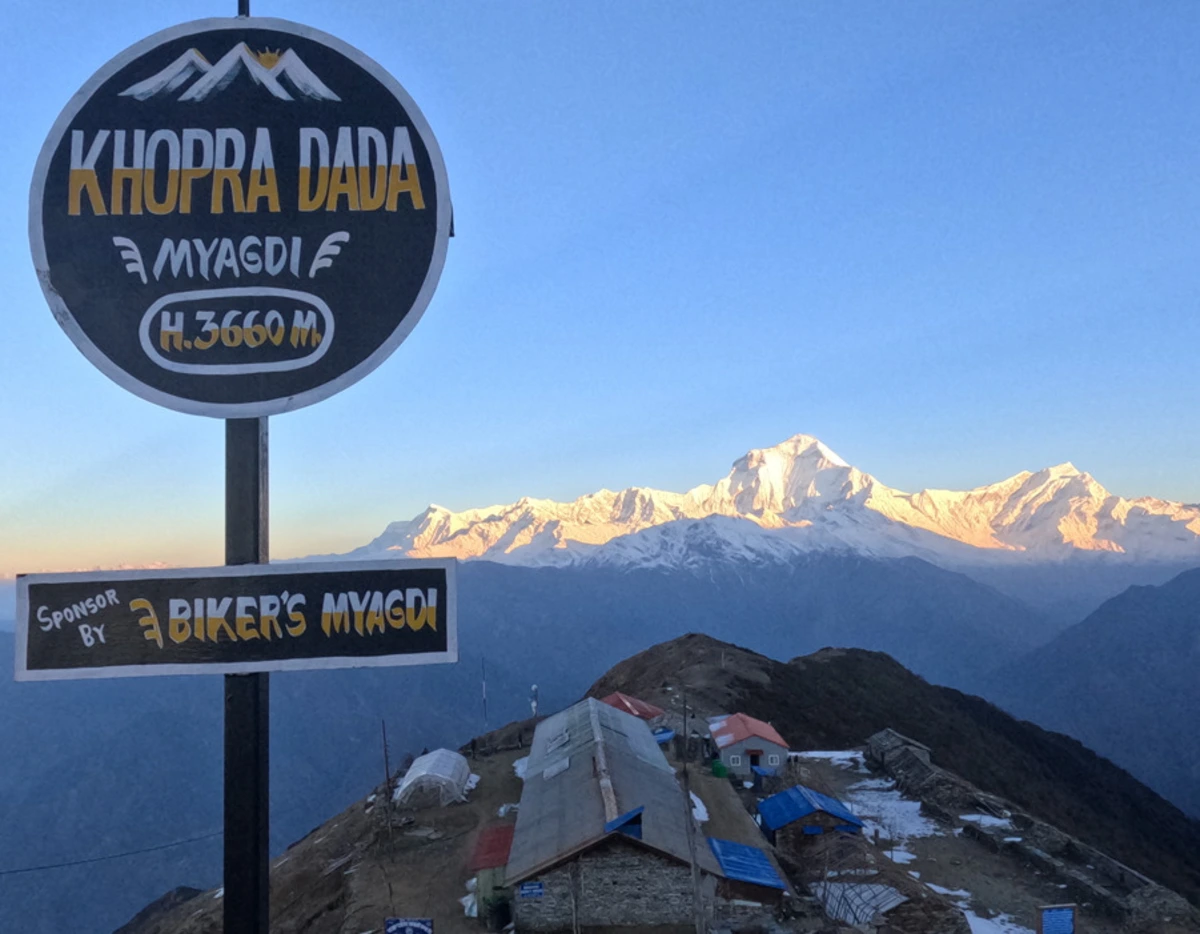
3660m
Accommodation
Teahouse in Manang
Meal
Breakfast, lunch and dinner
Walking time: Approximately 3–5 hours
After the demanding Kang La crossing, enjoy a more relaxed trekking day toward Manang. Follow the Annapurna Circuit trail through mountain villages and open landscapes, with opportunities to appreciate the surrounding peaks and traditional settlements.
The route offers a different perspective from the secluded Nar Phu Valley, as it reconnects with one of Nepal’s best-known trekking corridors. Take your time, enjoy the scenery and rest whenever necessary.
On arrival in Manang, check into your lodge and spend the afternoon recovering from the high pass. Manang is a well-known stop on the Annapurna Circuit, with a range of basic services and mountain accommodation.
Altitude Gain
3540m
Accommodation
Hotel or guesthouse in Besisahar
Meal
Breakfast, lunch and dinner
Driving time: Approximately 5–8 hours or longer, depending on road conditions
After breakfast, board a pre-arranged 4WD jeep for the journey down the Marsyangdi Valley toward Besisahar. The road passes through mountain settlements, river valleys and sections of rugged terrain.
Travel time varies according to road conditions, vehicle availability, construction and seasonal disruptions. The drive may be slow, so keep the schedule flexible and follow the driver’s advice regarding local conditions.
On arrival in Besisahar, check into your accommodation and rest before the final journey to Kathmandu.
Accommodation
N/A
Meal
Breakfast and Lunch
Driving time: Approximately 6–8 hours or longer
After breakfast, begin the drive back to Kathmandu along the Prithvi Highway. The journey follows river valleys and rolling hills before returning to the Kathmandu Valley.
Depending on traffic and road conditions, you may arrive in Kathmandu in the afternoon or evening. Transfer to your hotel and enjoy a well-earned rest after completing the trek.
This day also provides some protection against delays during the return journey from Manang to Besisahar.
Overnight: Hotel in Kathmandu
Meals: Breakfast and other meals as arranged
Whats Includes
- Government Certified English Speaking Guide
- Private Ground Transportation required throughout the trek
- Porter to help with baggage
- Breakfast, Lunch and Dinner everyday on Trek(Food of your choice from the menu)
- 3 hot drinks per day.
- ACAP Permit required in the ACAP region.
- Restricted Area Permit required in Narphu Region.
- All forms of tax needed to pay to government during trek.
Price Excluded in Narphu Valley Trekking
- Your Travel and High Altitude Insurance( mandatory for clients to get it)
- Anything not included in the itinerary
- Bar bills, Hot showers, WIFI Charges, Charging Charges, etc. charged by the hotel during the trek.
- Trekking Gears and personal equipments.
- Gratitude/ Tips to guide, porter or trekking staffs.
- Meals and accommodation in Kathmandu before or after the trek.
- Any services, activities, or expenses not specifically mentioned under “What’s Included.”
Frequently Asked Questions for Nar Phu Trek
The Nar Phu Valley Trek is a remote trekking adventure in Nepal's Annapurna region, exploring the traditional Himalayan villages of Nar and Phu. The trek offers dramatic mountain landscapes, ancient Buddhist monasteries, traditional Tibetan-influenced culture, and peaceful trails away from the busier Annapurna trekking routes. It is an excellent choice for trekkers seeking a more adventurous and culturally rich experience in the Himalayas.
The Nar Phu Valley Trek generally takes 9–12 days, depending on the itinerary, starting point, acclimatization requirements, and whether you include the crossing of Kang La Pass. A 12-day Nar Phu Valley Trek from Kathmandu and back allows time for transportation, trekking through both valleys, and crossing the high mountain pass with appropriate preparation.
The best seasons for Nar Phu Trekking are spring (March to May) and autumn (September to November). Spring offers pleasant trekking conditions and blooming alpine landscapes, while autumn generally provides clear mountain views and stable weather. Winter can bring heavy snowfall and difficult conditions around Kang La Pass, while the summer monsoon may cause rain and landslides on the approach routes.
The Nar Phu Valley Trek is considered a moderate to challenging trekking route because of its remote trails, long walking days, high altitude, and the crossing of Kang La Pass. Trekkers should have good fitness, be comfortable walking for several hours daily, and prepare for changing mountain weather. Previous trekking experience is beneficial, particularly for those planning to cross Kang La Pass.
The highest point of the classic Nar Phu Valley Trek via Kang La Pass is approximately 5,320 metres above sea level. At this altitude, trekkers may experience shortness of breath, fatigue, and symptoms of altitude sickness. Proper acclimatization, a gradual ascent, and guidance from an experienced trekking guide are important for a safer journey.
Yes. Nar and Phu are restricted areas, so trekkers need a Nar Phu Restricted Area Permit. Trekkers also generally require the Annapurna Conservation Area Project (ACAP) permit. Restricted-area trekking rules include travelling with a licensed trekking guide and meeting the applicable minimum group requirements. Permit regulations and fees may change, so confirm the latest requirements before departure.
The cost of the Nar Phu Valley Trek depends on group size, trek duration, transportation, accommodation, meals, permits, guide and porter services, and the level of support included. Private trekking arrangements may cost more per person than larger groups because fixed expenses are shared among fewer trekkers. Request a personalized quote from First Camp Trek to plan a trip that matches your budget, schedule, and preferred services.
Yes. Nar Phu is a restricted trekking area, and a licensed trekking guide is required under the applicable permit regulations. Travelling with a knowledgeable local guide also helps with navigation, cultural understanding, accommodation arrangements, and adapting the itinerary to mountain conditions.
Yes. The Nar Phu Valley Trek can be combined with the Annapurna Circuit Trek, as it is in Annapurna region making it possible to explore the remote Nar and Phu villages before continuing towards the main Annapurna Circuit. This combination offers a broader experience of the Annapurna region, including diverse landscapes, traditional settlements, and high mountain passes. However, it requires additional trekking days and careful planning for altitude and transportation.
Consumer reviews
REVIEW REQUESTS
Enter a recent customer’s contact info and we’ll ask them to leave you a review.