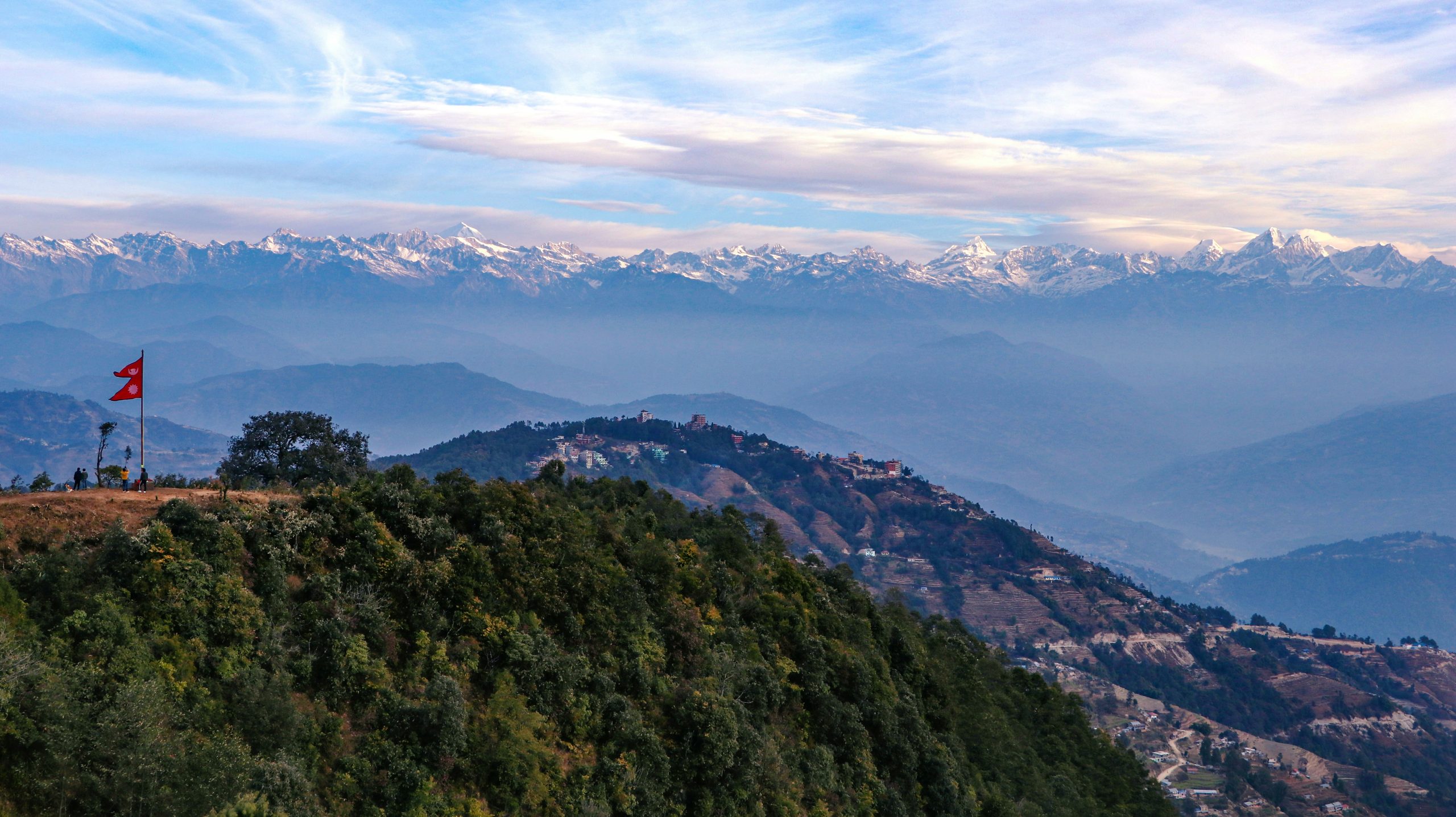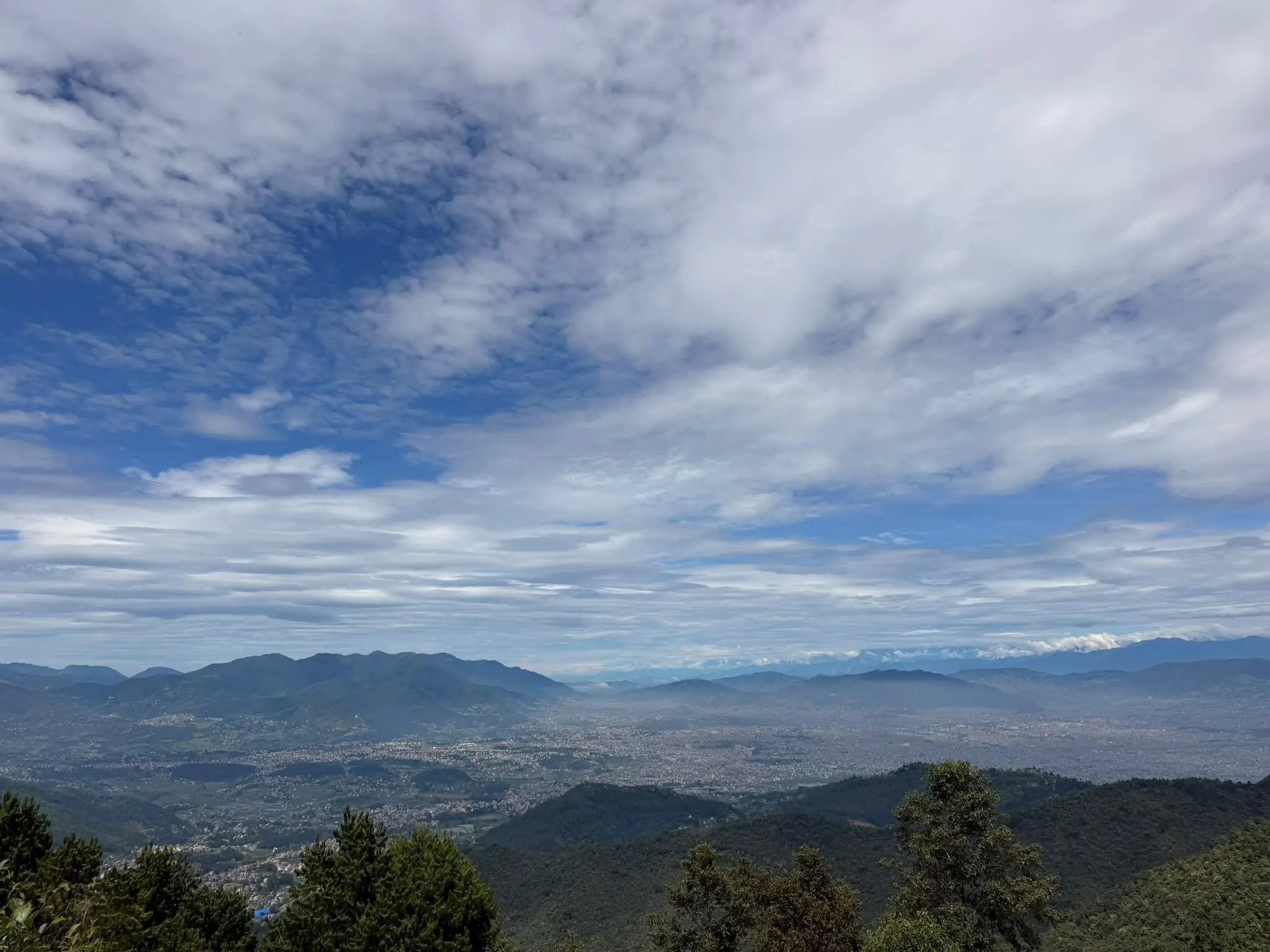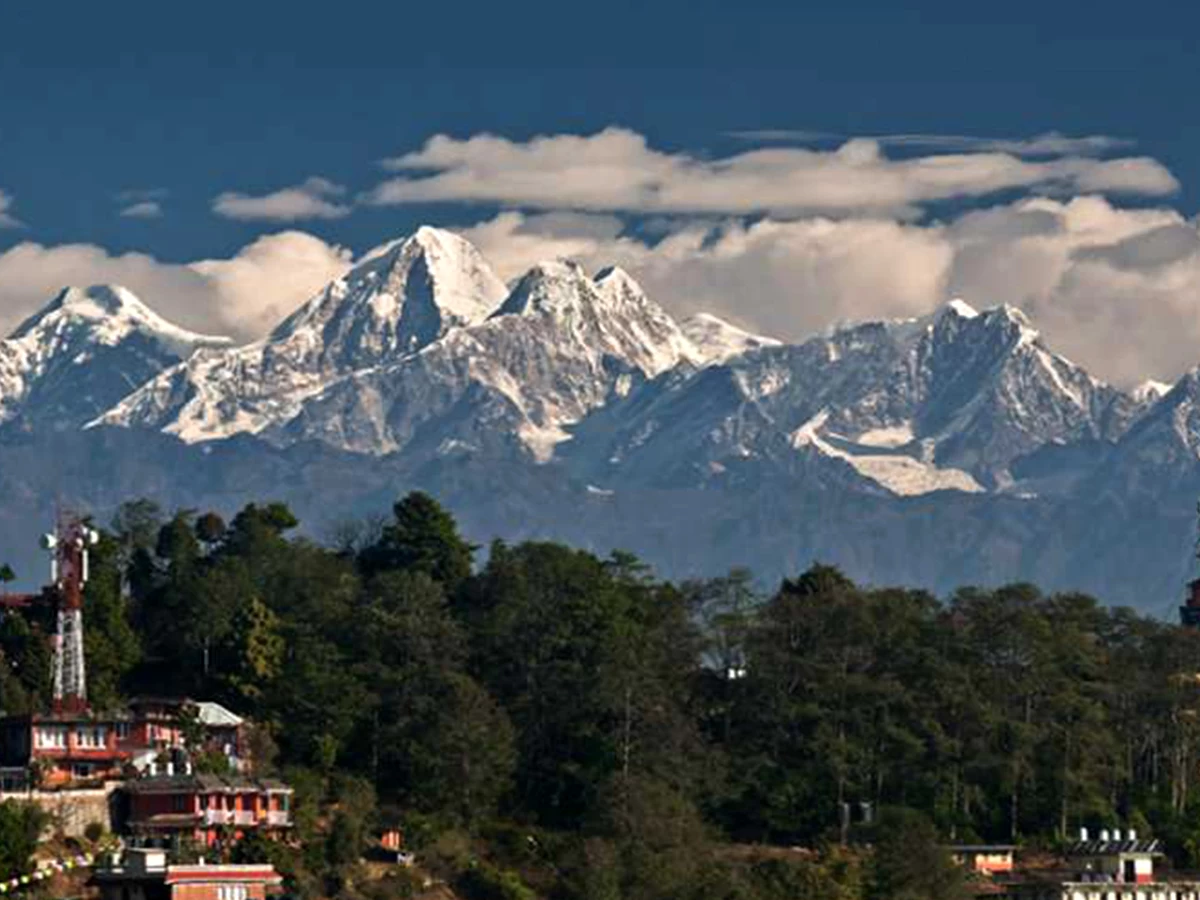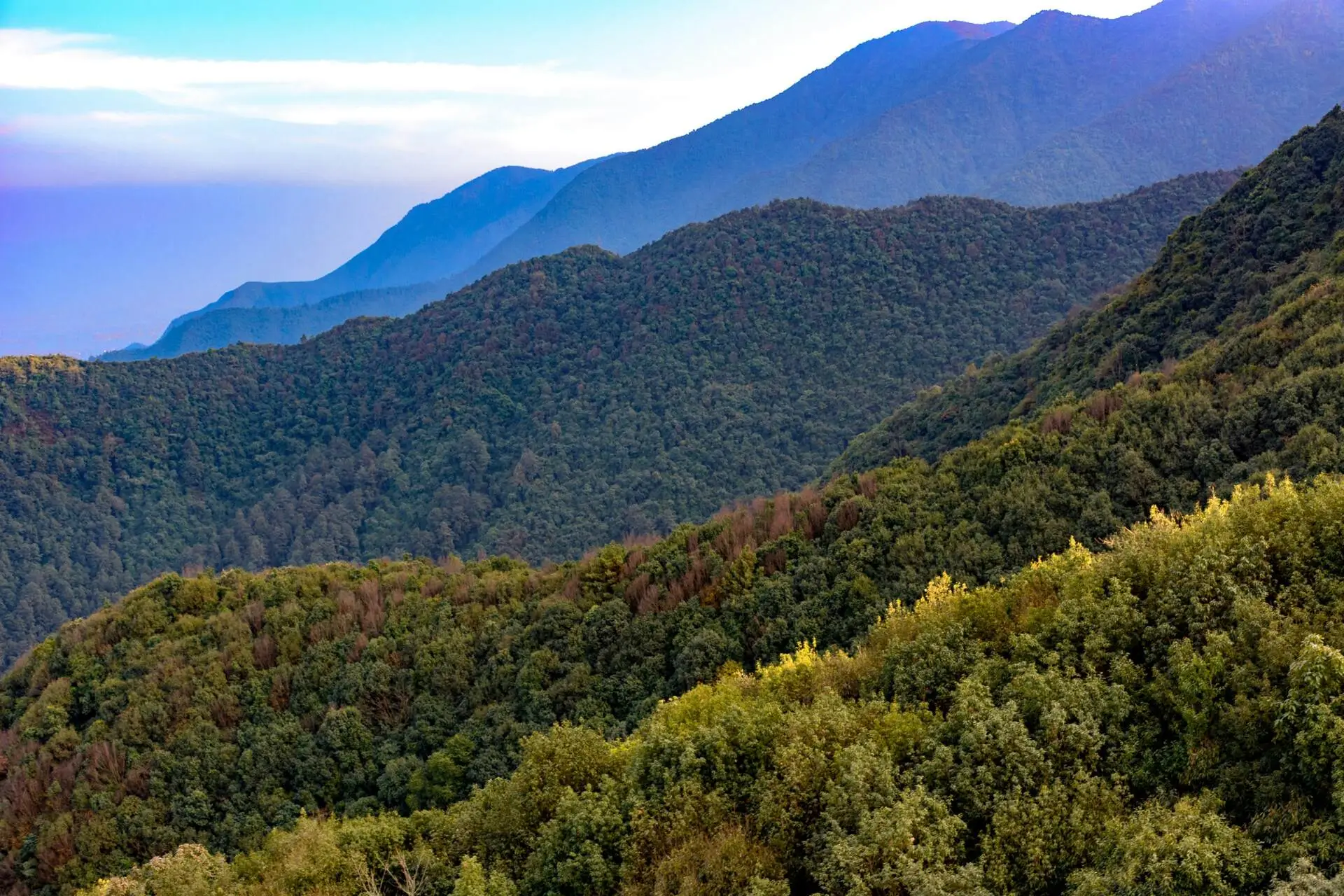
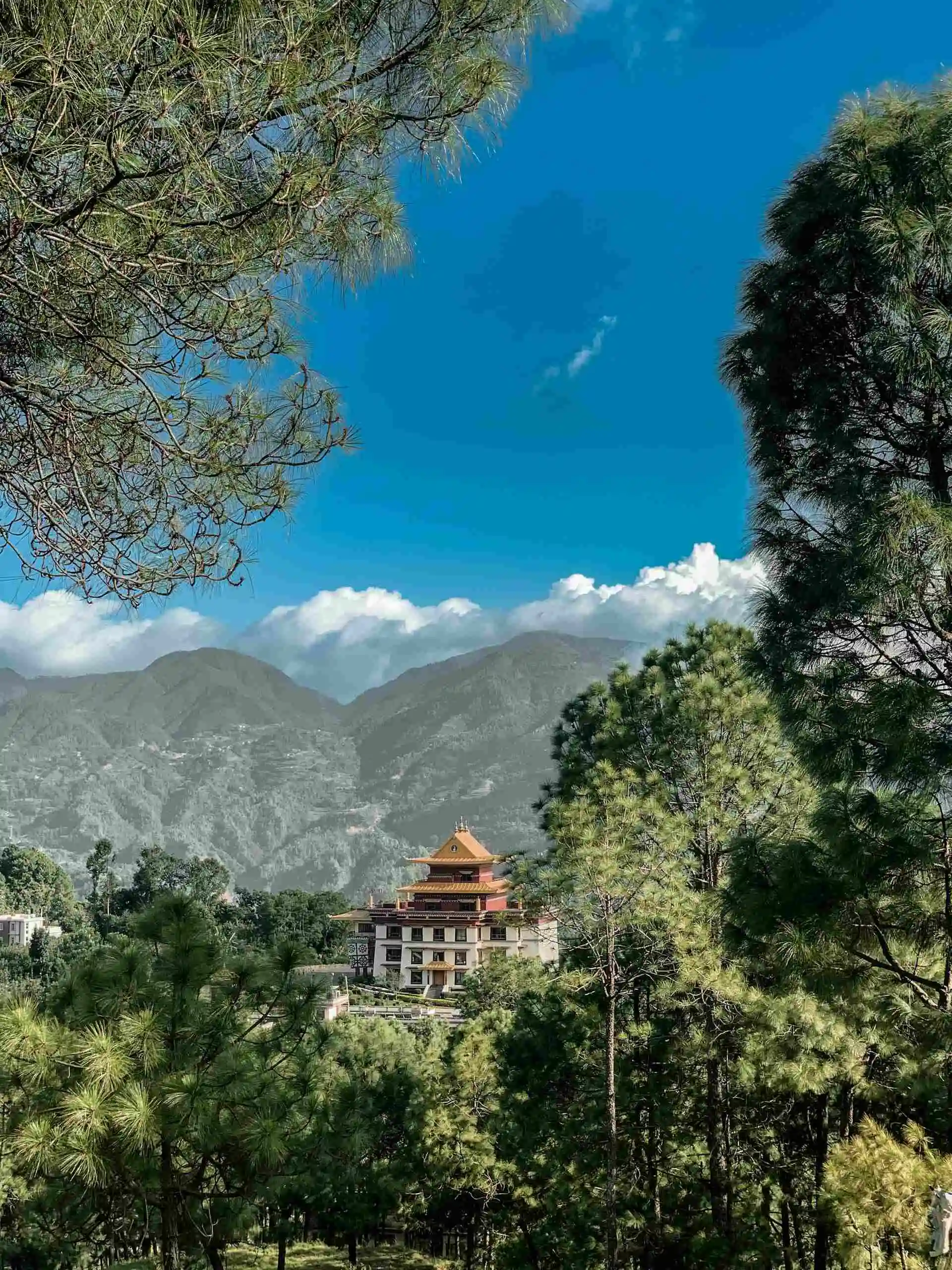
Experience the perfect blending of spiritual pilgrimage with nature in our Champadevi Day Hike just north of downtown Kathmandu by only 19km. This short hike is to an altitude of 2278 meters (7497 ft) through serene forests of pine forests and densely cultured towns. On reaching the top get treated by panoramic views of Kathmandu valley in full in background, in between surrounded by surrounding villages, and resplendent Himalayan range in background.
The Champadevi trail is both Buddhist and Hindu religious to believers, so this hike is not only physically demanding but experience rich in terms of culture. This moderately accessible hike boasts prayer flags hung down the trail and notable religious sights including cave shrine to Guru Padmasambhava, taking slightly over 4 to 5 hours to hike but accessible to most fitness categories and age groups.
Trip Facts
Trip Code
H1
Duration
1 Days
Max. Altitude:
2278 meters
Group size
Minimum 2
Best Time for Visit
Spring (March to May) and Autumn (September to November)
Activity
Hiking
DIFFICULTY
Beginner
LOCATION
Champadevi, Nepal
Trip Starts
Kathmandu
Trip Ends
Kathmandu
Highlights of Champadevi Day HIking: one of the best hiking in Nepal
- Summit views encompassing all three districts of Kathmandu Valley: Kathmandu, Lalitpur, and Bhaktapur
- Visit to Pharping village while hiking to Nepal and the revered cave of Guru Padmasambhava (Guru Rimpoche)
- Exploration of significant religious sites including Seshnarayan Cave and Dakshinkali Temple.
- Scenic drive past ancient Newari settlements of Khokana and Bungmati
- Rich biodiversity with diverse flora and fauna throughout the protected forest area
- Cultural experience with prayer flags and religious monuments along the trail
- Perfect balance of hiking difficulty – challenging enough to be rewarding but accessible for most fitness levels
- Views of the Bagmati and Bishnumati rivers that sustain the Kathmandu Valley
- Return journey via the historic Chobar Gorge. Don't miss out on any of these through our hiking to Nepal packages
Overview
Champadevi Day Hiking: Balance between Nature & Culture
Nestled in Kathmandu Valley’s southern border is Champadevi Hill, an unseen guardian browns over extensive urban sprawl below. Nepal is known worldwide for Hiking to Nepal through Himalayan multi-day treks and fearlessness of the heights of Everest. Still, Nepal’s undiscovered treasures in Hiking in Nepal through Kathmandu day hikes prove to be just as fulfilling in experience while leaving accessibility in favor of stupendous views and rich heritage.
One among these treasures is the Champadevi Day Hiking experience that offers an ideal introduction to Nepalese landscapes while not venturing far from Kathmandu.
The Ascent: Pilgrimage in Altered Environments
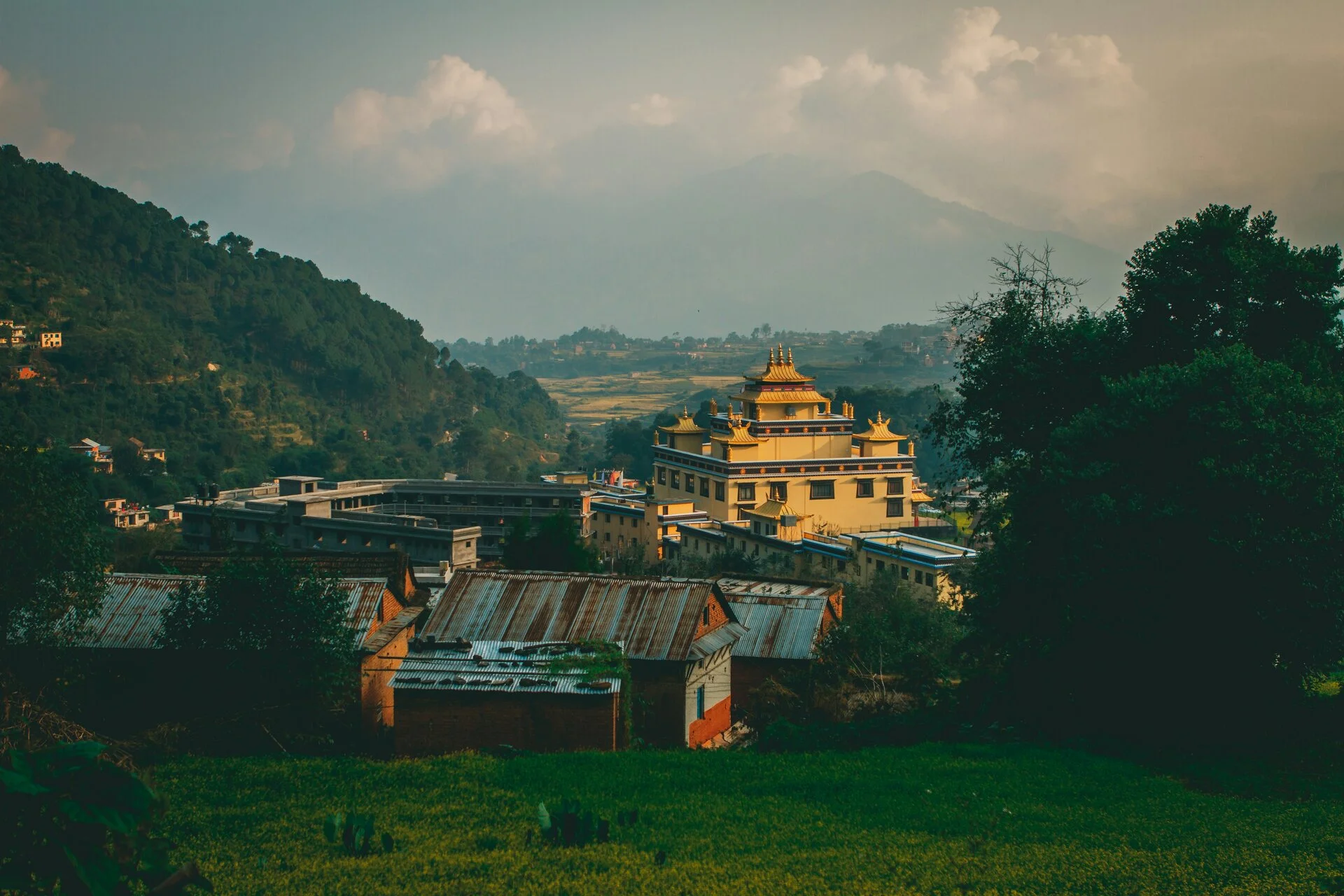
The journey to Champadevi is not in reaching hike, but in driving through scenery that takes you away from Kathmandu’s frenetic pace to rural life beyond Pharping. As driving down winding roads takes place, you’ll get to experience urban sprawl giving rise to rolling hills of cultivation and scattered rural communities. It is an unnoticed change until by trailhead time, you’ll have been transported to an entirely foreign planet from Kathmandu grime and din.
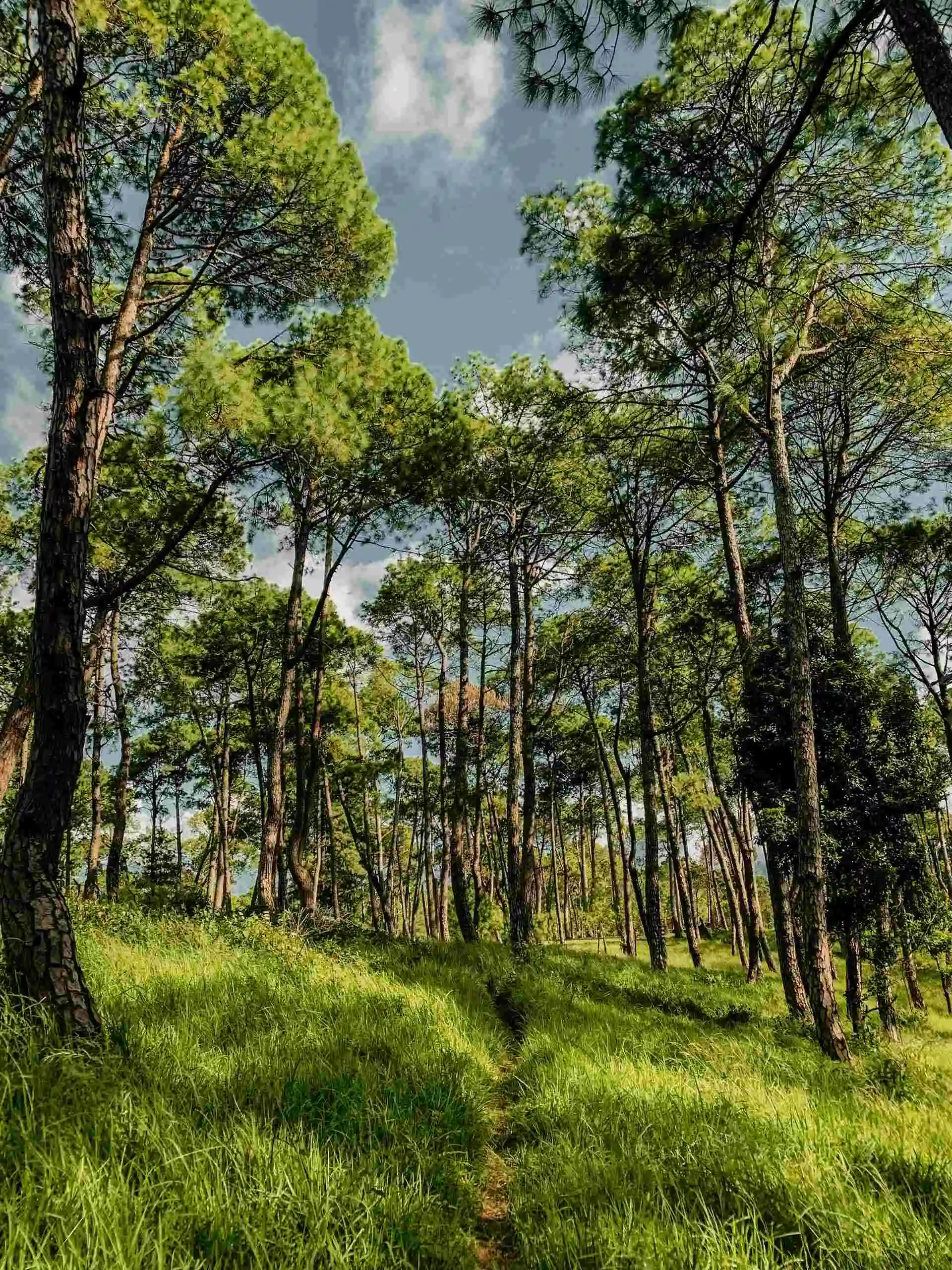
The hiking trail is relatively mild to begin with, passing through small pockets of traditional villages where life exists in ways little changed by centuries. Kids can wave enthusiastically while making a passage to gain an indication of Nepali society’s friendly welcome. Shortly later, the trail gradually slopes, passing through increasingly dense stands of pine that provide relief during warmer months. Hiking to Nepal through these regions offers an immersive experience of Nepal’s untouched beauty.
What makes this trail especially interesting is that it oscillates between various belts of ecology. The lower part has flowering bushes in subtropical forests and stands of bamboo while the middle part is where forests in shades in temperatures take over with pine and rhododendron trees. Spring (March-April) is when the ground floor in these forests is turned to canvas because Nepal’s national flower, the rhododendron tree, is in full glory in reds, pinks, and white.
A Museum Alive with Heritage
Unlike many Nepalese treks in the wilderness, this Hiking in Nepal experience is half pilgrimage, half walk in the garden. Historically both Buddhists and Hindus have held this hill in deepest significance, interweaving an interesting mosaic of each faiths mutual religious ground.
As you hike uphill, Buddhist shrine stones (chorten) lined by fluttering prayer flags in the breeze can be seen. Blue, white, red, green, and yellow square bits of material representing the five elements have prayers and mantras sent around the globe by each flutter in the breeze. Buddhist practice is to leave these flags standing in place instead of taking them down but simply allow them to naturally disperse over time to return to where they began symbolically.
Local folklore adds to Nepali society and adds meaning to Champadevi Day Hiking. Champa Devi is named in mythological context to commemorate Champa Devi who is an avatar of divine feminine power in Hindu cosmogony. Pilgrims in respect to her belief goddess is in residence in the topmost part of the hill bless devotees who perform pilgrimage to her divine residence.
This religious significance is behind Despite relatively humble altitude compared to Nepal’s giant hills Champadevi has an unwavering number of devotees aside from international hikers.
The Sanctuary in Nature: Diversity in the Trail
Though often overlooked by hikers who hurry to somewhere in between not paying attention to this travel process, this protected area in Champadevi trail has an incredibly rich biodiversity. Low habitation in this protected area has created a habitat for various birds in this area, including the Himalayan bulbul, verditer flycatcher, and in fortune resplendent Danphe (Himalayan monal)–Nepal bird symbol.
The spring and fall seasons bring an attractive profusion of flowers in the wilds, among which several varieties of orchids have tentacle-like growths clinging to tree bark and twigs. Discerning eyes can spot remnants of little mammals such as yellow-throated martens or bark deer, yet these shy creatures keep to themselves and go unnoticed by most humans.
The forest is full of sounds—bird songs, shuffling through tree leaves, and every now and then faint ringing carried by valley breezes through temple bells. Hiking to Nepal offers such an enriching experience where nature meets spirituality.
The Summit: When Heaven Comes to Earth
After approximately three continuous hours of continuous hike through these rolling hills, the trail broadens to unveil the top of Champadevi. At an altitude of 2,278 meters above mean sea level, the fruition of your toil is bare to naked eyes. On sunny clear days in between months between October to December in the dry season, views remain nothing short of resplendent.
The entire Kathmandu valley is below in miniature scale, with ancient temples and modern buildings in miniature scale. One can now see the bowl shape of the valley and have an improved understanding of how this area came to be an area of centrality both commercially and culturally over centuries. Hiking in Nepal always presents such rewarding views after a fulfilling trek.
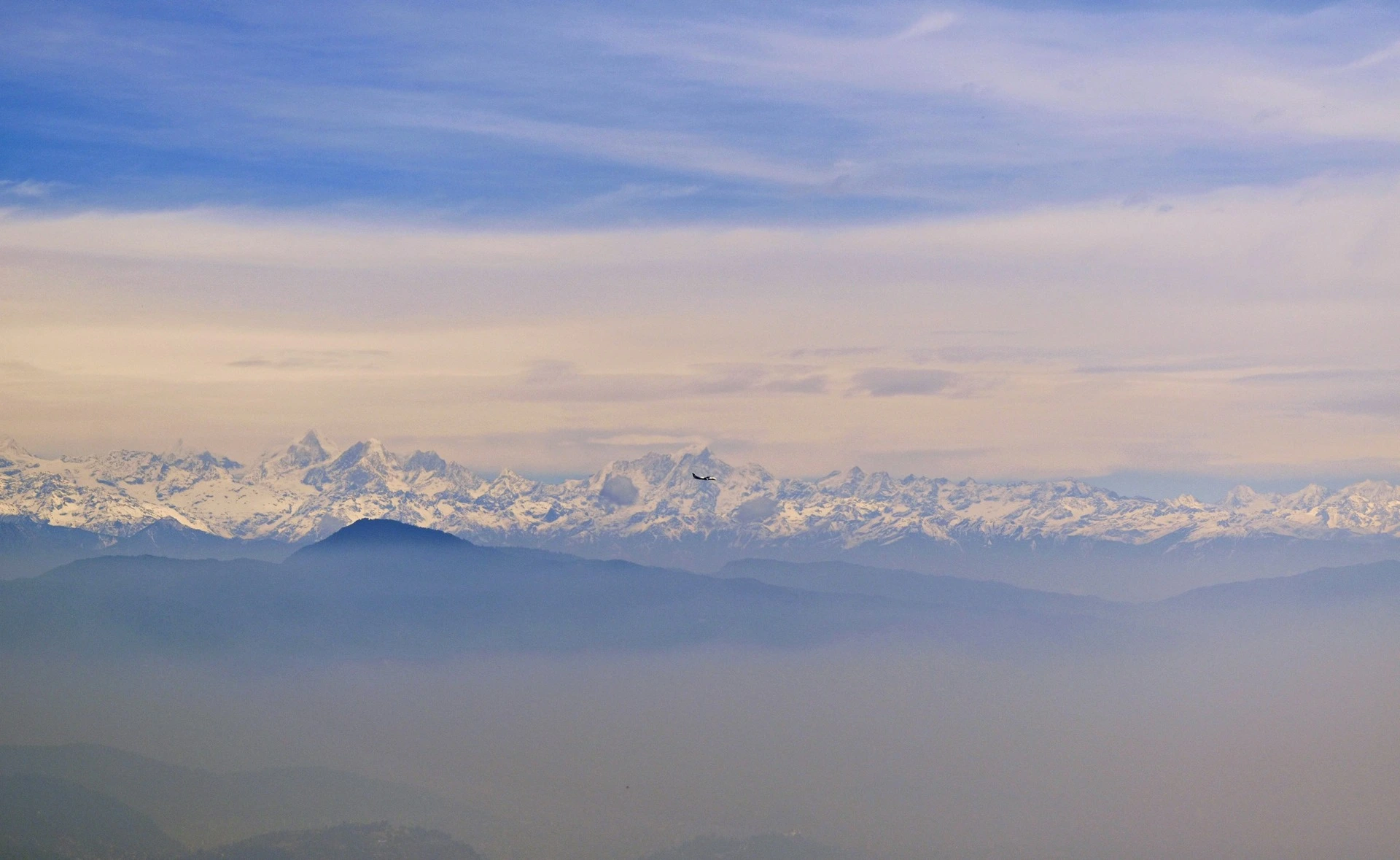
To the north is bounded by snow-crowned sentinels of the Himalayan range. Langtang, Dorje Lakpa, Gauri Shankar, and in really clear weather even the remote shape of Everest is visible on the horizon. Faraway summits, shining in the sunlight, present an intense contrast to the green middle hills marking the nearest landscape.
Beyond the Summit: Harmony in Perspective
Many hikers realize that the value in standing on top of Champadevi is not just in the panoramic views but in the perspective gained. From this altitude, life’s troubles and cares melt away with the shrunken city below. Endless expanses of the horizon and lofty mountains put things in perspective in this humbling yet comforting way:
At the top, worshipers can often be observed conducting rituals, lighting sticks of incense or just sitting in respectful silence. This is an atmosphere respectful in tone yet full of joyful celebration in an eclectic mix that is both religious practice and an admiration of nature. Visitors can join in respect or just sit in respect to these rituals that join modern Nepalis to centuries-refined practices. Champadevi Day Hiking is not just a physical journey but a soulful one as well.
The Descent: Bearing the Mountain while Hiking to Nepal
As afternoon arrives and the sunlight becomes softer, the ride down to Champadevi has something to offer in pleasure by itself. This ride is entirely down an alternate trail with new sights and views. This ground slightly sloped is to be preserved in rainy weather, yet this ride is faster and not physically demanding compared to ascent.
As you get closer to where the trail goes away, fewer trees occupy the forest until suddenly you’re in rural Nepali reality. It is stark: a meditative haven in Nature to rural Nepali reality. But most hikers talk about something about the mountaintop staying behind: perhaps an attitude of perspective, perhaps just body memory touching something beyond yourself. This hike offers such a blend of nature and cultural enlightenment.
The day is completed by driving back to Kathmandu, most commonly by Chobar Gorge—narrow defile through which flow all waters in Kathmandu Valley through the Bagmati River. This geological feature has mythological significance in that in Nepali mythology this is where bodhisattva Manjushri is supposed to have used his sword to hew hills to drain the original lake which filled the valley to have lands fit to support civilization.
Conclusion: Hiking In Nepal
As the Kathmandu urban sprawl comes into vision in frenzied pace and sensory overload on the horizon, this experience by Champadevi Day Hiking is not just a day hike—it is an experience through Nepal in majesty in nature, legacy in culture, and spiritual practices brought to the metropolis. This hiking provides such unique opportunities for both locals and travelers alike, blending adventure with cultural enrichment. Champadevi Hiking is one of the best day hiking in Nepal.
Find Nagarkot Changunarayan Day Hiking in Nepal here! Click HERE! Another best way to spend your day in Kathmandu!
Champadevi Day Hiking Itinerary
7:30 AM: Breakfast at your hotel
8:00 AM: Pickup from your hotel in Kathmandu in a private vehicle
9:00 AM: Arrive at Pharping village; explore Guru Rimpoche’s cave and nearby monastery
10:00 AM: Begin the ascent to Champadevi Hill (packed with cultural insights from your guide)
12:30 PM: Picnic lunch break with valley views (weather permitting)
2:00 PM: Reach Champadevi summit for panoramic views and visit to Champadevi Temple
2:30 PM: Begin descent via an alternative route for varied scenery
3:00 PM: Drive back to Kathmandu via scenic Chobar Gorge
4:00 PM: Arrive back at your hotel in Kathmandu
Hiking to Nepal | Champadevi Day Hiking Package includes:
- Private transportation for hotel pickup and drop-off
- Professional English-speaking hiking guide
- Complimentary bottle of drinking water
- Guide's salary, meals, and insurance
- All applicable taxes and service charges
Hiking in Nepal | Champadevi Day Hiking package excludes
- Personal expenses (additional snacks, drinks, souvenirs)
- Lunch (can be arranged as picnic lunch for additional cost)
- Entrance fees to protected areas, temples, or monuments (approximately NPR 200-500)
- Travel insurance (highly recommended)
- Tips for guide and driver (appreciated)
Frequently Asked Questions: Champadevi Day Hike
The hiking to Nepal is rated as easy to moderate and is suitable for most age groups with reasonable fitness. The trail involves some uphill sections but doesn't require technical climbing skills.
We recommend comfortable hiking shoes, layered clothing, sun protection (hat, sunscreen, sunglasses), personal medications, camera, and 1-2 liters of water. A small daypack is sufficient.
Yes, the hike can be done throughout the year. However, the best seasons are spring (March-May) and autumn (September-November) when visibility is optimal for mountain views. During monsoon season (June-August), trails can be slippery.
Moderate fitness is recommended. The hike involves approximately 4-5 hours of walking with gradual ascent. Regular walkers should find it comfortable with occasional rest stops, similar to most Hiking to Nepal trails.
Limited facilities are available at the starting point in Pharping and occasionally at tea houses along the route. We recommend bringing tissue paper and hand sanitizer.
Yes, children who are used to walking can join. We recommend the hike for children aged 7 and above. For younger children, alternative arrangements can be discussed.
Free cancellation up to 48 hours before the trip. Cancellations within 48 hours may incur a 25% fee. No-shows are non-refundable.
While the trail is generally well-marked, a guide is highly recommended for all Hiking to Nepal for cultural insights, navigation, and safety. Our guides are experienced and familiar with the area's significance.
Consumer reviews
REVIEW REQUESTS
Enter a recent customer’s contact info and we’ll ask them to leave you a review.