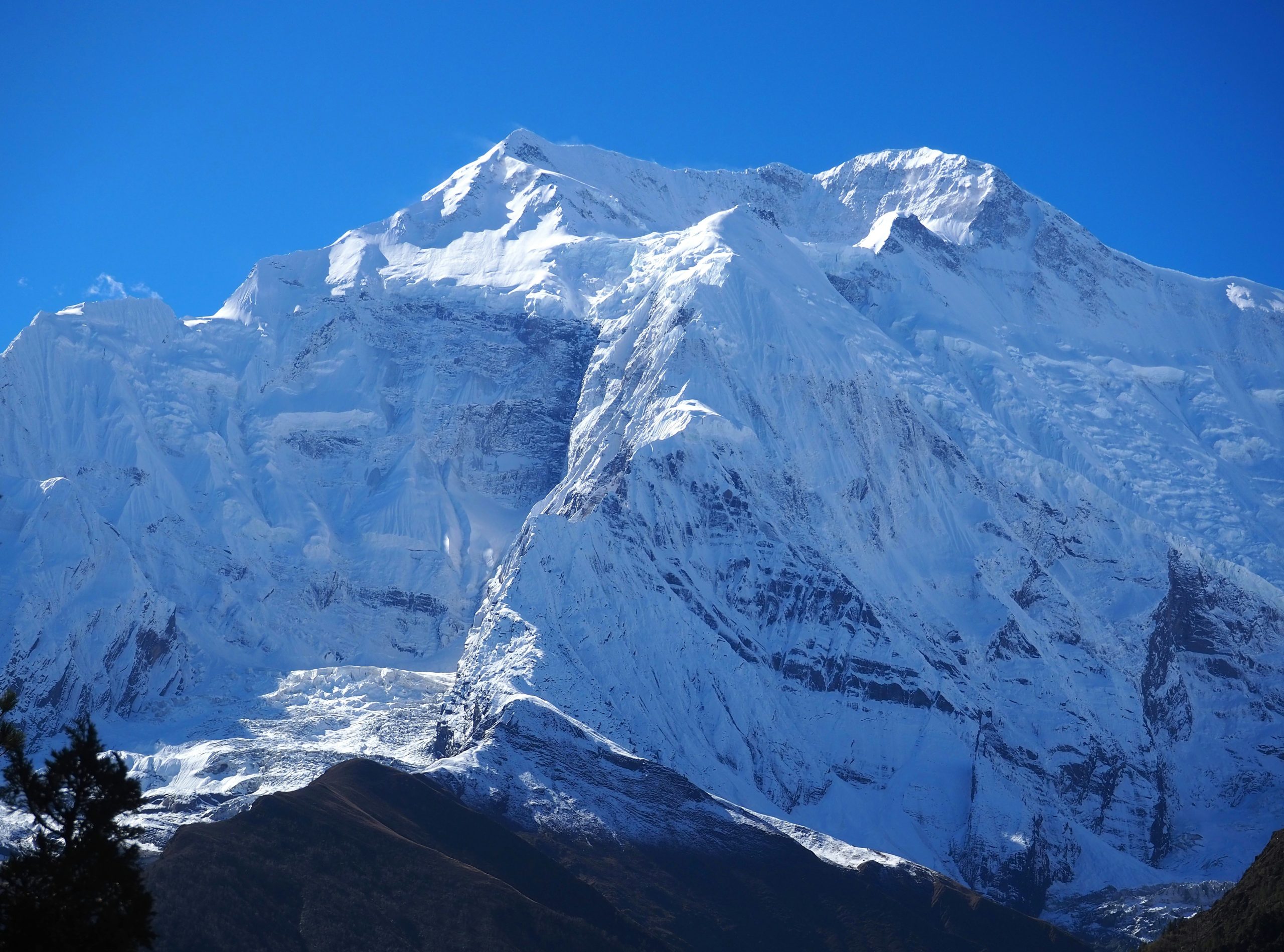
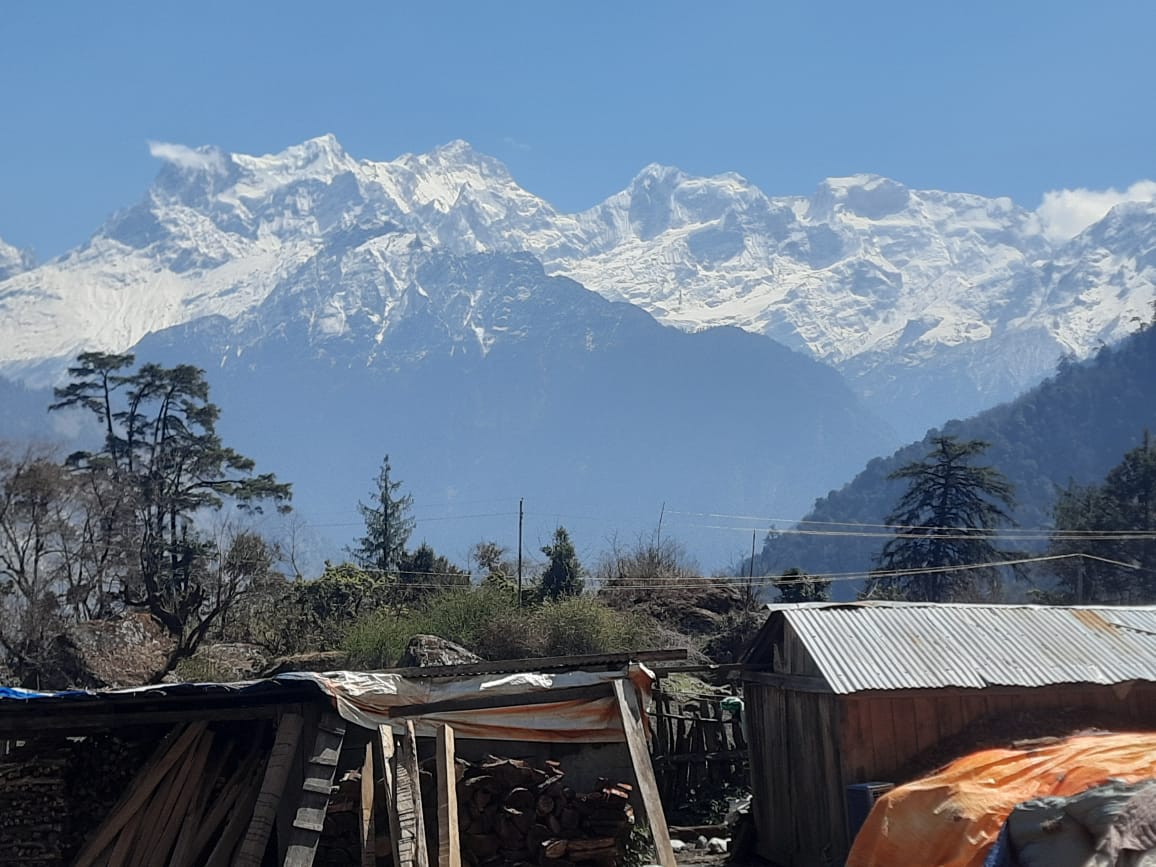
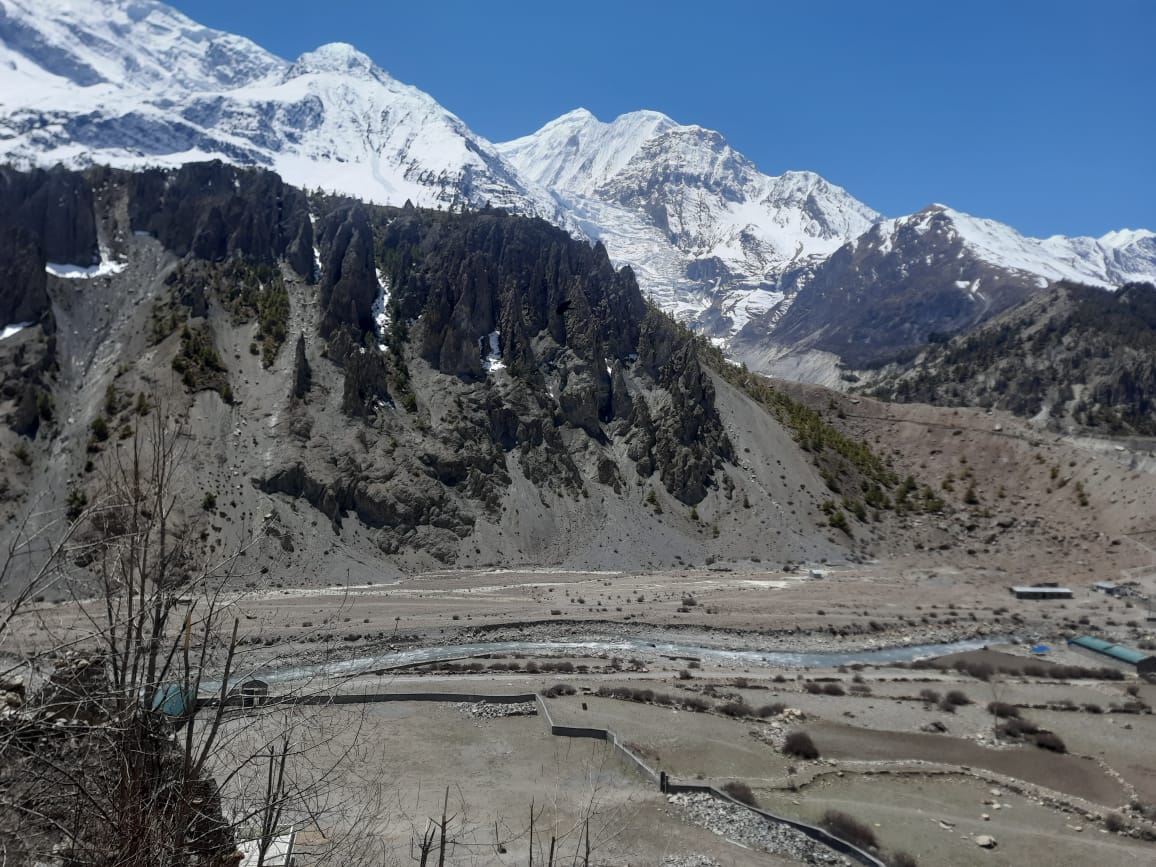
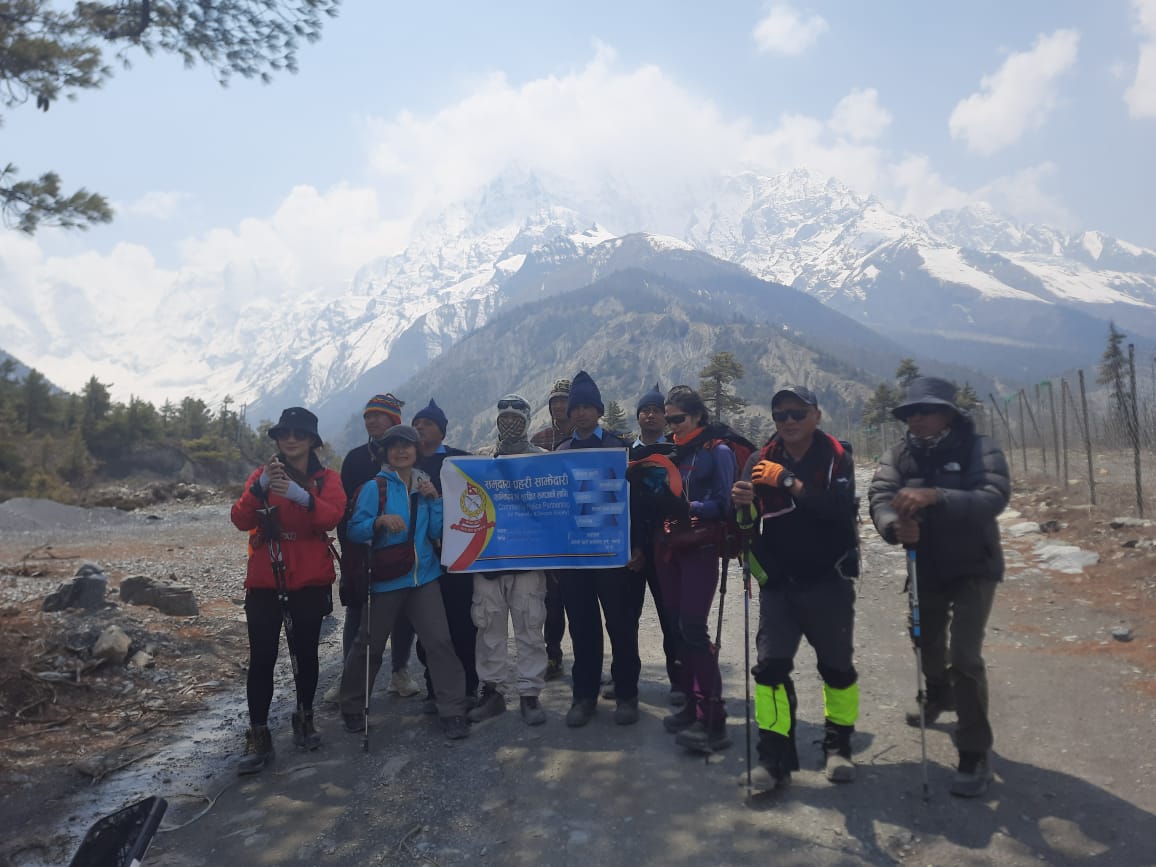
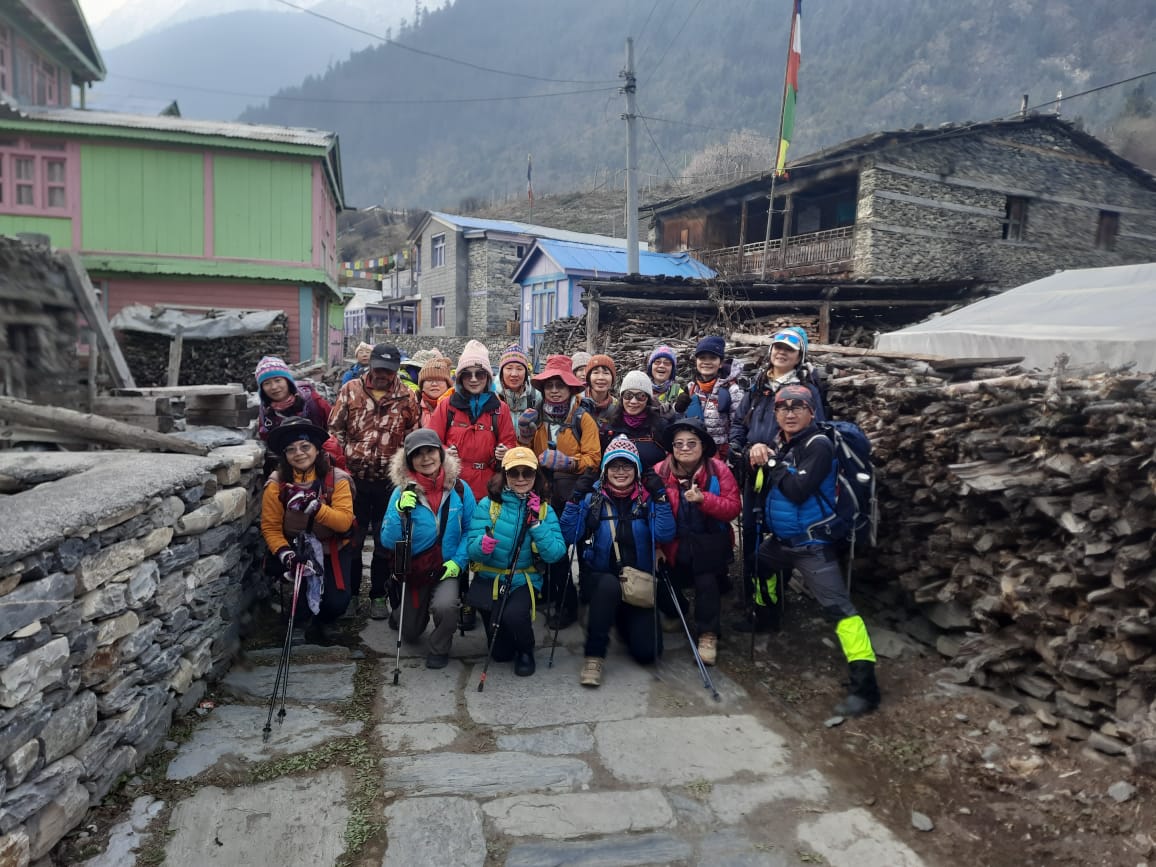
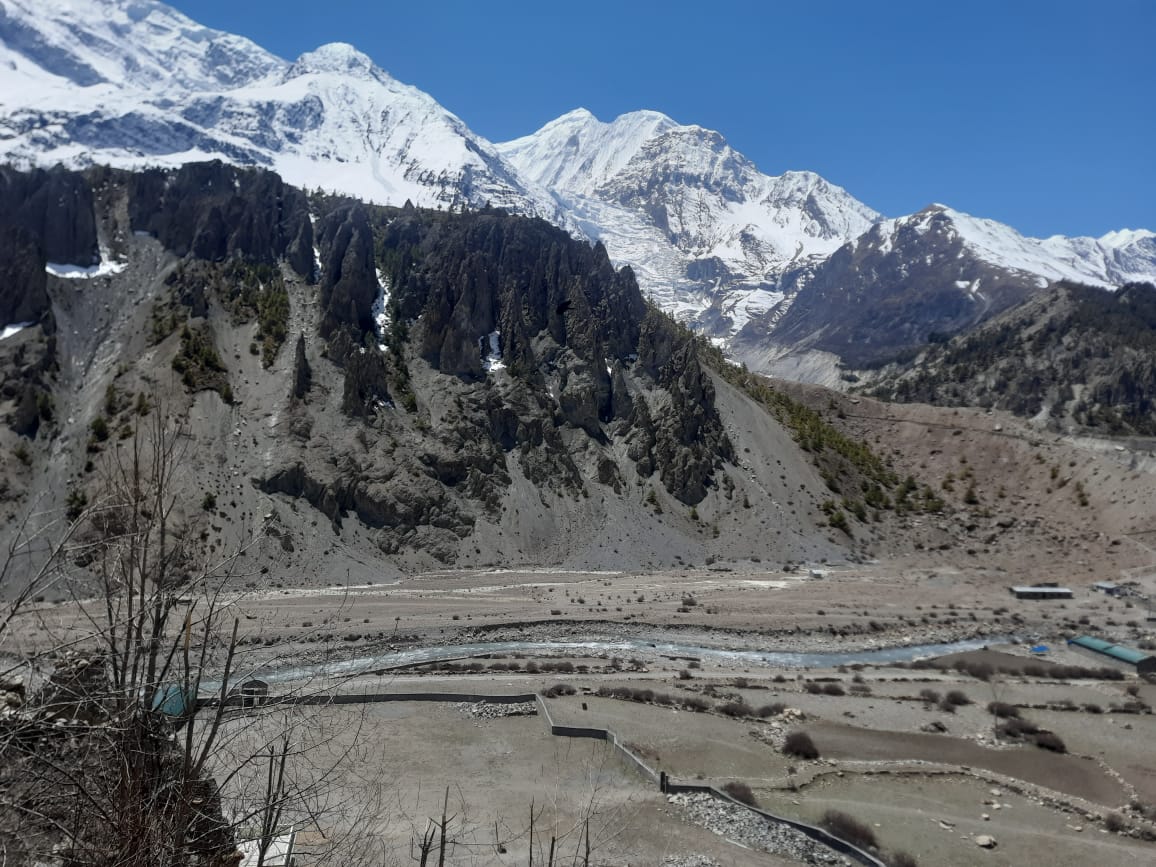
The Annapurna Trek Circuit is a legendary trekking route in Nepal that offers a challenging yet rewarding adventure through diverse landscapes, remote villages, and the iconic Annapurna and Dhaulagiri Mountain ranges. Known for its breathtaking views, dramatic terrain, and rich cultural heritage, the Annapurna Circuit is one of the most popular and comprehensive trekking routes in the world.
This trek takes you through lush subtropical forests, high-altitude deserts, and traditional villages, all while crossing the legendary Thorong La Pass—one of the highest trekking passes in the world at 5,416 meters (17,769 feet). Whether you’re an experienced trekker looking for a thrilling challenge or a nature lover yearning for an unforgettable experience, the Annapurna Trek Circuit offers something for everyone.
Trip Facts
Duration
13 Days
Max. Altitude:
5,416 meters
Group size
2-30
Best Time for Visit
March to May and September to November
Activity
Trekking
Meals
B&B , B/L/D
DIFFICULTY
Moderate to Challenging
LOCATION
Annapurna Area
Trip Starts
Kathmandu
Trip Ends
Kathmandu
Why Choose Annapurna Trek?
- Diverse Landscapes: Experience a variety of ecosystems, from subtropical forests to alpine meadows and arid deserts.
- Incredible Mountain Views: Stunning panoramic views of the Annapurna and Dhaulagiri ranges, including Machapuchhre (Fishtail).
- Thorong La Pass: At 5,416 meters, this is the highest point of the trek, offering breathtaking 360-degree views.
- Rich Cultural Experience: Visit traditional villages and interact with local Gurung, Magar, and Thakali communities during Annapurna Trek Circuit
- Adventure & Acclimatization: The gradual ascent with acclimatization days ensures a safe and rewarding trekking experience during Annapurna Circle Trek
Overview
Annapurna Trek Circuit: The experience of your lifetime!
Annapurna circuit trek is one of the most classic and diverse trekking routes in Nepal. The trekking route of the trek is full of panoramic views of the Annapurna and Dhaulagiri Mountain ranges. The trek is 160-230 kilometers long and takes trekkers through valleys, villages, and country of alpine terrain. The maximum elevation is 5,416 meters on Thorong La Pass. The trek is the perfect mix of natural beauty, cultural experience, and physical adventure. The trek is most sought after by adventure enthusiasts and people fond of nature. The trek takes around 15-20 days to accomplish.
Annapurna Circle Trek expedition is initiated by Besisahar, and trekkers trek through jungles of subtropical regions, fields, and country of alpine terrain. The terrain is changed into an arid Tibetan-type plateau on reaching the top of altitudes. The Annapurna trek circuit goes through ethnic villages where trekkers experience people’s culture of that region. Gurung, Thakali, and Tibetans welcome trekkers heartedly and treat trekkers like home people. The villages provide trekkers with a good experience of people’s lives in the villages of Nepal.
Thorang La Pass: The Final Test of Willpower of Annapurna Circle Trek!
The climax of trekking expedition is reaching the top of Thorong La Pass at 5,416 meters of elevation. The pass is arduous but full of picturesque views of Himalayan peaks. Trekkers can visit religious destinations like Muktinath Temple on the trekking route. The picturesque villages of Pisang and Manang provide rest and cultural experience. You can also experience the natural water of Tatopani after trekking throughout the day.
The trek is on varied terrain that ranges from verdant valleys to arid high country. The alternating view is the of most characteristic of Annapurna Circuit. Despite its well-touristed popularity, the trek is an off-the-beaten-path adventure experience. Despite roads built on part of it recently, old trek remains on top of trekkers’ lists of things to do if they are seeking real Himalayan experience.
Annapurna Circuit Trek (Annapurna Trek Circuit or Annapurna Circle Trek) is a moderately strenuous trekking experience. It is an average of 12-18 days, including acclimatization and detour excursions along the trekking route. The trek is the perfect mix of adventure, culture, and natural beauty that makes it unmissable for trekkers traveling to Nepal.
Click here to learn more about ABC TREK NEPAL!
Annapurna Circuit Trek Itinerary: Exploring the Majestic Himalayas
Altitude Gain
1324 m
Accommodation
You’ll be greeted by your guide who will take you to your comfortable 3-star hotel in the bustling Thamel area.
Meal
Bed and Breakfast
- Arrival at Tribhuvan International Airport: Upon your arrival in Kathmandu, you’ll be greeted by your guide who will take you to your comfortable 3-star hotel in the bustling Thamel area.
- Leisure Time: Explore the vibrant streets of Thamel, shop for trekking gear, or relax and prepare for your adventure.
- Overnight: Stay at a well-located hotel in Kathmandu.
Altitude Gain
1,860 m/6,102 ft
Accommodation
Cozy guesthouse in Dharapani
Meal
Breakfast Lunch and Dinner
- Scenic Drive to Dharapani: After breakfast, embark on a private vehicle journey through picturesque valleys and villages, taking 10-12 hours to reach Dharapani, the starting point of Annapurna trek circuit.
- Travel Highlights: Enjoy stunning mountain views, remote villages, and local culture along the way.
- Overnight: Stay in a cozy guesthouse in Dharapani.
Altitude Gain
2,670 m / 8,760 ft
Accommodation
Overnight at a local guesthouse in Chame
Meal
Breakfast, Lunch and Dinner
- Start Your Trek: Your first day of trekking takes you from Dharapani to Chame, covering 5-6 hours of walking through pine forests and stunning waterfalls.
- Adventure and Views: Experience incredible vistas of the Annapurna range as you gain altitude.
- Overnight: Overnight at a local guesthouse in Chame.
Altitude Gain
3,300 m / 10,827 ft
Accommodation
Stay at a guesthouse in Upper Pisang.
Meal
Breakfast Lunch Dinner
- Trekking Day: Today, trek from Chame to Upper Pisang, a 6-7 hour journey through traditional villages and scenic landscapes as a part of Annapurna circle trek.
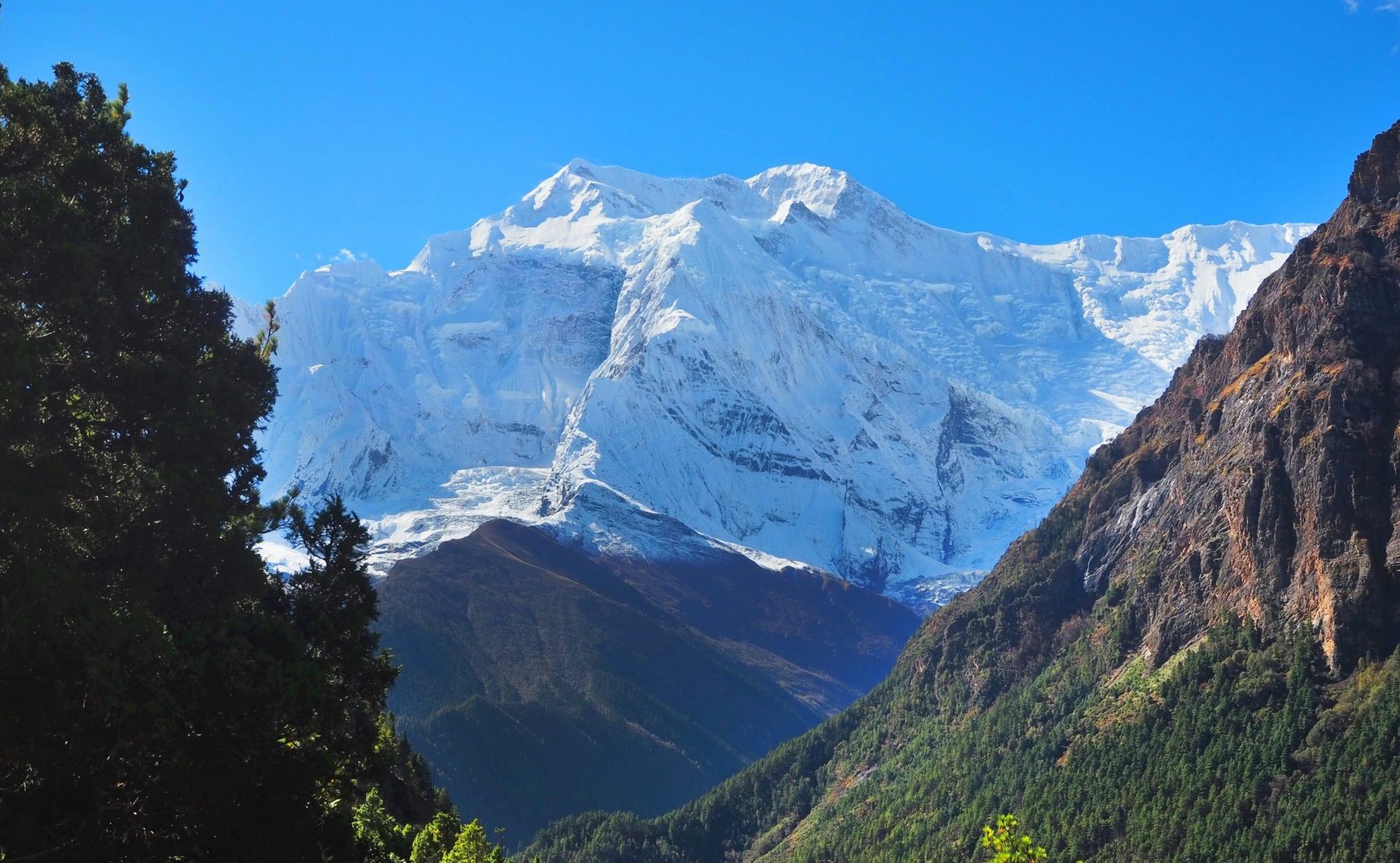
- Amazing Views: Upon reaching Upper Pisang, enjoy panoramic views of Annapurna II and Pisang Peak, majestic peaks of Annapurna Trek Circuit.
- Overnight: Stay at a guesthouse in Upper Pisang.
Altitude Gain
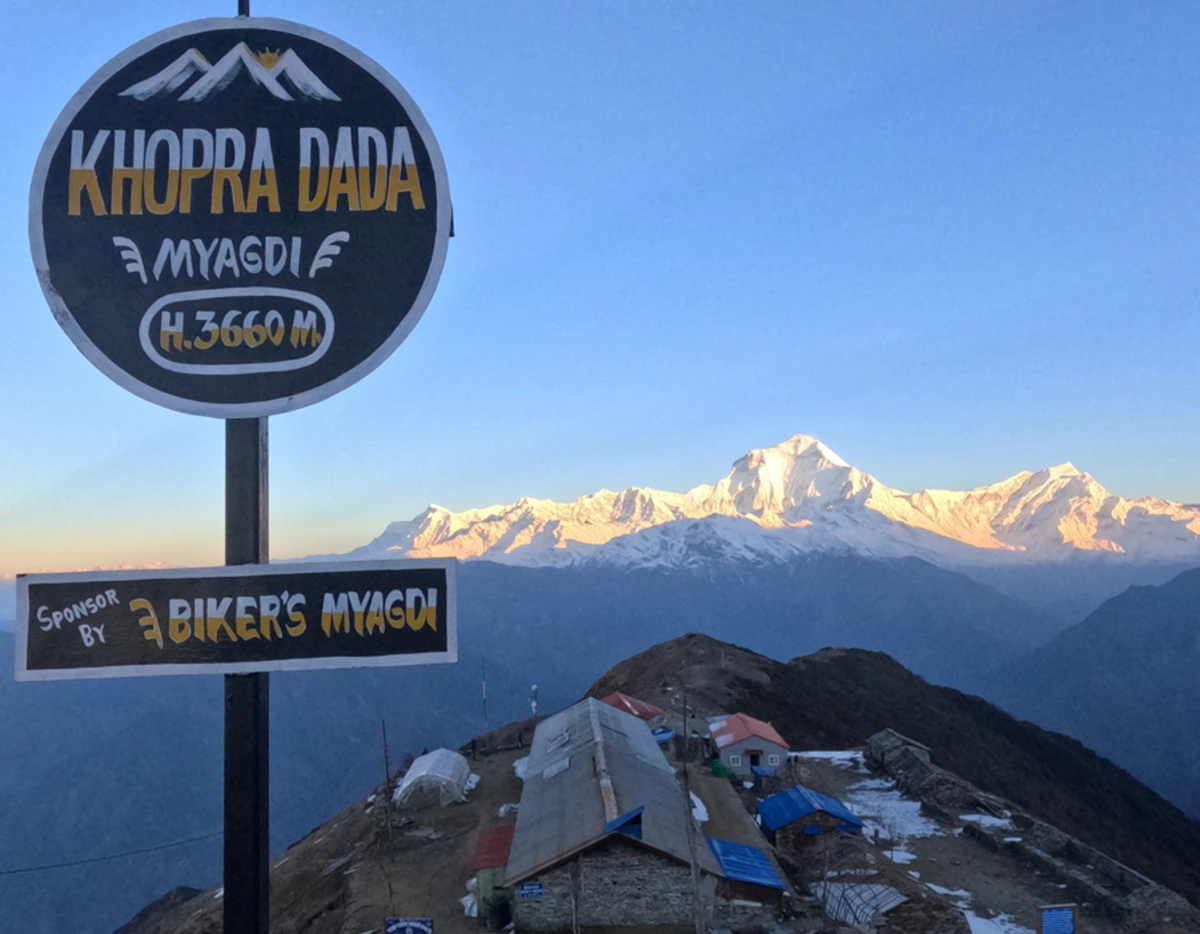
3,660 m / 12,008 ft
Accommodation
Stay at a guesthouse in Ngawal.
Meal
Breakfast, Lunch and Dinner
- Shorter Trek: A 4–5-hour trek today takes you from Upper Pisang to the peaceful village of Ngawal.
- Cultural Experience: Ngawal offers a glimpse into Tibetan mountain life and stunning views of the surrounding peaks.
- Overnight: Stay at a guesthouse in Ngawal.
Altitude Gain
3,540 m / 11,614 ft
Accommodation
Stay in Manang at a comfortable guesthouse.
Meal
Breakfast, Lunch and Dinner
- Easier Trek: A 3–4-hour trek through the beautiful village of Bhraka leads you to Manang.
- Explore Manang: Discover local Tibetan culture, visit the monastery, and enjoy the view of Gangapurna and Annapurna II.
- Overnight: Stay in Manang( a popular stop with scenic heavenly beauty during Annapurna trek circuit) at a comfortable guesthouse.
Accommodation
Stay in Manang at a comfortable guesthouse.
Meal
Breakfast, Lunch and Dinner
Rest and Acclimatize: Take a well-deserved rest day in Manang to help your body adjust to the altitude.
Explore: Enjoy an easy hike to Gangapurna Lake or visit the Manang Monastery for a cultural immersion.
Altitude Gain
4,050 m / 13,287 ft
Accommodation
Stay in a basic guesthouse in Yak Kharka
Meal
Breakfast, Lunch and Dinner
- Trek to Yak Kharka: Begin your 5–6-hour trek to Yak Kharka, a small settlement nestled in the highlands.
- Wildlife and Scenery: You may encounter yak herders along the way, and the views of Annapurna III and Gangapurna are spectacular(highlight of Annapurna trek circuit/Annapurna circle trek).
- Overnight: Stay in a basic guesthouse in Yak Kharka.
Altitude Gain
4,525 m / 14,846 ft
Accommodation
Stay in a guesthouse at Thorong Phedi.
Meal
Breakfast, Lunch and Dinner
- Approaching Thorong La: The trek from Yak Kharka to Thorong Phedi takes 5-6 hours, bringing you closer to the legendary Thorong La Pass.
- Prepare for the Pass: This night is important to rest and prepare for the next day’s challenging crossing.
- Overnight: Stay in a guesthouse at Thorong Phedi.
Altitude Gain
5,416 m / 17,769 ft
Accommodation
Stay at a guesthouse in Muktinath
Meal
Breakfast, Lunch and Dinner
- Thorong La Pass Crossing: Start early for the 8-9 hour trek to Thorong La Pass. The climb is tough but incredibly rewarding with panoramic views of the Himalayas. This is one of the highlight of the annapurna trek circuit.
- Descent to Muktinath: After crossing the pass, descend to Muktinath, a sacred pilgrimage site for Hindus and Buddhists.
- Overnight: Stay at a guesthouse in Muktinath( A pilgrimage with religious importance during the Annapurna trek circuit).
Accommodation
Stay at a hotel in Pokhara.
Meal
Bed and Breakfast
- Scenic Drive to Pokhara: After exploring Muktinath, take a private jeep for a scenic 9-hour ride to Pokhara. Stop in Tatopani to relax in the natural hot springs before continuing your journey.
- Arrival in Pokhara: Enjoy the peaceful lakeside setting of Pokhara upon arrival after tiring Annapurna circle trek.
- Overnight: Stay at a hotel in Pokhara.
Accommodation
Stay at a hotel in Pokhara.
Meal
Bed and Breakfast
Relax or Sightsee: After completing the Annapurna Trek Circuit, enjoy a full day to rest or explore Pokhara’s natural beauty. Visit Phewa Lake, hike to Sarangkot for stunning sunrise views, or check out the International Mountain Museum. (Extra payment in case of sightseeing will be implemented)
Optional Activities: You can even try paragliding or simply relax by the lake, reflecting on the incredible journey of the Annapurna Circuit Trek.
Overnight: Stay at a hotel in Pokhara.
Accommodation
Stay in a 3-star hotel in Kathmandu.
Meal
Bed and Breakfast
- Return to Kathmandu: Take a 7-9 hour drive back to Kathmandu. Along the way, enjoy views of terraced fields and rivers.
- Explore Kathmandu: If time permits, wander the streets of Thamel for last-minute shopping.
- Overnight: Stay in a 3-star hotel in Kathmandu. End of memorable Annapurna trek circuit in Nepal.
Annapurna Trek Circuit package Inclusions:
- • English-speaking guide and porter (1 porter per 2 trekkers) for ABC Trek Nepal
- • Transport (Kathmandu-Dharapani) via private jeep
- • Transport (Muktinath-Pokhara) via private jeep
- • Transport (Pokhara- Kathmandu) via Tourist Bus
- • Permits: TIMS and ACAP
- • Accommodation in Kathmandu and Pokhara (Bed and Breakfast)
- • Full board (B/L/D) accommodation during the trek
- • Insurance for trekking staff for Annapurna circle trek.
Annapurna Trek Circuit Exclusions
- • Lunch and dinner in Kathmandu and Pokhara
- • Personal expenses (snacks, drinks, etc.)
- • Tips for staff
- • Personal insurance
- • Optional activities like hot showers, battery charging, and other services along the route
FAQ
The Annapurna Circuit Trek is considered moderate to challenging. While it doesn't require technical climbing skills, it does involve significant altitude gain, long trekking days, and crossing high mountain passes like Thorong La (5,416 meters). Proper acclimatization is important to avoid altitude sickness.
Accommodation along the Annapurna Circuit generally consists of tea houses or lodges. These are basic but comfortable, with shared rooms and bathrooms. Tea houses offer meals, typically consisting of local dishes like dal bhat (lentil soup with rice), momos (dumplings), and other international options.
The best times to trek are during the pre-monsoon (March to May) and post-monsoon (September to November) seasons. During these months, the weather is generally stable, and you can enjoy clear skies and stunning views. The monsoon season (June to August) should be avoided due to heavy rainfall and potential landslides.
The highest point on the Annapurna Circuit Trek is Thorong La Pass, which is at an altitude of 5,416 meters (17,769 feet).
Physical preparation is essential. It's recommended to do cardio exercises, strength training, and practice hiking with a loaded backpack. Acclimatizing at higher altitudes is also key to avoiding altitude sickness for Annapurna circle trek or ABC Trek Nepal.
Yes, the trek is suitable for beginners with good physical fitness who are willing to challenge themselves. Proper preparation and acclimatization are important.
Consumer reviews
As someone passionate about nature and history, the Annapurna Circuit offered the perfect combination. From lush forests to high mountain passes and sacred monasteries, every day brought something new. I highly recommend this trek to anyone seeking both adventure and cultural immersion.

Hiroshi Tanaka
University ProfessorREVIEW REQUESTS
Enter a recent customer’s contact info and we’ll ask them to leave you a review.