Trip Facts
Trip Code
H2
Duration
1 Days
Max. Altitude:
2,732 meters
Group size
Minimum 2
Best Time for Visit
Spring (March to May) and Autumn (September to November)
Activity
Hiking
Meals
Lunch
DIFFICULTY
Beginner
LOCATION
Shivapuri National Park
Trip Starts
Kathmandu
Trip Ends
Kathmandu
Trip Highlights:
- Experience the spiritual ambiance of the ancient Budhanilkantha Temple featuring the magnificent 5th-century reclining Vishnu statue
- Trek through the pristine forest of Shivapuri National Park, a protected conservation area
- Explore the serene Nagi Gompa, a Tibetan Buddhist monastery with panoramic valley views in this Kathmandu Day hike
- Visit Tarebhir cliff, famous for rock climbing and spectacular viewpoints
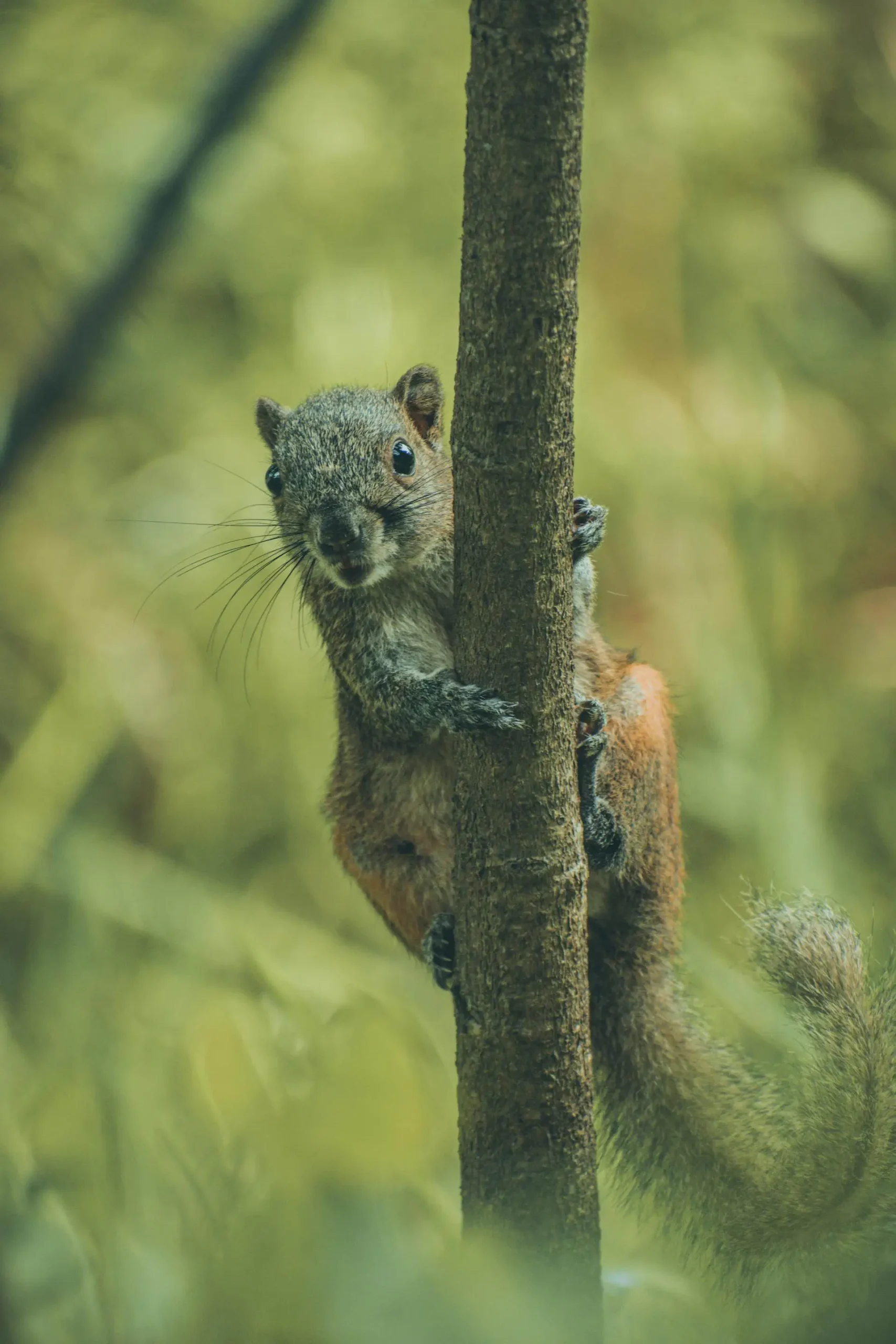
- Observe diverse wildlife including over 300 bird species, butterflies, and possibly deer and wild cats
- Witness the impressive watershed system and waterfalls at Sundarijal
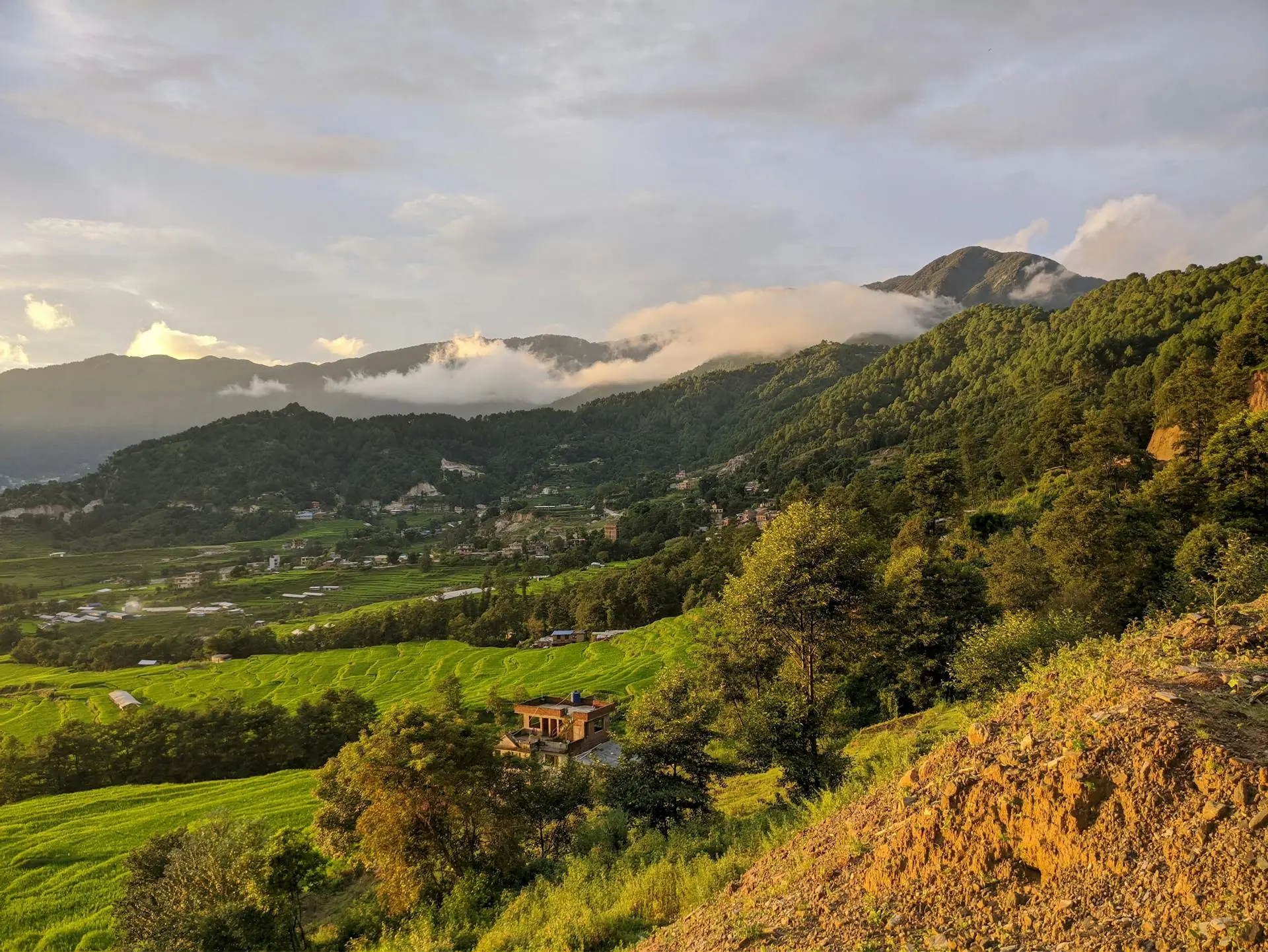
- Enjoy breathtaking views of Kathmandu Valley surrounded by its four major hills
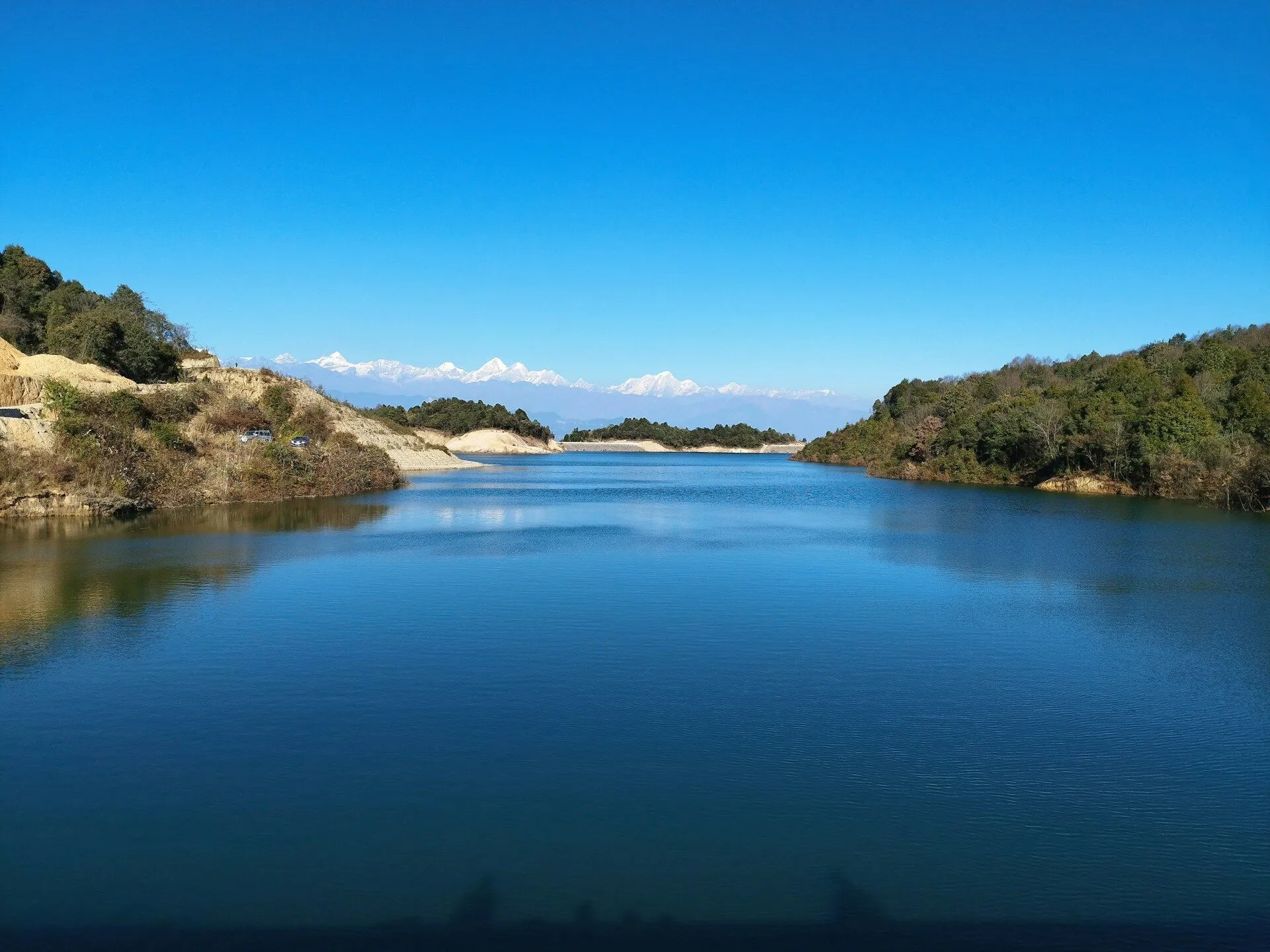
- Marvel at Himalayan mountain panoramas on clear days during Budhanilkantha to Shivapuri Hiking
- Experience the cultural heritage of traditional villages along the route
- Complete a challenging yet accessible 18-kilometer trek suitable for intermediate hikers
Overview
The Budhanilkantha to Sundarijal hiking offers the most scenically and culturally varied day trip within easy travel of the Kathmandu Valley. The 18-kilometer trek winds its way through the magnificent Shivapuri National Park, combining stunning nature with cultural riches. The path begins at the sacred Budhanilkantha Temple, where the magnificent 5th-century stone figure of Lord Vishnu reclining upon the coils of snakes sets the spiritual tone. The trail then leads through unspoiled forest lands to the refreshing waterfalls of Sundarijal.
Starting: Shivapuri National Park Trek
At the start of the hike, the spiritual atmosphere of the ancient temple welcomes visitors with individuals performing daily rituals. Moving ahead, the Shivapuri National Park serves as the lifeblood of Kathmandu’s water supply and is home to a rich variety of flora and fauna, including different bird species and wildlife.
The Budhanilkantha to Sundarijal hiking trail gradually ascends through the forest, offering sightings of diverse bird species, deer, forest cats, and even the elusive leopard. The Shivapuri trek is a paradise for nature photography and birdwatching, with over 300 bird species recorded in the area. The serene forest environment provides a peaceful retreat from the city’s hustle and bustle.
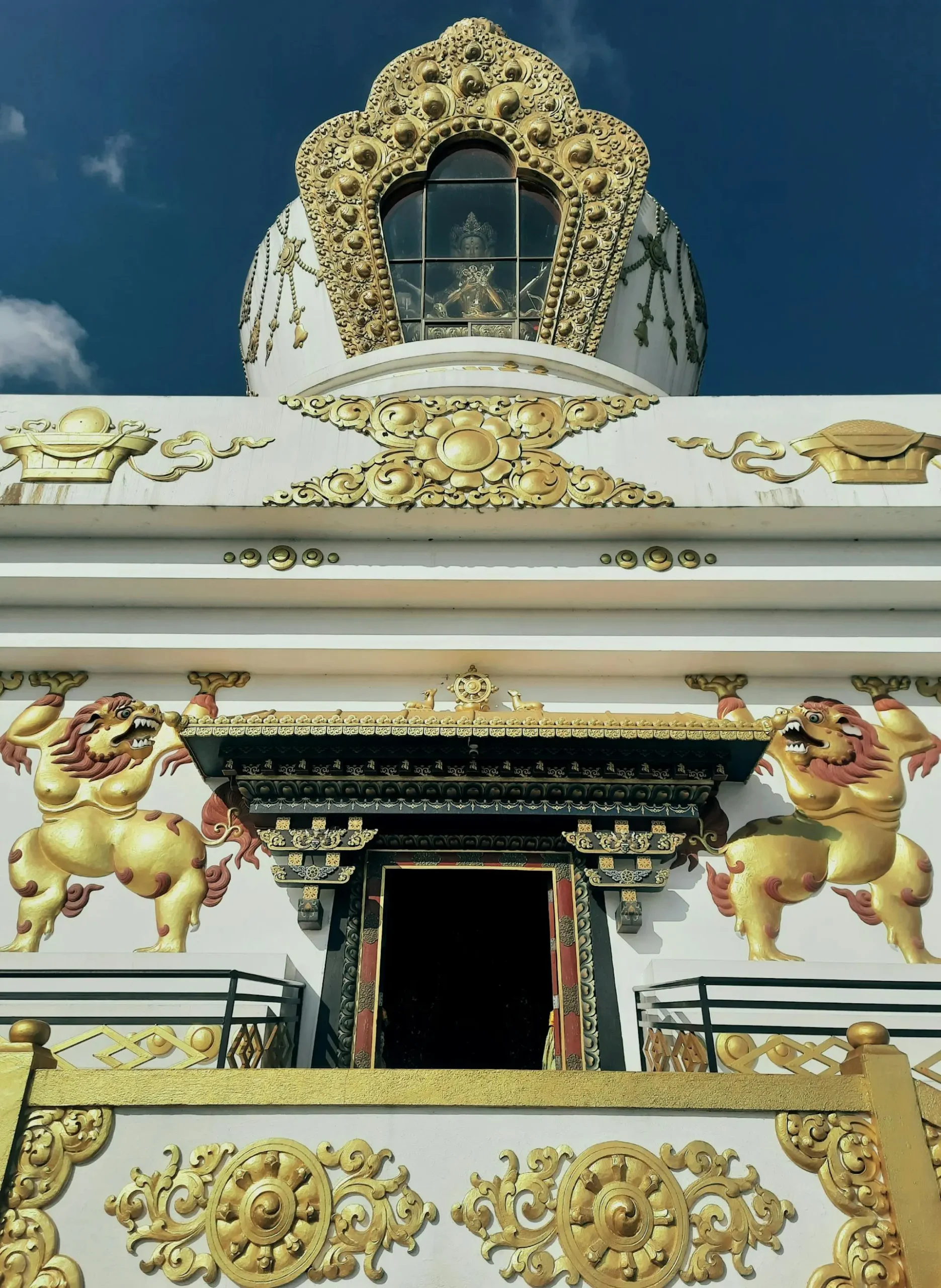
After about 30 minutes of uphill walking, hikers reach Nagi Gompa, a Tibetan Buddhist monastery at the hilltop. Managed primarily by nuns, this peaceful monastery offers insight into Buddhist rituals and breathtaking panoramic views of the Kathmandu Valley on clear days.
From the monastery, the trail continues toward Tarebhir, a spot well-known for bouldering. This section of the trek presents some of the most photogenic landscapes, featuring spectacular views of the Himalayan range against the blue sky.
Throughout this Kathmandu day hike, the terrain varies from easy forest trails to steeper inclines that test endurance. The route is well-traveled and suitable for moderately fit trekkers. Along the way, several army checkpoints ensure the protection of the national park and Kathmandu’s drinking water sources.
The natural diversity of the Budhanilkantha to Sundarijal hiking is remarkable. The lower altitudes are covered in subtropical forests, transitioning into temperate forests at higher elevations. In spring, wildflowers blanket the forest floor, while autumn brings stunning foliage colors. No matter the season, this trek promises a rewarding experience for nature enthusiasts.
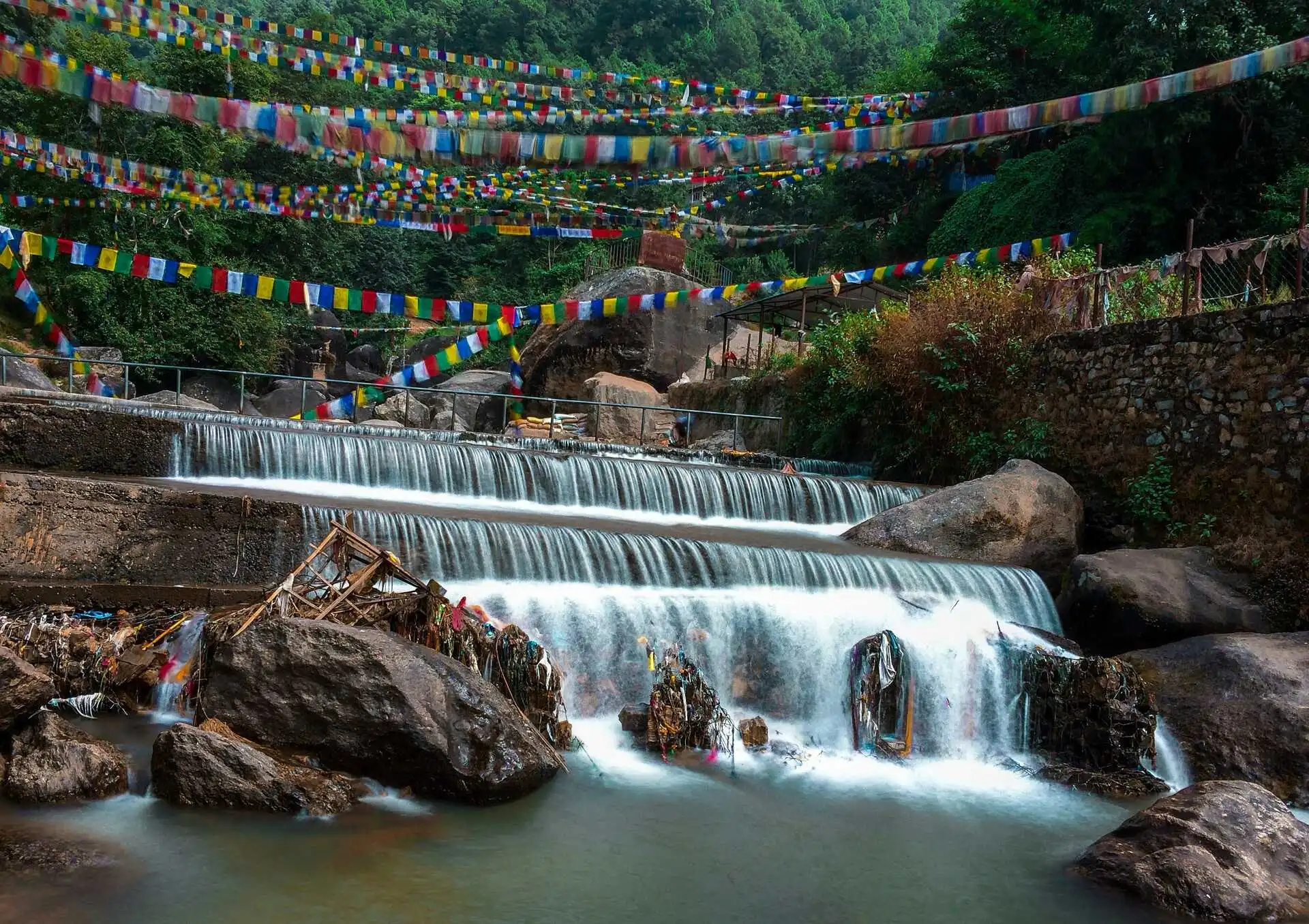
As the journey nears Sundarijal, the trail opens up to scenic views of Kathmandu’s primary water sources. The hike concludes with the soothing sights and sounds of Sundarijal’s waterfalls, where crystal-clear mountain water cascades over rocky surfaces—justifying the name “beautiful water.”
This Shivapuri National Park trek blends nature and culture seamlessly. Along the way, trekkers pass through rural Tamang villages, where they can observe traditional Tamang houses, farming practices, and warm local hospitality.
Conclusion: Budhanilkantha to Sundarijal hiking
The Budhanilkantha to Sundarijal trekking trail is an ideal day’s adventure, offering a refreshing escape without straying too far from Kathmandu. The hike typically takes 5-6 hours, depending on the number of rest stops for photography, enjoying the views, and observing diverse flora and fauna. With round-trip travel included, hikers can comfortably return to Kathmandu by evening, feeling rejuvenated by the peaceful trails, lush forests, and breathtaking mountain scenery.
Explore more about day hiking here:
1.Nagarkot Changunarayan Day Hiking. Click Here!
Itinerary for the hike:
Altitude Gain
2,732 meters
Meal
Lunch
06:30 – 07:30 AM: Breakfast at your hotel in Kathmandu. Prepare for Budganilkantha to Sundarijal hiking.
07:30 – 08:00 AM: Pickup from the hotel by your guide.
08:00 – 08:30 AM: Transfer to Budhanilkantha (approximately 8 km north of Kathmandu).
08:30 – 09:00 AM: Arrival at Budhanilkantha Temple. Tour the temple complex and see the 5th-century stone statue of Lord Vishnu reclining on Shesh Narayan. Observe traditional rituals and learn about the temple’s history and culture from your guide.
09:00 – 09:20 AM: Begin trekking towards Shivapuri National Park entrance.
09:20 – 09:40 AM: Arrive at Shivapuri National Park gate. Complete entry permit procedures and registration at the army gate.
09:40 – 10:10 AM: Hike through the national park, observe diverse flora, and possibly spot some bird species.
10:10 – 10:40 AM: Visit Nagi Gompa Tibetan Buddhist Monastery. Explore the monastery complex, learn about Buddhist rituals, and enjoy a panoramic view of Kathmandu Valley.
10:40 – 12:30 PM: Continue trekking through the dense forest of Shivapuri National Park. Your guide will point out different flora, potential wildlife sightings, and share insights into the park’s ecosystem.
12:30 – 01:30 PM: Arrive at Tarebhir cliff. Enjoy breathtaking views of Kathmandu Valley and the Himalayan peaks (weather permitting). Take photos and relax over a packed lunch provided by the agency.
01:30 – 03:30 PM: Begin descent, passing through forest trails and local settlements. Some parts of the trail are steep and require careful walking.
03:30 – 04:00 PM: Arrive at Sundarijal. Visit the hydropower project, observe the water collection system, and enjoy views of waterfalls and massive boulders in the region.
04:00 – 04:45 PM: Private transfer back to Kathmandu hotel.
04:45 PM: Hotel check-in. End of the Shivapuri National park trek.
Budhanilkantha to Shiudarijal Hiking Package Includes:
- Pick up and drop within the Kathmandu Valley.
- Private car pickup and drop from Budhanilkantha and from Sundarijal
- Shivapuri National Park entrance fees and permit fees
- Expert English-language state-licensed treking guide
- First-aid kit with the guide carrying it
- All taxes owed by government, VAT, and service charges
Trip Package Excludes:
- Personal expenses (souvenirs, refreshments, etc.)
- Tips for the driver and the guide (gratitude optional but at your discretion)
- Personal travel insurance (highly recommended)
- Additional meals not specified in the itinerary
- Treking gear and personal equipment for Shivapuri National Park Trek
- Any expenses caused by circumstances such as bad weather conditions, traffic congestion etc.
- Any items excluded under the "Cost Includes" section
FAQs
The trail rate of difficulty is moderate. The path runs for about 18 kilometers with ups and downs here and there. Reasonable levels of fitness are necessary but technical climbing skills are not necessary. The trip is suitable for the majority of individuals with the core walking skills.
The best times for this trekking trip are the dry season of March-May (spring season) and the season of September-November (autumn season). Both these periods of the year shall reward you with clear skies, moderate weather conditions, and excellent clearness of the Himalayan chain of peaks. The June-August monsoon season makes the trails slushy and the December-February winter season turns cold but remains accessible with proper gear.
Yes, you need to buy an entrance permit for Shivapuri National Park. We include it in the cost of the package and it will be taken care of by your guide. Your passport or a photocopy of it for registration at the entrance point should be with you.
Wear comfortable walking boots or walking shoes with good-blowing clothing that should be layered for the varying temperatures. Pack day pack with water bottle, lotion for the sun, cap, sunglasses, film for the camera, and prescribed personal medicine. Poles are optional but useful for parts of the trip.
The trek is best suited for children of 10 years and above who are familiar with longer treks. Some parts of it are steep and tough for younger children. Travel with children should be done with due consideration of the children's health and walking ability prior to making the reservation.
While the park houses varying types of wildlife including deer, leopards, and populations of wild cat, these are timid and are seldom seen. But you are most likely to catch sightings of various types of birds, butterflies, and insects. Early morning arrivals are likely to maximize the chances of spotting the wildlife.
Basic toilet areas are present at the entrance of the national park and at Nagi Gompa. Along most of the trail, nature surrounding the area shall be the only alternative. Your guide shall direct at the best place at the appropriate times.
Although possible, strongly consider that you hire for the trekking of such kind of guide. A guide adds depth of knowledge of the flora, fauna, and culture of the region to your trip, gets you on the proper path, helps with the permit of the park, and offers safety within the woods.
Light rain should not impact the trek much but with parts of it being slippery. With heavy rain, your guide will assess the situation and may consider rescheduling or altering the trek for safety reasons. Always keep up with weather conditions leading up to your trip.
Unlike some popular trekking routes in Nepal, this trail remains relatively uncrowded, especially on weekdays. You might encounter other hikers, locals, or school groups, particularly near Budhanilkantha Temple and Sundarijal, but the middle sections often provide peaceful solitude.
Consumer reviews
REVIEW REQUESTS
Enter a recent customer’s contact info and we’ll ask them to leave you a review.