Himalayan Grit: Surviving a 3-Hour Hailstorm for the Ultimate Annapurna Sunset
Himalayan Grit: Surviving a 3-Hour Hailstorm for the Ultimate Annapurna Sunset
When people ask for my favorite travel stories, they usually expect tales of serene sunrises and quiet meditation. But the most profound trekking stories aren’t born in the sunshine. They are forged in the moments when the mountains test your resolve. On this episode of Annapurna Stories, we bring you our thrilling experience at Annapurna Base Camp in April 2025.
On our recent expedition to the Annapurna Sanctuary, a group of 25 of us learned exactly what “Himalayan grit” means. We went from a peaceful lunch in a river valley to a fight against a freezing hailstorm that felt like it would never end. This is the story of that day—and the vital lessons it taught us about Annapurna Base Camp weather.
The Deceptive Calm of the Modi Khola Valley: Where Annapurna Stories are written
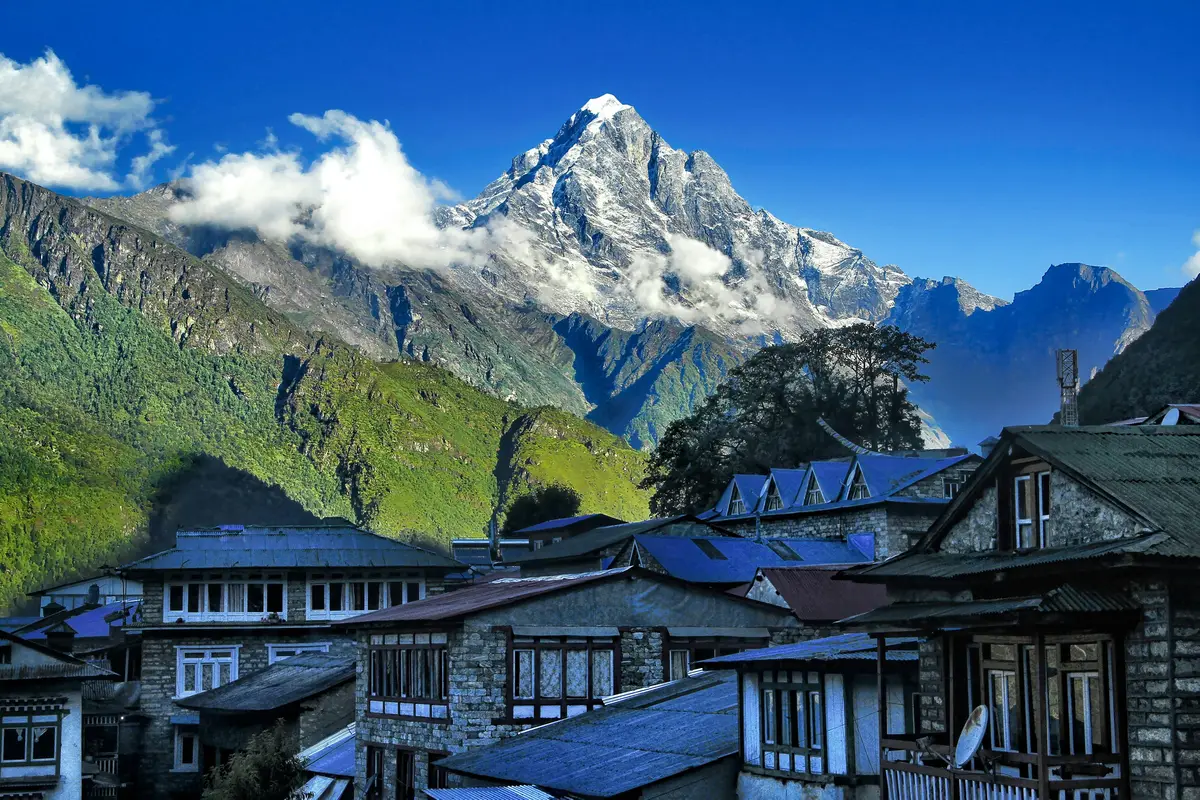
Our day began in the small settlement of “Himalaya.” In the world of Annapurna stories, this is a legendary waypoint. It’s tucked deep into a gorge where the cliffs rise so sharply on either side that you feel like a tiny speck in a giant’s world.
The morning was crisp. We walked along the banks of the Modi Khola, the glacial river that drains the entire Annapurna Sanctuary. The water was a milky, glacial blue, roaring over boulders the size of houses. At this point, the trek felt like a dream. The sun was warming our backs, and the “Fishtail” peak (Machhapuchhre) peeked out occasionally through the canopy of rhododendron and bamboo.
By noon, we reached Deurali (3,200m / 10,500ft). This is a common stopping point for lunch before the final push to the base camps. We sat outside, eating hot bowls of garlic soup, the local “secret” for preventing altitude sickness and laughing about the trail.
But then, the air changed.
When Annapurna Stories Turn Dark: The Storm at Deurali
In the Himalayas, the weather doesn’t give you a polite warning. It gives you a shift in the wind.
Suddenly, the valley acted like a funnel. Dark, heavy clouds began racing up the river from the south. We watched the temperature drop 10 degrees in what felt like sixty seconds. Recognizing the signs of a coming storm, we cut lunch short. We knew we had to reach Machhapuchhre Base Camp (MBC) quickly.
As soon as we stepped out from the shelter of the Deurali teahouses, the first drops hit. But they weren’t drops of rain, they were ice.
Trapped on the Exposed Trail
The stretch between Deurali and MBC is one of the most beautiful but exposed parts of the trek. As we moved further from Deurali, the trees disappeared, replaced by low shrubs and massive rock faces. There were no teahouses, no caves, and no man-made shelters for the next few miles.
Within twenty minutes, the light rain evolved into a full-scale hailstorm.
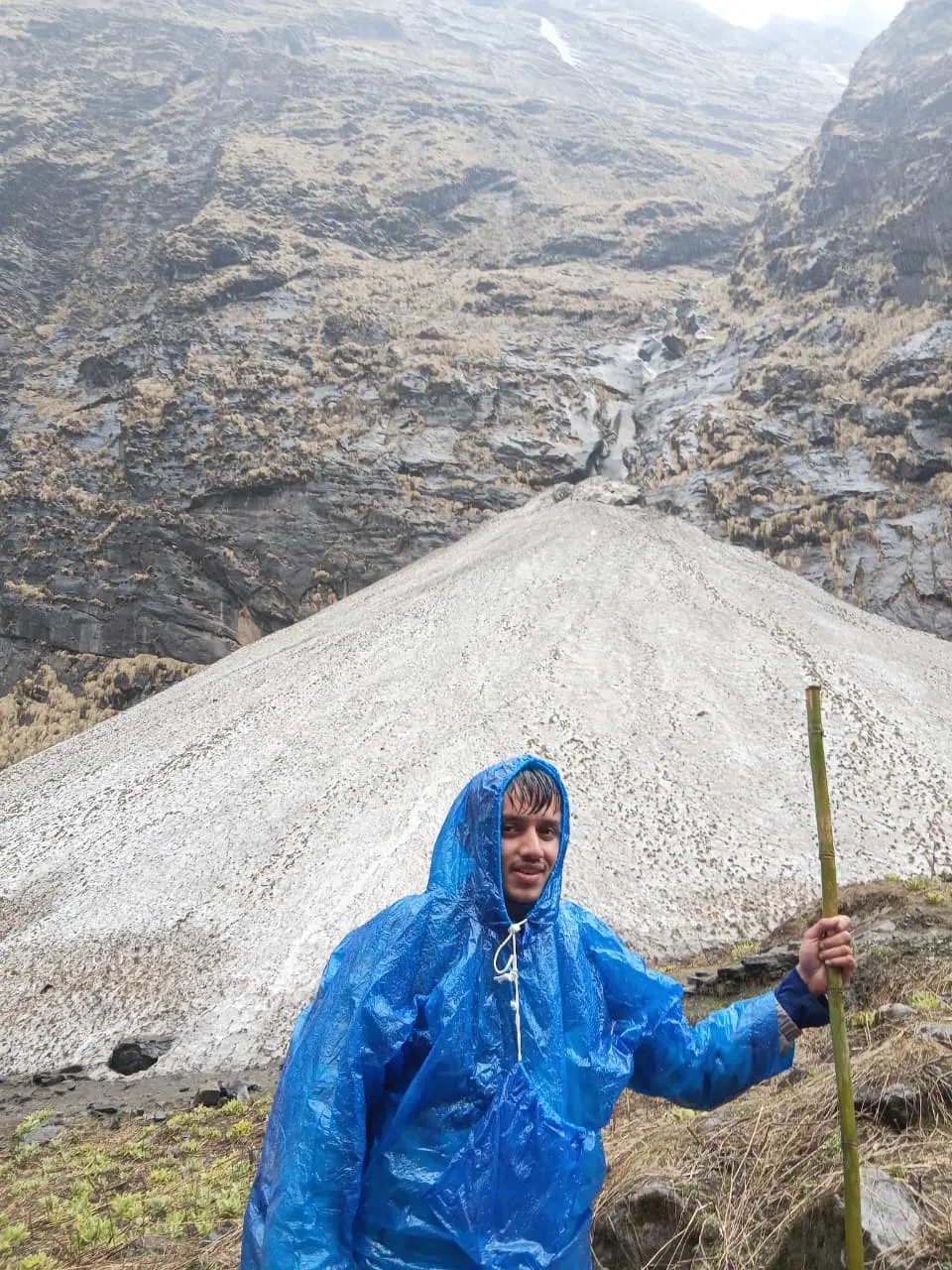
If you haven’t experienced a high-altitude hailstorm, imagine standing in a pitch-black freezer while someone throws handfuls of gravel at your head. The hail was large and aggressive. It drummed against our Gore-Tex hoods with a deafening roar. Because we were walking along the river banks, the wind whipped the ice sideways, stinging any exposed skin. Annapurna Stories part 1 is all about hailstorm in the cold.
Survival on the Move: The 3-Hour Gauntlet
At 3,500 meters, you cannot simply stop. If you stop moving when you are wet and cold, your body temperature plummets. Hypothermia isn’t a “possibility” here, it’s a looming shadow.
We tried to find shelter near small rock overhangs along the trail, but they were too shallow. The hail was piling up on the ground, making the stone steps slippery and treacherous.
The Heroism of the Crew
This is where trekking stories show the true heart of the Nepali people. As the cold intensified, one of our clients began to show signs of severe exhaustion and cold-stress. Their legs were shaking, and they couldn’t keep pace.
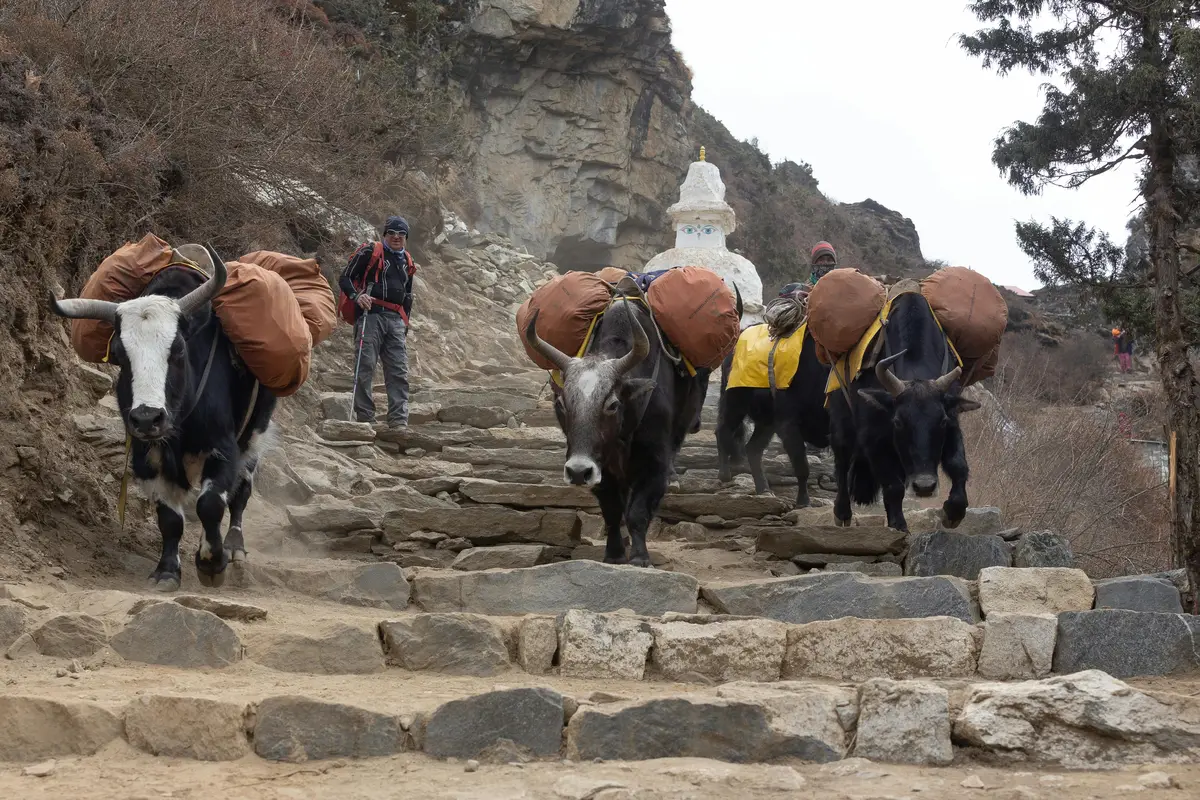
Without a second thought, one of our porters stepped forward. He didn’t just take the client’s daypack, he hoisted the client onto his back. For the next moments, through the driving hail and thinning air, he carried them upward. It was a display of physical and mental strength that left the rest of us in awe.
We walked for three continuous hours. My boots were filled with icy slush, and my fingers felt like wooden sticks. We didn’t talk, we just focused on the heels of the person in front of us.
Understanding Annapurna Base Camp Weather
For those planning their own Annapurna stories, it is crucial to understand the micro-climates of this region.
-
The Afternoon Pattern: In 2026, we are seeing more volatile afternoon patterns. Even in the “prime” trekking seasons of Spring and Autumn, the moisture from the Bay of Bengal often gets trapped in the deep Modi Khola valley, leading to sudden, intense storms between 2:00 PM and 5:00 PM.
-
The Altitude Drop: For every 1,000 meters you climb, the temperature typically drops by 6.5°C (approx. 11.7°F). When a storm hits, that drop is instant.
-
The “Dry” Illusion: Just because the sky is blue at 10:00 AM doesn’t mean you can leave your rain gear in your main duffel. Keep your hardshell jacket and warm gloves in your daypack at all times.
This preparation helps you a lot and you can get great travel stories with less difficult moments if you plan accordingly.
The Reward: Heaven After Hell
We finally saw the blue roofs of Machhapuchhre Base Camp emerging through the white mist. We stumbled into the dining hall, gasping for the thin air and shivering uncontrollably. The tea house staff moved like a pit crew, bringing us hot lemon-honey water and stoking the central wood-burning stove (which, in a nice 2026 touch, many now supplement with eco-friendly pellet heaters).
As we sat there, drying our socks and feeling the life return to our toes, something miraculous happened.
The drumming on the roof stopped. The wind died.
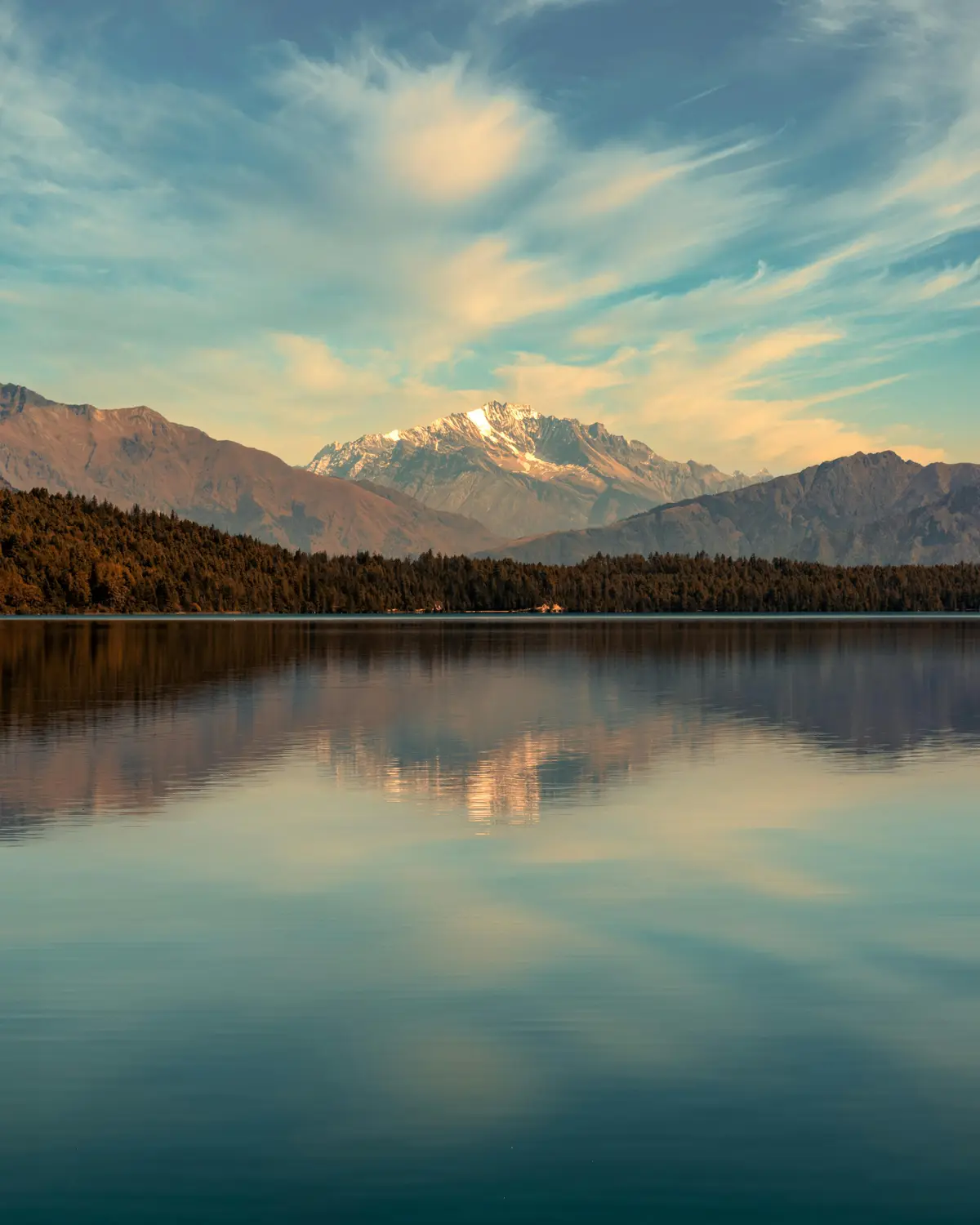
I pushed open the heavy wooden door and stepped out onto the porch of MBC. The world had been scrubbed clean. The clouds had dropped into the valley below us, looking like a white ocean. Above us, the “Fishtail” peak of Machhapuchhre stood in total isolation against a darkening sky.
Then, the sun hit it.
The peak didn’t just turn yellow; it turned a deep, fiery, molten gold. Because of the fresh snow and ice from the hailstorm, the mountain acted like a mirror, reflecting the sunset in a way I had never seen in twenty years of travel. It was the “Golden Hour” in its purest form.
All the pain of the last three hours, the freezing rain, the stinging hail, the fear for our teammates vanished. We stood in silence, 25 people from all over the world, united by a view that felt like a gift from the mountain itself.
Planning Your Visit to the Sanctuary
If you want to create your own travel stories in the Annapurna region, preparation is everything. Here is the technical breakdown for the Deurali to MBC stretch:
-
Distance: Approx. 4 miles (6.5 km)
-
Elevation Gain: 500 meters (1,640 feet)
-
Time: 2.5 to 4 hours (depending on weather)
-
Best Time to Avoid Storms: Start your trek by 7:00 AM to ensure you reach MBC before the afternoon clouds gather.
Final Thought
The Himalayas don’t give up their beauty easily. They demand a “down payment” of effort and endurance. But as we learned that day, the worse the storm, the more beautiful the clearing.
Are you ready to write your own Annapurna story? We specialize in taking US travelers safely through these legendary passes. Contact us today to join our 2026 expeditions.
This ama stays by her own in cold Langtang valley. Wanna know her hard life in the mountains. Read our another awesome trekking story from trekking stories series here: [Click Here]
Know more about the Annapurna Base Camp Trek . [Click Here]
Want to know more about Annapurna Circuit Trek ? [Click Here]
Apply for trekking Permit in Nepal? Click Here (We recommend contacting our email info @firstcamptrek for safe and secure process of permit application rather then applying online).