Seasonal Travel in Nepal: Best Times to Visit for Every Experience
Seasonal Travel in Nepal: Best Times to Visit for Every Experience
Nepal is a country of contrasts from snow-wrapped Himalayan peaks to subtropical jungles, from culture-rich cities to quaint rural towns. No matter when you travel, Nepal has something unique in store for you. But to plan your trip exactly to your liking, understanding the Nepal travel seasons is essential. Each season offers beauty, cultural festivities, and exclusive opportunities for exploration, making your travel time decision just as important as your itinerary.
In this guide, we’ll examine Nepal’s four main seasons spring, summer/monsoon, autumn, and winter and unveil the experiences each one brings. Whether you want to trek in the Himalayas, explore ancient temples, or go on wildlife adventures, you’ll discover the best times to visit for every kind of traveler.
Understanding Nepal’s Geography and Climate
Nepal is geographically diverse, ranging from the flat Terai plains at around 60 meters above sea level to the towering Himalayan peaks, topped by Mount Everest at 8,848 meters. This massive elevation range creates unique microclimates that influence the Nepal travel seasons in fascinating ways.
Generally, the year in Nepal is divided into four seasons:
-
Spring (March-May)
-
Summer/Monsoon (June-August)
-
Autumn (September-November)
-
Winter (December-February)
While these are broad categories, weather can vary greatly within each season depending on the region. For example, the Terai may be warm even in winter, while the mountains experience extreme cold.
1.Spring (March-May): Lush Flowers and Ideal Trekking Weather
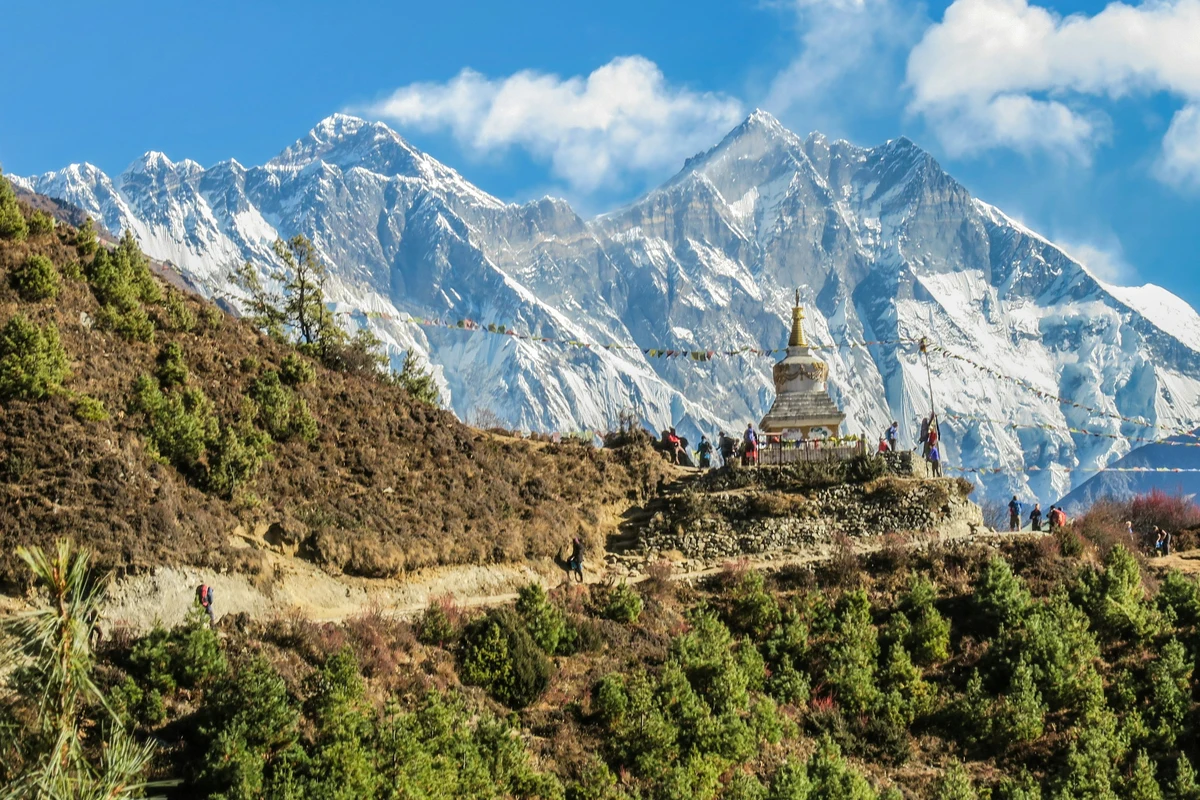
Spring is one of the most popular Nepal travel seasons and rightly so. The weather is pleasantly warm without being too hot, skies are relatively clear, and hills are covered with vibrant rhododendron blooms. Trekkers especially love spring because trails are lined with colorful flowers and mountain views are still spectacular.
Weather and Atmosphere
-
Temperature: Mild in the hills, warm in the Terai, and still cool at higher elevations.
-
Visibility: Excellent for mountain views.
-
Special Attraction: Rhododendron forests in full bloom.
Best Activities
-
Trekking: Everest Base Camp, Annapurna Circuit, Langtang Valley.
-
Cultural Exploration: Kathmandu Valley’s temples and heritage sites.
-
Wildlife Watching: Chitwan and Bardiya National Parks for rhinos, tigers, and elephants.
Spring is also festival season. You might experience Holi, the colorful Hindu festival, or Bisket Jatra, the Nepali New Year celebration in Bhaktapur.
2.Summer/Monsoon (June-August): Green Landscapes and Cultural Life
The summer/monsoon period is often overlooked, but it is one of the most authentic Nepal travel seasons if you want to see the country at its greenest. Heavy rains can sometimes cause landslides in mountainous areas and obscure mountain views, but they also bring life to the fields and forests.
Weather and Atmosphere
-
Temperature: Hot to warm in the Terai and mid-hills; cooler in the mountains.
-
Rainfall: Frequent afternoon or evening showers.
-
Landscape: Lush green countryside and flowing rivers.
Best Activities
-
Cultural Tours: Kathmandu, Patan, and Bhaktapur are full of life even in the rain.
-
Photography: Dramatic cloudscapes and vivid greenery.
-
Festivals: Indra Jatra in Kathmandu is a highlight of this season.
Trekkers can still enjoy Upper Mustang and Dolpo during the monsoon since these areas lie in the rain shadow of the Himalayas, receiving much less precipitation.
3.Autumn (September-November): Clear Skies and Peak Trekking Season
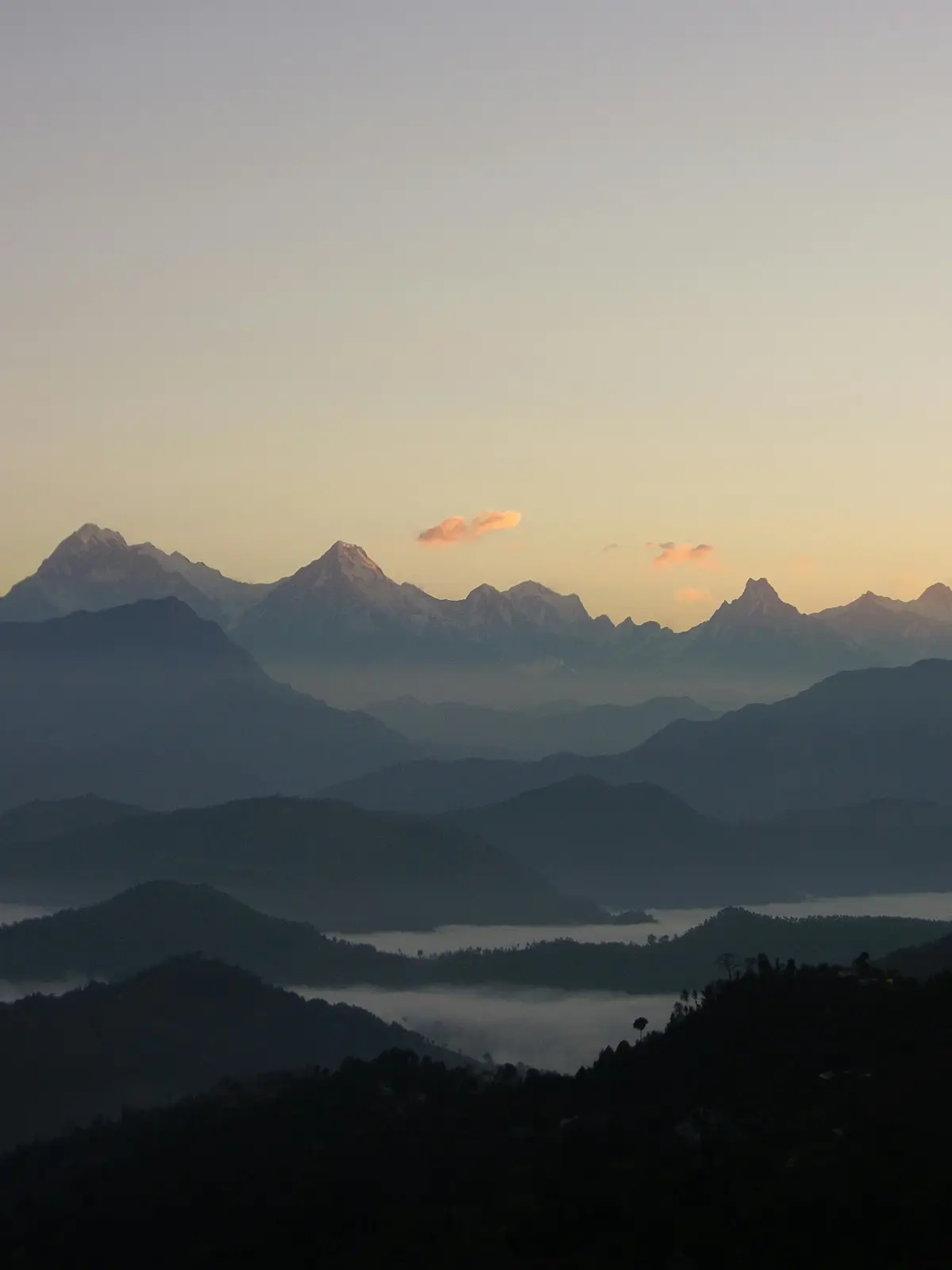
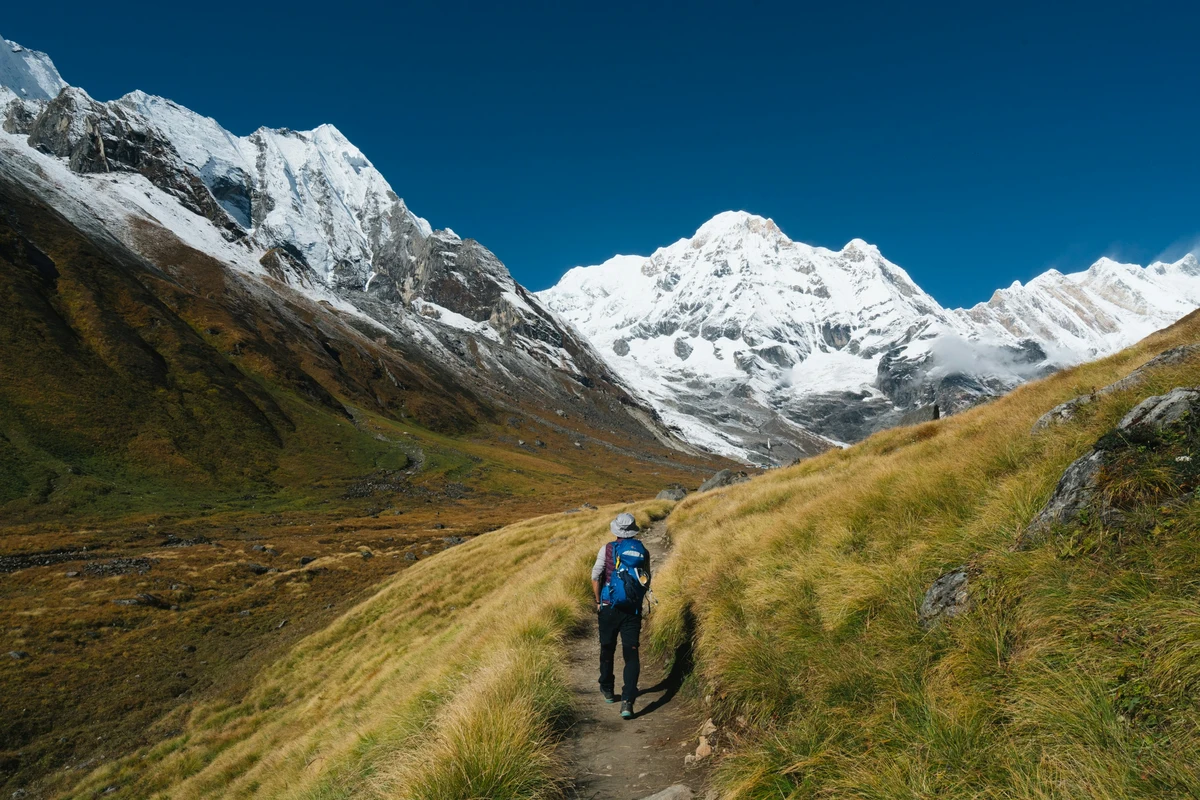
Autumn is the most sought-after of all Nepal travel seasons. The monsoon rains clear the dust and pollution from the air, leaving crystal-clear skies and stunning mountain views. Temperatures are comfortable, making this the ideal time for trekking.
Weather and Atmosphere
-
Temperature: Warm days, cool nights perfect for outdoor adventures.
-
Visibility: Exceptional mountain panoramas.
-
Crowds: High, as this is the peak tourist season.
Best Activities
-
Trekking: Annapurna Base Camp, Manaslu Circuit, Everest Base Camp.
-
Cultural Festivals: Dashain and Tihar, Nepal’s two biggest celebrations, happen in autumn.
-
Adventure Sports: Paragliding in Pokhara, rafting in Trishuli or Bhote Koshi rivers.
If you want to experience Nepal’s most famous treks with the best weather, autumn is your season though you should expect larger crowds and higher demand for accommodations.
4.Winter (December-February): Quiet Trails and Crisp Air
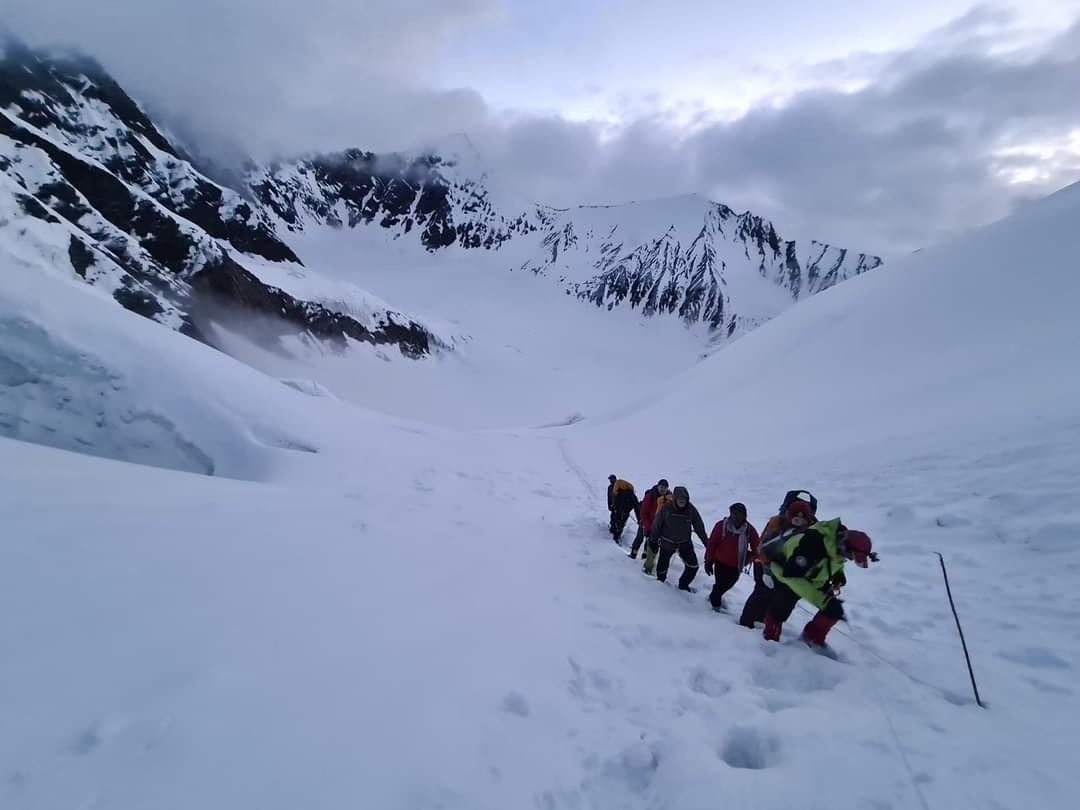
Winter is the least busy of the Nepal travel seasons, perfect for travelers seeking solitude. While high-altitude trekking can be difficult due to snow and cold temperatures, low-altitude treks and cultural tours are excellent during this time.
Weather and Atmosphere
-
Temperature: Extremely cold in the mountains, mild in the mid-hills, pleasant in the Terai.
-
Visibility: Clear skies, especially in December and January.
-
Crowds: Low, offering peaceful exploration.
Best Activities
-
Low-altitude Trekking: Ghorepani Poon Hill, Helambu.
-
Wildlife: The Terai’s dry season is perfect for spotting tigers, rhinos, and elephants.
-
Cultural Exploration: Less crowded temples and museums.
Winter also brings festivals like Maghe Sankranti, which celebrates the start of longer and warmer days according to the traditional Nepali calendar.
Matching Seasons to Your Travel Style
Choosing among the Nepal travel seasons depends on your travel priorities:
-
For trekking: Spring and autumn provide the best weather and visibility.
-
For cultural immersion: Summer’s festivals and winter’s quiet charm are ideal.
-
For wildlife watching: Winter and spring are the best for spotting animals in the Terai.
-
For budget travel: Winter and monsoon tend to have lower prices and fewer crowds.
Tips for Traveling in Any Season
No matter which season you choose, here are some tips to make your trip smoother:
-
Pack layers: Nepal’s varying altitudes cause significant temperature changes.
-
Check regional forecasts: Weather in Kathmandu, Pokhara, and the mountains can be very different.
-
Book in advance for peak season: Especially for autumn and spring.
-
Stay flexible: Festivals, road conditions, and weather can change your plans.
Conclusion
There’s no single “best” time to visit Nepal it depends on what you want to experience. By understanding the Nepal travel seasons, you can choose the time of year that matches your interests, whether that’s trekking under crisp autumn skies, walking through rhododendron forests in spring, experiencing lush monsoon landscapes, or enjoying the peaceful charm of winter.
No matter when you go, Nepal’s beauty, history, and warm hospitality will make your journey unforgettable. For expert guidance and to plan your ideal trip, visit First Camp Trek for complete travel and tourism experiences in Nepal.