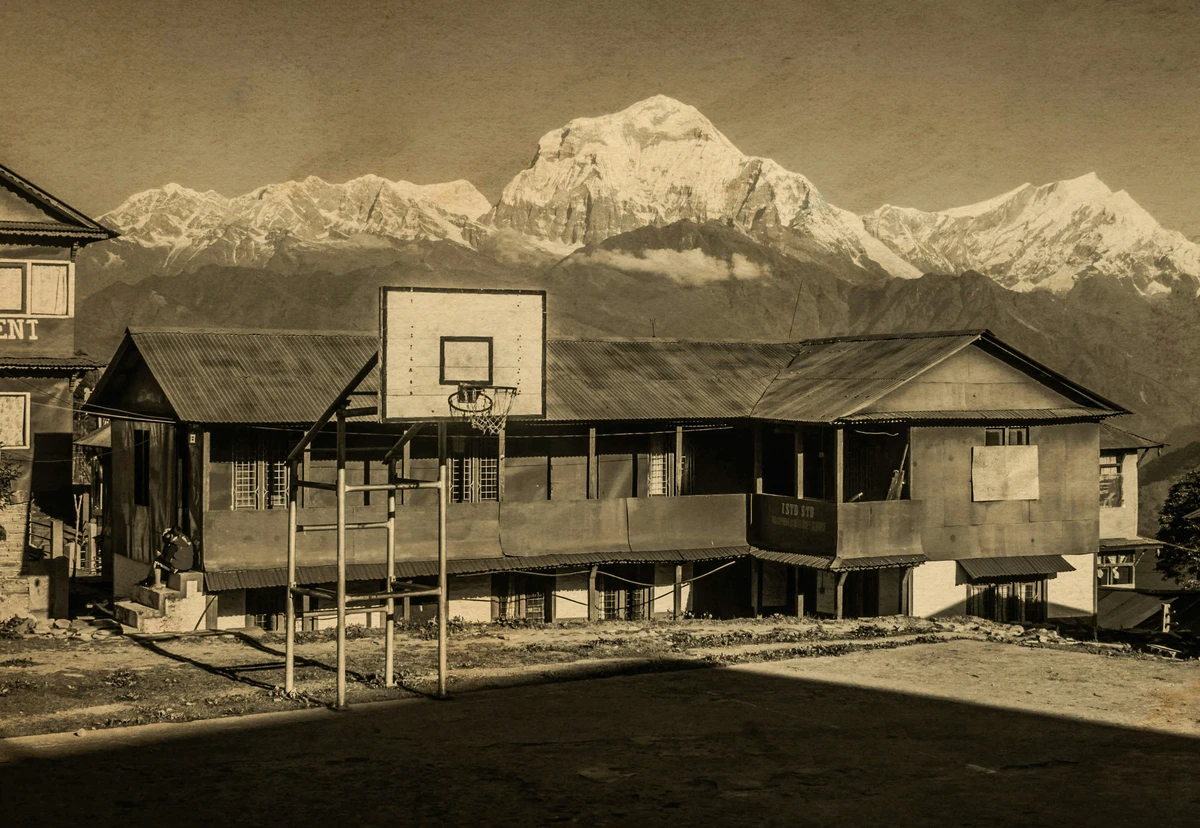
Exploring Nepal’s UNESCO World Heritage Sites
Exploring Nepal’s UNESCO World Heritage Sites
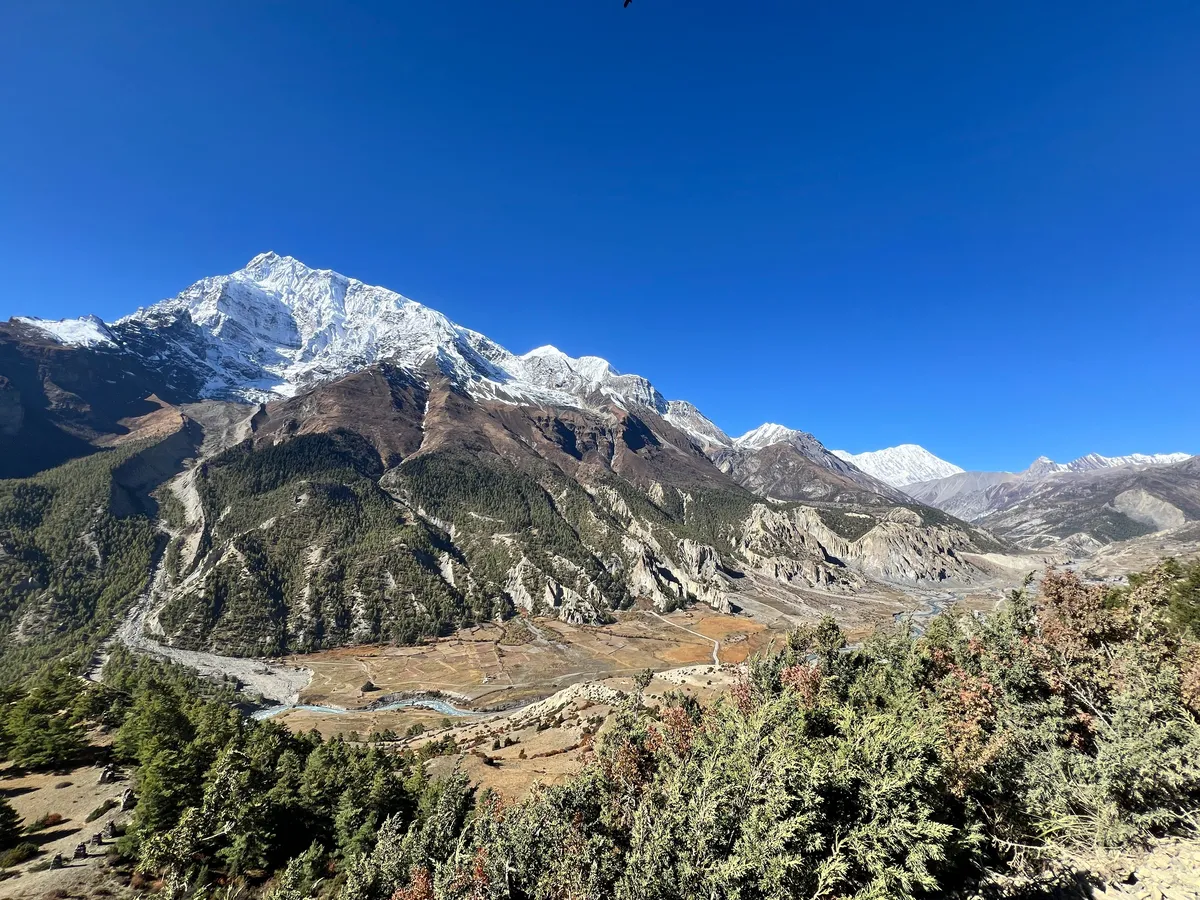
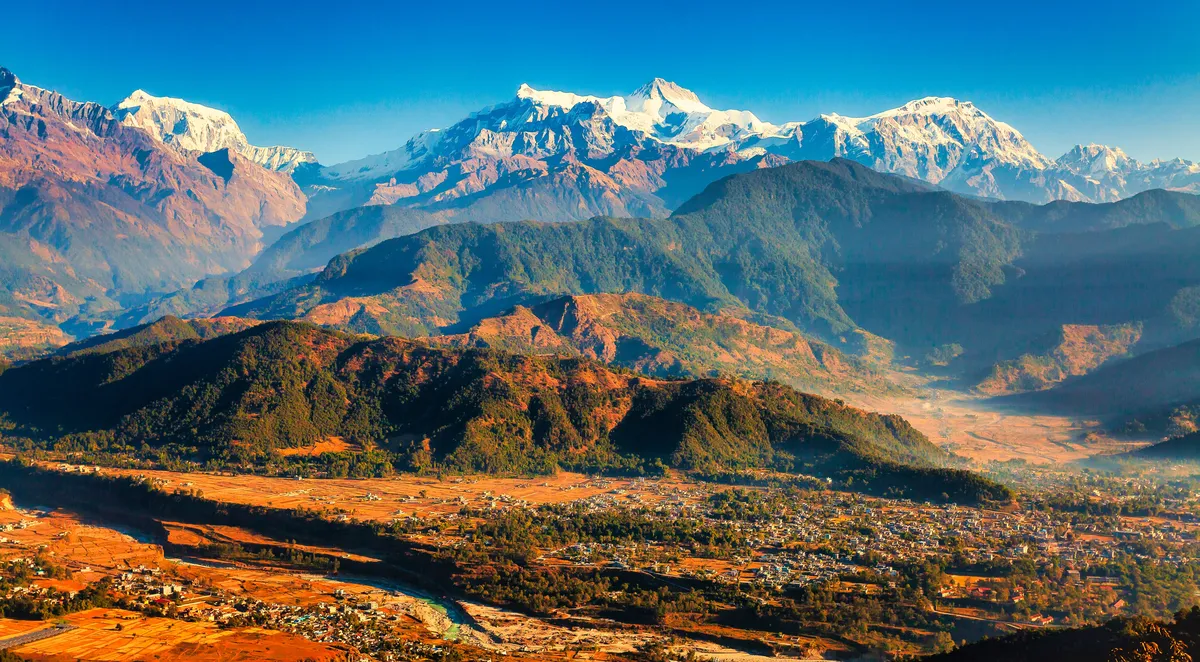
Nepal, the land of towering mountains, medieval temples, and rich cultural heritage, boasts some of the world’s most fascinating UNESCO World Heritage Sites in Nepal. For the visitor looking for a blend of nature, history, and spirituality, Nepal’s UNESCO World Heritage Sites in Nepal offer unforgettable memories that are far beyond the usual tourist circuit. From Kathmandu’s imposing stupas to the site of the birth of Lord Buddha in Lumbini, these heritage sites capture the very soul of Nepal and its age-old traditions. Throughout this blog, we will take you to all 10 of the UNESCO World Heritage Sites in Nepal 7 cultural and 3 natural each rich in history and significance.
What are UNESCO World Heritage Sites?
Before we dive into Nepal’s heritage treasures, let us first know what a UNESCO World Heritage Site is. Those are locations or sites recognized by the United Nations Educational, Scientific and Cultural Organization (UNESCO) as having cultural, historic, scientific, or natural significance. They are legally protected and are considered to be of outstanding value to humanity.
Overview of the UNESCO World Heritage Sites in Nepal
Up to this time, there are 10 UNESCO World Heritage Sites in Nepal, which are classified into: Cultural Sites (7) All within the Kathmandu Valley and Lumbini
Natural Sites (3) – Sagarmatha National Park, Chitwan National Park, and the recently added Koshi Tappu Wildlife Reserve (tentative list).
Nepal’s Cultural UNESCO World Heritage Sites in Nepal
1.Kathmandu Durbar Square
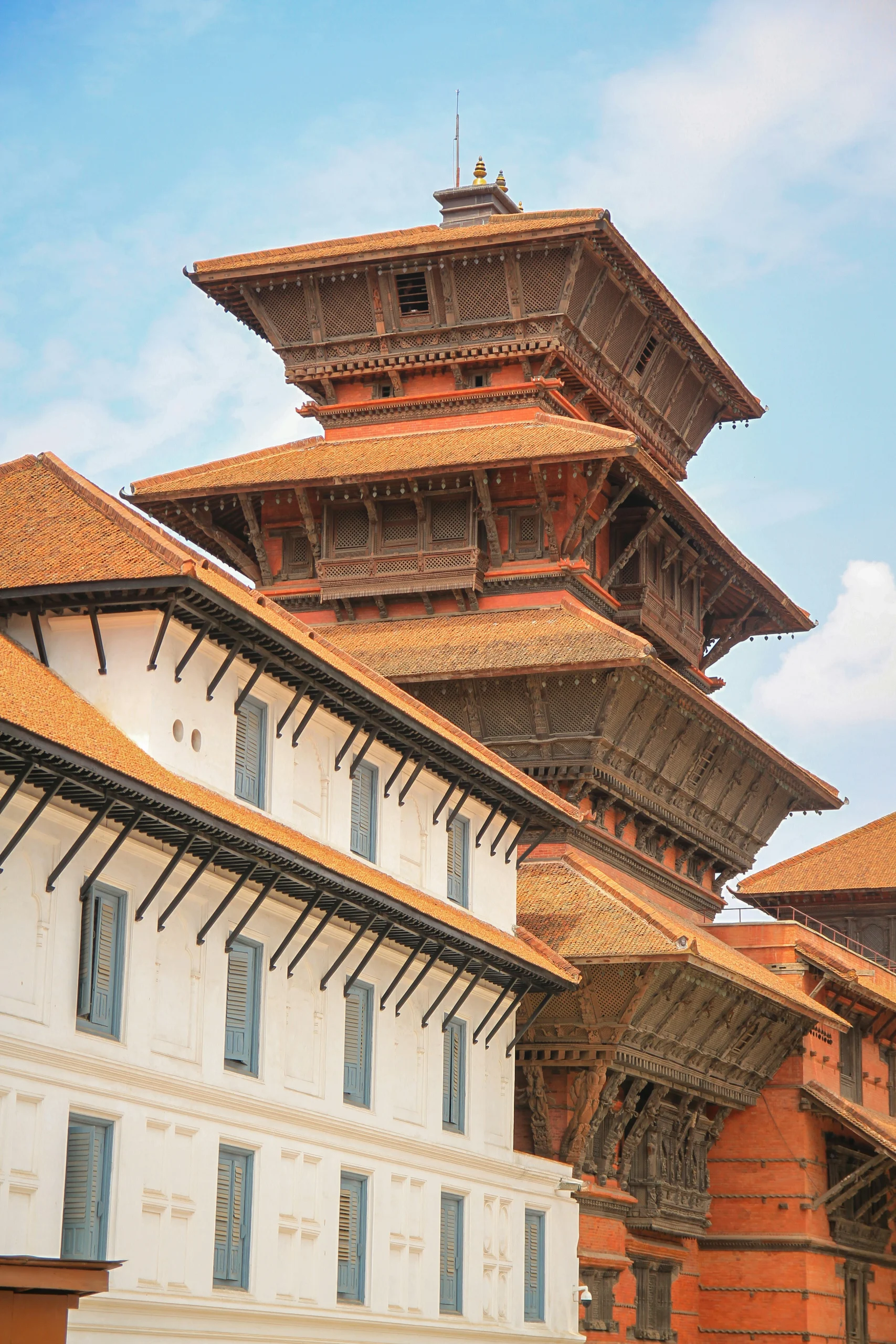
Situated in the heart of the capital city, the Kathmandu Durbar Square was once the palace of the Malla king. It is a stunning complex of temples, palaces, and courtyards that showcases Newar architecture at its finest. Although the earthquake in 2015 had an impact on it, restoration has regained much of its historical structures. Highlights:
- Taleju Temple
- Hanuman Dhoka Palace
- Kumari Ghar – home of the Living Goddess
2.Patan Durbar Square
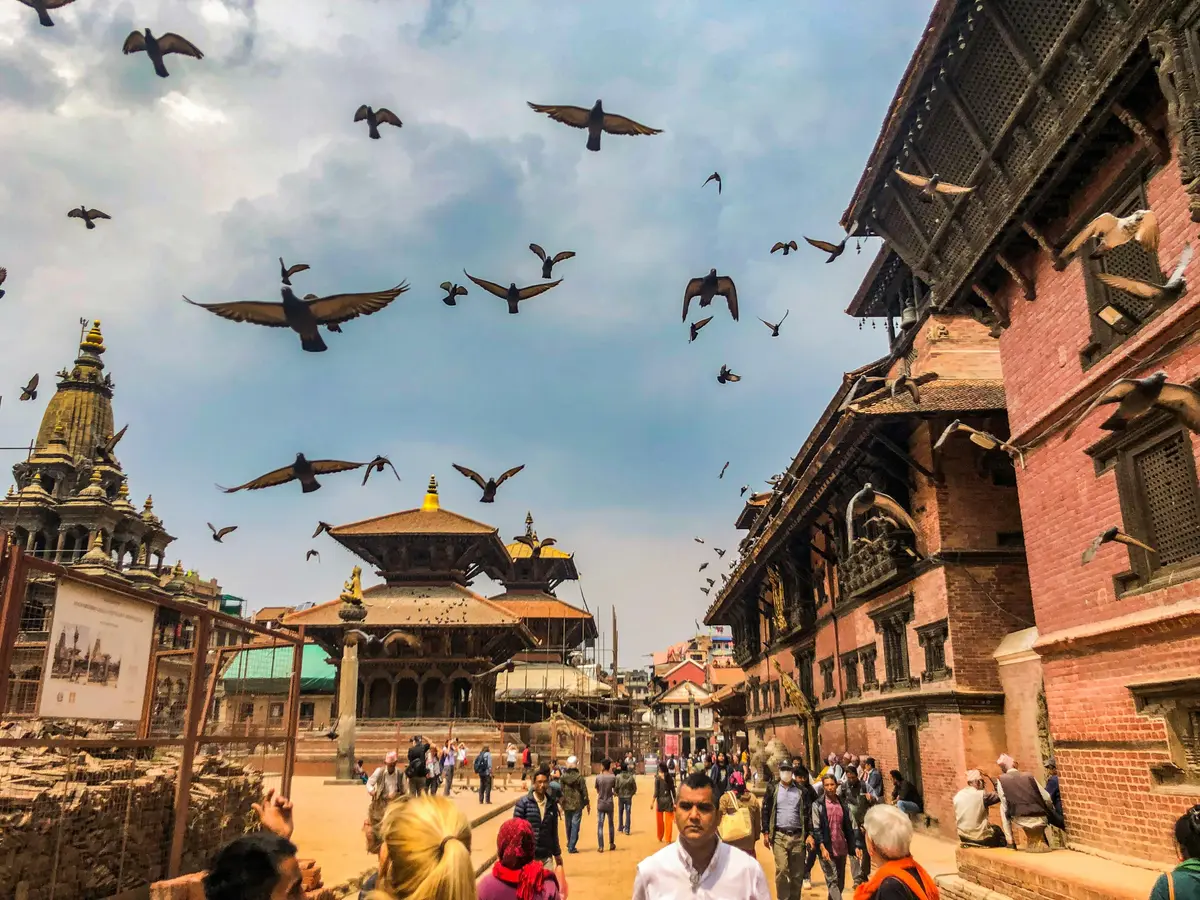
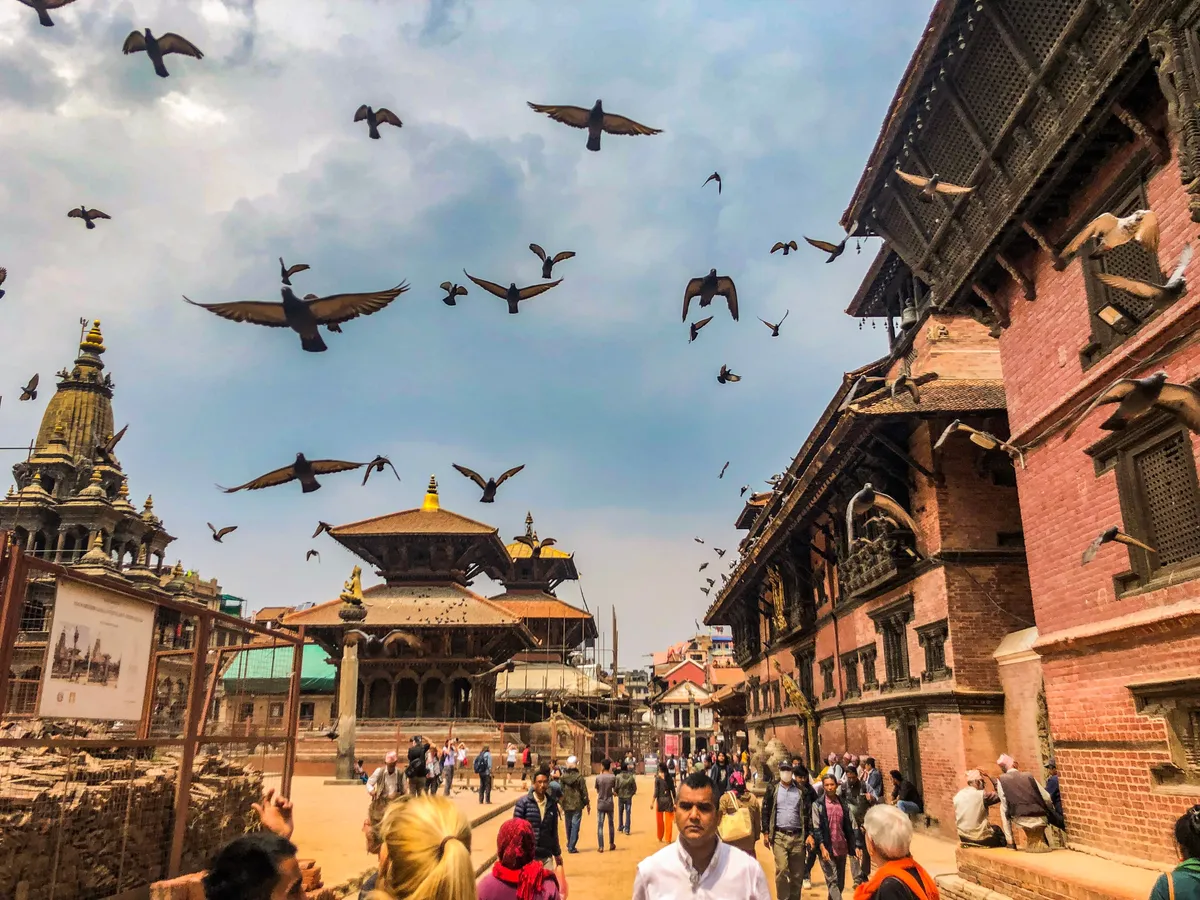
Situated in the city of Lalitpur (Patan), this square is an ancient masterpiece of art. Famous for its fine stone carvings and lovely courtyards, Patan Durbar Square is a feast to the eyes. It is a must-visit for all visitors to the UNESCO World Heritage Sites in Nepal. Highlights:
- Krishna Mandir (stone temple)
- Patan Museum
- Sundari Chowk and Mul Chowk
3.Bhaktapur Durbar Square
Bhaktapur, the “City of Devotees,” is an open-air museum of medieval art and architecture. There is less commercialization of Durbar Square here and a more realistic cultural experience. Highlights:
- 55-Window Palace
- Vatsala Temple
- Nyatapola Temple – tallest pagoda in Nepal
4.Swayambhunath Stupa (Monkey Temple)
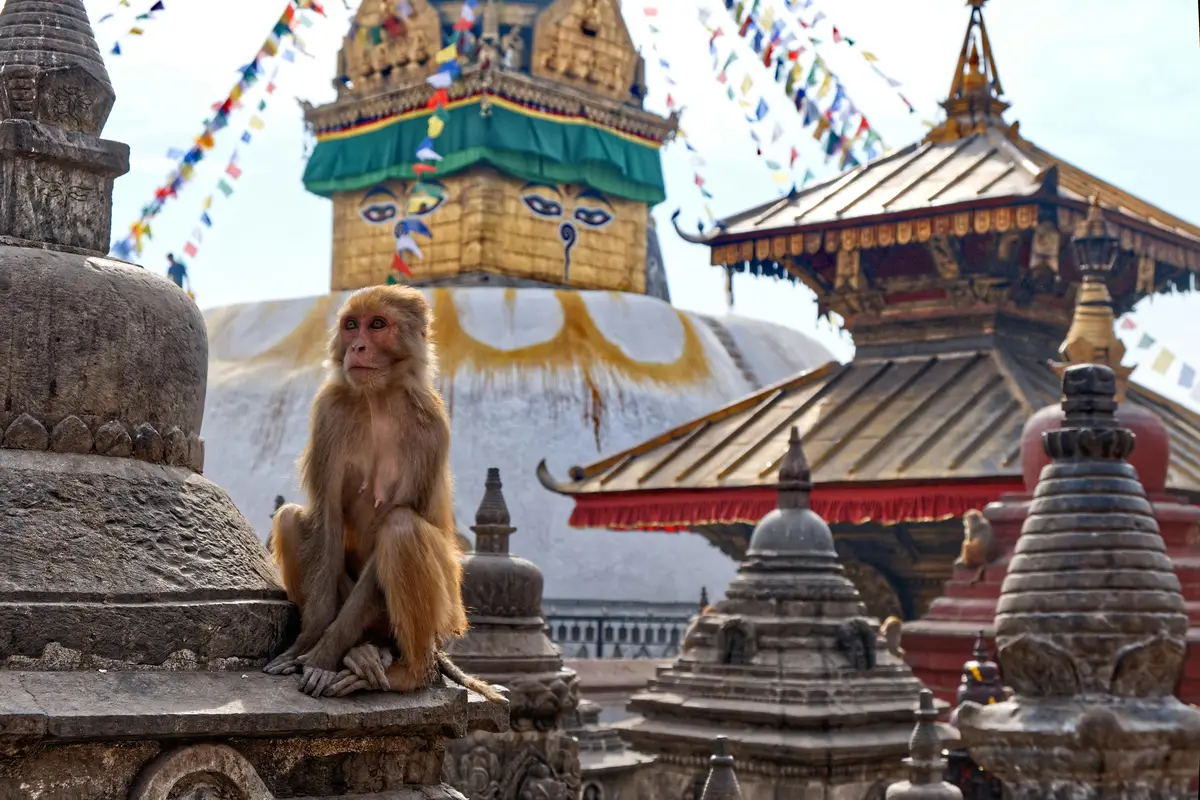
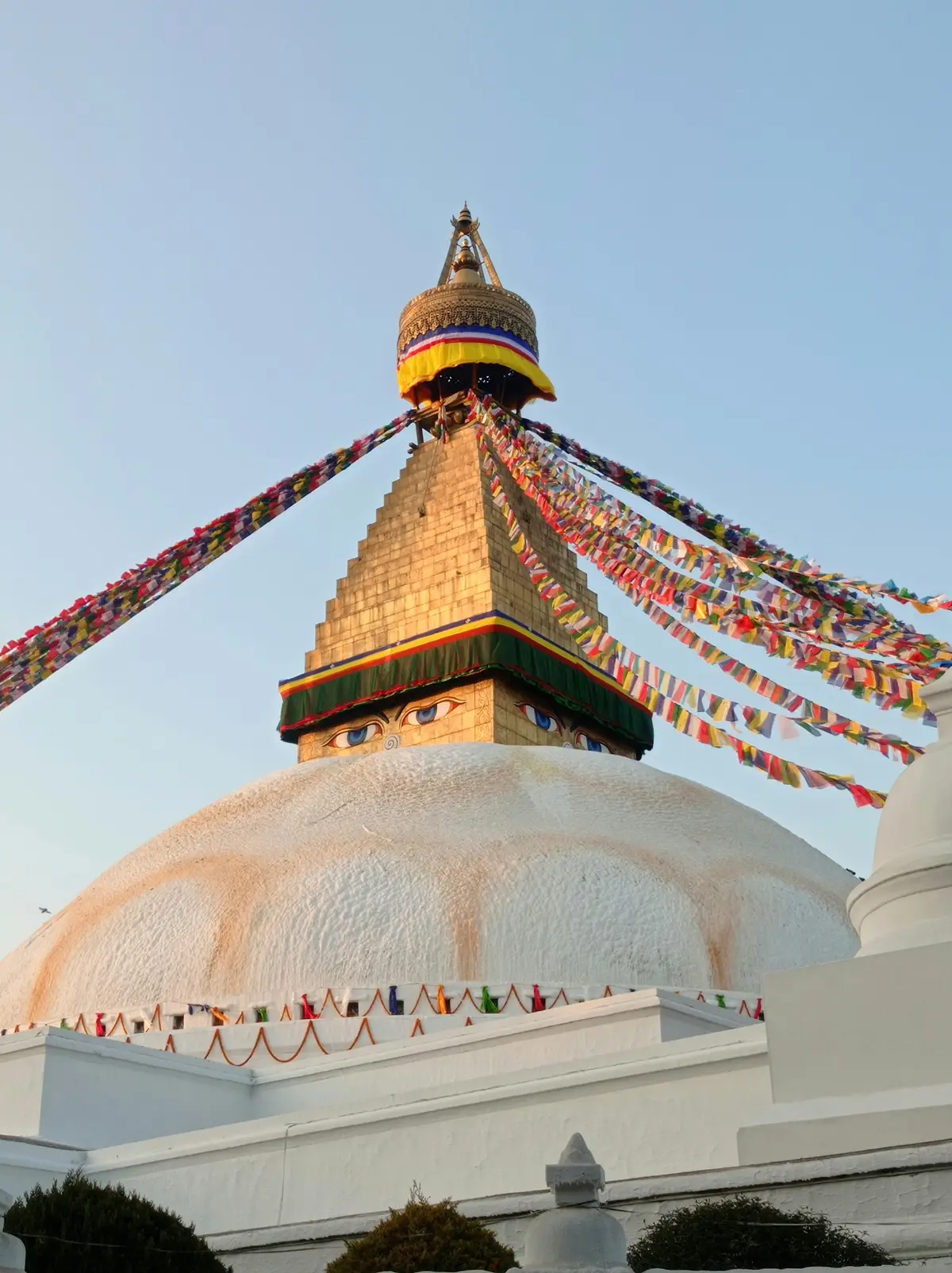
One of Nepal’s ancient sites of worship, Swayambhunath is perched on a hill overlooking the rolling sweep of the Kathmandu Valley. A symbol of the harmonious coexistence of Buddhism and Hinduism, the complex is famous for its all-seeing eyes of the Buddha. Tip: Catch the sunrise at Swayambhunath for a spiritual start to the day in Kathmandu.
5.Boudhanath Stupa
The Boudhanath Stupa ranks as one of the largest spherical stupas in the world and a sacred pilgrimage site for the Tibetan Buddhists as well. Its peaceful atmosphere and revolving prayer wheels render it a favorite among tourists and locals alike. Fun Fact: It is said that the stupa was built in the 14th century after the Mughal invasions.
6.Pashupatinath Temple
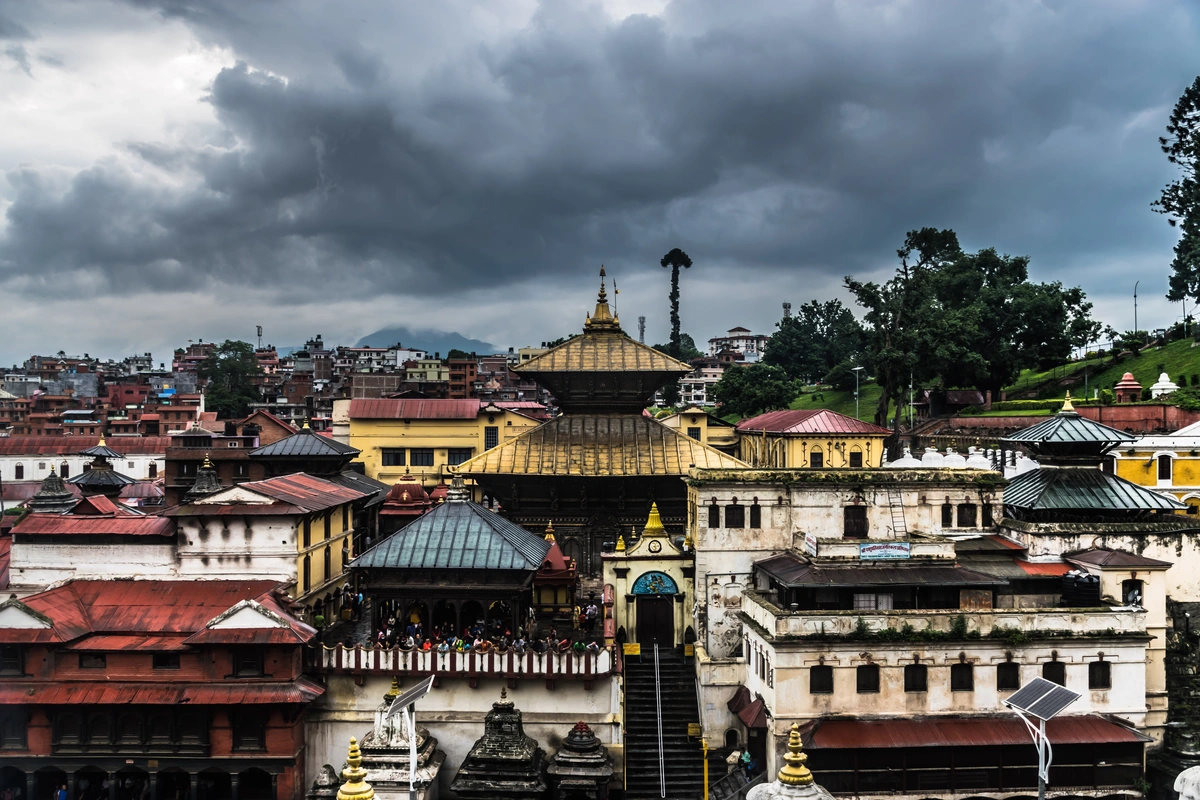
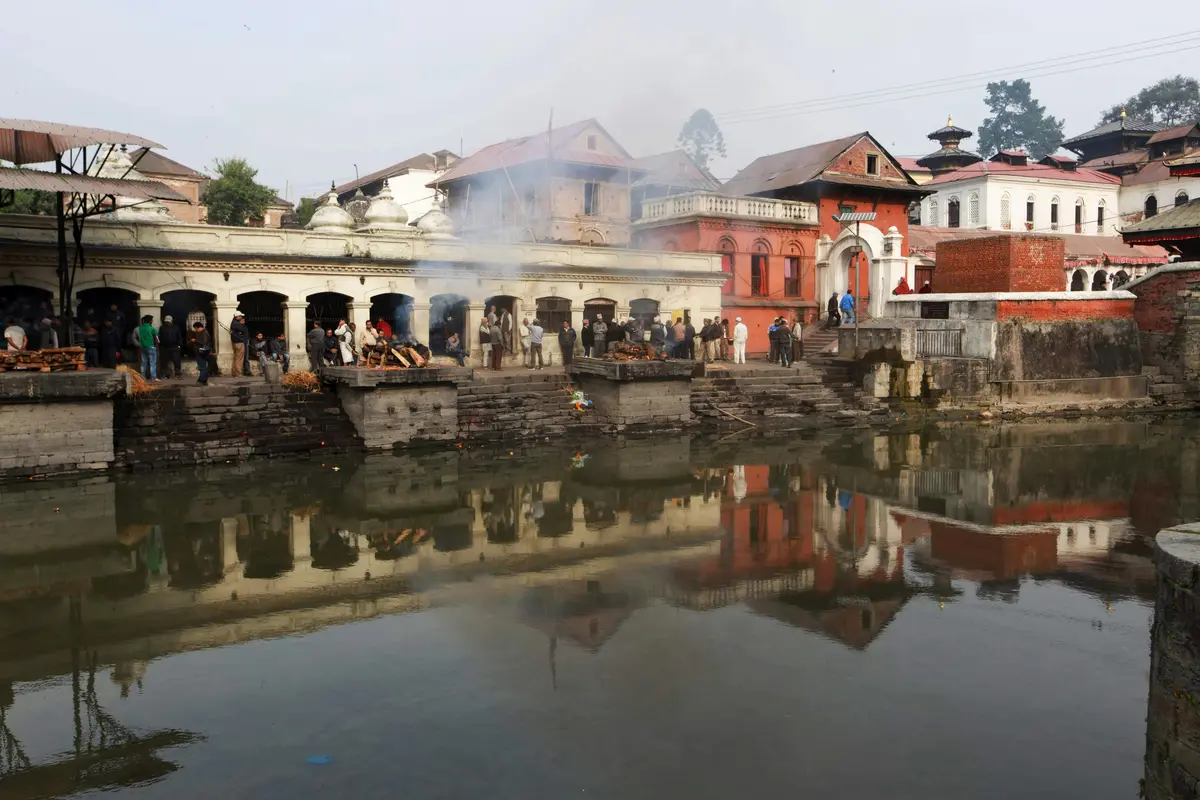
A sacred temple of Lord Shiva, Pashupatinath is one of the most sacred Hindu temples in the world. Located on the banks of the Bagmati river, it is also a cremation site as well as a place of spiritual activities. Highlights:
- Evening Aarti every day
- Sacred shrines and lingams
- Observation of Hindu funeral rituals (with respect)
7.Lumbini – The Birthplace of Lord Buddha
Located in the Rupandehi district of southern Nepal, Lumbini is the birthplace of Lord Buddha (Siddhartha Gautama). It is a sacred spiritual destination and a part of the UNESCO World Heritage Sites in Nepal. Must-See Attractions:
- Maya Devi Temple
- Ashoka Pillar
- Monastic Zone featuring temples of various nations
Natural UNESCO World Heritage Sites in Nepal
8.Sagarmatha National Park
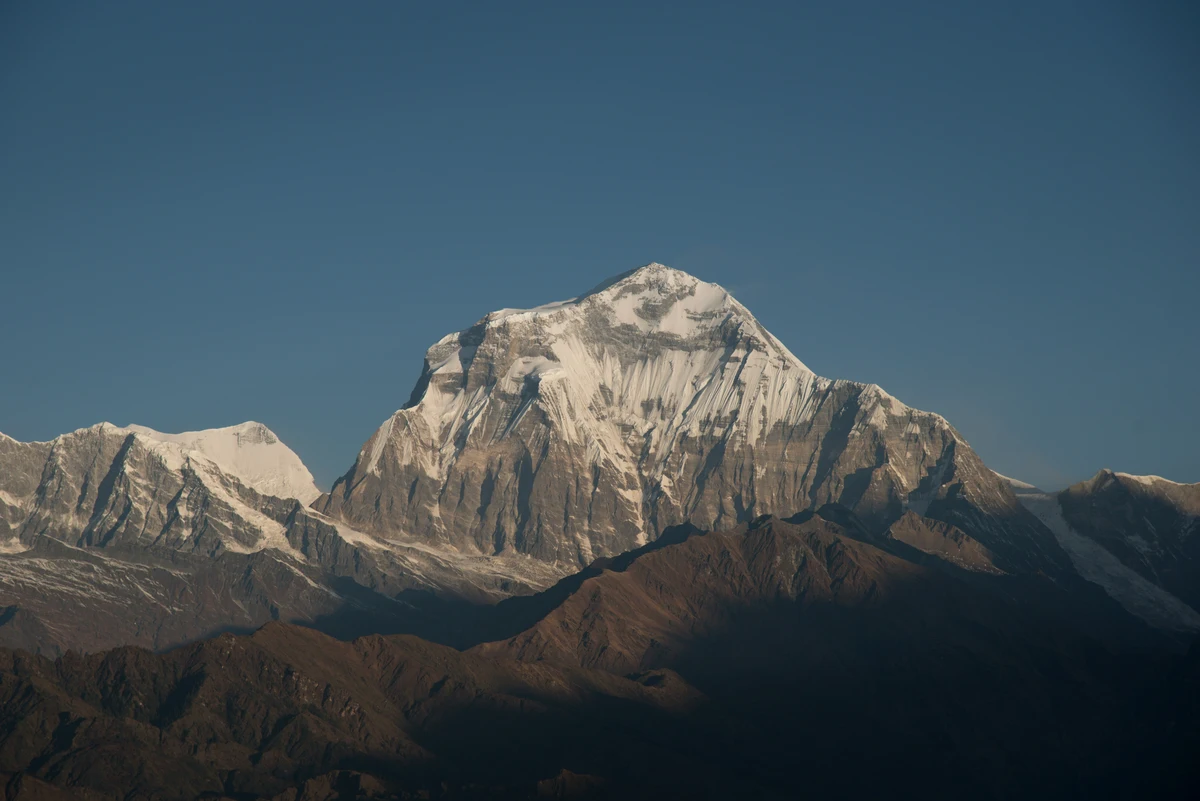
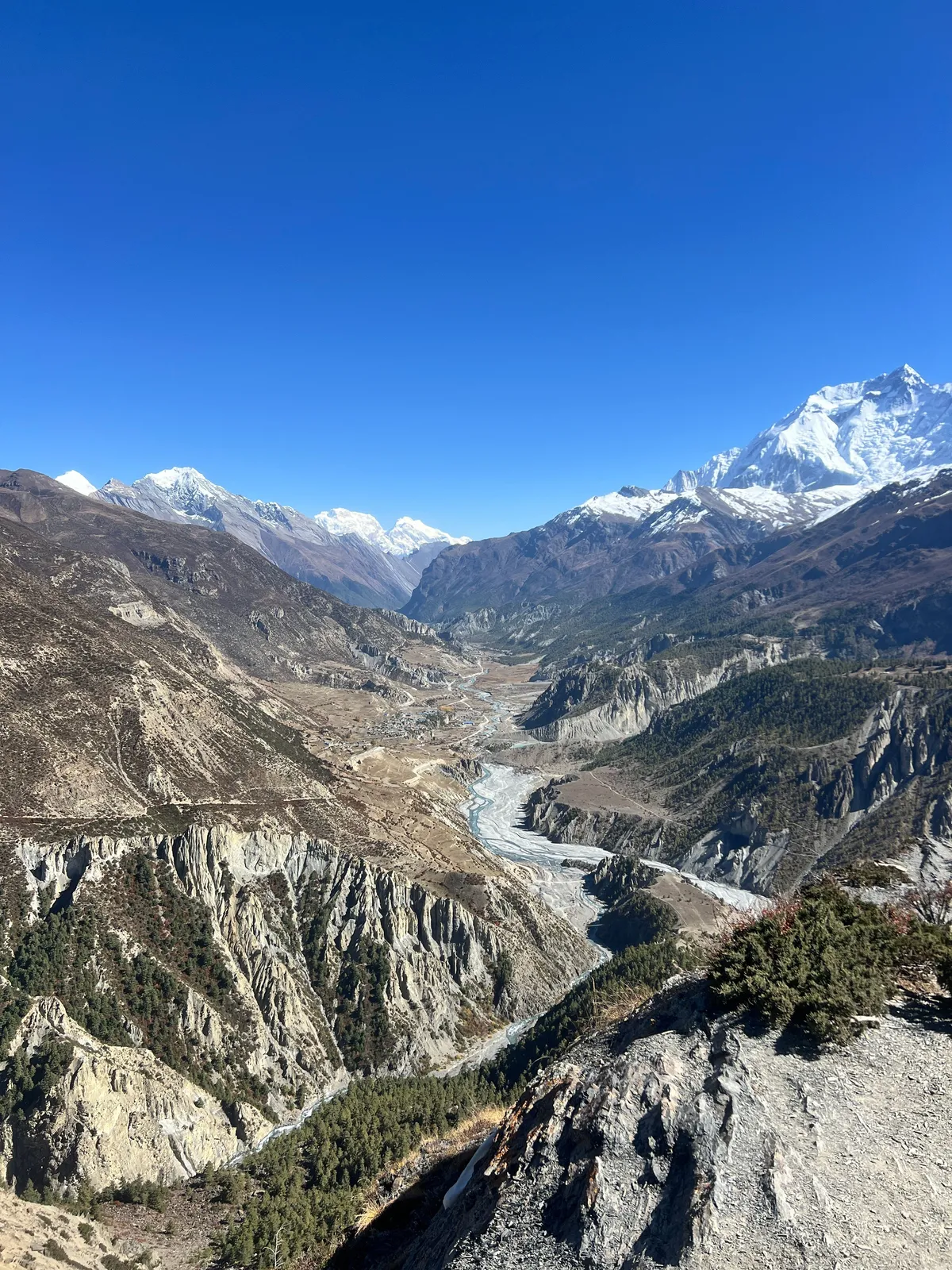
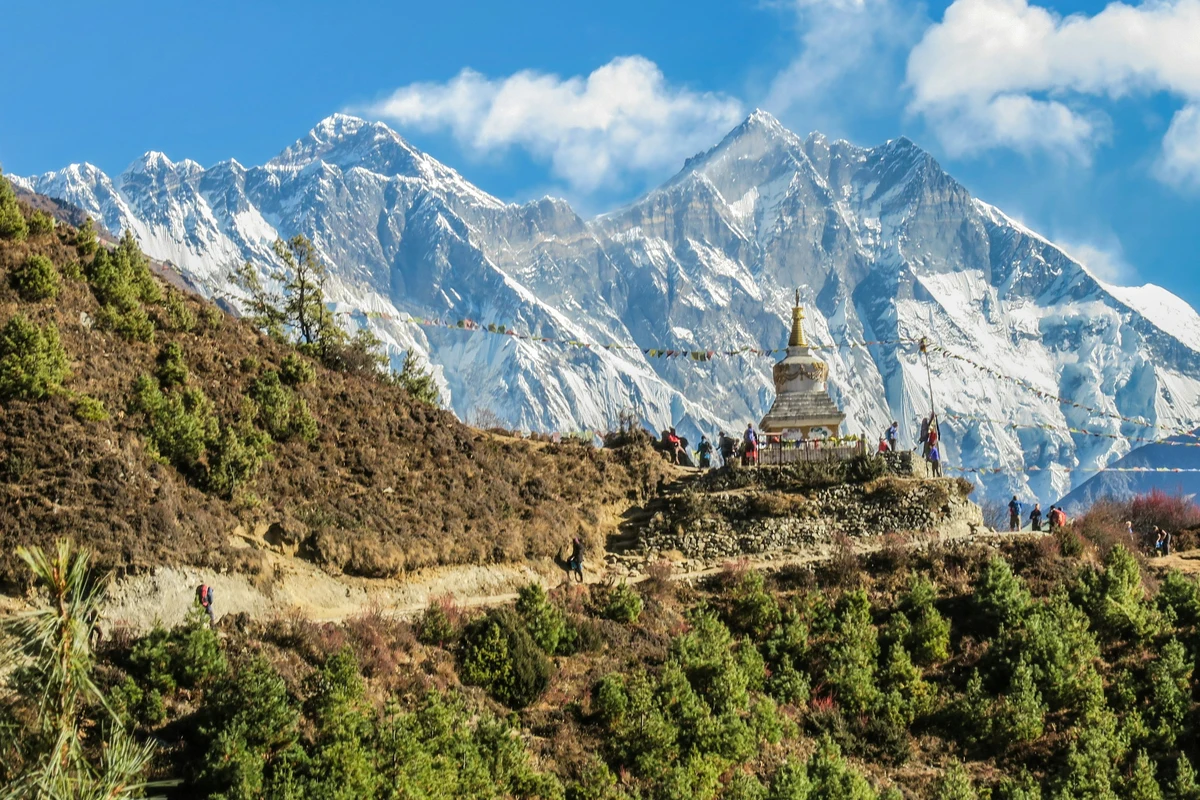
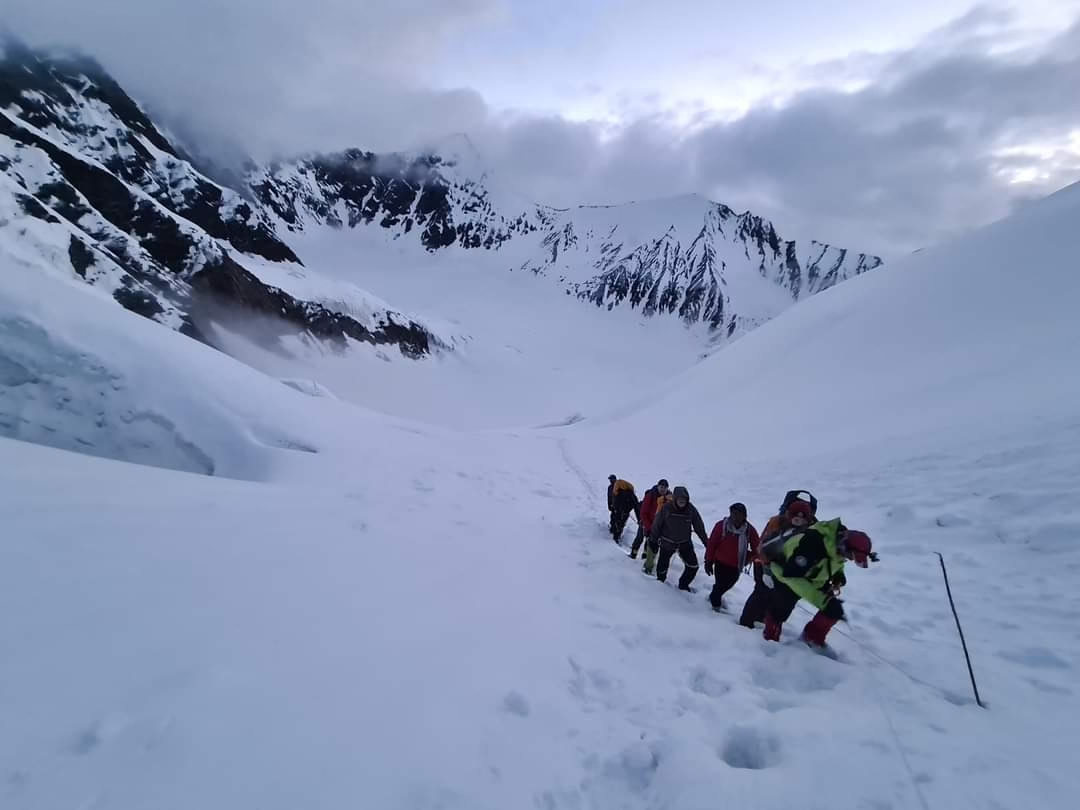
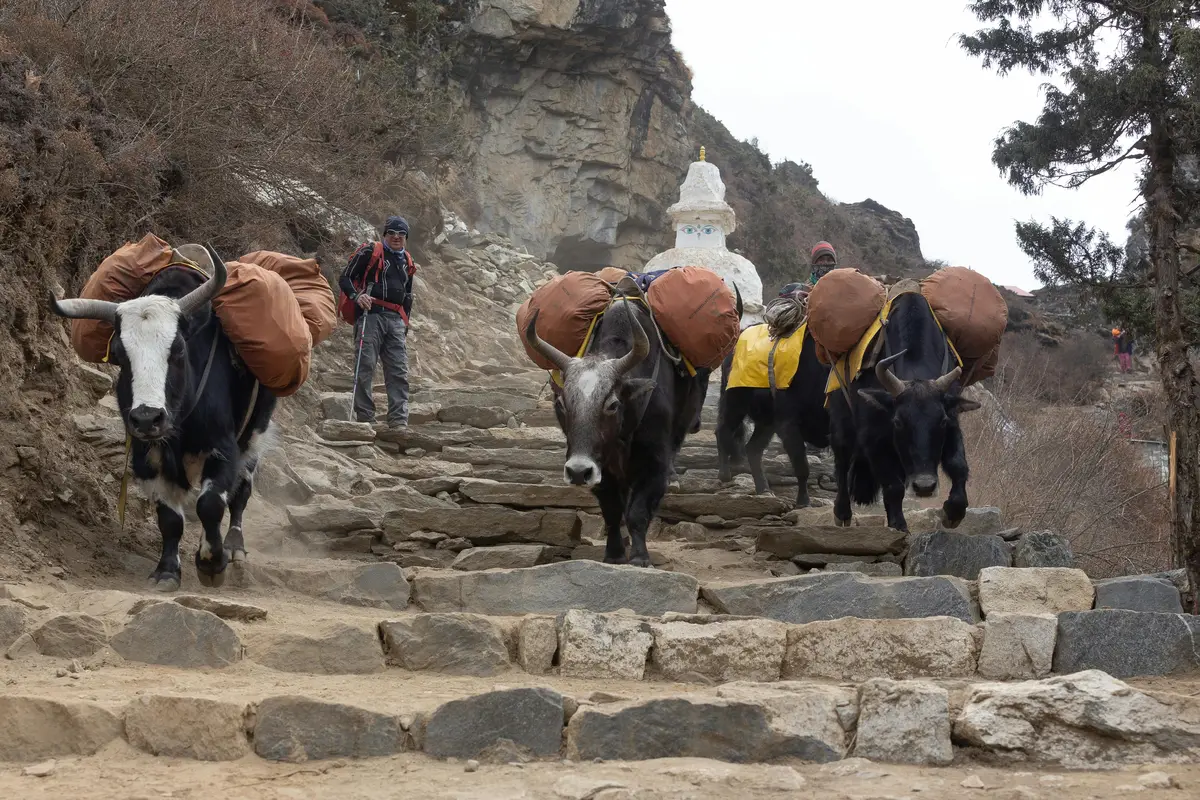
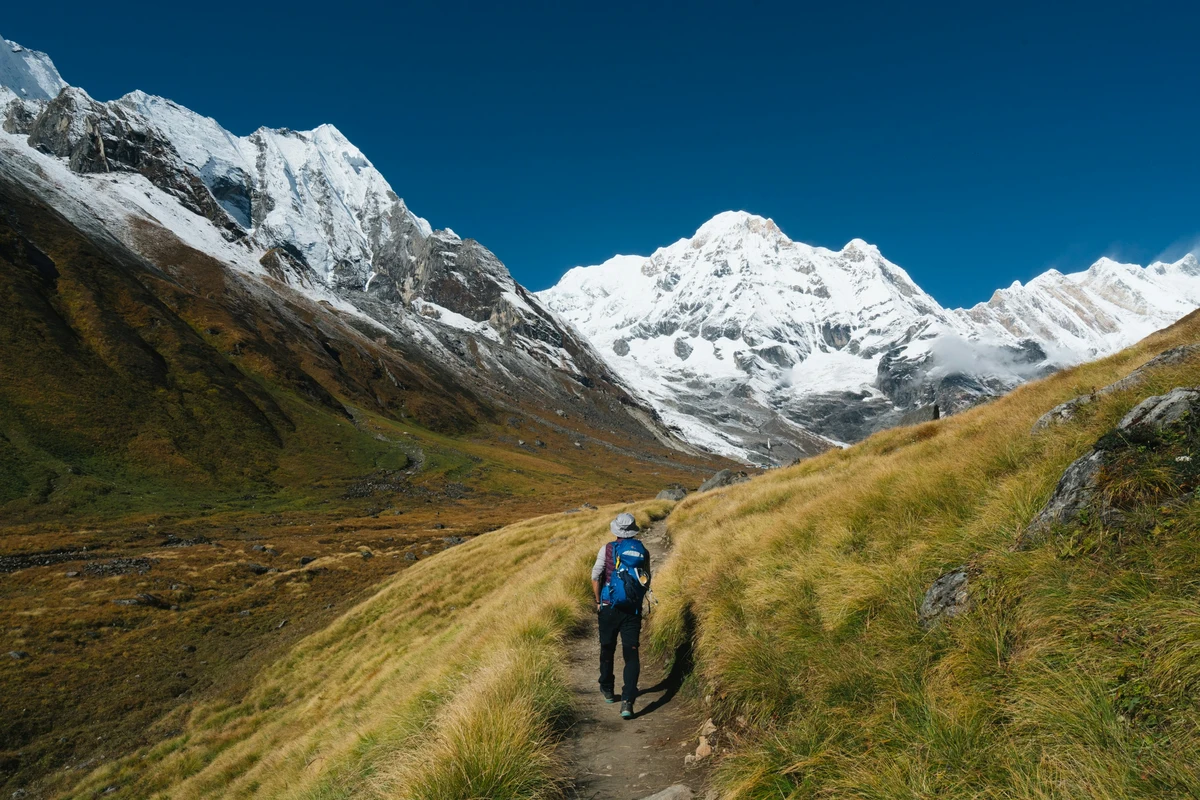
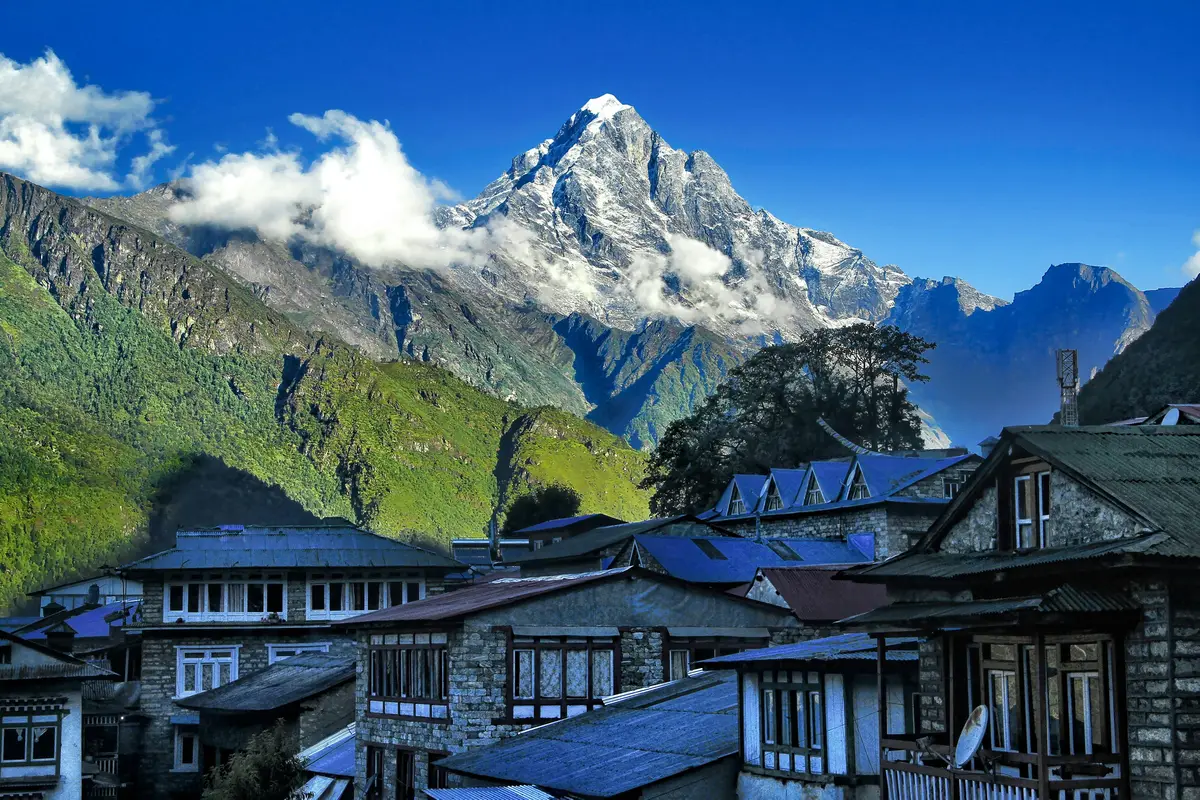
With the world’s highest point, Mount Everest (Sagarmatha), the national park is a paradise for trekkers and mountaineers. In addition to its lofty peaks, the park is populated with a large range of fauna, including snow leopards, red pandas, and Himalayan tahr. Popular Treks:
- Everest Base Camp Trek
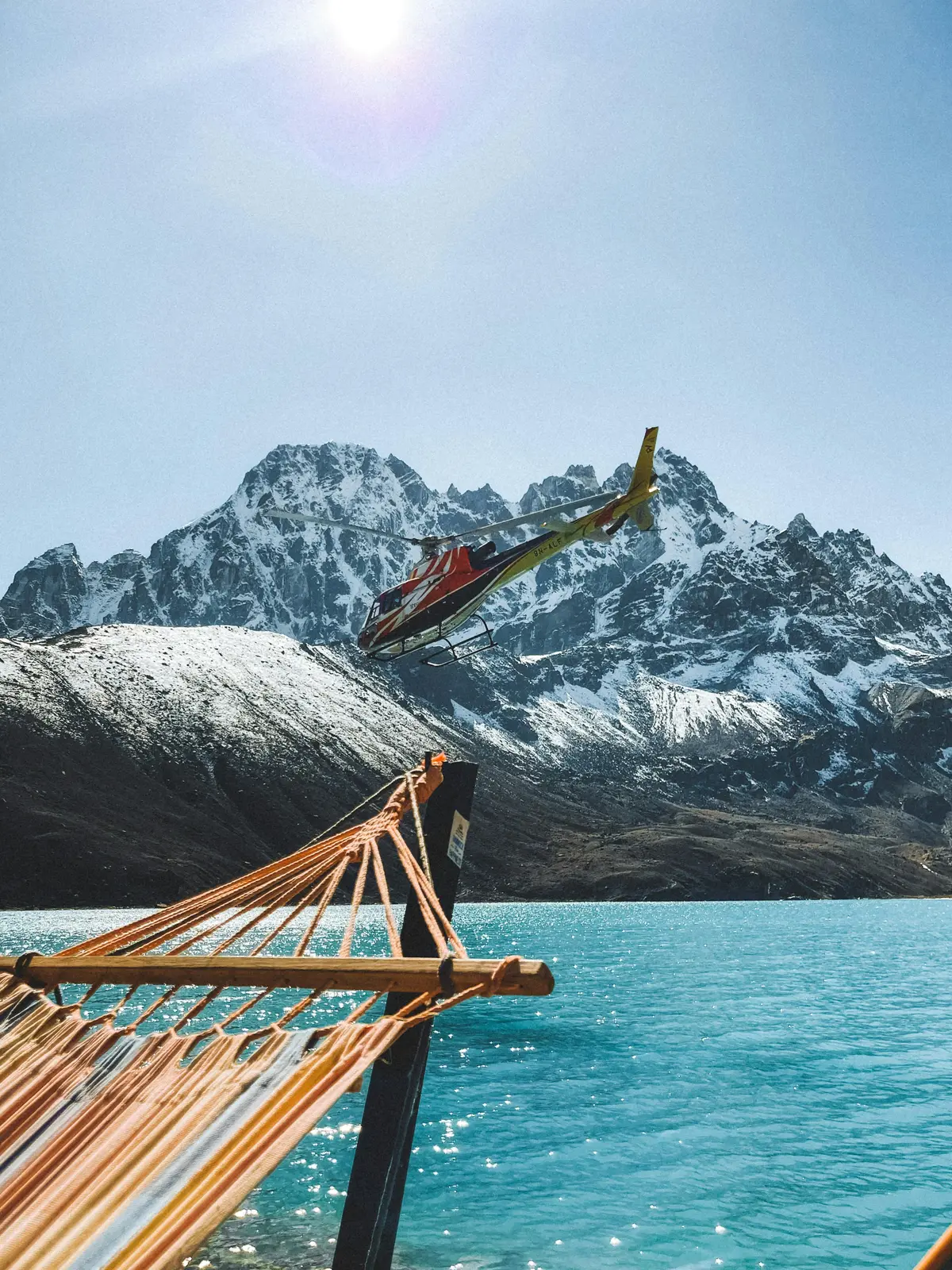
- Gokyo Lakes Trek Sagarmatha National Park is not adventure alone, but also spiritual experiences of the Sherpa culture and Tibetan Buddhism.
9.Chitwan National Park
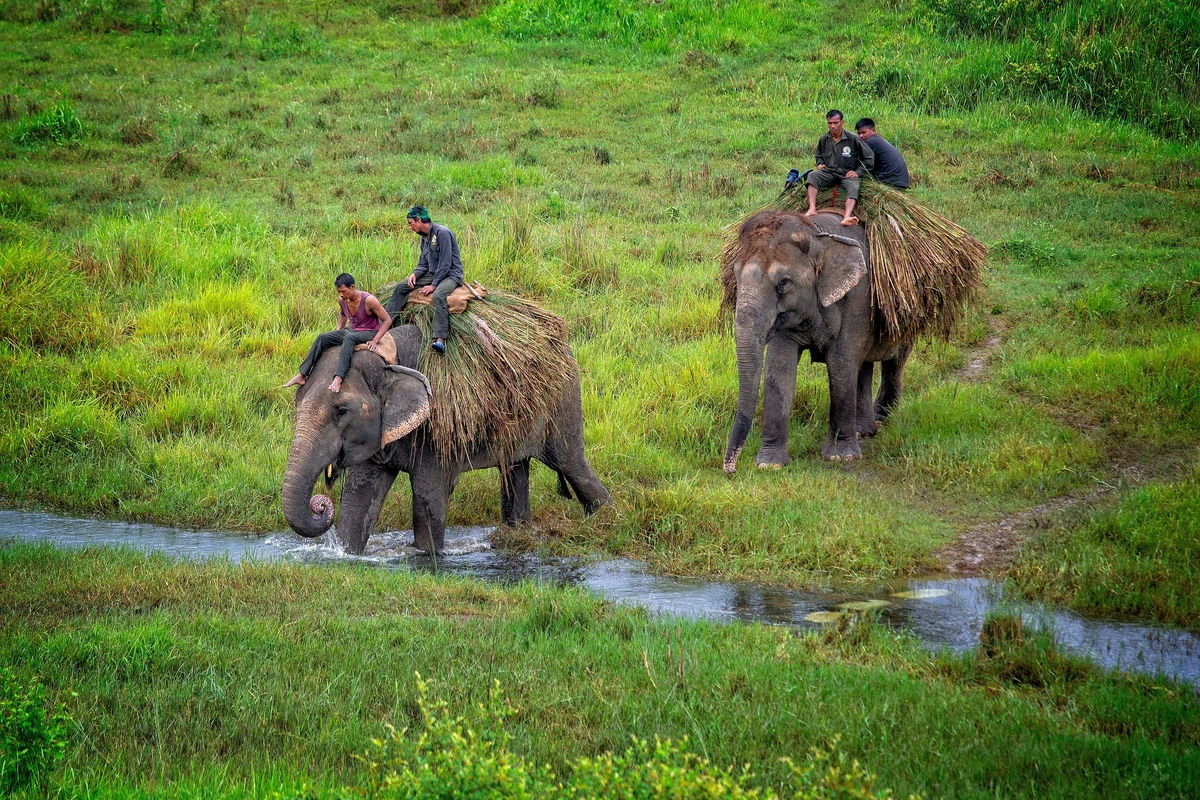
This Nepalese subtropical haven in the south is famous for being a dense jungle and hotbed of diverse wildlife. Made legendary by its conservation as one of Nepal’s first national parks, Chitwan is an ideal eco-tourism destination. Wildlife You Might Encounter:
- Bengal tigers
- One-horned rhinoceroses
- Gharials
- Asian elephants Activities include jungle safaris, canoeing, bird watching, and visits to the Tharu cultural villages.
10.Koshi Tappu Wildlife Reserve (on the tentative list)
While not yet officially designated as a full World Heritage Site, Koshi Tappu is on UNESCO’s tentative list. It is among the most important wetlands in Asia and a bird enthusiast’s paradise with over 500 species recorded.
Why Visit UNESCO World Heritage Sites in Nepal
There are numerous reasons why visitors are attracted to UNESCO World Heritage Sites in Nepal:
- Cultural Immersion: These locations provide authentic experiences that expose you to Nepalese culture, beliefs, and heritage.
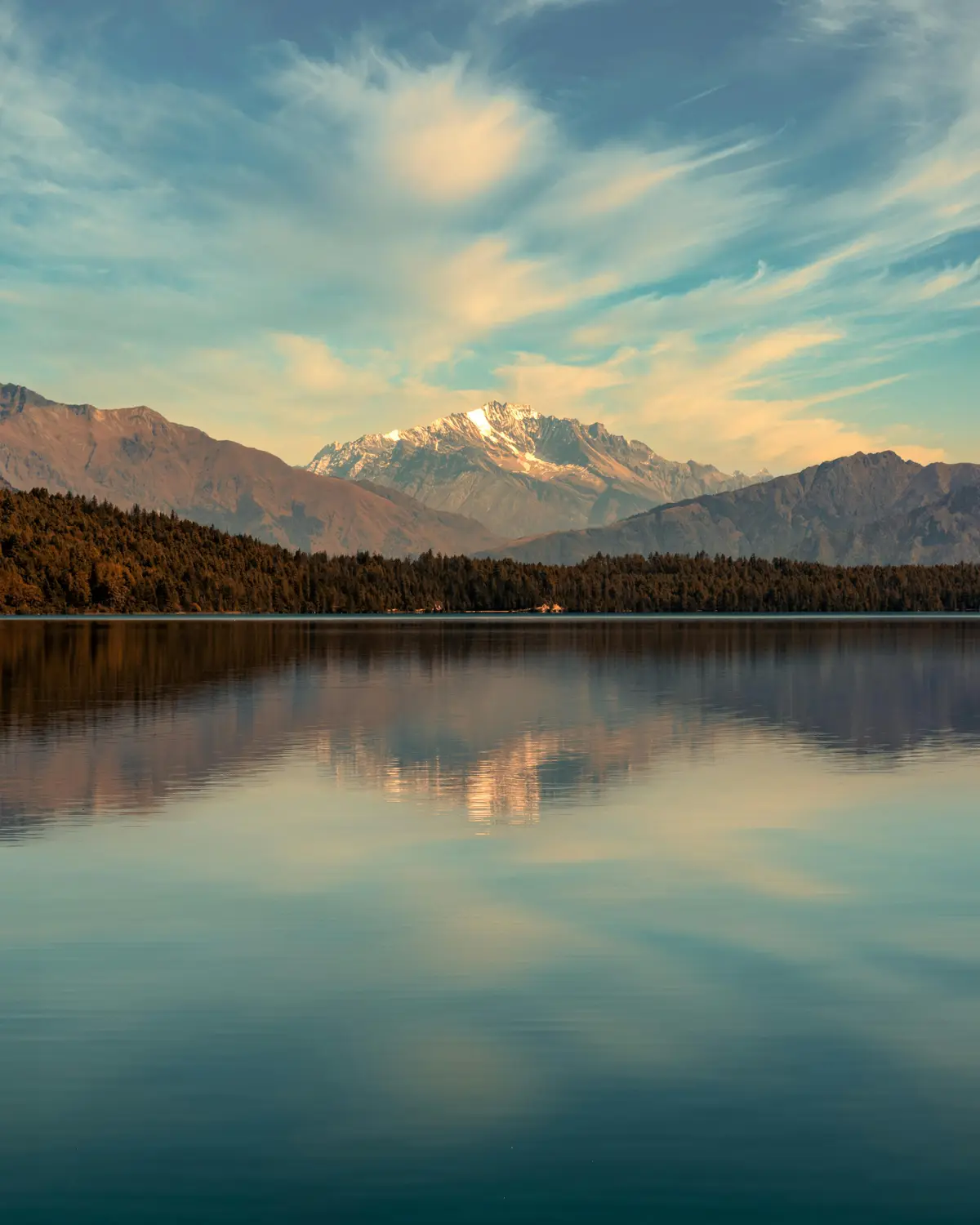
- Scenic Beauty: From the Himalayas to thick jungles and peaceful stupas, the surrounding natural beauty of these sites is breathtaking.
- Spiritual Awakening: They are chiefly places of spiritual growth and tranquility—e.g., Lumbini and Swayambhunath.
- Educational Value: Learn about ancient civilizations, traditional buildings, and Nepal’s distinctive biodiversity.
Travel Tips for Visiting UNESCO World Heritage Sites in Nepal
- Hire a Local Guide: They will be able to provide you with more information and explain the historic and cultural significance.
- Be Respectful of Local Traditions: They are holy places to others. Dress appropriately and show respect.
- Buy a Heritage Site Pass: Kathmandu Valley Durbar Squares, Swayambhunath, and Pashupatinath all incur an entrance fee. You can buy a combined pass.
- Plan for All Seasons: While spring and fall are ideal, winter offers smaller crowds and a quieter experience.
How Travel Agencies Can Help You Visit These Places
It may be overwhelming to organize a visit to every one of the UNESCO World Heritage Sites in Nepal if you are traveling there for the first time. Travel agencies offer specialized heritage tours, which take care of transport, accommodation, permits, and expert guides. No matter if you intend to go on a city cultural tour, a Buddhist pilgrimage, or a Sagarmatha trek, a good agency ensures that you enjoy Nepal hassle-free.
Final Thoughts
A visit to the UNESCO World Heritage Sites in Nepal is not sightseeing at all it’s a discovery of the country’s essence. Each site reveals a new aspect of Nepal’s character, from Himalayan snow-capped mountains to temples of religious importance and ancient cities. Whether one is religion-oriented, a culture connoisseur, or an adventure-hunter, the UNESCO World Heritage Sites in Nepal provide a unique experience unlike any other. Then pack your bags, open your heart, and let Nepal’s timeless wonders guide your next adventure.
For a well-planned and enriching journey, consider First Camp Trek They offer expert-guided tours to all major UNESCO World Heritage Sites in Nepal. From cultural city walks to Himalayan adventures, they’ve got you covered .Their local insight ensures an authentic and memorable experience. Explore Nepal with confidence and care travel with First Camp Treks.