Exploring Nepal’s National Parks: Jungle Safaris, Wildlife, and Nature Escapes
Top 5 Epic Nepal National Parks for Wildlife & Nature
While most travelers associate Nepal with the towering Himalayas and the majesty of Mount Everest, there’s another side to the country that’s equally captivating its lush jungles, rare wildlife, and stunning national parks. Nepal national parks are more than just scenic reserves; they’re thriving ecosystems full of biodiversity, cultural richness, and adventure potential.
A Brief Overview of Nepal’s Biodiversity
Though geographically small, Nepal is one of the most biologically diverse countries in Asia. From tropical lowland forests to alpine meadows in the high Himalayas, the ecosystems protected in Nepal national parks are remarkably varied. These parks are home to:
-
Over 180 species of mammals
-
900+ bird species
-
100+ species of reptiles and amphibians
-
A wealth of endemic and medicinal plants
This level of biodiversity makes Nepal national parks some of the most ecologically important areas in South Asia.
Top 5 Nepal National Parks for Jungle Safaris & Wildlife Adventures
1. Chitwan National Park – King of the Jungle Safari
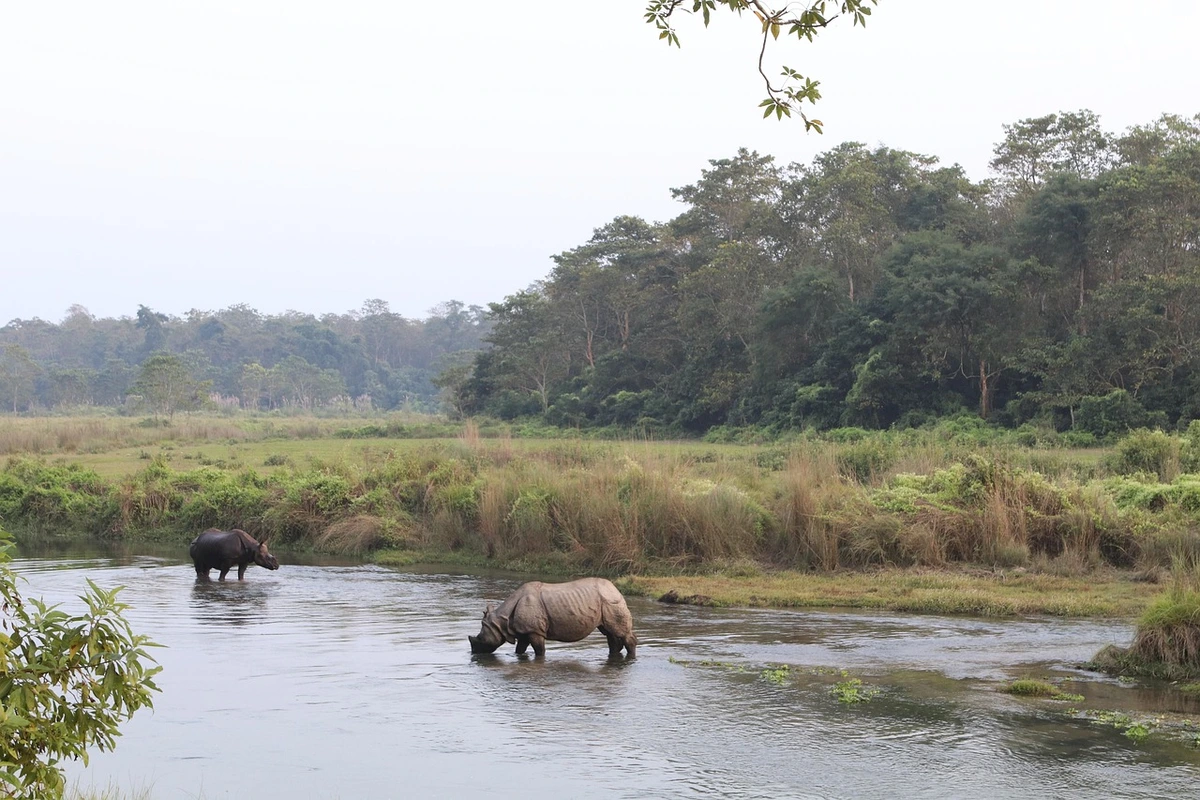
Nepal’s first national park, Chitwan, is a UNESCO World Heritage Site and the most famous of all Nepal national parks. Located in the subtropical Terai lowlands, Chitwan spans 952 square kilometers of grasslands, wetlands, and sal forests.
Things to Do:
-
Jeep and elephant jungle safaris
-
Spotting one-horned rhinos, Bengal tigers & wild elephants
-
Birdwatching (over 540 species)
-
Canoeing along the Rapti River
-
Visiting Tharu villages and cultural museums
Chitwan is perfect for families, first-time visitors, and wildlife lovers looking for an easy and rewarding jungle experience.
2. Bardiya National Park Nepal’s Untamed Wild Frontier
Tucked away in the far west, Bardiya is one of the most pristine and least commercialized Nepal national parks. Covering 968 square kilometers, it offers a raw, immersive jungle experience.
Highlights:
-
Tiger tracking in remote trails
-
Sightings of Gangetic dolphins in Karnali River
-
Birding paradise with hundreds of species
-
Authentic Tharu cultural homestays
For serious wildlife enthusiasts and solitude-seekers, Bardiya is Nepal’s hidden safari gem.
3. Sagarmatha National Park High-Altitude Wonders
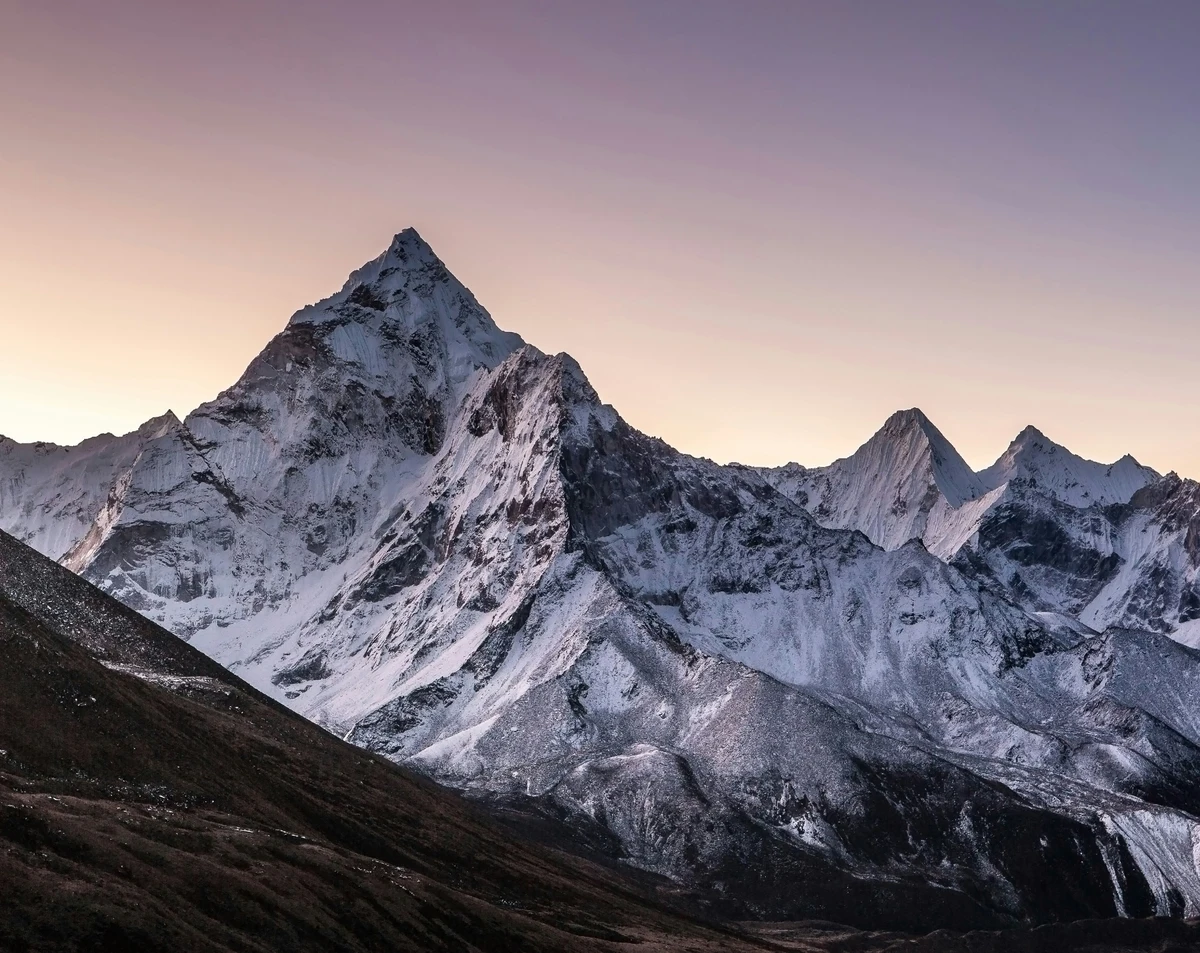
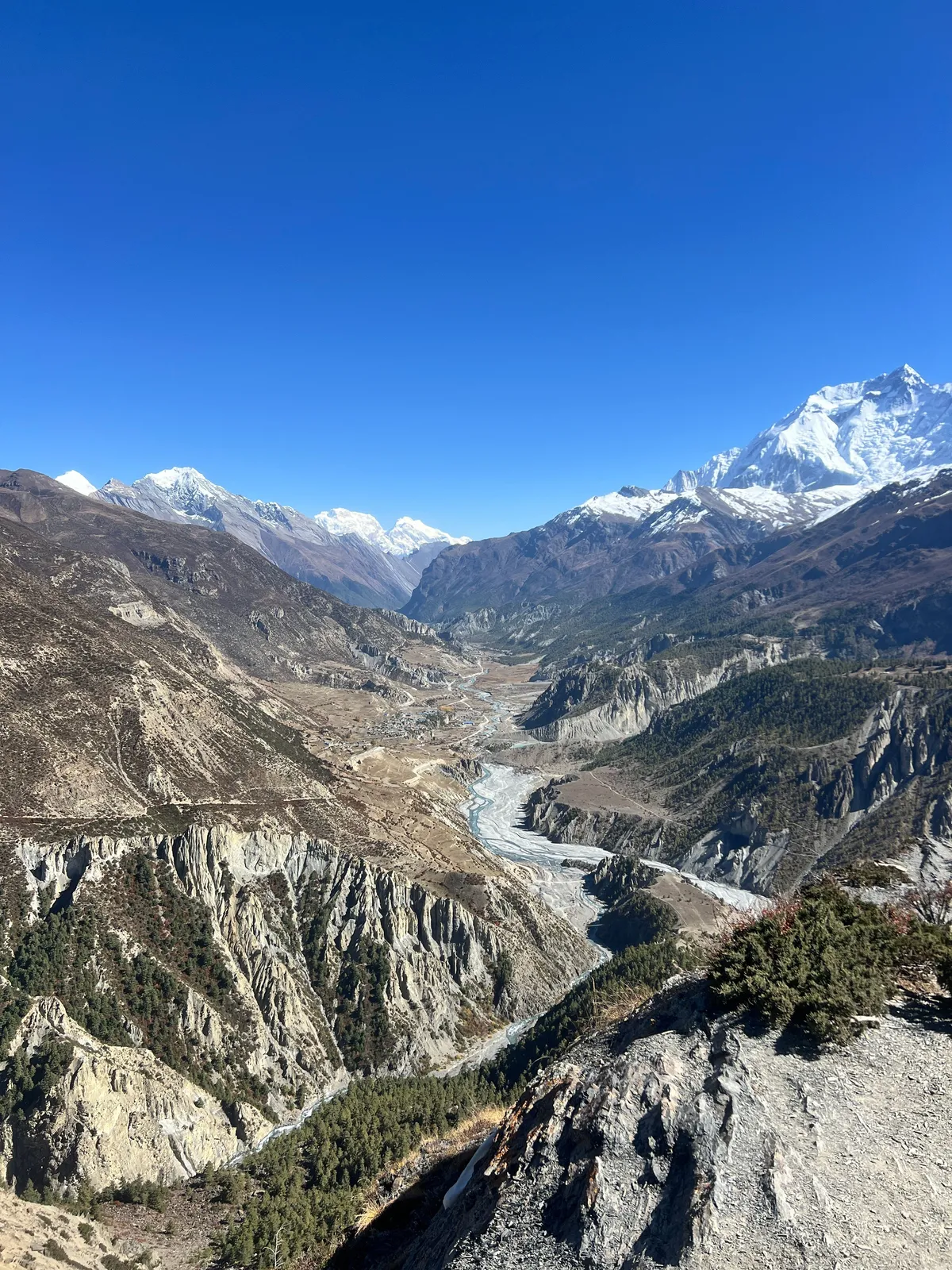
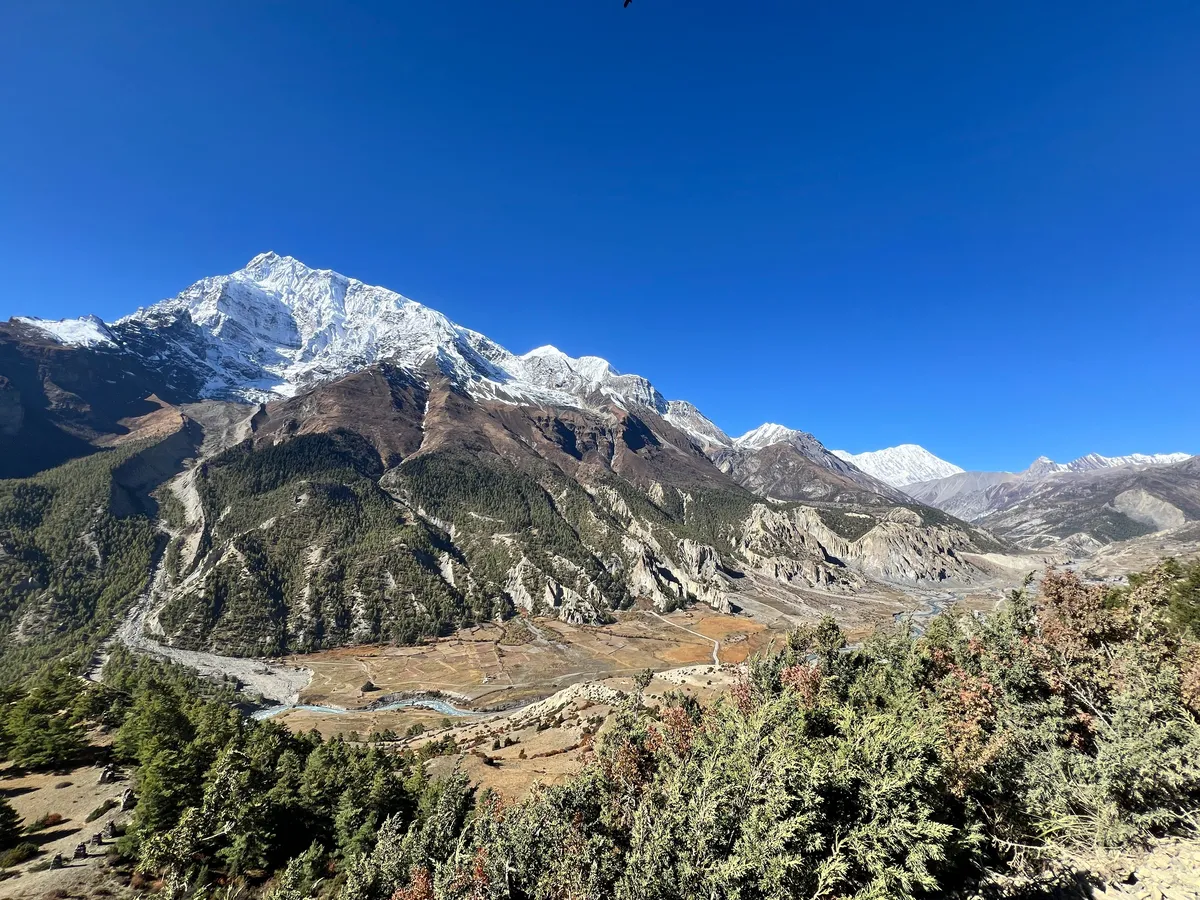
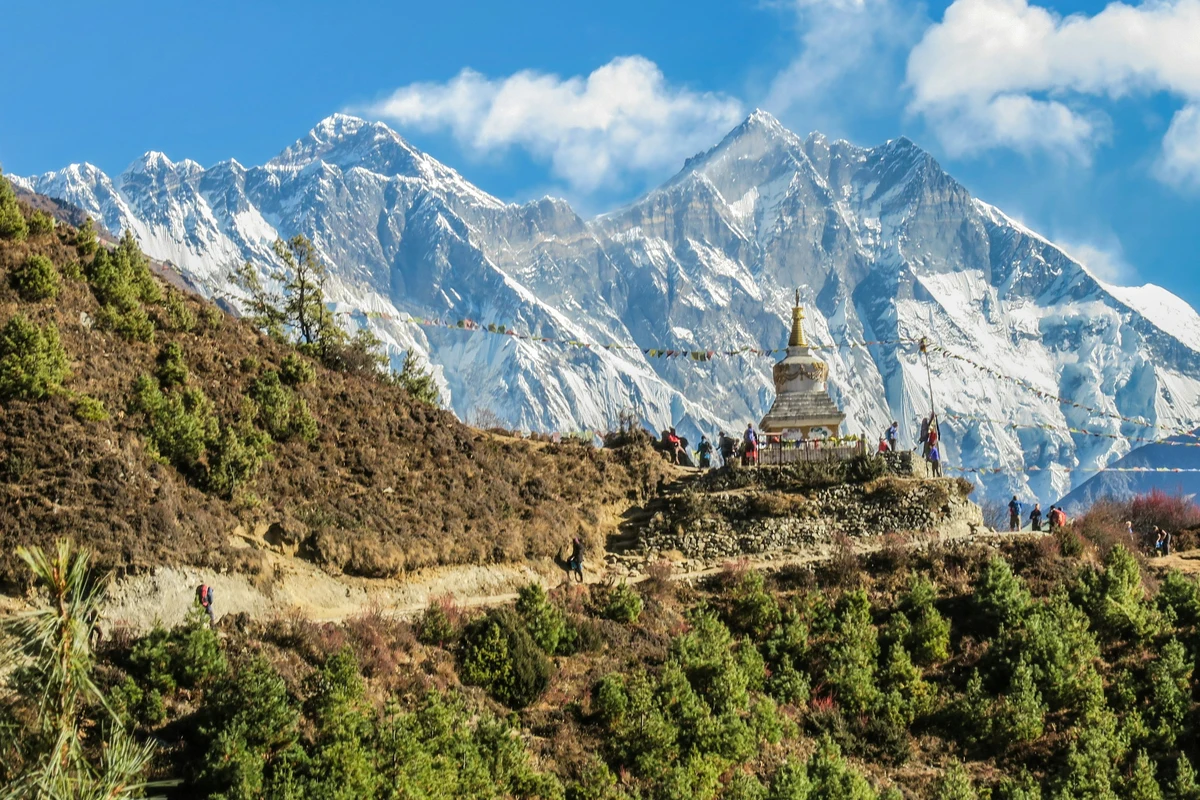
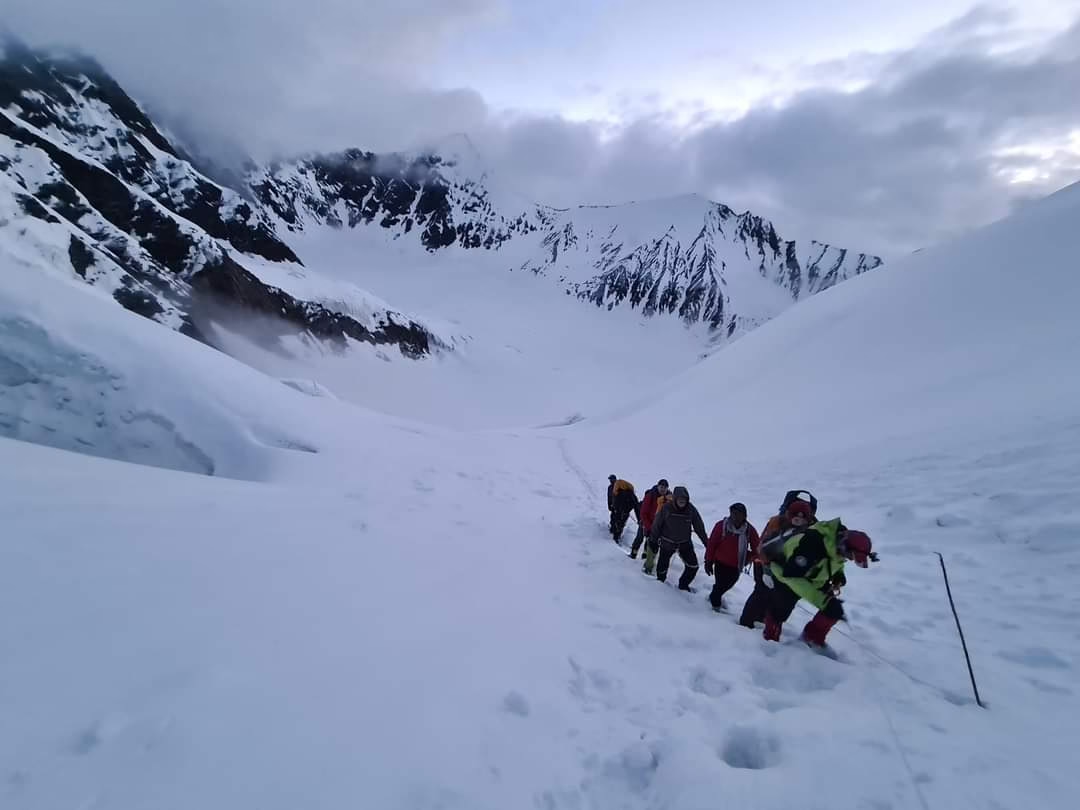
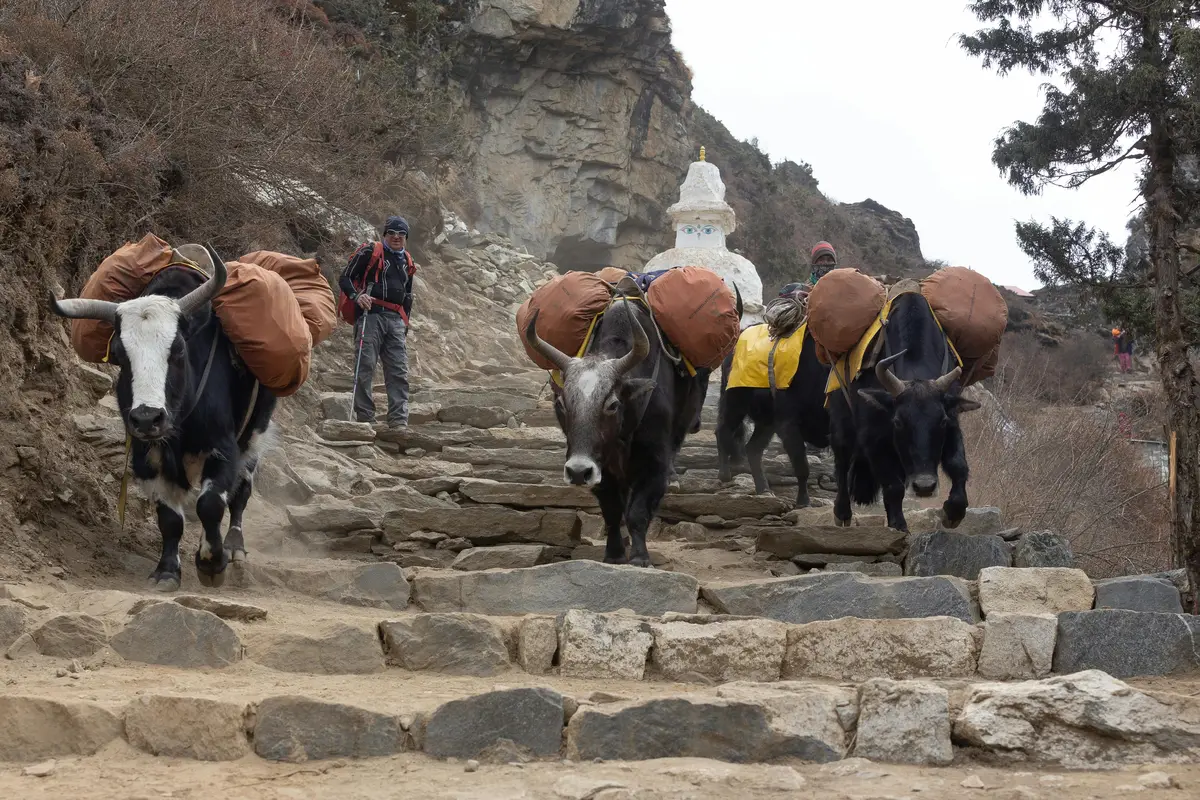
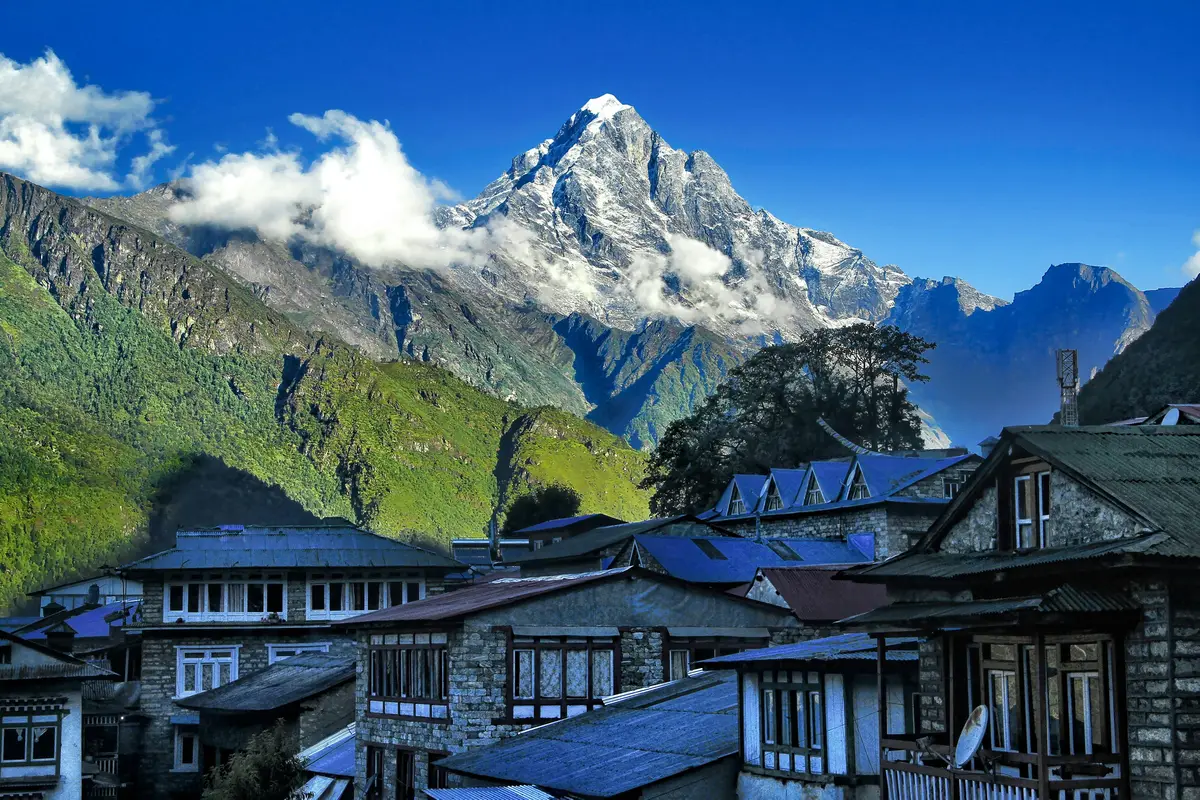
Sagarmatha National Park is the alpine jewel of the Nepal national parks system. This World Heritage Site houses Mount Everest and offers some of the world’s most iconic trekking routes.
What to Explore:
-
Everest Base Camp Trek
-
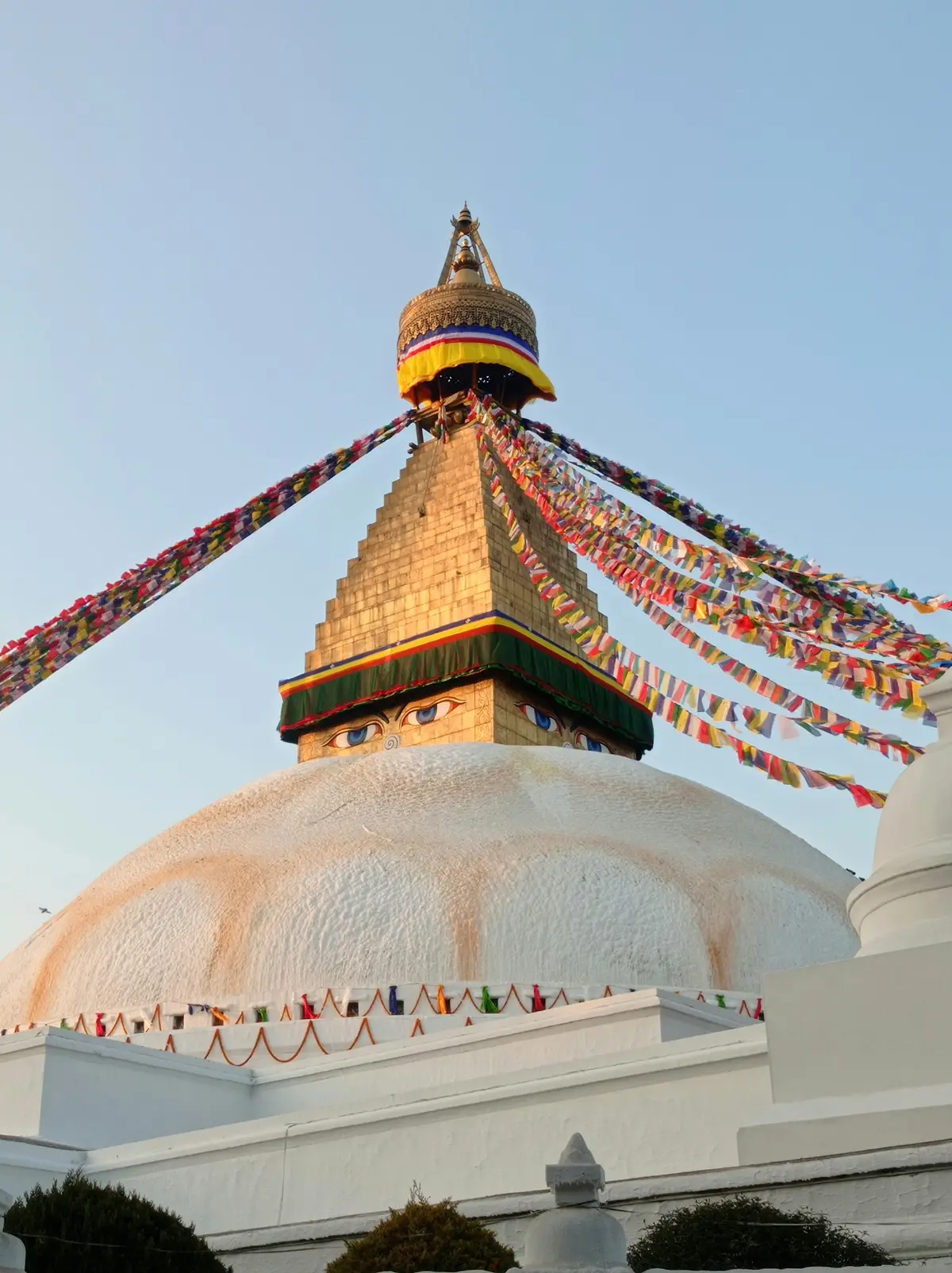
Sherpa culture & sacred monasteries
-
Snow leopards, Himalayan tahr, and red pandas
-
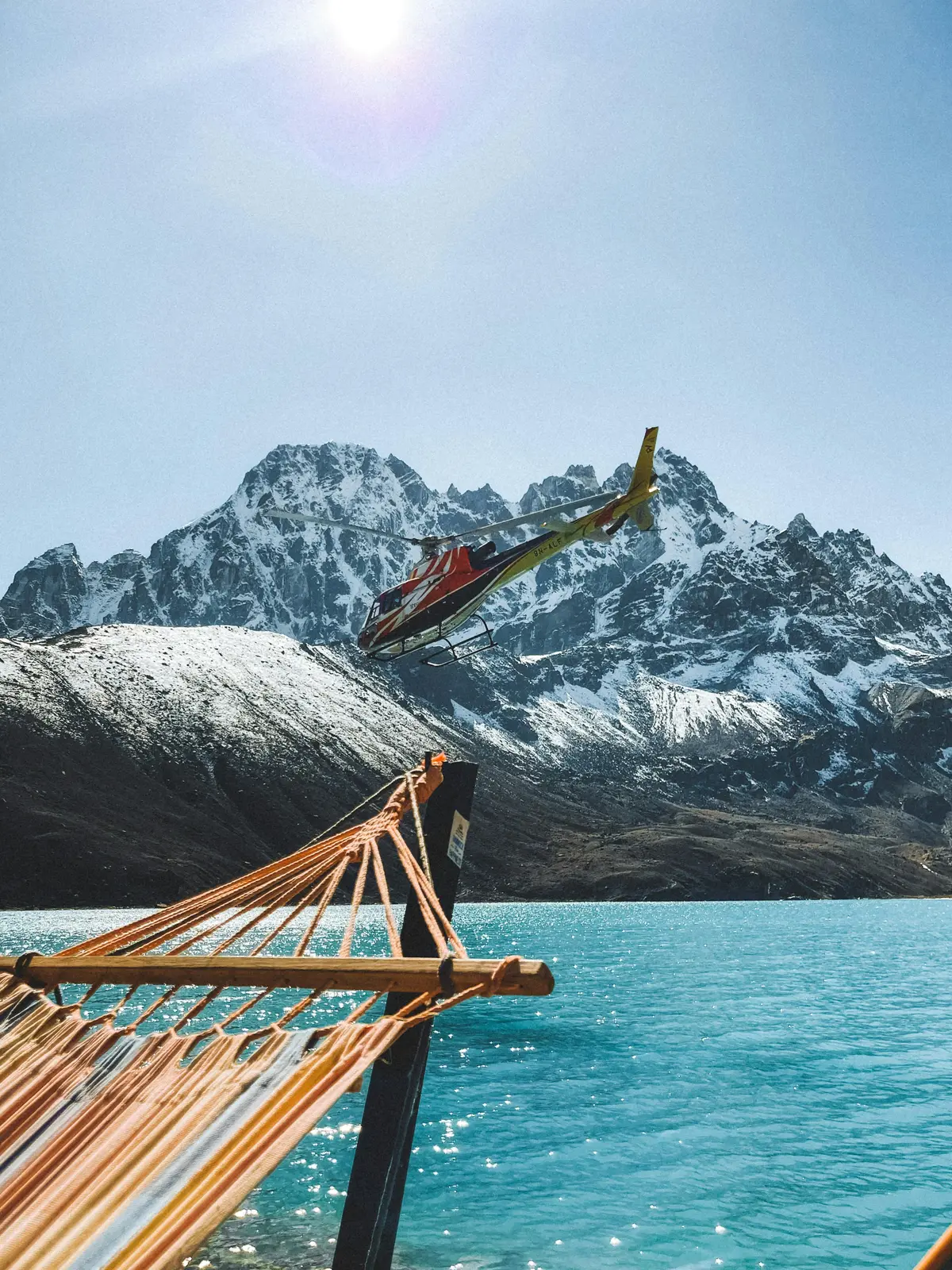
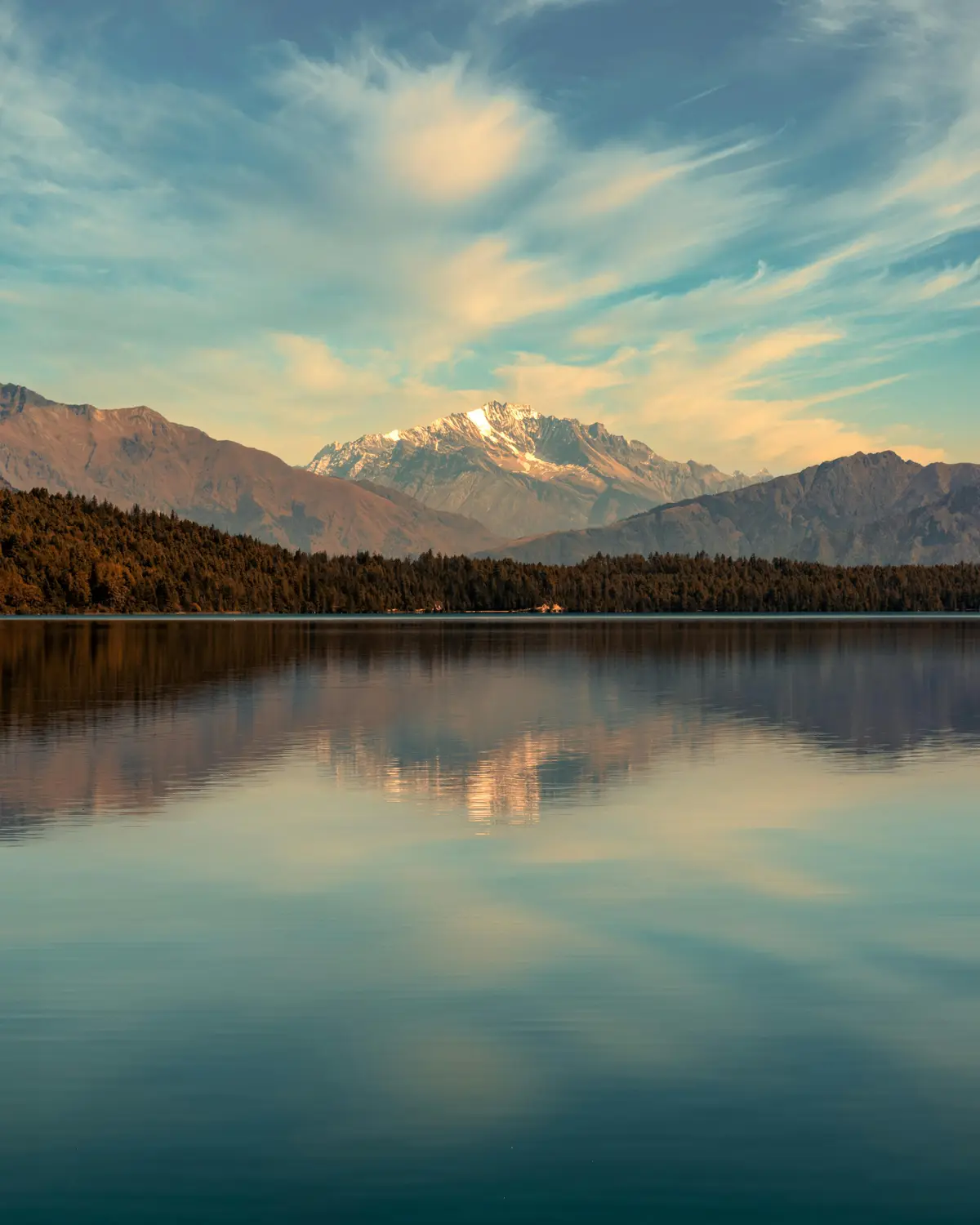
Gokyo Lakes and Dudhkoshi River valleys
Though not a typical safari park, Sagarmatha is vital for both biodiversity and cultural tourism.
4. Langtang National Park Rhododendrons & Red Pandas
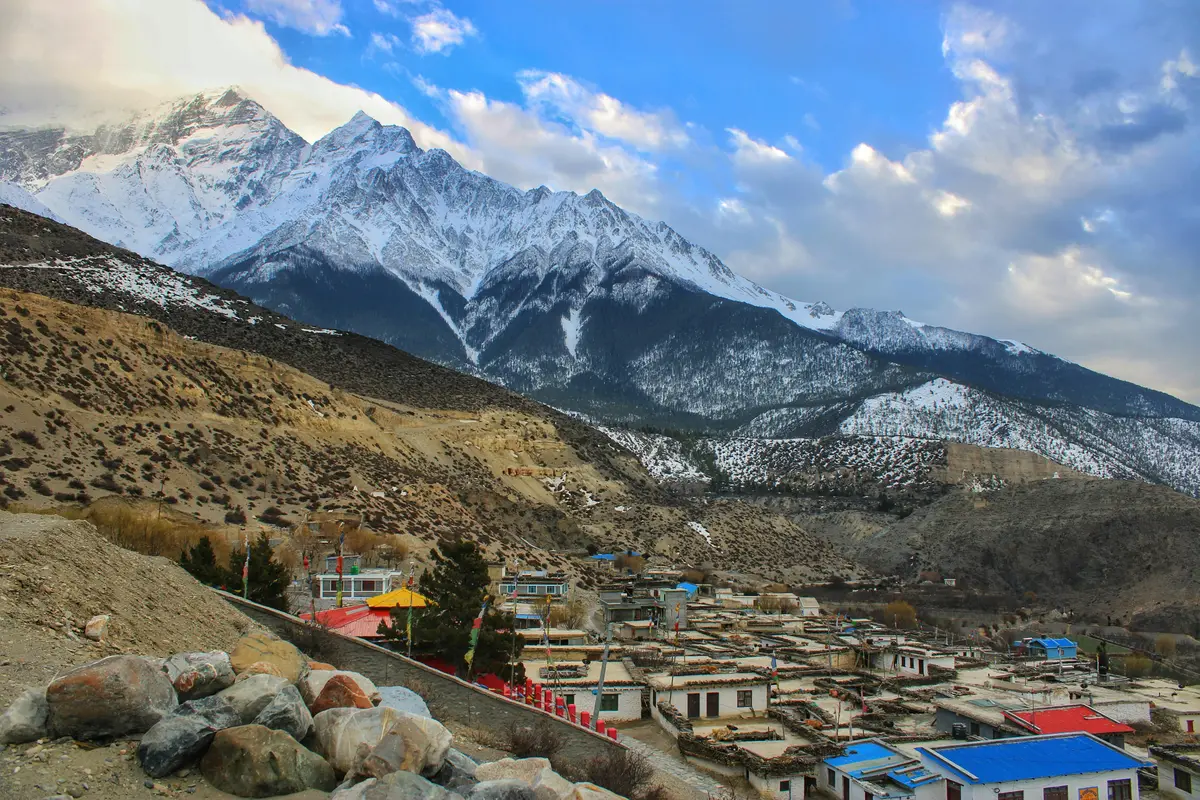
Close to Kathmandu yet largely untouched, Langtang is a perfect fusion of Himalayan wilderness and cultural depth. It’s one of the oldest Nepal national parks, known for its wildlife and scenic treks.
Must-See:
-
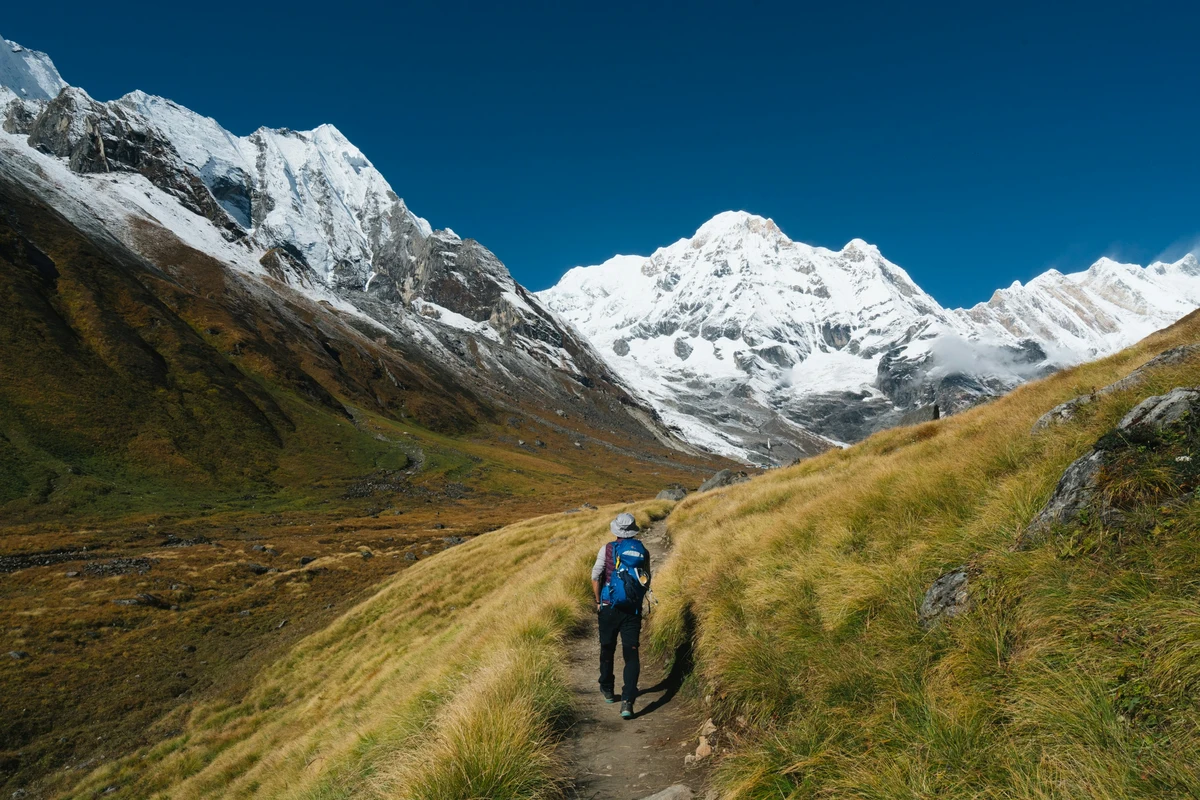
Langtang Valley Trek
-
Red pandas, Himalayan black bears, and leopards
-
Kyanjin Gompa & local cheese factories
-
Alpine forests and yak pastures
Langtang offers quieter trails and an authentic trekking experience for those avoiding Everest crowds.
5. Parsa National Park A Quiet Jungle Escape
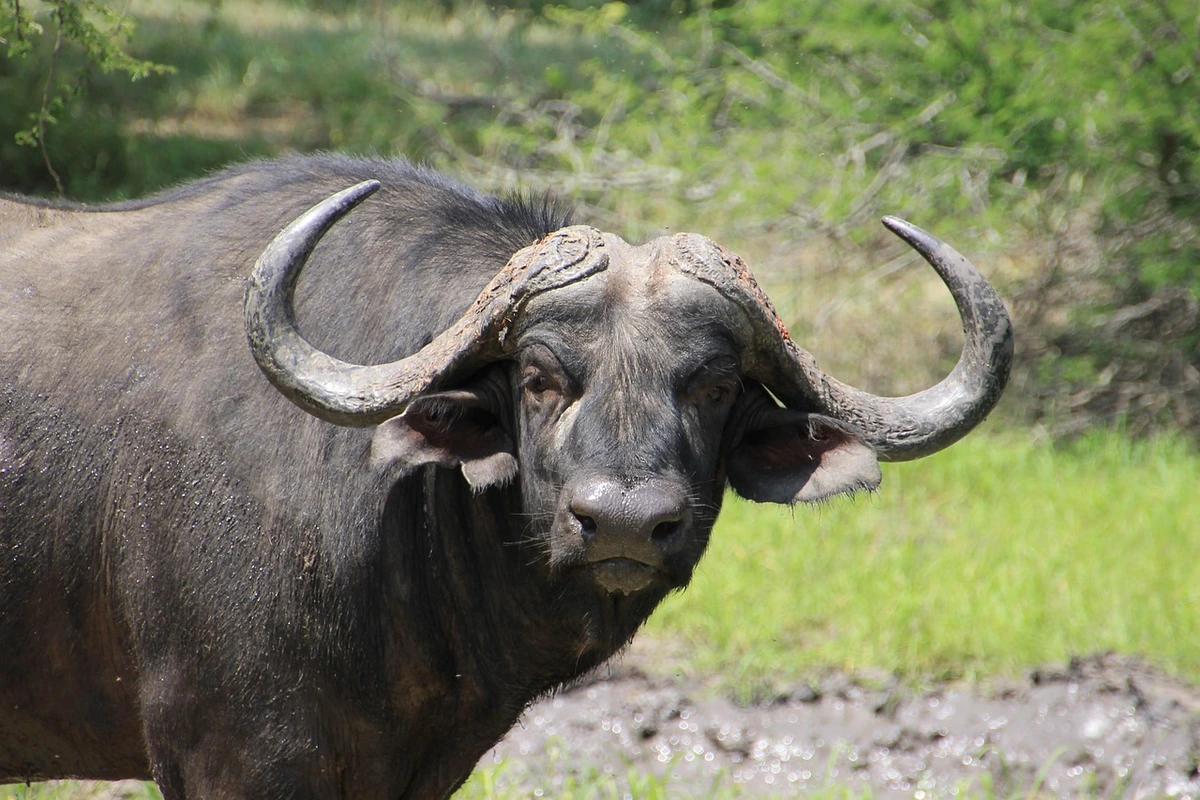
Bordering Chitwan to the east, Parsa National Park is less known but offers raw wilderness experiences. Covering 637 square kilometers, it is a growing habitat for elephants and tigers.
Activities:
-
Private jungle walks and birding
-
Spotting blue bulls, gaur, and leopards
-
Community-based tourism with local guides
-
Camping and conservation tours
For travelers seeking solitude and off-the-beaten-path experiences, Parsa is a rising star among Nepal national parks.
Wildlife Encounters in Nepal National Parks
Each park has its own flagship species and unique encounters:
-
Bardiya: Tracking the elusive Bengal tiger
-
Chitwan: Watching rhinos at waterholes
-
Langtang: Spotting red pandas in the wild
-
Sagarmatha: Rare glimpses of snow leopards
-
Koshi Tappu: Migratory bird watching
These moments are what make Nepal national parks a dream for nature photographers, researchers, and conservationists.
Cultural Experiences Within the Parks
What makes Nepal national parks truly special is the fusion of nature and culture. Many parks are inhabited or surrounded by indigenous communities:
-
Tharu in Chitwan and Bardiya
-
Tamang in Langtang
-
Sherpa in Sagarmatha
-
Chepang near Parsa
Cultural Experiences Include:
-
Traditional dance performances
-
Homestay and cooking programs
-
Local folklore and storytelling
-
Learning sustainable practices from locals
Engaging with these communities adds a rich cultural layer to any trip through Nepal national parks.
When to Visit Nepal National Parks
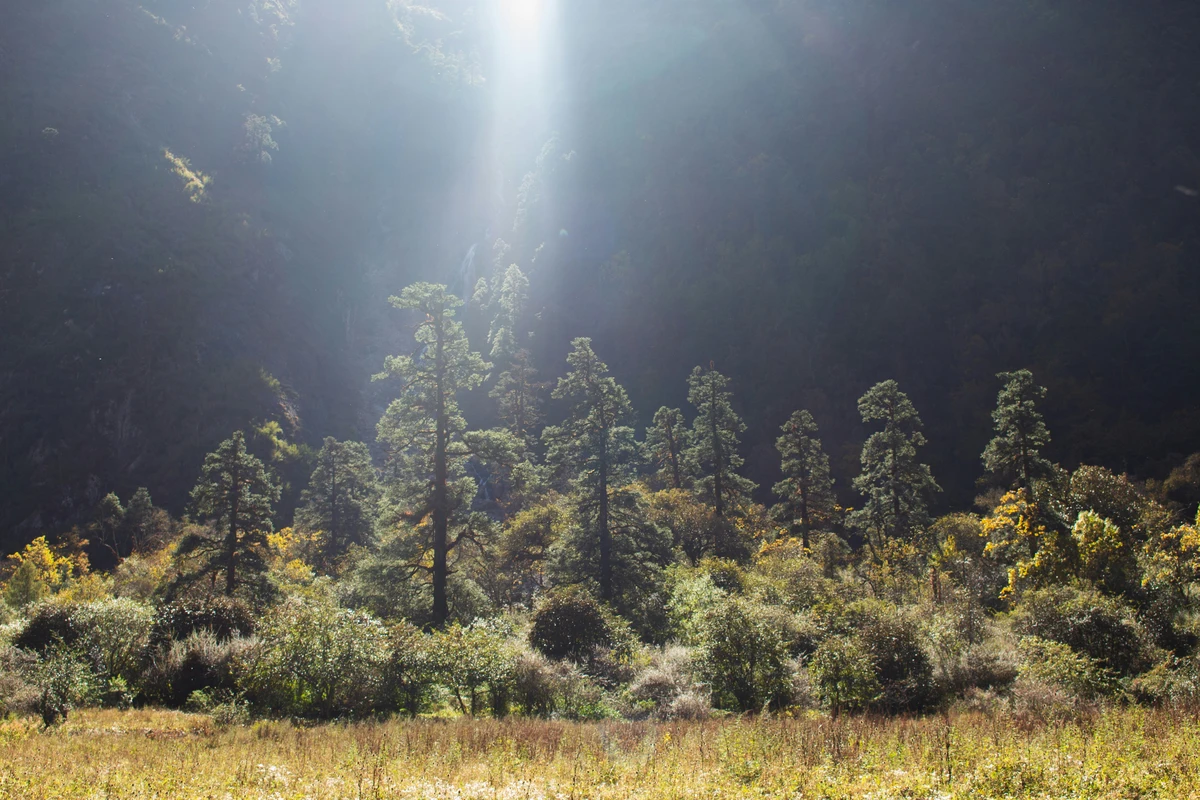
Timing your visit to maximize wildlife viewing and trekking comfort is key:
-
Autumn (Sep–Nov): Clear skies, great visibility, ideal for all parks
-
Spring (Mar–May): Blooming flowers, rhododendrons, active wildlife
-
Winter (Dec–Feb): Best for lowland safaris, cold in mountain parks
-
Monsoon (Jun–Aug): Difficult trekking, muddy trails, lush greenery
Always check park regulations, seasonal closures, and weather forecasts before planning your trip.
Travel Responsibly in Nepal National Parks
To ensure your visit benefits both nature and local communities:
-
Hire local, certified guides
-
Stay in eco-lodges or community homestays
-
Avoid plastic and pack out your trash
-
Observe animals from a distance
-
Respect local customs and wildlife zones
-
Support local handicrafts and conservation efforts
Sustainable travel ensures that future generations can continue to enjoy Nepal national parks.
Why Nepal National Parks Belong on Every Bucket List
From steamy jungles echoing with the roar of tigers to snowy trails leading to sacred monasteries, Nepal national parks offer unmatched diversity and depth. They are not just destinations they are stories, ecosystems, and cultural landscapes intertwined.
Whether you’re an adventurer, a wildlife enthusiast, or a peace-seeking traveler, Nepal national parks offer something for everyone.
Final Word: Discover Nepal’s Green Heart
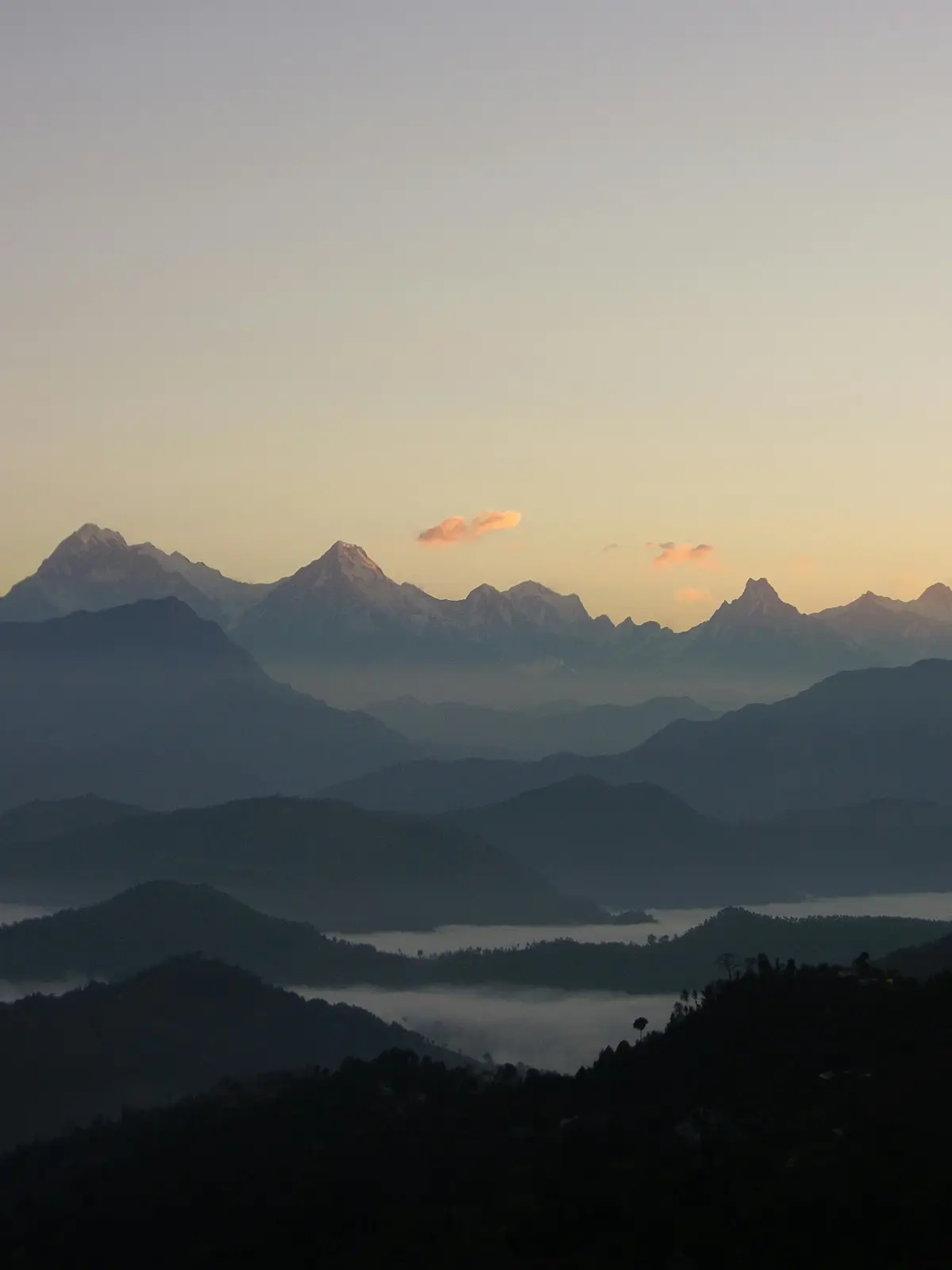
In a world rapidly losing its wild spaces, Nepal national parks remain sanctuaries of life and tradition. Skip the Everest crowd if you must but don’t miss the thrill of tracking tiger footprints at dawn, hearing the call of the jungle, or watching the sunrise over a misty Himalayan ridge.
So grab your boots, your binoculars, and your sense of wonder and experience Nepal’s wild soul.
“Planning to combine jungle safaris with a Himalayan trek? Check out Firstcamptrek for customized trekking and travel experiences across Nepal.”