Beautiful Villages in Nepal You Should Visit Once in Your Life
Beautiful Villages in Nepal You Should Visit Once in Your Life: A 2026 Heritage Guide
When most people think of Nepal, they envision the jagged white teeth of the Himalayas or the chaotic, incense-filled streets of Kathmandu. But as we move further into 2026, a new travel movement is taking hold: Slow Travel. Travelers are no longer just “collecting peaks”; they are seeking the soul of the mountains found within the traditional villages in Nepal.
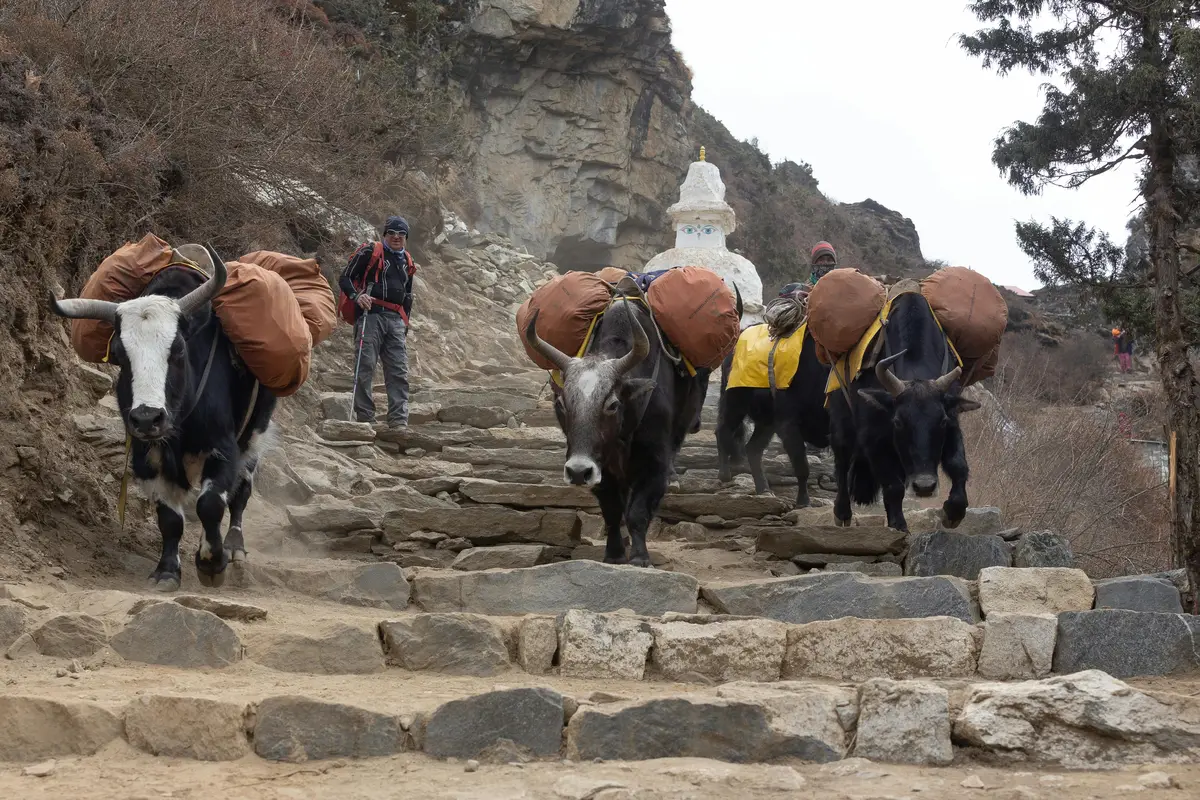
These hamlets are where time seems to fold in on itself. Here, the “living museum” isn’t a building behind glass; it’s a grandmother weaving a Dhaka shawl on her porch, a farmer leading yaks through a mist-covered stone alley, and the smell of fresh Dal Bhat cooking over a wood fire. If you want to experience the true heart of the Himalayas, these are the villages you must visit once in your life.
The Rising Appeal of Traditional Villages in Nepal
In a world that feels increasingly digital and detached, the traditional villages in Nepal offer a grounding experience. In 2026, “Village Tourism” has evolved. It’s no longer just about a cheap bed for the night; it’s about sustainable immersion. By choosing these destinations, you are directly supporting local economies and helping to preserve ancient architectural styles that are under threat from modernization.
1. Bandipur: The Newari Crown Jewel
Perched like a natural balcony on a ridge above the Marsyangdi Valley, Bandipur is perhaps the most beautifully preserved of all traditional villages in Nepal. Unlike the bustling capital, Bandipur’s main street is entirely pedestrianized, allowing the 18th-century Newari architecture to take center stage.
Why it’s a 2026 Essential:
As of 2026, Bandipur has successfully implemented a “Heritage First” policy, banning modern concrete structures in its core. Walking through the town feels like stepping into a medieval European hamlet, but with a distinct Himalayan soul. The red-brick facades and intricate wood-carved windows (Sanjhya) are masterpieces of craftsmanship.
-
Pro-Tip: Don’t just stay on the main street. Hike 30 minutes to Ramkot, a nearby Magar village known for its traditional roundhouses one of the last places in Nepal where this style still exists.
-
Best View: The sunset from Thani Mai Temple offers a 360-degree panorama of the Annapurna, Dhaulagiri, and Manaslu ranges.
2. Ghandruk: The Gurung Heartland
No list of traditional villages in Nepal is complete without Ghandruk. Located in the shadow of the Annapurna massif, this village is a labyrinth of slate-roofed houses and stone-paved stairs.
The Culture of the Brave:
Ghandruk is the ancestral home of the Gurung people, famous worldwide as the “Gorkha” soldiers. In 2026, the village has expanded its Gurung Cultural Museum, where you can see ancient hunting tools, traditional honey-harvesting gear, and even try on the heavy wool Bakkhu (traditional cloak).
-
The Experience: Wake up at 6:00 AM. The sight of Machhapuchhre (Fishtail) turning gold as the sun hits its peak from a Ghandruk balcony is a spiritual experience.
-
2026 Logistics: Ghandruk is now highly accessible via a scenic (though bumpy) jeep ride from Pokhara, making it perfect for those who want a Himalayan village experience without a 10-day trek.
3. Marpha: The White Alleys of Mustang
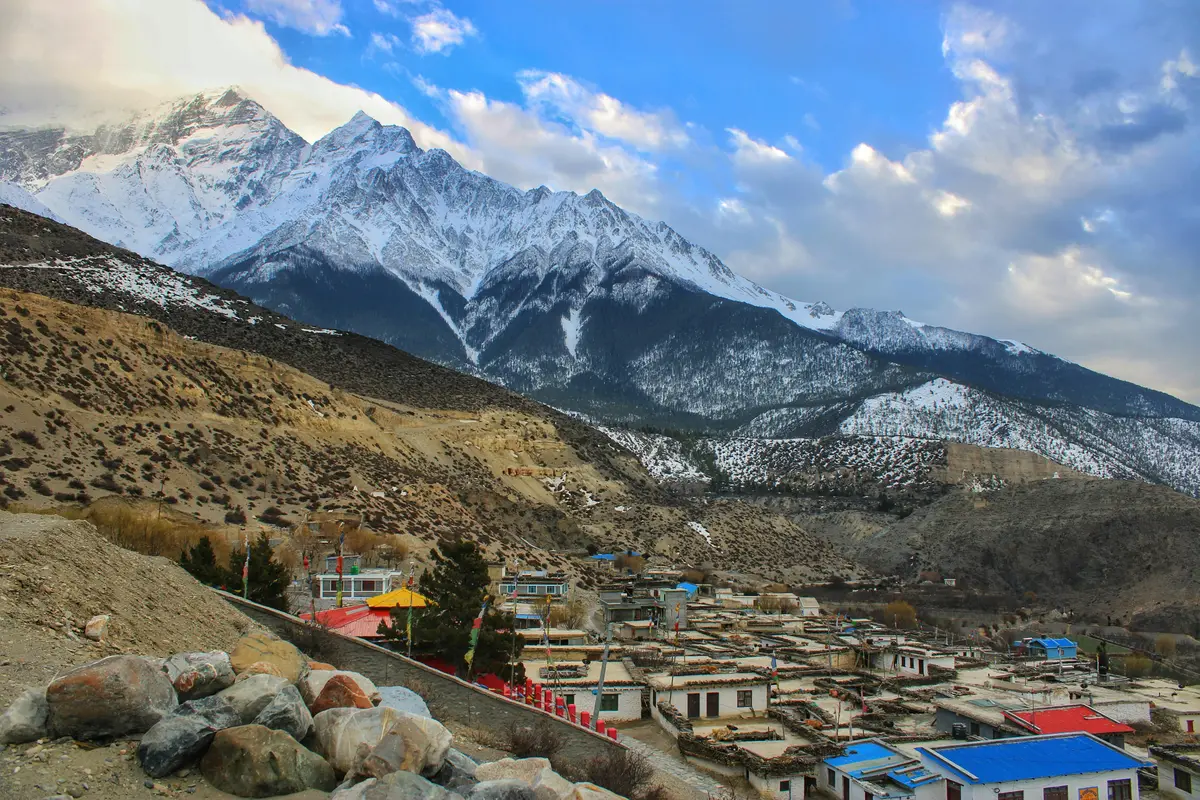
In the rain-shadow of the Dhaulagiri range lies Marpha, a village that looks as if it were plucked from a dream. Marpha is one of the most visually striking traditional villages in Nepal due to its unique “Thakali” architecture whitewashed stone walls and flat roofs designed to store firewood and ward off the desert winds.
The Apple Capital:
Marpha is synonymous with apples. In 2026, the local cooperatives have mastered everything from apple cider to dried apple rings.
-
The Vibe: The village is incredibly clean. The narrow alleys are paved with flat stones, and a drainage system that has worked for centuries keeps the paths dry.
-
Must-Do: Visit the Tashi Lhakhang Monastery. The chanting of the monks against the backdrop of the Nilgiri peaks creates an atmosphere of profound peace.
4. Barpak: A Story of Resilience
Barpak, perched at 1,900 meters in the Gorkha district, was the epicenter of the 2015 earthquake. Today, in 2026, it stands as the most resilient of traditional villages in Nepal. The village has been rebuilt, but it has maintained its iconic “cluster” layout where houses are built so close together they seem to be leaning on one another for support.
Why Visit Now?
Barpak offers a raw, authentic look at life in the mid-hills. It isn’t as “polished” as Bandipur, and that is its charm. It is a village of warriors and farmers. The hospitality here is legendary don’t be surprised if a local invites you in for a cup of Raksi (local millet wine) before you’ve even introduced yourself.
5. Langtang Village: The Phoenix of the Himalayas
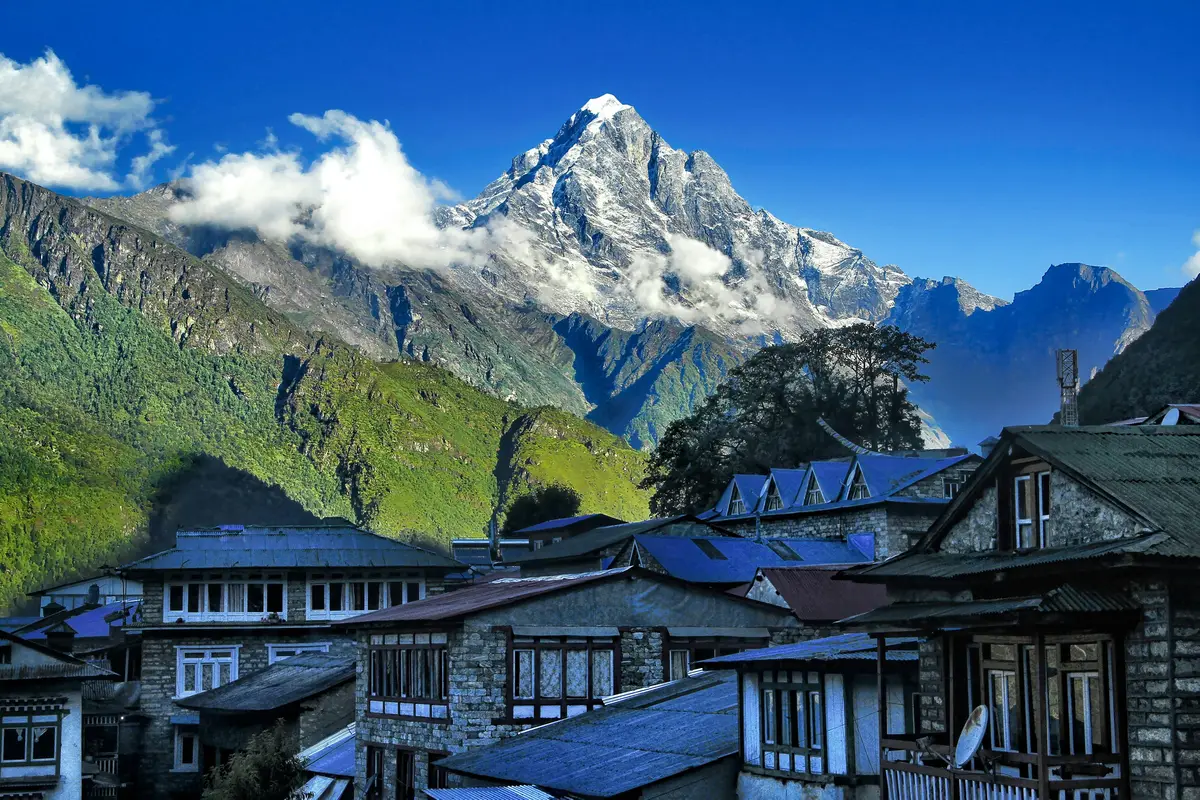
Walking into Langtang Village in 2026 is an emotional journey. Entirely wiped out in 2015, the village has been reborn. It is one of the few traditional villages in Nepal where the culture is purely Tibetan-Buddhist (Tamang).
-
Sustainable Travel: By visiting Langtang, you are participating in “Impact Tourism.” The teahouses here are community-run, and every dollar spent goes directly into the continued monitoring of the nearby glaciers and valley reconstruction.
-
The Highlight: The Kyanjin Gompa cheese factory. In 2026, they are producing world-class yak cheese using solar-powered aging rooms.
For travelers seeking an immersive experience, our detailed Langtang Valley Trek guide provides everything you need from itineraries and cultural highlights to travel tips curated by First Camp Treks.
Langtang Valley Guide.
Langtang Valley Trek 8 Days
6. Lo Manthang: The Walled City
For those with a bigger budget and a sense of adventure, Lo Manthang in Upper Mustang is the ultimate destination. This is the capital of the former Kingdom of Lo and remains one of the most culturally intact traditional villages in Nepal.
A Forbidden Kingdom:
Until the 1990s, this area was closed to foreigners. Even in 2026, it requires a special $500 permit, which keeps the crowds away. The village is surrounded by a massive mud-brick wall, and the “King” (though the title is now ceremonial) still resides there.
-
The Landscape: Think red cliffs, ancient “sky caves,” and a culture that feels more like 12th-century Tibet than modern Nepal.
Understanding the Logistics in 2026
Traveling to traditional villages in Nepal requires a bit more planning than a city tour. Here is what you need to know for a successful 2026 trip:
1. The Mandatory Guide Policy
As of late 2025, Nepal strictly enforces the “No Solo Trekking” rule in most regions. Even for village visits in the Annapurna or Langtang areas, you must be accompanied by a licensed guide. This isn’t just a rule it’s a way to ensure your safety and provide jobs for locals.
2. Permit Requirements
Most villages are located within Conservation Areas. You will typically need:
-
ACAP/MCAP Permit: ~$25-$30 USD.
3. Packing for Village Life
The weather in the mountains is fickle. Even if you are visiting in the “warm” months of March or October, temperatures drop significantly at night.
-
Essentials: A high-quality power bank (electricity can be spotty), biodegradable wet wipes, and a good pair of broken-in hiking boots.
The Ethics of Visiting Traditional Villages in Nepal
To ensure these villages stay “beautiful” for the next generation, we must practice responsible tourism.
-
The “Slow Food” Rule: Don’t order pizza or burgers in a traditional village. It requires imported ingredients and high energy. Instead, eat what the locals eat: Dal Bhat, Dhindo, or Thukpa. It’s fresher, cheaper, and supports local farmers.
-
Waste Management: In 2026, many traditional villages in Nepal have banned single-use plastics. Bring a reusable water bottle and purification tablets.
-
Cultural Respect: Always ask before taking portraits. A simple “Photo Khichnu Milcha?” (Can I take a photo?) goes a long way.
Conclusion: Why These Villages Matter
The traditional villages in Nepal are the country’s true inheritance. While the peaks of Everest and K2 provide the spectacle, the villages provide the story. In 2026, as the world becomes faster and louder, these quiet stone hamlets offer a chance to pause, breathe, and remember what it means to be part of a community.
Whether you are wandering the white alleys of Marpha or sharing a meal in a Ghandruk homestay, you aren’t just a tourist; you are a guest in a living history. Visit them once, and you’ll find that a piece of your heart stays behind in the high Himalayas.