Exploring ancient temples in Kathmandu Valley
Visiting the Ancient Temples of Kathmandu Valley
Kathmandu Valley, in the heart of Nepal, is a treasure trove of history, spirituality, and architectural grandeur. Among its many cultural gems, the Kathmandu Valley temples stand out as enduring symbols of Nepal’s deep-rooted religious traditions and artistic excellence. These ancient sanctuaries are not just monuments but living heritage sites where rituals, festivals, and daily devotion continue to thrive.
For travelers interested in cultural exploration, a journey through the Kathmandu Valley temples offers a rare opportunity to witness centuries-old spiritual practices and marvel at intricate craftsmanship shaped by Hinduism, Buddhism, and the unique syncretic culture of the valley.
A Window into the Past
The Kathmandu Valley temples serve as open-air museums reflecting the evolution of Nepalese art, architecture, and belief systems. While some temples date back to the Licchavi period (4th–9th century), most were built or expanded during the Malla era (12th–18th century). These dynasties not only supported religious diversity but also fostered an environment in which art and devotion flourished hand in hand.
Three historic cities—Kathmandu, Bhaktapur, and Patan—make up the valley and host seven UNESCO World Heritage Sites. Within them, the temples are not relics of the past but active centers of worship, interwoven into the daily rhythms of the local people.
Kathmandu Durbar Square: The Royal Nexus
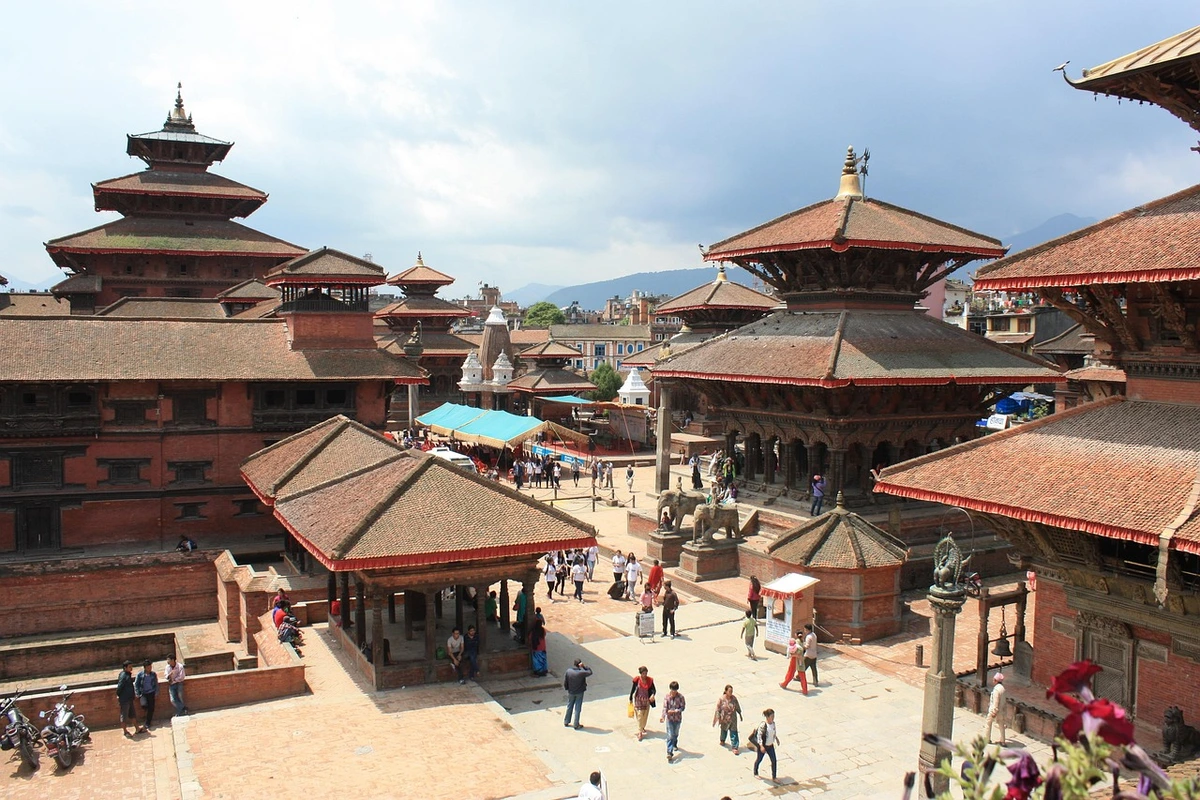
Among the most iconic sites to explore Kathmandu Valley temples is Kathmandu Durbar Square, located at the heart of the capital. Once the seat of Malla kings, this square is dotted with palaces, courtyards, and religious structures, offering a rich historical landscape.
Taleju Bhawani Temple
Built in the 16th century, this temple is dedicated to the royal goddess Taleju. Though generally closed to the public, it opens once a year during Dashain.
Kumari Ghar (Residence of the Living Goddess)
This traditional Newari residence is home to the Kumari, a prepubescent girl worshipped as a living goddess. While not technically a temple, it is spiritually revered and architecturally stunning.
Jagannath Temple
Famed for its erotic woodcarvings, this 16th-century structure showcases the mastery of Newari artisans.
Visiting Kathmandu Durbar Square is like stepping into a living history book Temple bells ring, incense fills the air, and devotees bow in silent prayer, offering an immersive spiritual experience.
Patan Durbar Square: The Hub of Artistry
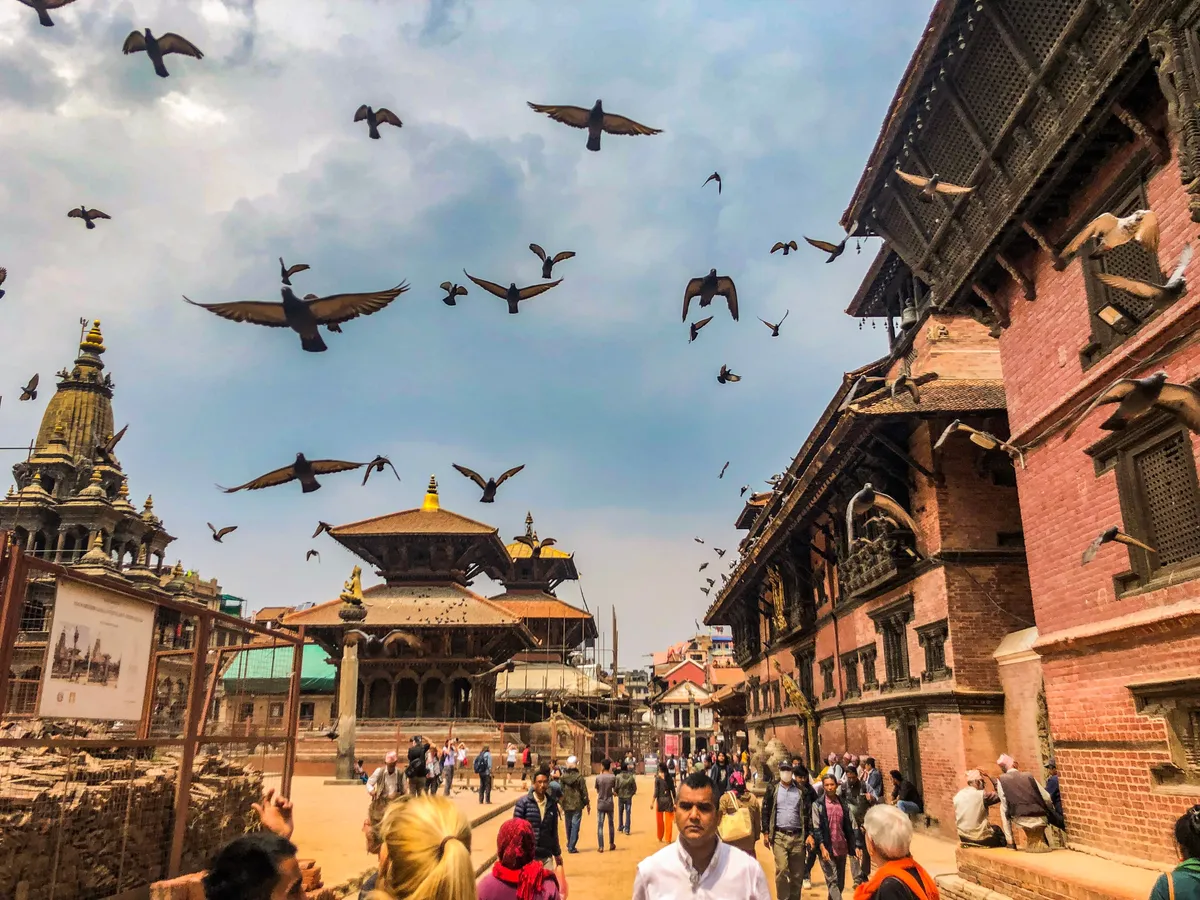
South of Kathmandu lies Patan (Lalitpur), also known as the “City of Fine Arts.” Its Durbar Square features some of the most artistically refined Kathmandu Valley temples, blending Hindu and Buddhist traditions seamlessly.
Krishna Mandir
Constructed entirely of stone in the 17th century, this temple is devoted to Lord Krishna. It features 21 golden spires and carvings illustrating scenes from the Mahabharata and Ramayana.
Hiranya Varna Mahavihar (Golden Temple)
A striking Buddhist monastery adorned with gilded statues and rooftops, it’s among the oldest religious sites in Patan.
Mahabouddha Temple
Known as the Temple of a Thousand Buddhas, this terracotta marvel is a symbol of deep Buddhist devotion.Every temple in Patan tells a story of kings, saints, and artisans who shaped the rich spiritual tapestry of the Kathmandu Valley temples.
Bhaktapur Durbar Square: A Step Back in Time
Bhaktapur, often described as a living museum, retains its medieval character. Its cobbled lanes and intact palaces offer a more tranquil experience among the Kathmandu Valley temples.
Vatsala Temple
Built in Shikhara style, it is noted for its exquisite stone structure and the large bronze bell that once summoned the faithful.
Nyatapola Temple
The tallest temple in Nepal, Nyatapola rises five stories and is dedicated to the powerful Tantric goddess Siddhi Lakshmi. Its symmetry and scale are unmatched.
Dattatreya Temple
Said to be carved from a single tree, this temple is dedicated to the Hindu trinity—Brahma, Vishnu, and Shiva.Exploring Bhaktapur’s Kathmandu Valley temples is like time-traveling into Nepal’s spiritual and artistic zenith.
Swayambhunath: The Monkey Temple
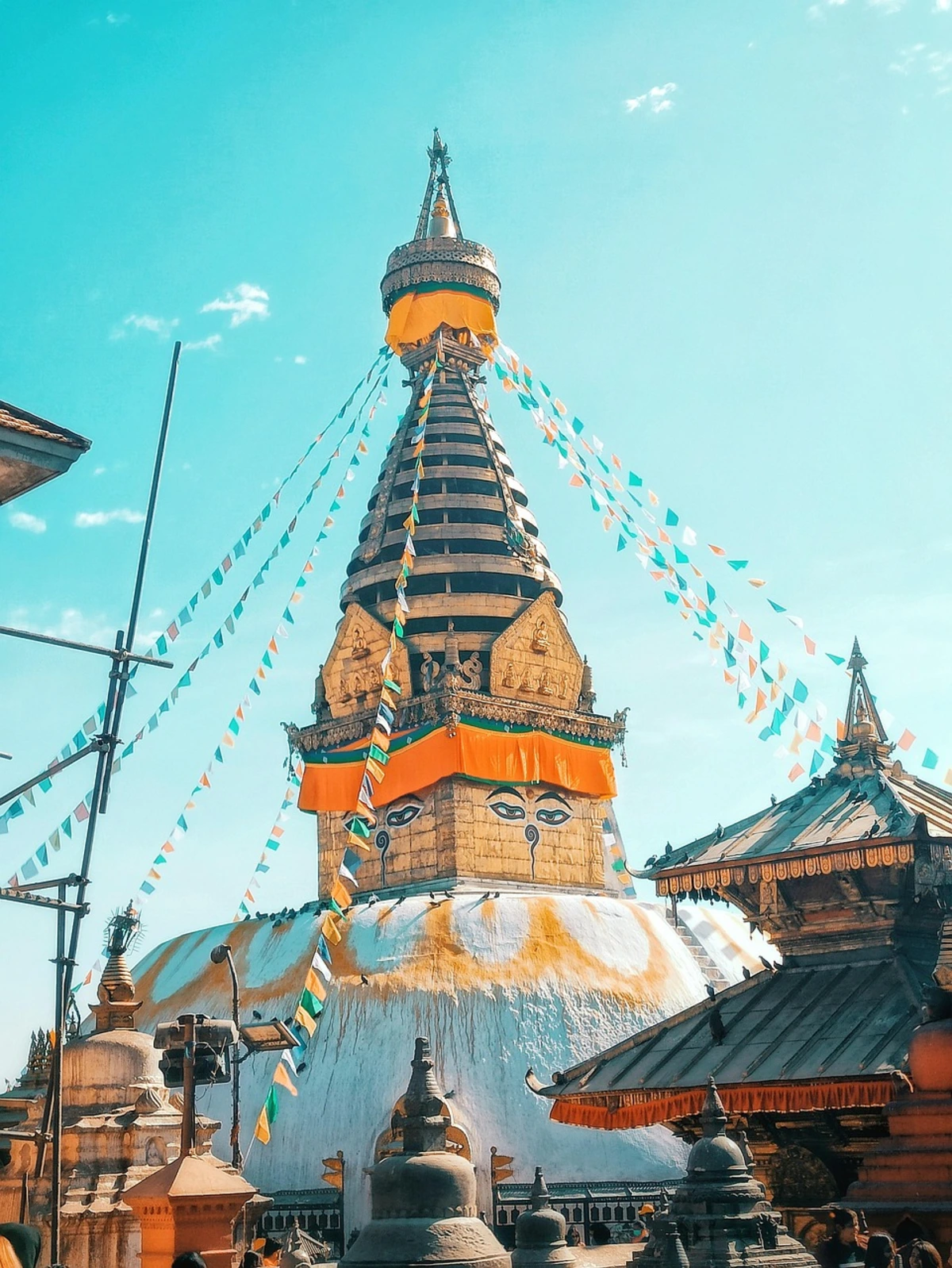
Perched atop a hill west of Kathmandu, Swayambhunath is one of Nepal’s most revered Buddhist sites. Known popularly as the Monkey Temple, this sacred complex is encircled by smaller Kathmandu Valley temples and shrines.
Harati Devi Temple
Dedicated to the goddess of children, this temple attracts mothers seeking blessings for their young ones.
Shantipur
A mysterious temple associated with tantric lore and spiritual power, it holds a mystic aura.The panoramic view of the valley, fluttering prayer flags, and rhythmic spinning of prayer wheels make Swayambhunath both meditative and visually stunning.
Pashupatinath: Sacred Ground for Hindus
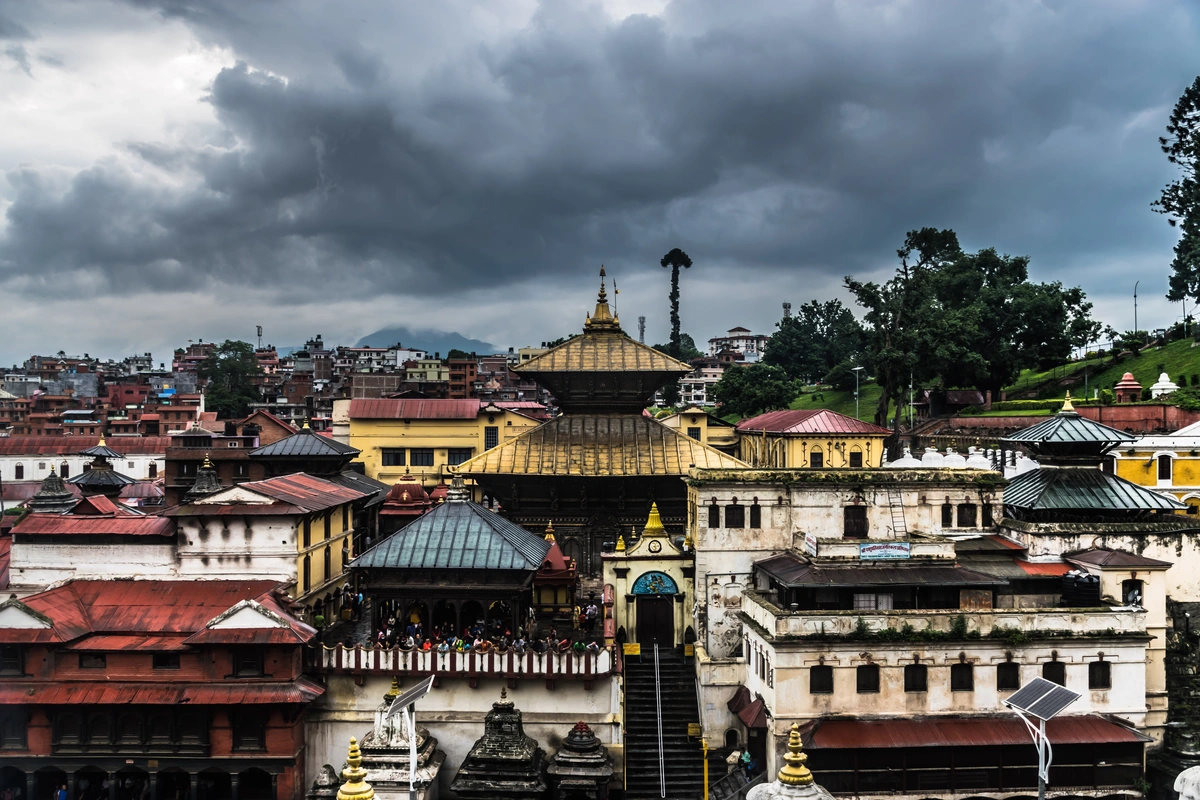
Located along the Bagmati River, Pashupatinath is the most sacred Hindu temple complex in Nepal. Although non-Hindus cannot enter the main temple, many smaller Kathmandu Valley temples around it are accessible to all.
Guhyeshwari Temple
One of the most important Shakti Peethas, this Tantric temple is believed to hold divine feminine energy.
Vishwarupa and Ram Mandir
These lesser-known but spiritually significant temples contribute to the area’s vibrant devotional atmosphere.During Maha Shivratri, the temple becomes a hub for thousands of pilgrims, making it a dynamic part of the Kathmandu Valley temples network.
Boudhanath: The Tibetan Heart of Nepal
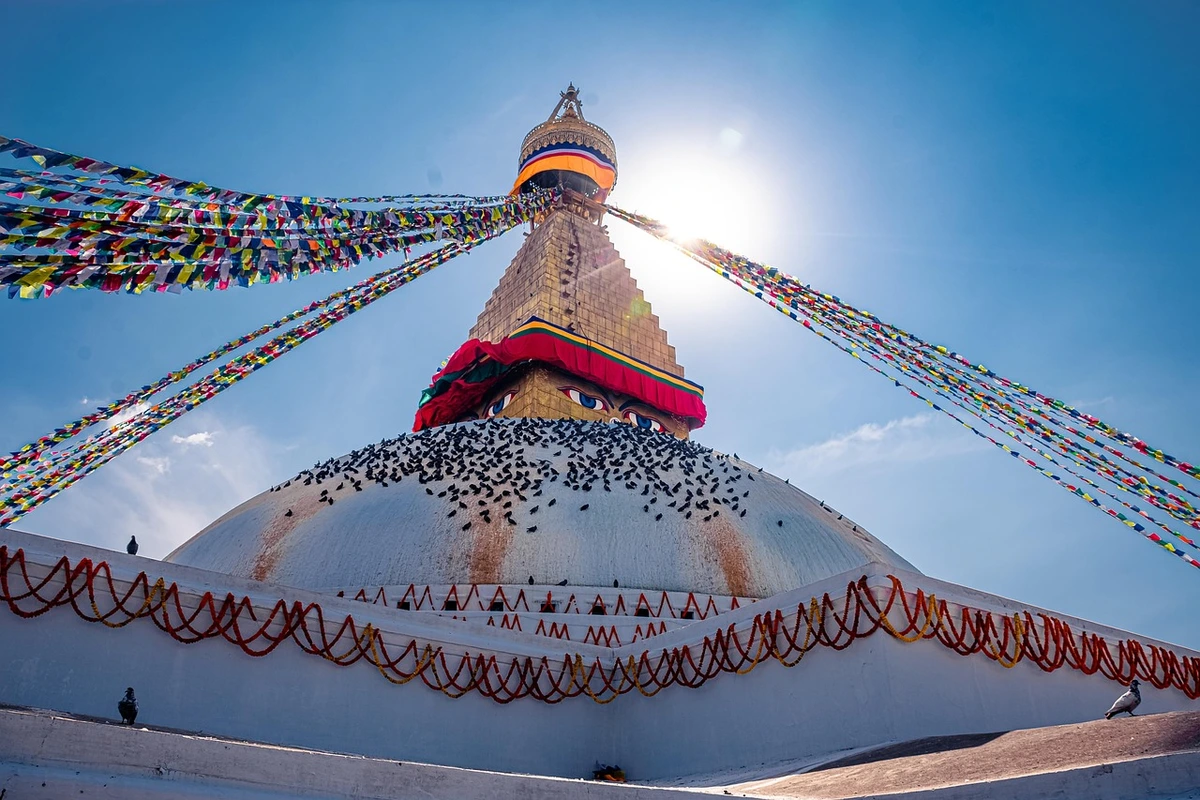
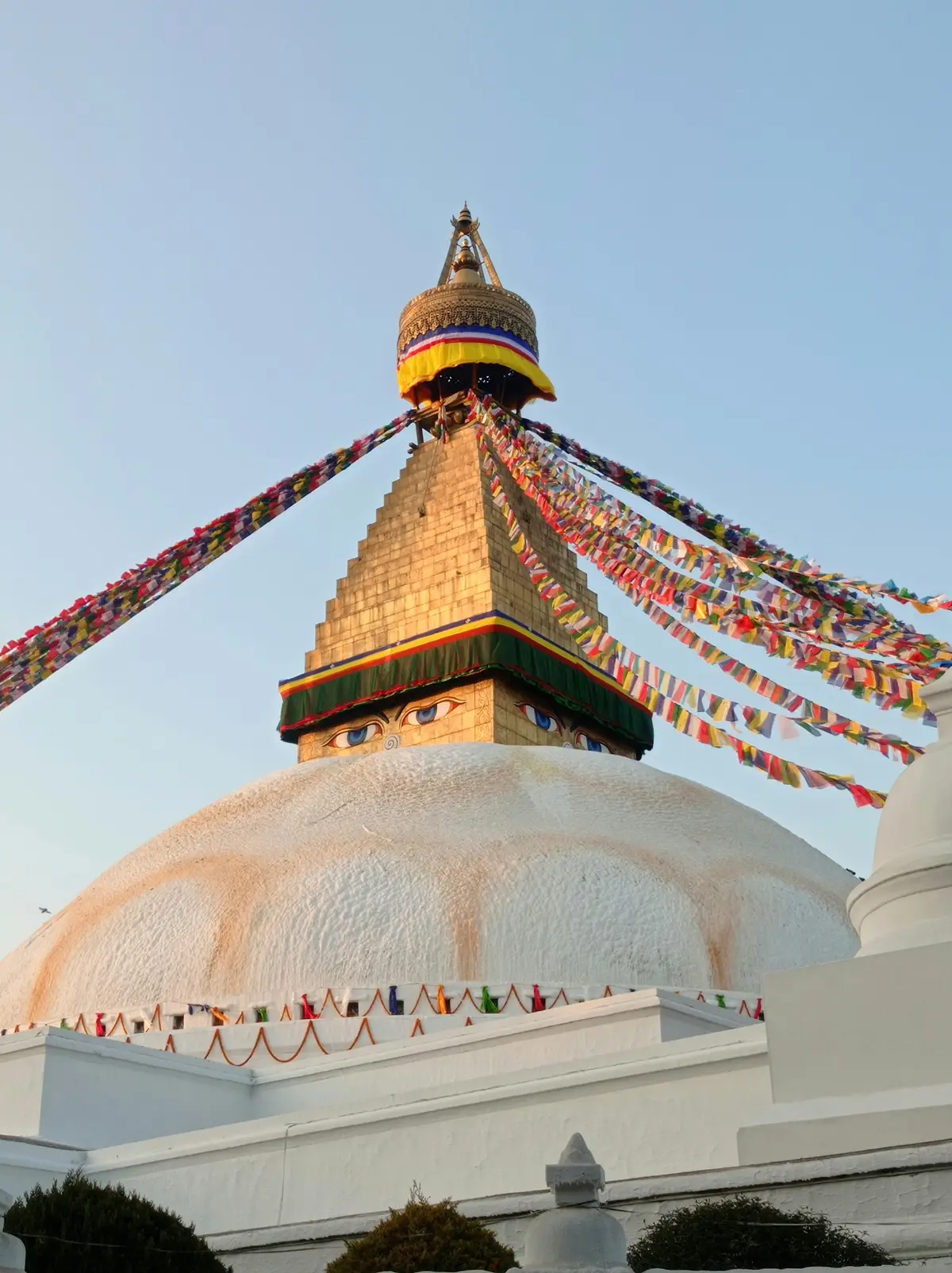
Boudhanath, home to one of the world’s largest stupas, is the spiritual center of Tibetan Buddhism in Nepal. Encircling the stupa are over 50 monasteries and Kathmandu Valley temples that make this site a sacred sanctuary.
Guru Lhakhang Monastery
This monastery features ancient murals and is often filled with chanting monks.
Tamang Gompa and Dilyak Monastery
These institutions preserve Tibetan traditions and offer peaceful spaces for meditation and learning.Whether you’re spinning prayer wheels or lighting a butter lamp, the atmosphere here is deeply moving.
Festivals: Where Temples Come Alive
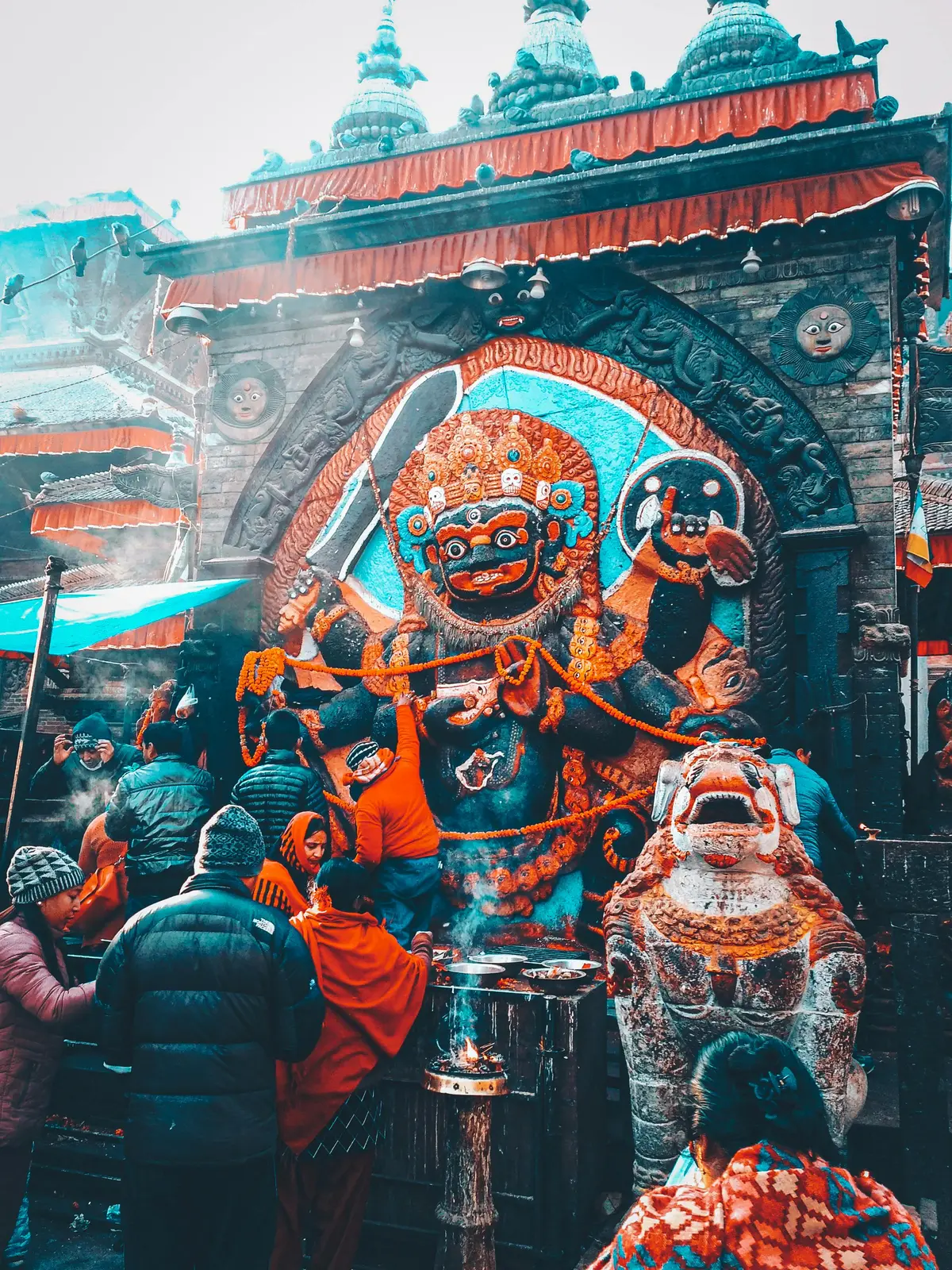
The Kathmandu Valley temples are not static structures but vibrant cultural institutions. They host a variety of festivals that animate the spiritual life of the valley:
-
Indra Jatra (Kathmandu): Features the Kumari procession and traditional masked dances.
-
Machhindranath Jatra (Patan): A rain festival where the deity’s chariot is pulled through the streets.
-
Bisket Jatra (Bhaktapur): A boisterous New Year celebration filled with rituals and color.
These events show how faith and festivity go hand-in-hand in the valley.
Conservation and Challenges
Despite their enduring charm, many Kathmandu Valley temples face threats from urban sprawl, neglect, and natural disasters. The 2015 earthquake, in particular, caused significant damage. Thankfully, restoration projects—spearheaded by local communities and international partners—are preserving these sacred spaces for future generations.
Responsible tourism also plays a vital role. Visitors can support conservation by respecting local customs and contributing to community-led initiatives.
Planning Your Visit to Kathmandu Valley Temples
Here are a few practical tips for those planning a pilgrimage to the Kathmandu Valley temples:
-
Hire a knowledgeable guide: Many hidden gems require local insight.
-
Dress respectfully: Modest attire is appreciated at religious sites.
-
Visit early: Morning hours offer a peaceful atmosphere and a chance to observe daily rituals.
-
Be mindful of photography: Always ask before taking pictures inside temples.
Conclusion
Exploring the Kathmandu Valley temples is more than a sightseeing tour—it’s a spiritual journey, a history lesson, and a cultural immersion all in one. From towering pagodas to hidden shrines tucked into quiet courtyards, each temple tells a story that transcends time.
Whether you’re a seeker of the divine, a lover of history, or a curious traveler, the Kathmandu Valley temples will leave a lasting impression on your soul and a deeper understanding of Nepal’s profound cultural legacy.
If you’re looking to explore the spiritual heritage of Nepal with a knowledgeable local guide, consider booking a heritage tour with FirstCampTrek. They offer expertly guided cultural journeys that include some of the most iconic Kathmandu Valley temples, helping you uncover the rich stories behind each sacred site.