Cultural Tourism in Nepal: Temples, Traditions, and Festivals
Cultural Tourism in Nepal: Temples, Traditions, and Festivals
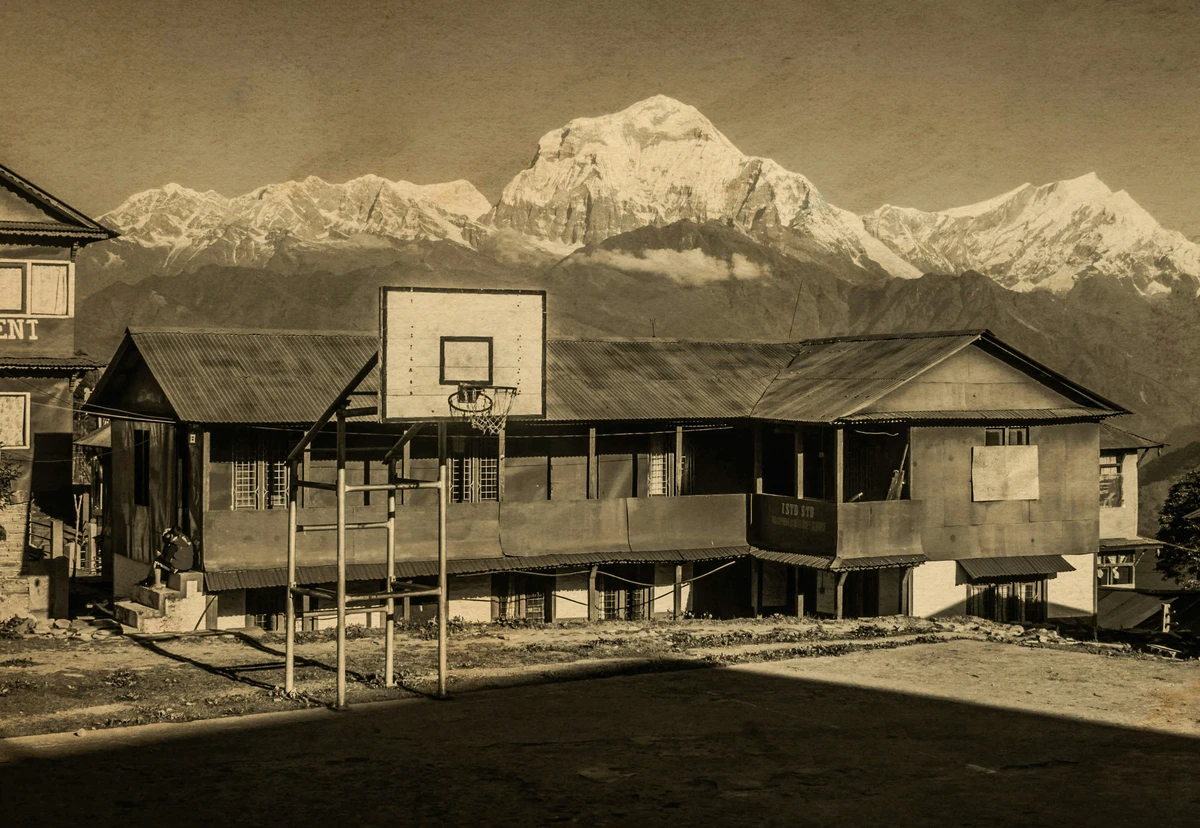
Nepal, a mystical land nestled in the heart of the Himalayas, is not only a heaven for trekkers and mountaineers but also a profound destination for those seeking cultural enlightenment. Beyond its rugged terrain and snow-capped peaks lies a vibrant mosaic of traditions, ancient architecture, sacred rituals, and spiritual celebrations. Cultural tourism in Nepal invites visitors to step into a world where every temple has a tale, every festival bursts with symbolism, and every tradition reflects the deep-rooted values of its diverse communities.
1.What Is Cultural Tourism in Nepal?
Cultural tourism in Nepal refers to travel experiences centered around the country’s cultural assets its heritage sites, spiritual practices, ethnic diversity, and time-honored customs. Unlike conventional sightseeing, this form of tourism invites travelers to interact with locals, observe traditional ways of life, and actively participate in religious and cultural events.
From wandering through the ancient alleys of Bhaktapur to attending a prayer ceremony in a Himalayan monastery, cultural tourism in Nepal fosters a deep, authentic connection between visitors and Nepalese culture. It’s about experiencing life in its most spiritual and symbolic form.
2. Temples and Monasteries: Sacred Spaces That Tell Stories
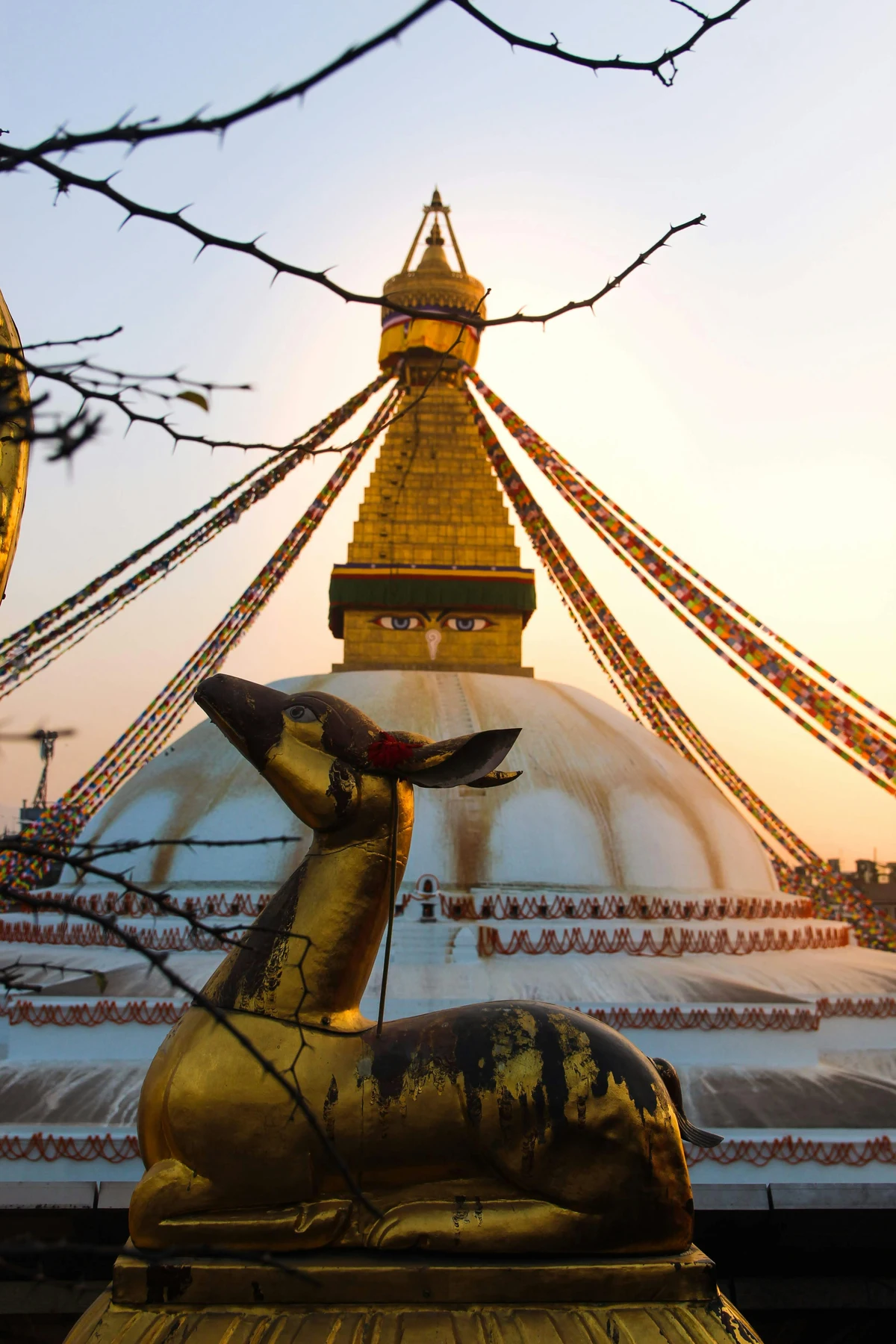
Nepal is a sanctuary of sacred architecture. Its countless temples and monasteries are not only architectural wonders but also living centers of worship and community gathering. Cultural tourism in Nepal is incomplete without visiting these revered landmarks.
Kathmandu Valley – A Cultural Treasure Trove
The Kathmandu Valley is home to seven UNESCO World Heritage Sites, including:
-
Pashupatinath Temple: A sacred Hindu site dedicated to Lord Shiva. It’s a powerful place where pilgrims gather to perform religious rituals, especially during Maha Shivaratri.
-
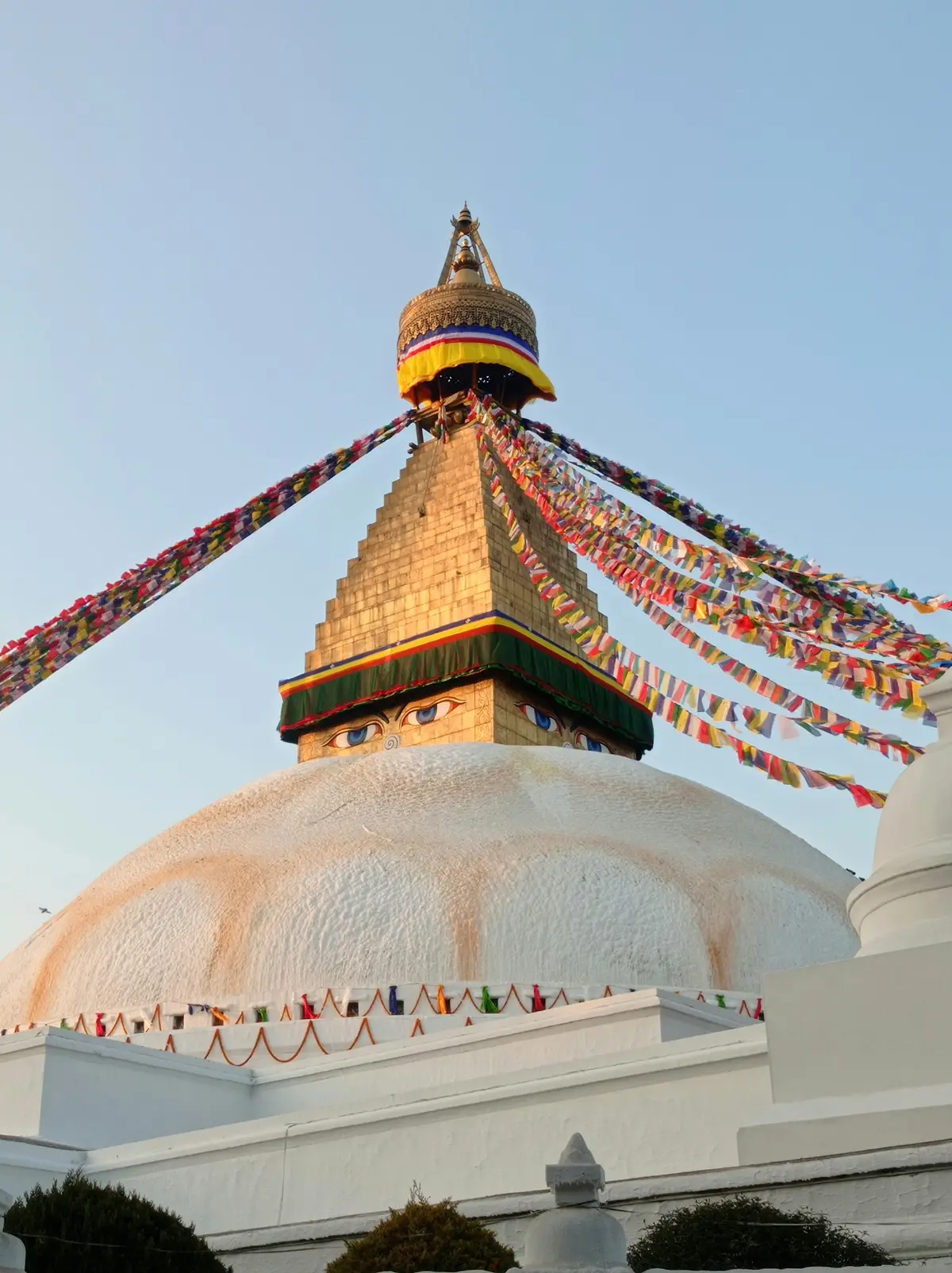
Boudhanath Stupa: One of the largest Buddhist stupas in the world. It’s a place of peace, prayer, and deep spiritual reflection.
-
Swayambhunath Stupa: Also known as the Monkey Temple, it overlooks the Kathmandu Valley and is sacred to both Buddhists and Hindus.
-
Patan and Bhaktapur Durbar Squares: These royal palace complexes showcase stunning Newari architecture with intricately carved wooden windows, pagodas, and statues.
Lumbini – Birthplace of Buddha
As the birthplace of Siddhartha Gautama (Buddha), Lumbini is a major pilgrimage site. Visitors explore the Maya Devi Temple, Ashoka Pillar, and monasteries representing different Buddhist nations. It’s a key destination in cultural tourism in Nepal that blends tranquility with spiritual heritage.
Tengboche Monastery
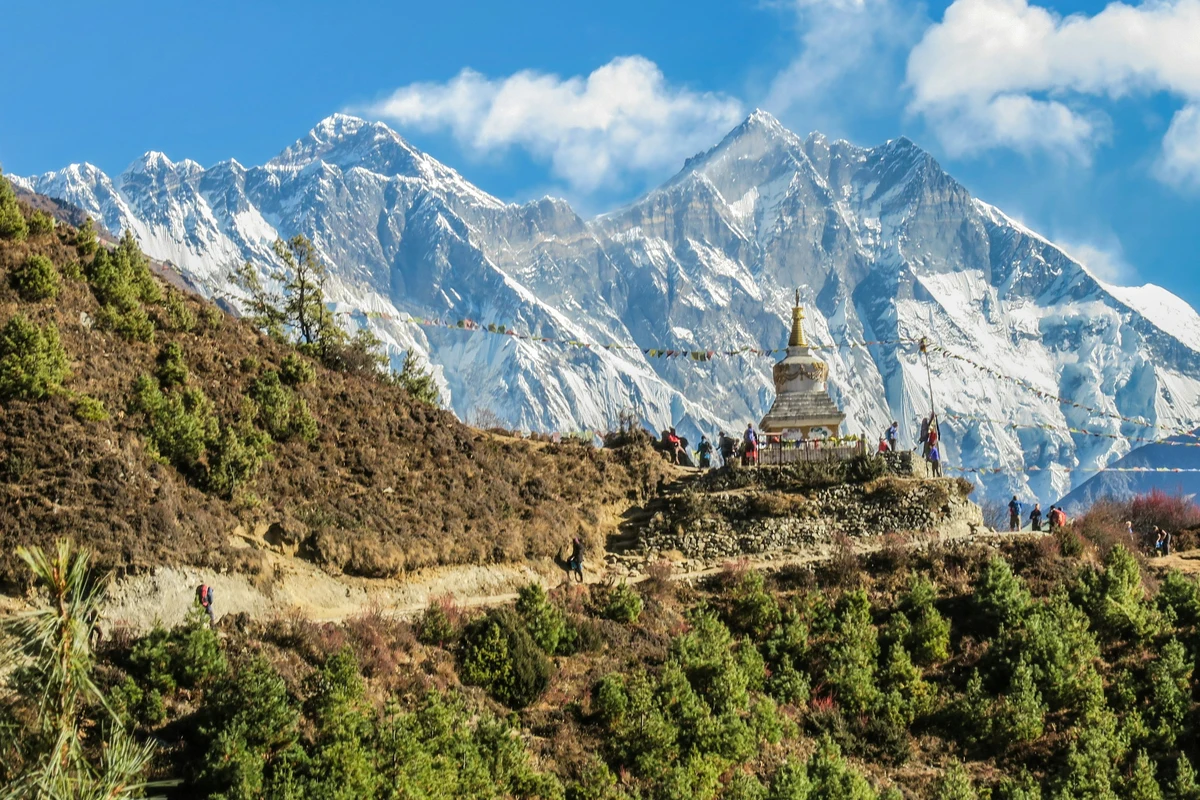
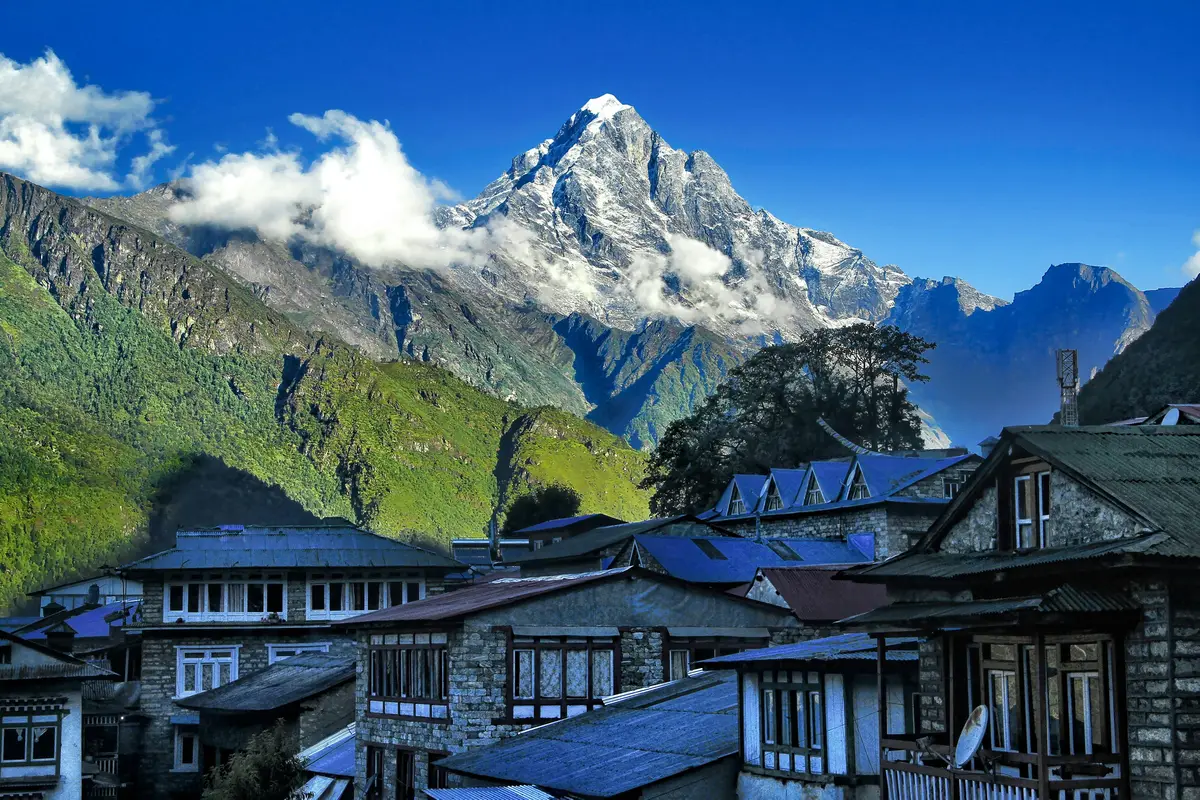
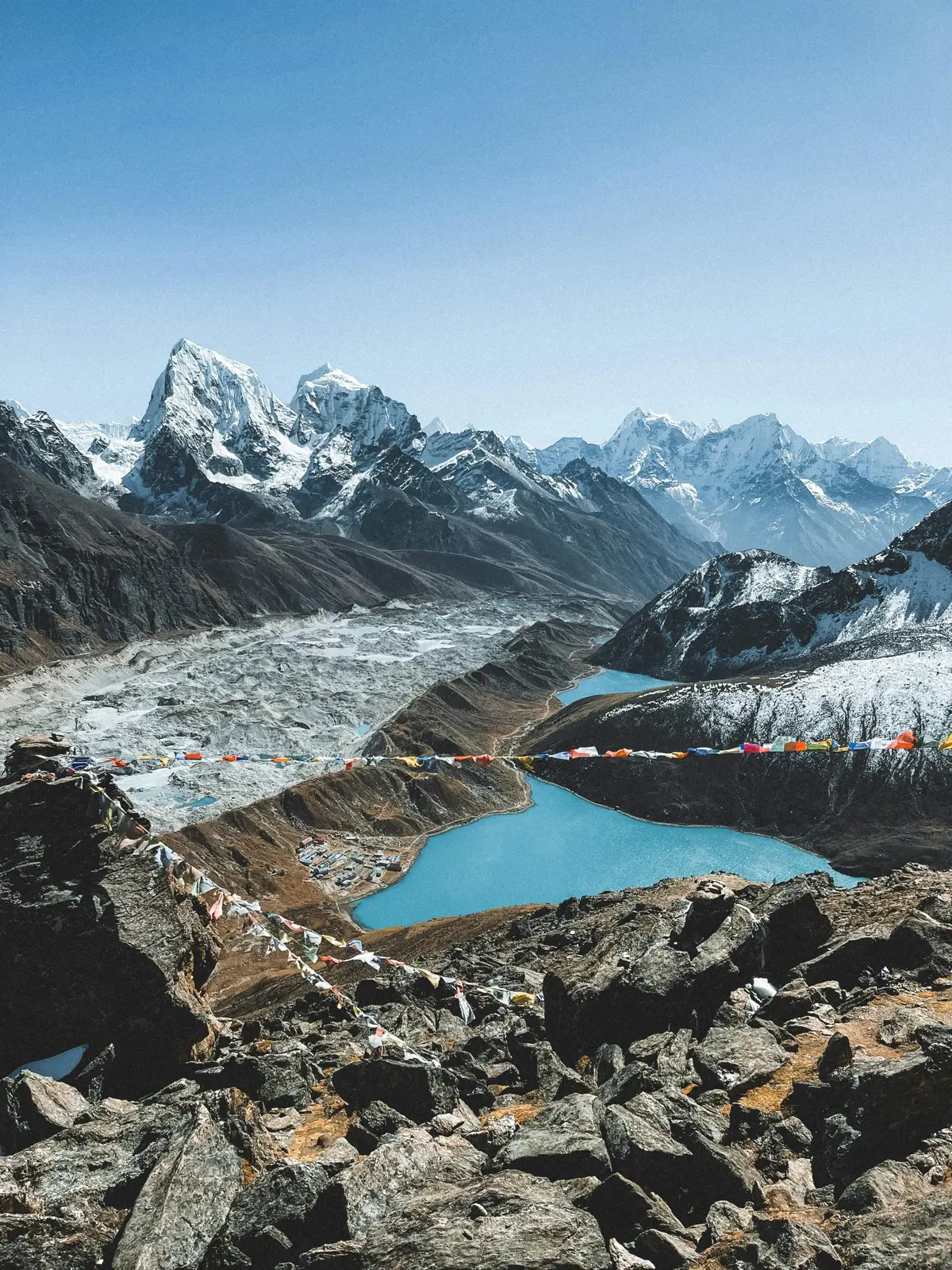
Set in the Everest region, this monastery offers a peaceful retreat surrounded by towering peaks. Daily chanting, butter lamps, and prayer flags create a deeply immersive cultural and spiritual experience.
3. Traditions that Define Nepalese Culture
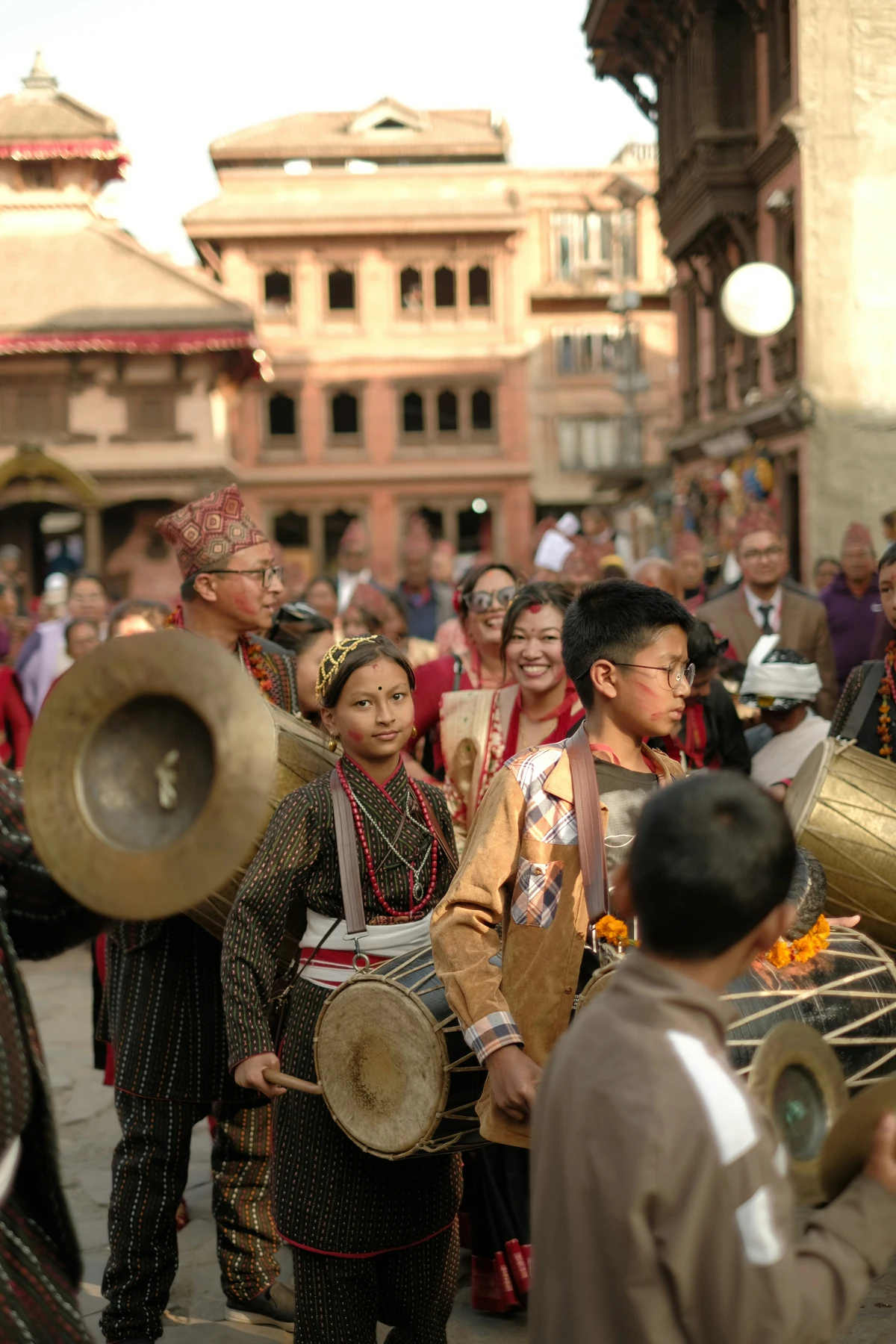
With over 125 ethnic groups and 123 languages, Nepal’s cultural diversity is vast and rich. Cultural tourism in Nepal thrives on the traditions preserved within its communities.
Newar Traditions of the Kathmandu Valley
The Newars, the original inhabitants of the valley, maintain a complex tapestry of religious rituals and social customs:
-
Mha Puja: A ritual of self-worship observed during the Newar New Year.
-
Guthi System: A socio-religious organization that manages temple activities, festivals, and public services. It’s a living tradition that ensures cultural preservation.
Mountain and Terai Cultures
-
Sherpa and Tamang Communities: Known for their strong Buddhist roots, their lives revolve around monasteries, prayer flags, and ancient chants. Visitors often participate in community rituals and local homestays.
-
Tharu Culture: Inhabitants of the Terai plains, the Tharu people are famous for their stilt houses, colorful dances, and forest-based customs.
Spiritual Practices
Travelers engaging in cultural tourism in Nepal often find themselves drawn into:
-
Morning pujas at temples and monasteries
-
Learning sacred art forms like thangka painting, wood carving, and pottery
-
Yoga and meditation retreats in Lumbini or the Kathmandu Valley
These customs reflect not only devotion but also the community’s rhythm of life.
4. Festivals: The Pulse of Nepal’s Culture
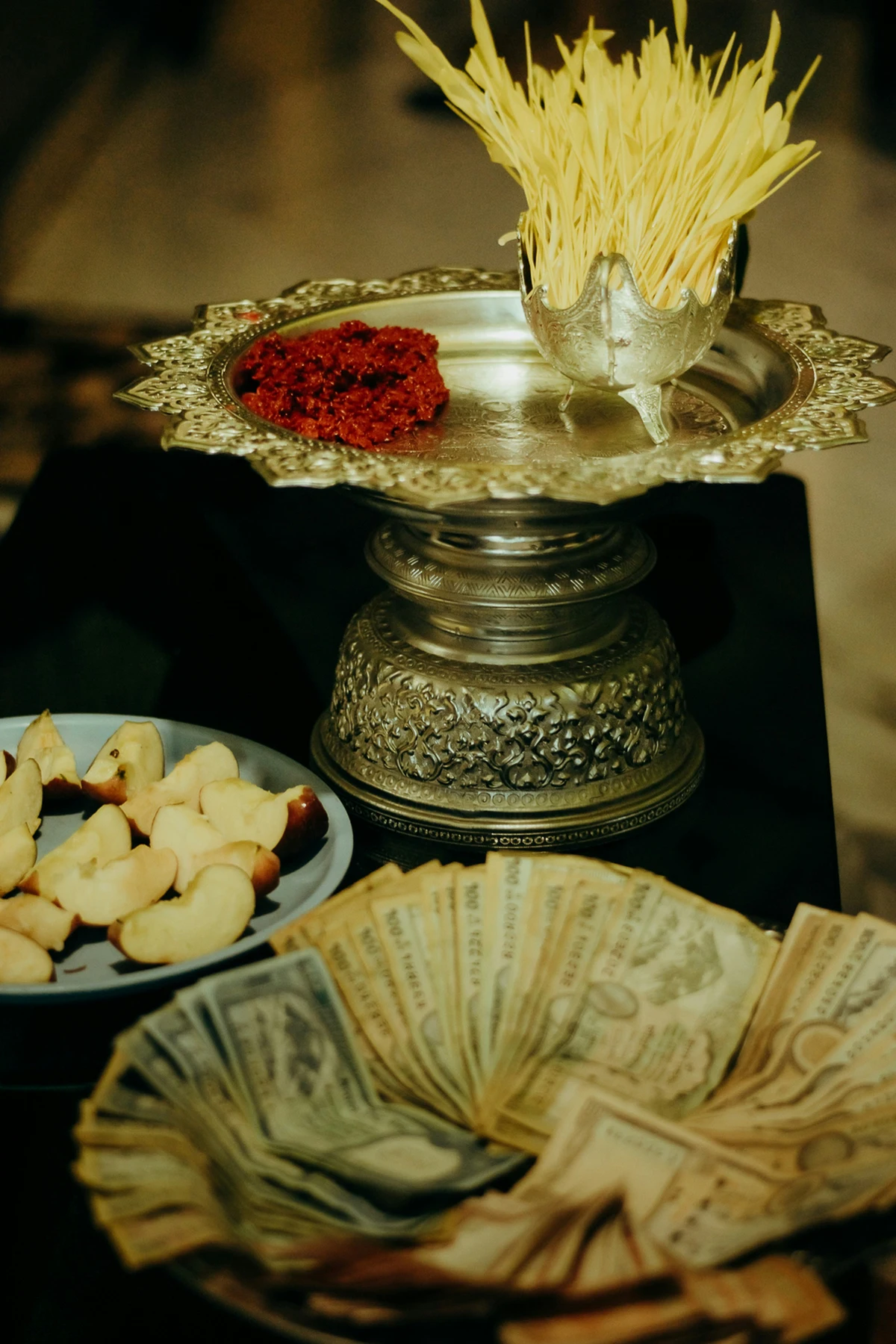
If there’s one thing that defines cultural tourism in Nepal, it’s the festivals. With more than 50 major celebrations annually, every month in Nepal is marked by joyful gatherings, dances, prayers, and rituals.
Dashain and Tihar (Deepawali)
-
Dashain: The biggest Hindu festival in Nepal, symbolizing the victory of good over evil. Families reunite, elders give tika and blessings, and animal sacrifices are made at temples.
-
Tihar: Known as the festival of lights, it celebrates animals (crows, dogs, cows), siblings, and the goddess Laxmi. Homes glow with oil lamps and vibrant rangoli designs.
Buddha Jayanti
Celebrated on the full moon in May, this festival honors Buddha’s birth, enlightenment, and nirvana. It’s particularly vibrant in Lumbini and Buddhist communities throughout Nepal.
Indra Jatra and Bisket Jatra
-
Indra Jatra: Kathmandu’s most dramatic festival, featuring masked dances, giant chariot processions, and an appearance by the Living Goddess, Kumari.
-
Bisket Jatra: Bhaktapur’s thrilling festival involves chariot battles, tug-of-war contests, and ancient rituals that mark the Nepali New Year.
Other Celebrations
-
Maghe Sankranti: Marks the sun’s entry into Capricorn. People eat sesame-based sweets and bathe in holy rivers.
-
Holi: The festival of colors brings everyone to the streets in a joyful celebration of spring.
-
Teej: A women-centric festival involving fasting, red attire, temple worship, and dancing.
These festivals are ideal entry points for cultural tourism in Nepal, allowing travelers to witness the living traditions firsthand.
5. Cultural Tourism Beyond the Cities
While urban centers like Kathmandu and Pokhara are cultural hubs, true immersion often lies beyond the main cities. Rural Nepal offers authentic, community-based experiences.
Ghandruk and Bandipur
-
Ghandruk: A charming Gurung village with views of Annapurna and a deep-rooted hospitality tradition. Homestays allow cultural exchange through food, stories, and music.
-
Bandipur: A well-preserved hill town showcasing traditional Newari architecture and hosting local cultural festivals.
Janakpur and Ilam
-
Janakpur: A holy city in the Terai and the mythological birthplace of Sita, home to the majestic Janaki Temple and vibrant Mithila art.
-
Ilam: Known for tea gardens and a blend of Kirati and Limbu cultures, Ilam introduces travelers to eastern Nepalese traditions and rural lifestyle.
Exploring these areas enhances the value of cultural tourism in Nepal through real, day-to-day experiences.
6. Sustainable Impact of Cultural Tourism
One of the most rewarding aspects of cultural tourism in Nepal is its capacity to empower local communities. Travelers who choose community-based tourism support livelihoods and help preserve intangible heritage.
Examples of Sustainable Initiatives
-
Community Homestays (Panauti, Patlekhet): Offer genuine Nepalese hospitality and allow guests to live like locals.
-
Cultural Treks (Tamang Heritage Trail, Chepang Trail): Blend trekking with immersive village experiences and cultural learning.
-
Handicraft Workshops: Tourists can learn pottery in Bhaktapur, weaving in Mustang, or metalwork in Patan.
Supporting these initiatives helps promote responsible travel and safeguard Nepal’s heritage for future generations.
Conclusion: Journey into the Heart of Nepal
Cultural tourism in Nepal is more than an itinerary of temples and festivals. It’s an exploration of values, art, spirituality, and identity. Whether you are sitting quietly in a monastery, dancing during Teej in the streets of Kathmandu, or eating dal bhat in a mountain village, you are becoming part of a living story.
By engaging in cultural tourism in Nepal, travelers don’t just observe they connect. They help preserve traditions, promote sustainability, and enrich their understanding of a country where culture is not confined to museums but lives and breathes in everyday life.
So next time you plan a trip to Nepal, step beyond the peaks and paths—step into the culture. That’s where the true magic awaits.
To learn more about Nepal’s festivals, check out our detailed guide on Firstcamptrek