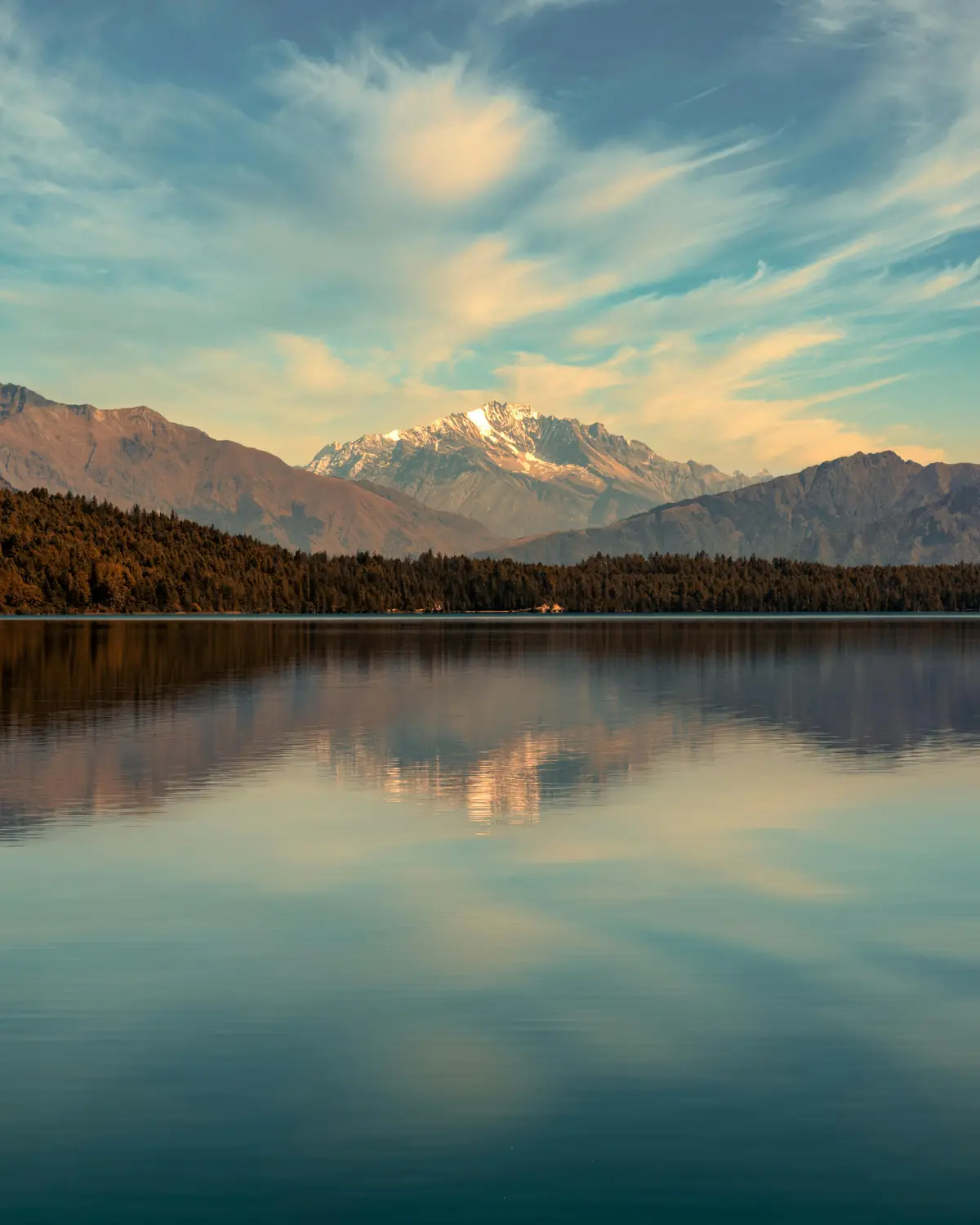
Eco-Friendly Trekking in Nepal: A Guide to Travel Responsibility in the Himalayas
Eco-Friendly Trekking in Nepal: How to Travel Responsibly in the Himalayas
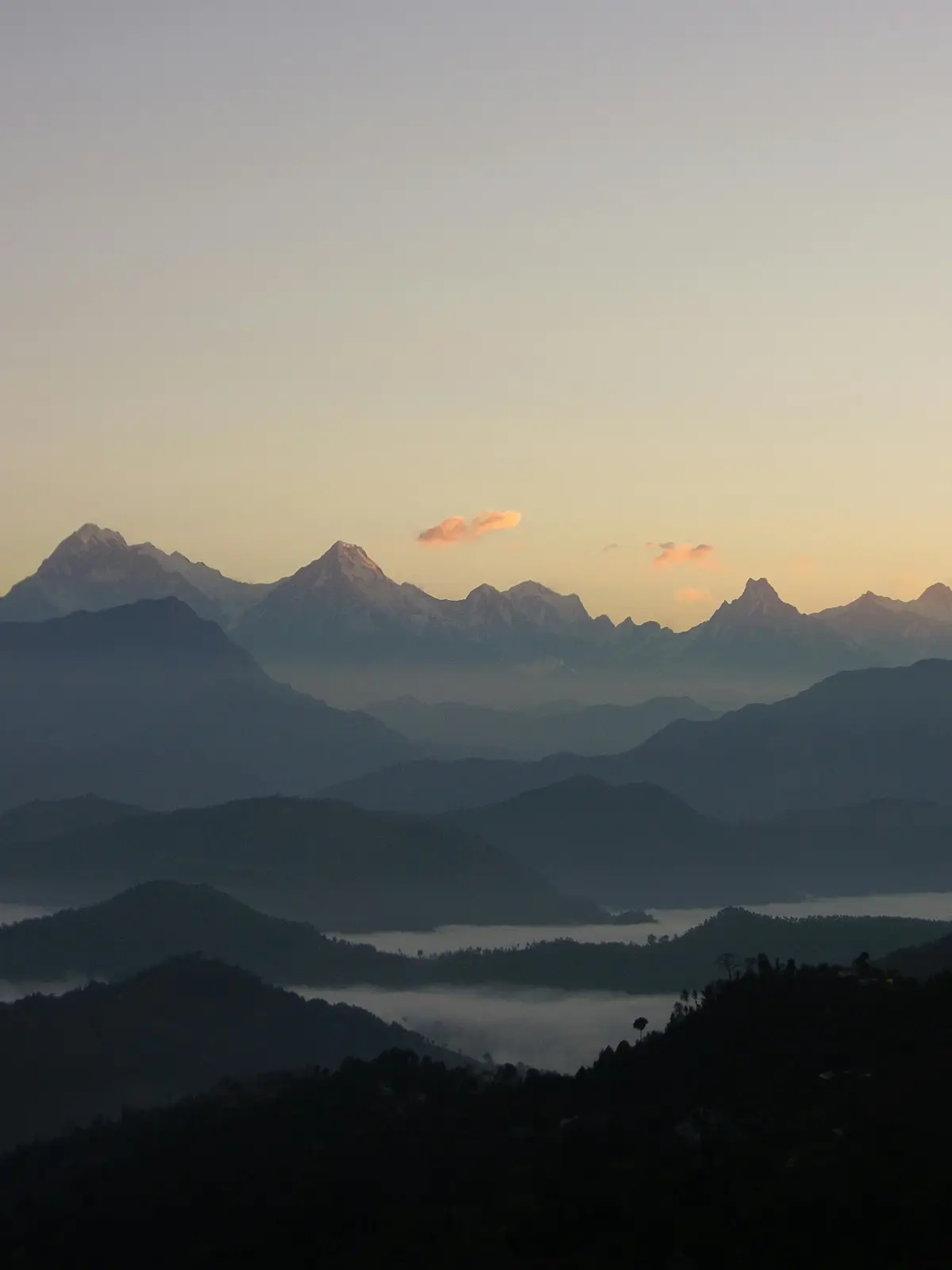
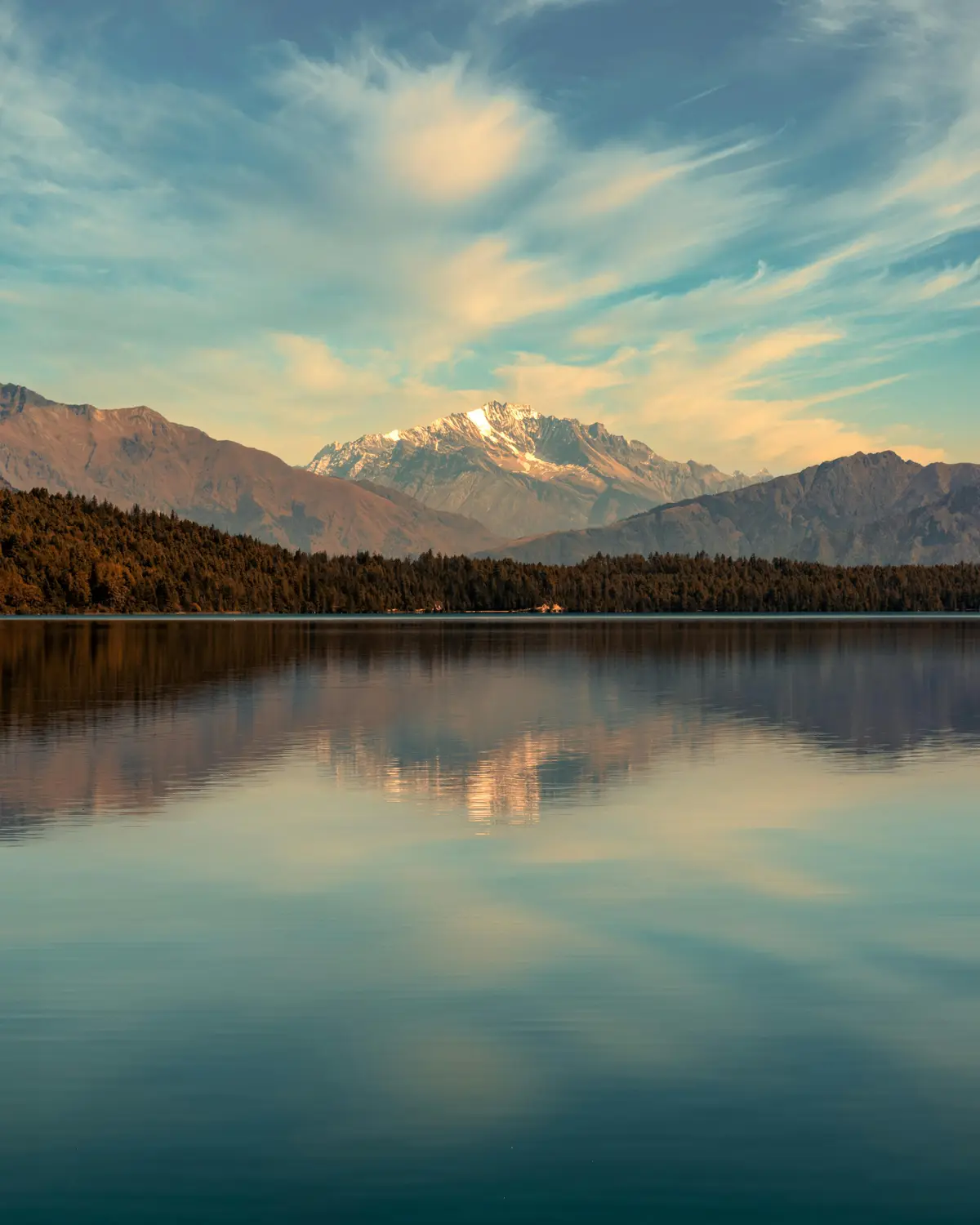
Trekking in Nepal is a life-changing experience that blends physical challenge with the unmatched beauty of the Himalayas. But while you’re walking through ancient forests, crossing remote mountain passes, or camping beside glacial rivers, it’s important to remember that your footsteps leave a mark. The concept of travel responsibility becomes especially vital in regions as ecologically fragile and culturally rich as Nepal. This blog explores how you can trek through the Himalayas in an eco-friendly way, reducing your impact while deepening your connection with nature and local communities.
Understanding Travel Responsibility in Nepal’s Context
Before lacing up your boots, take a moment to consider what travel responsibility truly means. It’s about making conscious choices that protect natural resources, respect local traditions, and promote sustainability. In Nepal, where tourism plays a significant role in the economy yet environmental protection remains a challenge, responsible travel is more than a buzzword it’s a necessity. From managing waste to supporting local economies, each decision you make can contribute to a more sustainable trekking culture.
Choose the Right Trekking Route
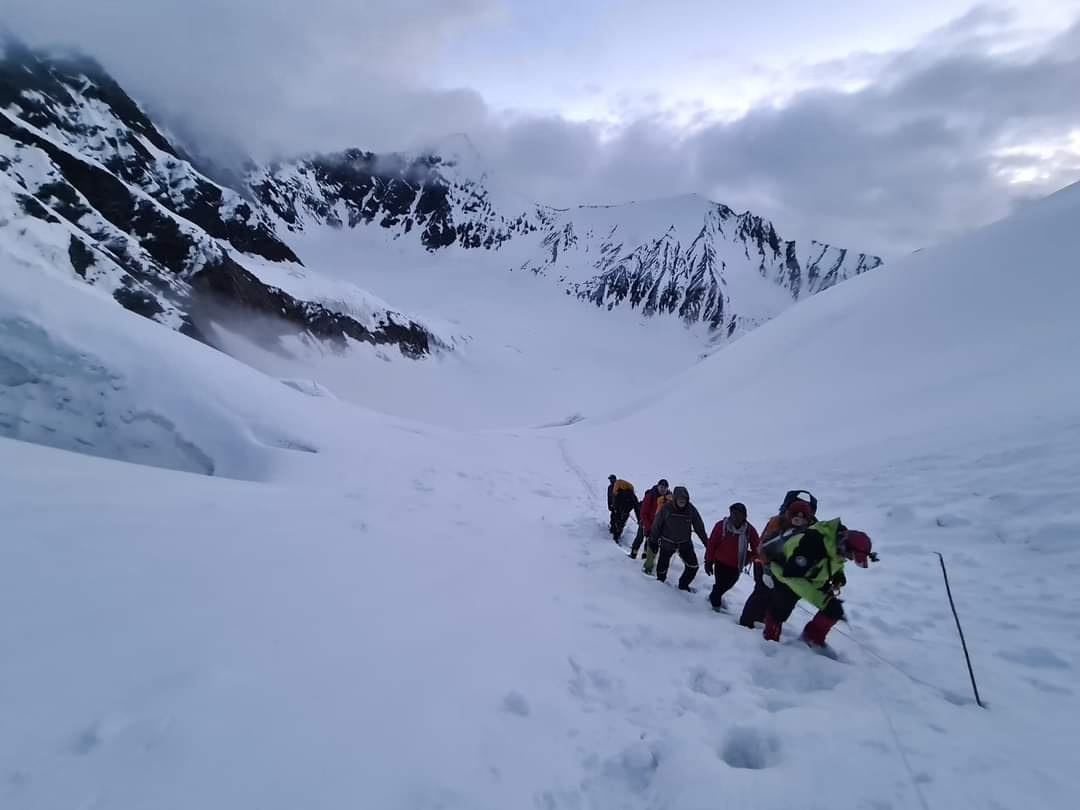
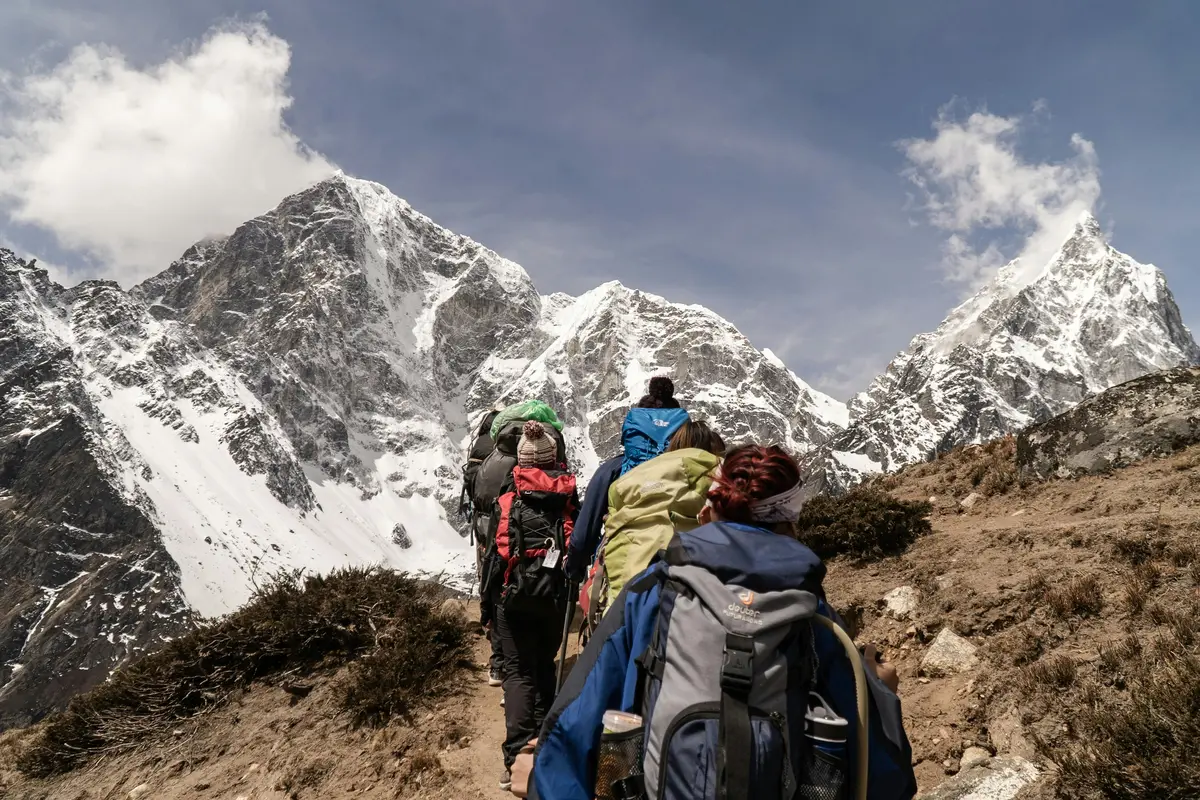
Nepal offers an astounding variety of treks from the ever-popular Everest Base Camp and Annapurna Circuit to lesser-known trails like the Kanchenjunga or Makalu regions. When planning your trip, consider trekking in less crowded areas. Popular routes can suffer from over-tourism, resulting in trail erosion, deforestation, and cultural commodification. Off-the-beaten-path treks reduce this strain while offering a more authentic experience.
Trekking in remote areas supports local communities who might not otherwise benefit from tourism, thereby aligning your adventure with the principles of travel responsibility.
Travel with a Licensed Local Guide
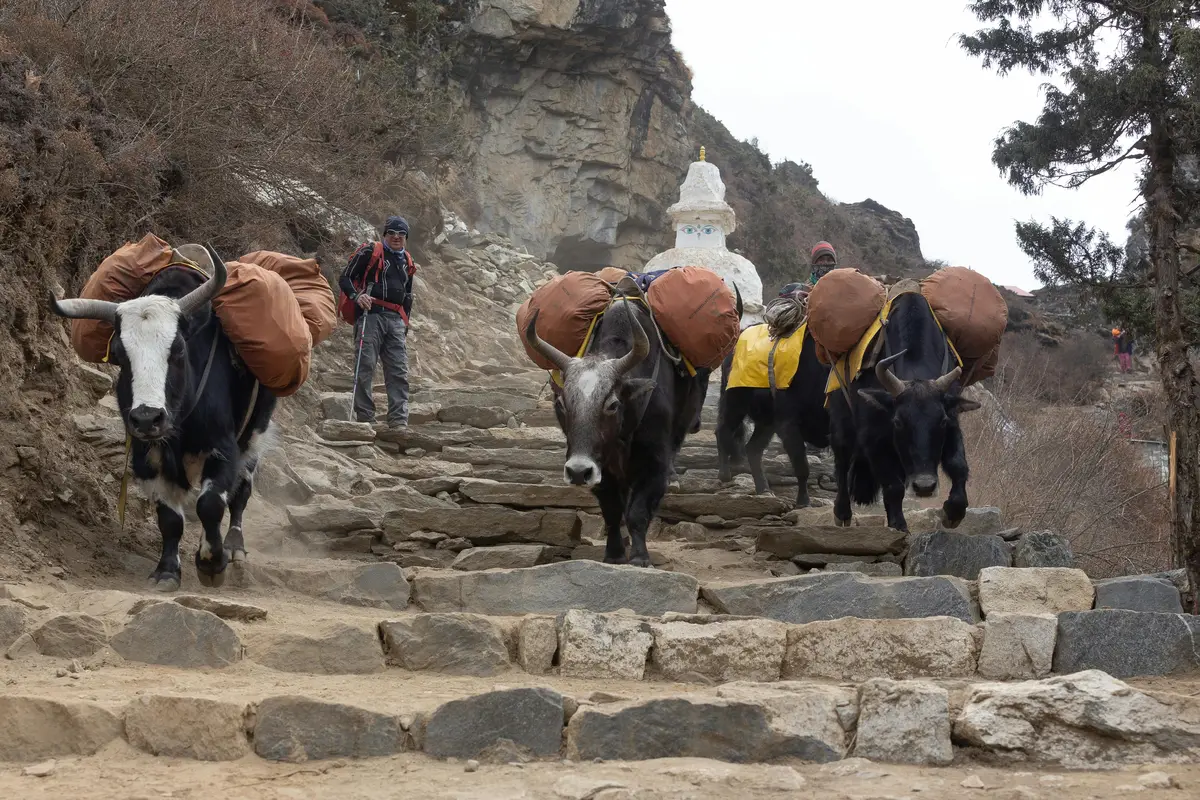
Hiring a licensed local guide or porter is one of the best ways to ensure your journey is both safe and sustainable. Local guides are deeply knowledgeable about the terrain, flora, fauna, and culture of the region. They help keep you on trails to prevent damage to the environment and reduce the risk of accidents.
Moreover, choosing local services over international tour operators ensures your money stays in Nepal, benefiting the people directly. This supports economic sustainability, a cornerstone of travel responsibility.
Say No to Single-Use Plastics
Plastic pollution is one of the most pressing environmental issues facing Nepal’s trekking regions. Empty water bottles, snack wrappers, and packaging often end up littering trails or being burned, releasing toxic fumes. One simple yet impactful way to exercise travel responsibility is by minimizing your use of single-use plastics.
Bring a reusable water bottle and use water purification tablets, a UV filter, or a LifeStraw to safely drink local water. Pack snacks in biodegradable or reusable containers. These small changes significantly reduce your environmental footprint.
Pack Light but Smart
Carrying the right gear not only makes your trek more comfortable but also supports sustainable travel. Avoid bringing unnecessary items that will add weight to the porter’s load or contribute to waste. Instead, invest in durable, multi-purpose gear that will last through many treks.
Eco-conscious trekking also means choosing items made from sustainable or recycled materials whenever possible. The less you consume and discard, the more aligned you are with the principles of travel responsibility.
Respect Local Customs and Cultures
The Himalayas are not just natural wonders they are home to diverse communities with rich traditions. Understanding and respecting these cultures is a crucial part of eco-friendly trekking. Learn about local customs before your trip, dress modestly, and always ask before taking photographs of people or religious sites.
By demonstrating cultural sensitivity, you help preserve the dignity of these communities and foster a positive exchange. It’s a meaningful expression of travel responsibility that goes beyond environmental impact.
Stay in Eco-Lodges or Tea Houses
Eco-lodges and traditional tea houses are common along Nepal’s trekking routes, especially in regions like Annapurna and Everest. Many of these establishments are now adopting sustainable practices such as solar energy, waste recycling, and organic farming.
Choose accommodations that prioritize sustainability and avoid luxury resorts that may strain local resources. Supporting these businesses encourages environmentally friendly practices and contributes to the broader goals of travel responsibility in the region.
Proper Waste Disposal
One of the most basic principles of eco-friendly trekking is “Leave No Trace.” Carry a trash bag to pack out all your waste, including toilet paper and food wrappers. Some trekking areas offer waste bins, but they are often overwhelmed and improperly managed.
Human waste is another concern, especially in high-altitude areas. Use proper toilet facilities when available. In more remote locations, follow Leave No Trace principles by burying waste well away from water sources. Taking personal responsibility for your waste is a core component of travel responsibility.
Be Energy Efficient
The high-altitude regions of Nepal have limited access to electricity, often relying on solar power or scarce fuel resources like firewood. Avoid excessive use of heating and lighting in tea houses. Instead, bring a solar charger for your electronics and dress warmly rather than relying on electric heaters.
Every watt of power you save helps preserve resources and reduces the carbon footprint of your stay. Energy conservation is another layer of travel responsibility that often goes unnoticed but has a significant impact.
Support Local Conservation Projects
Many trekking regions in Nepal have community-led conservation initiatives aimed at preserving biodiversity, reforesting degraded land, or managing waste. Consider donating to or volunteering with these organizations. Some treks, like the Manaslu Circuit, pass through conservation areas where your permit fees directly support environmental protection efforts.
Engaging with these projects turns your trek into a force for good and deepens your understanding of how travel responsibility can manifest in action.
Eat Local and Seasonal
Food transportation in the Himalayas often involves porters or mules, which increases carbon emissions. Eating local and seasonal produce minimizes this impact while giving you the chance to enjoy authentic Nepali cuisine. Dishes like dal bhat, momos, and tsampa are delicious, nutritious, and easy on the environment.
Avoid imported or packaged foods whenever possible. Supporting local agriculture is a delicious and satisfying way to practice travel responsibility.
Travel in the Right Season
Timing your trek well not only enhances your experience but also protects the trails and communities you visit. The monsoon season (June to August) can lead to trail damage and landslides, while winter (December to February) brings risks like avalanches and limited accessibility.
The best times for trekking are during the pre-monsoon (March to May) and post-monsoon (September to November) seasons. Traveling in these windows reduces the pressure on trails and infrastructure, contributing to more sustainable tourism.
Carbon Offset Your Journey
International flights are often the biggest contributor to your travel-related carbon footprint. While avoiding flying may not be practical, you can mitigate its impact by purchasing carbon offsets from reputable organizations. This investment supports renewable energy projects or reforestation initiatives, making your journey more climate-conscious.
Offsetting your emissions is not a free pass to ignore sustainability, but it complements your efforts to embody travel responsibility.

Advocate and Educate
Being an eco-conscious traveler doesn’t stop at the trail’s end. Share your experiences and educate others about the importance of sustainable trekking. Use social media, blogs, or travel forums to highlight best practices and encourage fellow trekkers to make responsible choices.
Your voice can inspire change and elevate the importance of travel responsibility in the global travel community. Informed travelers become ambassadors of sustainability.
Choose Responsible Trekking Agencies
Not all trekking agencies are created equal. Before booking, research whether the company follows ethical practices like fair wages for porters, environmental policies, and community engagement. Certifications from bodies like the Trekking Agencies’ Association of Nepal (TAAN) or partnerships with conservation groups are good indicators.
Working with responsible agencies ensures your trek aligns with your values and supports the broader mission of sustainable tourism.
Be Mindful of Wildlife
Nepal is home to an astonishing variety of wildlife, including red pandas, snow leopards, and Himalayan tahr. While sightings are rare, it’s important to observe from a distance and avoid disturbing animals or their habitats. Do not feed wildlife or leave food scraps behind, as it alters natural behavior and attracts animals to human settlements.
Respecting wildlife is a fundamental aspect of travel responsibility, ensuring that these majestic creatures remain a part of the Himalayan landscape for generations to come.
Final Reflections: Leaving a Positive Legacy
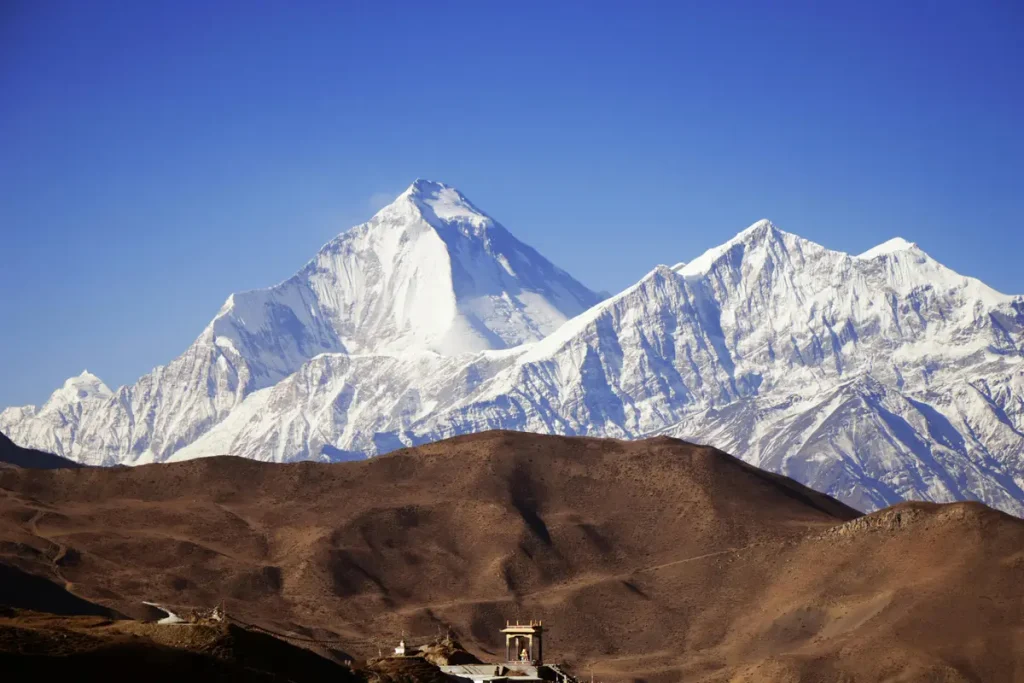
Traveling responsibly in the Himalayas is not about perfection it’s about mindfulness. Every step, every choice, and every interaction matters. Whether you’re purifying your drinking water, tipping your porter fairly, or choosing not to light a campfire, you’re contributing to a larger movement toward sustainability.
Nepal’s mountains have given countless travelers awe, inspiration, and transformation. Practicing travel responsibility is a way of giving back, ensuring that future generations can experience the same wonders with the same reverence.
Conclusion
Eco-friendly trekking in Nepal is both a privilege and a responsibility. As the allure of the Himalayas draws adventurers from all corners of the world, the imperative to protect this sacred region grows stronger. Through mindful choices, respectful engagement, and sustainable practices, you can help preserve Nepal’s natural and cultural treasures. Let your next adventure be more than just a journey let it be a testament to travel responsibility in action.
If you want to learn more or plan your eco-friendly trekking adventure, visit First Camp Trek a professional travel agency with experienced local guides and a passion for responsible tourism and take your first step toward responsible travel in the Himalayas.