Traveling Nepal as a Trekker: What Every Hiker Should Know
Travelling Nepal as a Trekker: What Every Hiker Should Know
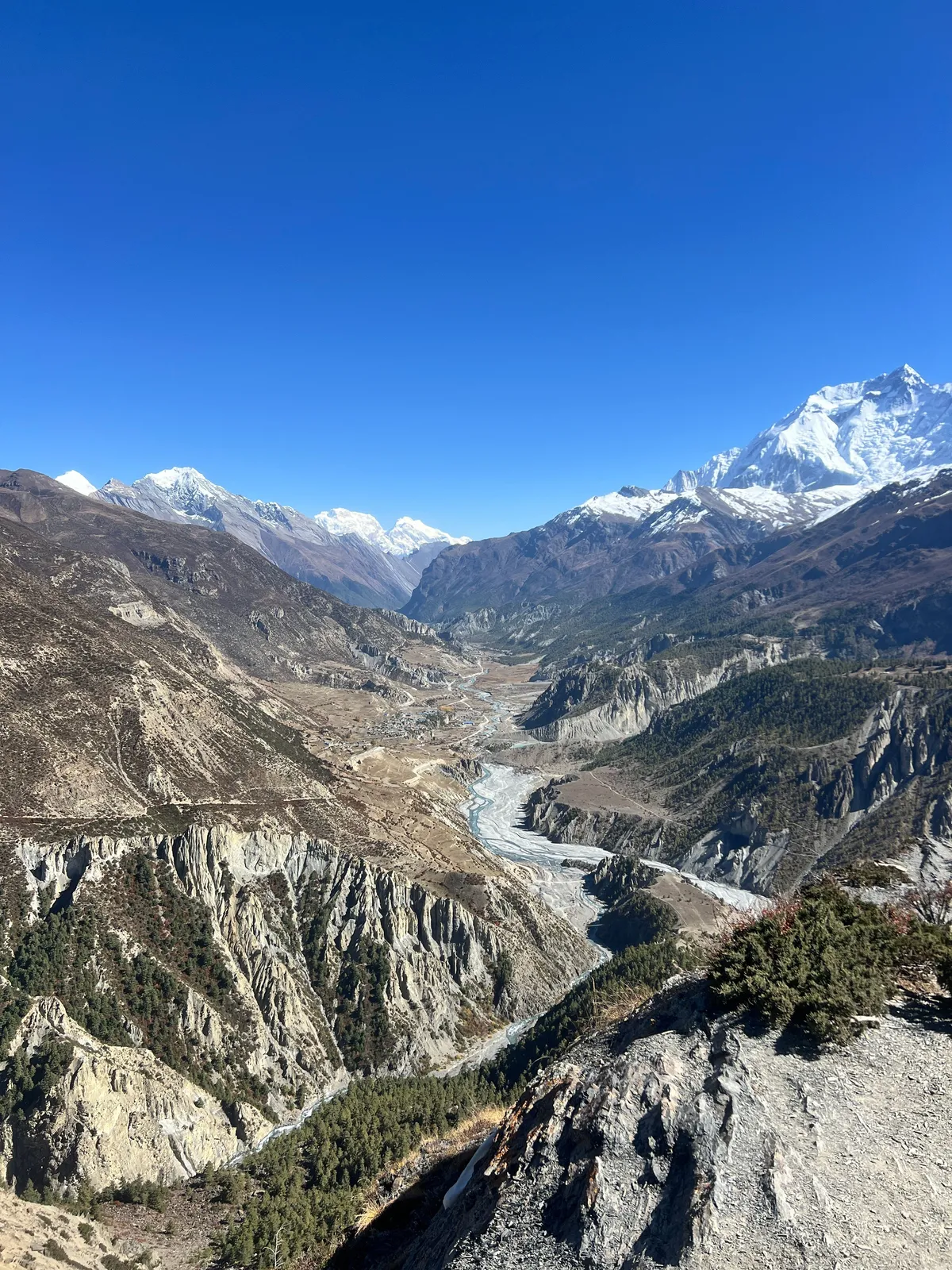
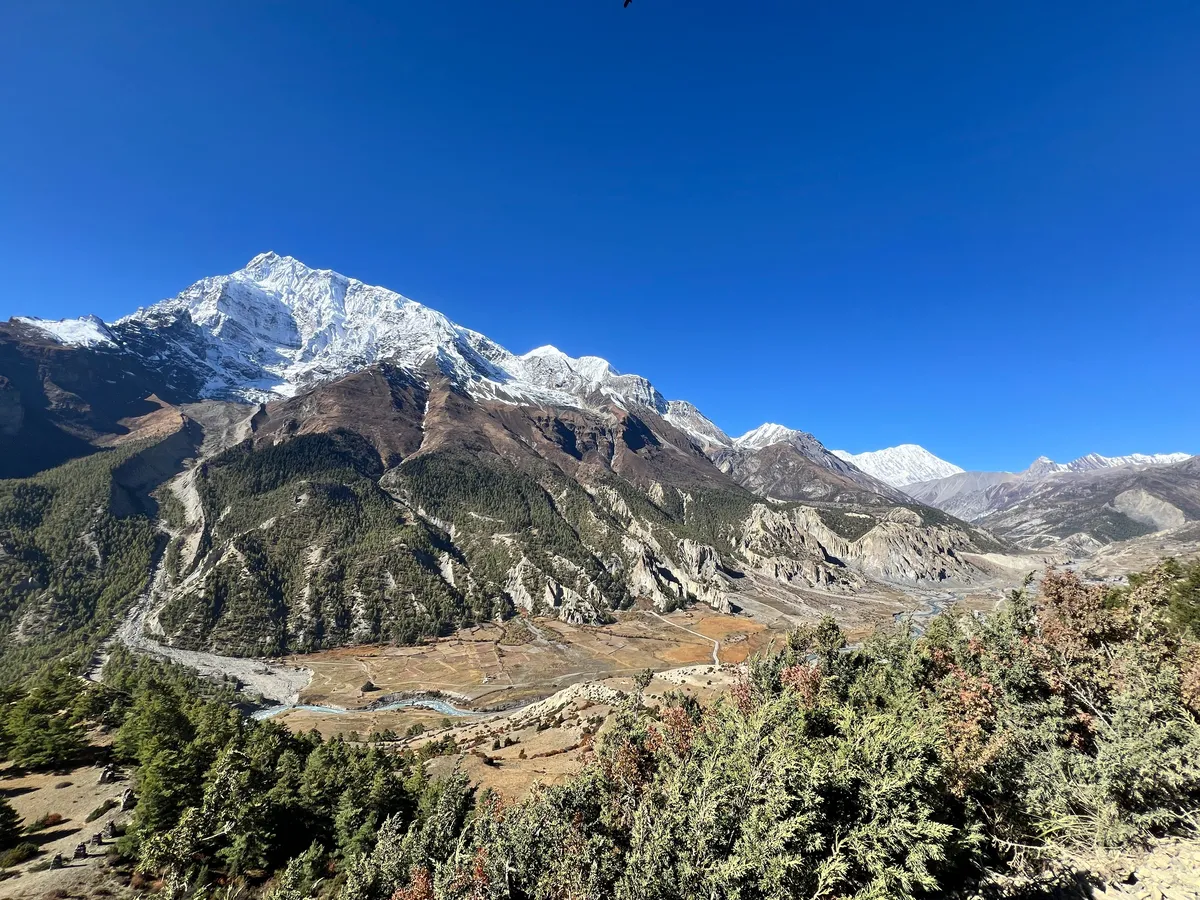
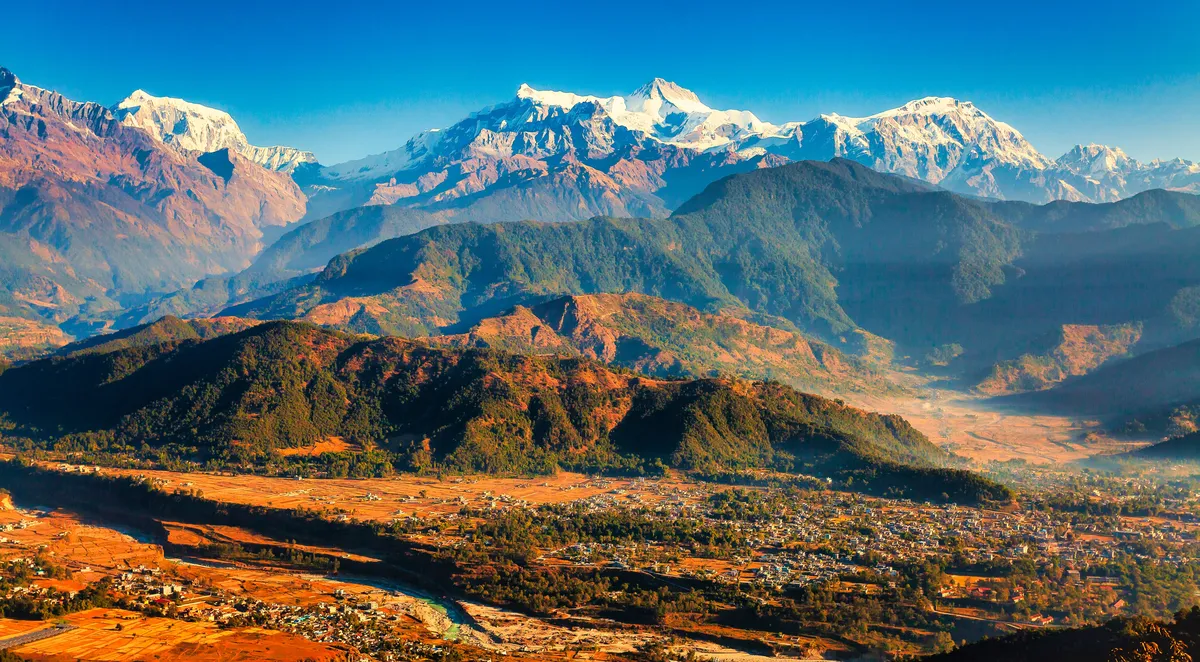
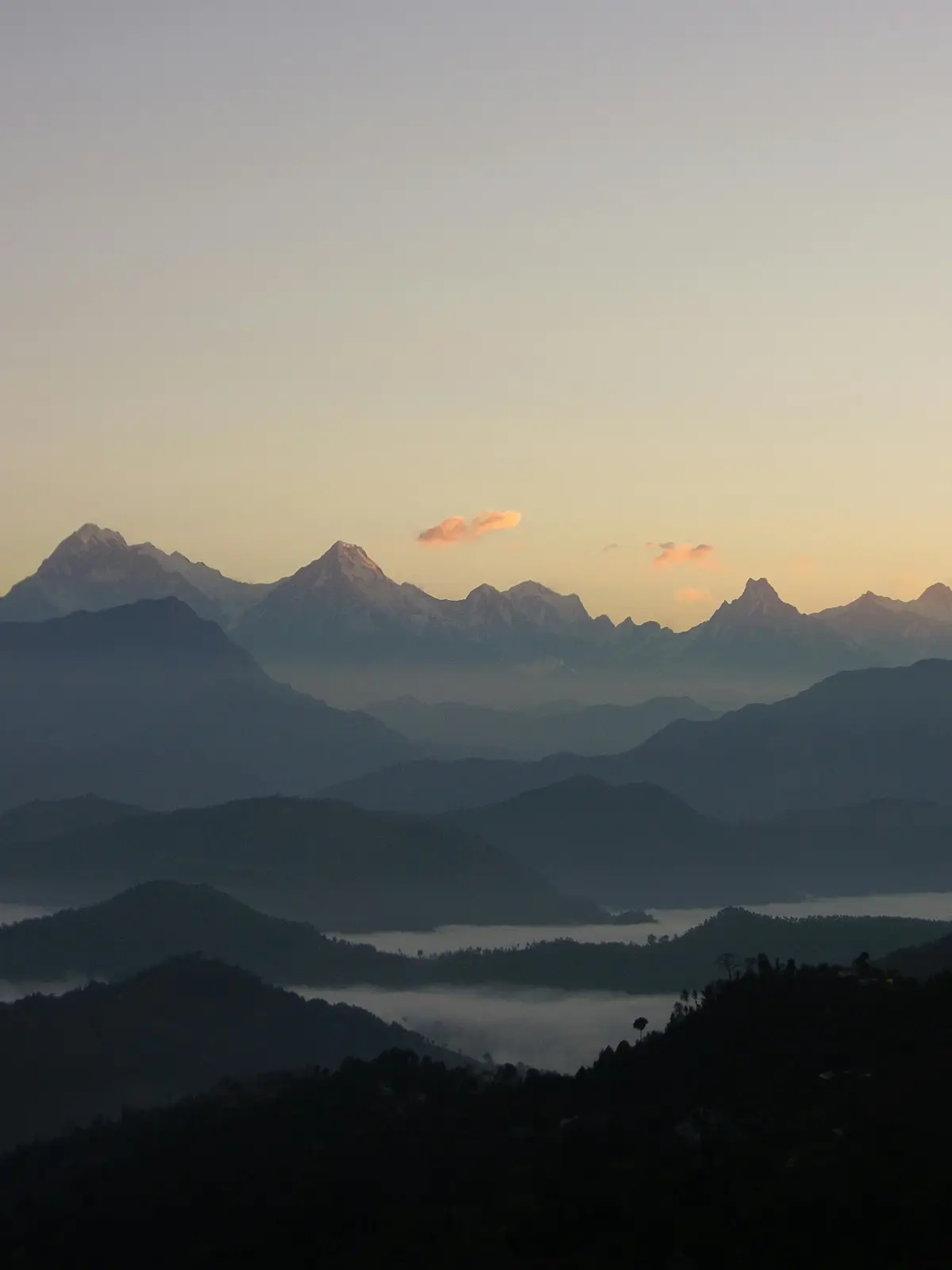
Travelling Nepal is a dream come true for anyone who has imagined wandering among the world’s highest mountains, meeting warm and welcoming locals, and following trails that have been walked for centuries. Trekking here isn’t just about reaching the peaks it’s about soaking in the culture, experiencing a way of life, and feeling nature in its purest form.
Before you lace up your boots, it’s important to know what to expect. Travelling Nepal as a trekker requires preparation, awareness, and respect for the mountains, the trails, and the people you’ll meet along the way. Whether this is your first Himalayan adventure or your tenth, a little knowledge goes a long way. From permits and packing tips to altitude safety and cultural etiquette, here’s everything every hiker should know to make their journey truly unforgettable.
Why Trekking in Nepal Feels Different
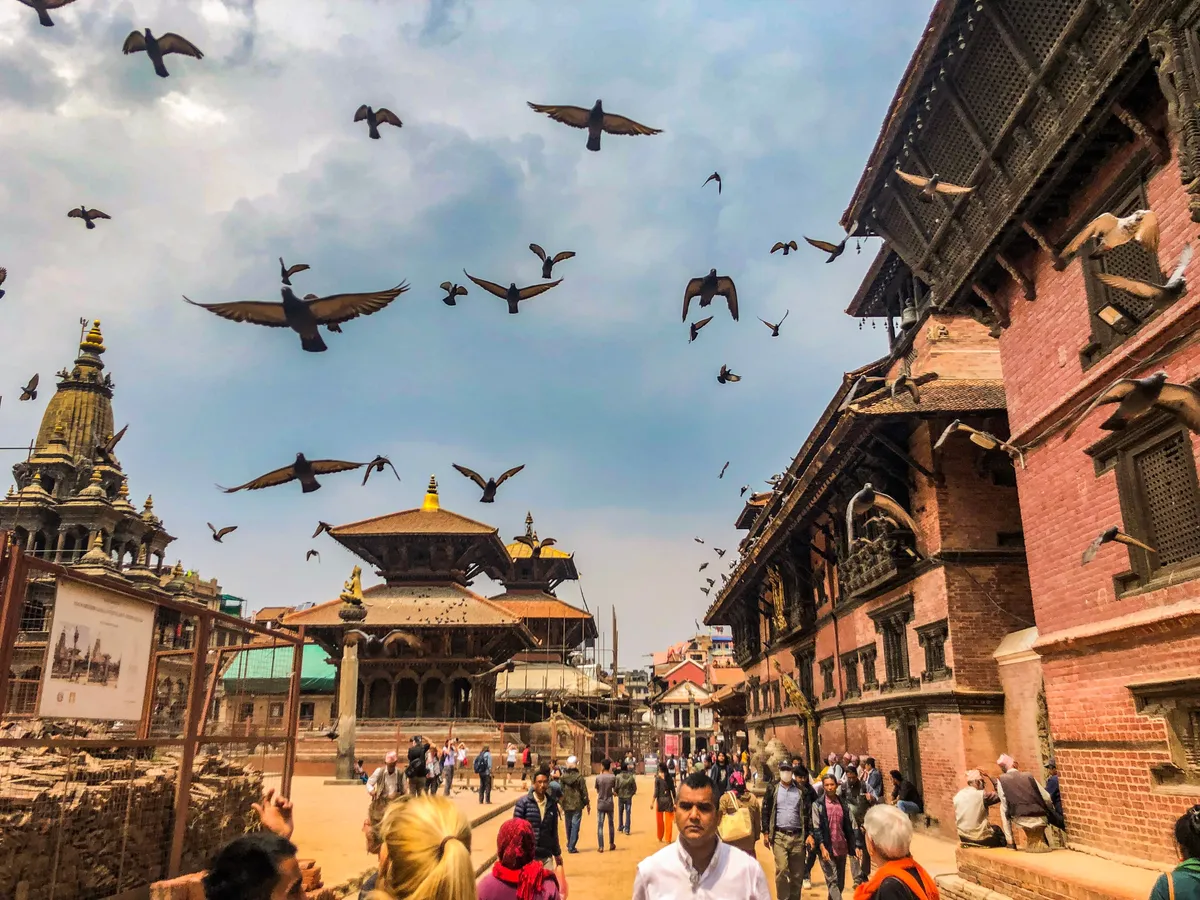
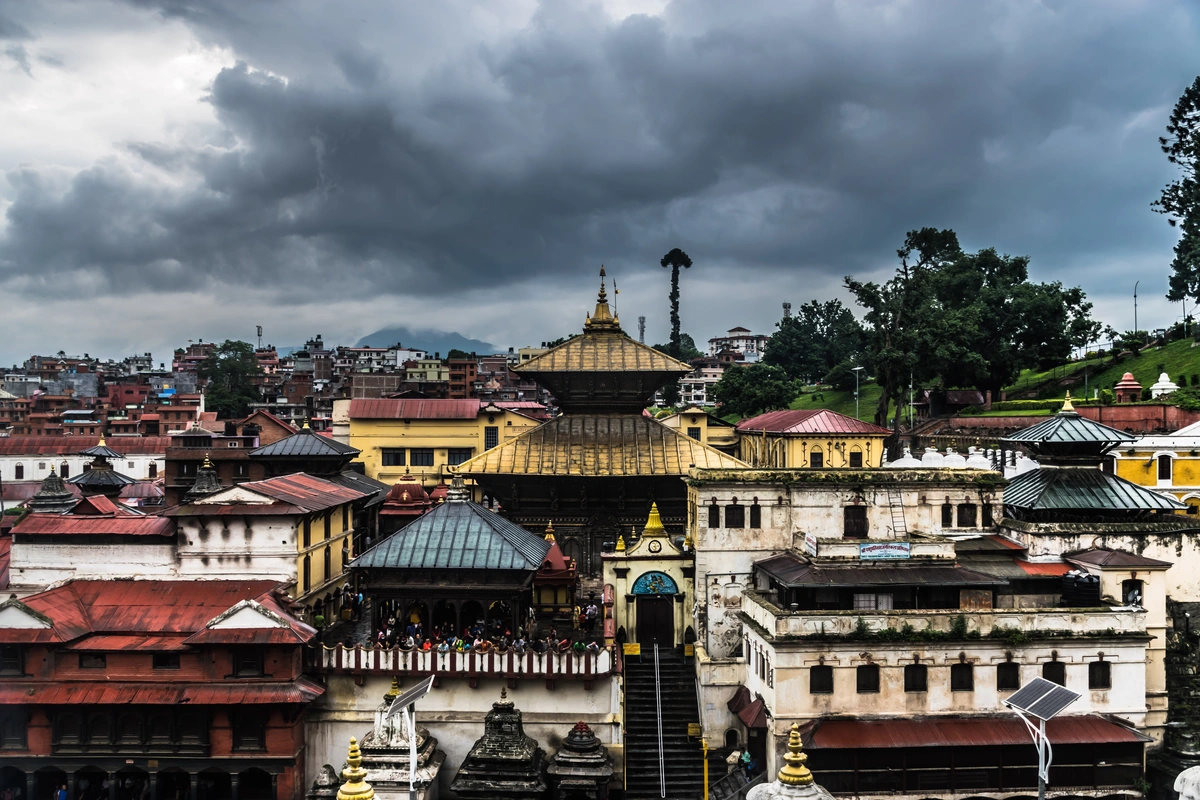
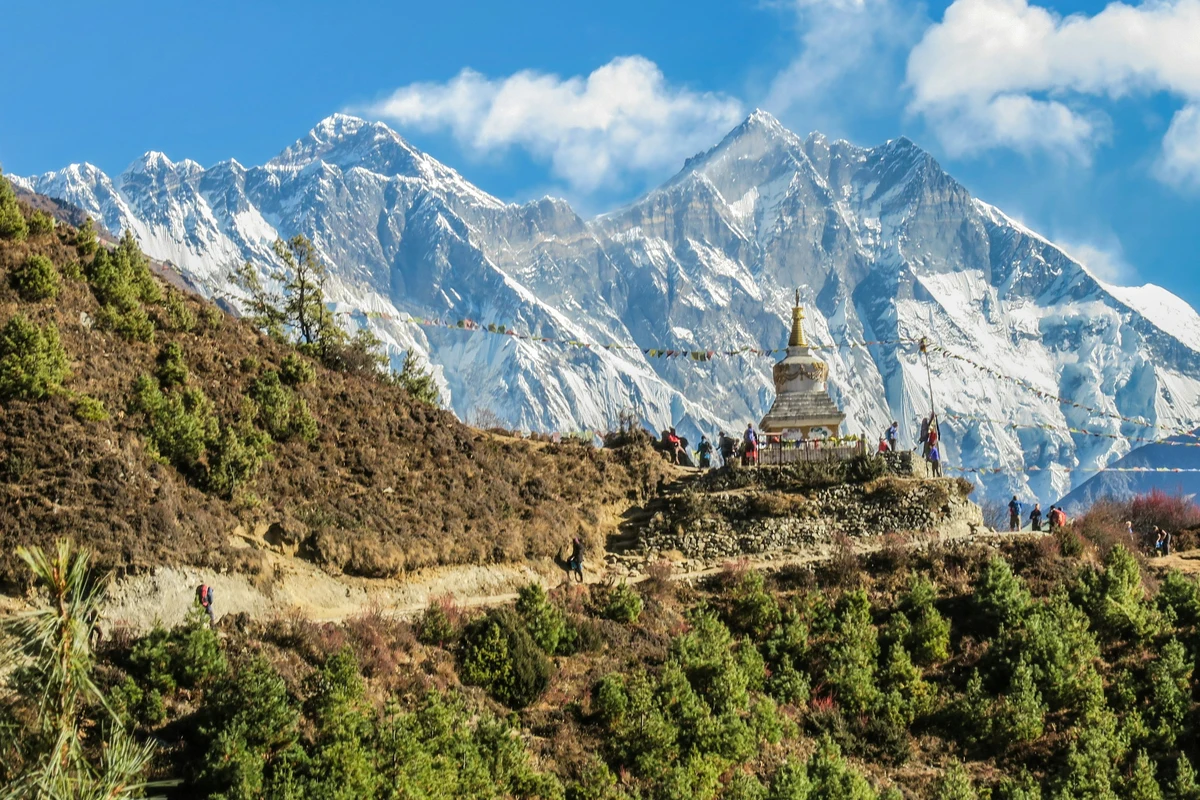
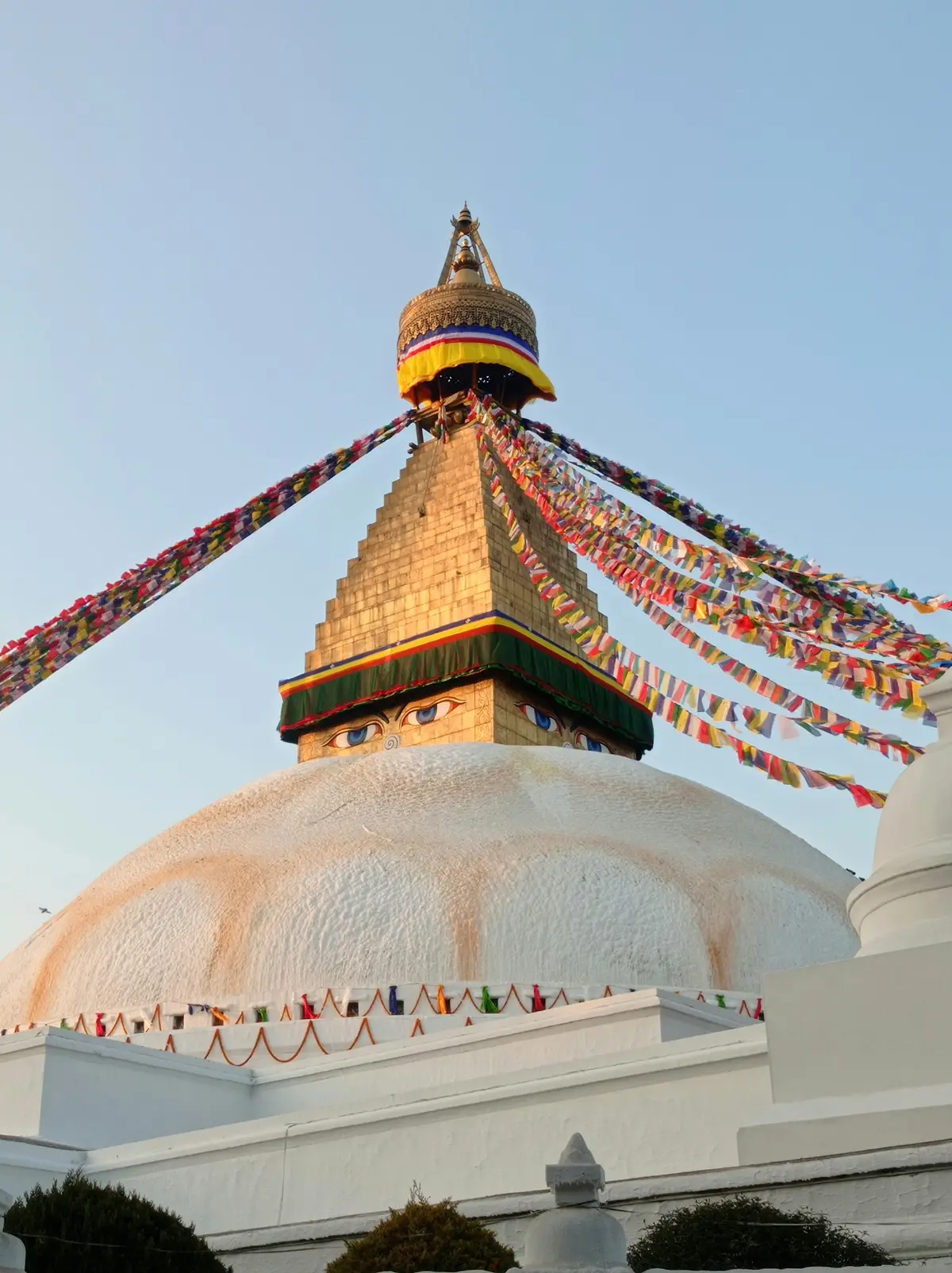
When travelling Nepal, you’ll quickly realize it’s more than just mountains it’s a living, breathing culture. Prayer flags flutter in the wind, monasteries echo with chants, and the warmth of teahouse hospitality makes the experience unforgettable.
Trekking here is more than a hike it’s an adventure for your senses and your soul. If you want a guided journey that helps you fully enjoy travelling Nepal, First Camp Treks can make your trek safe, smooth, and memorable.
The Main Trekking Regions You Should Know
Nepal has several trekking regions, each offering a unique experience for anyone travelling Nepal:
-
Everest Region (Khumbu): Iconic, dramatic scenery and Sherpa culture. The Everest Base Camp trek is world-famous.
-
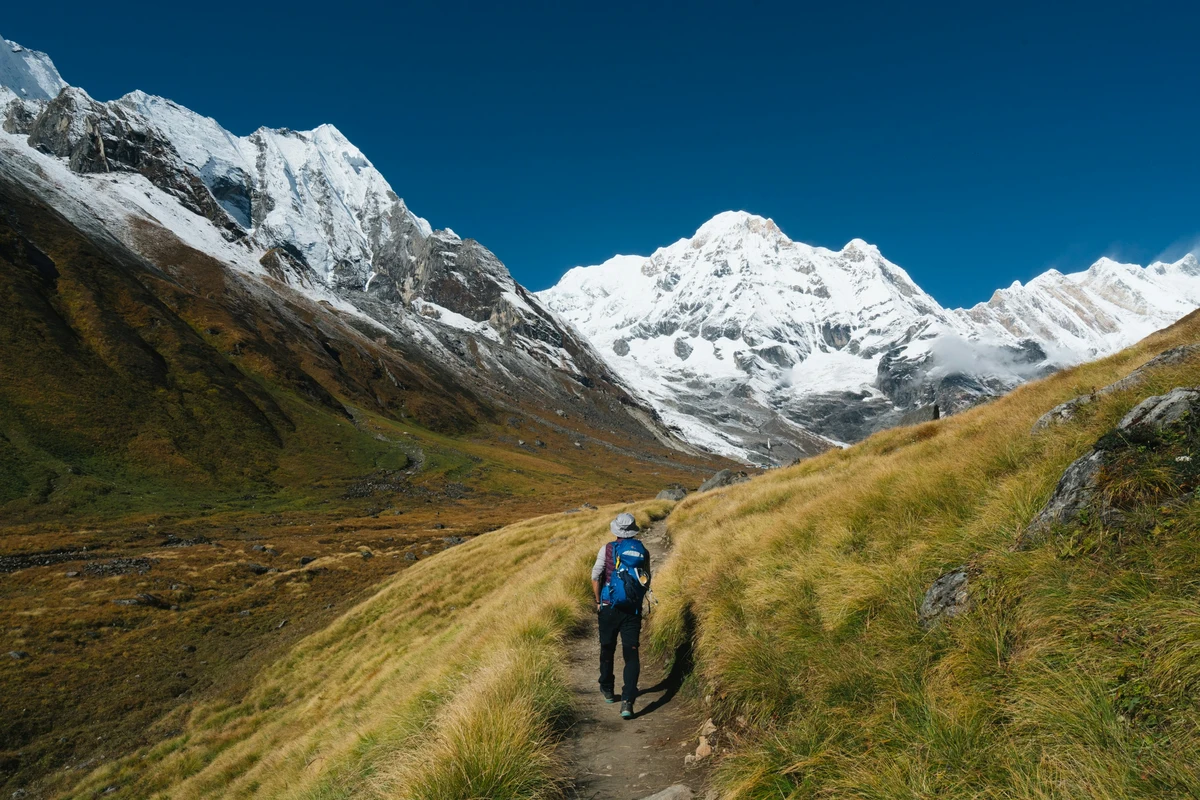
Annapurna Region: Ideal for first-time trekkers, from scenic walks to high passes.
-
Langtang Region: Close to Kathmandu, quieter trails with stunning views and Tamang culture.
-
Manaslu & Restricted Areas: Remote, culturally rich, requiring permits and guides.
Exploring these regions is the heart of travelling Nepal.
When to Trek
Timing is crucial when travelling Nepal:
-
Autumn (Sept–Nov): Clear skies and incredible views.
-
Spring (Mar–May): Blooming rhododendrons and moderate temperatures.
-
Winter (Dec–Feb): Less crowded, colder trails.
-
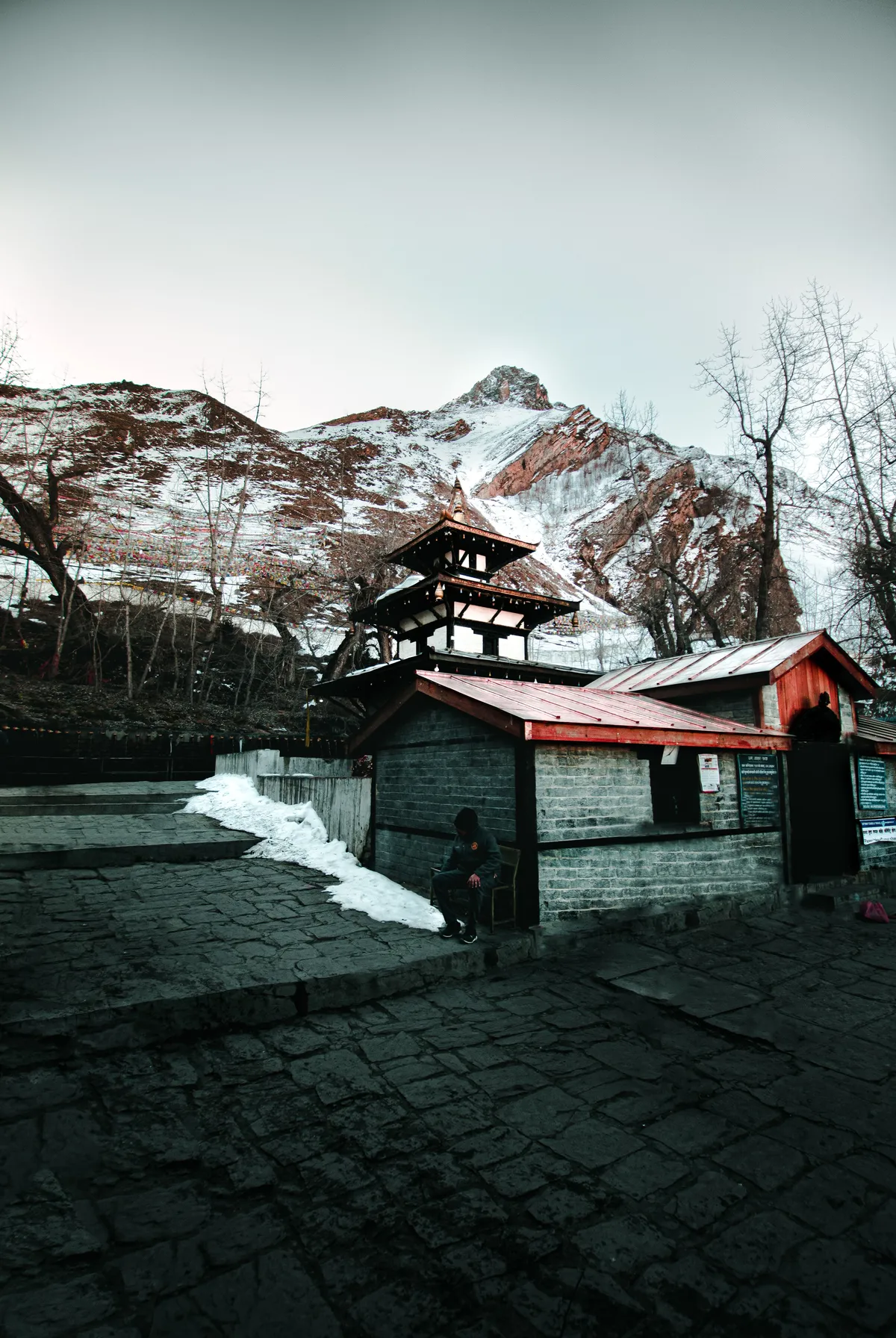
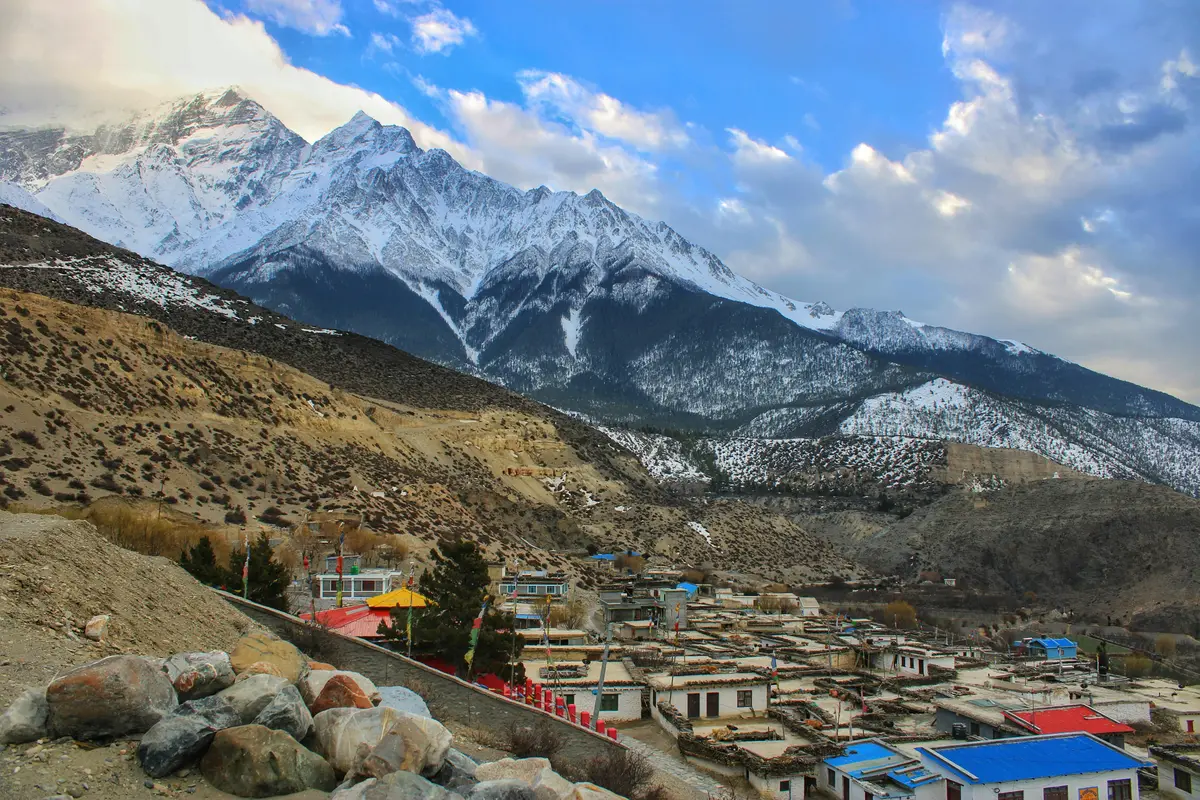
Monsoon (Jun–Aug): Slippery trails, though regions like Upper Mustang remain accessible.
Permits You Can’t Forget
If you are travelling Nepal, don’t forget your permits:
-
National Park or Conservation Area permits
-
Restricted area permits for select regions
Permits keep you safe and help protect the environment.
Packing: Travel Light, Trek Smart
Packing smart is essential for anyone travelling Nepal.
Clothing: moisture-wicking layers, warm mid-layers, waterproof jacket, hat, gloves
Gear: trekking boots, backpack with rain cover, trekking poles, sleeping bag
Essentials: sunscreen, sunglasses, water purifier, basic first-aid kit
Packing wisely ensures comfort and safety during your trek.
Acclimatization & Altitude
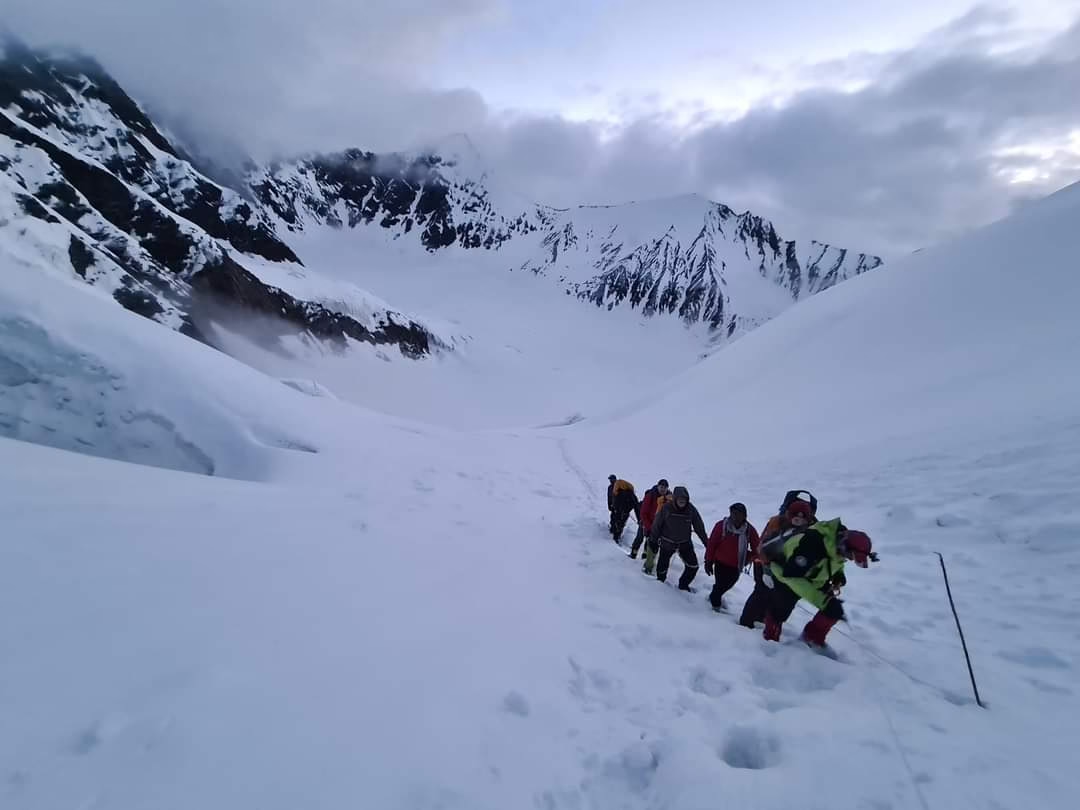
Altitude sickness can affect trekkers travelling Nepal, especially on trails above 4,000 meters.
-
Ascend slowly
-
Take rest days
-
Drink plenty of water
-
Avoid alcohol at high altitudes
Listen to your body it’s better to take it slow than to rush and regret it.
Life in the Teahouses
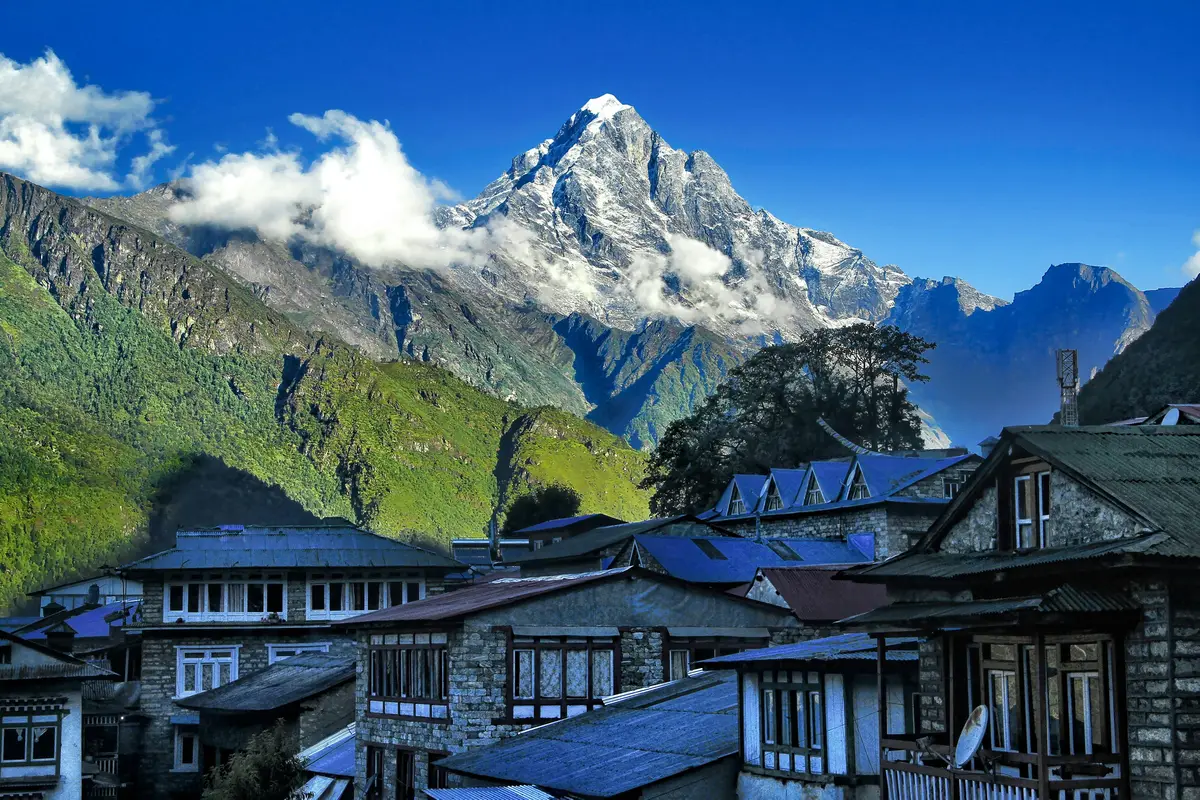
Teahouses are a defining part of travelling Nepal. Simple rooms, shared bathrooms, and hearty meals like dal bhat and momos give trekkers a chance to rest, recharge, and meet fellow travelers.
Supporting teahouses helps local communities and gives a truly authentic experience.
Eating and Drinking
While travelling Nepal, stick to cooked meals, avoid raw foods at high altitudes, and always purify your water. This keeps you safe and energized for long trekking days.
Guides and Porters: Friends on the Trail
Some treks can be done independently, but hiring guides and porters improves your travelling Nepal experience:
-
Guides: know trails, share cultural insights, assist in emergencies
-
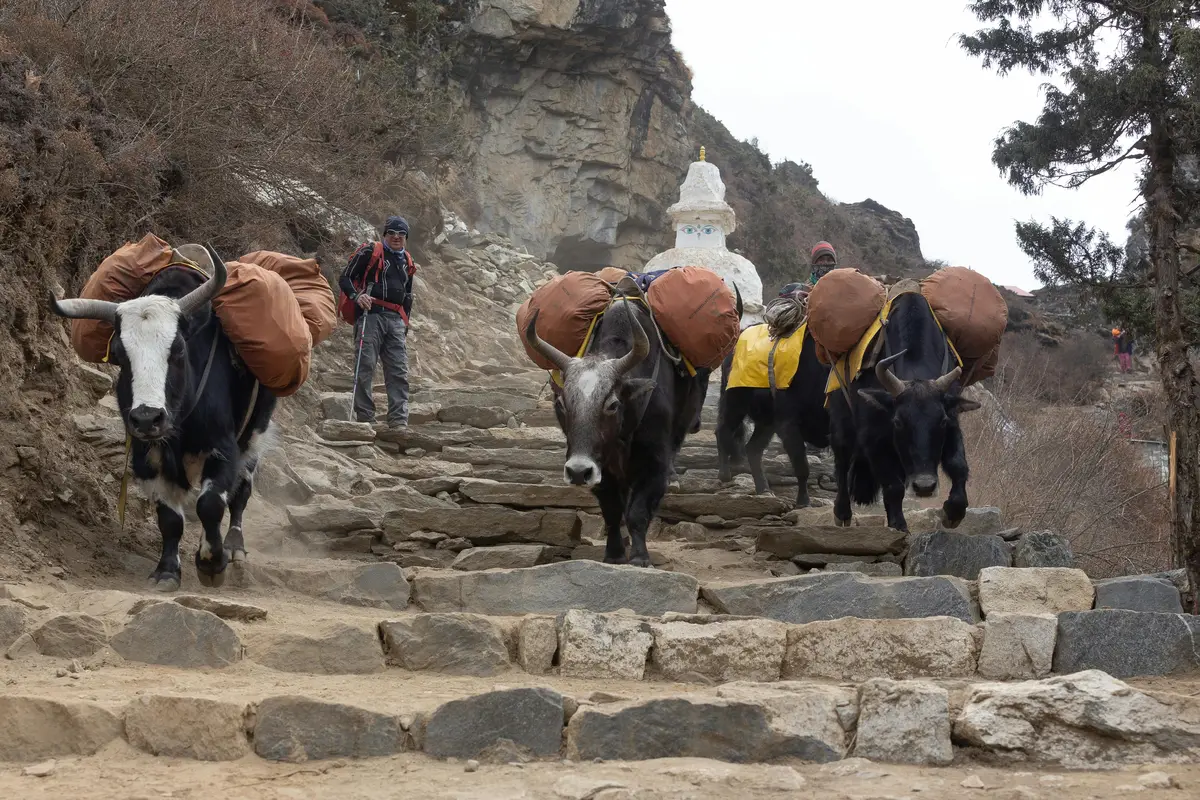
Porters: lighten your load and let you enjoy the journey
Always ensure fair treatment and wages for local staff.
Respecting Culture
Respect is key when travelling Nepal.
-
Walk clockwise around stupas and mani walls
-
Ask before photographing locals
-
Dress modestly in villages
-
Remove shoes before entering homes or monasteries
Even small gestures make a big difference.
Leave No Trace
Nepal’s mountains are fragile. Responsible trekkers travelling Nepal should:
-
Carry out trash
-
Avoid plastic bottles
-
Use eco-friendly products
Sustainable trekking ensures trails remain beautiful for future generations.
Mind & Body Prep
Trekking isn’t just physical it’s mental. Anyone travelling Nepal needs patience, flexibility, and a positive mindset. Approach each day with optimism, and the trek will reward both body and soul.
Why You’ll Never Forget Nepal
Nepal leaves a lasting impact on everyone travelling Nepal. The mountains humble you, locals inspire you, and trail life resets your perspective. Many trekkers return more grounded, grateful, and connected to themselves and the world.
For a good, guided experience, plan your trek with First Camp Trek. They make travelling Nepal safe, comfortable, and unforgettable.