Discover the Best Treks in Nepal: The Ultimate Treking Book in the Himalayas
Discover the Best Treks in Nepal: The Ultimate Treking Book in the Himalayas
Introduction
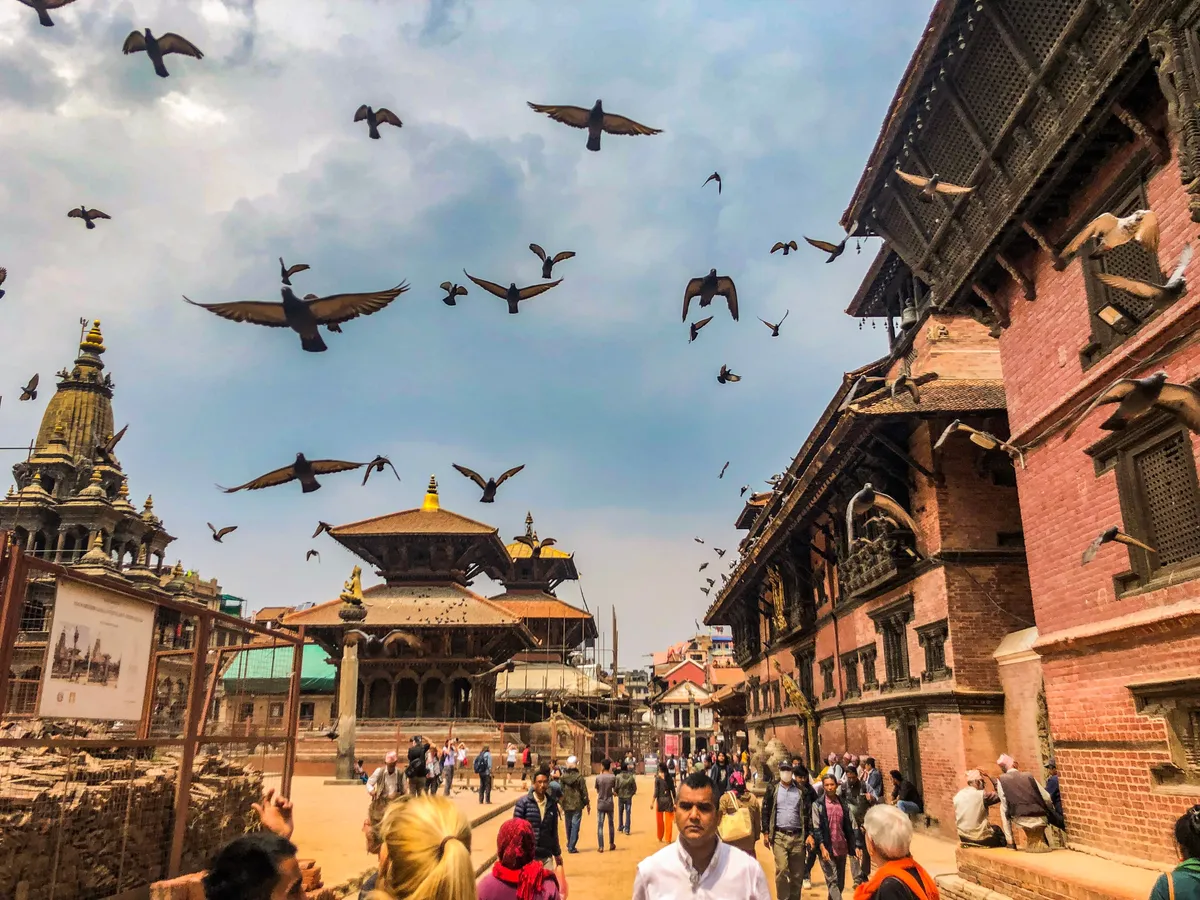
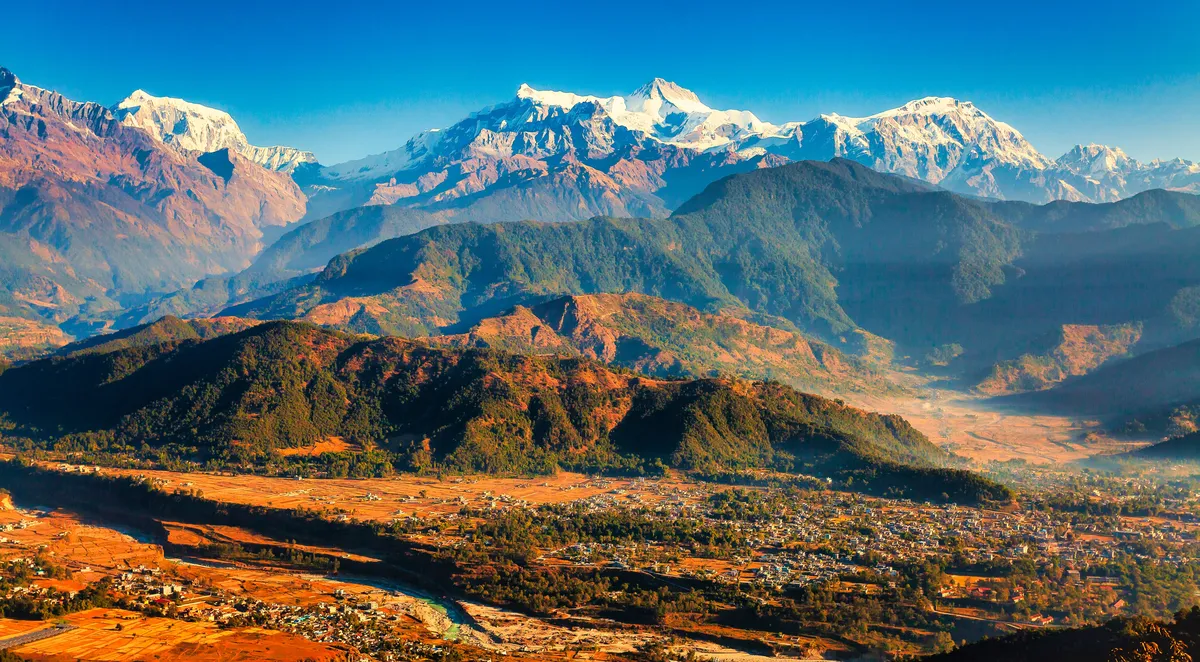
Nepal, cradled by the world’s highest peaks and dotted with ancient villages, is a land where adventure and spirituality converge. With eight of the ten tallest mountains on Earth, including Mount Everest, Nepal trekking is more than just physical challenges they’re gateway to breathtaking landscapes, vibrant cultures, and profound self-discovery. Whether you dream of standing in the shadow of Everest or traversing medieval trade routes in the Annapurna region, trekking in Nepal guide will help you navigate Nepal’s trekking wonders.
Top 5 Treks in Nepal: In-Depth Insights
1. Everest Base Camp Trek
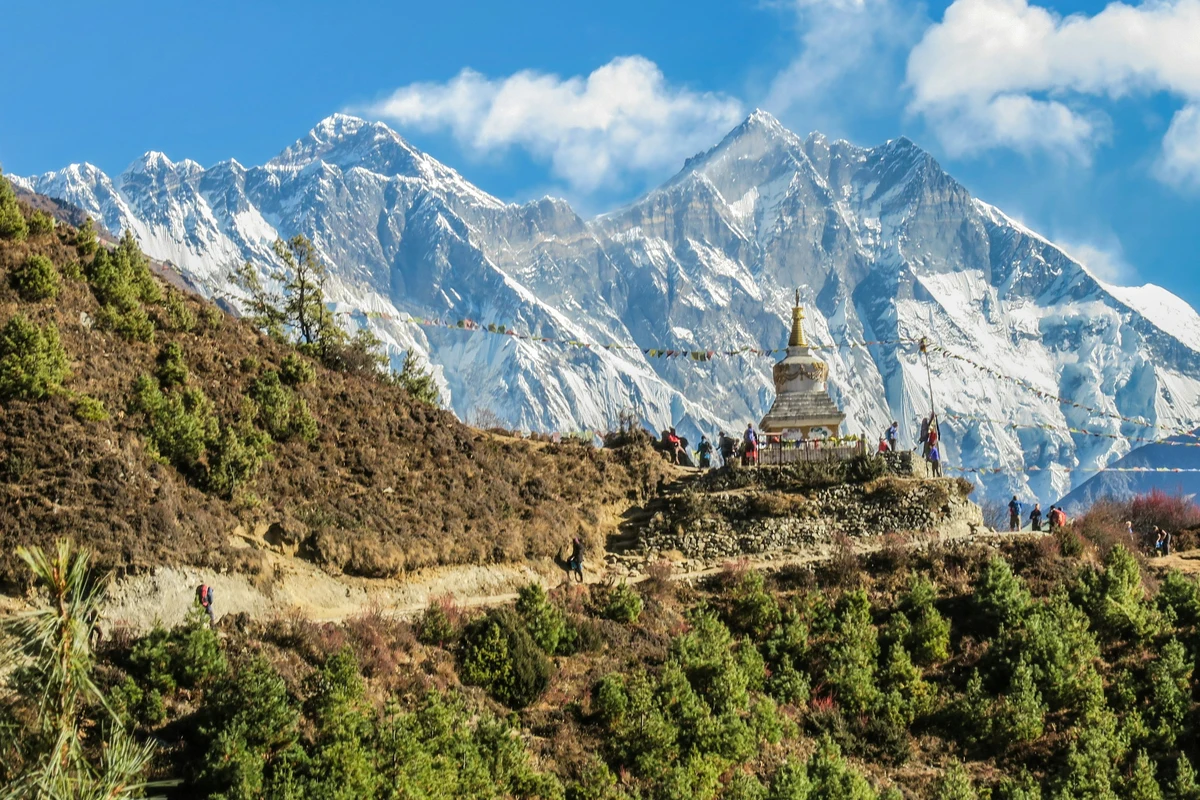
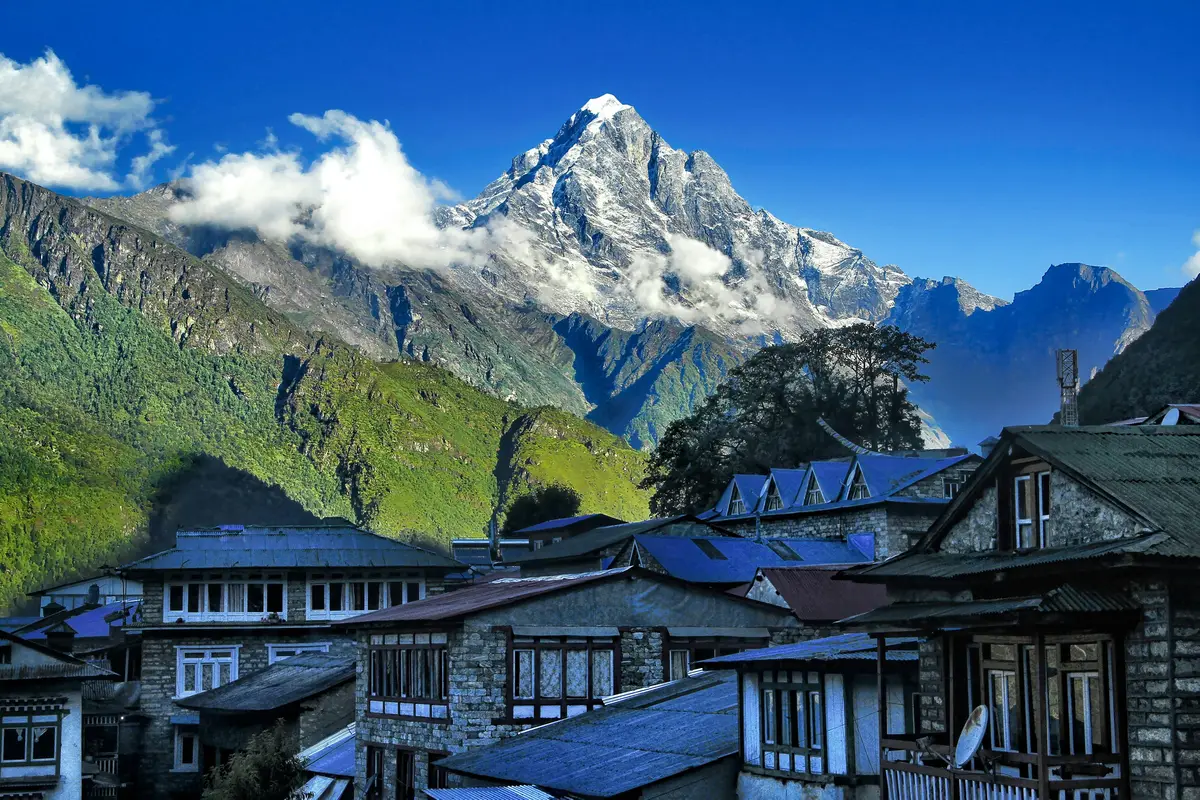
The Everest Base Camp (EBC) Trek isn’t just about Everest. This iconic journey weaves through Sagarmatha National Park, a UNESCO World Heritage Site, where prayer flags flutter against snow-capped peaks and Sherpa villages cling to rugged slopes. Stop at the Tengboche Monastery, the spiritual heart of the Khumbu, to witness monks chanting amidst Himalayan giants. The final ascent to Kala Patthar (5,643m) rewards trekkers with a sunrise view of Everest’s pyramid-like summit glowing gold a moment that etches itself into memory. one of the serene and wondeful yet challenging part of Nepal trekking.
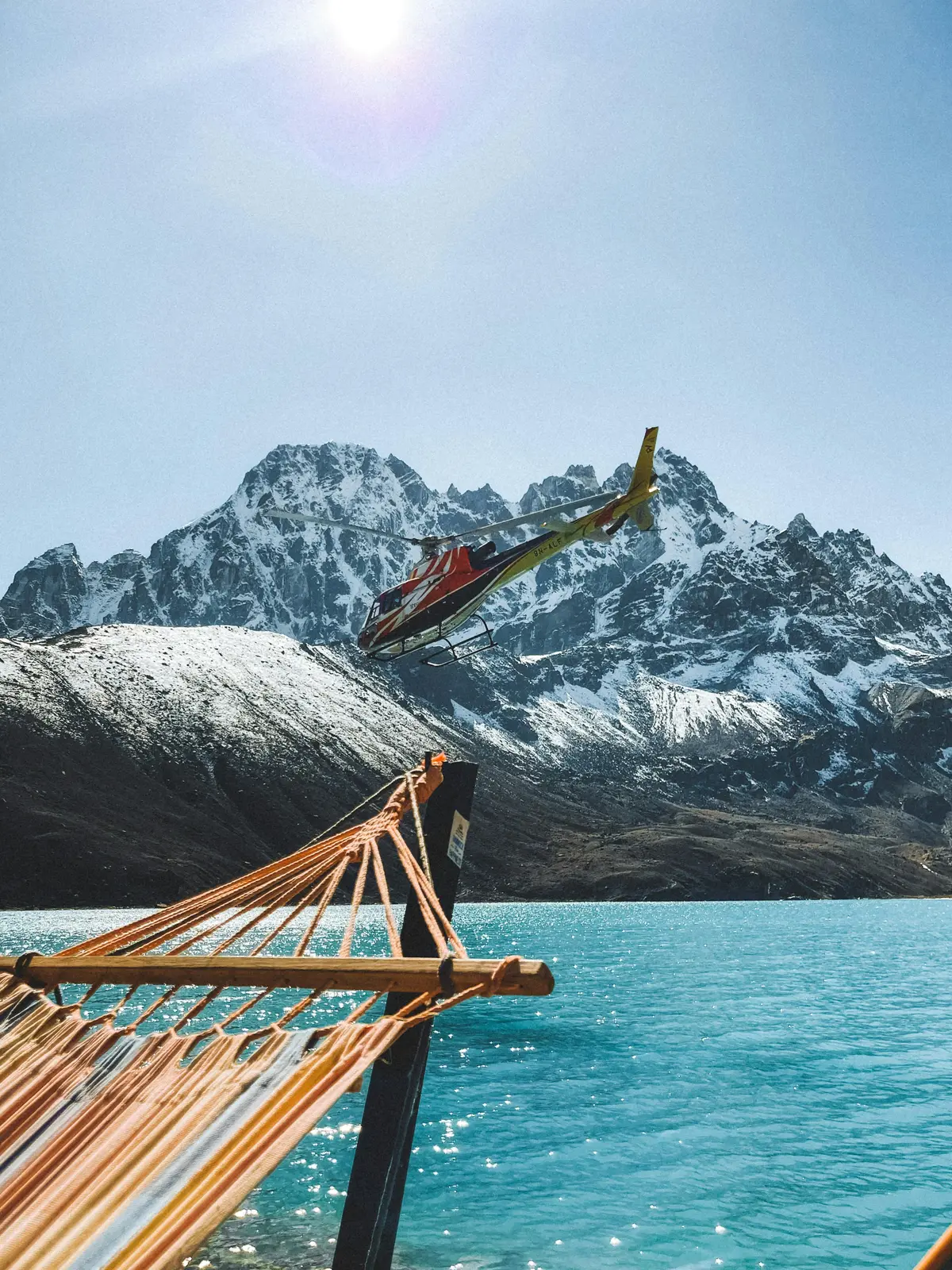
Pro Tip: Extend your trek to Gokyo Lakes for turquoise glacial waters and the lesser-trodden Gokyo Ri viewpoint.
2. Annapurna Circuit Trek
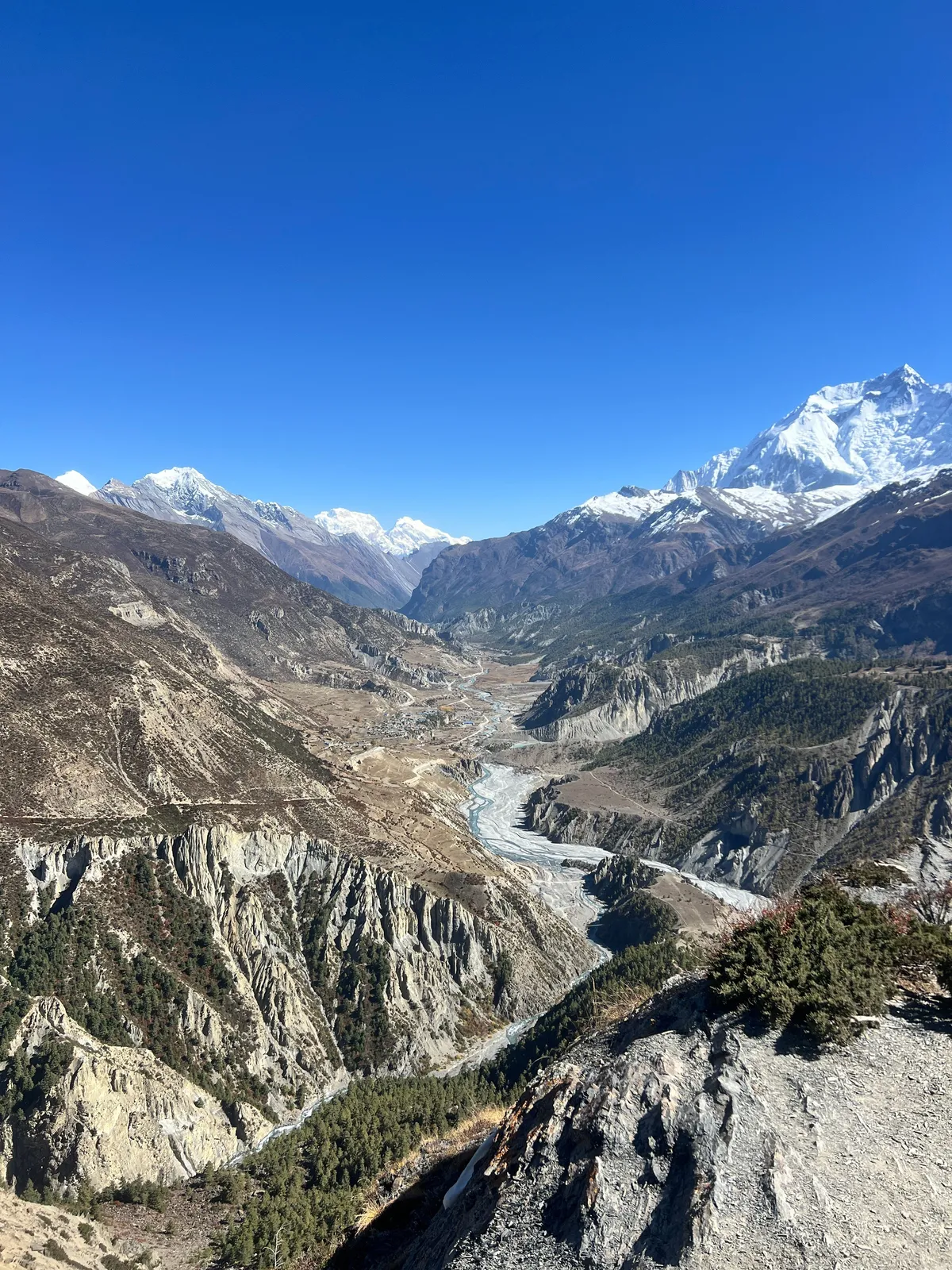
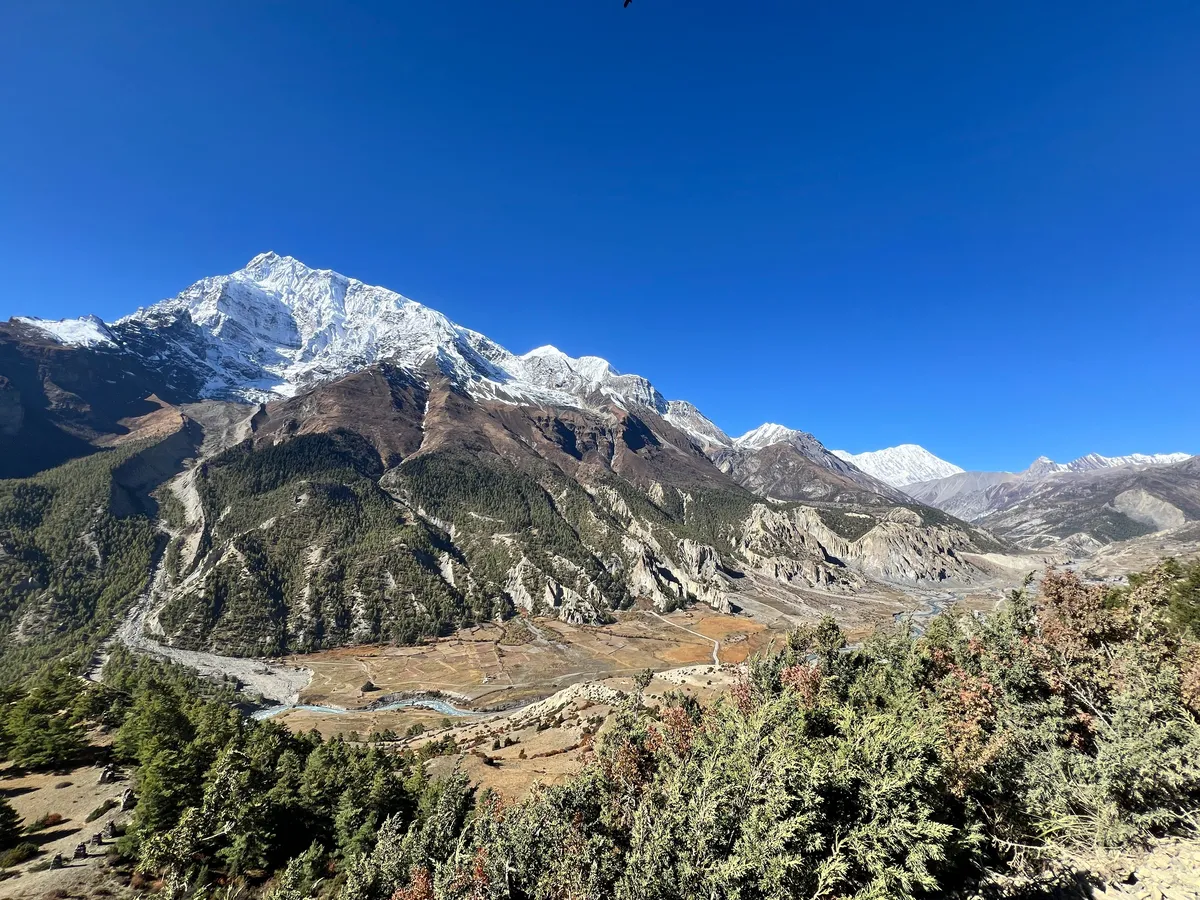
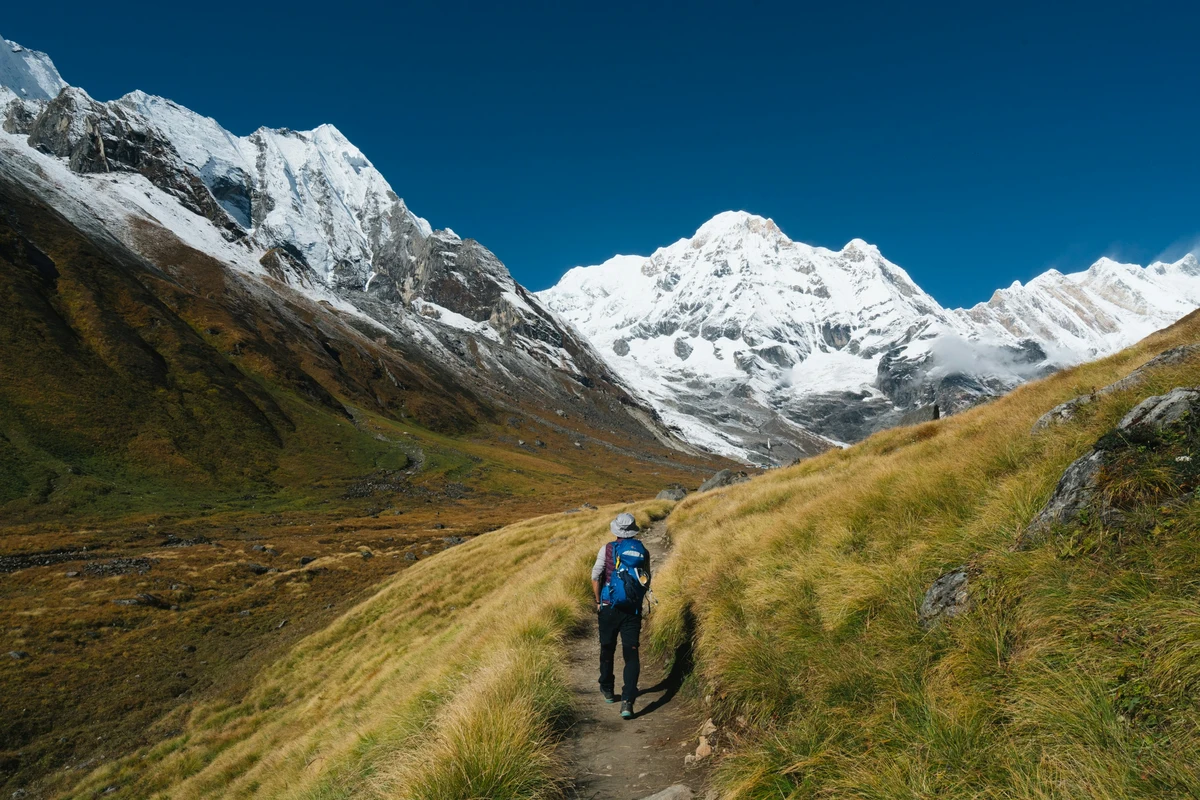
The Annapurna Circuit is a kaleidoscope of ecosystems. Starting in subtropical forests, the trail ascends past terraced rice fields, waterfalls, and pine forests to the arid Tibetan Plateau. Crossing Thorong La Pass (5,416m) is a rite of passage, but the real magic lies in the details: sipping butter tea in Manang, soaking in natural hot springs at Tatopani, and witnessing the sunrise over Dhaulagiri from Poon Hill.
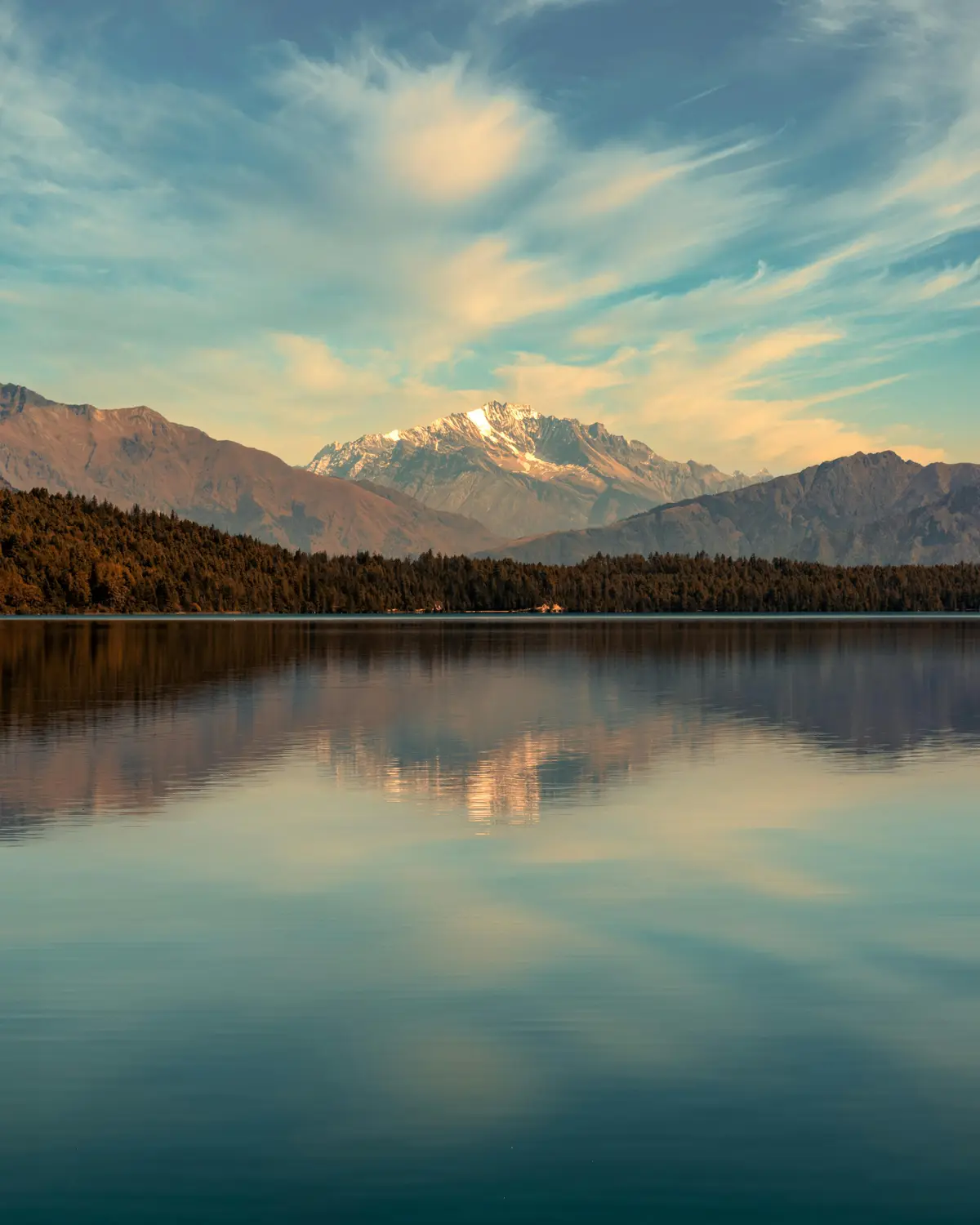
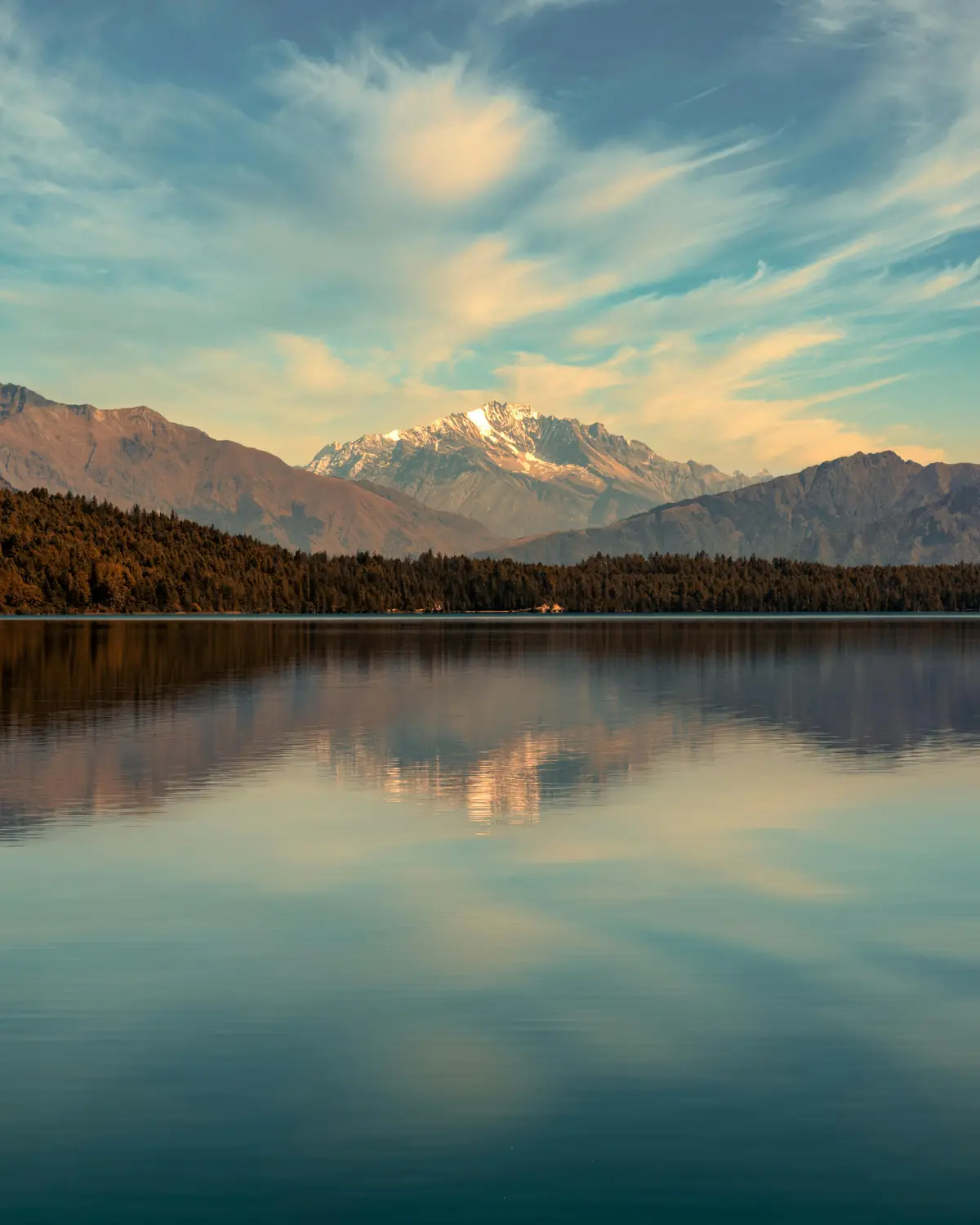
Hidden Gem: Detour to Tilicho Lake, one of the world’s highest lakes, for surreal reflections of the Annapurna massif.
3. Langtang Valley Trek
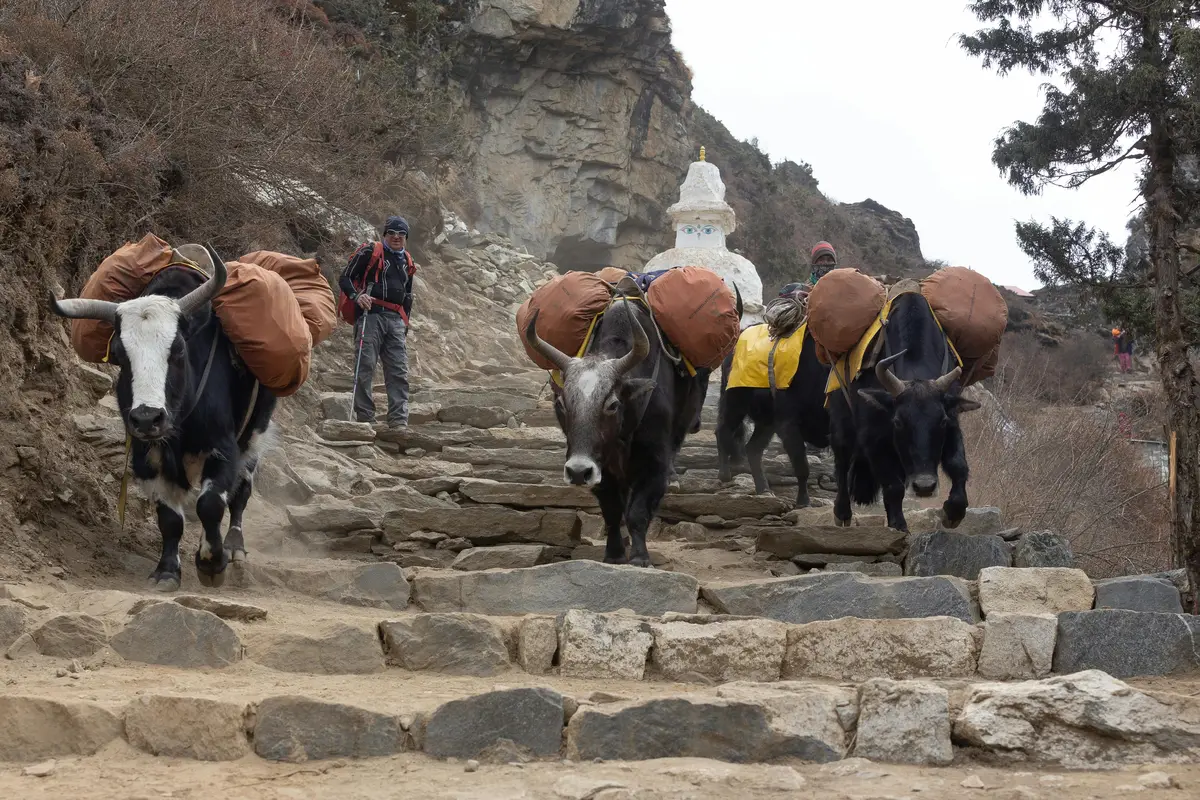
Dubbed the “Valley of Glaciers,” Langtang is a haven for those seeking solitude. Less crowded than Everest or Annapurna, this trek introduces you to Tamang culture, with intricately carved mani walls and traditional homestays. It is beginner friendly treks in Nepal. The trail winds through rhododendron forests and pastures where yaks graze, culminating at Kyanjin Gompa, a 400-year-old monastery framed by snow-clad peaks.
Why Go? Perfect for shorter itineraries or combining with the Tamang Heritage Trail for a cultural deep dive.
4. Manaslu Circuit Trek
The Manaslu Circuit is Nepal’s best-kept secret. Circling the eighth-highest peak, Mount Manaslu (8,163m), this trek blends raw Himalayan beauty with Tibetan Buddhist culture. Traverse suspension bridges over the Budhi Gandaki River, pass through stone villages like Samagaon, and cross the dramatic Larkya La Pass (5,106m). With restricted permits, the trail retains an untouched charm.
Cultural Highlight: Explore ancient monasteries in Lho Village, where prayer wheels spin with whispers of centuries-old traditions.
5. Upper Mustang Trek
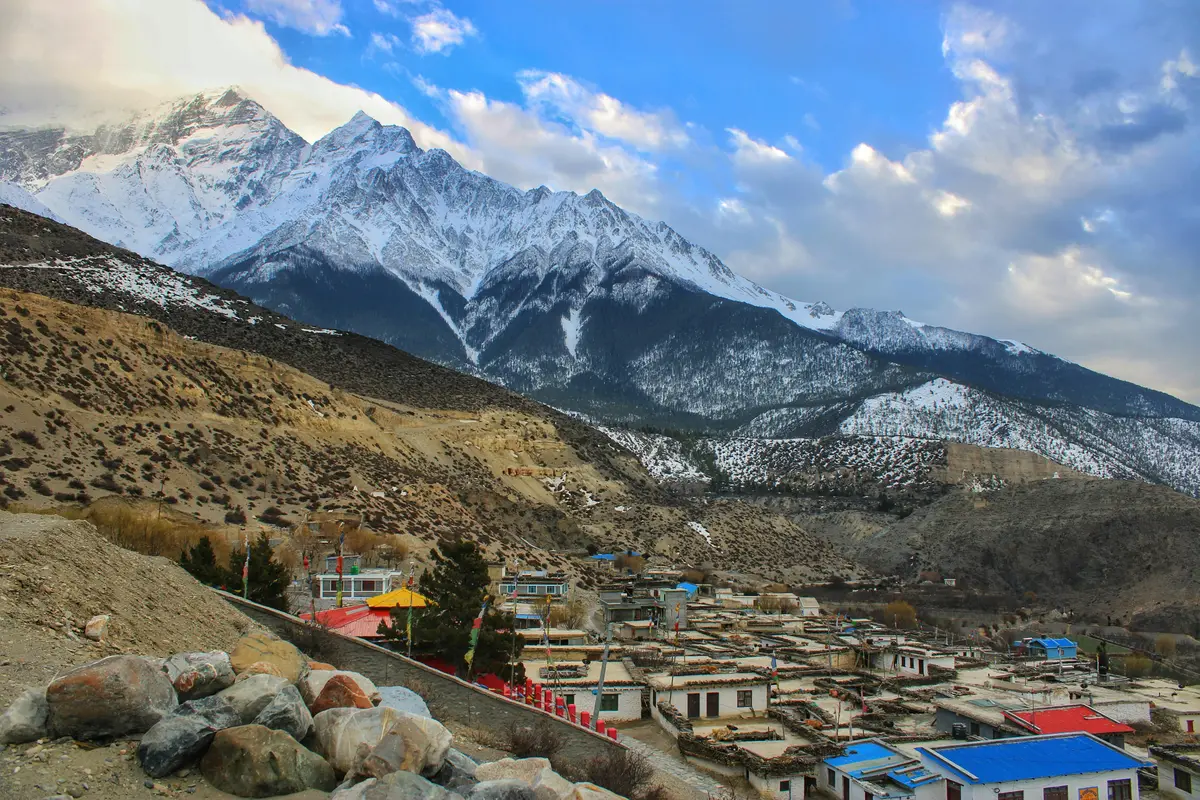
Step into the “Last Forbidden Kingdom” of Upper Mustang, a windswept desert resembling Tibet. Once a restricted region, it’s now accessible to trekkers willing to venture off-grid. Explore the walled city of Lo Manthang, where ochre cliffs hide labyrinthine caves and 15th-century monasteries. The Tiji Festival (May) is a spectacle of masked dances celebrating the triumph of good over evil.
Unique Experience of trekking in Nepal: Ride a mountain bike through the Kali Gandaki Gorge during Nepal trekking, the world’s deepest gorge. One of the unique experiences of treks in Nepal.
Find out more about trekking packages by clicking below:
- Annapurna Base Camp Packages
- Everest Base Camp Packages
- Langtang Trek Packages
- Manaslu Circuit Packages
Seasonal Guide: When to Trek in Nepal
Nepal’s trekking seasons are shaped by the monsoon and Himalayan winters:
- Spring (March-May): Ideal for rhododendron blooms in Ghorepani and warmer temperatures. Crowds begin to build before peak season.
- Autumn (September-November): Crystal-clear skies post-monsoon. Best for high-altitude treks like EBC and Annapurna.
- Winter (December-February): Challenging for high passes due to snow, but perfect for lower-altitude treks like Pokhara’s Ghorepani Poon Hill.
- Summer/Monsoon (June-August): Lush greenery in the foothills, but leeches and landslides make trails like Langtang tricky.
Trek Preparation: Beyond the Basics
- Permits Made Easy for treks in Nepal:
- Restricted Area Permits: Required for Manaslu, Upper Mustang, and Upper Dolpo. Partner with a registered agency for seamless processing.
- National Park Fees: Pay at entry points (e.g., Sagarmatha National Park for Everest).
- Training Smart:
- Start cardio workouts (hiking, cycling) 3 months prior.
- Practice stair climbing with a loaded backpack to simulate mountain trails.
- Packing Like a Pro:
- Footwear: Break in waterproof boots beforehand.
- Layers: Merino wool base layers, down jacket, and a windproof shell.
- Gadgets: Solar chargers (teahouses often charge extra for electricity).
- Altitude Awareness:
- Ascend slowly (max 500m elevation gain per day above 3,000m).(Applicable for all high altitude Nepal trekkking routes).
- Hydrate with 4-5 liters of water daily and avoid alcohol.
Cultural Immersion: Connect with Nepal’s Soul
- Teahouse Tales: Stay in family-run lodges to share stories over dal bhat (lentil curry). Treks in Nepal follow teahouse tradition where every house has a unique story to tell. In Langtang, try yak cheese made in local cooperatives.
- Festival Magic: Time your trek with Dashain (October) for kite-flying in Kathmandu or Losar (Tibetan New Year) in Upper Mustang.
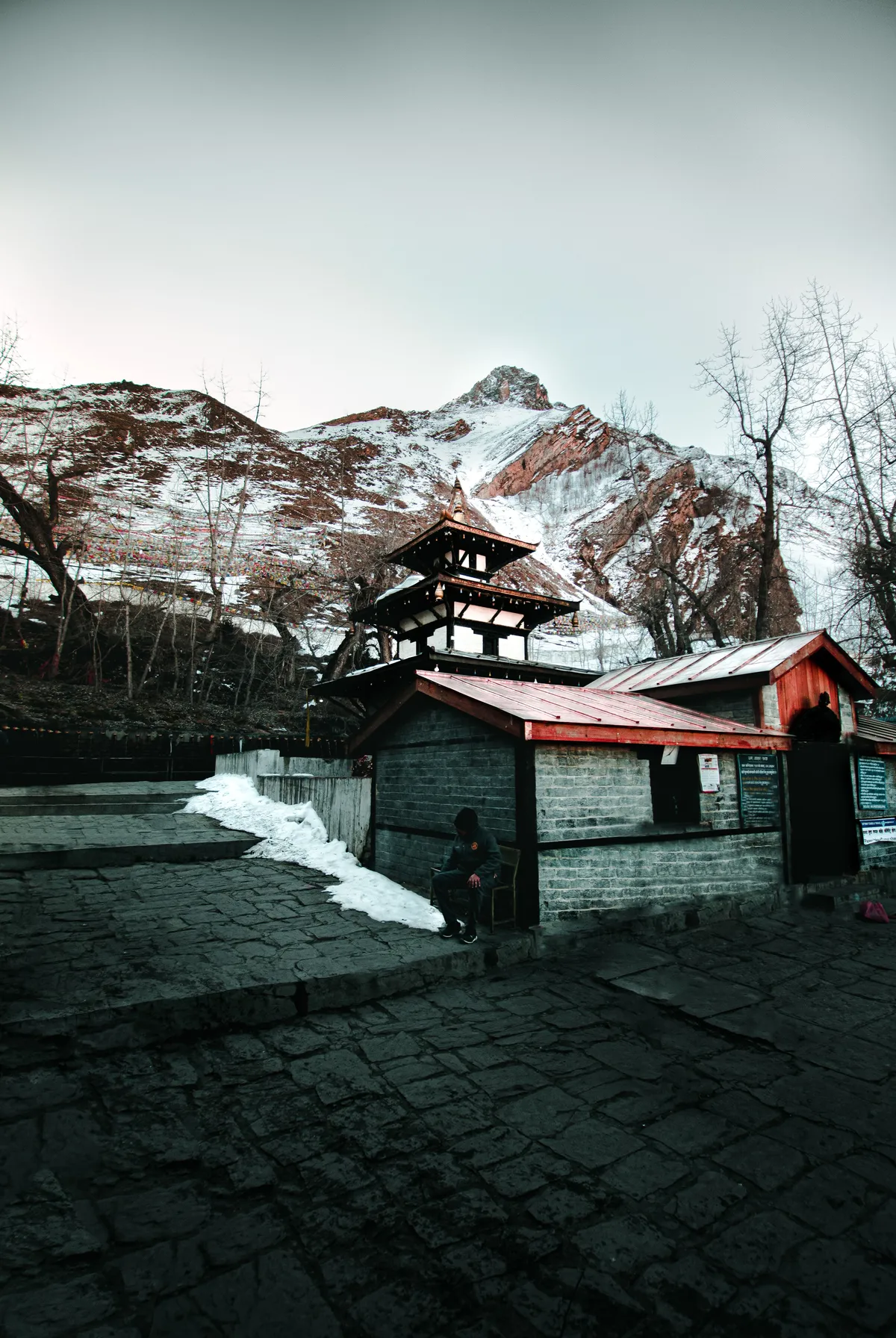
- Sacred Sites: Seek blessings at Muktinath Temple (Annapurna) or meditate at Kopan Monastery near Kathmandu.
Sustainable Trekking in Nepal: Protect the Peaks
Nepal’s fragile ecosystems demand responsible travel:
- Leave No Trace: Carry reusable bags for waste and avoid disposable plastics.
- Support Community Tourism: Book homestays in villages like Ghandruk (Annapurna) to directly uplift locals.
- Wildlife Respect: Spot red pandas in Langtang or musk deer in Sagarmatha but keep a safe distance.
Why Travel with First Camp Trek?
We’re not just guides; we’re storytellers, safety experts, and your bridge to Nepal’s hidden wonders:
- Local Expertise for all treks in Nepal: Our guides grew up in the Himalayas and share insider knowledge.
- Tailored Adventures: Add a Chitwan jungle safari or a Bhutan extension to your trek.
- Safety First: We monitor weather, carry emergency oxygen, and prioritize acclimatization.
- We adhere to standards by Nepal’s Ministry of Tourism.
Conclusion: Your Himalayan Story Begins Here
Nepal trekking trails are more than dirt paths they’re threads connecting ancient cultures, towering peaks, and the human spirit. Whether you’re a solo traveler seeking solitude or a family craving shared adventure, Nepal delivers. At [Your Company Name], we don’t just plan trips; we craft journeys that linger in your heart long after you’ve returned home.
Take the First Step: [Explore Our Trekking Packages] or [Contact Us] for a personalized itinerary of your treks in Nepal!
FAQs Expanded
Q: Are Nepal treks safe for solo female travelers?
A: Yes! Nepal is known for its hospitality. Stick to popular trails, hire a female guide on request, and dress modestly in villages.
Q: What’s the average cost of a Nepal trek?
A: Budget 1,000-2,500 depending on duration, permits, and comfort level. Camping treks cost more than teahouse stays.
Q: Can I complete trekking in Nepal with children?
A: Shorter routes like Ghorepani Poon Hill (4-5 days) are family-friendly. Ensure kids are acclimatized and engaged with cultural activities.