Why Travel and Tourism in Nepal is Booming: Mountains, Culture, and Beyond
Why Travel and Tourism in Nepal is Booming: Mountains, Culture, and Beyond
Introduction
Tourism in Nepal has now materialized as one of the country’s highest revenue earners and an essential part of its international image. In recent decades, an increasing number of foreign tourists have been attracted to the charm, culture, and adventure of Nepal. From mountain peaks high up in the skies to ancient temples, and from thrilling adventures to peaceful religious shrines, the unbeatable combination of experiences in Nepal has fueled the growth of tourism in Nepal. The rise in tourist arrivals reflects the country’s focus on promoting its unique offerings and the growing global desire for destinations that blend culture, adventure, and authenticity.
The Attraction of the Himalayas
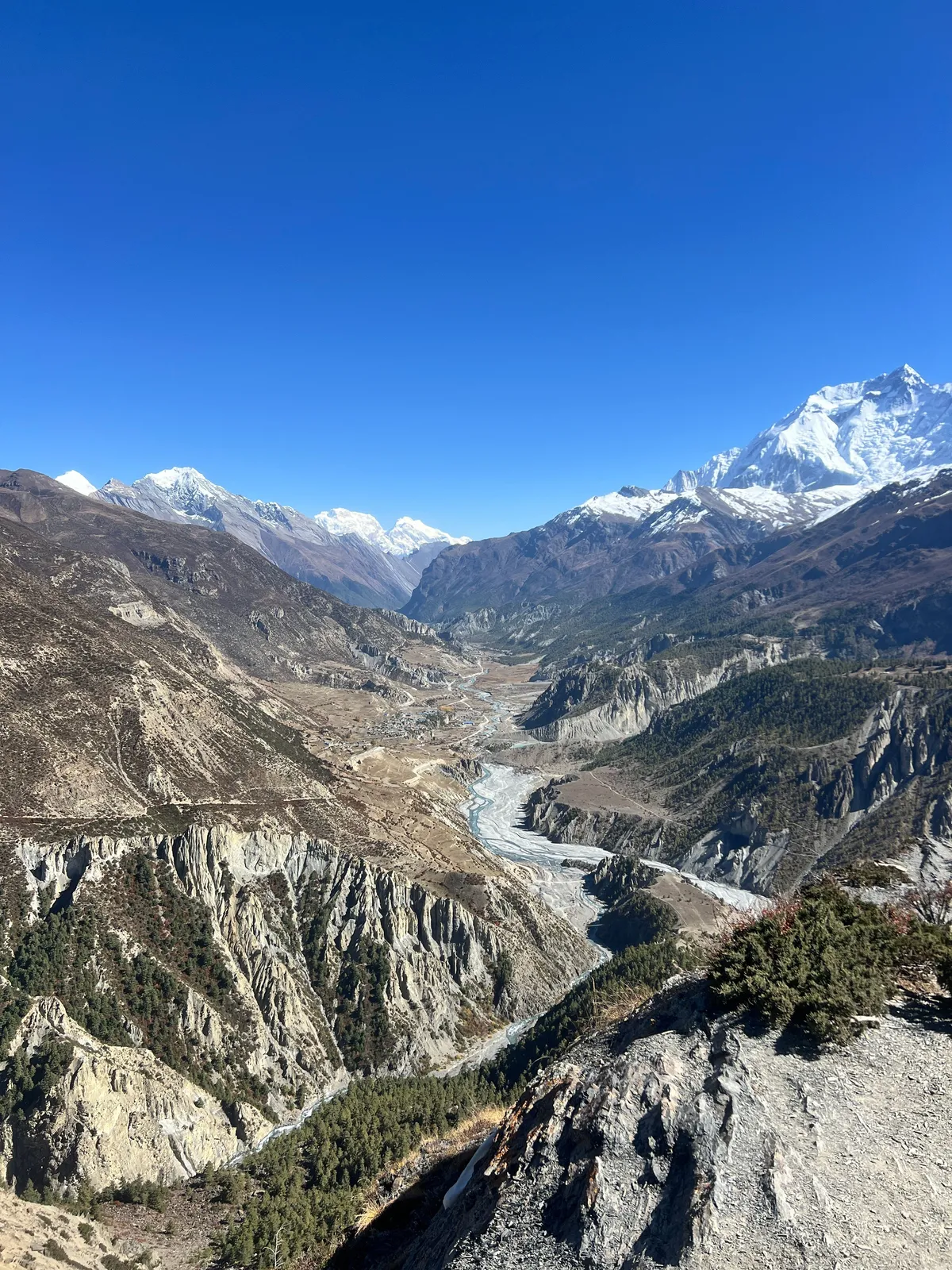
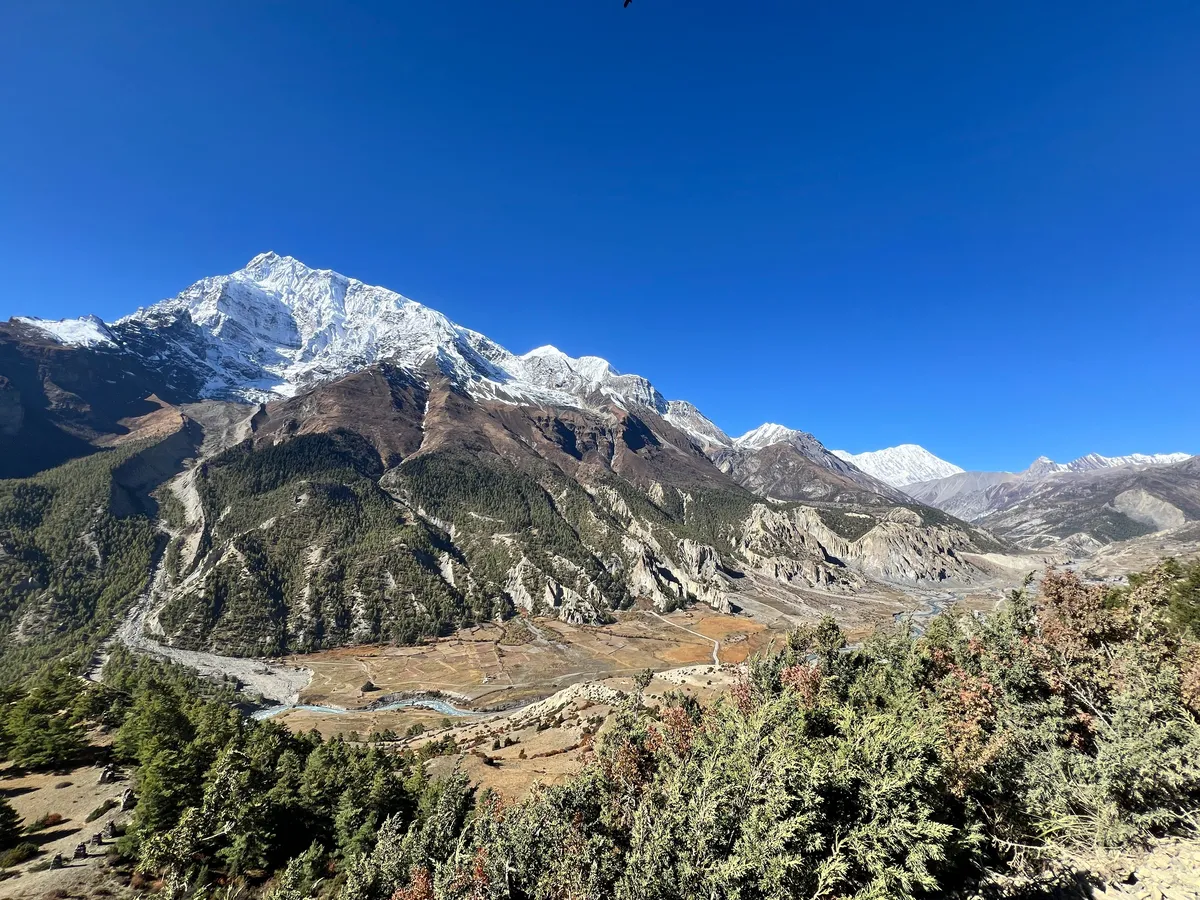
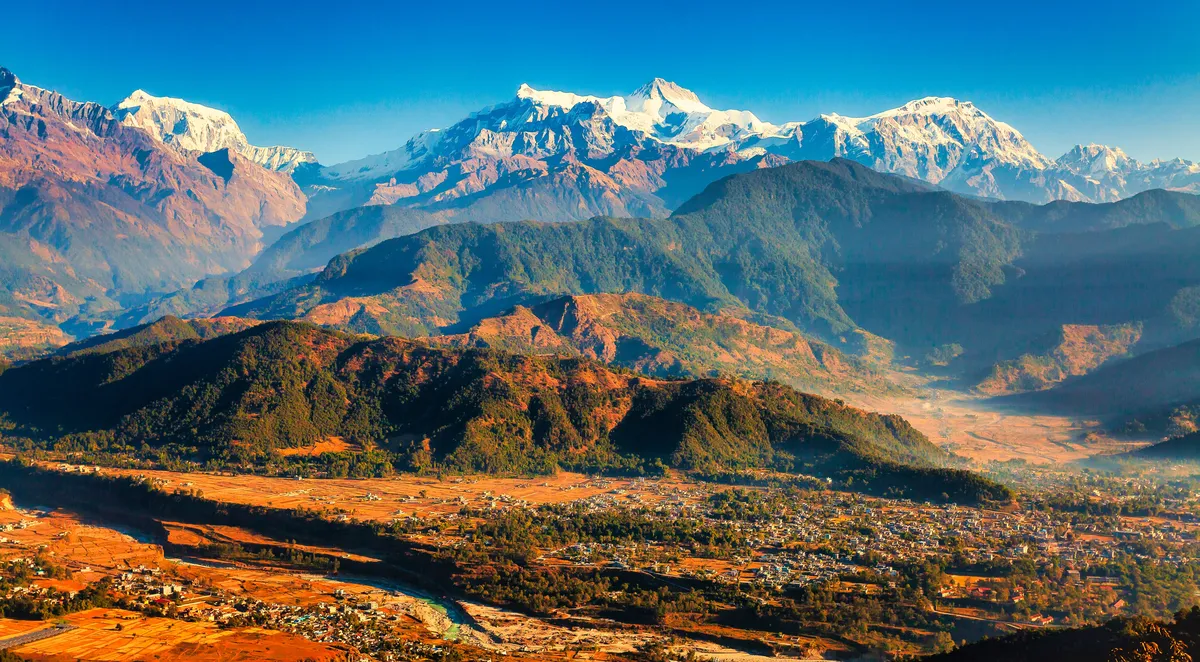
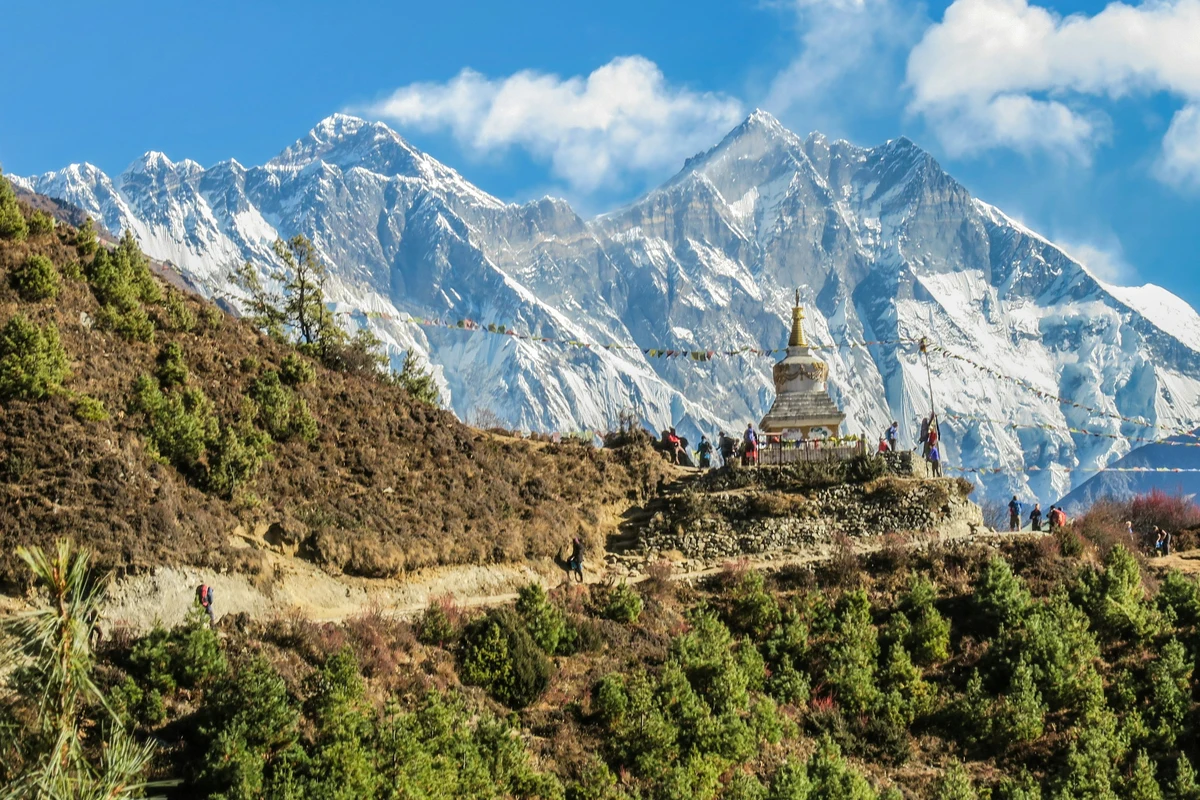
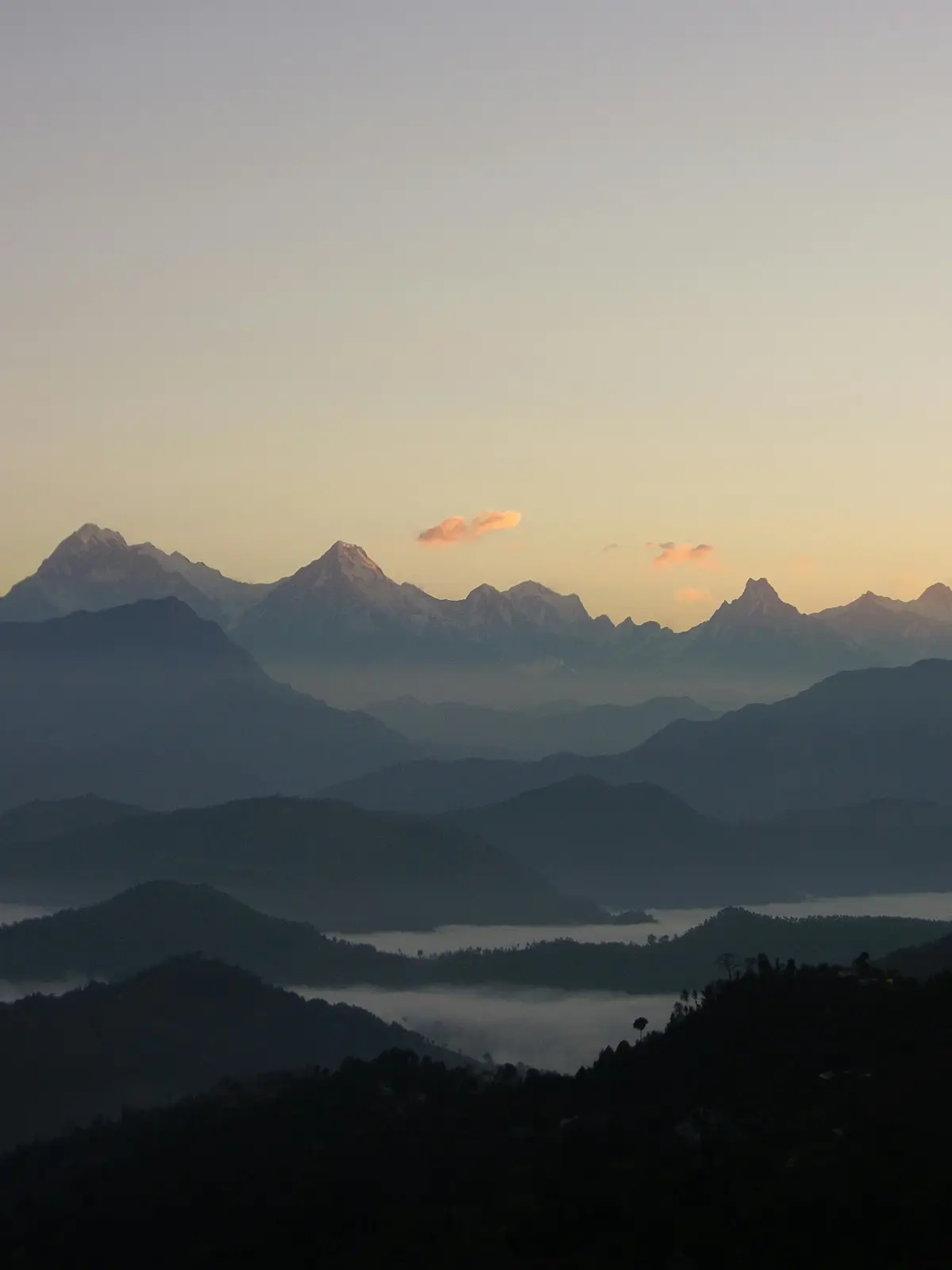
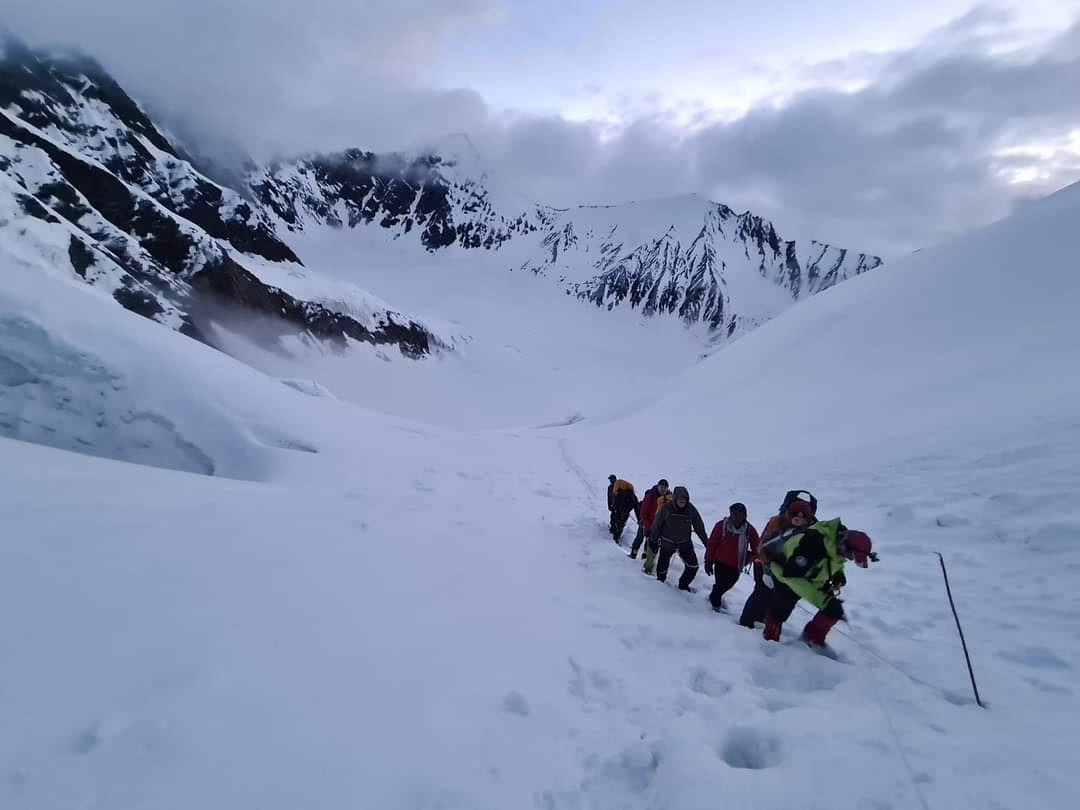
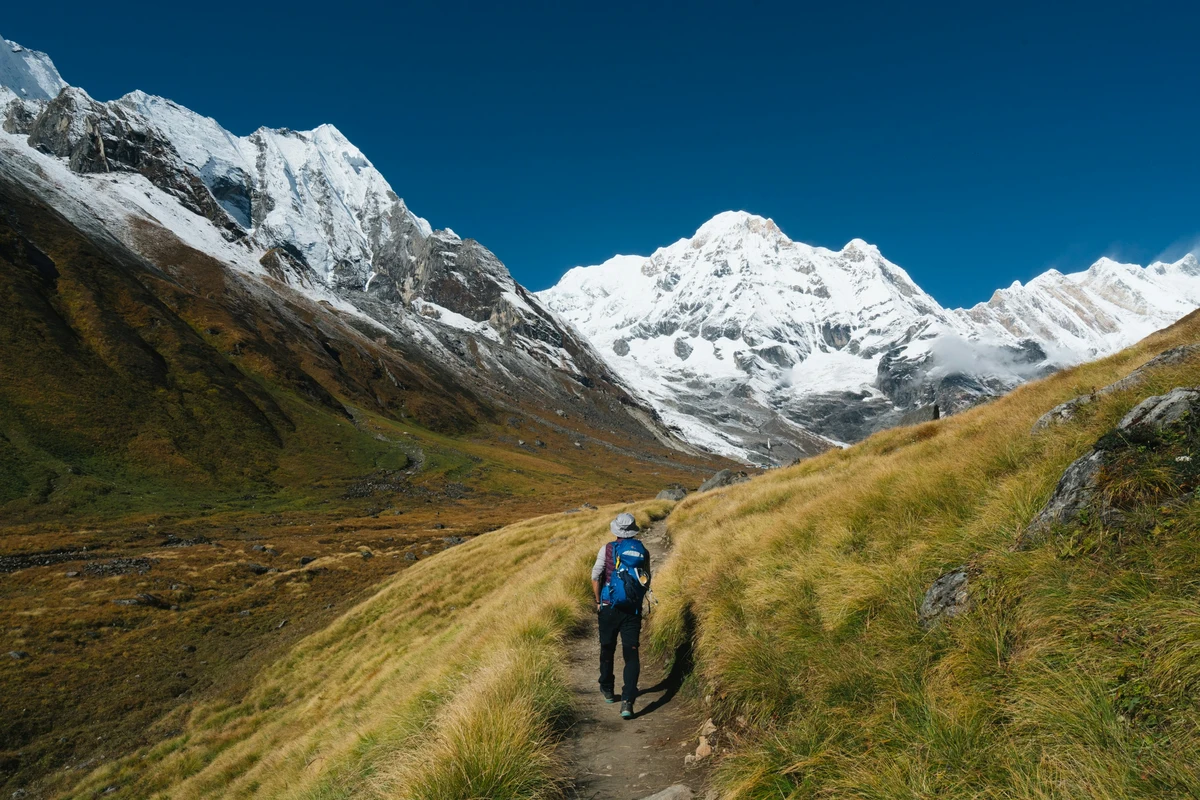
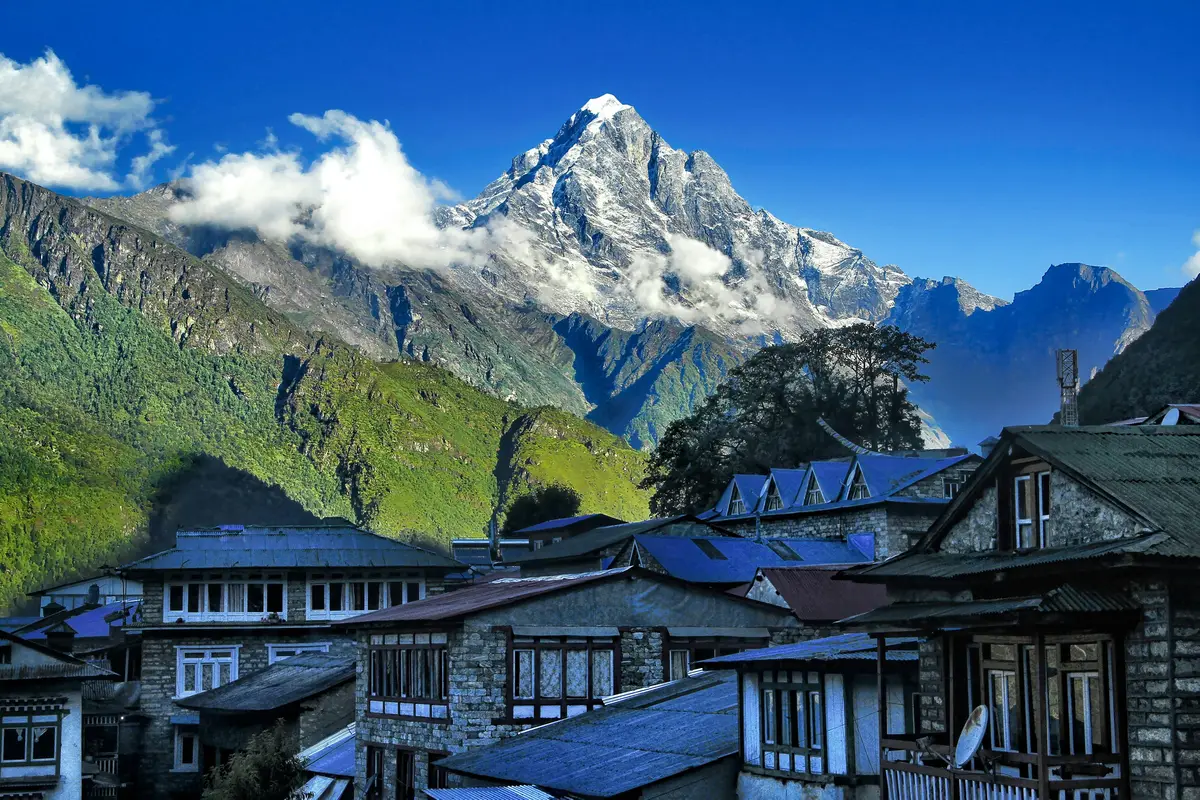
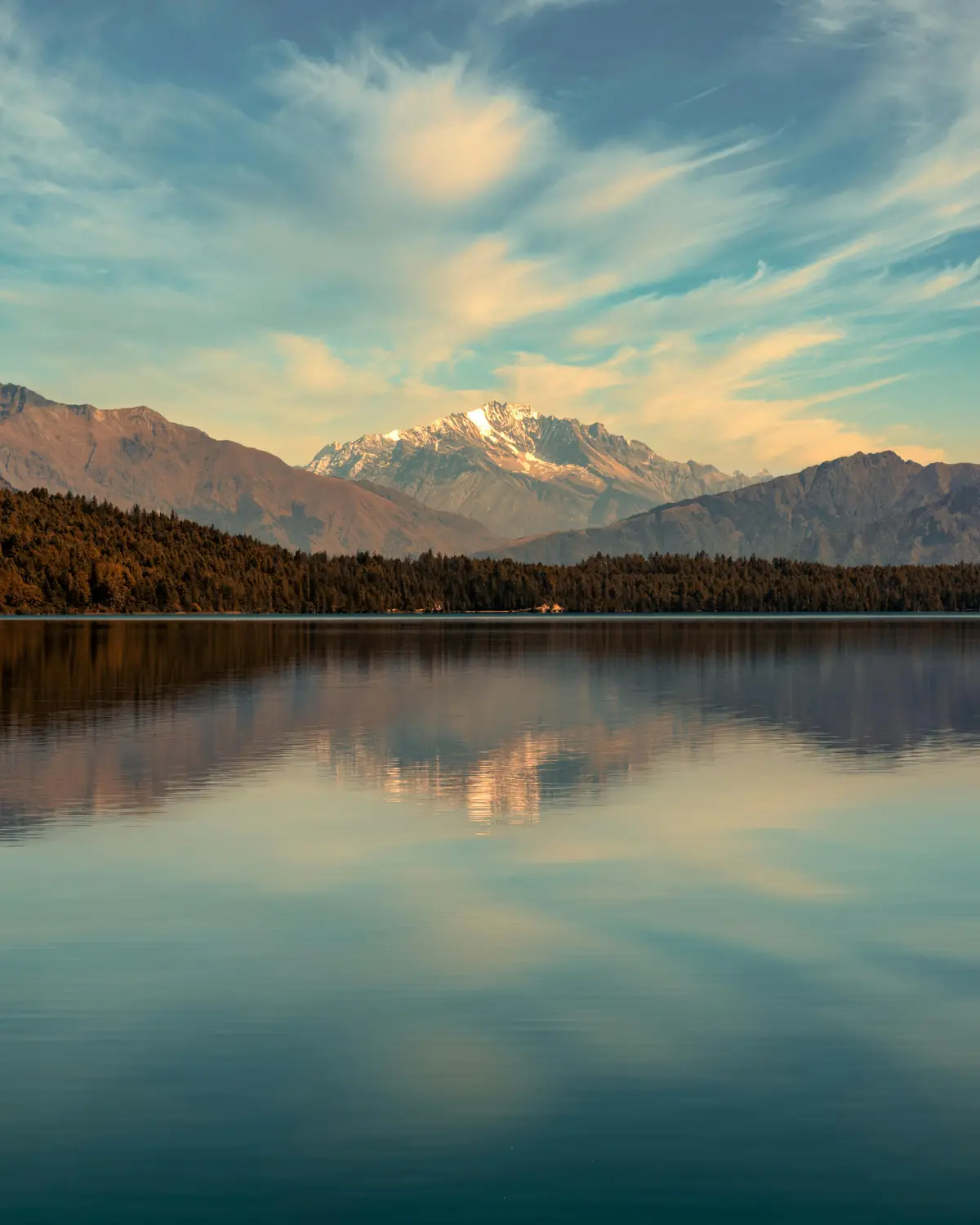
The Himalayas are Nepal’s undisputed tourist highpoint. The country is home to eight of the world’s fourteen peaks above 8,000 meters, including the iconic Mount Everest. Each year, thousands of adventurers, mountaineers, and trekkers flock to Nepal to experience its majestic mountains and breathtaking landscapes.
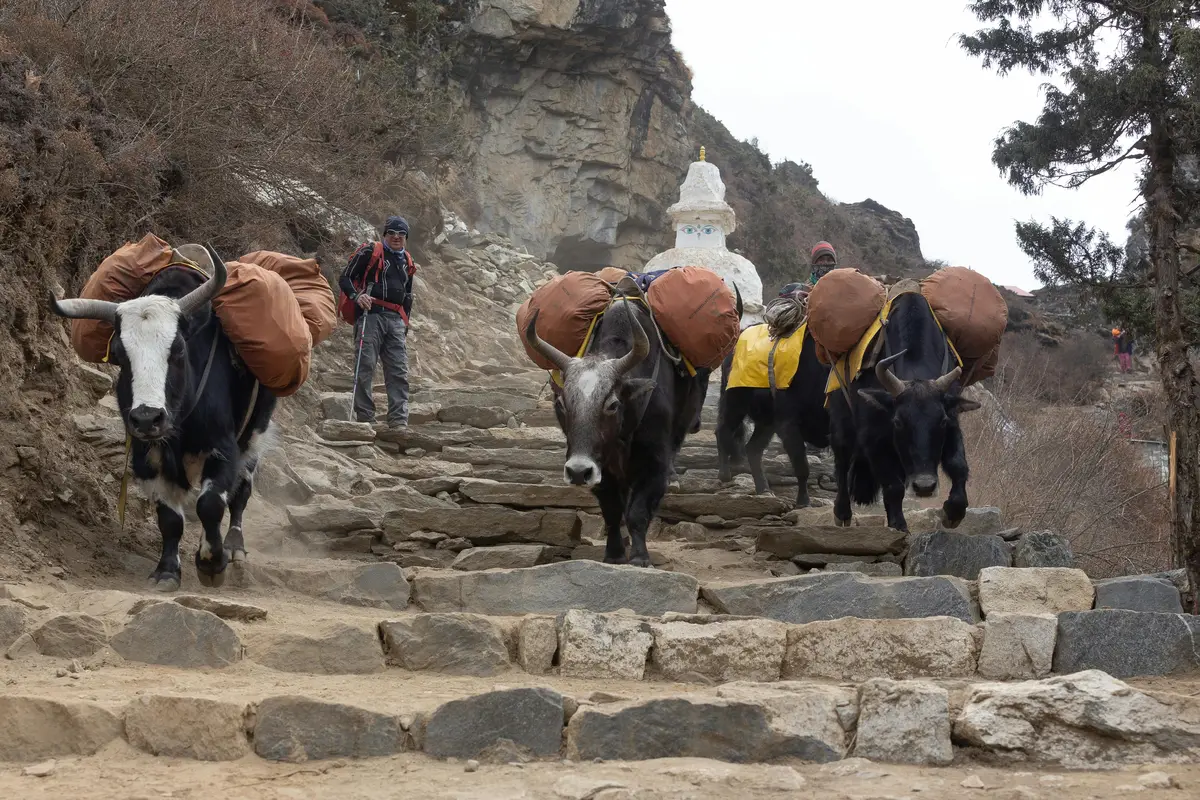
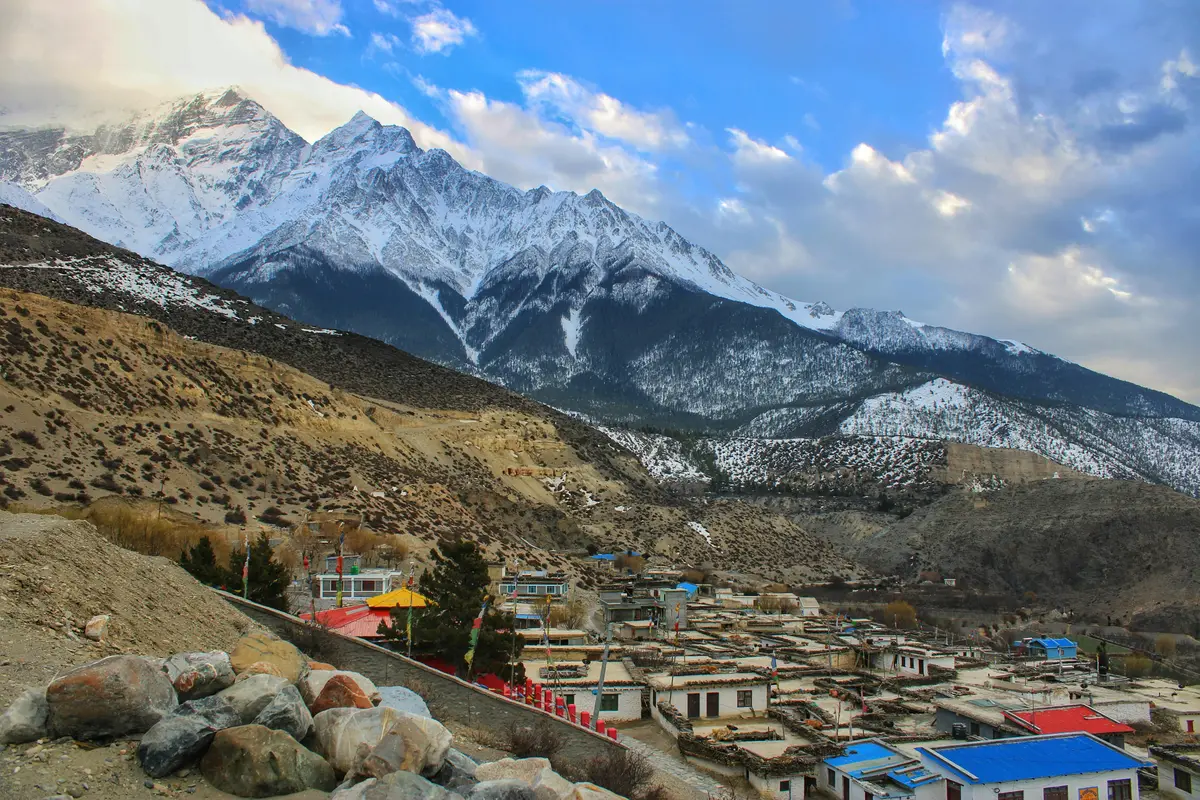
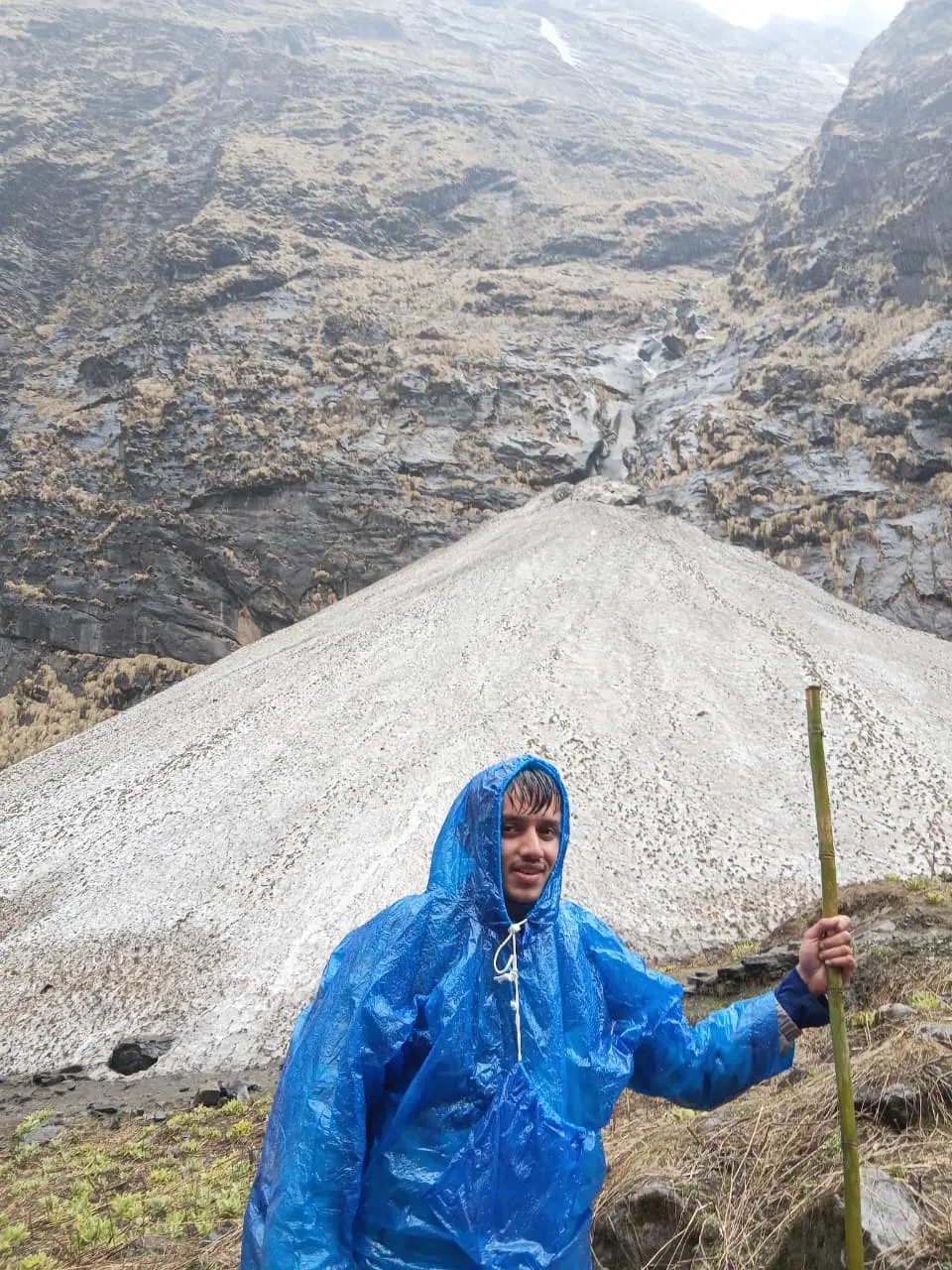
Well-known trekking trails such as the Everest Base Camp Trek, Annapurna Circuit, and Langtang Valley are famous worldwide. Even shorter trails like Ghorepani Poon Hill or the Mardi Himal trek have contributed significantly to tourism in Nepal by making trekking accessible to beginners and recreational hikers. These routes offer sweeping Himalayan views while providing immersion in traditional villages and cultural settings.
A Rich Cultural Diversity
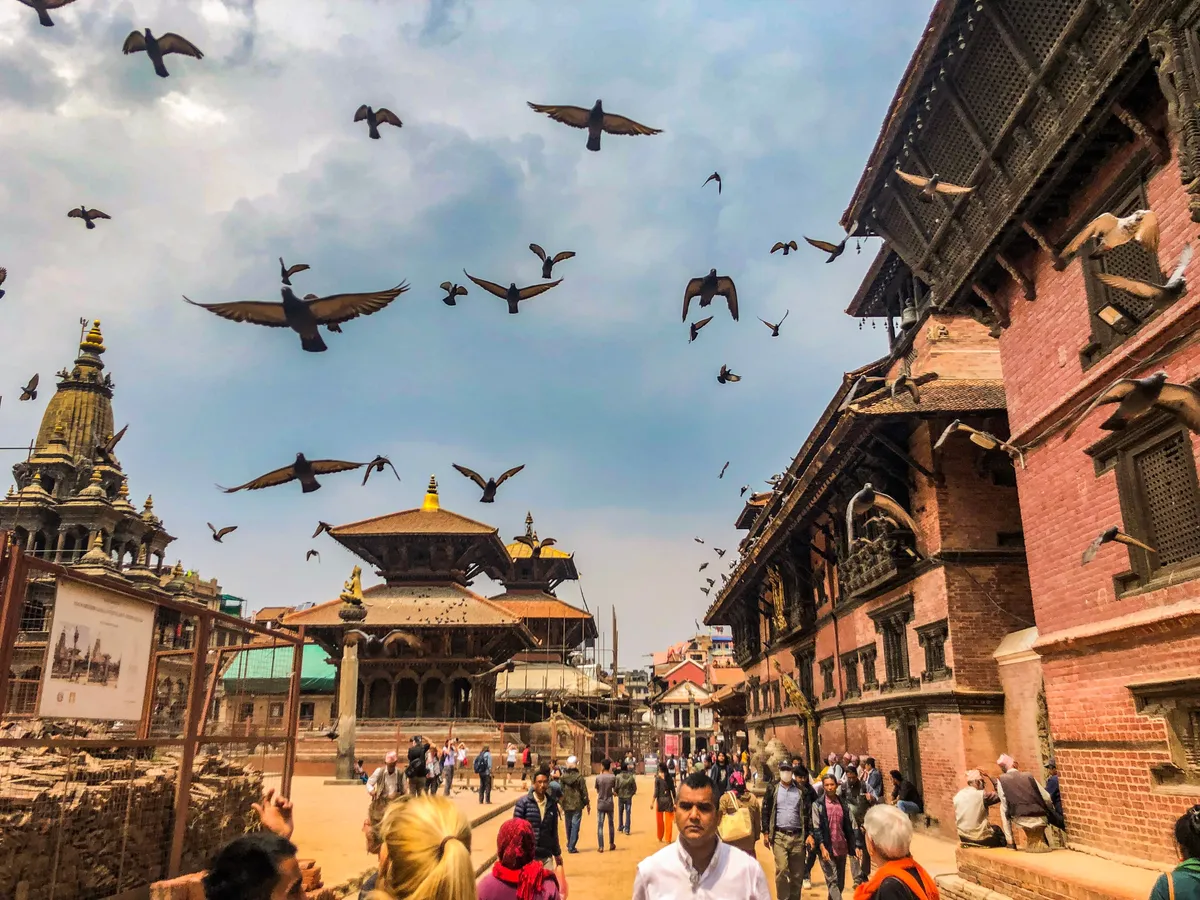
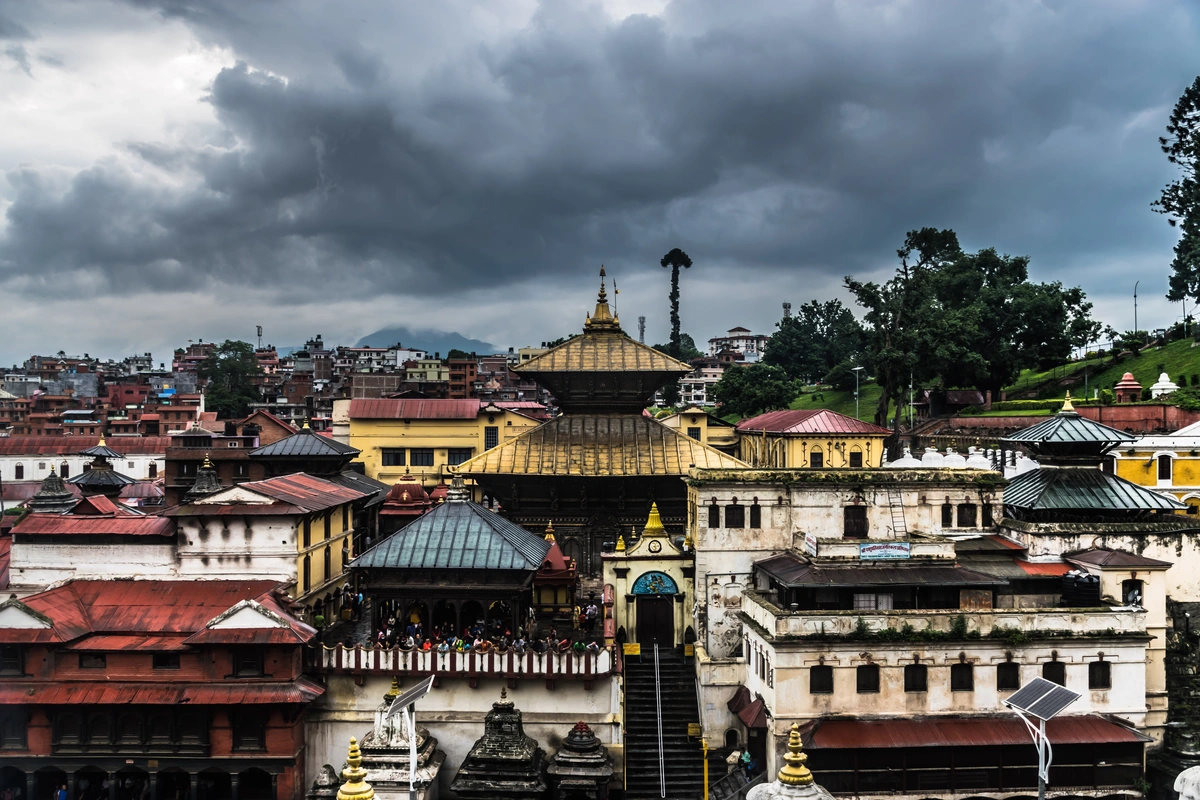
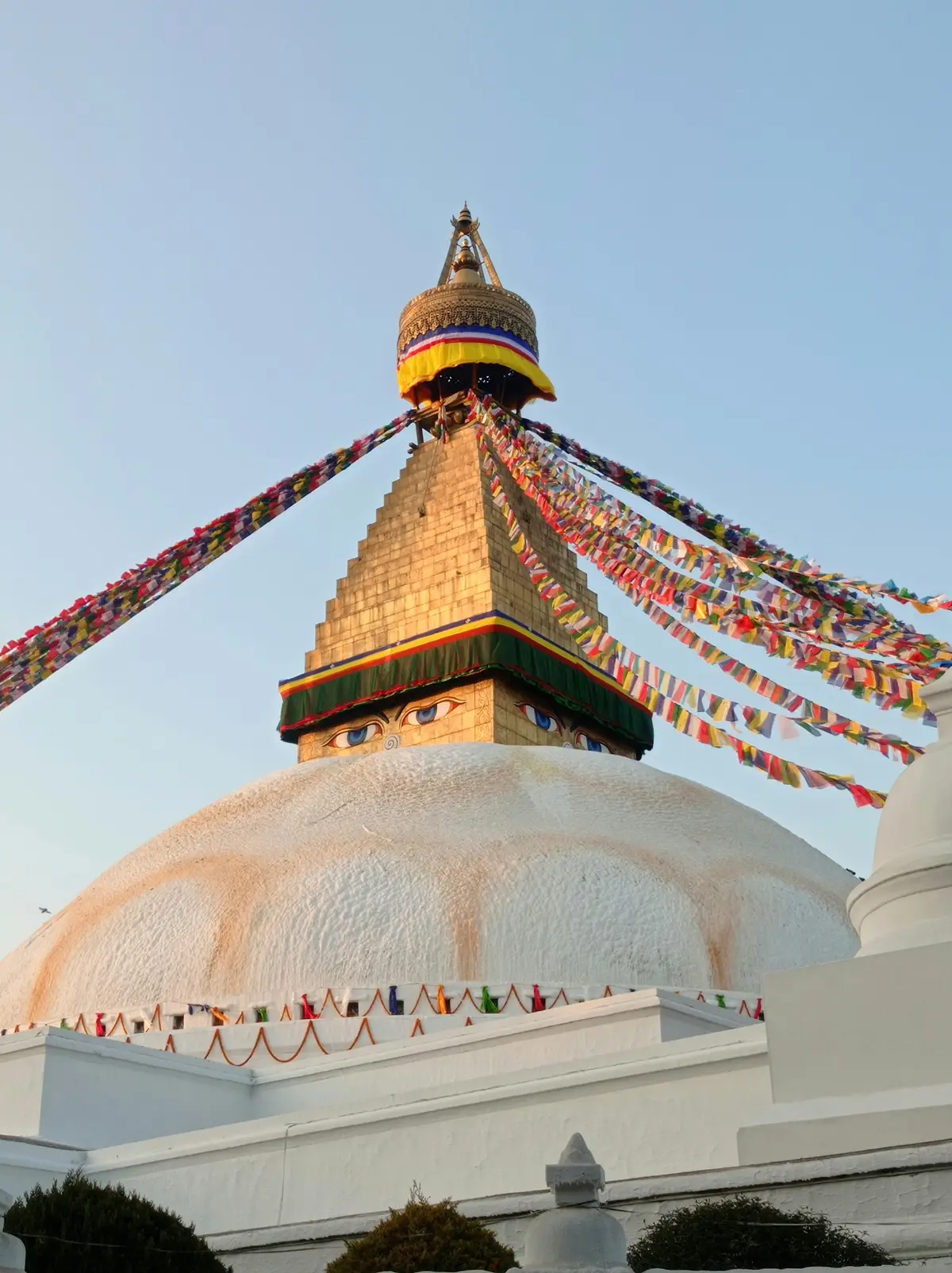
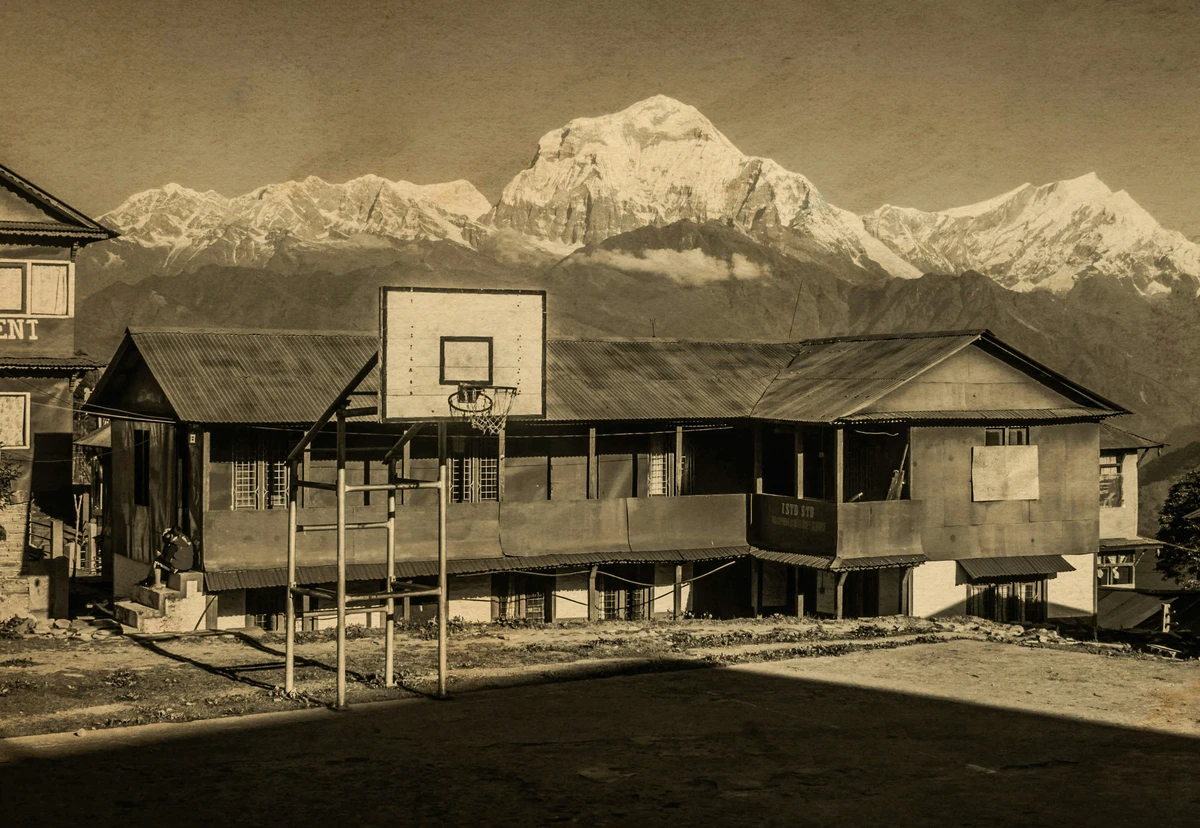
Although the Himalayas are the main attraction, culture plays an equally important role in tourism in Nepal. The Kathmandu Valley is a UNESCO World Heritage treasure, featuring remarkable sites such as Boudhanath Stupa, Pashupatinath Temple, and Patan Durbar Square. These landmarks reflect centuries of craftsmanship, architecture, and religious devotion.
Festivals like Dashain, Tihar, and Holi showcase Nepal’s vibrant traditions, giving visitors the chance to participate in celebrations filled with music, dance, and color. Local handicrafts, food, and folk performances add further value to the cultural experience. Cultural tourism in Nepal is steadily increasing as more travelers seek meaningful connections beyond simple sightseeing.
Adventure Tourism
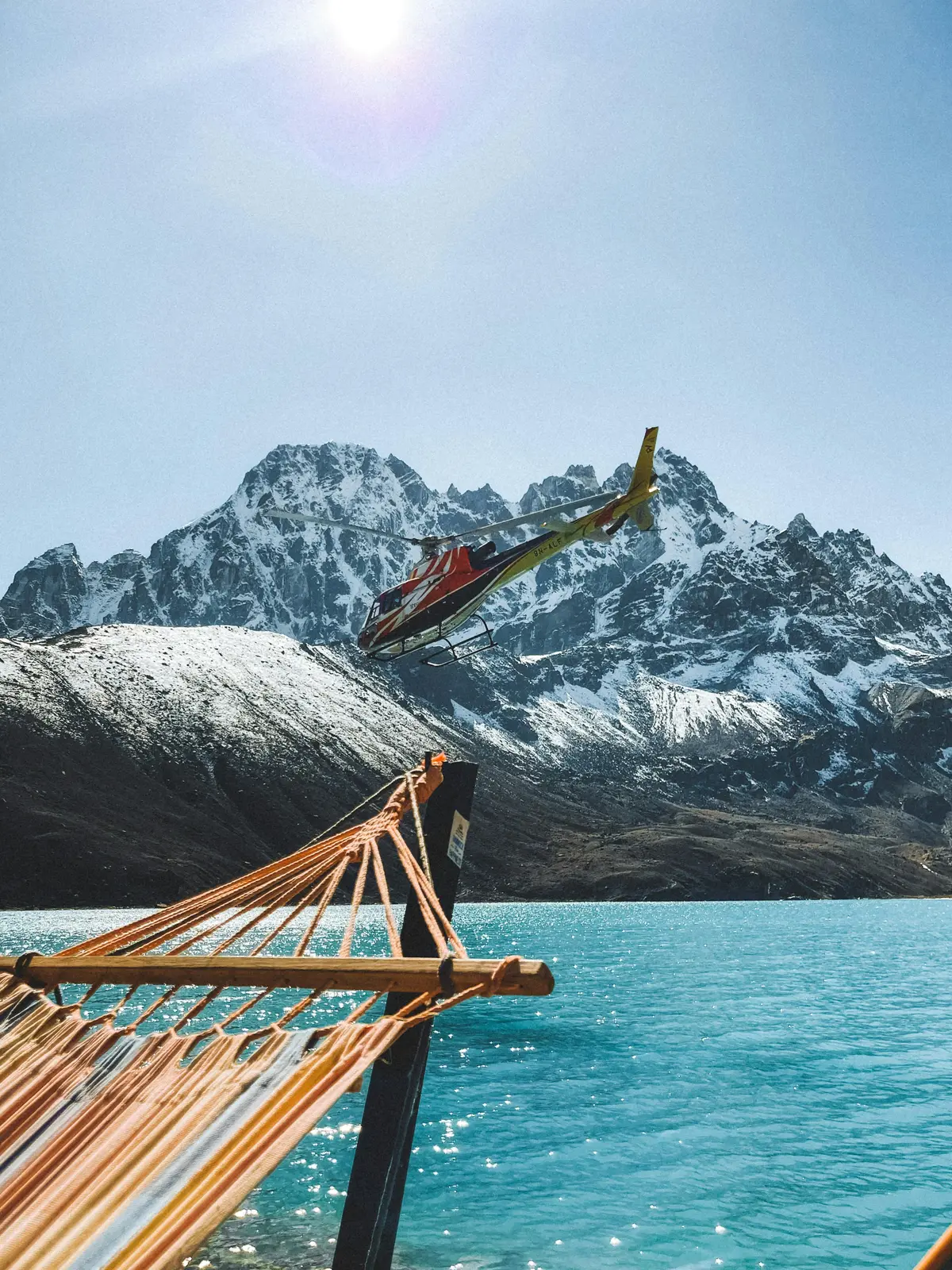
Adventure tourism in Nepal has emerged as a strong driver of growth. Along with trekking, visitors can experience paragliding in Pokhara, rafting in the Trishuli River, bungee jumping near the Bhote Koshi River, or mountain biking on rugged trails.
National parks like Chitwan and Bardia also offer jungle safaris where travelers can encounter exotic wildlife, including rhinos, tigers, elephants, and rare bird species. This wide variety of adventure activities ensures that tourism in Nepal caters to different preferences and age groups, solidifying its role as a premier adventure destination.
The Role of Spirituality
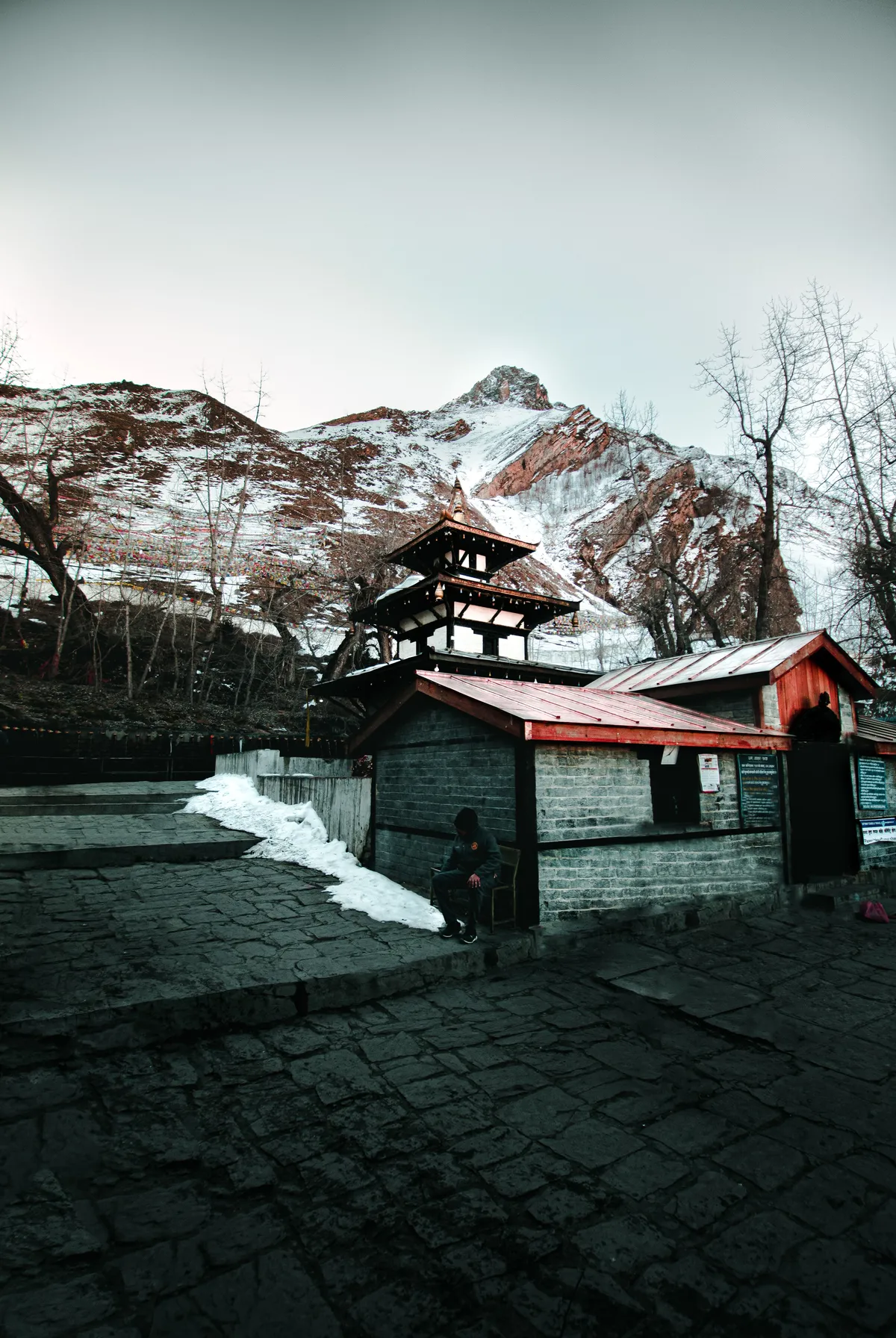
Spirituality is another factor driving tourism in Nepal. As the birthplace of Lord Buddha, the country is a global hub for Buddhist pilgrims and spiritual seekers. Lumbini, the sacred birthplace of Buddha, attracts thousands of visitors annually. Furthermore, Nepal is dotted with yoga and meditation centers that draw travelers searching for peace, healing, and mindfulness.
Spiritual tourism in Nepal extends beyond Buddhism. Hindu temples, monasteries, and shrines across the country offer experiences rooted in centuries-old traditions. The blend of spirituality and nature provides a unique opportunity for visitors to rejuvenate both body and soul.
Contribution to the Economy
The boom in tourism in Nepal has brought substantial economic benefits. From hotels and trekking services to local enterprises, tourism supports both urban and rural communities. Tea houses along trekking trails, local guides, porters, and small businesses thrive as international tourist numbers increase.
Government-led initiatives like the Visit Nepal campaigns have helped promote the country globally. Investments in infrastructure, including airports, road networks, and digital services, make travel more convenient and sustainable, ensuring the continued growth of tourism in Nepal.
Sustainable and Responsible Tourism
As tourism in Nepal continues to expand, there is a growing emphasis on sustainability. Eco-friendly lodges, conservation projects, and community-based tourism initiatives are helping balance growth with responsibility.
Many travelers are now seeking eco-conscious options, and Nepal is adapting to meet this demand. Responsible tourism ensures that natural resources and cultural heritage are preserved for future generations. Involving local communities also guarantees that they benefit equitably from tourism development.
Factors Behind the Boom
There are several reasons behind the rapid boom of tourism in Nepal:
- Global Recognition: Travel documentaries, social media, and blogs have made Nepal a well-known global destination.
- Affordability: Compared to many international destinations, Nepal provides excellent value for money.
- Diverse Experiences: From mountain trekking to cultural immersion and spiritual retreats, Nepal offers something for everyone.
- Improved Infrastructure: Better transport, accommodation, and communication networks make travel easier and more enjoyable.
These combined factors explain why tourism in Nepal is flourishing and attracting travelers worldwide.
Challenges and Opportunities
While tourism in Nepal is booming, challenges remain. Infrastructure in remote areas, environmental pressures, and occasional political instability can hinder growth. However, these challenges also create opportunities. By strengthening infrastructure, expanding eco-tourism, and ensuring safety, Nepal can further solidify its place as a global tourism leader.
The rise of digital booking platforms and online travel agencies has also opened opportunities for local businesses to connect with global audiences directly. This digital shift makes tourism in Nepal more accessible than ever.
Conclusion
The boom of tourism in Nepal is fueled by its stunning natural beauty, rich cultural heritage, thrilling adventures, and deep spirituality. As the demand for diverse and authentic experiences grows worldwide, Nepal has emerged as a destination that offers it all. With sustained investment in infrastructure, responsible tourism practices, and cultural preservation, tourism in Nepal will continue to thrive and shape the nation’s future.
For travelers seeking adventure, cultural immersion, and spiritual renewal, Nepal stands as a destination unlike any other. The rise of tourism in Nepal is not just a passing trend but a reflection of the Himalayas’ timeless majesty, the warmth of its people, and the richness of its traditions.
“Looking to explore the Himalayas safely and comfortably? Firstcamptrek offers tailored trekking packages.”