Dhaulagiri Circuit Trek: Nepal’s Most Challenging Trek for Experienced Hikers
Dhaulagiri Circuit Trek: Nepal’s Most Challenging Trek for Experienced Hikers
If you’re searching for a trekking adventure that pushes your limits while rewarding you with untouched Himalayan beauty, the Dhaulagiri Circuit Trek should be at the top of your list. Known as one of Nepal’s most demanding trekking routes, this journey is designed for experienced hikers who are ready to explore remote landscapes, high mountain passes, and breathtaking glaciers.
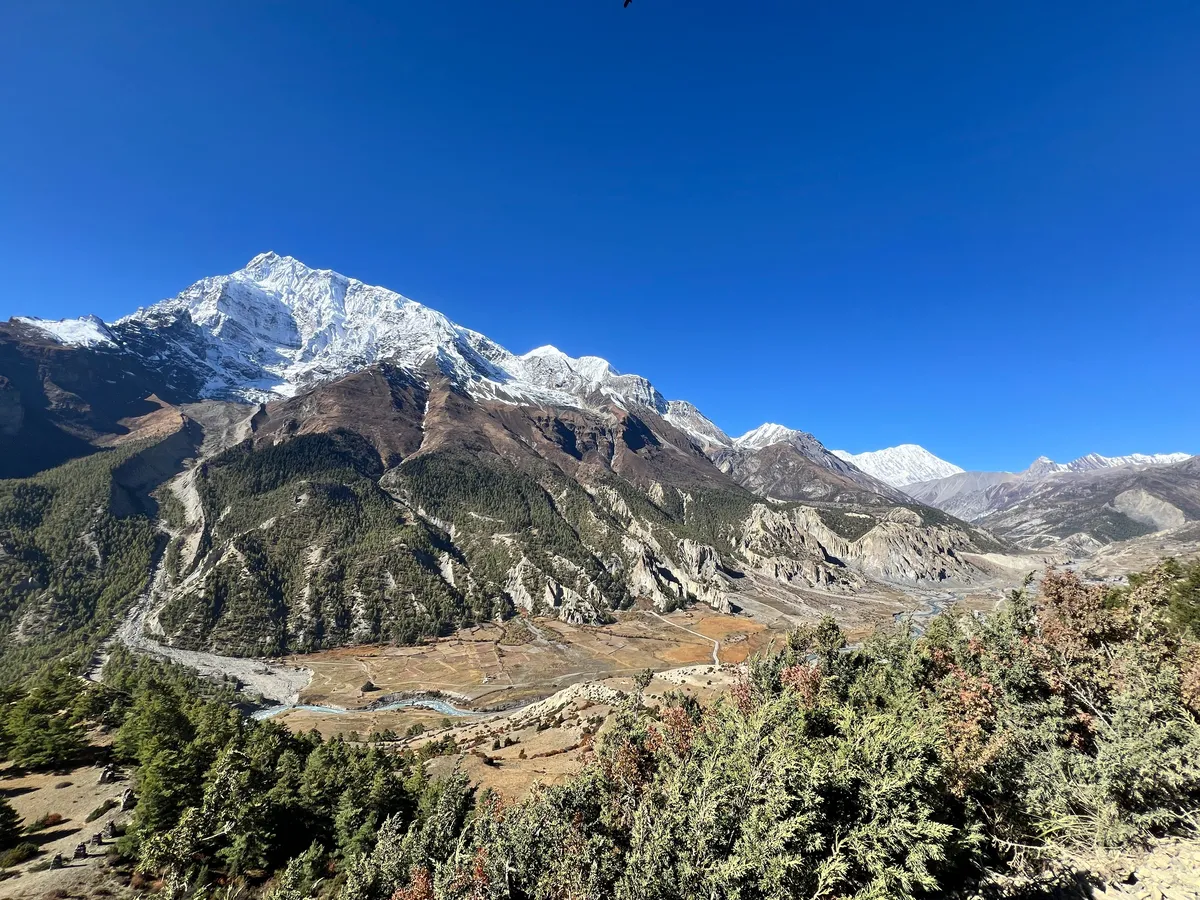
Unlike the popular Everest Base Camp or Annapurna Circuit, the Dhaulagiri Circuit Trek remains relatively untouched by mass tourism. It takes trekkers through isolated valleys, dense forests, alpine meadows, icy glaciers, and rugged mountain terrain before crossing the famous French Pass and Dhampus Pass. Every day offers a new challenge, but each step rewards you with unforgettable views of towering Himalayan giants. If you’re looking for an authentic adventure away from crowded trails, the Dhaulagiri Circuit Trek is one of Nepal’s finest wilderness experiences.
Why Choose the Dhaulagiri Circuit Trek?
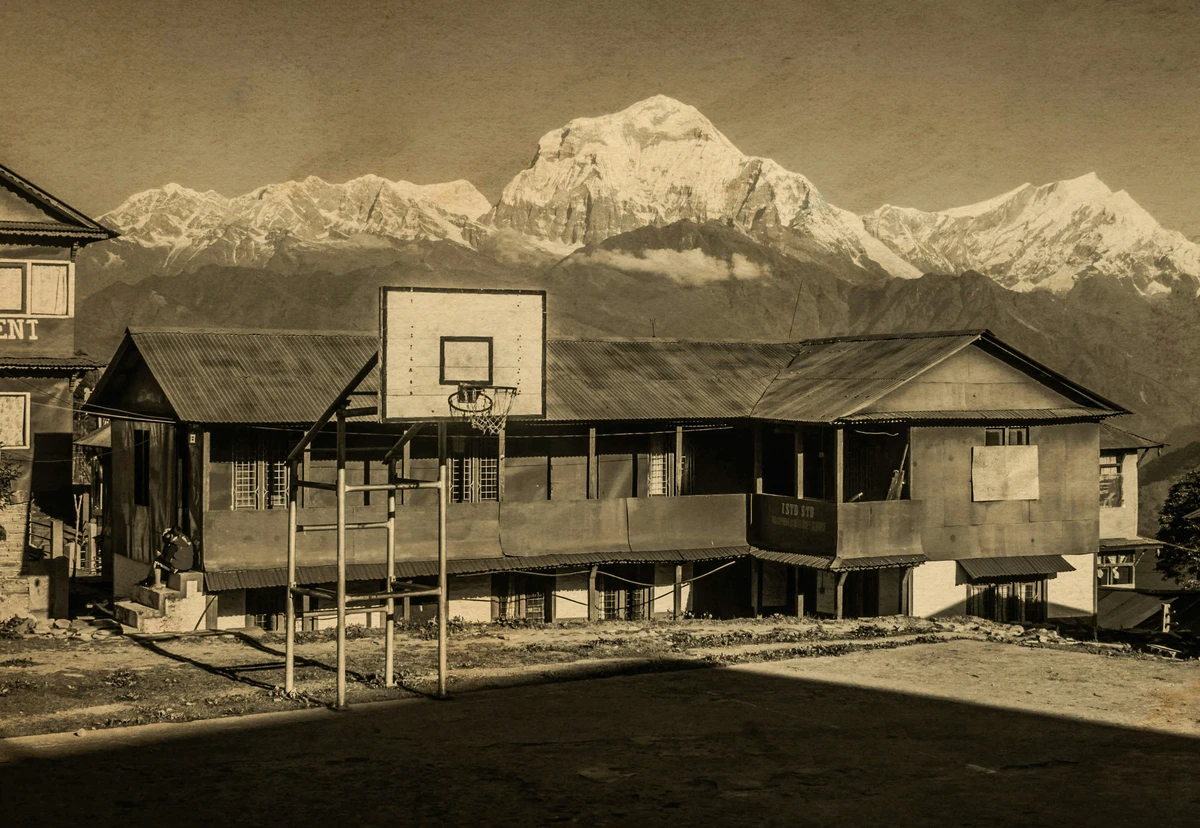
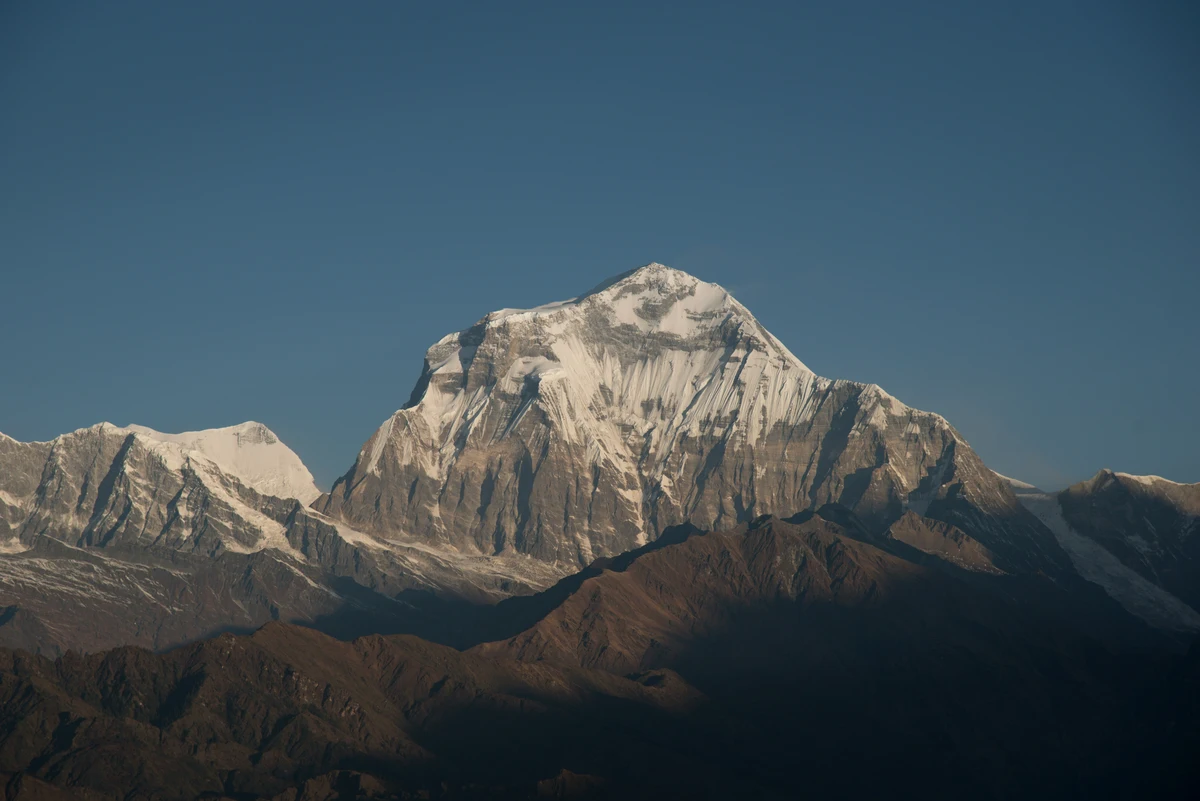
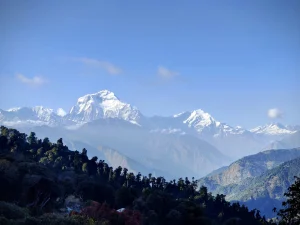
The Dhaulagiri Circuit Trek is more than just a trek it’s an expedition into one of Nepal’s most remote mountain regions. The trail circles around Mount Dhaulagiri (8,167 m), the world’s seventh-highest mountain, while passing through landscapes that feel completely untouched.
Unlike commercial trekking routes, this trek offers solitude and a true sense of exploration. Along the way, you’ll walk through traditional villages, cross suspension bridges, follow glacial rivers, and camp beneath some of the highest peaks on Earth.
Highlights include:
- Incredible views of Mount Dhaulagiri (8,167 m)
- Crossing French Pass (5,360 m)
- Crossing Dhampus Pass (5,240 m)
- Hidden Valley
- Italian Base Camp
- Dhaulagiri Base Camp
- Massive glaciers and icefalls
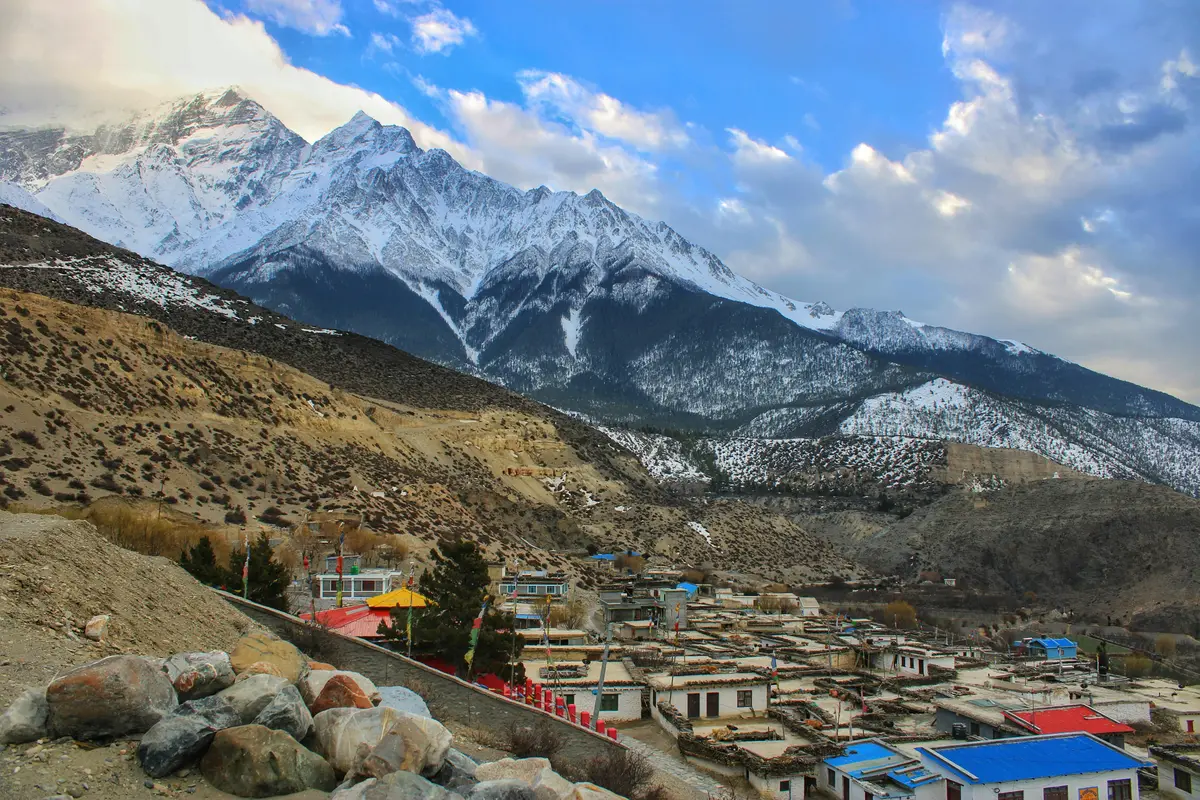
- Remote mountain villages
- Fewer trekkers compared to Everest and Annapurna
For experienced trekkers seeking both adventure and natural beauty, the Dhaulagiri Circuit Trek delivers an unforgettable experience.
Where Is the Dhaulagiri Circuit Trek?
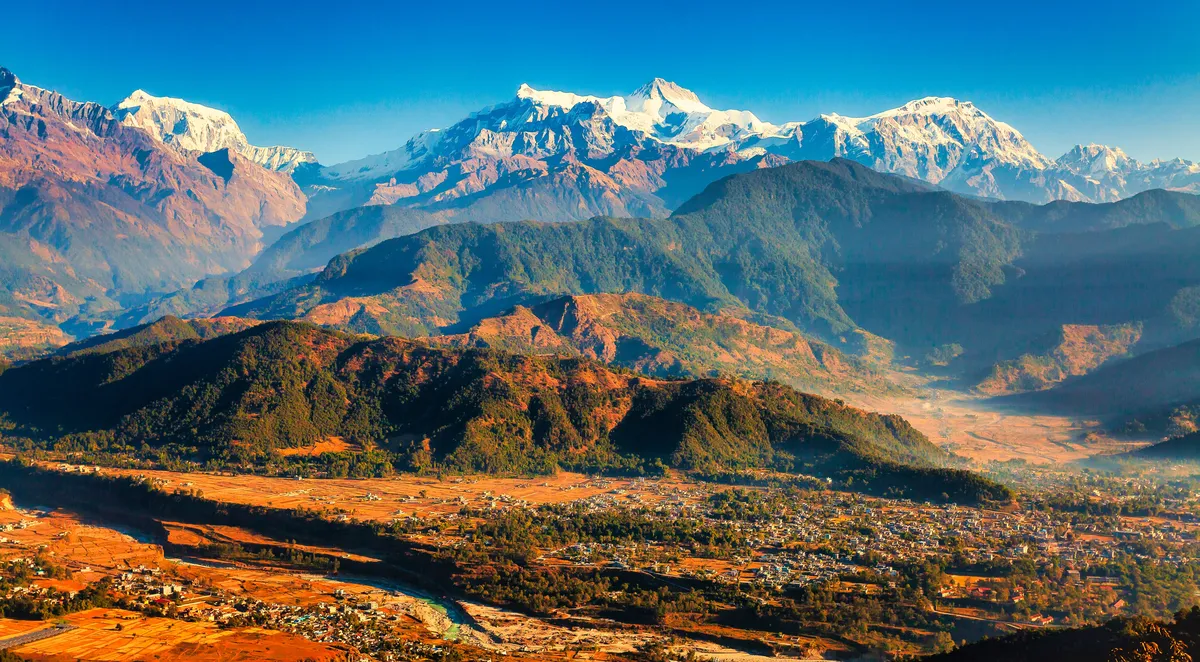
The Dhaulagiri Circuit Trek is located in western Nepal within the Dhaulagiri mountain range. The adventure usually begins with a drive from Pokhara to Darbang, where the trekking trail officially starts.From there, trekkers gradually climb through forests, terraced farmland, and traditional settlements before entering remote alpine terrain.
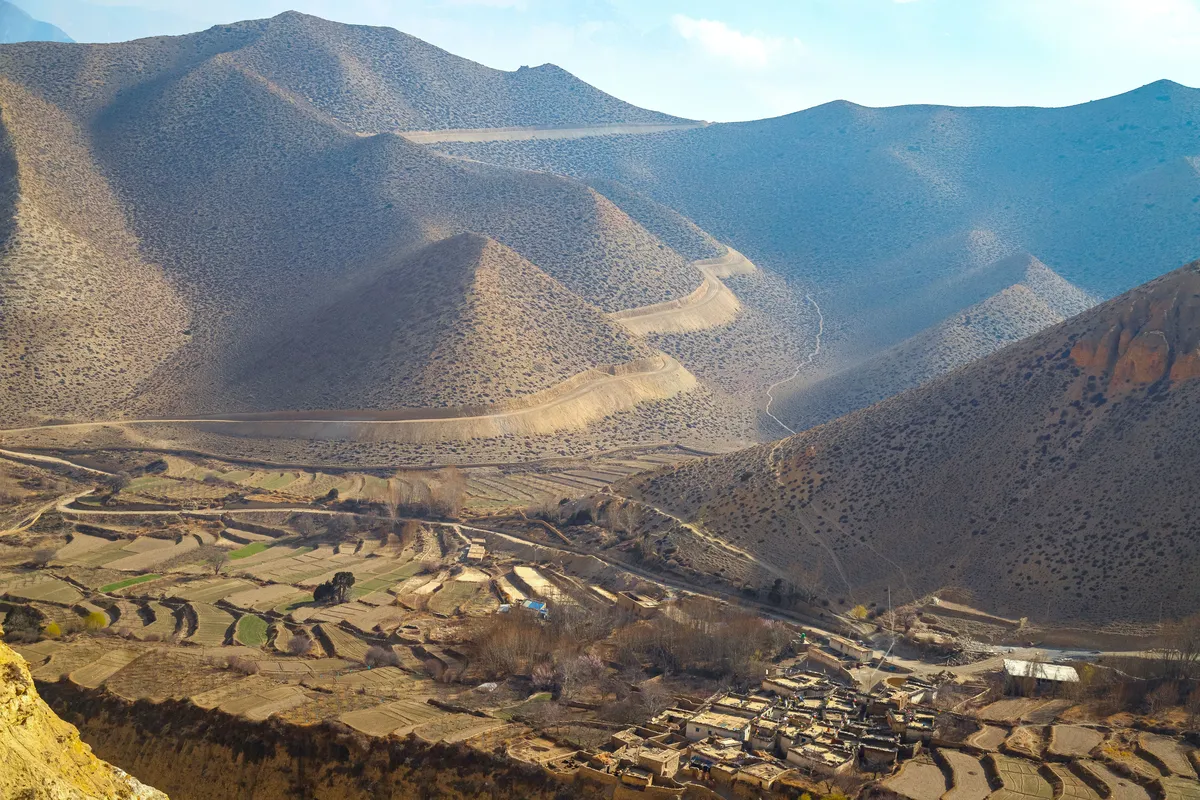
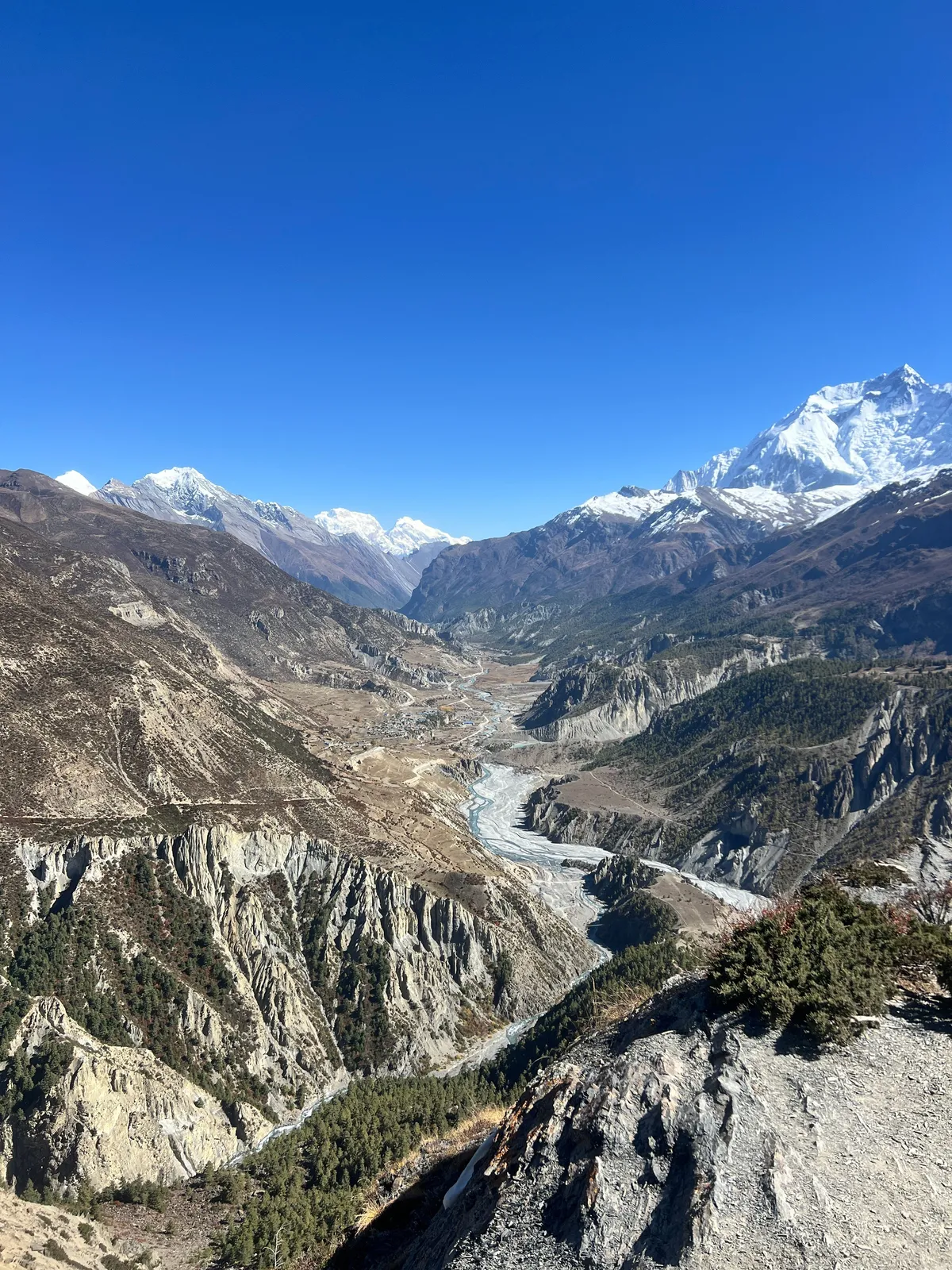
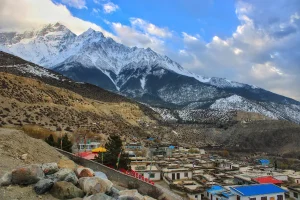
As the journey continues, the scenery changes dramatically from lush green valleys to rocky moraines, glaciers, snowfields, and high mountain passes. Because the region is less developed than many other trekking destinations, you’ll experience a genuine sense of wilderness throughout the trek.
How Difficult Is the Dhaulagiri Circuit Trek?
There is a reason why the Dhaulagiri Circuit Trek is often ranked among Nepal’s toughest trekking routes. This trek demands excellent physical fitness, previous high-altitude trekking experience, and strong mental determination.
Several factors contribute to its difficulty:
High Altitude
The trek reaches elevations above 5,300 meters, where oxygen levels are significantly lower. Proper acclimatization is essential to reduce the risk of altitude sickness.
Long Walking Days
Many trekking days last between 6 and 9 hours. Some days involve steep ascents, glacier crossings, and rocky trails that require careful footing.
Remote Wilderness
Unlike popular trekking routes with numerous tea houses, parts of the Dhaulagiri Circuit Trek require camping because accommodation is unavailable in higher sections.
Glacier Crossings
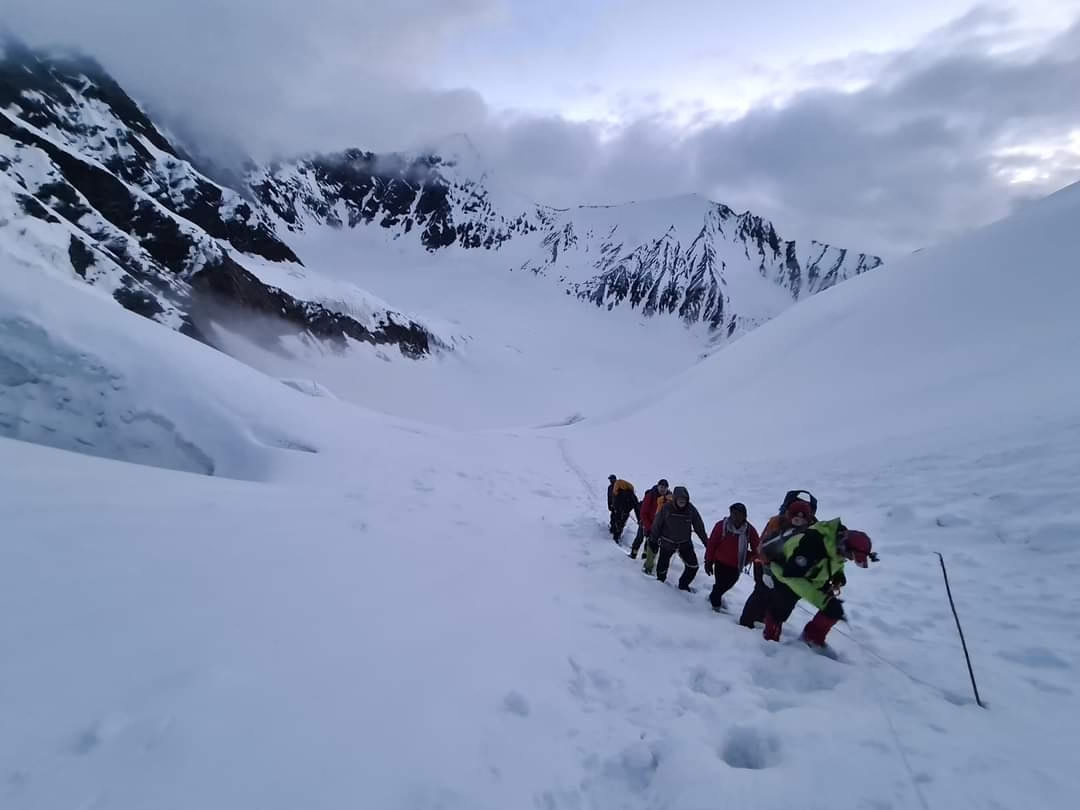
Trekkers walk across sections of the Chhonbardan Glacier and other icy terrain, making the journey physically demanding and technically more challenging than standard tea-house treks.
Mountain Passes
Crossing French Pass and Dhampus Pass is often considered the highlight of the trek. These high passes provide spectacular mountain panoramas but also require endurance due to their altitude and weather conditions.
Best Time for the Dhaulagiri Circuit Trek
Choosing the right season plays a major role in enjoying the Dhaulagiri Circuit Trek safely.
Spring (March to May)
Spring is one of the best seasons for trekking in the Dhaulagiri region. Clear skies, blooming rhododendron forests, moderate temperatures, and stable weather create ideal trekking conditions.
Autumn (September to November)
Autumn is equally popular thanks to crystal-clear mountain views, dry trails, and comfortable daytime temperatures. Most experienced trekkers choose this season for the best overall experience.
Winter (December to February)
Heavy snowfall often blocks the
high passes,
making the trek extremely difficult and sometimes impossible.
Monsoon (June to August)
Frequent rain, slippery trails, landslides, and poor visibility make the monsoon season unsuitable for the Dhaulagiri Circuit Trek.
Major Highlights of the Dhaulagiri Circuit Trek
Italian Base Camp
Italian Base Camp is one of the trek’s most scenic camping locations. Surrounded by glaciers, waterfalls, and towering cliffs, it offers stunning views of Dhaulagiri and nearby peaks.
Dhaulagiri Base Camp
Reaching Dhaulagiri
Base Camp is one of the most rewarding moments of the journey. Massive icefalls and glaciers dominate the landscape, creating an unforgettable Himalayan setting. Standing beneath the world’s seventh-highest mountain gives trekkers a deep appreciation for the scale and power of the Himalayas.
French Pass
At 5,360 meters, French Pass offers panoramic views of Dhaulagiri, Tukuche Peak, Mukut Himal, and countless snow-covered summits stretching across western Nepal. Crossing the pass is physically demanding but incredibly rewarding.
Hidden Valley
After French Pass, trekkers enter the spectacular Hidden Valley. Surrounded by dramatic mountain scenery, this remote alpine basin is one of Nepal’s least-visited high-altitude landscapes. The peaceful atmosphere makes it one of the most memorable sections of the Dhaulagiri Circuit Trek.
Dhampus Pass
The final major challenge is Dhampus Pass at approximately 5,240 meters. From the top, trekkers enjoy breathtaking views before descending toward the Kali Gandaki Valley.
Wildlife and Natural Beauty
The Dhaulagiri Circuit Trek passes through an incredible variety of ecosystems.
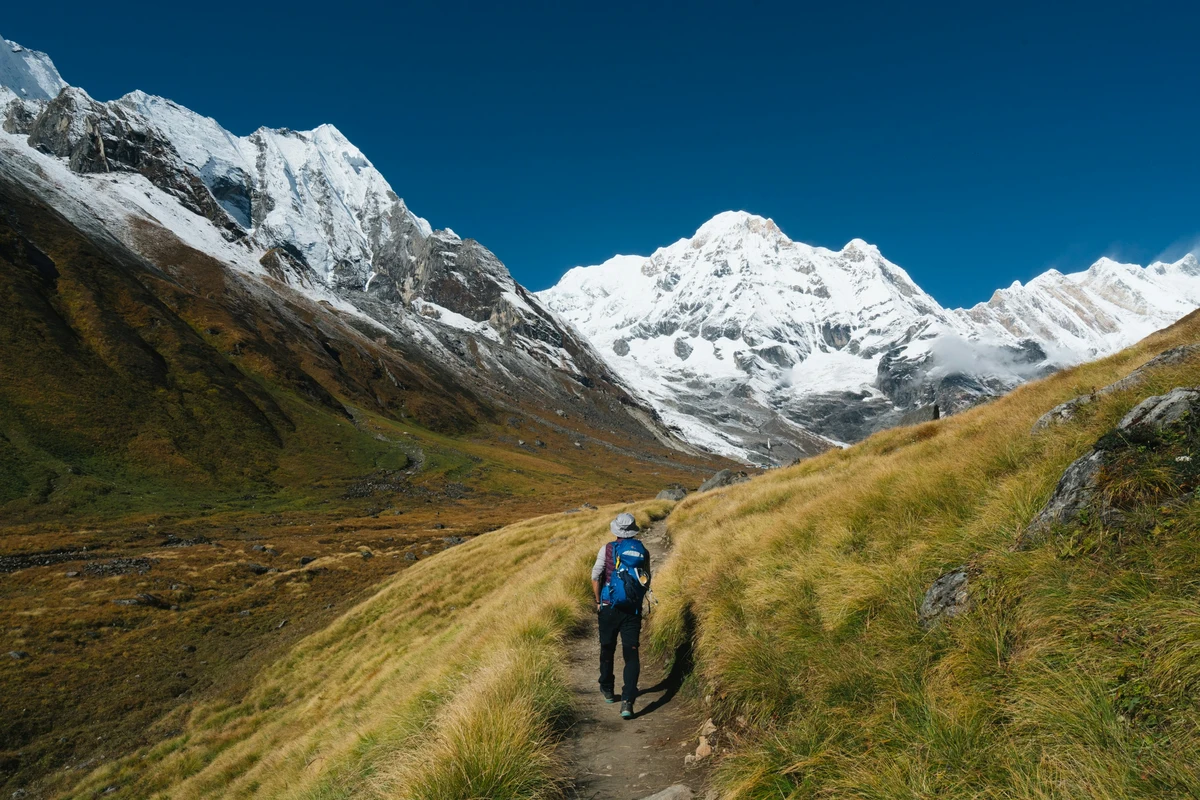
Lower elevations feature forests filled with oak, pine, bamboo, and colorful rhododendrons. As altitude increases, the landscape transforms into alpine meadows, rocky moraines, glaciers, and permanent snowfields.
Wildlife you may encounter includes:
- Himalayan Tahr
- Blue Sheep
- Himalayan Monal
- Snow Pigeon
- Musk Deer
- Himalayan Griffon
The region’s biodiversity makes every day of the trek unique.
Recommended Itinerary for the Dhaulagiri Circuit Trek
Most trekkers complete the Dhaulagiri Circuit Trek in 16 to 18 days, depending on the itinerary and acclimatization schedule. While routes may vary slightly, a typical journey includes:
- Drive from Pokhara to Darbang
- Trek through Dharapani, Muri, Boghara, and Dobang
- Reach Italian Base Camp
- Continue to Dhaulagiri Base Camp
- Cross French Pass (5,360 m)
- Explore Hidden Valley
- Cross Dhampus Pass (5,240 m)
- Descend to Marpha before driving back to Pokhara
A gradual ascent is important, as it allows your body to adjust to the increasing altitude and reduces the risk of altitude sickness.
Dhaulagiri Circuit Trek Itinerary (17 Days)
Day 1: Drive from Pokhara to Darbang
Day 2: Trek to Dharapani
Day 3: Trek to Muri
Day 4: Trek to Boghara
Day 5: Trek to Dobang
Day 6: Trek to Italian Base Camp
Day 7: Acclimatization at Italian Base Camp
Day 8: Trek to Dhaulagiri Base Camp
Day 9: Acclimatization at Dhaulagiri Base Camp
Day 10: Cross French Pass (5,360 m) and trek to Hidden Valley
Day 11: Cross Dhampus Pass (5,240 m) and trek to Yak Kharka
Day 12: Trek to Marpha
Day 13: Explore Marpha or reserve day
Day 14: Drive back to Pokhara
Day 15-17: Departure or extra buffer days (optional, depending on the itinerary)
Permits Required for the Dhaulagiri Circuit Trek
Before starting the Dhaulagiri Circuit Trek, every trekker must obtain the necessary permits.
These generally include:
- Annapurna Conservation Area Permit (ACAP)
Permit requirements and fees can change, so it is always a good idea to check the latest regulations before your trip or arrange them through your trekking agency.
Accommodation and Food
The lower section of the Dhaulagiri Circuit Trek offers simple teahouses where trekkers can enjoy basic meals and comfortable rooms. As the trail climbs higher toward Italian Base Camp, Dhaulagiri Base Camp, French Pass, and Hidden Valley, camping becomes necessary because permanent lodges are not available. Meals during the trek are nutritious and designed to provide enough energy for long trekking days. Common dishes include:
- Dal Bhat
- Fried rice
- Noodles
- Pasta
- Soup
- Tibetan bread
- Pancakes
- Eggs
- Tea and coffee
Dal Bhat is especially popular because it provides a balanced combination of carbohydrates, protein, and vegetables, making it an ideal meal for high-altitude trekking.
What to Pack
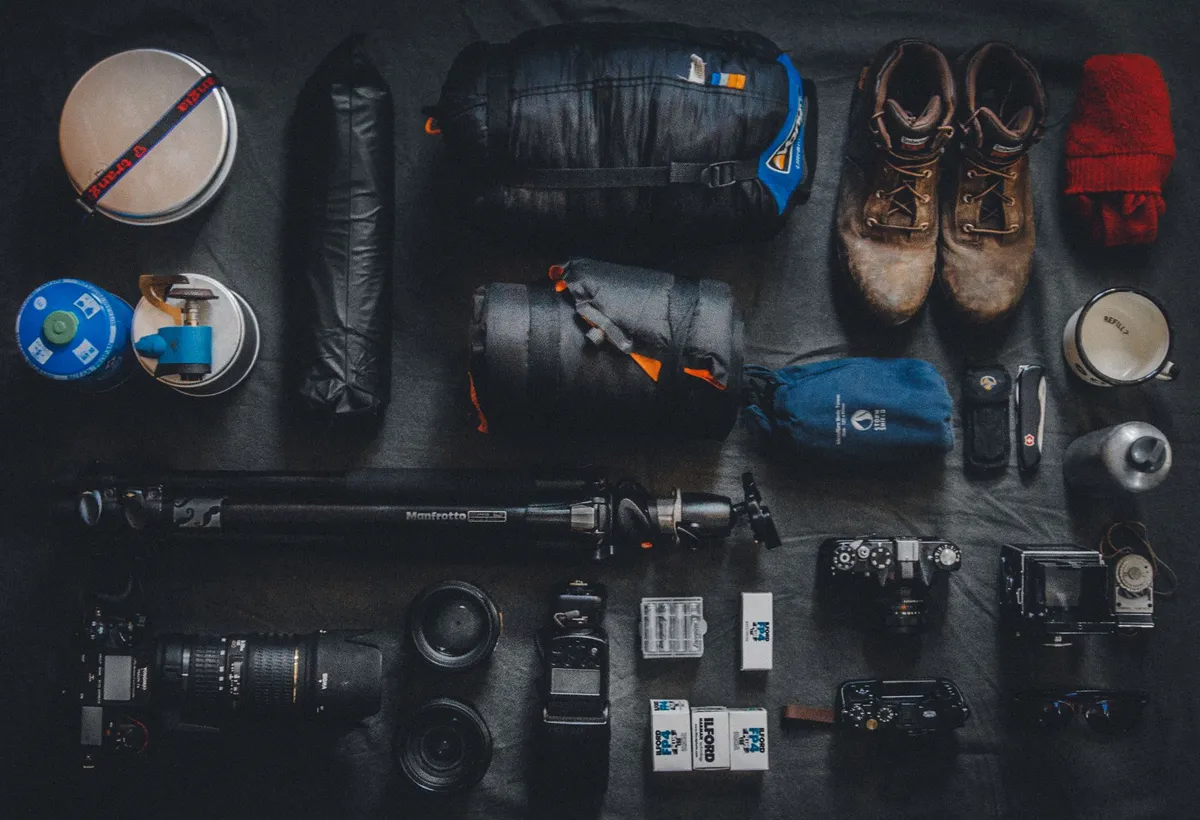
Packing wisely can make your Dhaulagiri Circuit Trek safer and more comfortable.
Essential items include:
- Waterproof trekking boots
- Warm down jacket
- Sleeping bag rated for sub-zero temperatures
- Thermal base layers
- Fleece jacket
- Waterproof jacket and trousers
- Gloves and warm hat
- Sunglasses with UV protection
- Trekking poles
- Headlamp
- Water bottles or hydration bladder
- Water purification tablets or filter
- Sunscreen and lip balm
- Personal first aid kit
- Energy snacks
Since weather conditions can change quickly in the Himalayas, dressing in layers is highly recommended.
Physical Preparation
The Dhaulagiri Circuit Trek is not suitable for beginners. Preparing several months in advance can significantly improve your experience.
Your training should include:
- Long-distance hiking
- Stair climbing
- Strength training
- Cardio workouts
- Backpack training
- Flexibility and mobility exercises
If possible, complete another high-altitude trek before attempting the Dhaulagiri Circuit Trek. Previous experience above 4,000 meters will help you better understand how your body responds to altitude.
Staying Safe at High Altitude
Altitude is one of the biggest challenges during the Dhaulagiri Circuit Trek.
To stay safe:
- Ascend gradually.
- Stay hydrated.
- Eat enough calories.
- Avoid alcohol and smoking.
- Listen to your guide.
- Never ignore symptoms such as severe headache, nausea, dizziness, or shortness of breath.
Proper acclimatization and a flexible itinerary greatly reduce the chances of serious altitude-related illness.
Why Hire a Guide?
Although experienced hikers may have completed several mountain treks, hiring a licensed guide for the Dhaulagiri Circuit Trek is highly recommended.
A professional guide helps with:
- Navigation
- Weather updates
- Altitude management
- Campsite logistics
- Emergency response
- Local cultural insights
The remote nature of the trek means there are limited rescue options, making an experienced guide an invaluable part of the journey.
How Much Does the Dhaulagiri Circuit Trek Cost?
The cost of the Dhaulagiri Circuit Trek depends on the itinerary, group size, level of service, and trekking agency.
A typical package usually includes:
- Transportation
- Permits
- Licensed guide
- Porters
- Camping equipment
- Accommodation
- Meals during the trek
Additional personal expenses such as travel insurance, snacks, tips, and personal gear are generally not included.
Choosing a reputable trekking company ensures better safety, quality equipment, and experienced staff throughout the expedition.
Why the Dhaulagiri Circuit Trek Is Worth It
The Dhaulagiri Circuit Trek is not simply about reaching high passes or checking another destination off your list. It is about stepping into one of Nepal’s last great wilderness areas, where every day presents a new challenge and every viewpoint feels untouched. From lush forests and remote villages to massive glaciers and dramatic mountain passes, the journey showcases the incredible diversity of Nepal’s landscapes.
The sense of achievement after crossing French Pass and Dhampus Pass is something few treks can match.Unlike busier routes, the Dhaulagiri Circuit Trek rewards you with peaceful trails, authentic mountain experiences, and a deep connection with nature. It is physically demanding, but for experienced hikers, that challenge is exactly what makes the adventure so memorable.
Conclusion
For trekkers seeking Nepal’s ultimate high-altitude adventure, the Dhaulagiri Circuit Trek stands among the country’s finest expeditions. Its combination of remote wilderness, spectacular Himalayan scenery, glacier crossings, and challenging mountain passes creates an experience unlike any other. If you have strong trekking experience, good physical fitness, and a passion for adventure, the Dhaulagiri Circuit Trek offers a journey that will test your endurance while rewarding you with unforgettable memories. It is a trek that leaves a lasting impression long after you’ve returned home, making it one of Nepal’s most extraordinary Himalayan adventures.
If you prefer a shorter Himalayan adventure, explore our Langtang Valley Trek package for stunning mountain views, rich Tamang culture, and an unforgettable trekking experience.