Annapurna Circuit Trek: Everything You Need to Know
Annapurna Circuit Trek: Everything You Need to Know
The Annapurna Circuit Trek is one of the most iconic trekking adventures in the world. Nestled in the heart of the Nepalese Himalayas, this remarkable journey takes trekkers through diverse landscapes, traditional mountain villages, lush forests, deep river valleys, and high mountain passes. Every year, thousands of adventure enthusiasts travel to Nepal to experience the breathtaking beauty and cultural richness of the Annapurna Circuit Trek.
Whether you are an experienced trekker or someone planning their first Himalayan adventure, this guide covers everything you need to know before embarking on the trek. From the best seasons and permits to costs and essential tips, this comprehensive article will help you prepare for an unforgettable journey.
What Is the Annapurna Circuit Trek?
The Annapurna Circuit Trek is a long-distance trekking route that circles the Annapurna Massif in central Nepal. Traditionally spanning around 160-230 kilometers depending on the chosen route, the trek passes through a variety of climatic zones, ranging from subtropical forests to alpine landscapes.
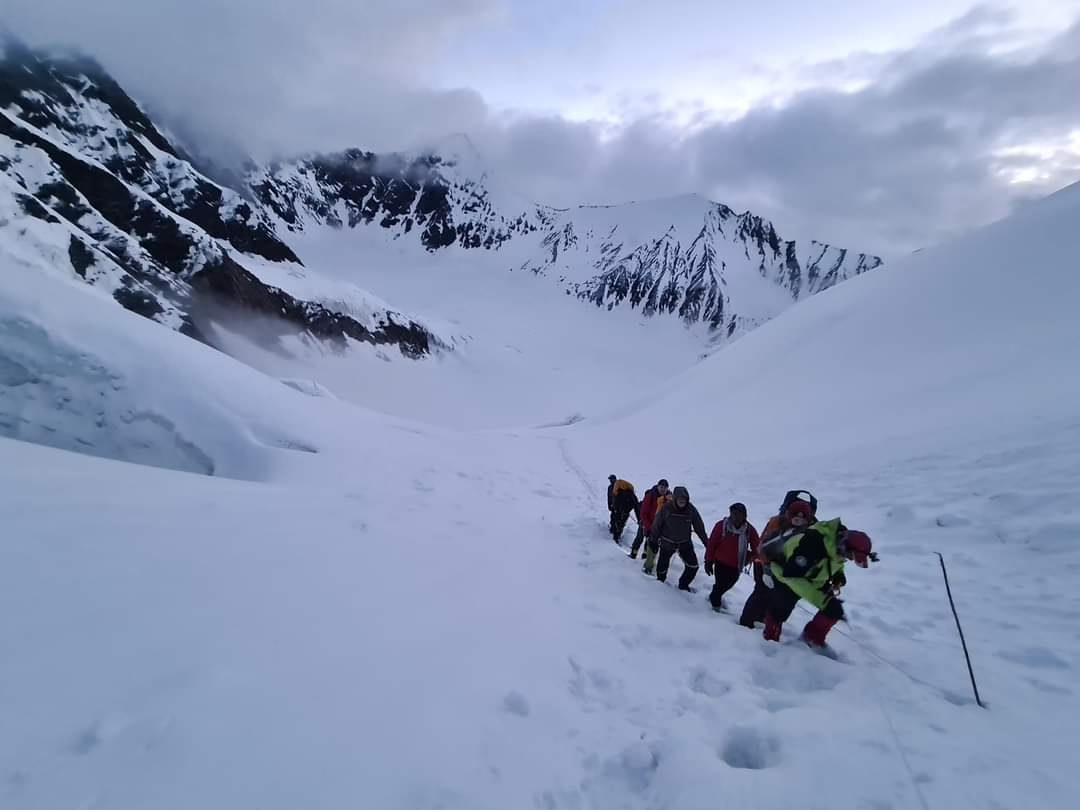
The trek’s biggest highlight is crossing the famous Thorong La Pass at an elevation of 5,416 meters (17,769 feet), making it one of the highest trekking passes in the world.
Why Choose the Annapurna Circuit Trek?
There are many reasons why trekkers consider the Annapurna Circuit Trek one of the best trekking experiences in Nepal:
Diverse Landscapes
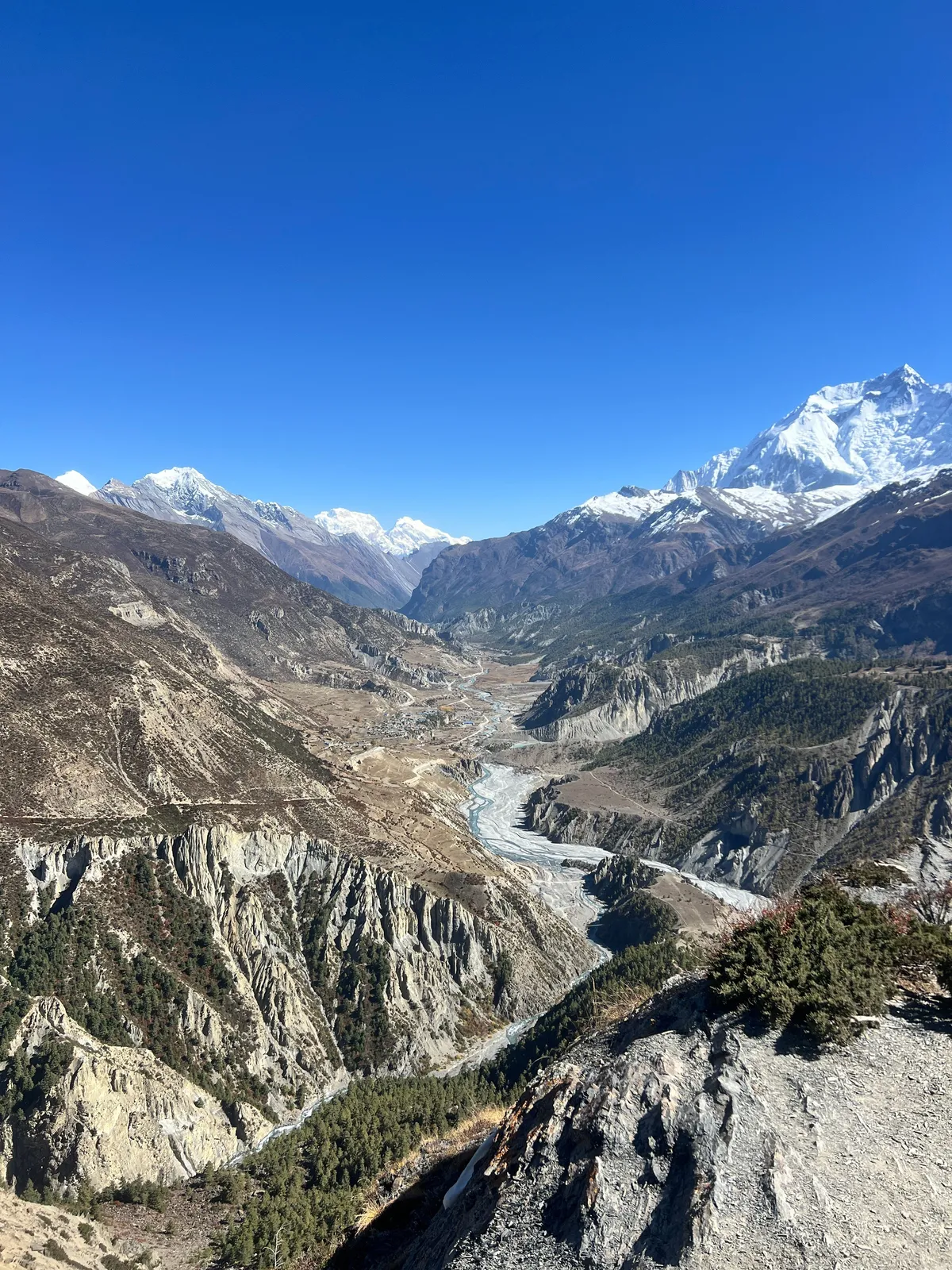
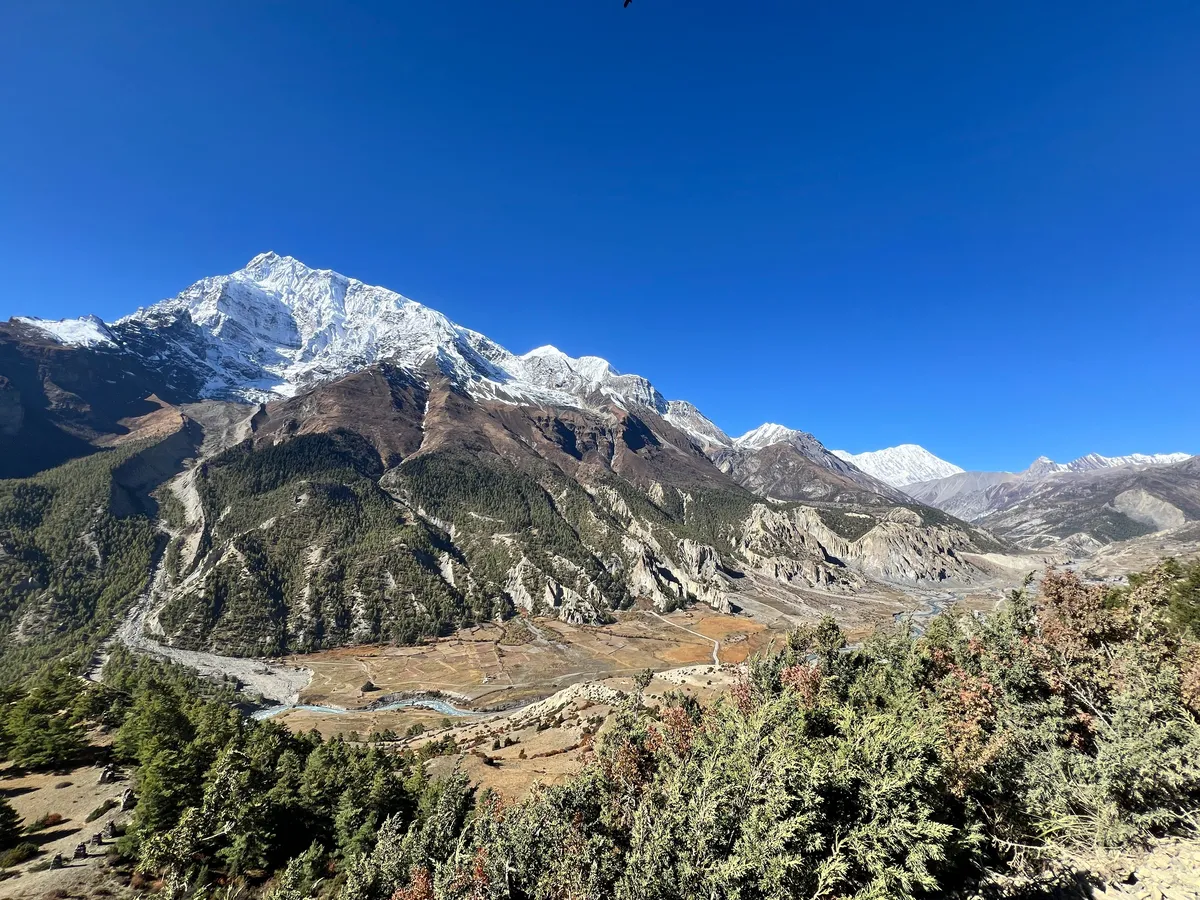
The trek offers incredible scenery, including:
- Terraced farmlands
- Rhododendron forests
- Deep gorges
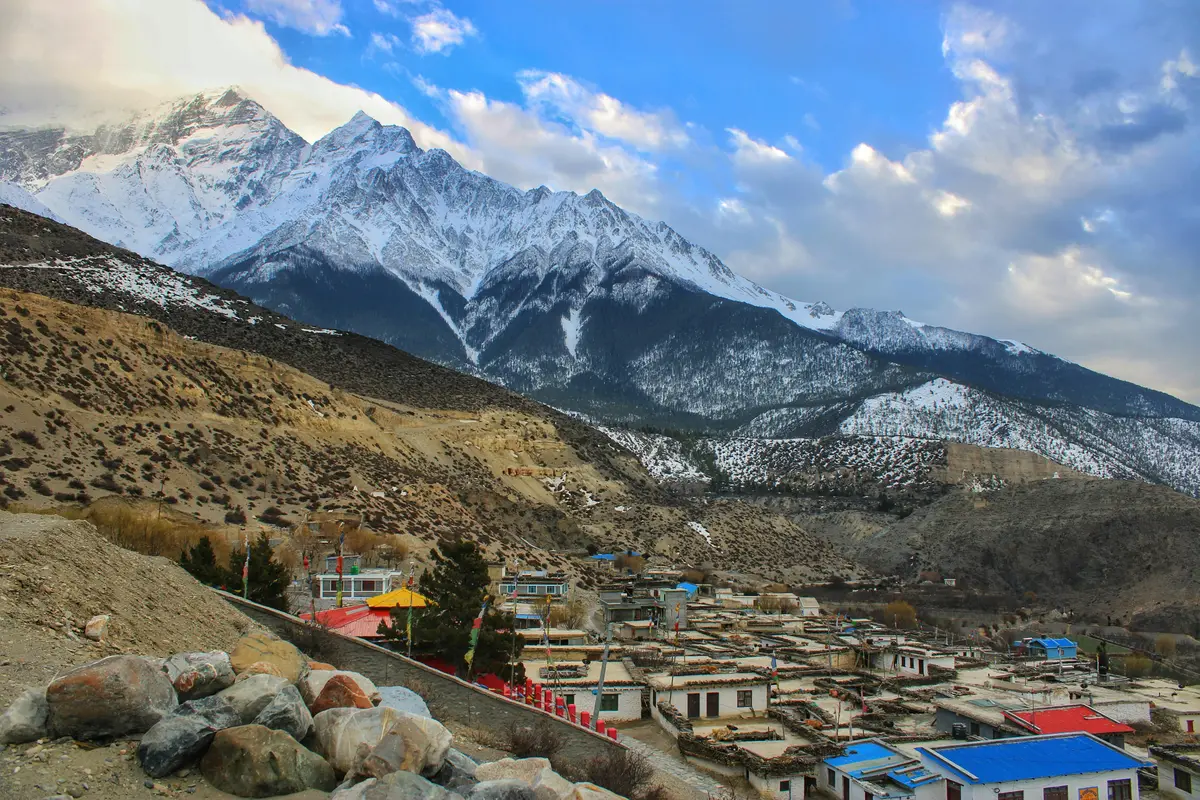
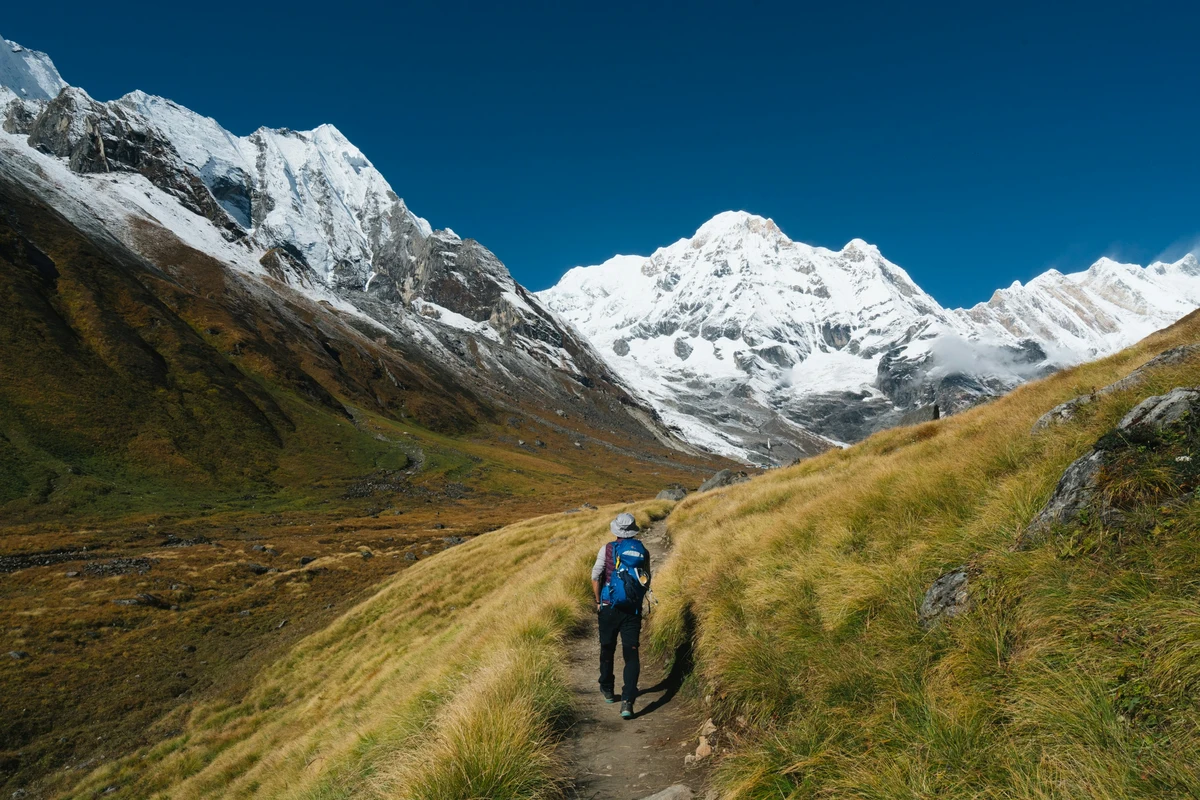
- Snow-capped mountains
- High-altitude deserts
Cultural Experience
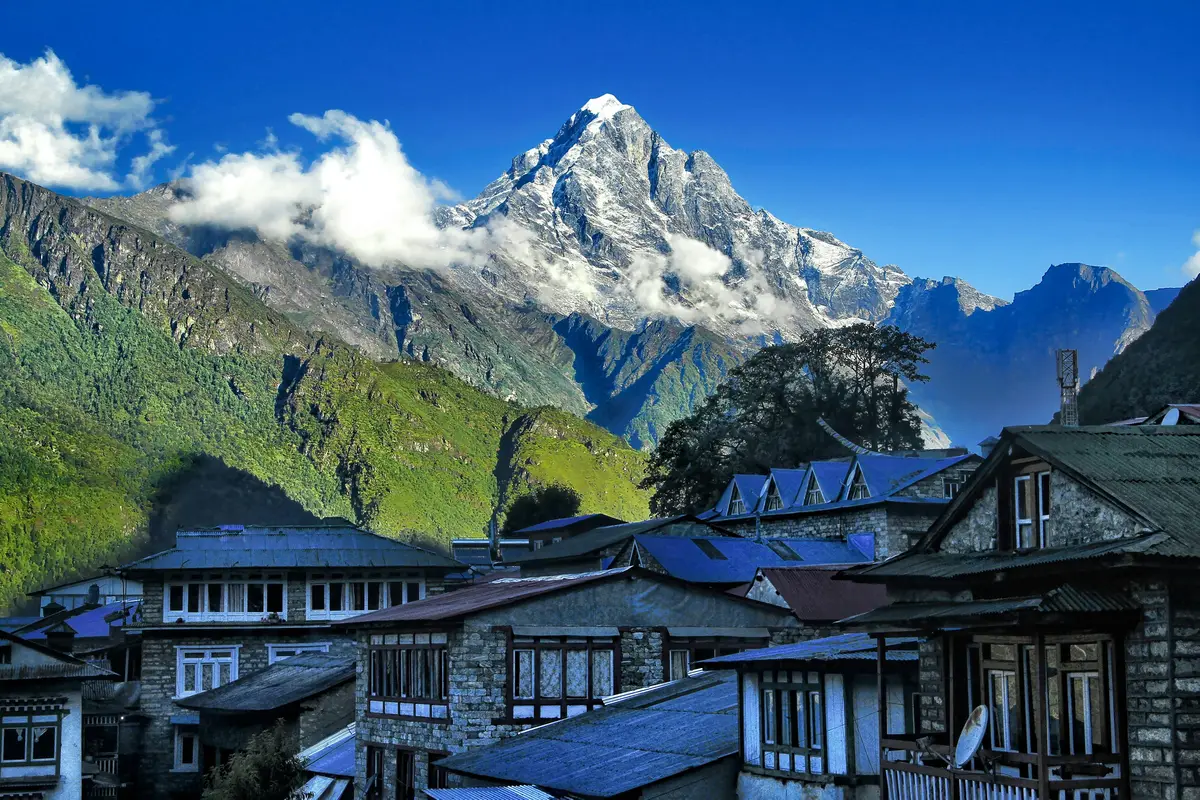
The Annapurna Circuit Trek passes through villages inhabited by Gurung, Thakali, and Manangi communities. Trekkers can experience local traditions, architecture, festivals, and hospitality.
Spectacular Mountain Views
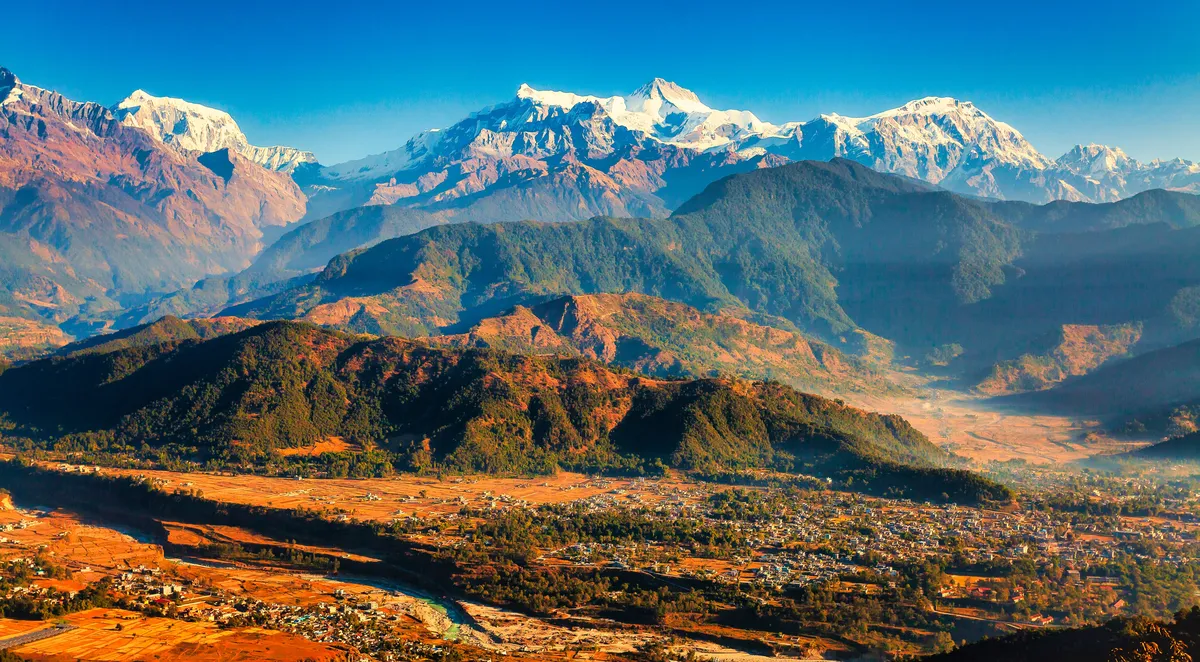
The route provides stunning views of:
- Annapurna I (8,091m)
- Annapurna II
- Annapurna III
- Annapurna IV
- Dhaulagiri
- Machhapuchhre (Fishtail)
- Gangapurna
- Tilicho Peak
Challenging Yet Rewarding
The trek is physically demanding but achievable for individuals with good fitness levels. The sense of accomplishment after crossing Thorong La Pass is unforgettable.
Best Time for Annapurna Circuit Trek
Choosing the right season is essential for a successful Annapurna Circuit Trek.
Spring (March to May)
Spring is one of the most popular seasons because:
- Stable weather
- Blooming rhododendron forests
- Excellent mountain visibility
- Comfortable temperatures
Autumn (September to November)
Autumn is widely regarded as the best season for the Annapurna Circuit Trek because:
- Clear skies
- Dry trails
- Spectacular mountain views
- Pleasant temperatures
Winter (December to February)
Winter offers fewer crowds and beautiful snow-covered landscapes. However, heavy snowfall can sometimes close Thorong La Pass.
Monsoon (June to August)
Monsoon trekking is less popular due to rain and slippery trails, though some sections remain accessible.
Annapurna Circuit Trek Route Overview
The modern Annapurna Circuit Trek typically begins from Besisahar or Chame and ends in Jomsom, Tatopani, or Nayapul, depending on the itinerary.
Popular Route
Day 1: Kathmandu to Besisahar
Day 2: Besisahar to Chame
Day 3: Chame to Pisang
Day 4: Pisang to Manang
Day 5: Acclimatization in Manang
Day 6: Manang to Yak Kharka
Day 7: Yak Kharka to Thorong Phedi
Day 8: Cross Thorong La Pass to Muktinath
Day 9: Muktinath to Jomsom
Day 10: Return to Pokhara
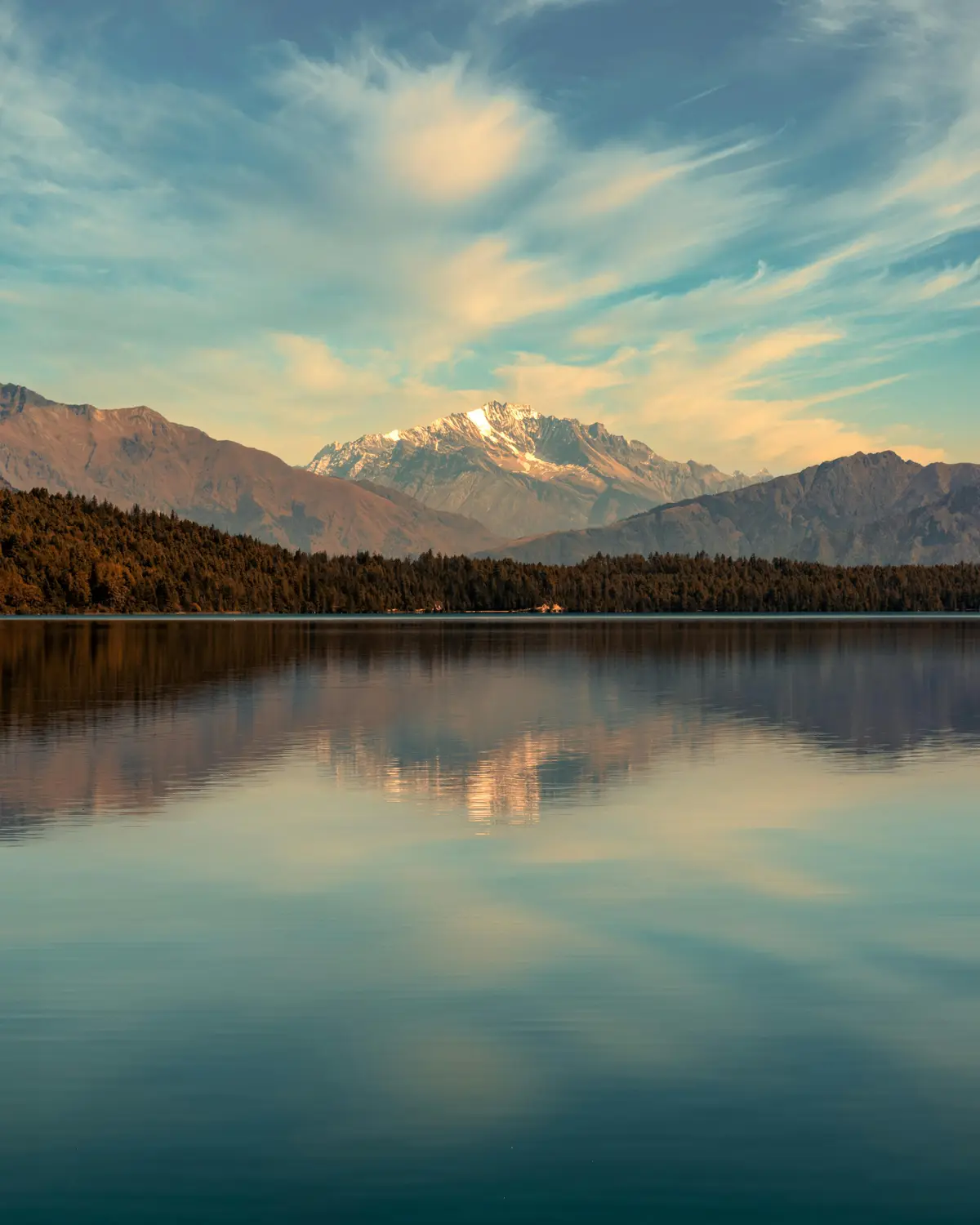
This itinerary can be extended to include Tilicho Lake, one of the world’s highest lakes.
Permits Required
To complete the Annapurna Circuit Trek, trekkers need the following permits:
Annapurna Conservation Area Permit (ACAP)
This permit supports conservation and sustainable tourism in the Annapurna region.
TIMS Card
The Trekkers’ Information Management System (TIMS) card helps ensure trekker safety and tracking.
Always carry physical copies of your permits throughout the trek.
Difficulty Level
The Annapurna Circuit Trek is considered moderately challenging to difficult.
Factors affecting difficulty include:
- Long walking days
- High altitude
- Steep ascents and descents
- Variable weather conditions
Most trekkers walk between 5-8 hours daily.
Altitude Challenges
Altitude sickness is a major concern during the Annapurna Circuit Trek. Proper acclimatization and hydration are essential.
Common symptoms include:
- Headache
- Nausea
- Dizziness
- Fatigue
If symptoms worsen, immediate descent is necessary.
Accommodation and Food
One of the advantages of the Annapurna Circuit Trek is the availability of tea houses.
Accommodation
Tea houses provide:
- Basic rooms
- Shared bathrooms
- Warm dining halls
- Charging facilities (extra cost)
Food Options
Trekkers can enjoy:
- Dal Bhat
- Noodles
- Fried rice
- Soups
- Pancakes
- Tea and coffee
Dal Bhat remains the most popular meal due to its nutritional value and unlimited refills in many tea houses.
Cost of Annapurna Circuit Trek
The cost of the Annapurna Circuit Trek varies depending on travel style and services.
Budget Trekker
- USD 25-40 per day
Mid-Range Trekker
- USD 40-70 per day
Guided Trek
- USD 800-1,500+ total package
Expenses may include:
- Permits
- Transportation
- Accommodation
- Meals
- Guide and porter services
- Travel insurance
Essential Packing List
Packing wisely is crucial for a successful Annapurna Circuit Trek.
Clothing
- Thermal layers
- Down jacket
- Waterproof jacket
- Trekking pants
- Gloves
- Warm hat
Footwear
- Trekking boots
- Camp shoes
- Warm socks
Equipment
- Backpack
- Sleeping bag
- Trekking poles
- Water bottle
- Headlamp
- Power bank
Personal Items
- Sunscreen
- Sunglasses
- First-aid kit
- Personal medications
Key Highlights of the Trek
Thorong La Pass
Crossing Thorong La Pass is the ultimate achievement of the Annapurna Circuit Trek.
Manang Village
Manang offers stunning mountain views and serves as an important acclimatization stop.
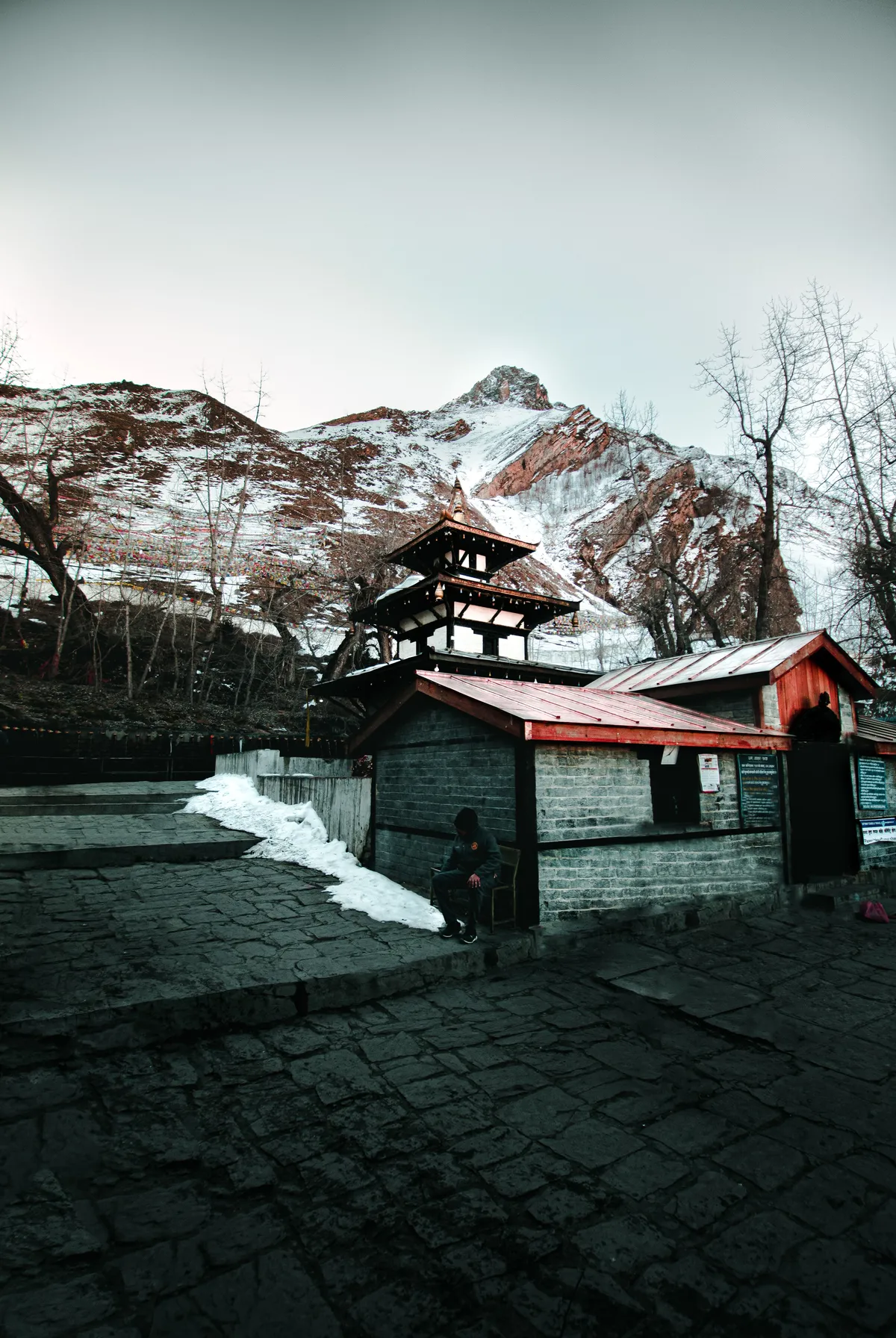
Muktinath Temple
A sacred pilgrimage site for both Hindus and Buddhists.
Kali Gandaki Gorge
One of the deepest gorges in the world.
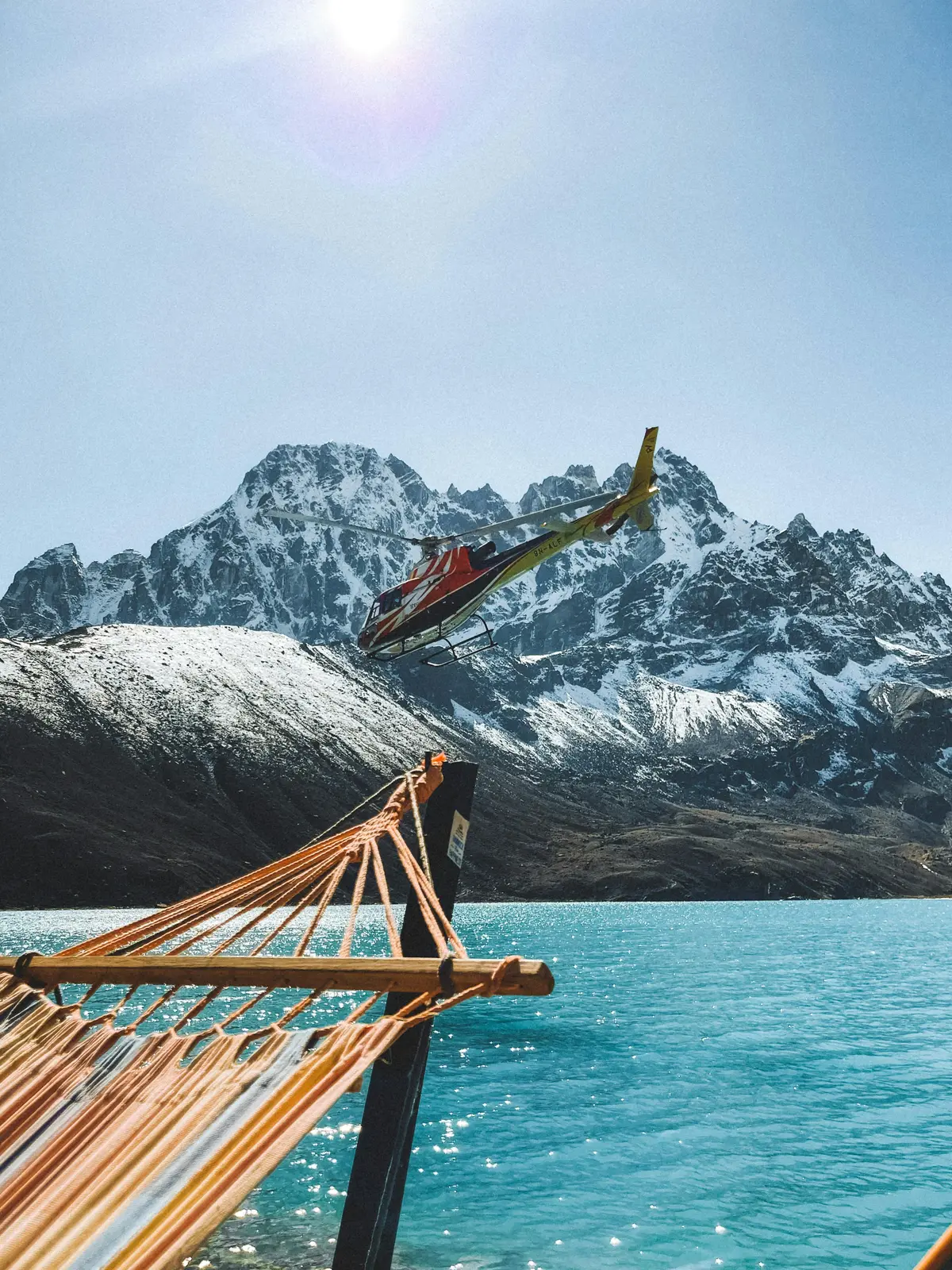
Tilicho Lake
An optional side trip that rewards trekkers with breathtaking alpine scenery.
Tips for a Successful Annapurna Circuit Trek
Train Before the Trek
Cardiovascular fitness and endurance training will improve your trekking experience.
Stay Hydrated
Drink at least 3-4 liters of water daily.
Acclimatize Properly
Take rest days seriously to reduce altitude-related risks.
Hire a Guide
A local guide enhances safety and cultural understanding during the Annapurna Circuit Trek.
Purchase Travel Insurance
Ensure your policy covers high-altitude trekking and helicopter evacuation.
Sustainable Trekking Practices
Responsible tourism helps preserve the Annapurna region.
- Carry reusable water bottles
- Avoid single-use plastics
- Respect local customs
- Support local businesses
- Follow marked trails
Sustainable behavior ensures future generations can enjoy the beauty of the Annapurna Circuit Trek.
Conclusion
The Annapurna Circuit Trek remains one of the greatest trekking adventures on Earth. Combining majestic Himalayan landscapes, rich cultural experiences, diverse ecosystems, and the thrilling challenge of crossing Thorong La Pass, it offers an unforgettable journey for outdoor enthusiasts. Whether you are seeking adventure, cultural immersion, or breathtaking mountain scenery, the Annapurna Circuit Trek delivers an experience unlike any other. With proper preparation, the right timing, and a spirit of exploration, this legendary trek can become the highlight of your travels in Nepal and a memory that lasts a lifetime.
If you’re ready to experience one of Nepal’s most iconic trekking adventures, explore our comprehensive Annapurna Circuit Trek package. Designed for trekkers of all experience levels, the package includes expert guides, comfortable accommodations, permit assistance, and a carefully planned itinerary to ensure a safe and unforgettable Himalayan journey.