Dashain in Nepal: Everything You Need to Know About Nepal’s Biggest Festival
Dashain in Nepal: Everything You Need to Know About Nepal’s Biggest Festival
Nepal is a country known for its mountains, ancient temples, diverse communities, and colorful festivals. Among all the celebrations that take place throughout the year, the Dashain Festival holds a special place in the hearts of Nepali people. It is the country’s longest and most widely celebrated festival, bringing families together from different cities, villages, and even countries.
For many Nepali people, Dashain is more than a religious celebration. It is a time to return home, meet relatives, receive blessings from elders, enjoy traditional food, and create memories with family. Streets become quieter in some cities as people travel to their hometowns, while homes become lively with gatherings, laughter, and celebrations. For travelers visiting Nepal during this season, the Dashain Festival offers an opportunity to experience an important part of Nepali culture beyond the usual trekking routes and tourist attractions. Understanding its traditions, rituals, food, and meaning can make a visit to Nepal even more memorable.
What Is Dashain Festival?
The Dashain Festival is a major Hindu festival celebrated throughout Nepal. It is associated with the victory of good over evil and is dedicated particularly to Goddess Durga in many traditions. Dashain generally lasts for around 15 days, although the most important celebrations take place during several key days. The festival follows the lunar calendar, so its dates change every year. It usually falls in September or October, making it coincide with Nepal’s beautiful autumn season.
The central message of the Dashain Festival is the triumph of good over evil. In Hindu mythology, Goddess Durga is believed to have defeated the demon Mahishasura after a long battle. This victory represents the power of good, righteousness, and divine strength. However, the meaning of Dashain differs slightly among Nepal’s diverse communities. The way people celebrate can also vary according to their cultural traditions, family background, and geographical location.
Why Is Dashain the Biggest Festival in Nepal?
The Dashain Festival is considered Nepal’s biggest festival because of its widespread participation and deep cultural importance. People from different parts of the country celebrate it, including communities with different languages, customs, and traditions. One of the most important aspects of Dashain is family reunion. Nepali people who live away from their hometowns often travel back to their villages during the festival. Students return from cities, workers take leave from their jobs, and families gather under one roof.
For many people, receiving tika and blessings from parents and grandparents is one of the most meaningful moments of the celebration. Dashain also brings a long holiday period. Schools, colleges, government offices, and many businesses traditionally close or operate with reduced schedules. This gives people time to travel, spend time with relatives, and participate in family traditions.
The Important Days of Dashain
The Dashain Festival is made up of several important days, each carrying its own meaning and traditions.
1. Ghatasthapana
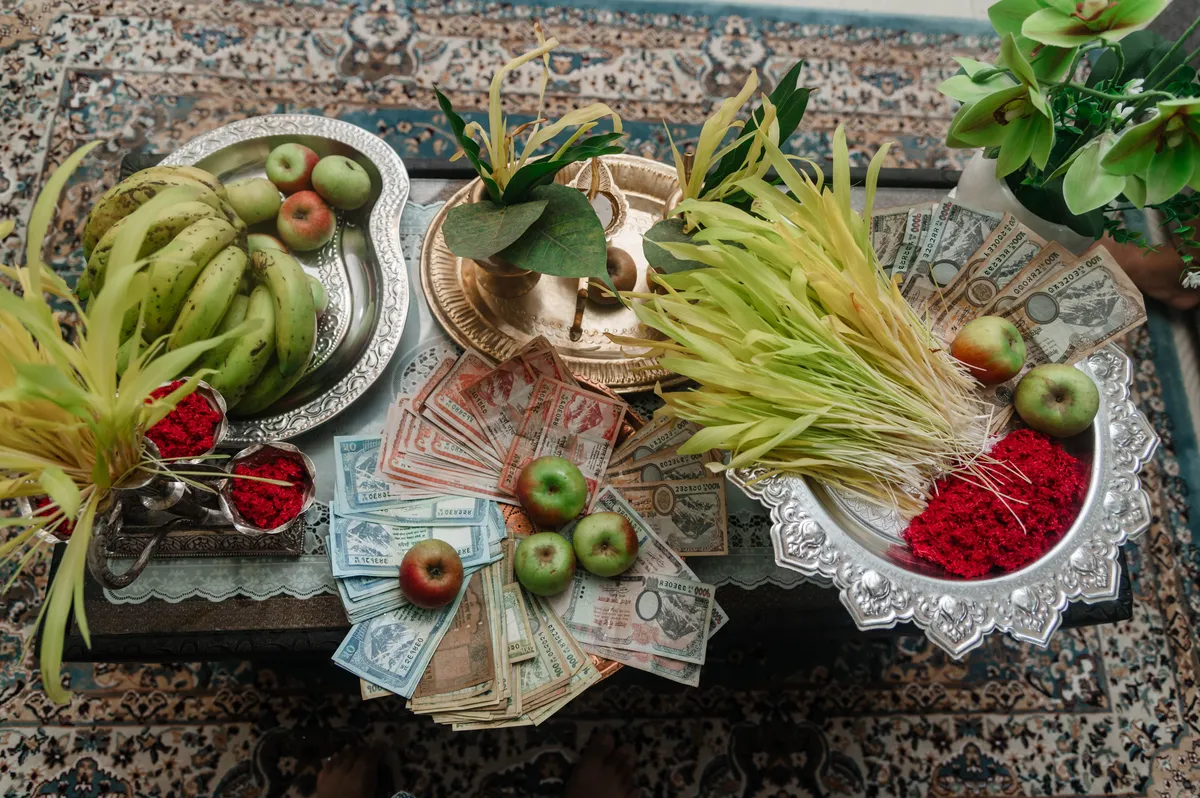
Ghatasthapana marks the beginning of Dashain. On this day, people establish a sacred pot called a ghata and begin growing jamara, usually barley shoots.Seeds are planted in a dark and protected place where they can grow for several days. The green or yellowish jamara later becomes an important part of the tika ceremony. Ghatasthapana officially begins the festive atmosphere in many Nepali households.
2. Phulpati
Phulpati is another important day of the Dashain Festival. Traditionally, a collection of sacred flowers, plants, and other items is brought into homes as part of the celebration. In Kathmandu, Phulpati has historically been associated with a formal ceremony at Hanuman Dhoka. The day also marks an increase in the festive atmosphere as families prepare for the major celebrations ahead.
3. Maha Ashtami
Maha Ashtami is considered one of the most important days of Dashain. It is particularly associated with Goddess Durga and her different forms. Many devotees visit temples during this period. Some families also follow traditional practices involving animal sacrifices, while others celebrate through vegetarian offerings and prayers. The traditions surrounding Maha Ashtami can vary considerably between communities and families.
4. Maha Navami
Maha Navami is the ninth day of the festival. It is traditionally connected with worship and offerings to Goddess Durga. In some communities, vehicles, tools, machinery, and other equipment are also worshipped. This tradition reflects the belief that the tools people depend on for their livelihoods should be respected and blessed.
5. Vijaya Dashami
Vijaya Dashami is the most important day of the Dashain Festival. On this day, younger family members visit elders to receive tika and jamara along with blessings. Elders place a mixture of red tika and jamara on the forehead of younger relatives and give them blessings for health, happiness, success, and prosperity. People often travel from house to house to meet relatives. It is common for homes to be filled with visitors throughout the day.
Tika and Jamara: The Heart of Dashain
Tika and jamara are perhaps the most recognizable symbols of the Dashain Festival. Tika is traditionally prepared using red vermilion, yogurt, and rice. Jamara refers to the shoots grown from barley or other grains during the first days of Dashain. During Vijaya Dashami, elders place tika and jamara on younger family members while giving blessings. Money or gifts may also be given to children and younger relatives. For Nepali people living abroad or away from their families, this tradition can be especially emotional. Many make long journeys simply to sit with their parents and receive their blessings.
Traditional Food During Dashain
Food is another major part of the Dashain Festival. Family gatherings are often accompanied by special meals and traditional dishes. One of the most common foods enjoyed during Dashain is mutton, although food choices differ between families and communities. Other popular dishes can include:
- Momo
- Sel roti
- Meat curries
- Dal bhat
- Aloo and vegetable dishes
- Pickles
- Sweets and homemade snacks
Dashain is often a time when families prepare more elaborate meals than they normally would. Sharing food with relatives and guests is an important part of the celebration.
Why Do Nepali People Travel During Dashain?
One of the most noticeable features of the Dashain Festival is the large movement of people across Nepal. Thousands of Nepali people travel from Kathmandu and other major cities back to their hometowns and villages. Public buses, domestic flights, and highways can become extremely busy before the main festival days. For many people, Dashain is the one time of year when the entire family can come together. This annual journey is sometimes referred to as returning home for Dashain. It reflects the strong connection Nepali people have with their birthplace and family.
Experiencing Dashain as a Traveler
For international travelers, visiting Nepal during the Dashain Festival can provide a different perspective on the country. Tourist areas may feel quieter than usual during some festival days because many Nepali people are visiting their hometowns. At the same time, travelers can see decorated homes, traditional celebrations, temple activities, local markets, and families enjoying the holiday.
Travelers should remember that Dashain is primarily a family and cultural festival. Respecting local customs is important, particularly when visiting homes, temples, or traditional communities. A simple understanding of tika, jamara, traditional greetings, and local etiquette can help visitors appreciate the experience more deeply.
Is Dashain a Good Time for Trekking?
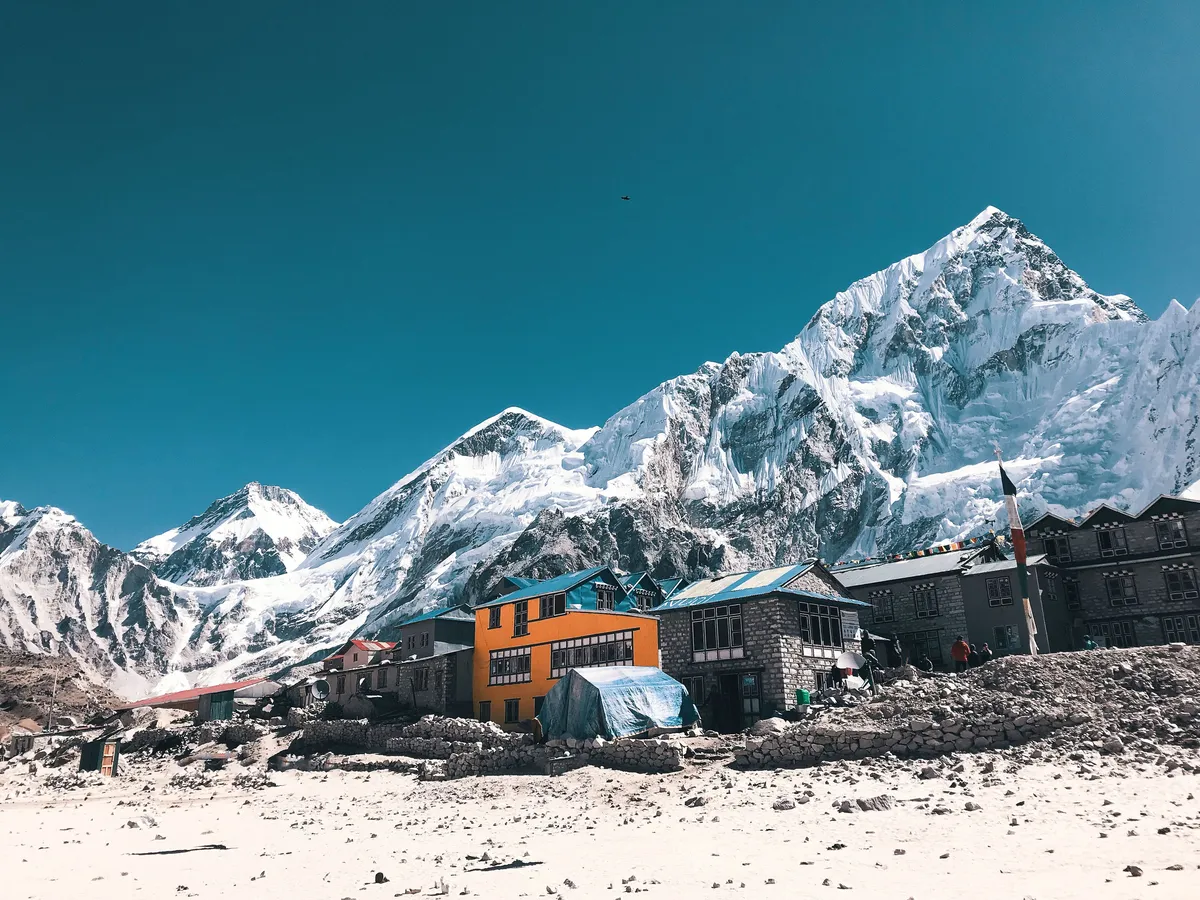
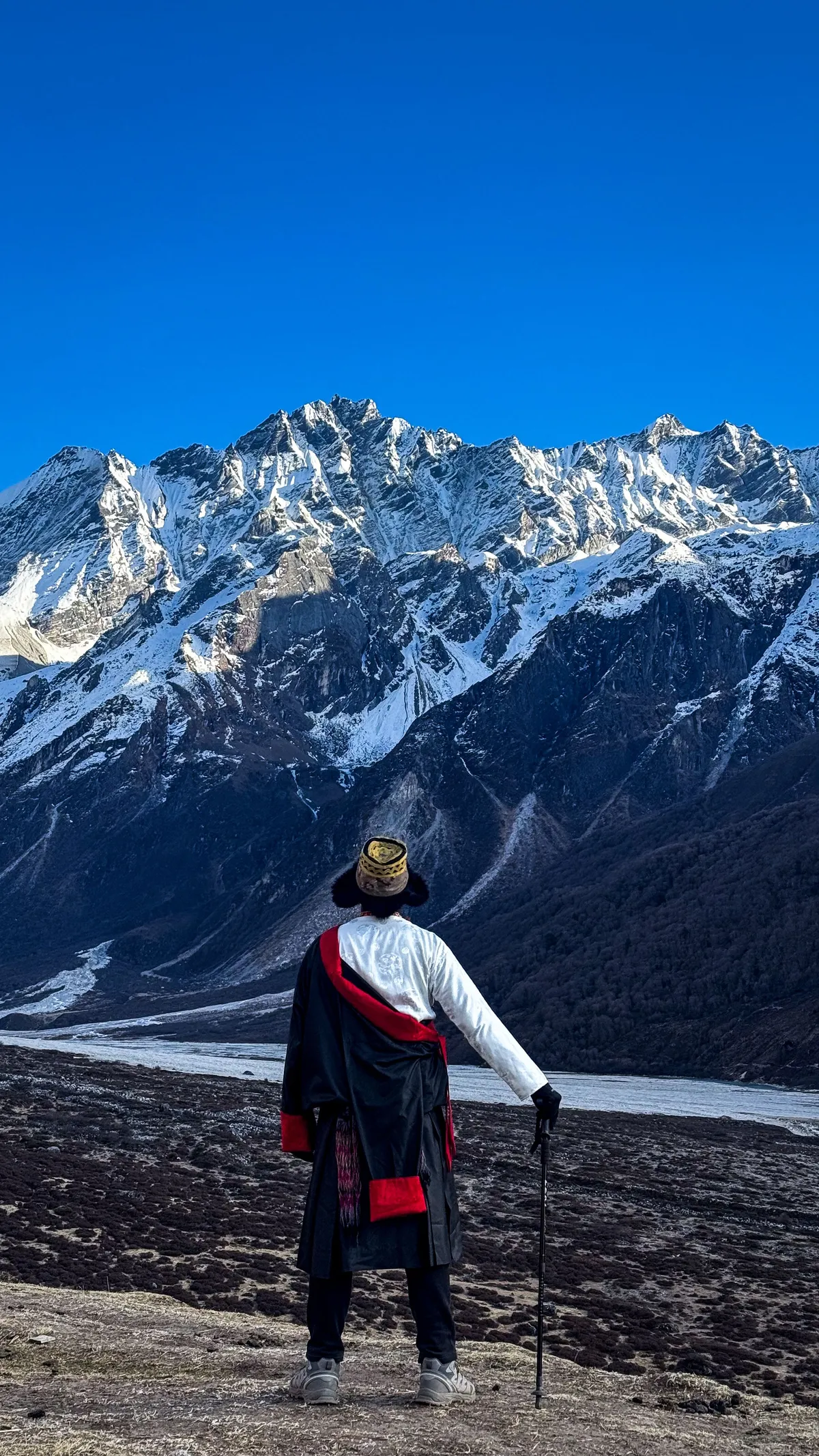
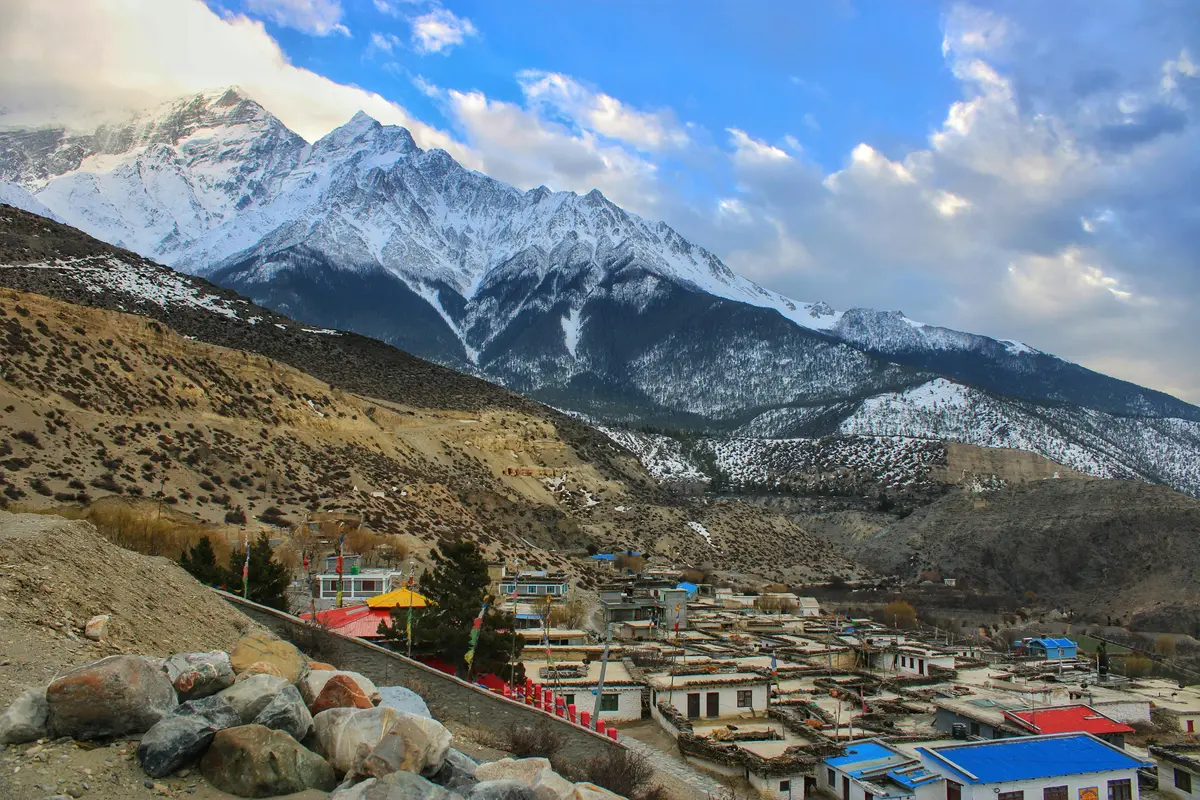
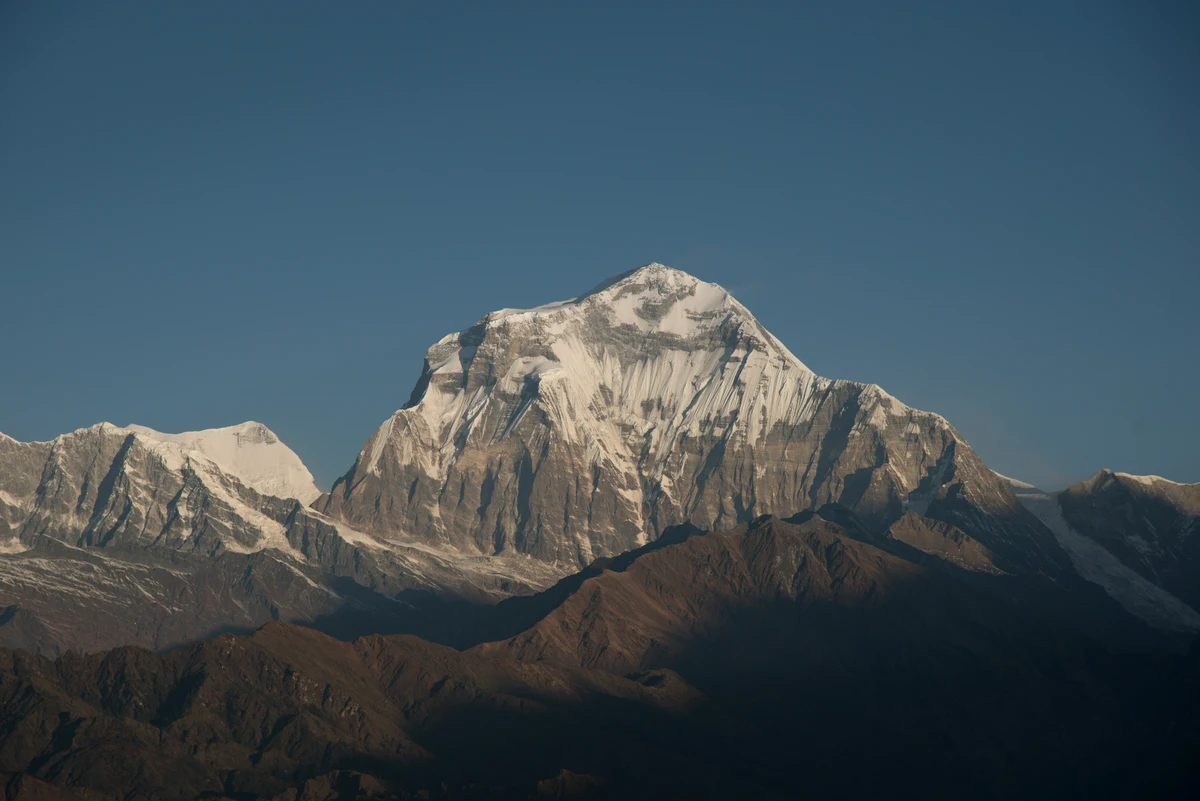
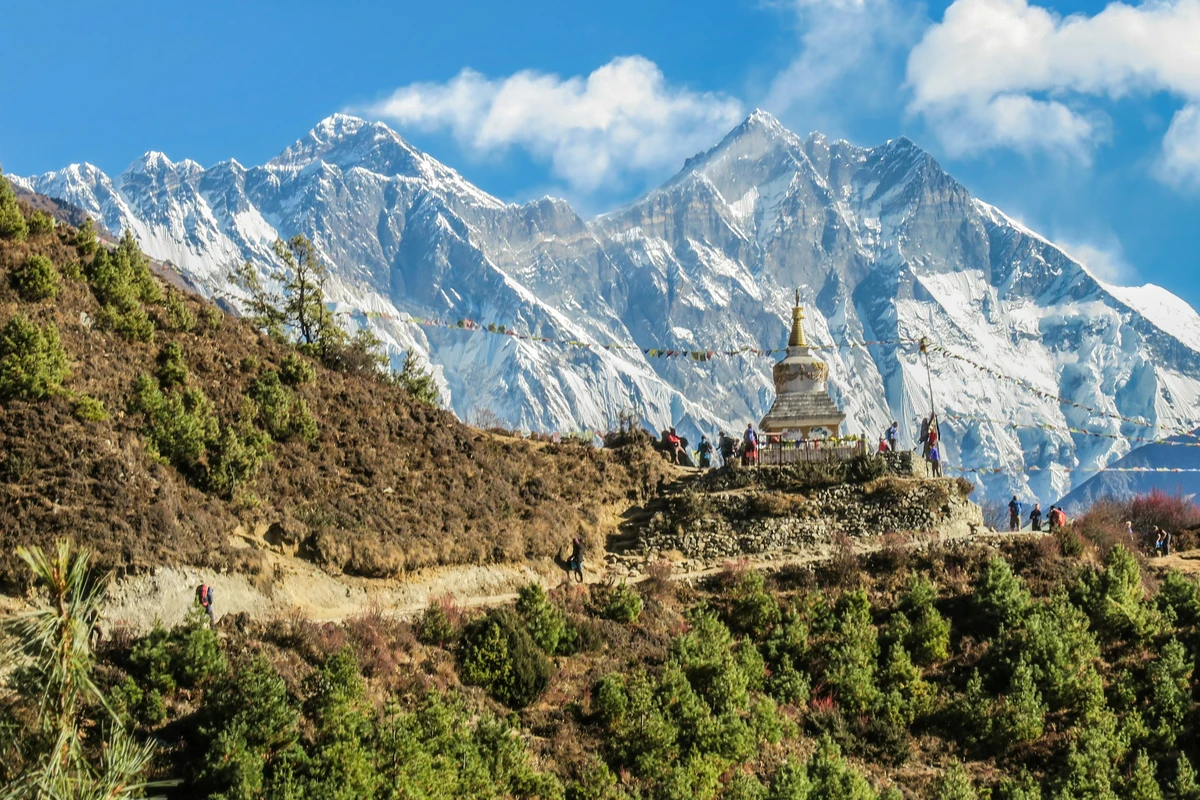
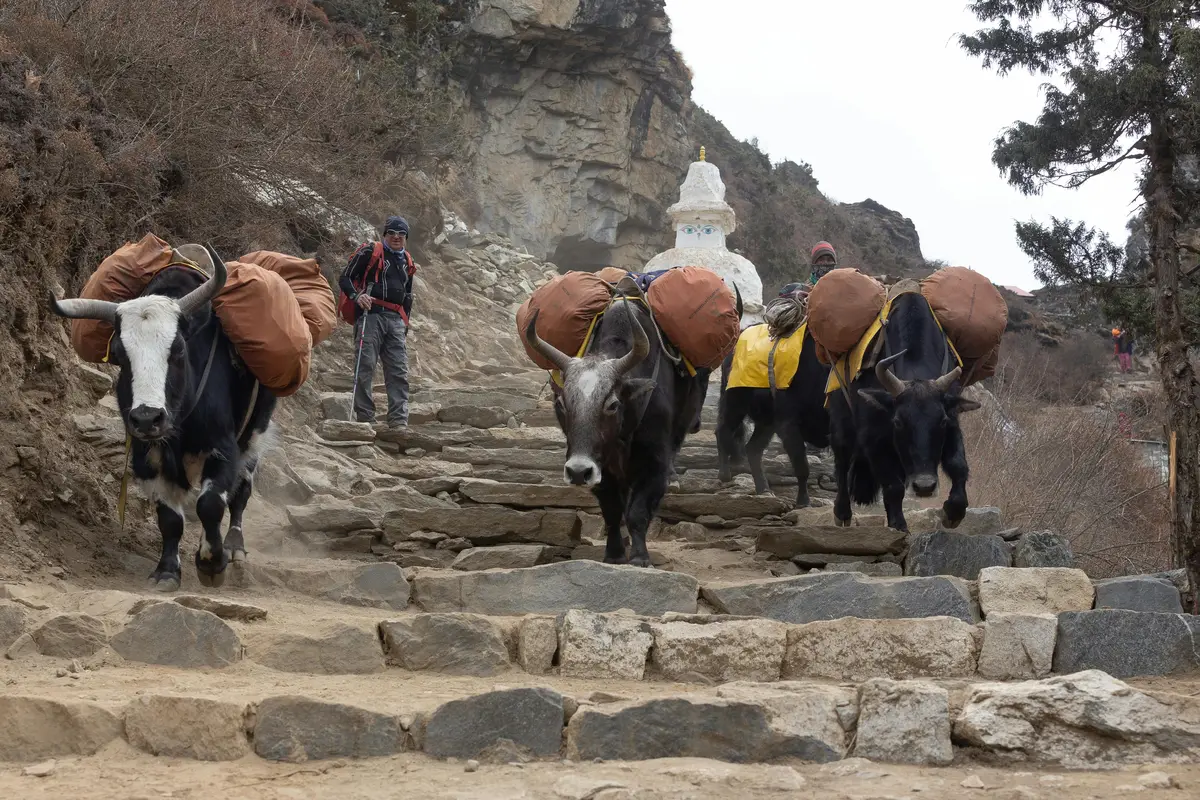
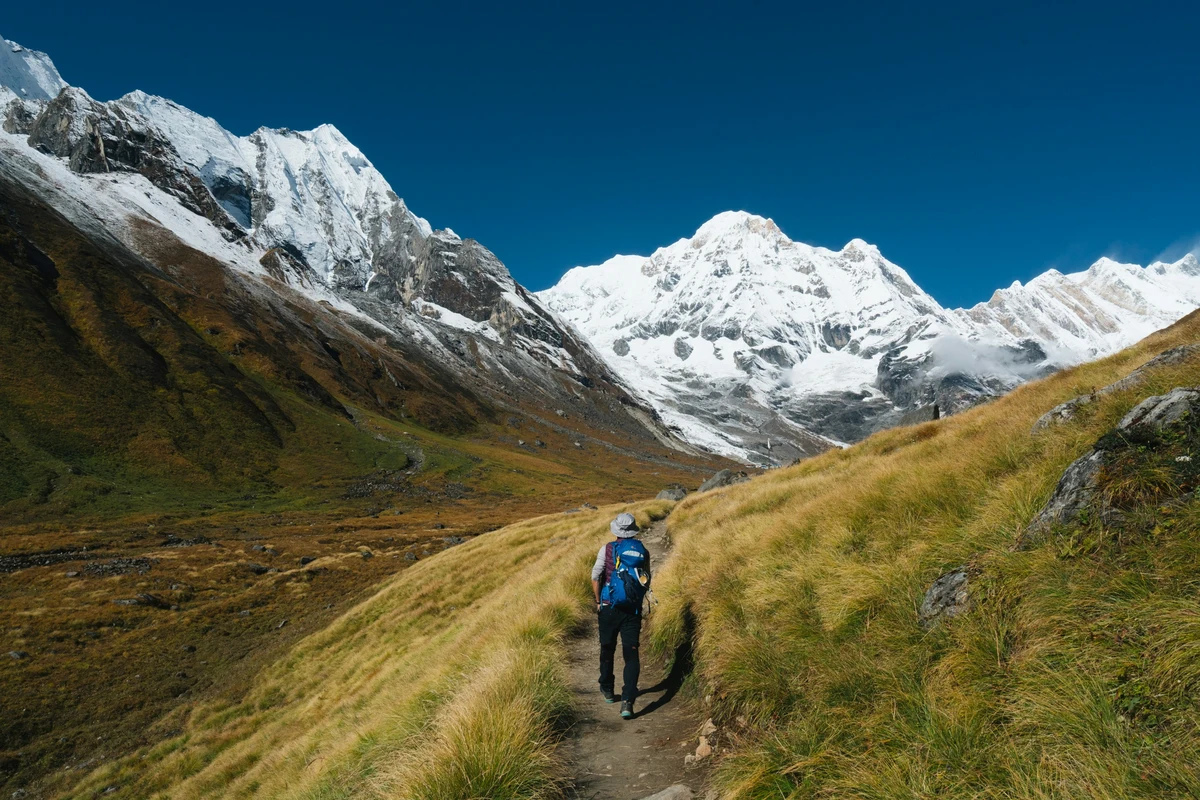
Dashain usually falls during Nepal’s autumn season, which is one of the most popular periods for trekking. The weather is generally favorable for mountain journeys, with clearer skies and comfortable daytime temperatures in many trekking regions. Popular destinations such as the Annapurna region, Everest region, Langtang, and other mountain areas can attract trekkers during this period.
However, the festival itself can affect transportation and local business operations. Some local businesses may close for several days so their staff can return home to celebrate with their families. Therefore, travelers planning a trek around the Dashain Festival should organize transportation, accommodation, permits, guides, and other arrangements in advance.
Places to Experience Nepal During Dashain
Although Dashain is celebrated throughout Nepal, different destinations offer different experiences.
Kathmandu Valley
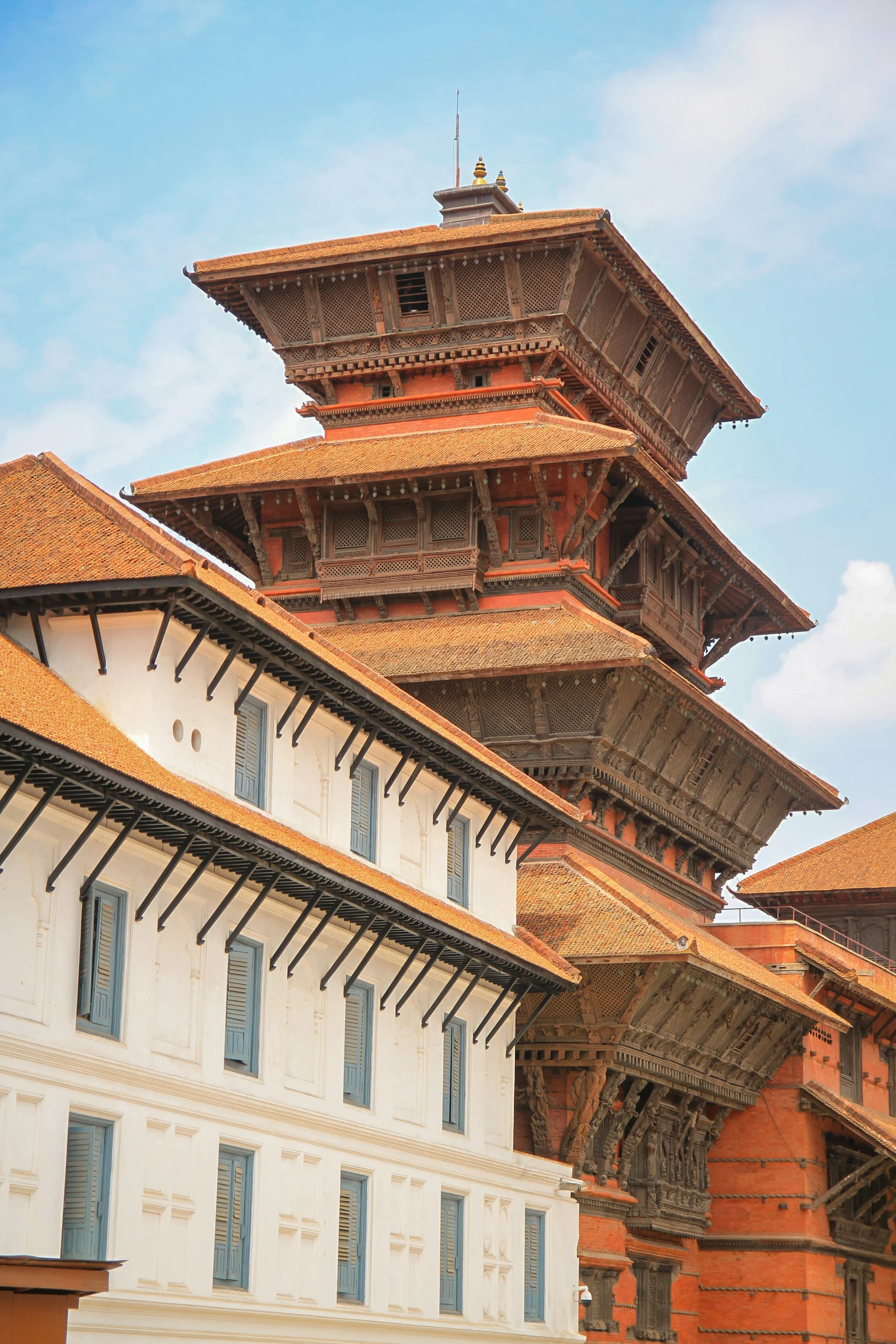
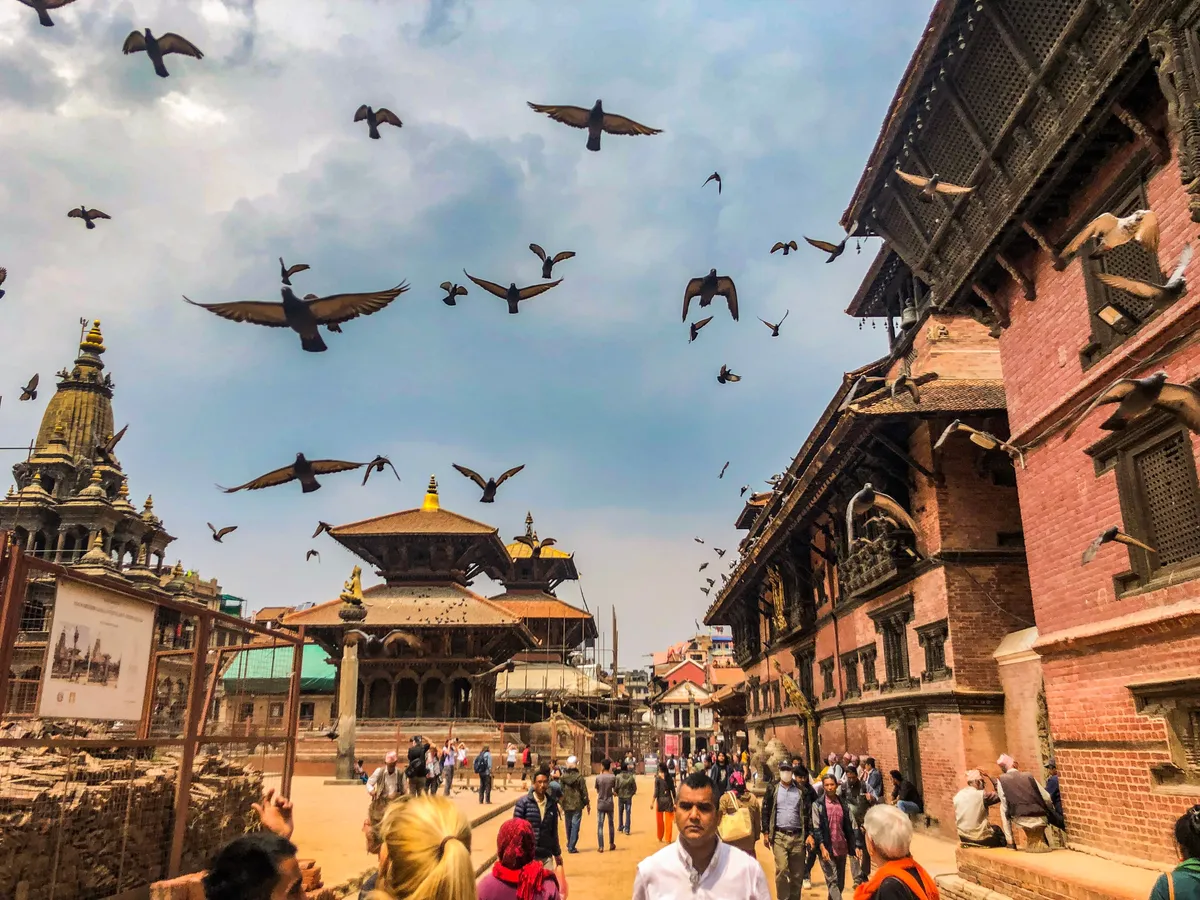
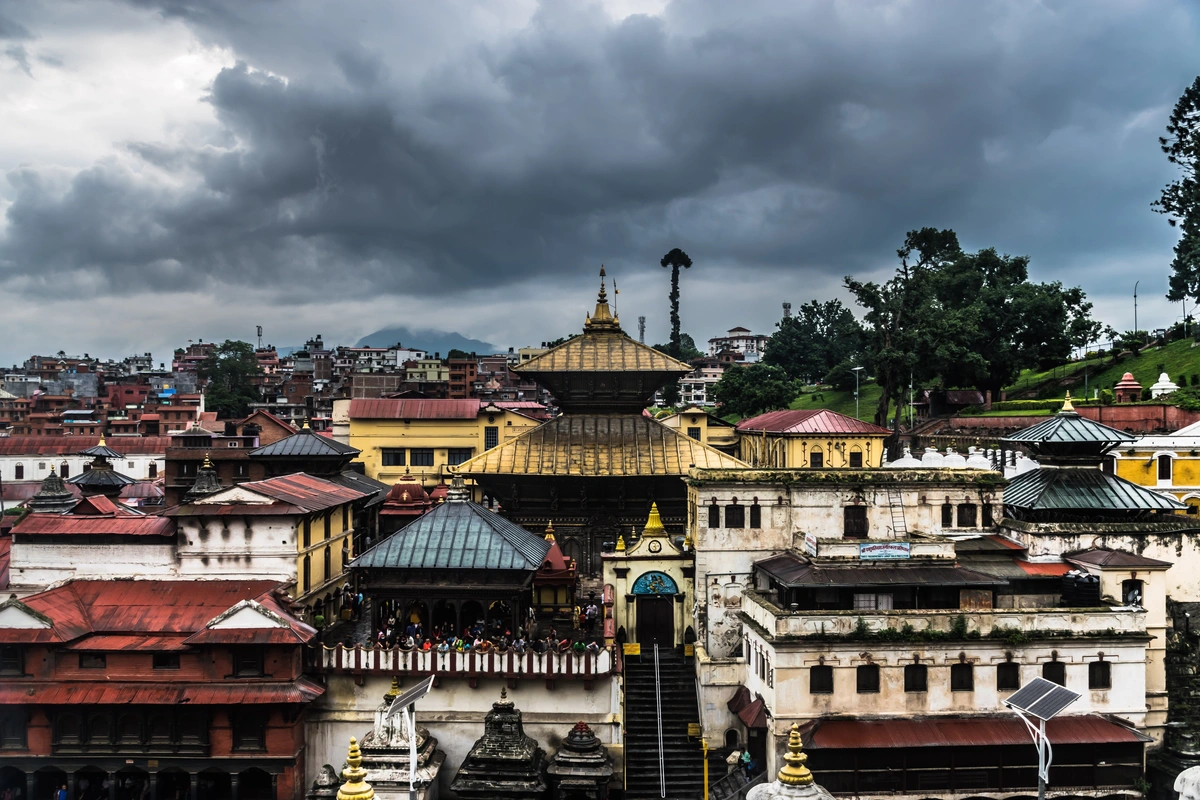
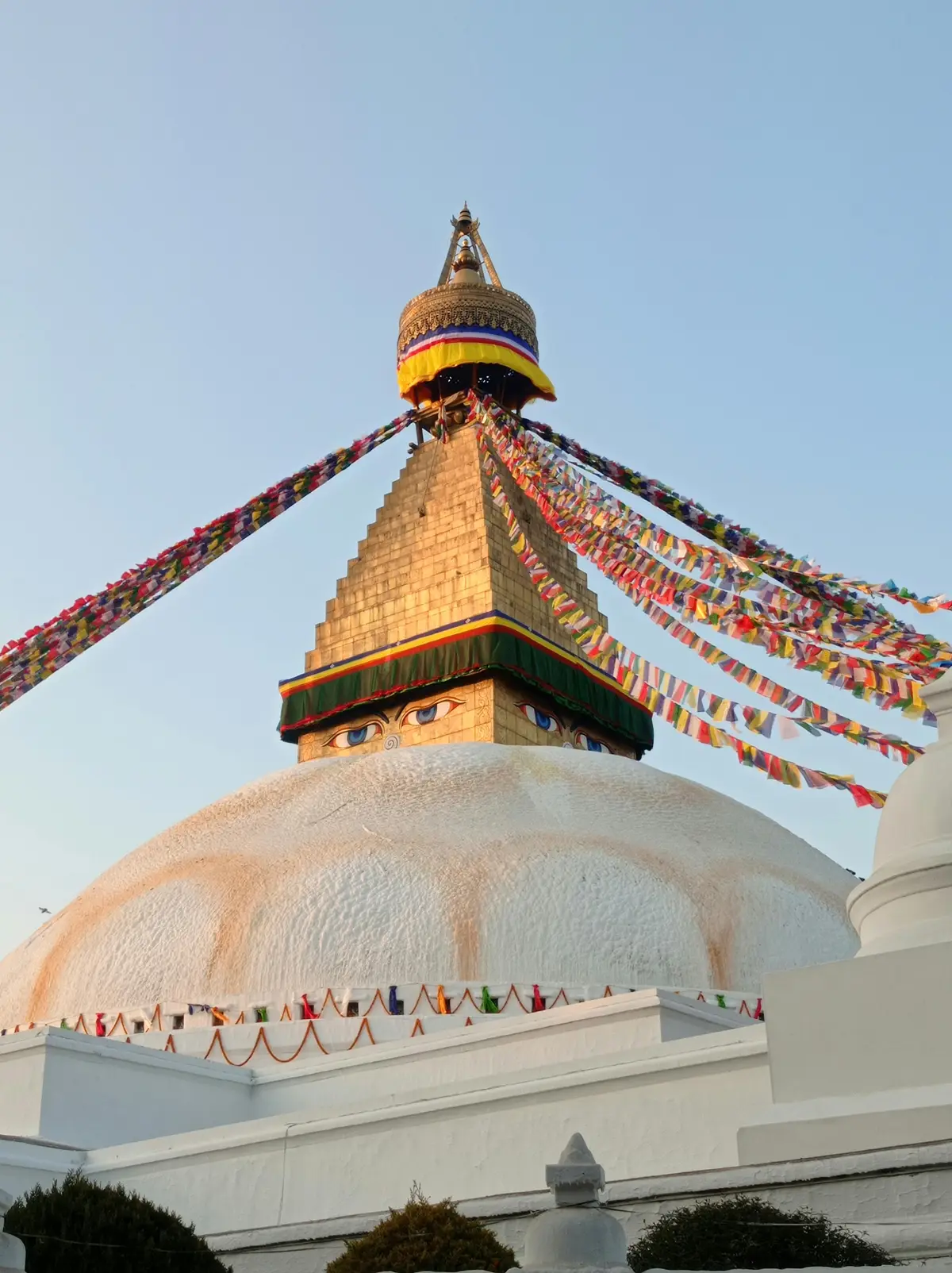
Kathmandu, Lalitpur, and Bhaktapur provide opportunities to experience Nepal’s historic architecture, temples, and cultural traditions. The valley is also home to many important religious and historical sites.
Pokhara
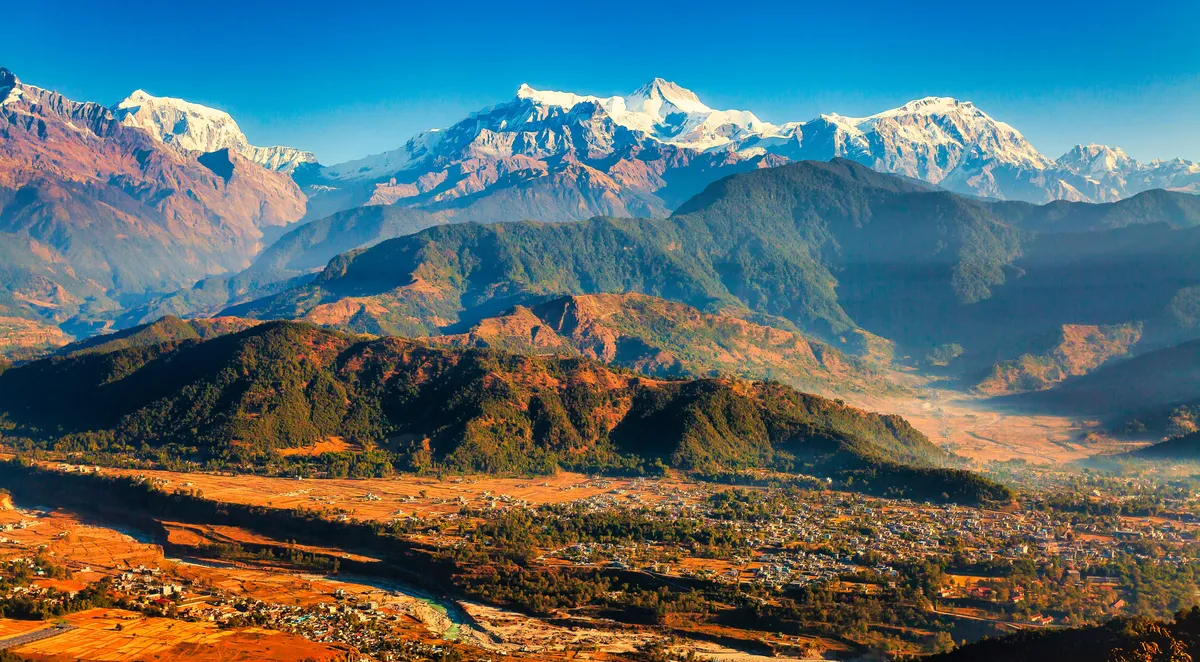
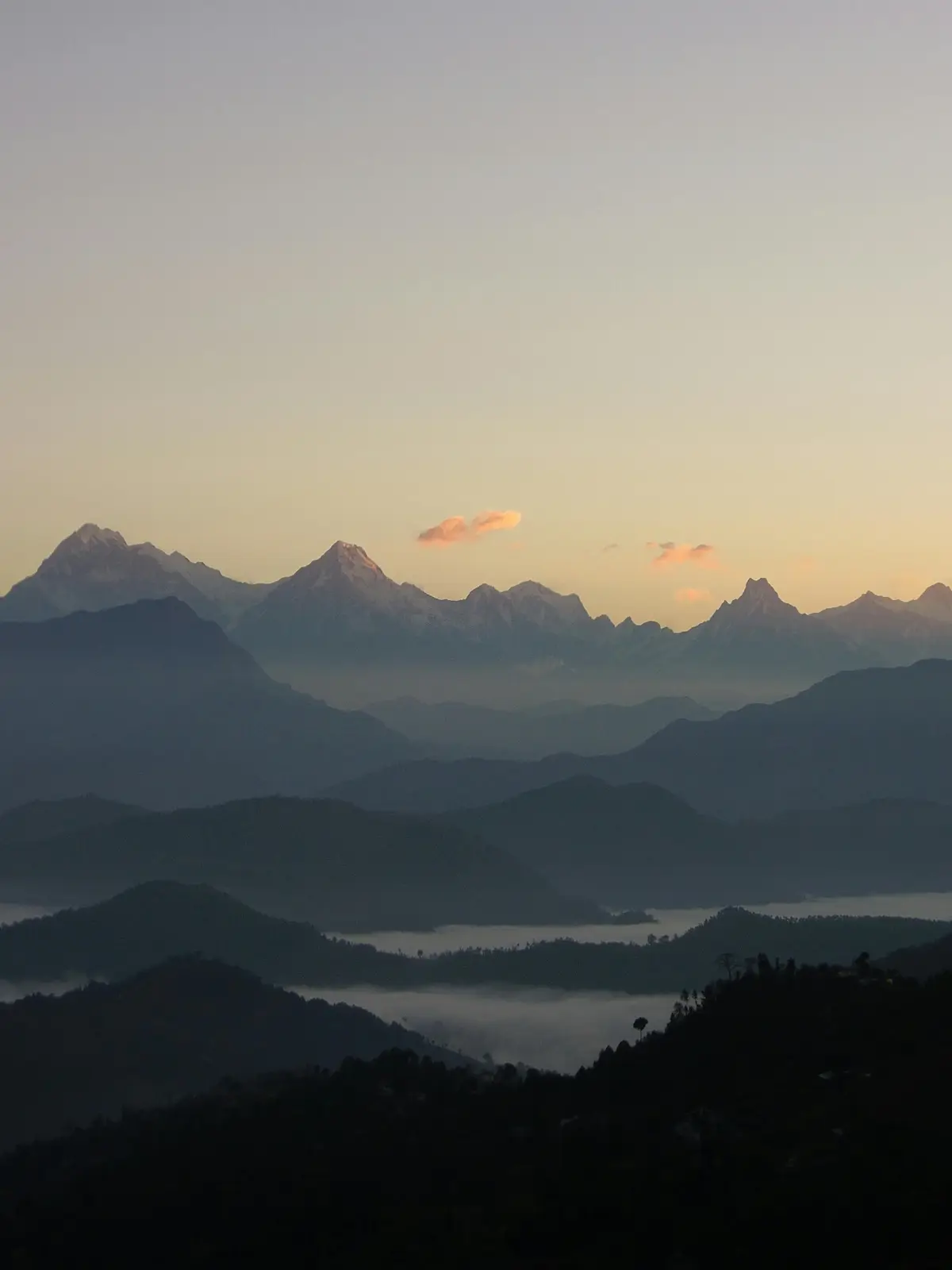
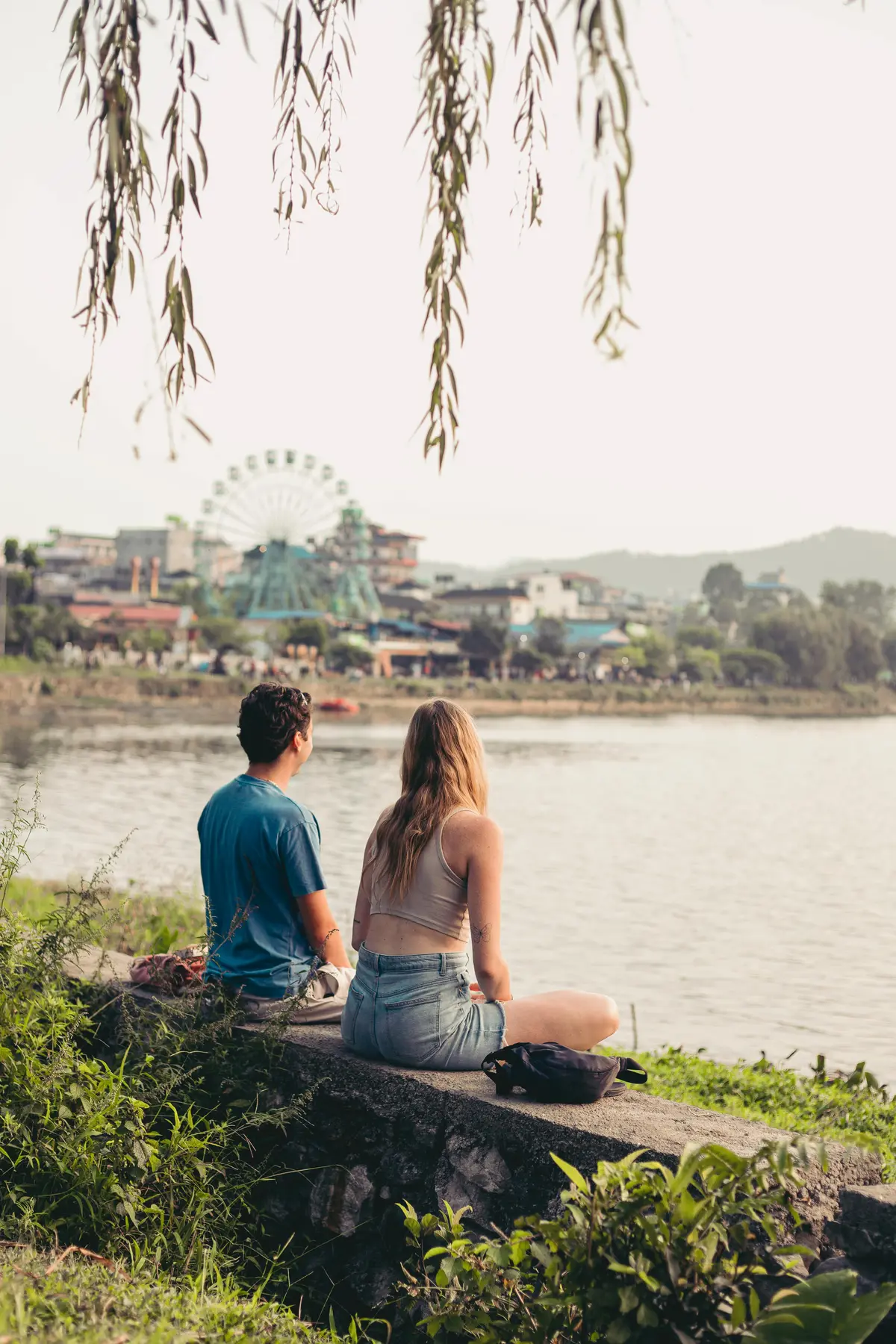
Pokhara can be a relaxing destination during the Dashain holiday. Visitors can enjoy views of the Annapurna range, lakeside scenery, and nearby hiking opportunities.
Bandipur
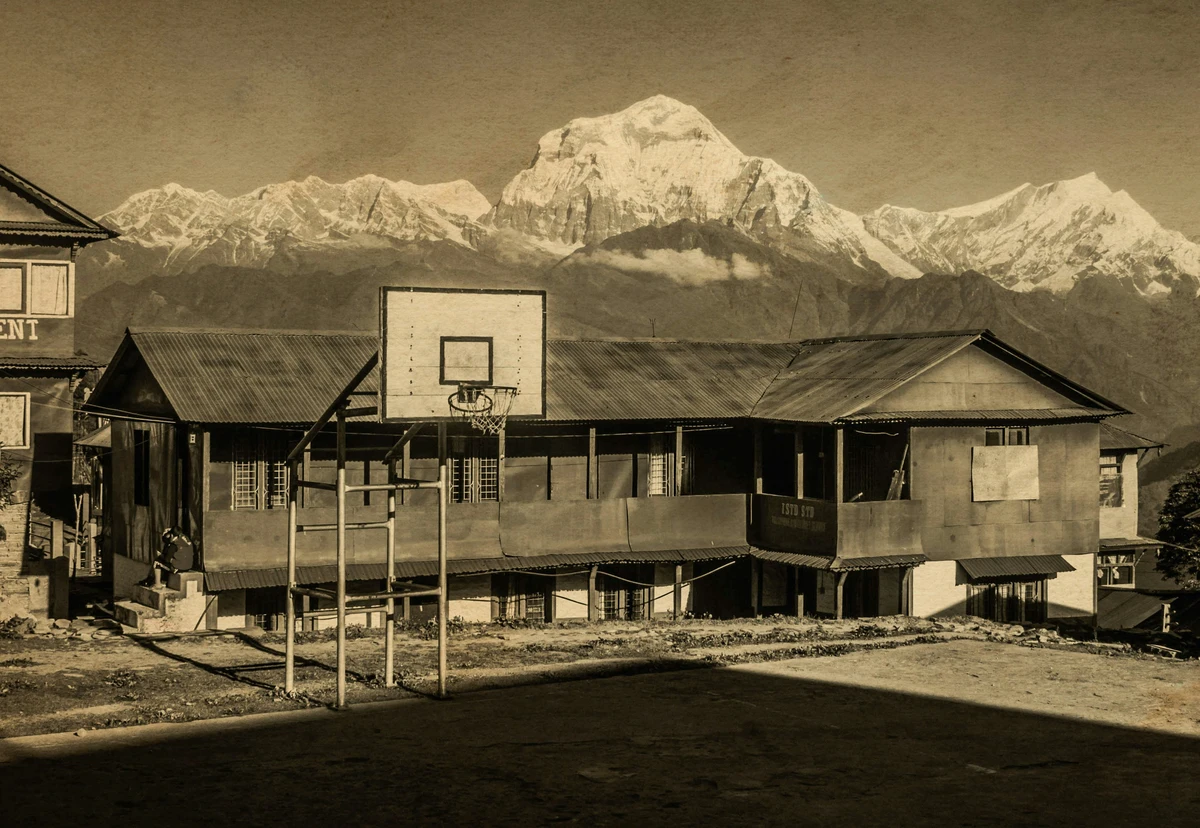
Bandipur offers a traditional hill-town atmosphere, making it an interesting destination for travelers who want to experience Nepal beyond the major cities.
Chitwan
For travelers interested in wildlife and nature, Chitwan provides a different experience from the mountains. Jungle activities and cultural experiences can make it a good addition to a Nepal itinerary.
Mountain Regions
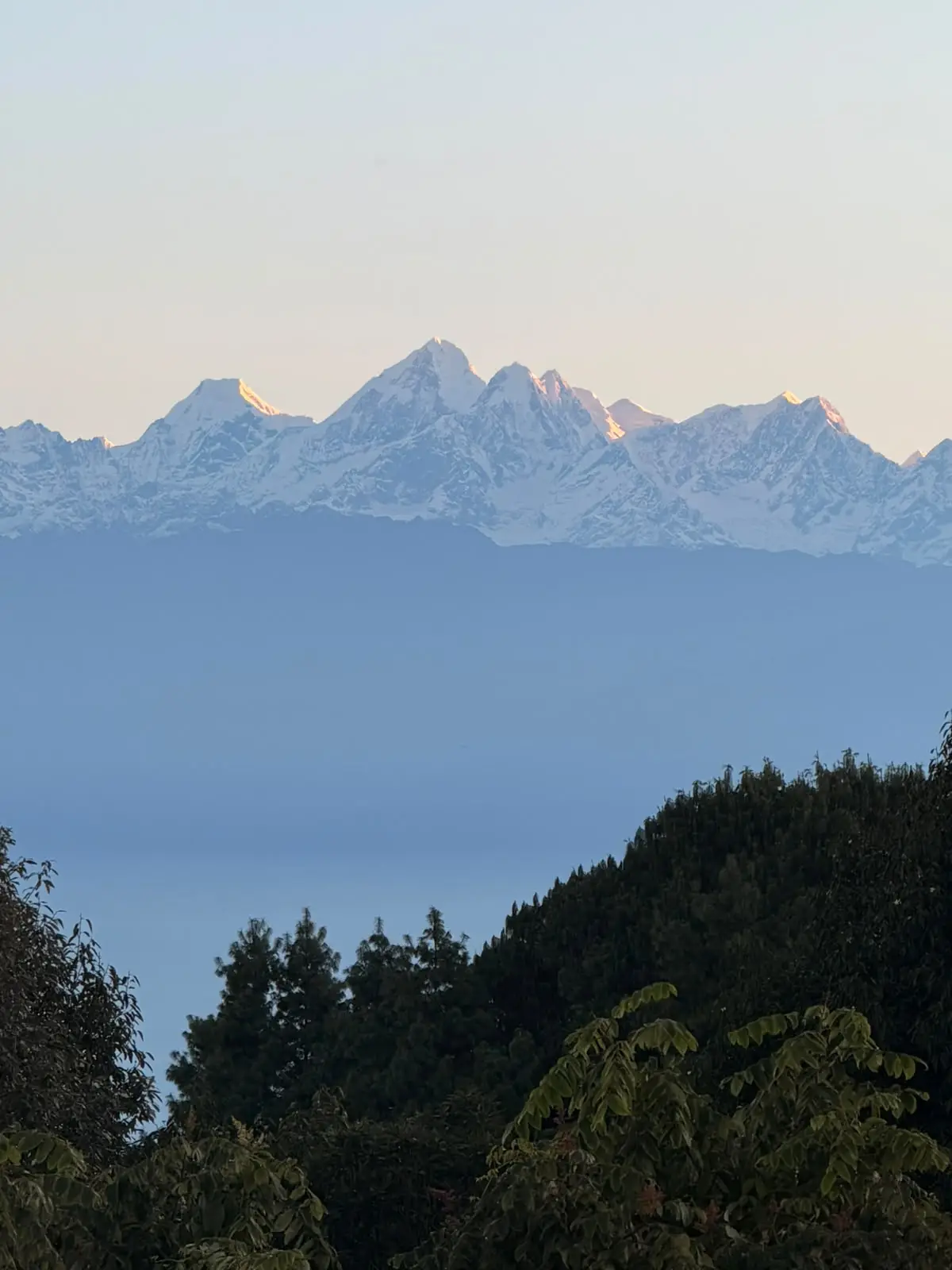
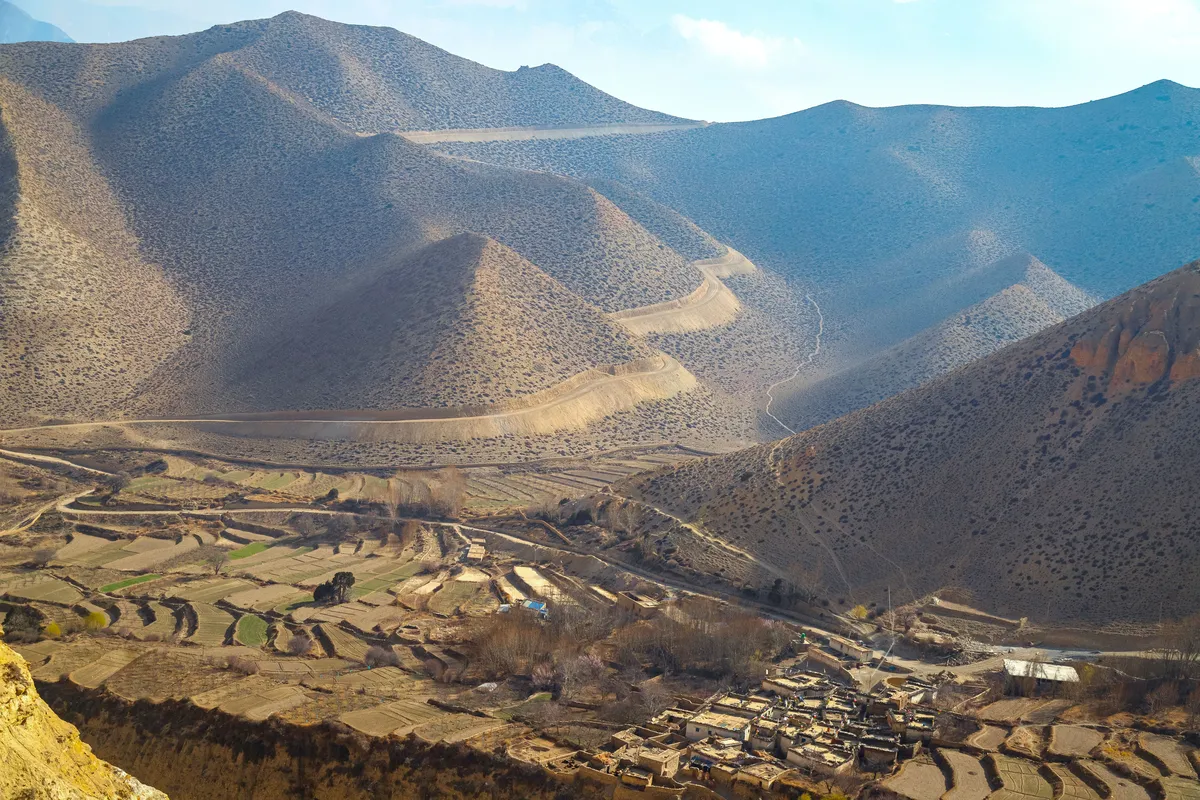
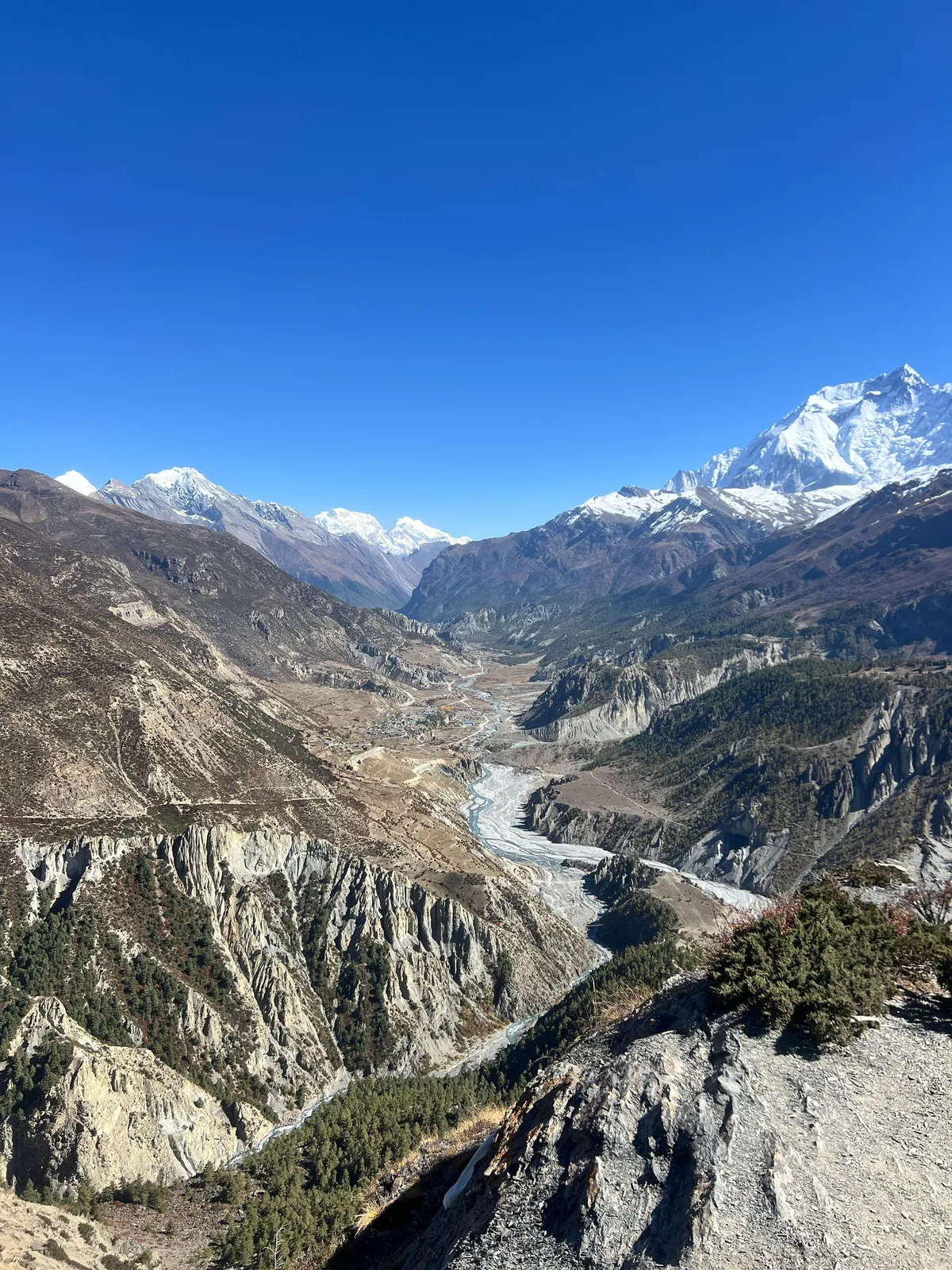
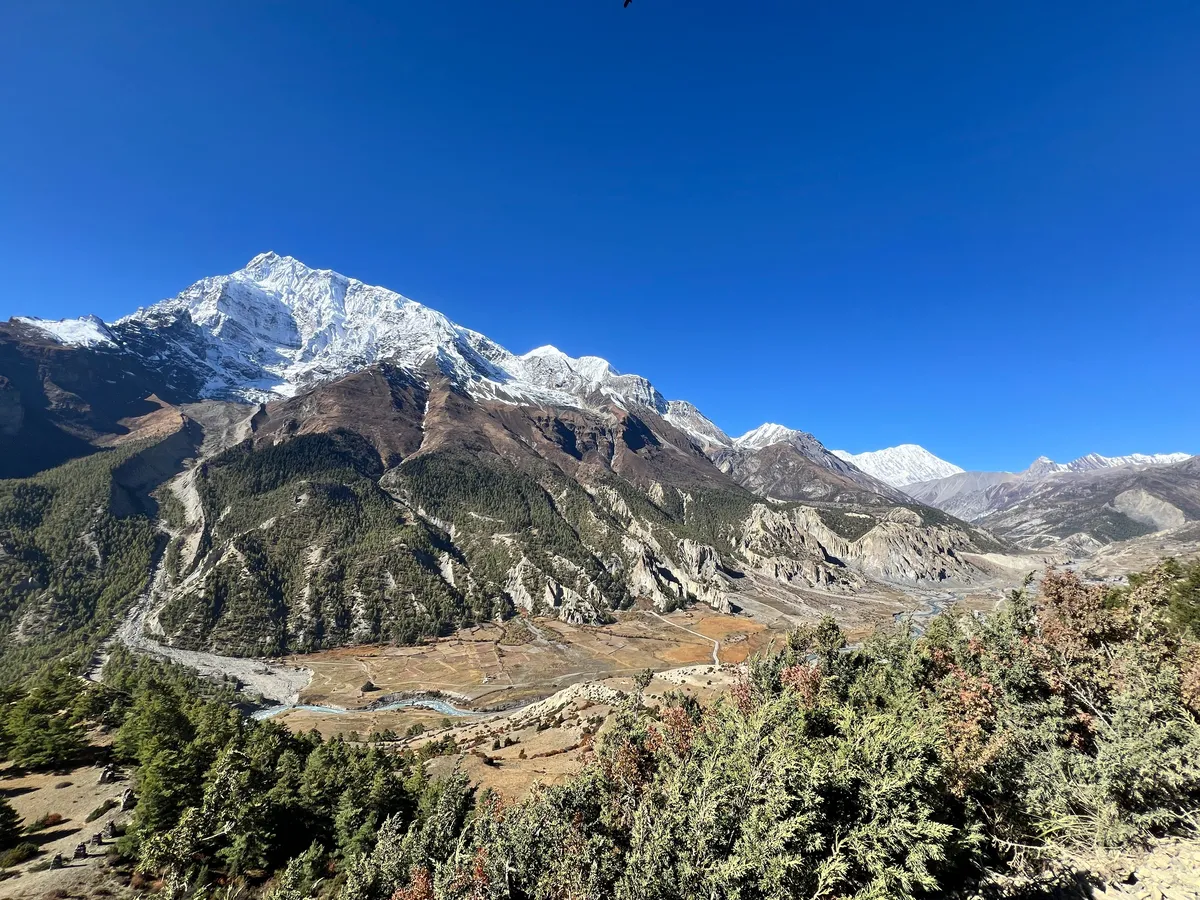
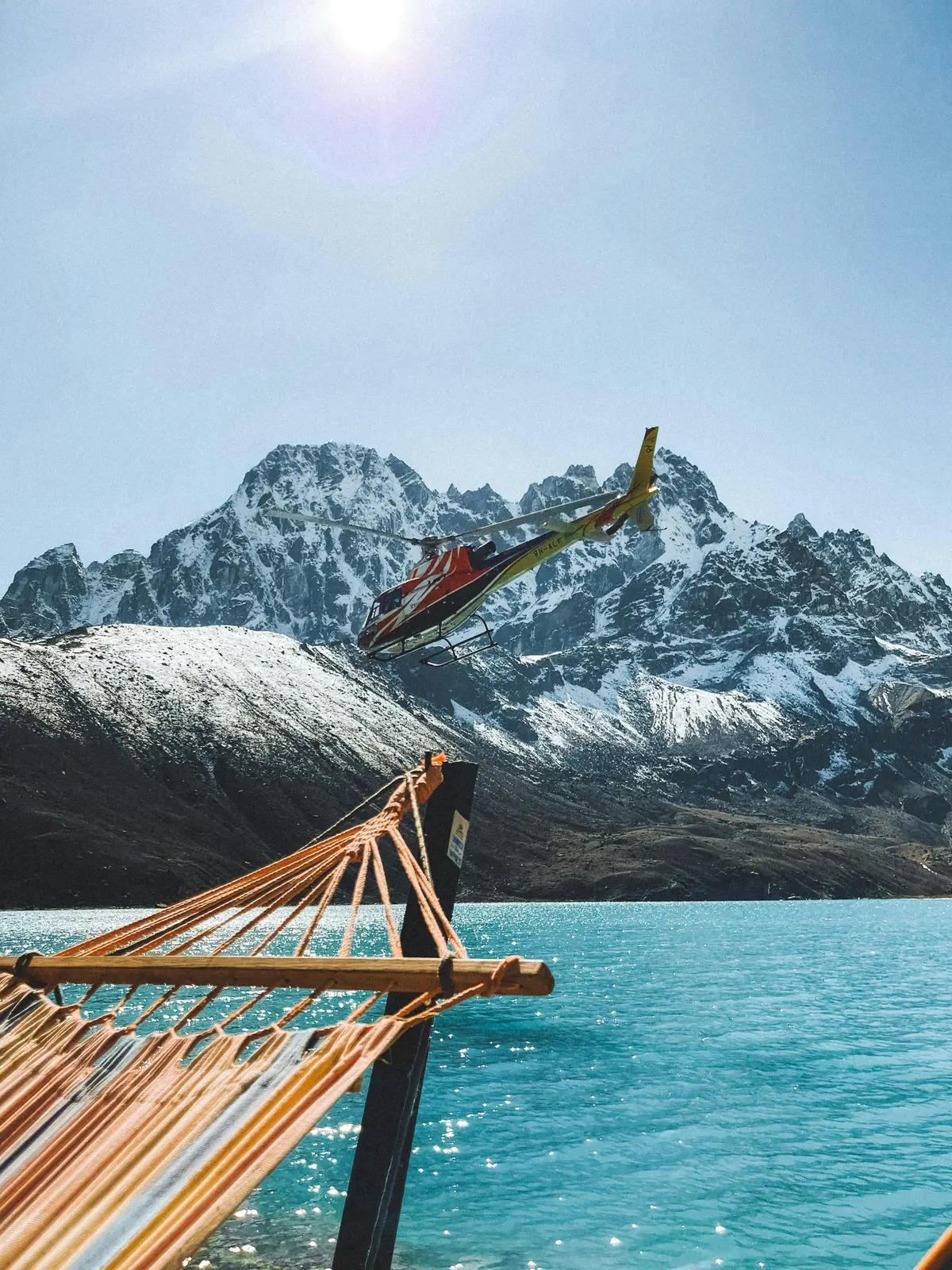
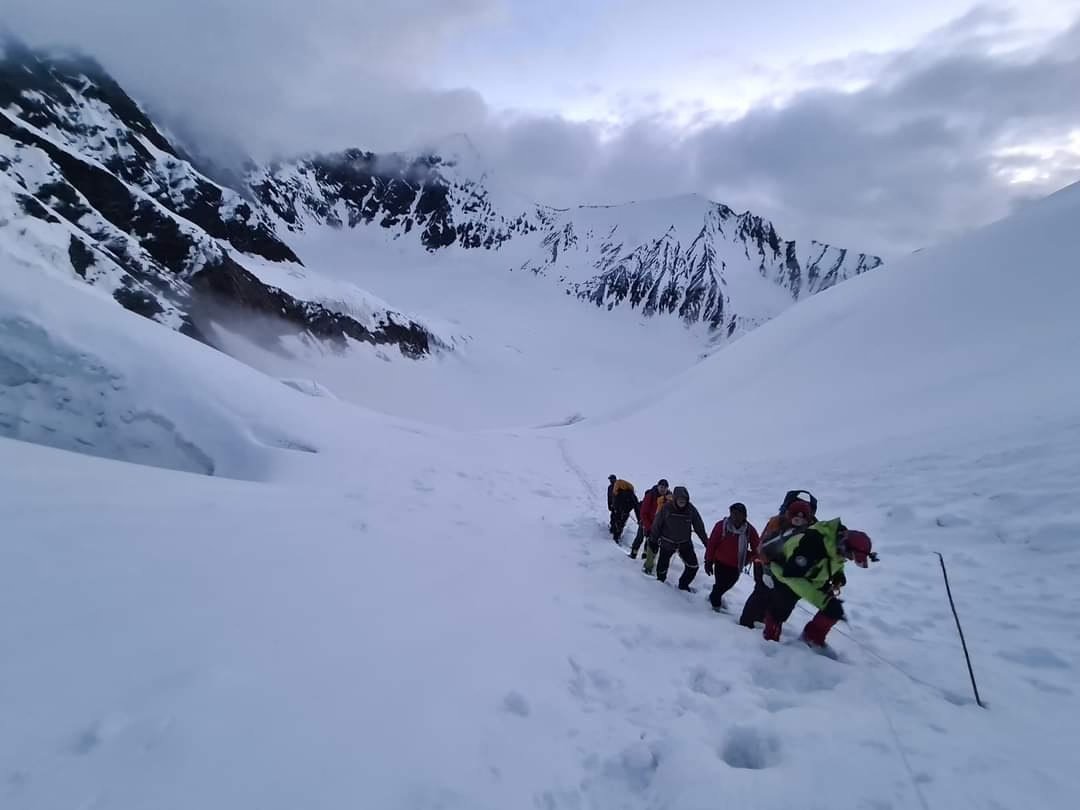
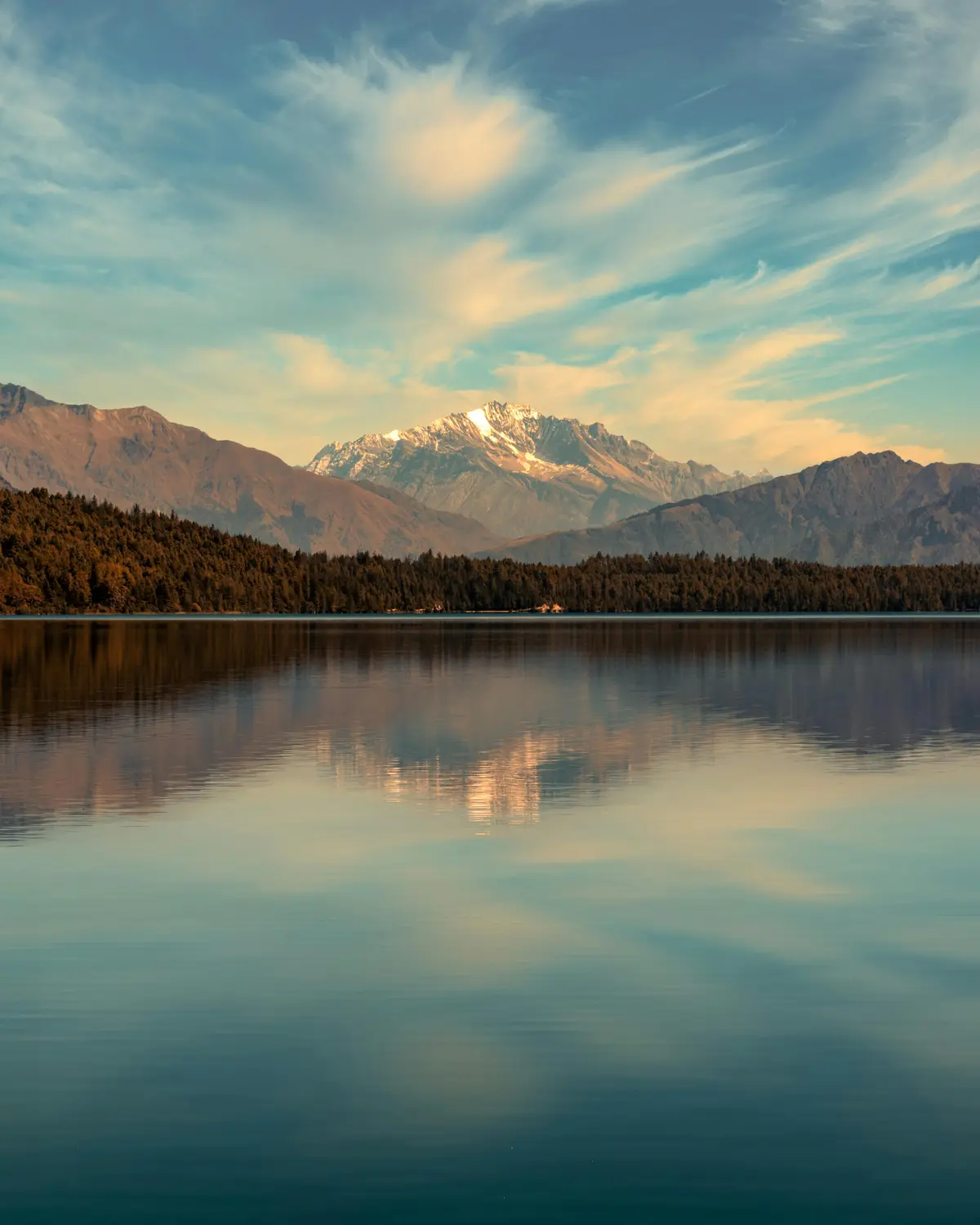
For trekkers, autumn is an excellent season to explore Nepal’s Himalayan landscapes. Depending on the available time and experience level, travelers can choose from short hikes to longer Himalayan treks.
Dashain and Nepali Culture
The importance of the Dashain Festival goes beyond religion. It represents family, respect, reunion, gratitude, and cultural continuity. Nepal is home to many ethnic groups and cultural traditions. While the way Dashain is observed can vary, the idea of gathering with loved ones remains central to the celebration for many families.
The festival also creates a strong sense of nostalgia. For Nepalis living away from home, Dashain often reminds them of childhood, grandparents, village homes, traditional meals, and family gatherings. This emotional connection is one reason the festival remains so important even as Nepal becomes increasingly urbanized and globally connected.
Things Travelers Should Know Before Visiting Nepal During Dashain
If you are planning a trip to Nepal around Dashain, keep a few things in mind.
Plan transportation early: Roads and public transportation can become crowded before and after the major festival days.
Check opening hours: Some shops, restaurants, and local businesses may close temporarily because owners and employees return home.
Respect local traditions: Ask before taking close-up photographs of religious ceremonies or people participating in rituals.
Expect family-focused celebrations: Dashain is not primarily a tourist festival. It is an important cultural and family occasion.
Book popular treks early: Autumn is already a busy trekking season, so accommodation and transportation can fill quickly.
Be flexible: Festival schedules can affect transportation and services, so keeping some flexibility in your itinerary can make your journey easier.
Why Dashain Is More Than a Festival
The Dashain Festival tells a story about Nepal itself. It reflects the country’s religious traditions, diverse communities, strong family relationships, and connection to its cultural roots. From the planting of jamara during Ghatasthapana to receiving tika from grandparents on Vijaya Dashami, each tradition connects generations.
For Nepali people, Dashain is often about returning home. For visitors, it can be an opportunity to understand what home and family mean in Nepali culture. Whether you experience Dashain in a busy Kathmandu neighborhood, a quiet hill village, a traditional Newari town, or while traveling through Nepal’s mountains, the festival offers a glimpse into the cultural side of the country that cannot be experienced simply by visiting tourist attractions.
Final Thoughts
The Dashain Festival is one of the best ways to understand the cultural heart of Nepal. It combines religious traditions, family gatherings, traditional food, blessings, travel, and community celebrations into one of the country’s most anticipated times of the year. For Nepali people, it is a time to return home and reconnect with family. For travelers, it is a chance to see Nepal from a more personal and cultural perspective.
If you are planning to visit Nepal during Dashain, take time to explore not only its mountains and trekking trails but also its people, traditions, food, and everyday celebrations. These experiences can become some of the most memorable parts of a journey through Nepal. The mountains may bring travelers to Nepal, but experiences such as the Dashain Festival can help them understand the country on a much deeper level.
Planning a trip to Nepal during Dashain? Learn more about the [Best Trek in Nepal] and discover the ideal seasons for exploring the Himalayas.