Nar Phu Valley: Nepal’s Hidden Himalayan Kingdom
Nar Phu Valley: Nepal’s Hidden Himalayan Kingdom Waiting to Be Explored
Nepal is home to some of the world’s most famous trekking destinations, including Everest Base Camp and the Annapurna Circuit. Yet beyond these popular trails lies a remote and untouched region that offers a completely different experience. The Nar Phu Valley Trek takes travelers into one of Nepal’s most secluded Himalayan landscapes, where ancient Tibetan culture, dramatic mountain scenery, and authentic village life remain beautifully preserved.
For trekkers seeking a journey away from crowded trails, the Nar Phu Valley Trek is one of the best-kept secrets in the Himalayas. Hidden behind high mountain passes and rugged terrain, Nar and Phu villages offer a rare glimpse into a way of life that has changed little over centuries.
Introduction to Nar Phu Valley
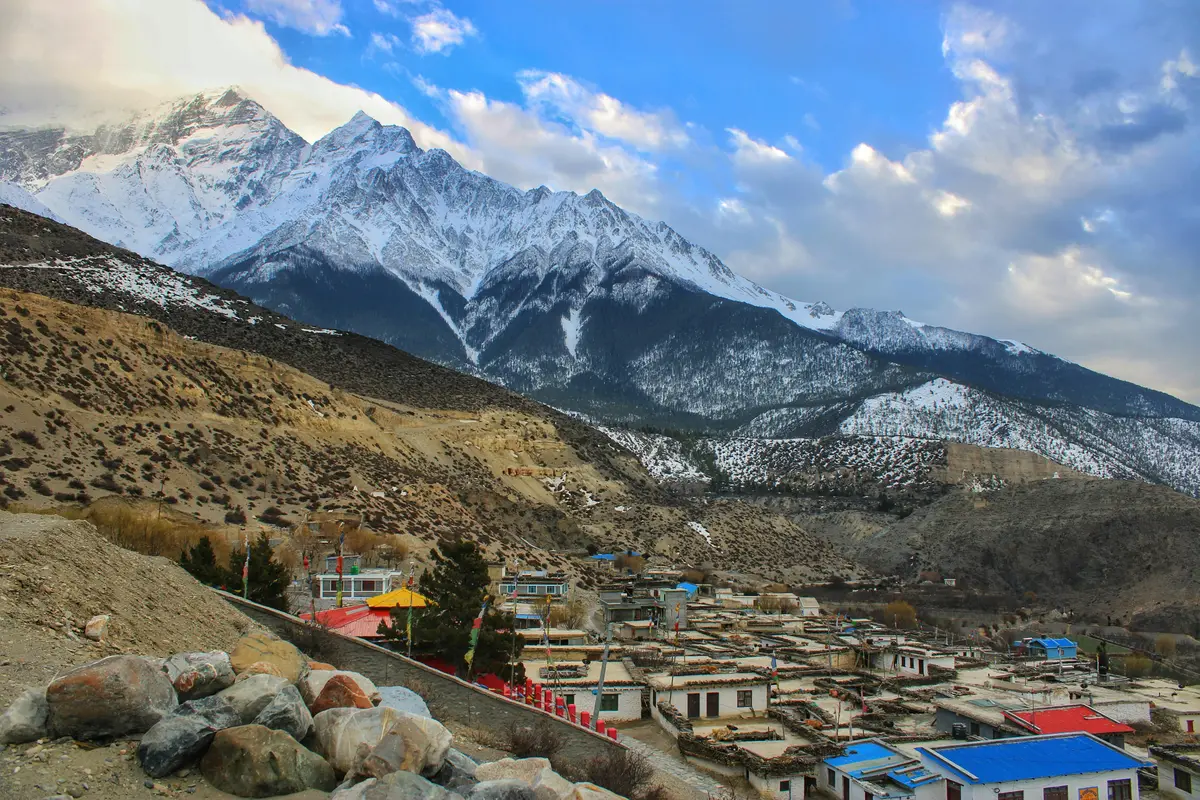
Located in the northern part of the Annapurna region, Nar Phu Valley sits close to the Tibetan border. The area remained closed to foreign visitors until 2003, helping preserve its unique culture and pristine environment. Unlike many trekking routes in Nepal that have become increasingly popular, this hidden valley still feels untouched. Stone-built villages, colorful prayer flags, ancient monasteries, and vast alpine landscapes create an atmosphere unlike anywhere else in the country. The Nar Phu Valley Trek combines stunning natural beauty with deep cultural immersion, making it a perfect choice for travelers who want more than just mountain views.
Why Choose the Nar Phu Valley Trek?
Many trekkers visit Nepal to experience the Himalayas, but few get the opportunity to explore regions that remain largely unaffected by modern tourism.
Here are some reasons why the Nar Phu Valley Trek stands out:
Authentic Tibetan Culture
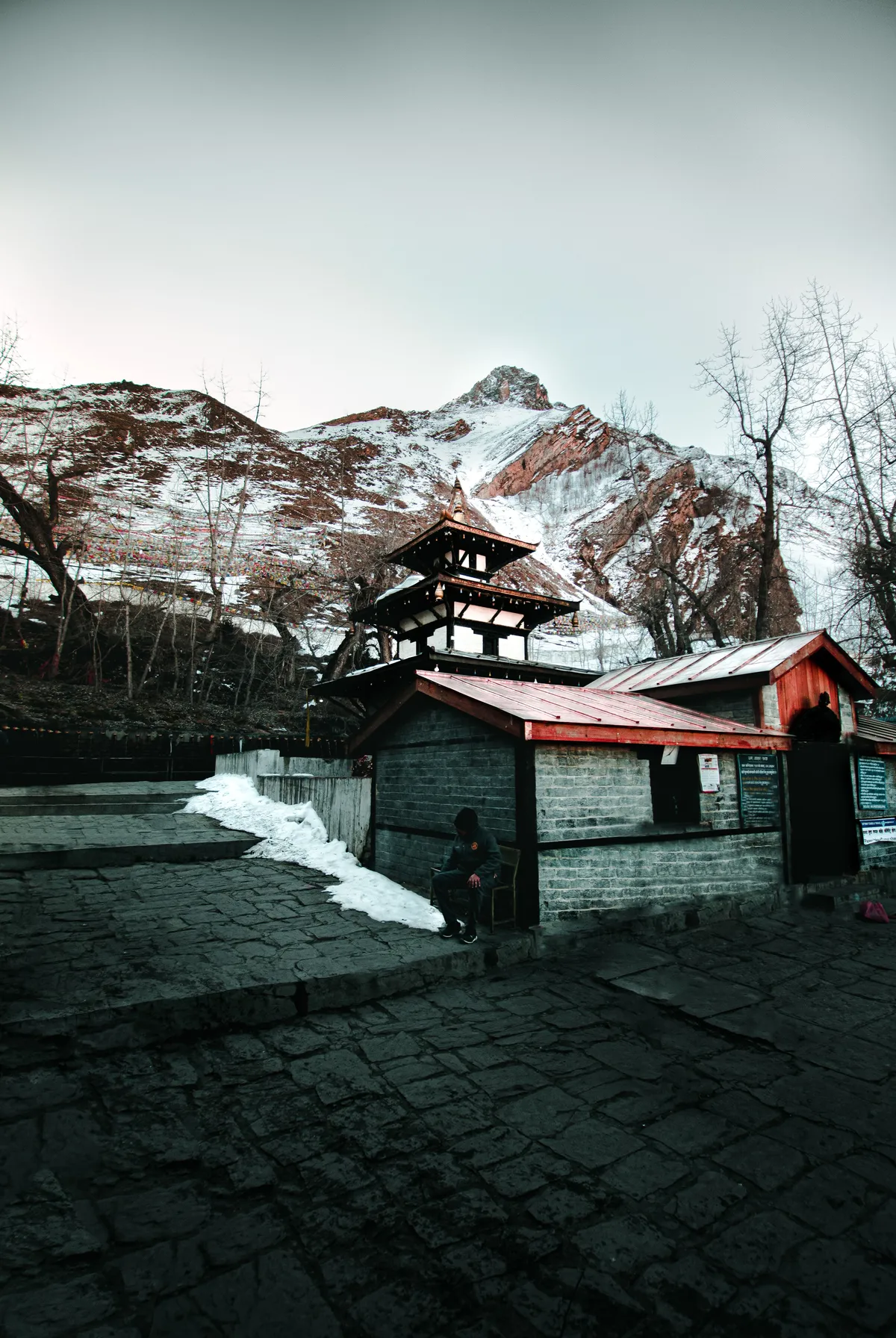
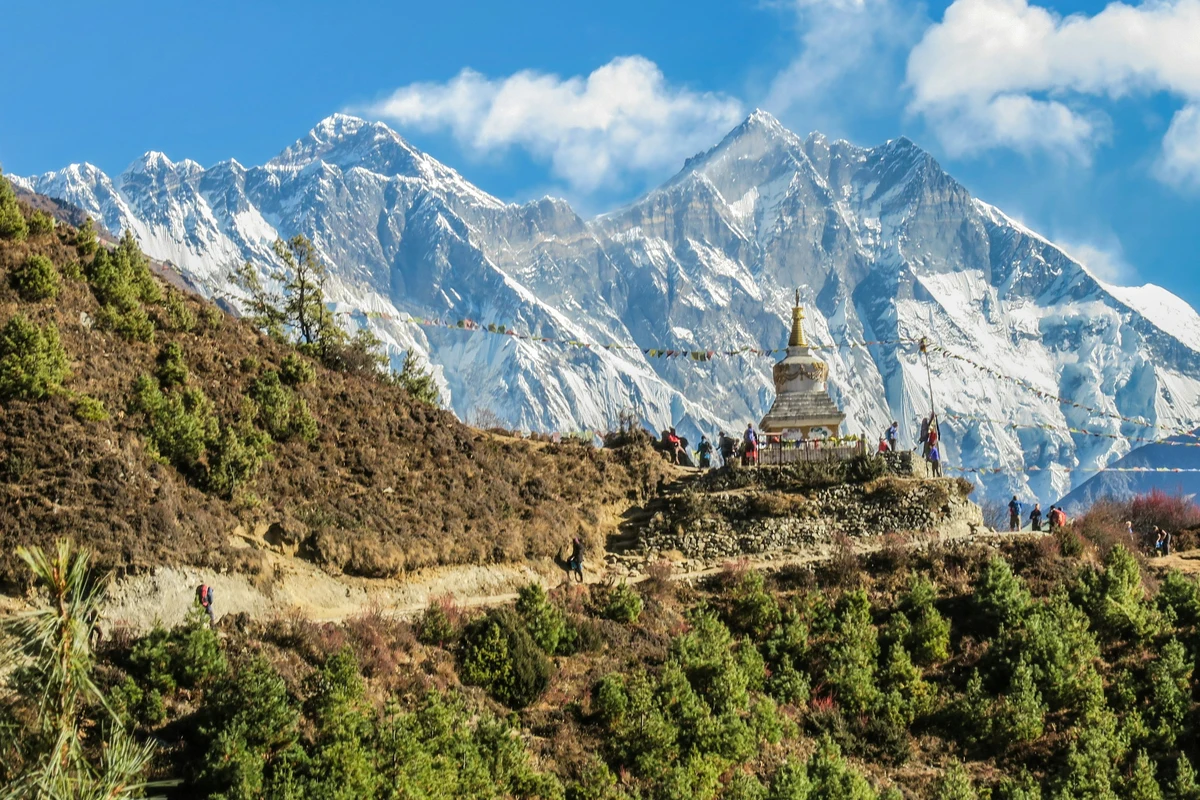
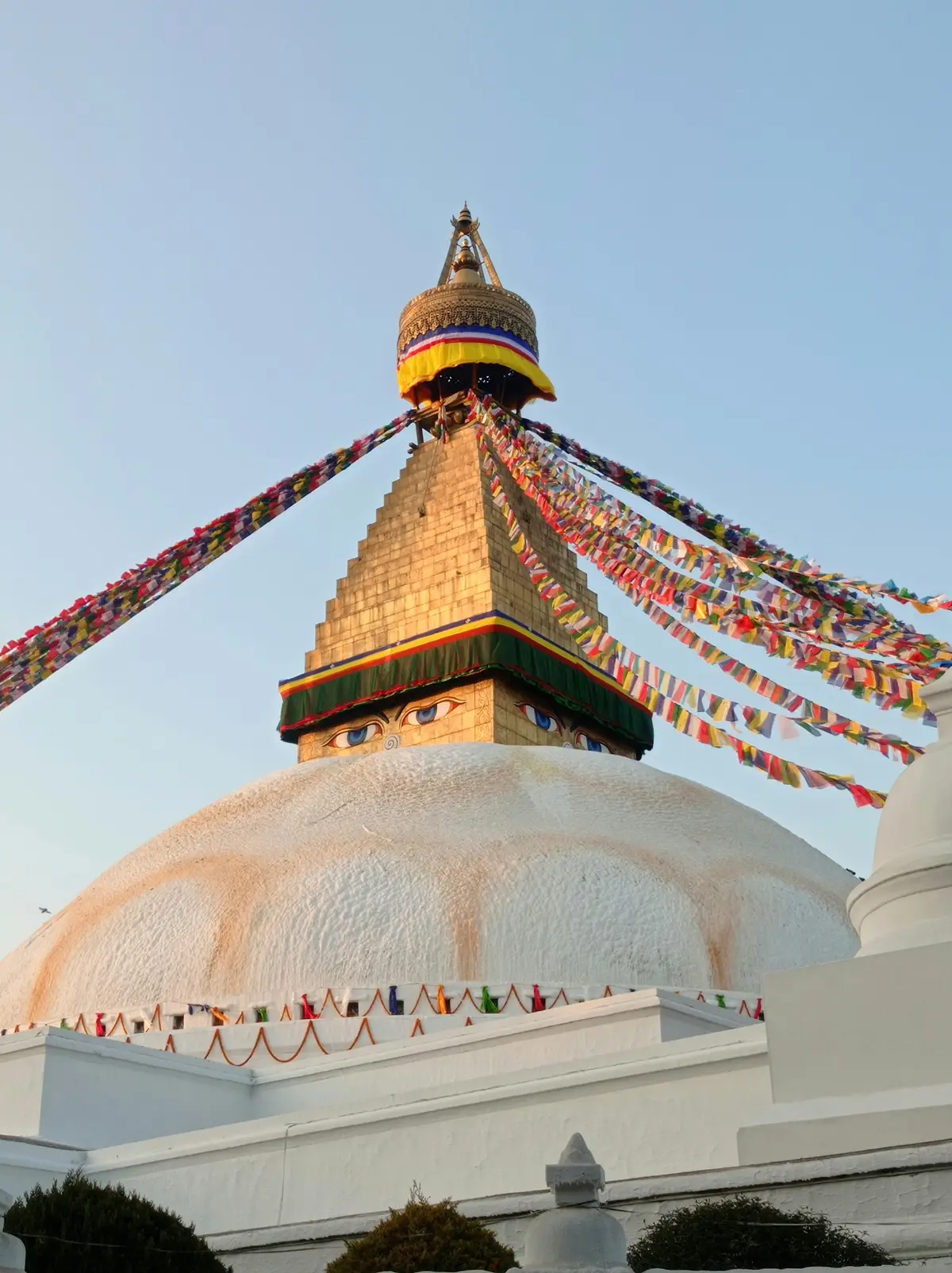
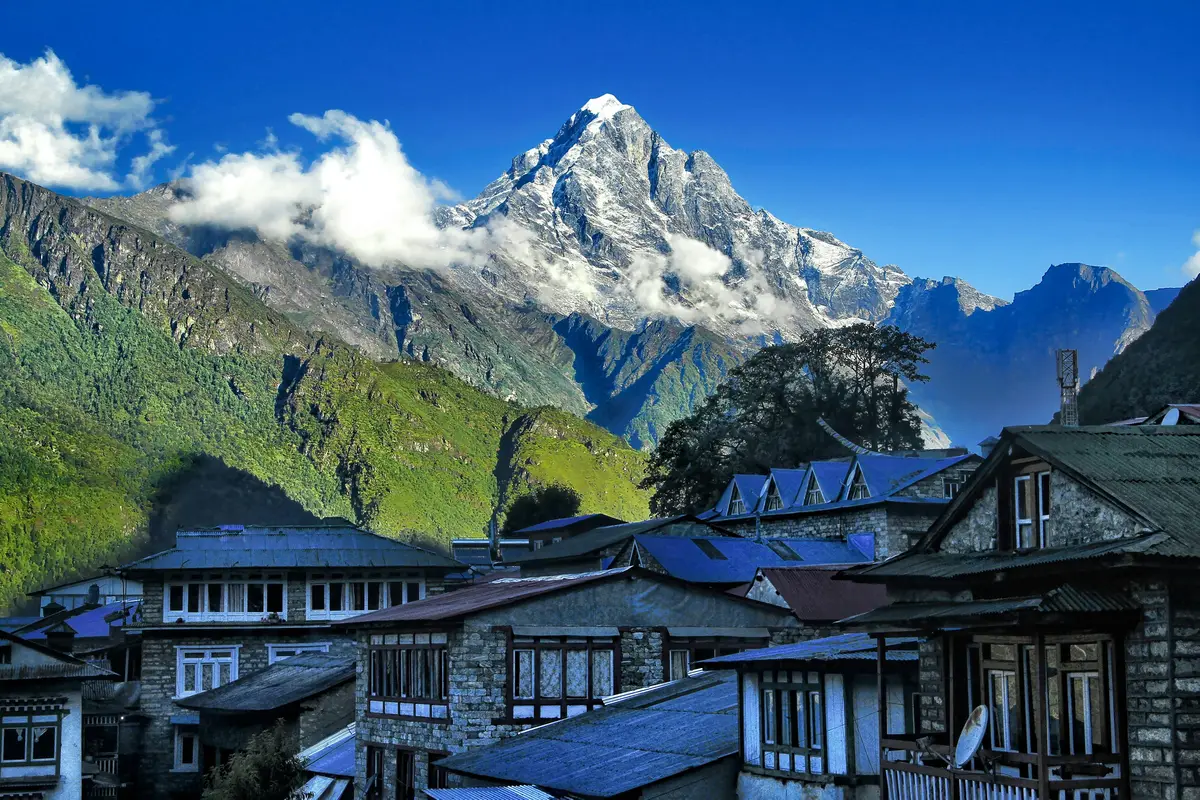
The people of Nar and Phu share strong cultural and religious ties with Tibet. Throughout the trek, visitors encounter ancient monasteries, prayer wheels, chortens, and traditional stone houses. The region offers one of the most authentic cultural experiences in Nepal, allowing trekkers to witness daily life in remote Himalayan communities.
Spectacular Mountain Scenery
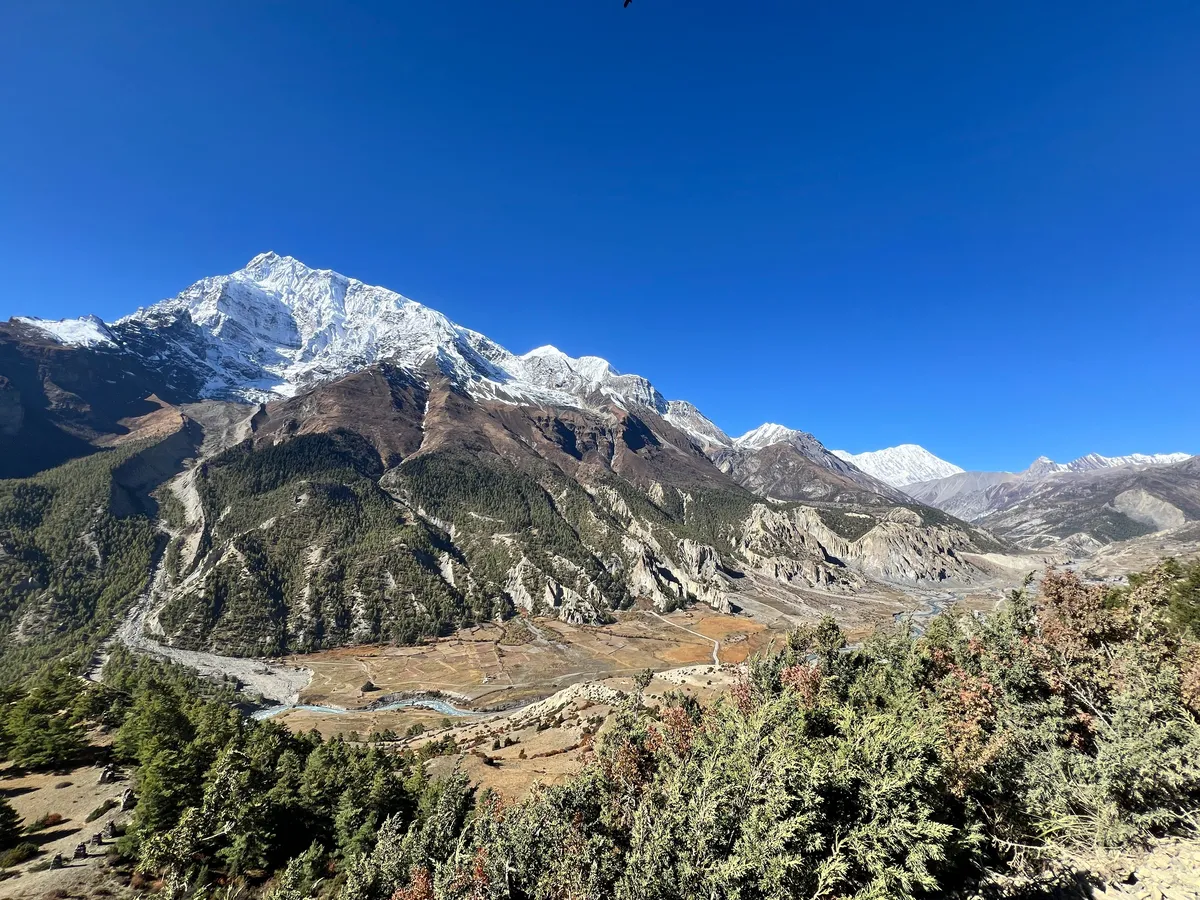
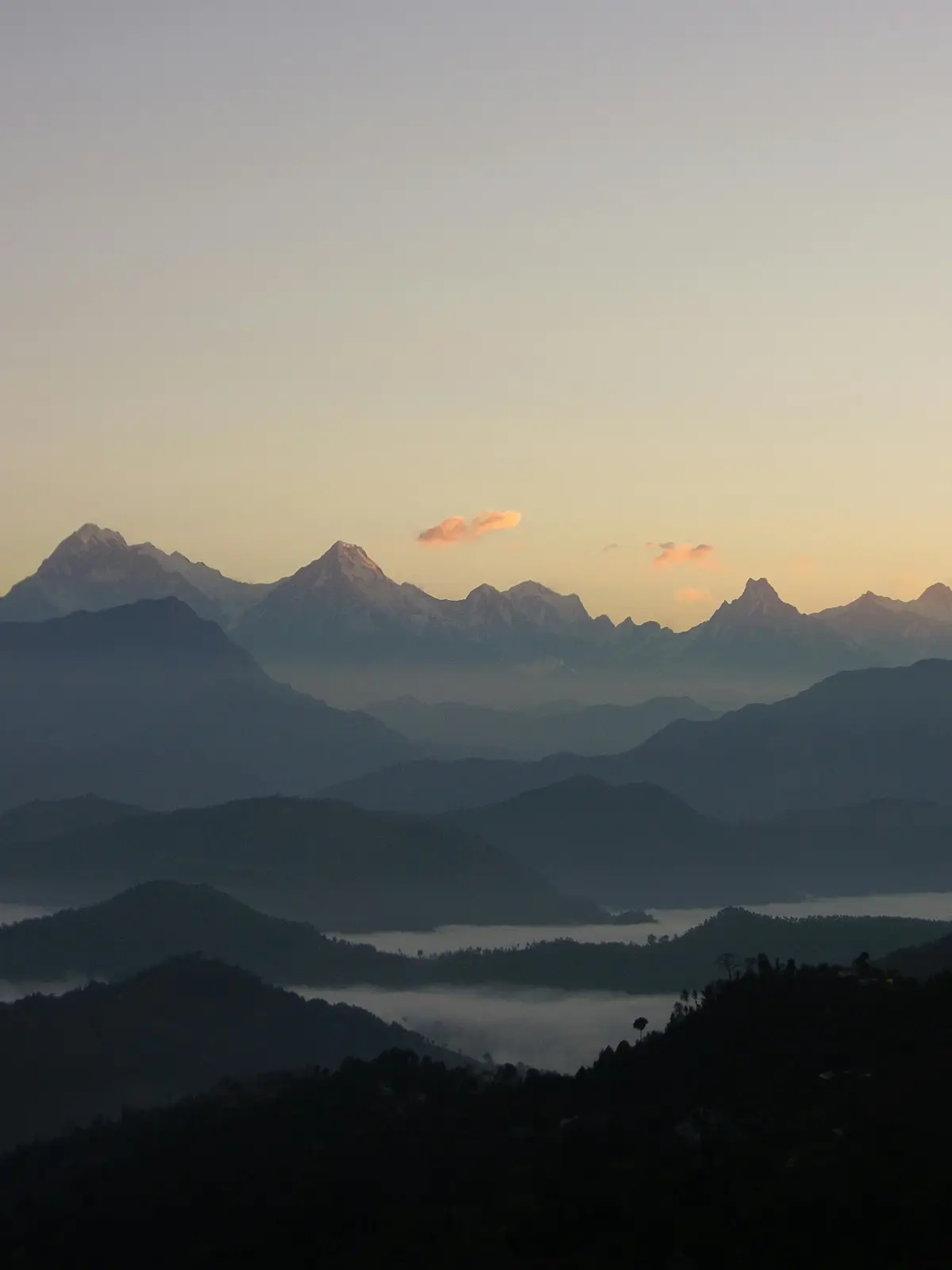
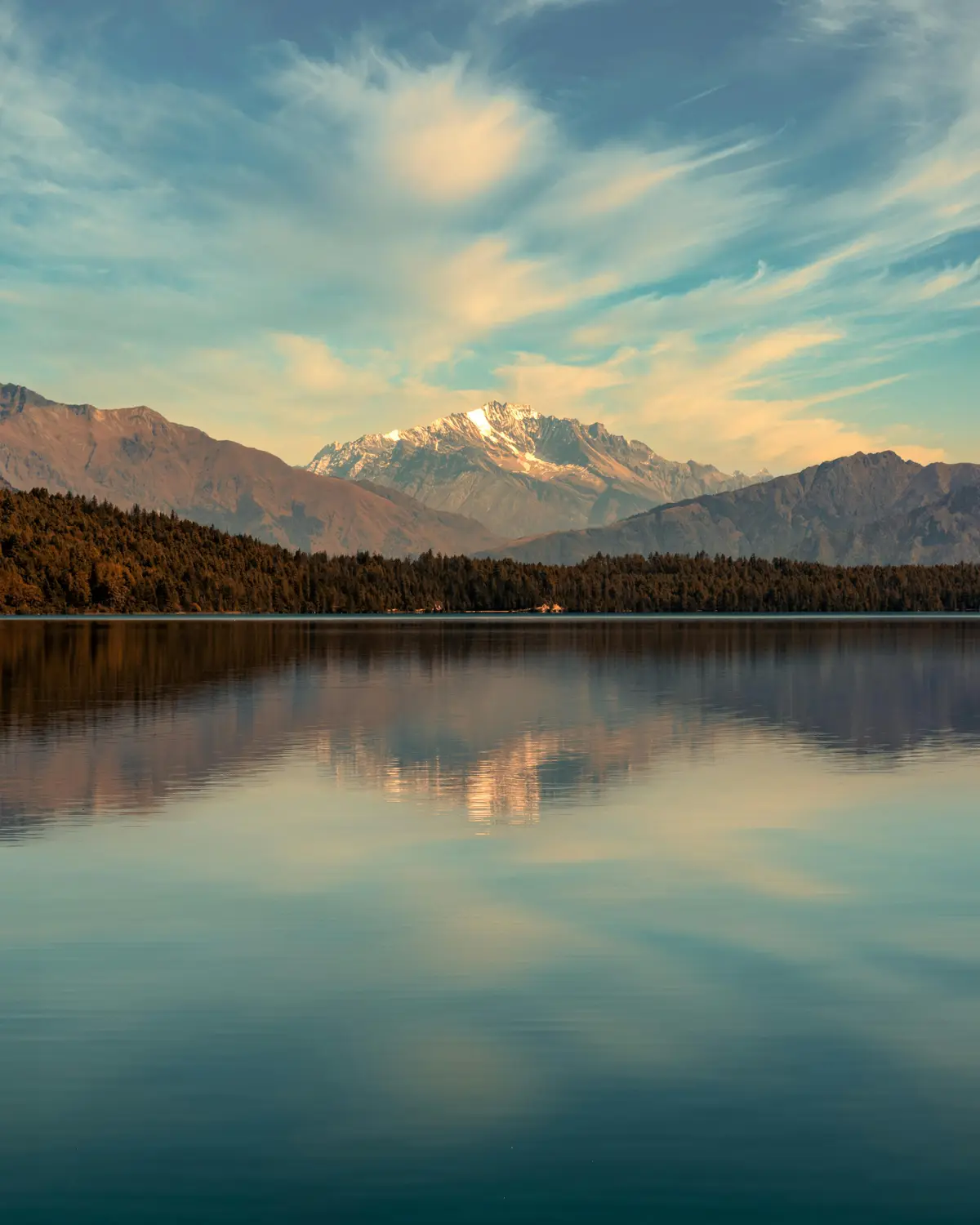
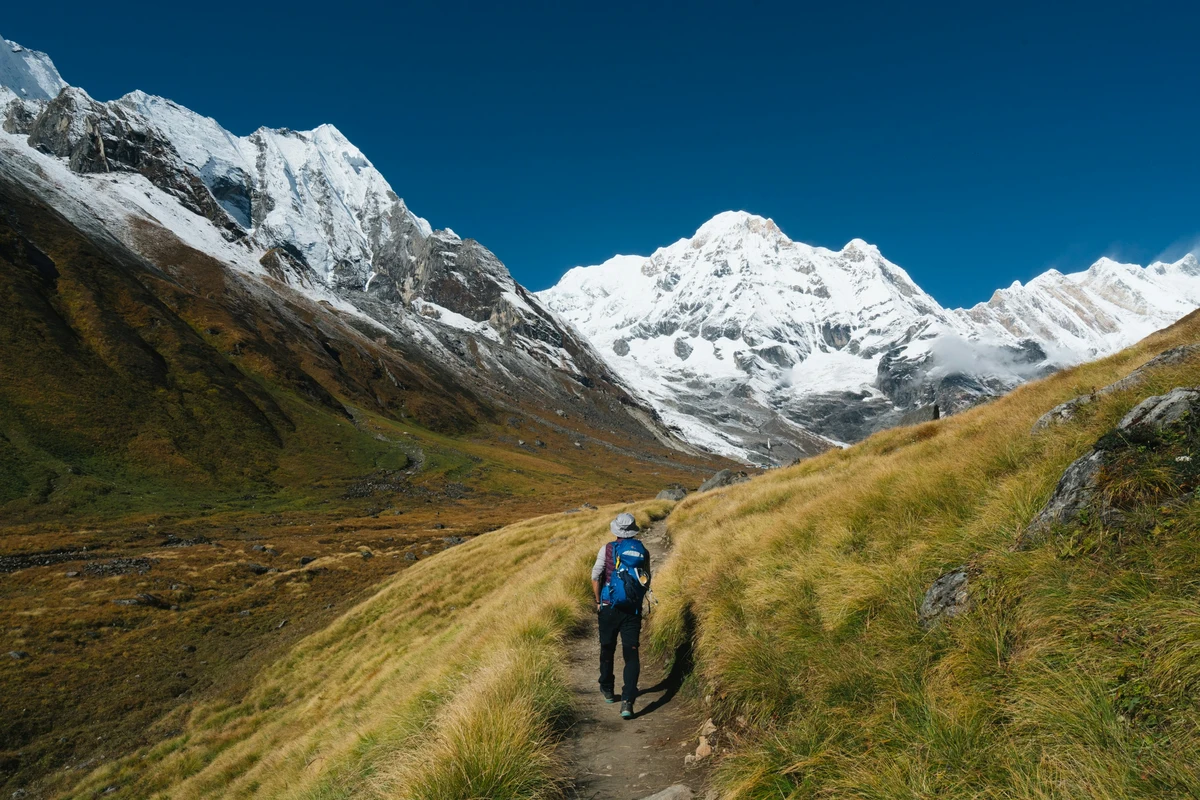
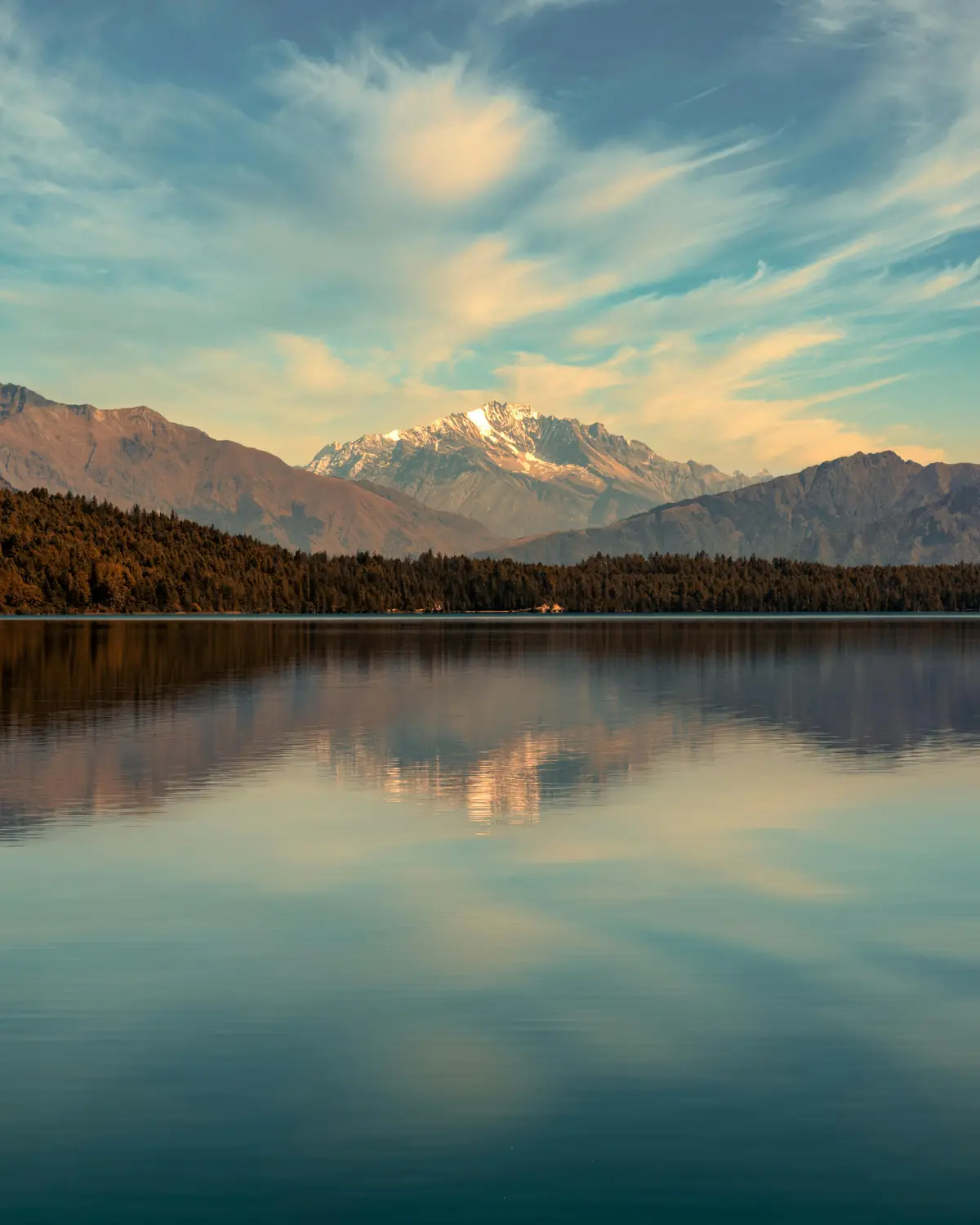
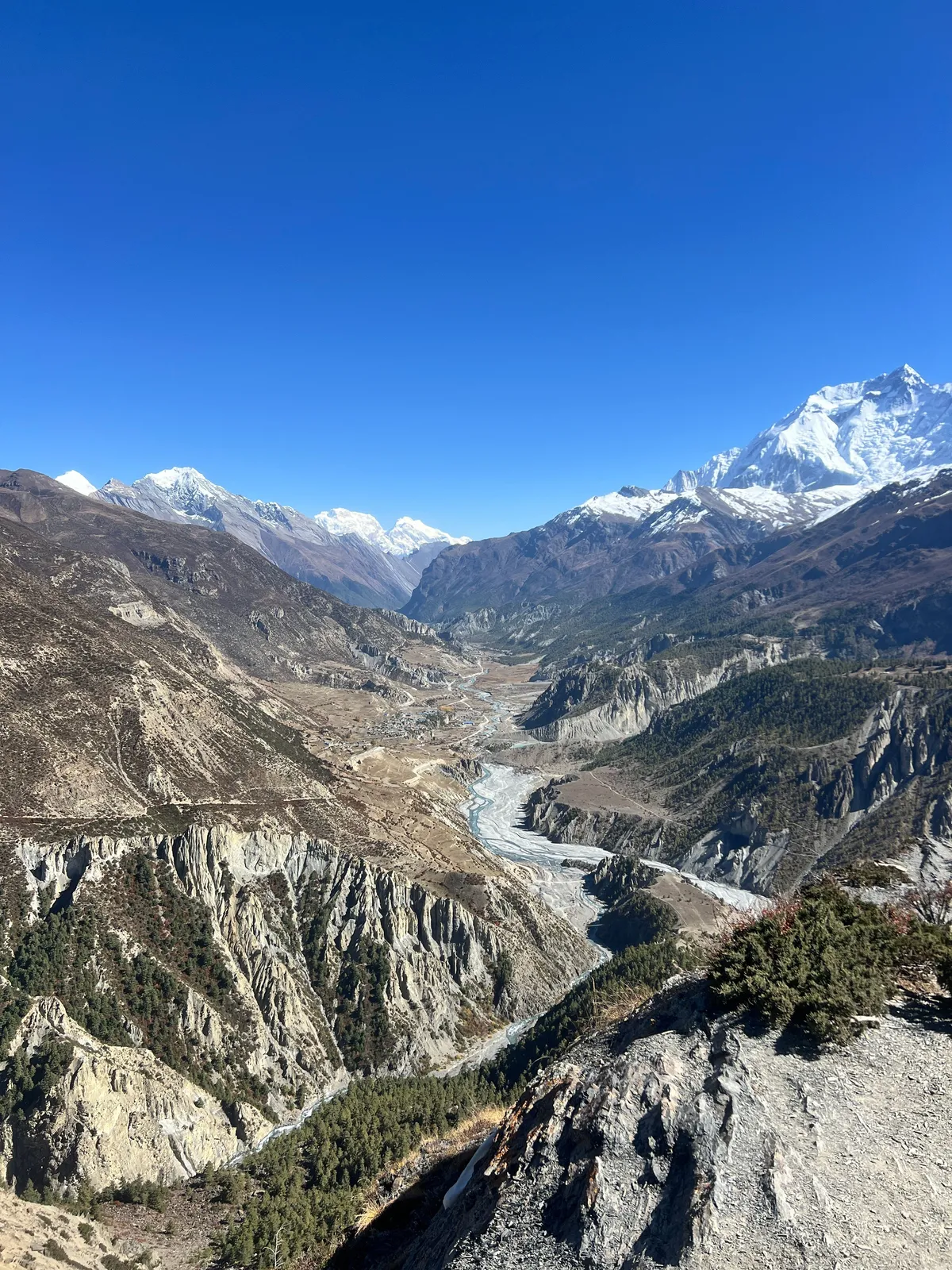
The landscapes of Nar Phu Valley are breathtaking. Towering peaks, deep canyons, high-altitude deserts, and vast open valleys create a dramatic backdrop throughout the journey.
Trekkers can enjoy magnificent views of:
- Annapurna II
- Gangapurna
- Himlung Himal
- Tilicho Peak
- Kang Guru
- Chulu East
Fewer Crowds
One of the biggest advantages of the Nar Phu Valley Trek is its peaceful atmosphere. Unlike Everest Base Camp or Annapurna Base Camp, the trails remain relatively quiet. This allows trekkers to connect more deeply with nature and local culture without the distractions of large crowds.
The Journey Through a Hidden Kingdom
The adventure usually begins after driving from Kathmandu to Besisahar and then continuing toward Koto, the gateway to Nar Phu Valley. From Koto, the trail leaves the popular Annapurna Circuit route and enters a remote wilderness. Dense forests, narrow gorges, suspension bridges, and winding mountain paths lead trekkers deeper into the valley.
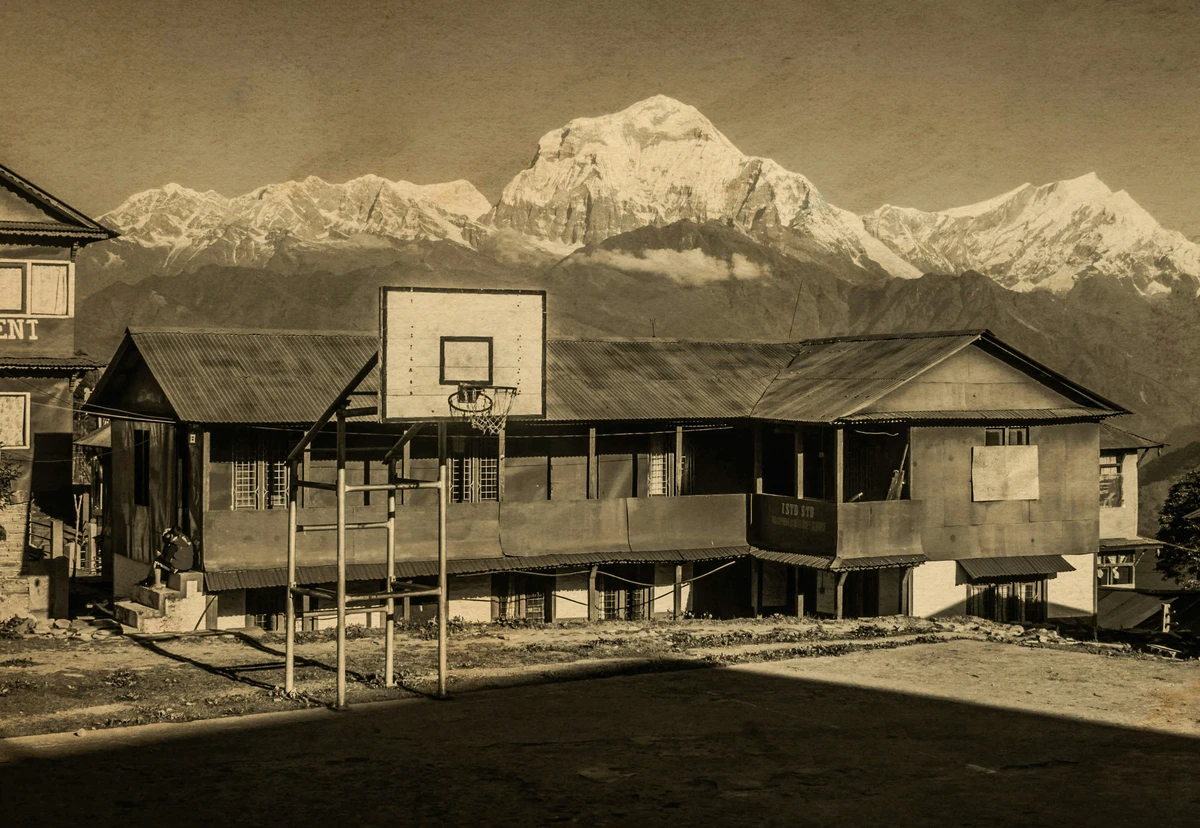
As the journey progresses, the scenery becomes increasingly dramatic. Massive cliffs rise above ancient trails while colorful prayer flags flutter in the mountain wind. Reaching Phu Village feels like stepping back in time. Perched high above the valley, the village is surrounded by rugged mountains and traditional stone structures. Further along the route lies Nar Village, another remarkable settlement where visitors can experience the hospitality and traditions of the local people.
Cultural Highlights of Nar and Phu Villages
One of the most rewarding aspects of the Nar Phu Valley Trek is the opportunity to experience a unique Himalayan culture. The communities here practice Tibetan Buddhism and maintain traditions passed down through generations. Monasteries play a central role in village life, and prayer ceremonies remain an important part of daily routines.
Visitors often find themselves fascinated by:
- Ancient monasteries
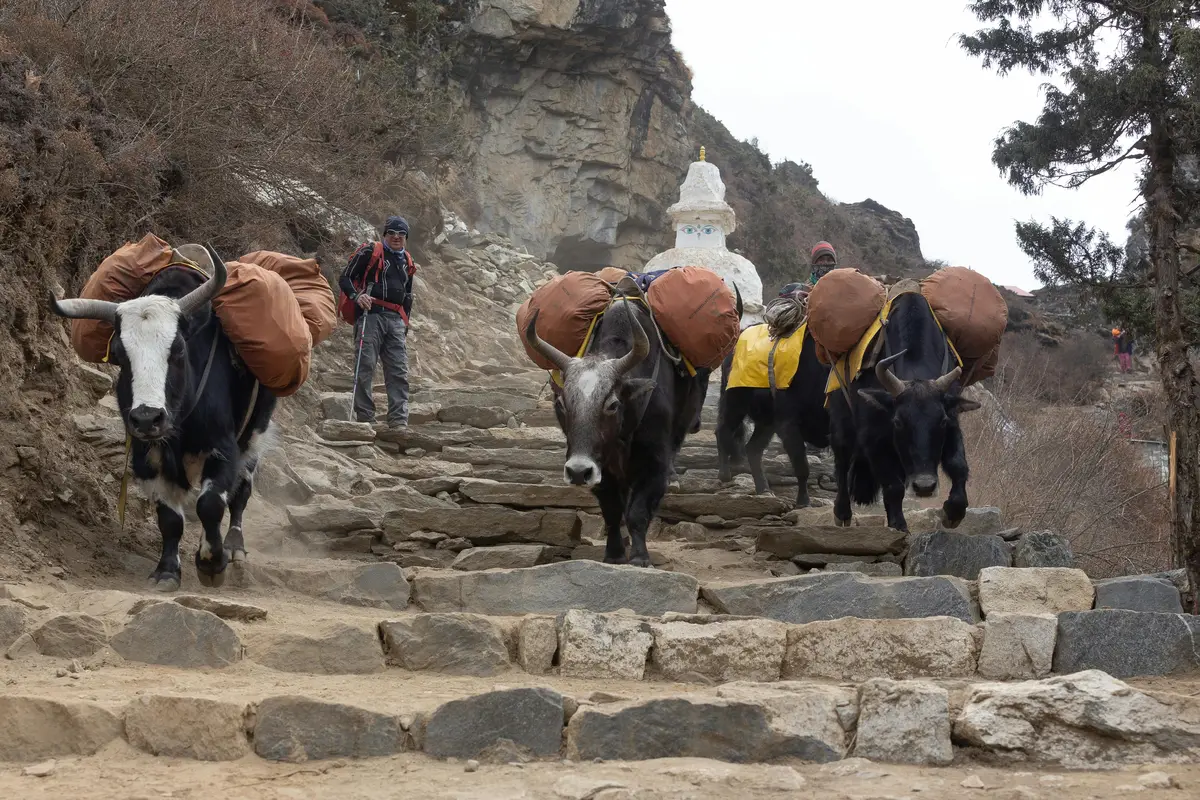
- Traditional yak herding
- Tibetan-inspired architecture
- Local festivals and rituals
- Handmade crafts and textiles
The warmth and hospitality of the local people add another layer of richness to the trekking experience.
Crossing Kang La Pass
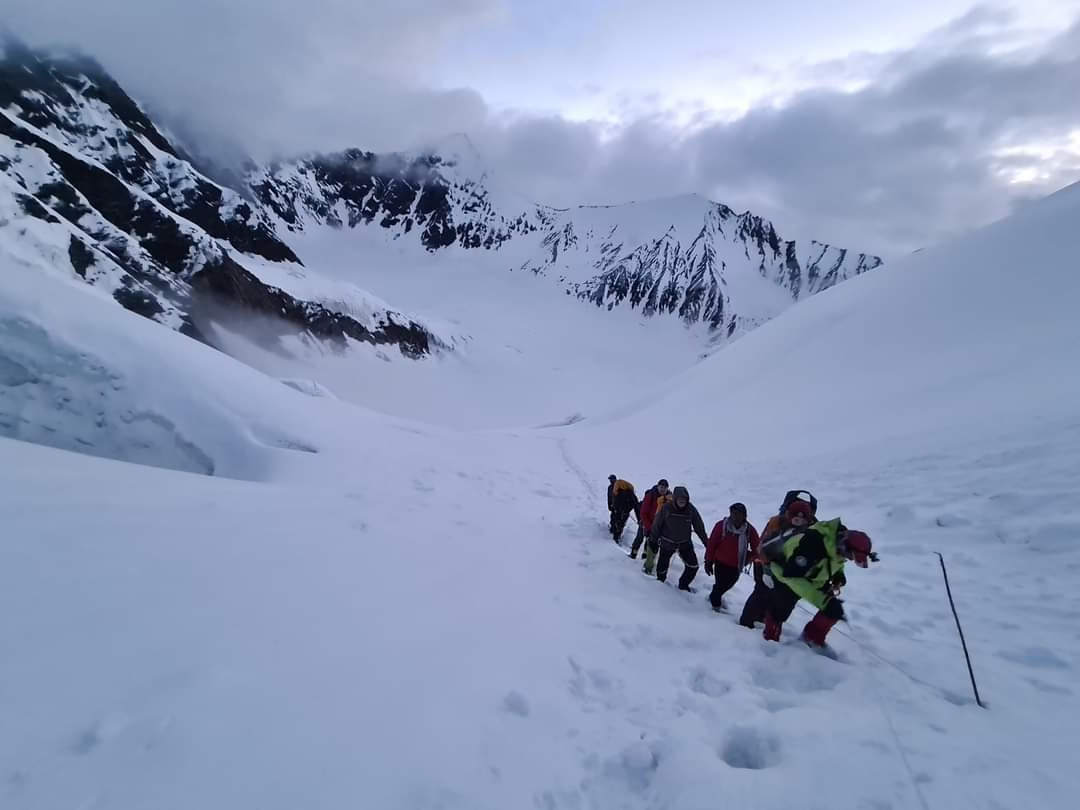
For many trekkers, the highlight of the Nar Phu Valley Trek is crossing Kang La Pass at an altitude of approximately 5,320 meters. The ascent is challenging but incredibly rewarding. From the top, trekkers are treated to panoramic views of the Annapurna range and surrounding Himalayan giants. Standing on the pass, surrounded by snow-capped peaks stretching toward the horizon, is a moment that many travelers remember for a lifetime. After crossing Kang La, the trail descends toward Ngawal, reconnecting with the Annapurna Circuit route.
Wildlife and Natural Beauty
The remote nature of Nar Phu Valley has helped preserve its rich biodiversity.
The region is home to several Himalayan wildlife species, including:
- Blue sheep
- Himalayan griffon vultures
- Snow leopards (rarely seen)
- Himalayan marmots
- Mountain goats
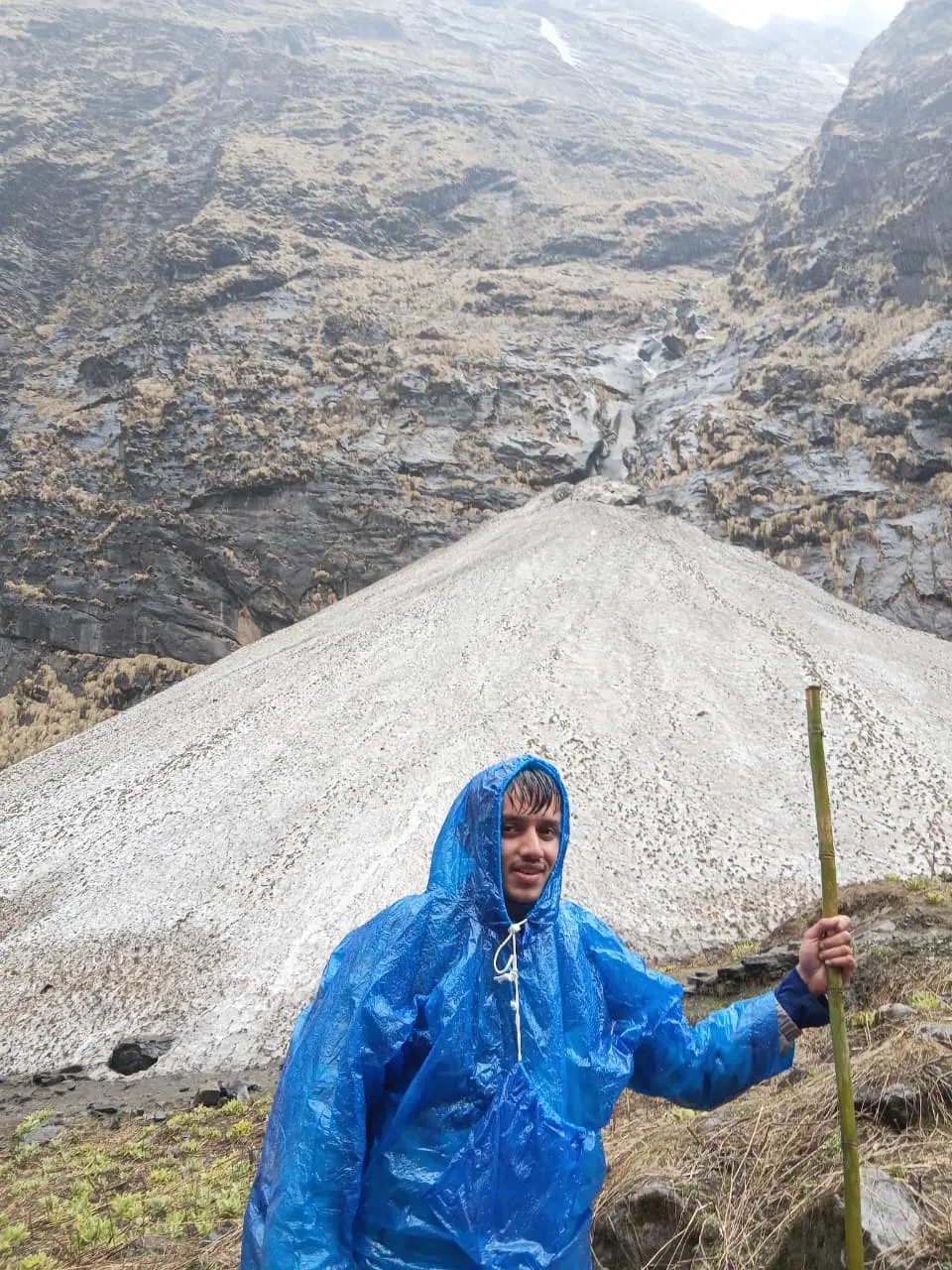
The changing landscapes throughout the trek are equally impressive. Trekkers pass through forests, alpine meadows, rocky canyons, and high-altitude deserts, creating a constantly evolving visual experience.
Best Time for the Nar Phu Valley Trek
Choosing the right season can significantly enhance your trekking experience.
Spring (March to May)
Spring is one of the best times for the Nar Phu Valley Trek. The weather is generally stable, and mountain views are often crystal clear. Blooming rhododendrons add vibrant colors to lower sections of the trail.
Autumn (September to November)
Autumn is considered the peak trekking season in Nepal. Clear skies, comfortable temperatures, and excellent visibility make this an ideal time to visit Nar Phu Valley.
Winter (December to February)
Winter trekking is possible but challenging due to snow and freezing temperatures, especially at higher elevations.
Monsoon (June to August)
Heavy rainfall can make trails slippery and difficult. However, because the valley lies in a rain-shadow area, conditions may still be better than in many other regions of Nepal.
Permits Required
Since the valley is a restricted area, trekkers need special permits.
Typically, the required permits include:
- Restricted Area Permit (RAP)
- Annapurna Conservation Area Permit (ACAP)
Travelers must trek with a registered guide and obtain permits through an authorized trekking agency.
Difficulty Level
The Nar Phu Valley Trek is considered moderately challenging to difficult.
Factors contributing to the difficulty include:
- High altitude
- Long trekking days
- Remote terrain
- Kang La Pass crossing
Previous trekking experience is helpful but not mandatory. Good physical fitness and proper acclimatization are important for a safe and enjoyable journey.
Essential Packing Tips
Preparing properly will help ensure a successful trek.
Some important items include:
- Warm down jacket
- Layered clothing
- Waterproof jacket
- Trekking boots
- Sleeping bag
- Sunglasses
- Sunscreen
- Trekking poles
- Water purification tablets
- Personal first aid kit
Weather conditions can change quickly in the Himalayas, so packing for different temperatures is essential.
Why the Nar Phu Valley Trek Deserves More Attention
Many travelers visit Nepal seeking adventure, culture, and natural beauty. Few trekking routes combine all three as effectively as the Nar Phu Valley Trek. The region offers a rare opportunity to experience a Himalayan landscape that remains largely untouched by mass tourism. Every step reveals something extraordinary, from ancient monasteries and hidden villages to breathtaking mountain panoramas. While famous trekking routes will always have their appeal, Nar Phu Valley provides a deeper and more intimate connection with the Himalayas.
Conclusion
The Nar Phu Valley Trek is more than just a mountain adventure. It is a journey into a hidden Himalayan kingdom where culture, history, and nature come together in remarkable harmony. For travelers looking to venture beyond Nepal’s well-known trekking trails, this remote valley offers an unforgettable experience filled with authentic encounters, spectacular scenery, and lasting memories. Whether you are drawn by the challenge of crossing Kang La Pass, the beauty of untouched landscapes, or the chance to explore ancient Tibetan-influenced communities, the Nar Phu Valley Trek promises an adventure unlike any other in Nepal.
Looking for another incredible Himalayan adventure? Explore our Annapurna Circuit Trek package and experience one of Nepal’s most iconic trekking routes, featuring diverse landscapes, traditional mountain villages, and breathtaking views of the Annapurna range.