Best Winter Treks in Nepal for 2026
Best Winter Treks in Nepal for 2026
Introduction
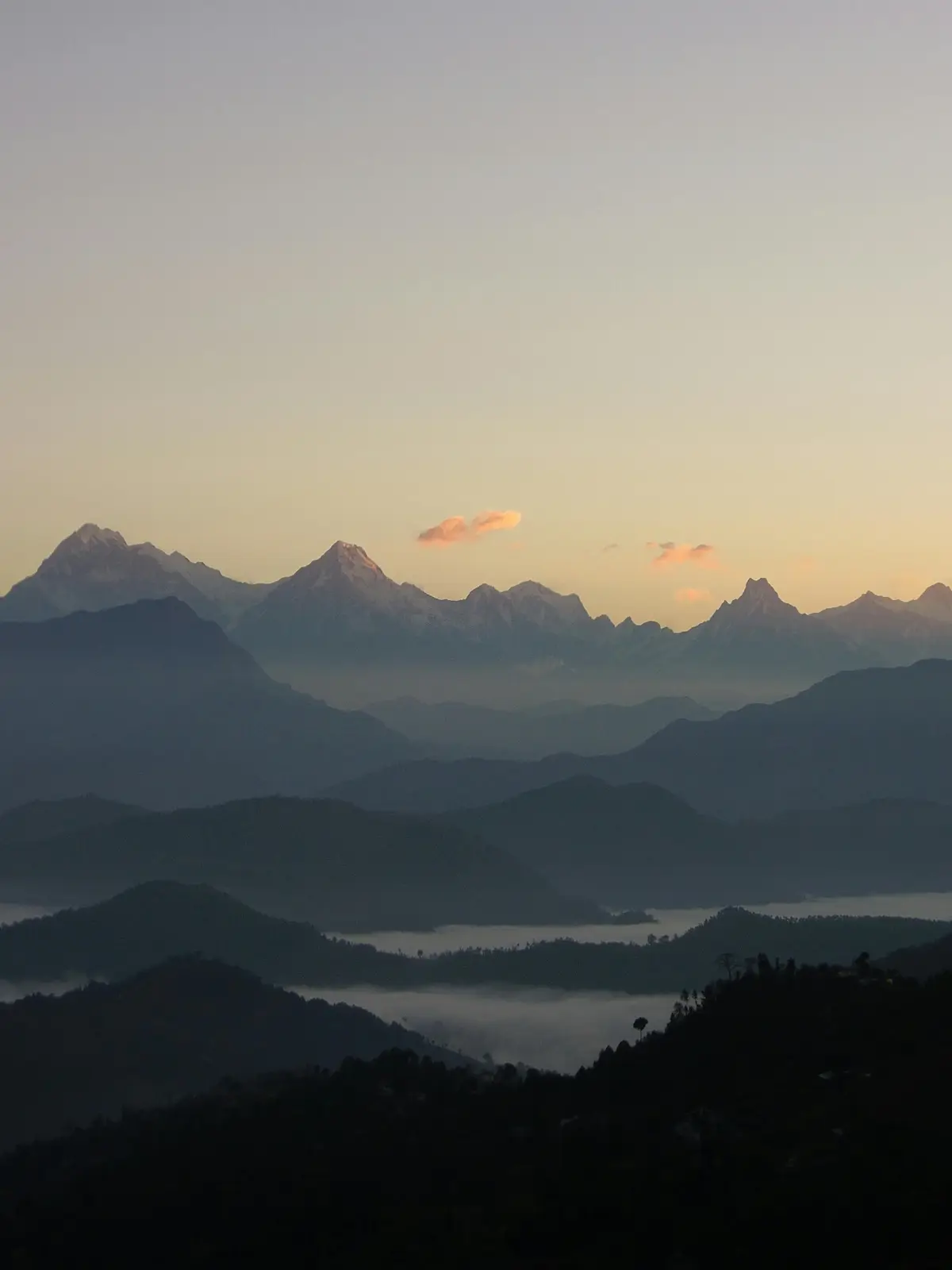
Nepal’s Himalayas offer a special experience in winter, with crisp air, peaceful trails, snow-covered peaks, and beautiful views on clear days. December, January, and February can be rewarding months to explore the mountains, but colder temperatures and snowfall mean that route choice matters. Winter Trekking Nepal is best enjoyed when you match the trek to your fitness, experience, available time, and current trail conditions.
Some routes are suitable for many first-time trekkers, while high-altitude journeys need more preparation and flexibility. This guide helps you plan Winter Trekking Nepal more confidently. It introduces seven options, explains what to expect, and shares practical advice for Winter Trekking Nepal.
Why Choose Winter Trekking in Nepal?
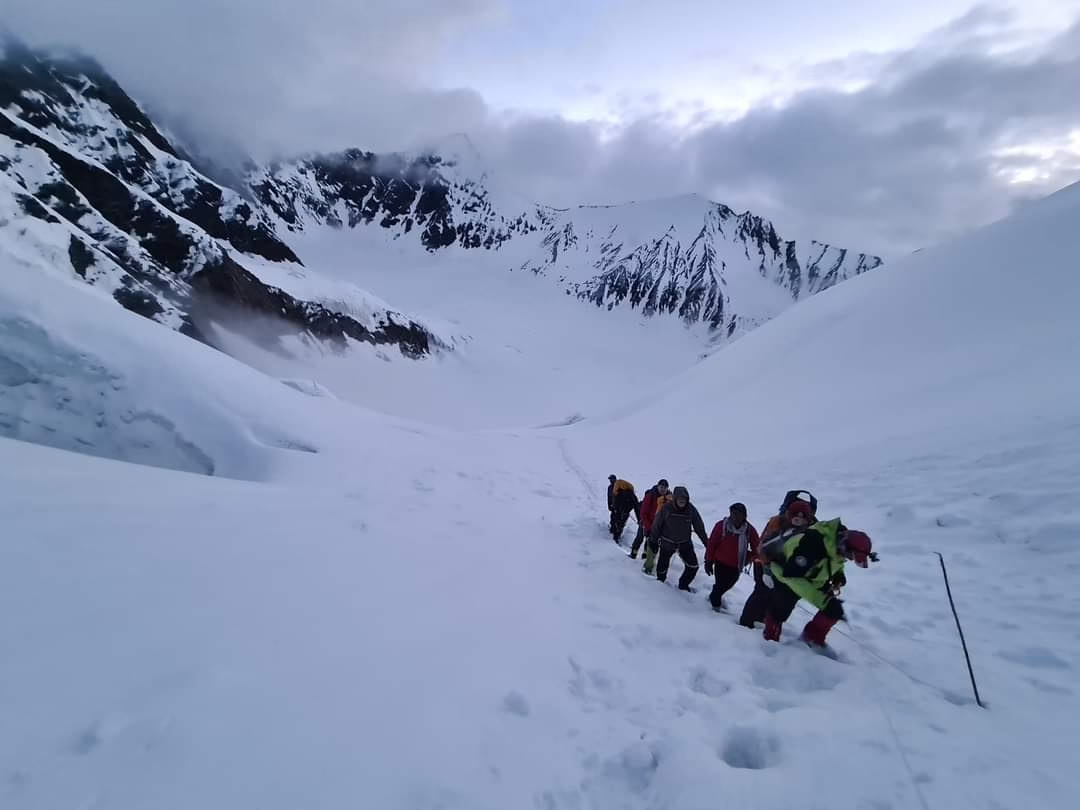
Winter can bring quieter trails than the busy autumn season, clear mountain views during settled weather, and a different atmosphere in traditional villages. Snow can make forests and peaks look spectacular, although visibility and conditions are never guaranteed. Winter Trekking Nepal also means shorter daylight hours, cold mornings, and possible changes to transport or accommodation plans.
Choose a route for Winter Trekking Nepal based on conditions rather than photographs alone. Lower-altitude itineraries are often more practical for beginners, while higher trails may require extra equipment, acclimatization, and guidance.
7 Best Winter Treks in Nepal for 2026
1. Ghorepani Poon Hill Trek
Duration: 4-5 days | Maximum altitude: 3,210 m | Difficulty: Easy to moderate
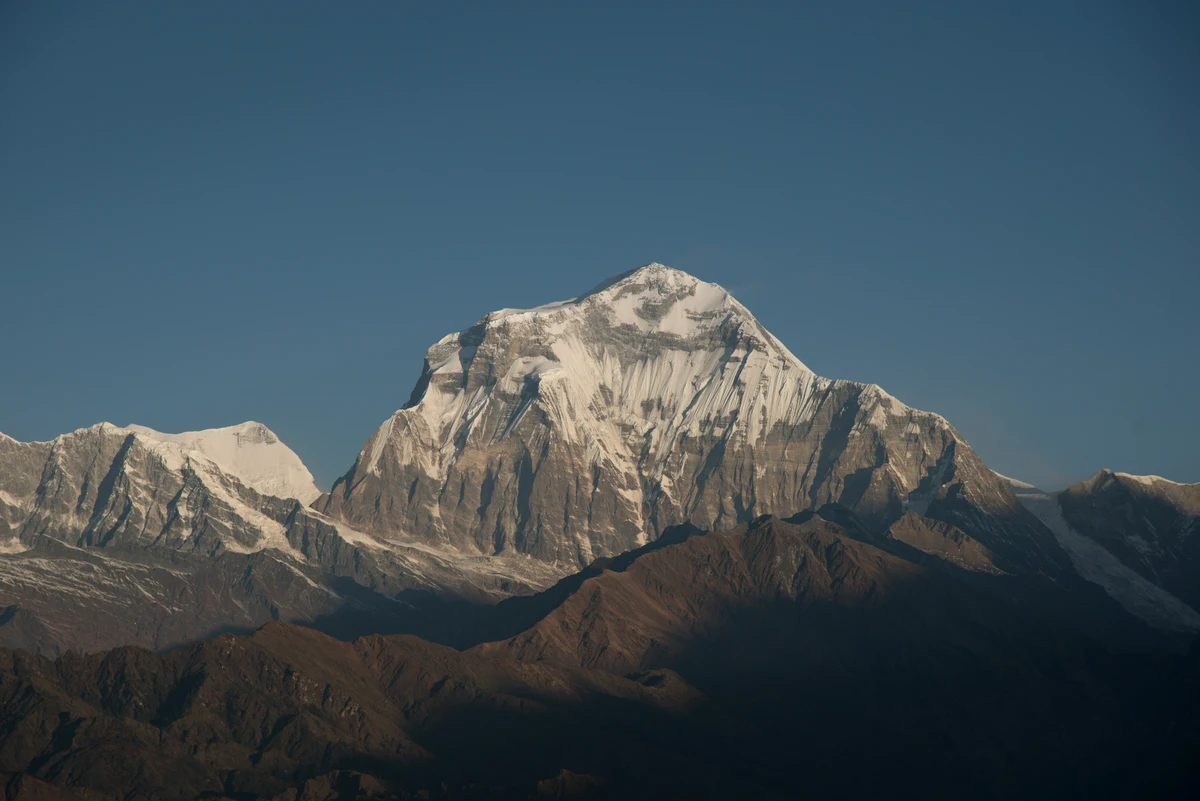
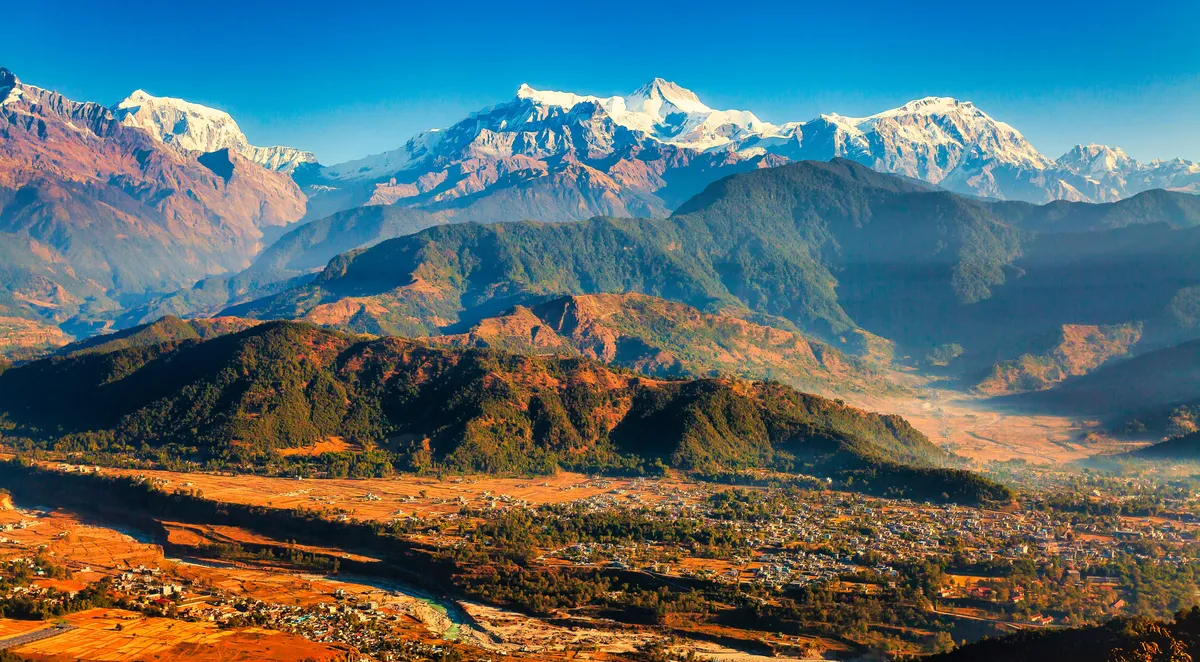
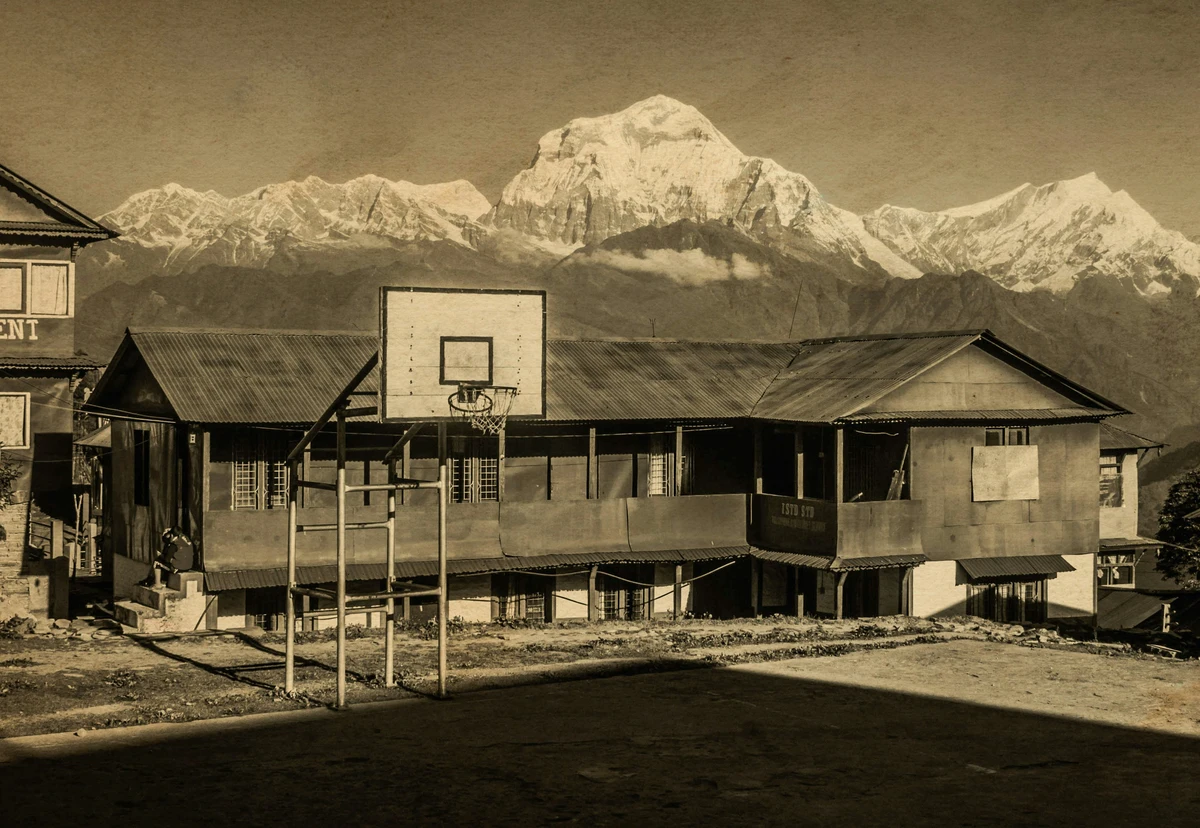
Ghorepani Poon Hill is a strong choice for travelers seeking a shorter Himalayan adventure. The trail passes through forest, stone staircases, and traditional Gurung and Magar villages. The main highlight is an early-morning walk to Poon Hill, where clear conditions can reveal panoramic views of the Annapurna and Dhaulagiri ranges.
For people trying Winter Trekking Nepal for the first time, this route can be manageable with reasonable fitness and suitable preparation. However, frost, ice, and occasional snowfall can make steps slippery. Pack warm layers, wear boots with good grip, and start early enough to return safely.
Highlights: Sunrise views, village culture, forest trails, and a short itinerary. It is a popular introduction to Winter Trekking Nepal.
2. Mardi Himal Trek
Duration: 5-7 days | Maximum altitude: Around 4,500 m near Mardi Himal Base Camp | Difficulty: Moderate to challenging in winter
Mardi Himal offers forest paths, narrow ridges, and close views of Machhapuchhre, also known as Fishtail Mountain. Higher sections provide dramatic mountain scenery, making the trek attractive to photographers and experienced walkers. Winter conditions can make the upper trail difficult. Snow and ice may affect access, and some high-camp accommodation may have limited services or be closed. Anyone planning Winter Trekking Nepal on this route should check recent trail conditions and confirm lodge availability before departure. Turning back is sensible if the upper trail becomes unsafe.
Highlights: Machhapuchhre views, forest scenery, and a compact mountain adventure. Check conditions before planning Winter Trekking Nepal here.
3. Everest View Trek
Duration: 5-7 days | Maximum altitude: Around 3,880 m at Tengboche | Difficulty: Moderate
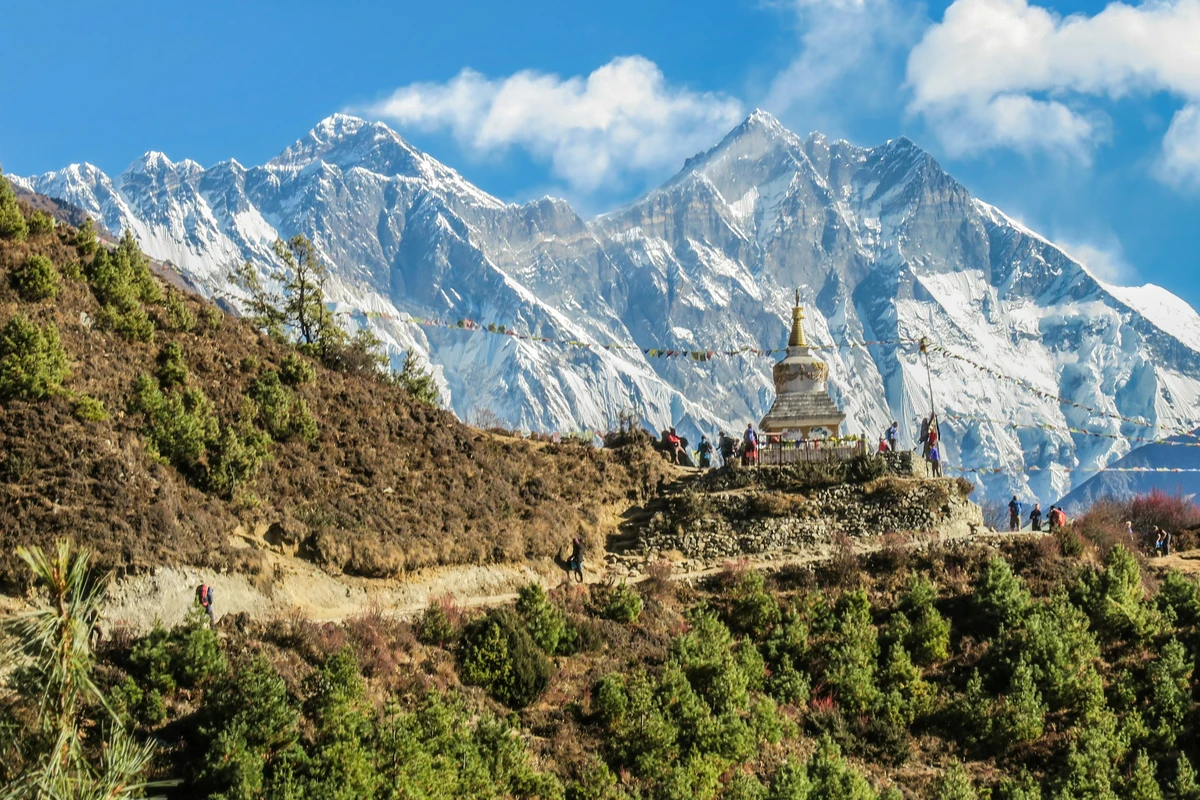
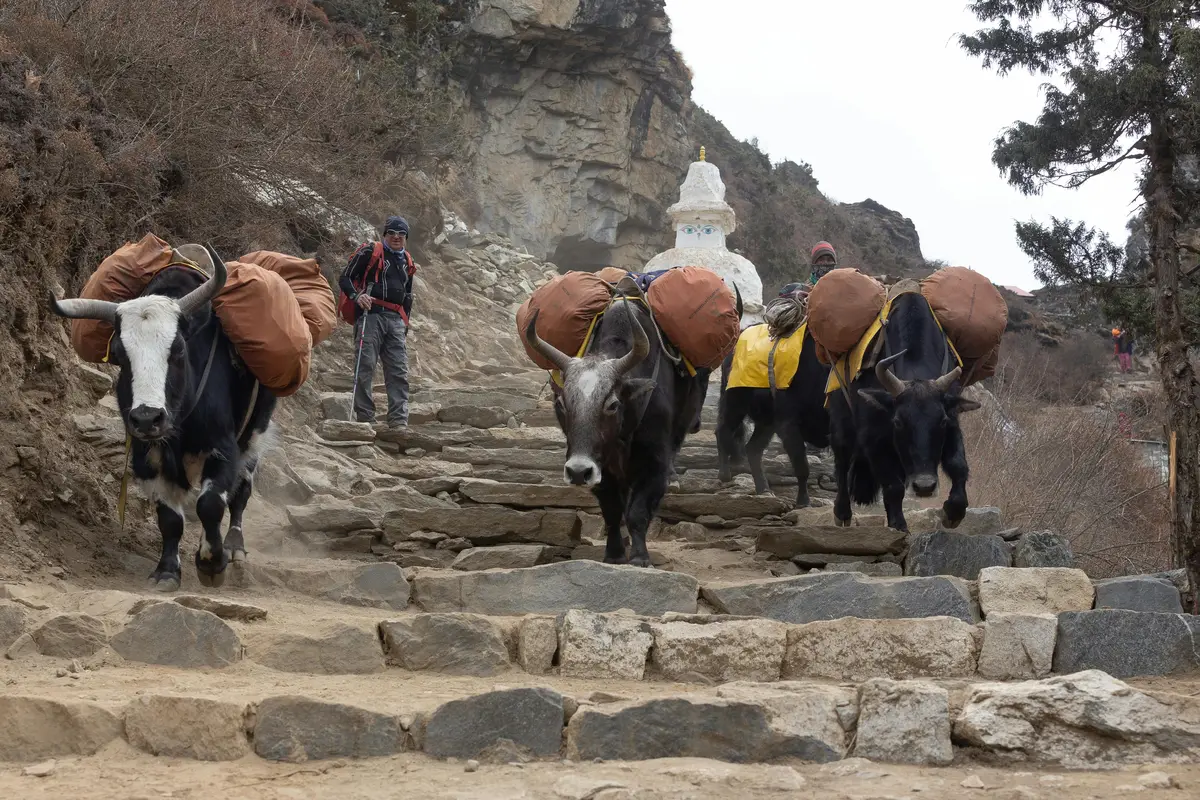
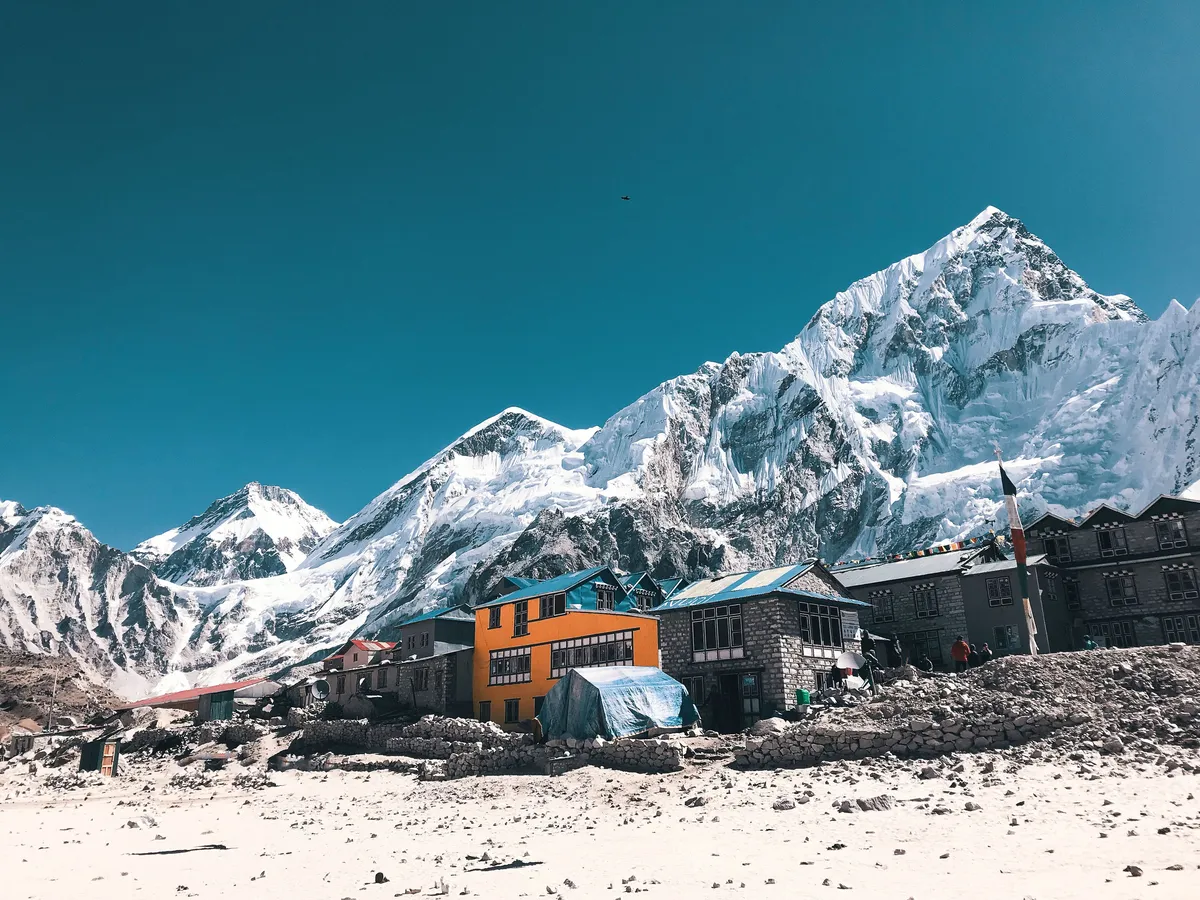
The Everest View Trek introduces visitors to the Khumbu region without requiring the full Everest Base Camp itinerary. The route commonly includes Namche Bazaar and may continue towards Tengboche, known for its monastery and mountain views. Trekkers can experience Sherpa culture, local teahouses, and impressive Himalayan scenery. Cold temperatures, snow, and flight disruptions are possible in winter. Allow extra time for travel delays and check accommodation before setting out. Winter Trekking Nepal in the Everest region also requires gradual acclimatization. Tell your guide if you develop a headache, nausea, dizziness, or unusual fatigue.
Highlights: Khumbu landscapes, Sherpa culture, Namche Bazaar, and views of Everest when weather permits. Prepare carefully for Winter Trekking Nepal at this altitude.
4. Langtang Valley Trek
Duration: 7-9 days | Maximum altitude: Around 3,870 m at Kyanjin Gompa | Difficulty: Moderate, harder in winter
North of Kathmandu, the Langtang Valley Trek passes through forests, villages, river valleys, and mountain settlements before reaching Kyanjin Gompa. Langtang Lirung dominates the skyline, while the upper valley offers glaciers and alpine scenery. The region also provides opportunities to learn about Tamang culture and local life. Snowfall can make higher trails and side trips, including Kyanjin Ri, more difficult or unsafe. Check road access, weather forecasts, lodge availability, and local advice before leaving. This can be a beautiful Winter Trekking Nepal option for prepared hikers, but it should not be treated as easy simply because it is relatively close to Kathmandu.
Highlights: Mountain scenery, cultural experiences, and Kyanjin Gompa. Check local advice for Winter Trekking Nepal in Langtang.
5. Helambu Trek
Duration: 4-6 days | Difficulty: Easy to moderate, depending on itinerary
Helambu is worth considering for travelers who want a shorter journey through mountain villages and forested hills within reach of Kathmandu. Its traditional settlements and local culture offer a different experience from Nepal’s more famous high-altitude routes. A lower-altitude itinerary may be more manageable during winter, but conditions vary by route. Trails can be cold or slippery, and snowfall may affect higher sections. Confirm accommodation and choose a route that fits your fitness and experience.
Highlights: Village life, forest trails, flexible itineraries, and convenient access from Kathmandu. This can suit travelers seeking shorter Winter Trekking Nepal options.
6. Everest Base Camp Trek
Duration: 12-14 days | Maximum altitude: 5,364 m at Everest Base Camp | Difficulty: Challenging
The Everest Base Camp Trek travels through the Khumbu region, passing Sherpa villages, suspension bridges, Namche Bazaar, Dingboche, and Gorak Shep. It offers an iconic Himalayan journey, but winter makes it significantly more demanding. Freezing temperatures, snowfall, trail closures, and limited lodge services can affect the itinerary. The altitude also requires careful acclimatization. Winter Trekking Nepal at this elevation is not suitable for everyone; trekkers need appropriate equipment, a realistic schedule, and professional advice about current conditions. Keep spare days for delays and be prepared to change plans.
Highlights: Everest-region scenery, Sherpa culture, and a major high-altitude trekking challenge. Plan Winter Trekking Nepal here with experienced support.
7. Annapurna Base Camp Trek
Duration: 7-10 days | Maximum altitude: Around 4,130 m | Difficulty: Moderate to challenging in winter
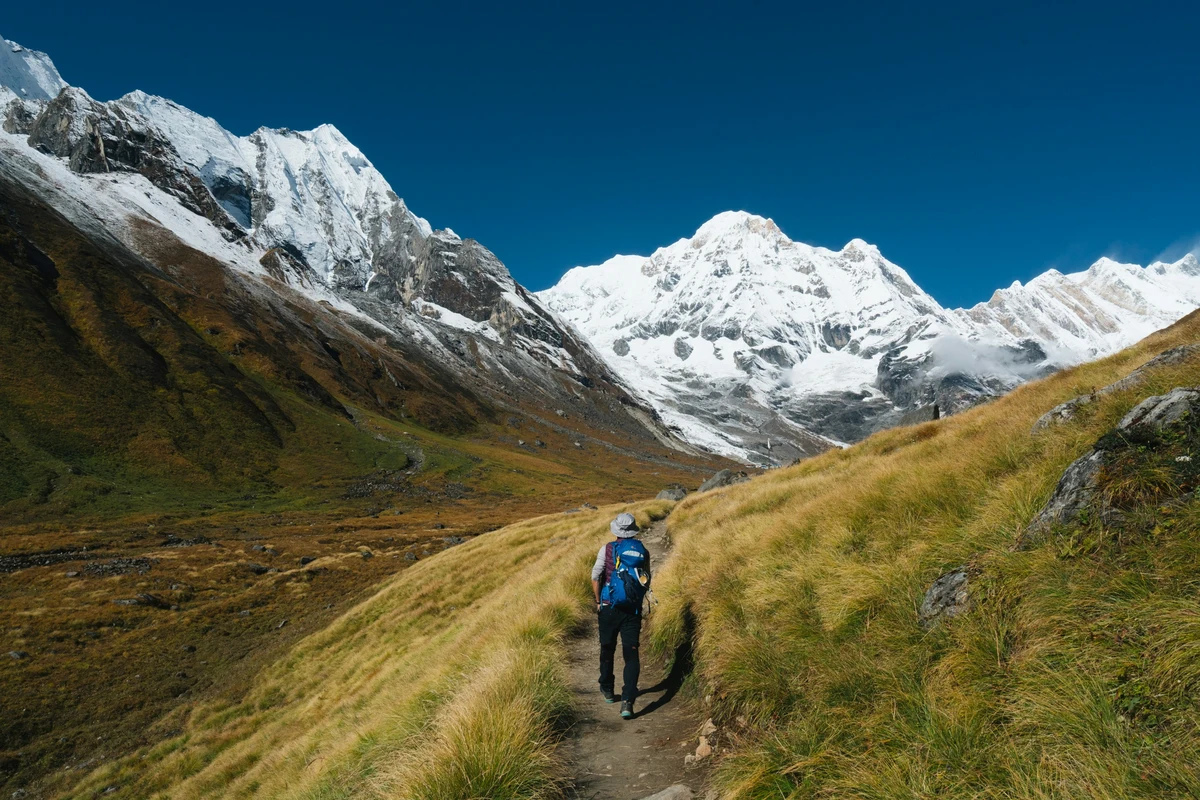
The Annapurna Base Camp Trek leads through villages, forests, river valleys, and alpine landscapes into a mountain sanctuary surrounded by towering peaks. On clear days, views may include Annapurna I and Machhapuchhre. Snow and ice can affect the upper trail, and avalanche hazards may arise under certain conditions. Check local advice and forecasts before departure, and do not continue if conditions are unsafe. For some travelers, a lower-altitude Annapurna itinerary may be a better winter alternative.
Highlights: Dramatic mountain scenery, varied landscapes, and a memorable Himalayan setting. Check avalanche conditions before Winter Trekking Nepal in this region.
Winter Trek Comparison
| Trek | Duration | Maximum altitude | Winter considerations |
|---|---|---|---|
| Ghorepani Poon Hill | 4-5 days | 3,210 m | Often a practical option; watch for ice |
| Mardi Himal | 5-7 days | Around 4,500 m | Check snow and upper-camp access |
| Everest View | 5-7 days | Around 3,880 m | Allow for flight delays and acclimatization |
| Langtang Valley | 7-9 days | Around 3,870 m | Check roads, snow, and lodge availability |
| Helambu | 4-6 days | Route-dependent | Choose a suitable lower route |
| Everest Base Camp | 12-14 days | 5,364 m | Very cold; requires careful planning |
| Annapurna Base Camp | 7-10 days | Around 4,130 m | Assess snow and avalanche risk |
Durations are estimates and depend on the itinerary. Conditions and accommodation availability can change from year to year.
Best Time for Winter Trekking in Nepal
For Winter Trekking Nepal, conditions change throughout the season. December, January, and February each bring cold weather, but conditions vary by region and altitude. December can offer good trekking opportunities on selected routes, while January is often especially cold at higher elevations. February can also be suitable, though snow and weather disruptions remain possible.
The best time for Winter Trekking Nepal depends on the trek and the forecast, not just the month. Before booking, confirm trail access, transport, accommodation, and local conditions. Flexibility is especially important for high-altitude routes.
Winter Trekking Packing List
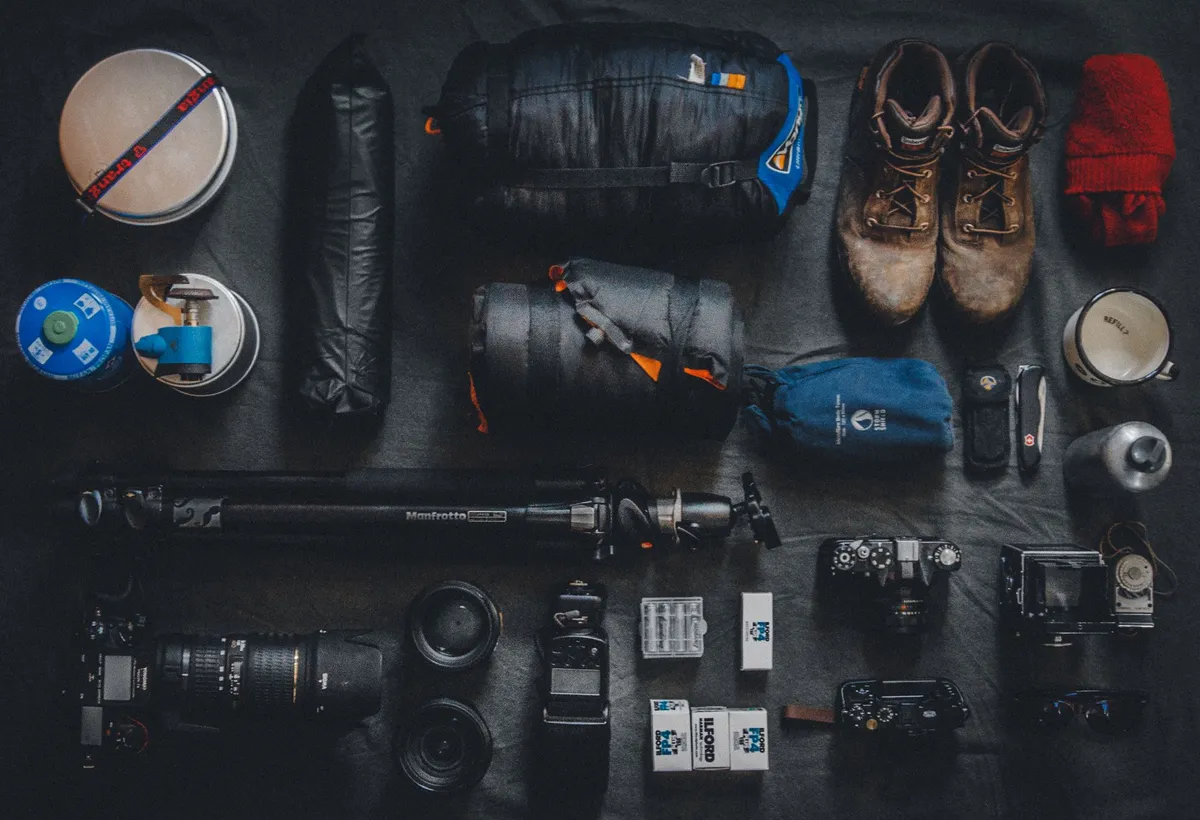
Good equipment helps you stay warm, comfortable, and prepared for changing conditions. For Winter Trekking Nepal, consider packing:
- Thermal base layers and warm mid-layers.
- An insulated jacket and waterproof outer layers.
- Warm gloves, a hat, and suitable trekking socks.
- Supportive boots with good grip.
- A sleeping bag rated for expected temperatures, if needed.
- Sunglasses and sunscreen for strong mountain sunlight.
- A headlamp with spare batteries.
- Water bottles, snacks, and personal medication.
- Basic first-aid supplies and trekking poles.
Your packing list for Winter Trekking Nepal should match the route, forecast, and accommodation. Ask a qualified trekking professional to review your gear before departure.
Winter Trekking Safety Tips
Check the weather and trail conditions
Ask local guides and accommodation providers about recent snowfall, icy sections, closures, and the condition of higher trails. Forecasts can change quickly, so keep checking during Winter Trekking Nepal.
Choose a route that suits your ability
For Winter Trekking Nepal, beginners should avoid choosing a difficult high-altitude trek simply because it looks appealing. Consider fitness, previous experience, time available, and comfort in cold weather.
Acclimatize and recognize altitude sickness
Ascend gradually and follow a suitable acclimatization plan. Symptoms such as headache, nausea, dizziness, or unusual fatigue should be taken seriously. Severe or worsening symptoms require prompt descent and medical assistance.
Use qualified local support
An experienced guide can help make Winter Trekking Nepal safer through route choices, local knowledge, and emergency planning. Check current Nepal trekking rules and permit requirements for your chosen area before departure.
Keep your plans flexible
Snowfall, flight delays, and trail closures may force changes. Allow extra days for Winter Trekking Nepal and turn back if conditions become unsafe. A safe return matters more than reaching a particular viewpoint.
Plan Your Winter Adventure with First Camp Trek
Planning a winter trek involves more than selecting a destination. Travelers planning Winter Trekking Nepal should consider weather, difficulty, accommodation, transport, equipment, and altitude. First Camp Trek can help you compare itineraries and choose an adventure that fits your experience, schedule, and interests.
Whether you are considering Poon Hill or a more demanding Himalayan route, base your decision on current conditions and realistic preparation. Explore the relevant trekking itineraries on the First Camp Trek website to plan your trip.
Frequently Asked Questions
Is winter a good time to trek in Nepal?
Yes, Winter Trekking Nepal can be rewarding on selected routes, especially lower-altitude treks. Expect cold temperatures and possible snow, and confirm current conditions before departure.
Which winter trek is best for beginners?
Ghorepani Poon Hill is a popular option for many beginners because it has a relatively low maximum altitude and a short itinerary. Fitness and trail conditions still matter.
Can you trek to Everest Base Camp in winter?
Winter Trekking Nepal to Everest Base Camp may be possible for well-prepared trekkers, but severe cold, snowfall, and limited accommodation can make it challenging. Seek professional advice and keep your itinerary flexible.
Does it snow in Nepal during winter?
Snowfall is possible in mountain regions, especially at higher elevations. Timing and amounts vary by location and year.
Are all trekking routes open in winter?
No. Snow, ice, severe weather, and seasonal closures can affect access. Check trail conditions and accommodation availability before starting.
Conclusion
Winter offers a quieter and different way to experience Nepal’s Himalayan landscapes. From the shorter Ghorepani Poon Hill Trek to more demanding journeys in the Everest and Annapurna regions, there are options for different experience levels. The key to successful Winter Trekking Nepal is choosing a route based on current conditions, suitable equipment, and realistic preparation. With a flexible itinerary and attention to safety, Winter Trekking Nepal can be a memorable way to discover mountain villages, crisp winter mornings, and spectacular Himalayan views.