The Cultural Side of Trekking in Nepal: Temples, Tea Houses, and Traditions
The Cultural Dimension of Trekking in Nepal: Tea Houses, Temples, and Nepalese Culture
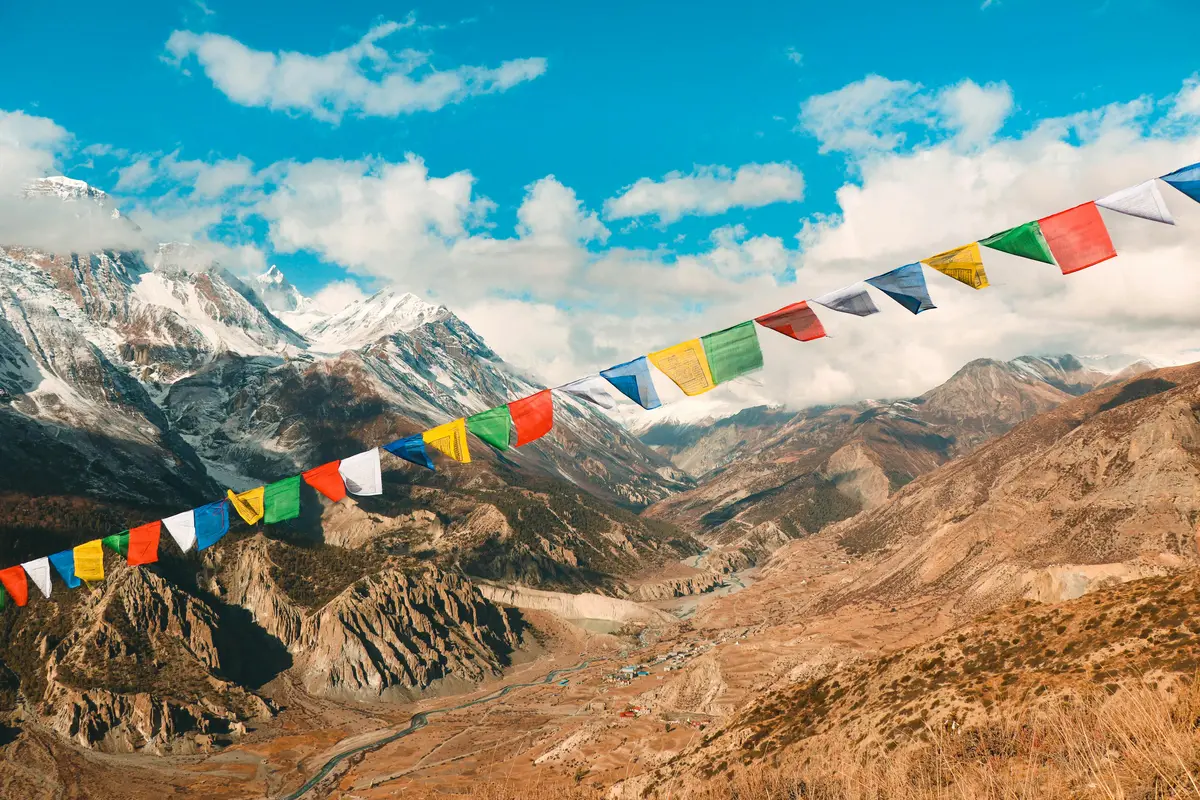
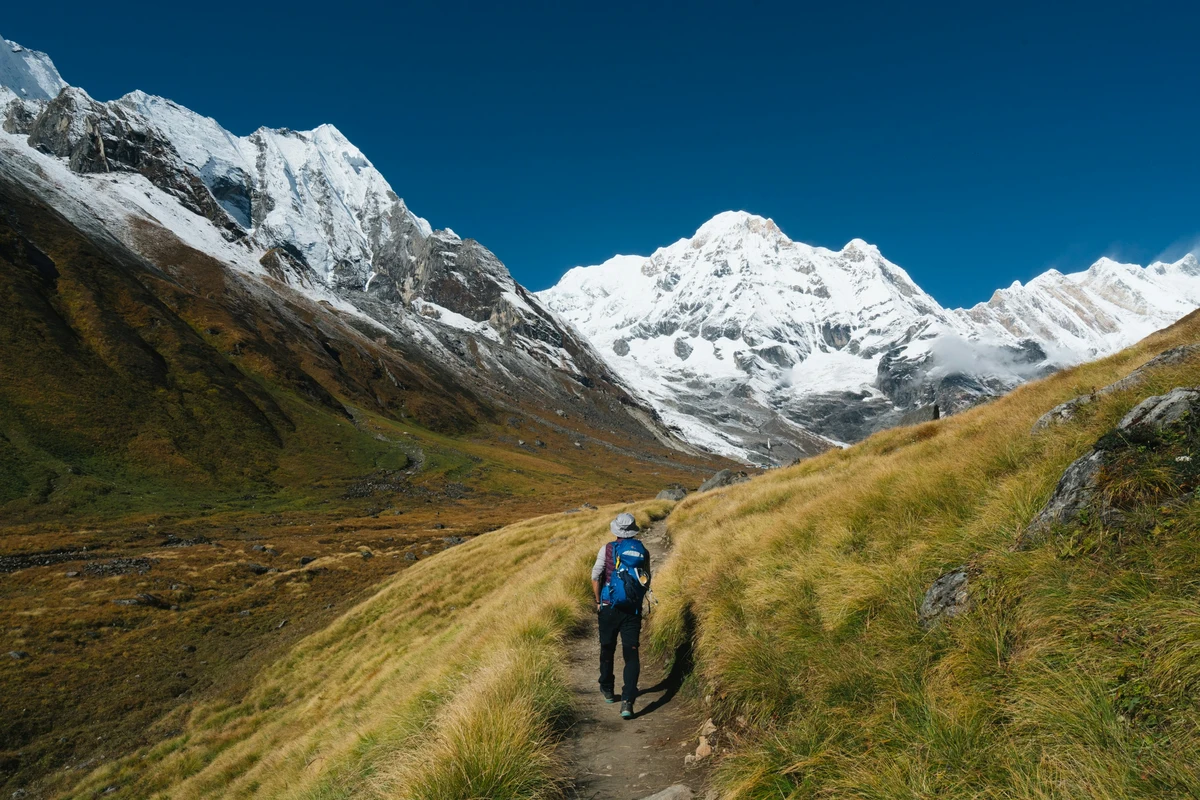
Nepal trekking is not merely ascending steep passes and drinking in majestic mountain scenery—it’s an individual journey of self-discovery in one of the world’s richest and most diverse cultural landscapes. The snow-capped summits and alpine trails hide a rich tapestry of Nepalese culture, ancient ritual, vibrant festivals, and holy sites that turn a trekking holiday into a cultural odyssey. This is the spirit of cultural trekking in Nepal—where every step is a connection with people, place, and tradition imbued with history hundreds of years old.
1. Temples and Spiritual Heritage Along the Trails Temples in Nepal are not just tourist attractions—they are living monuments infused with incense, prayer flags, and rituals. For trekkers, discovering a temple along the trail becomes an unexpected moment of spiritual connection.
One prime example is Muktinath Temple in Mustang, a sacred pilgrimage site for both Hindus and Buddhists. Located on the Annapurna Circuit, it unites spiritual seekers who bathe under 108 water spouts fed by Himalayan snowmelt.
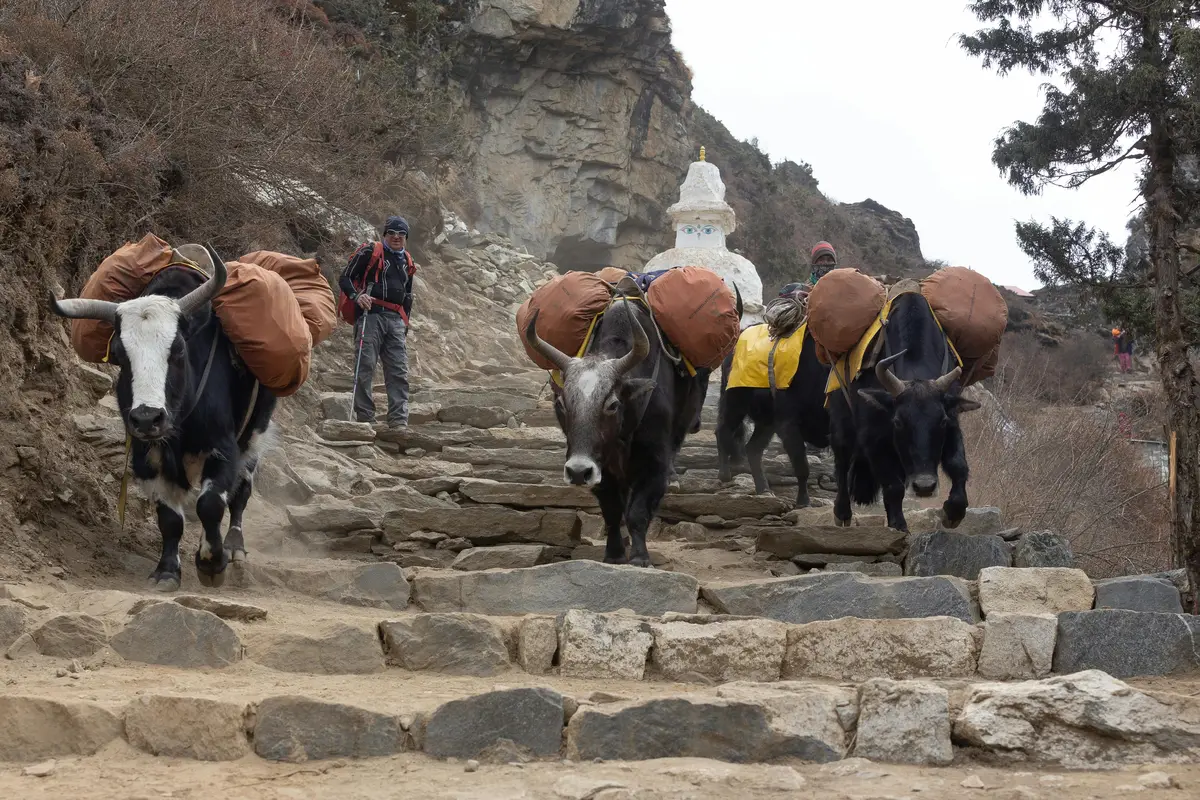
Tengboche Monastery in the Everest region is another highlight. Perched at 3,867 meters, it offers jaw-dropping views of Ama Dablam and hosts daily prayer ceremonies that draw trekkers into the world of Tibetan Buddhism.
Such sites are cornerstones of cultural trekking in Nepal, infusing trails with sacred meaning and spiritual energy rooted in Nepalese culture.
2. Tea Houses: The Pulse of Himalayan Hospitality No discussion of cultural trekking in Nepal is complete without honoring the iconic tea houses. These family-run lodges offer more than shelter—they provide warmth, conversation, and community.
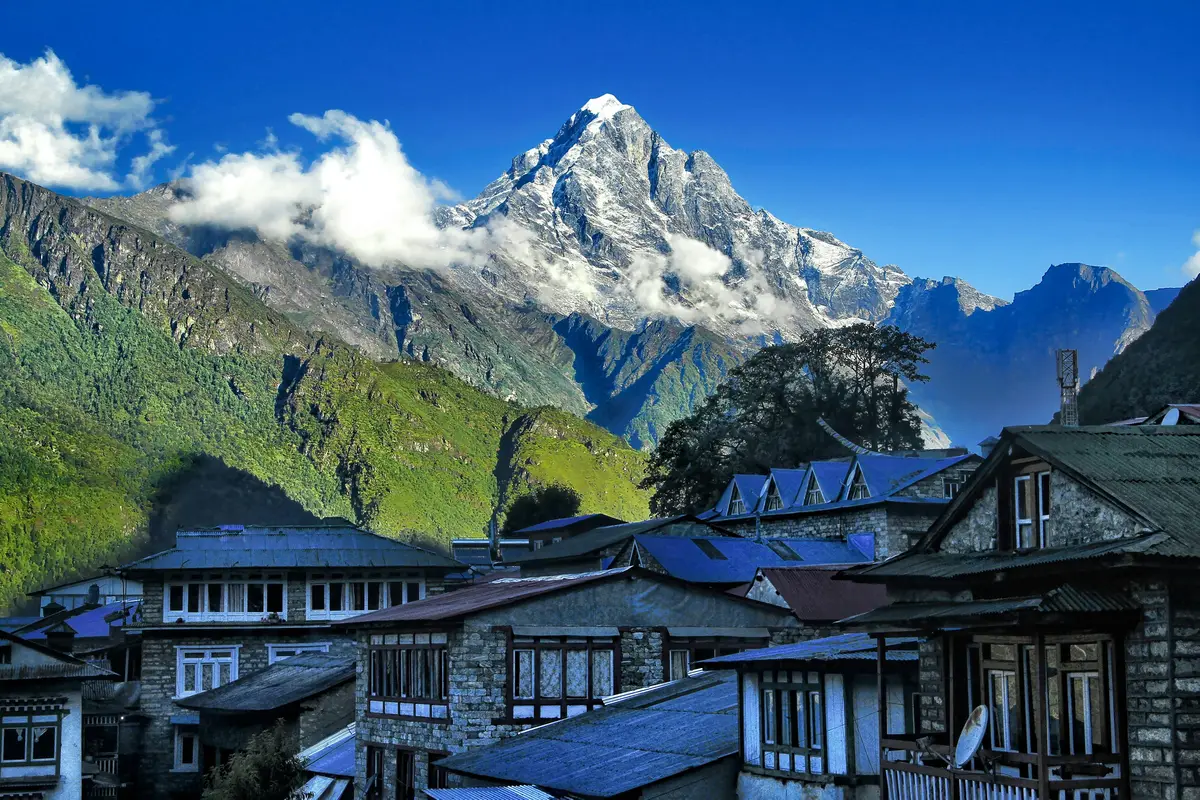
Scattered across routes like Annapurna and Langtang, tea houses are places where tired feet rest and stories are shared. Over steaming plates of dal bhat and mugs of masala tea, locals and trekkers form genuine bonds.
The crackle of a wood stove, the hum of folk music, and the occasional dance or card game turn an ordinary evening into a cultural celebration. Tea houses offer the perfect glimpse into Nepalese culture, where family values, respect, and hospitality shine.
3. Ethnic Diversity and Traditional Villages With over 125 ethnic groups and 120 languages, Nepal’s cultural fabric is incredibly rich. Cultural trekking in Nepal brings this diversity to life.
Treks through Gurung and Magar villages on the Annapurna trail offer insights into warrior traditions and deep-rooted hospitality. In the Everest region, Sherpa communities showcase Tibetan-influenced Buddhism and high-altitude resilience.
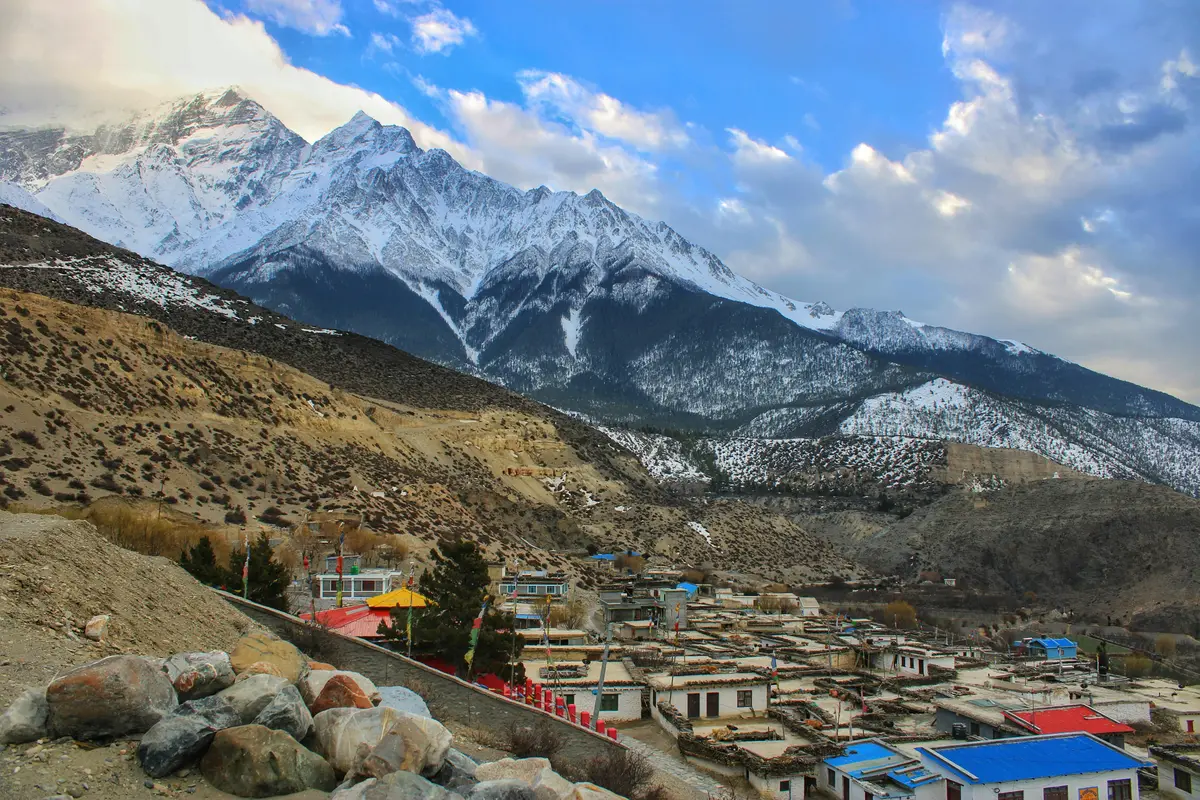
From carved wooden homes to fluttering prayer flags and terraced fields, every village reflects a unique identity. Trekkers may be invited into homes for butter tea or to witness a local festival, creating memorable cultural encounters and deepening their understanding of Nepalese culture.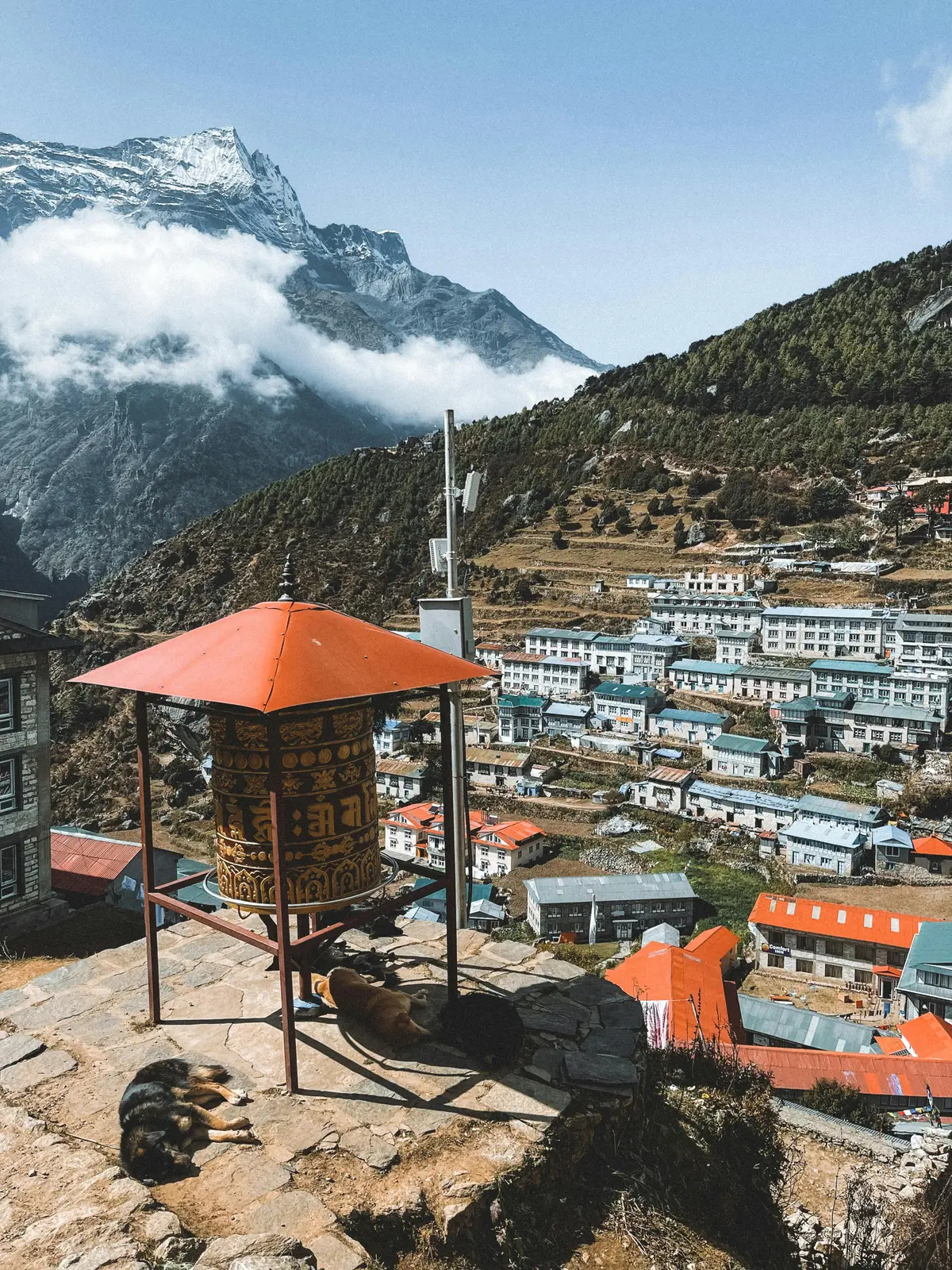
4. Festivals Along the Trails Time your trek right, and you could walk into a full-blown cultural celebration. Festivals like Holi, celebrated in spring with colored powder and water, add vibrancy to the trails.
In the Everest region, the Mani Rimdu Festival at Tengboche Monastery showcases masked dances and Buddhist rituals, while Mustang’s Tiji Festival is a vivid display of spiritual drama.
These events are not staged for tourists—they’re living traditions. Being part of such festivals deepens your cultural trekking in Nepal experience, offering a profound window into Nepalese culture through faith and celebration.
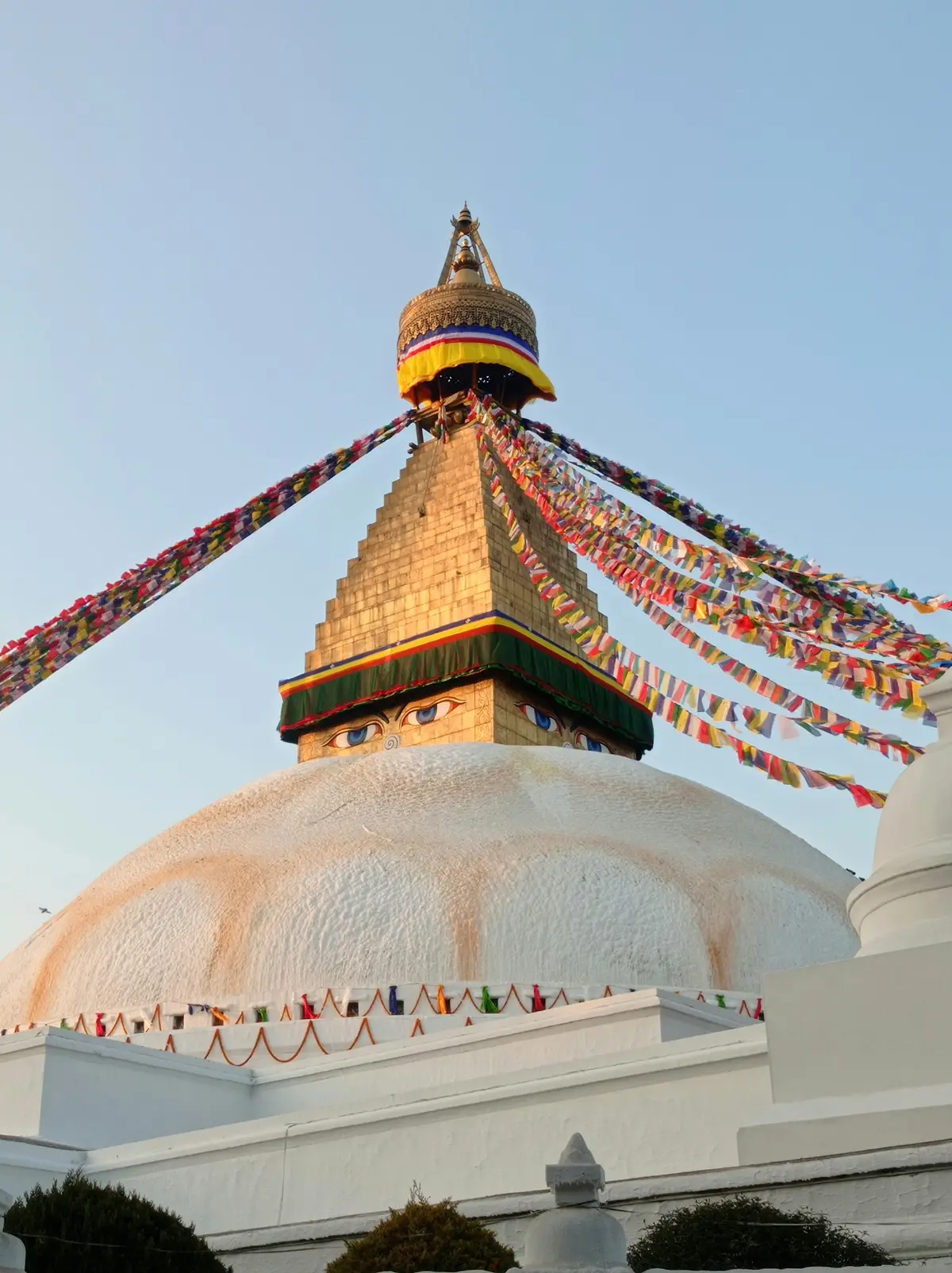
5. Local Customs and Cultural Etiquette Respect for local customs is essential to meaningful cultural trekking in Nepal. A simple “Namaste” with palms together can open hearts. Walking clockwise around stupas and removing shoes before entering homes or temples shows reverence.
Modest dress is appreciated, particularly in religious areas, and always ask permission before taking photos in villages or during ceremonies.
Many trekking companies offer pre-trek cultural briefings to help travelers engage responsibly and respectfully. These efforts make cultural trekking in Nepal a mutually enriching journey that honors Nepalese culture.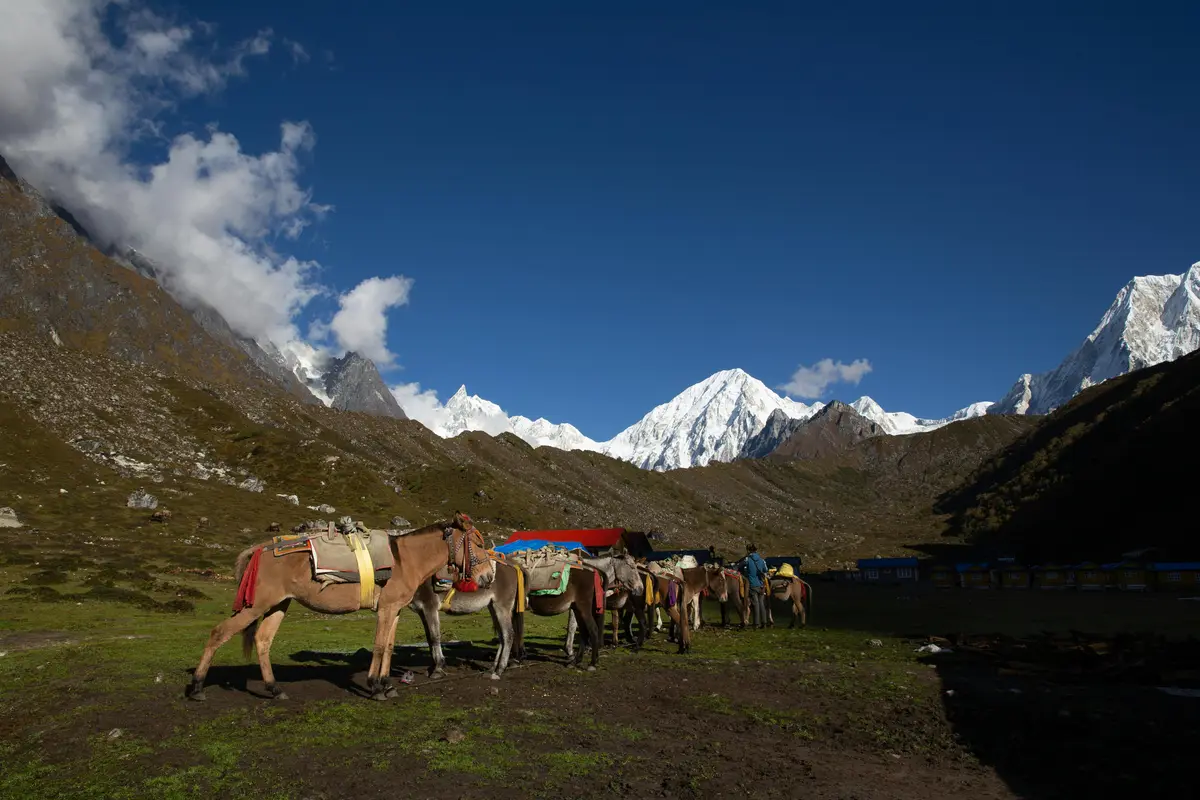
6. Language and Storytelling Traditions While English is commonly understood on major trails, learning basic Nepali phrases like “Dhanyabad” (thank you) and “Sanchai cha?” (how are you?) can delight your hosts.
Nepal’s strong oral tradition shines in tea houses and village homes. Tales of mountain gods, brave ancestors, or even the elusive Yeti add layers of myth to the trek.
Listening to these stories during fireside chats enhances cultural trekking in Nepal, creating emotional depth and lasting memories tied to Nepalese culture.
7. Supporting Local Communities through Cultural Treks Choosing locally guided, community-based treks is a key element of responsible tourism. Organizations like the Community Homestay Network enable travelers to directly support local economies.
By staying in village homestays, buying traditional crafts, and joining heritage preservation projects, you contribute to sustaining the very culture you’re here to experience.
This mindful approach makes cultural trekking in Nepal a two-way exchange that uplifts both visitors and hosts, and supports the continuity of Nepalese culture.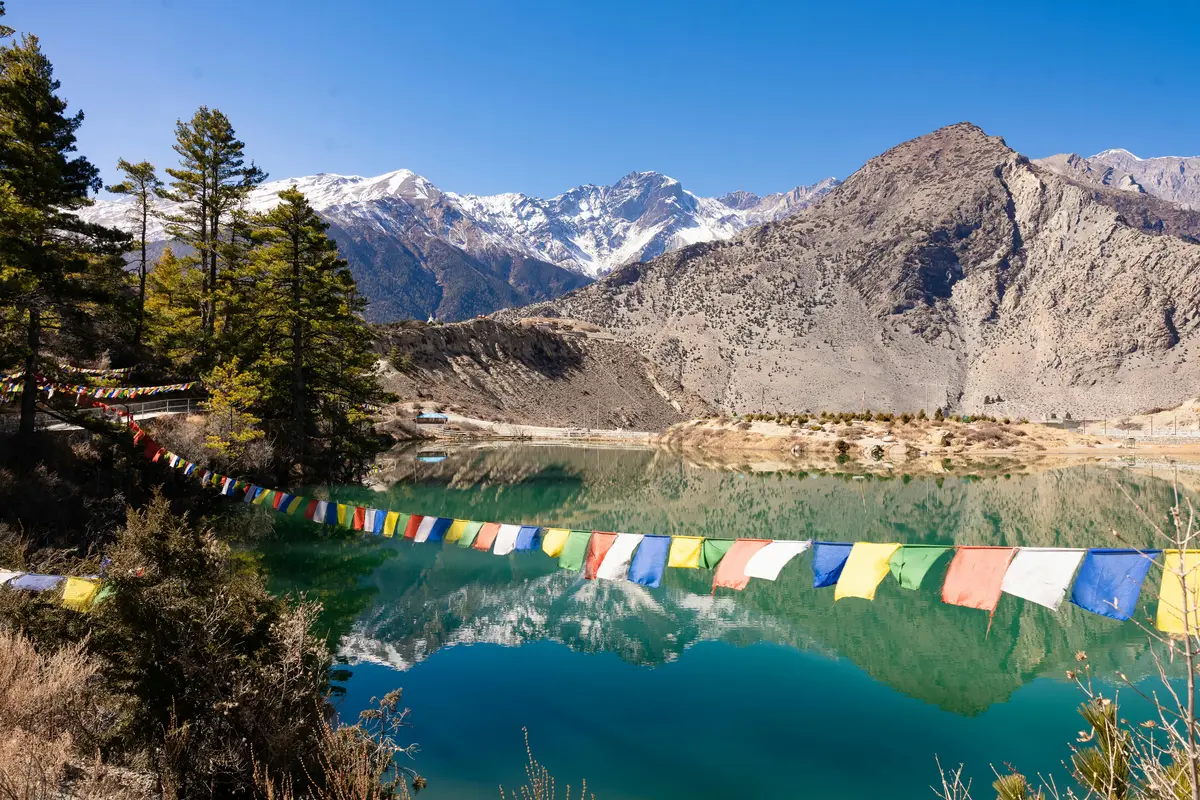
8. Cultural Trekking Hotspots in Nepal While every trek in Nepal has cultural value, some are particularly immersive:
- Upper Mustang: Known as the “Last Forbidden Kingdom,” with ancient Tibetan culture and hidden cave monasteries.
- Tamang Heritage Trail: North of Kathmandu, offering Tamang traditions, healing practices, and warm hospitality.
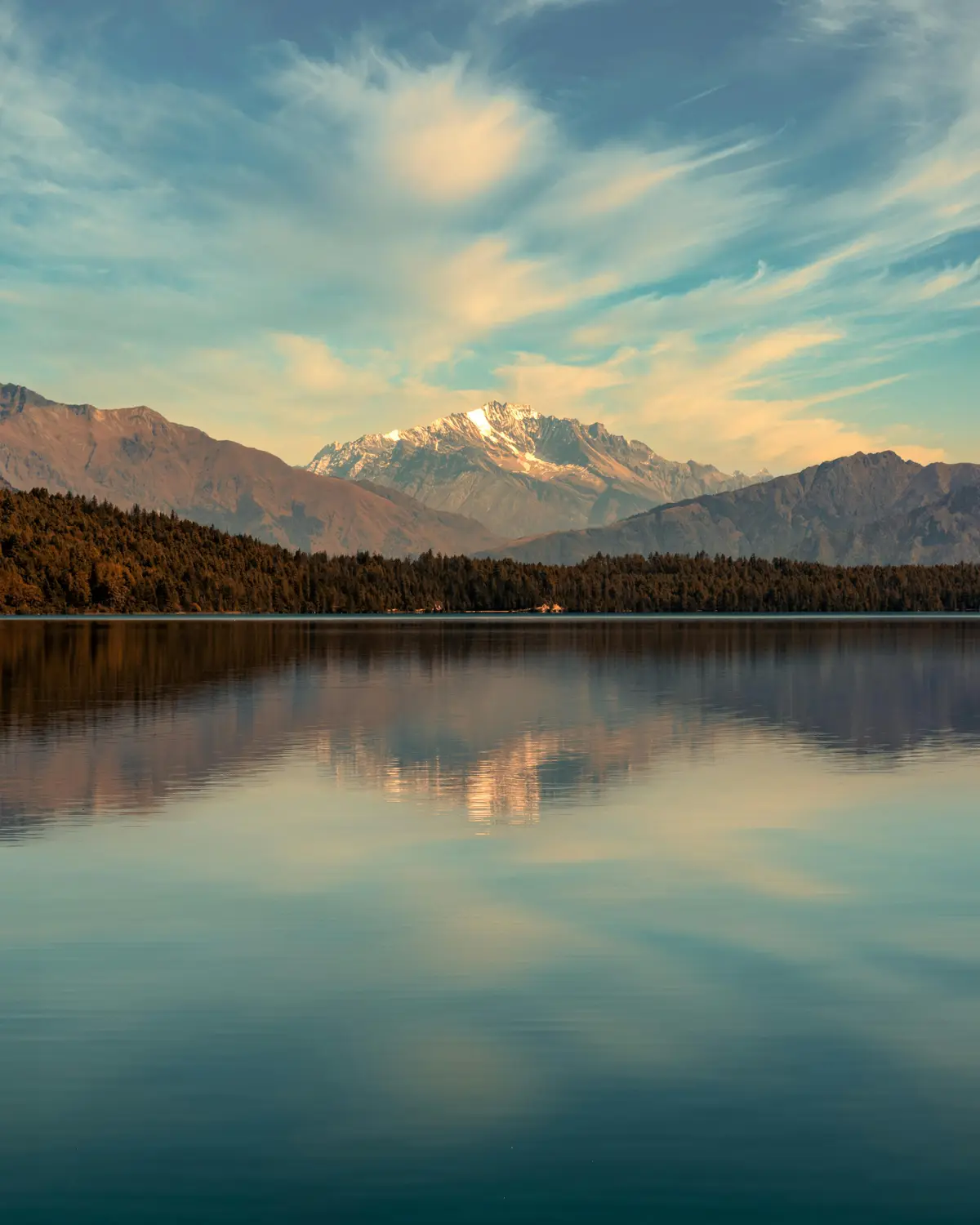
- Gosaikunda and Helambu: Trek through sacred lakes, Buddhist monasteries, and Hyolmo villages.
- Lower Solukhumbu: A less-trodden trail rich in Sherpa and Rai cultural heritage.
Each region enhances cultural trekking in Nepal with distinctive traditions and breathtaking backdrops grounded in Nepalese culture.
9. Art, Architecture, and Sacred Symbols Prayer wheels, mani stones, and carved windows are common sights that silently narrate the culture of the land. Brightly painted chortens and intricately designed temples elevate the landscape into a canvas of faith and artistry.
Even in towns like Bhaktapur or Bandipur, urban trekking extensions reveal a fusion of Newari craftsmanship and spiritual symbolism.
These visuals are integral to cultural trekking in Nepal, adding a quiet, powerful beauty to your journey through Nepalese culture.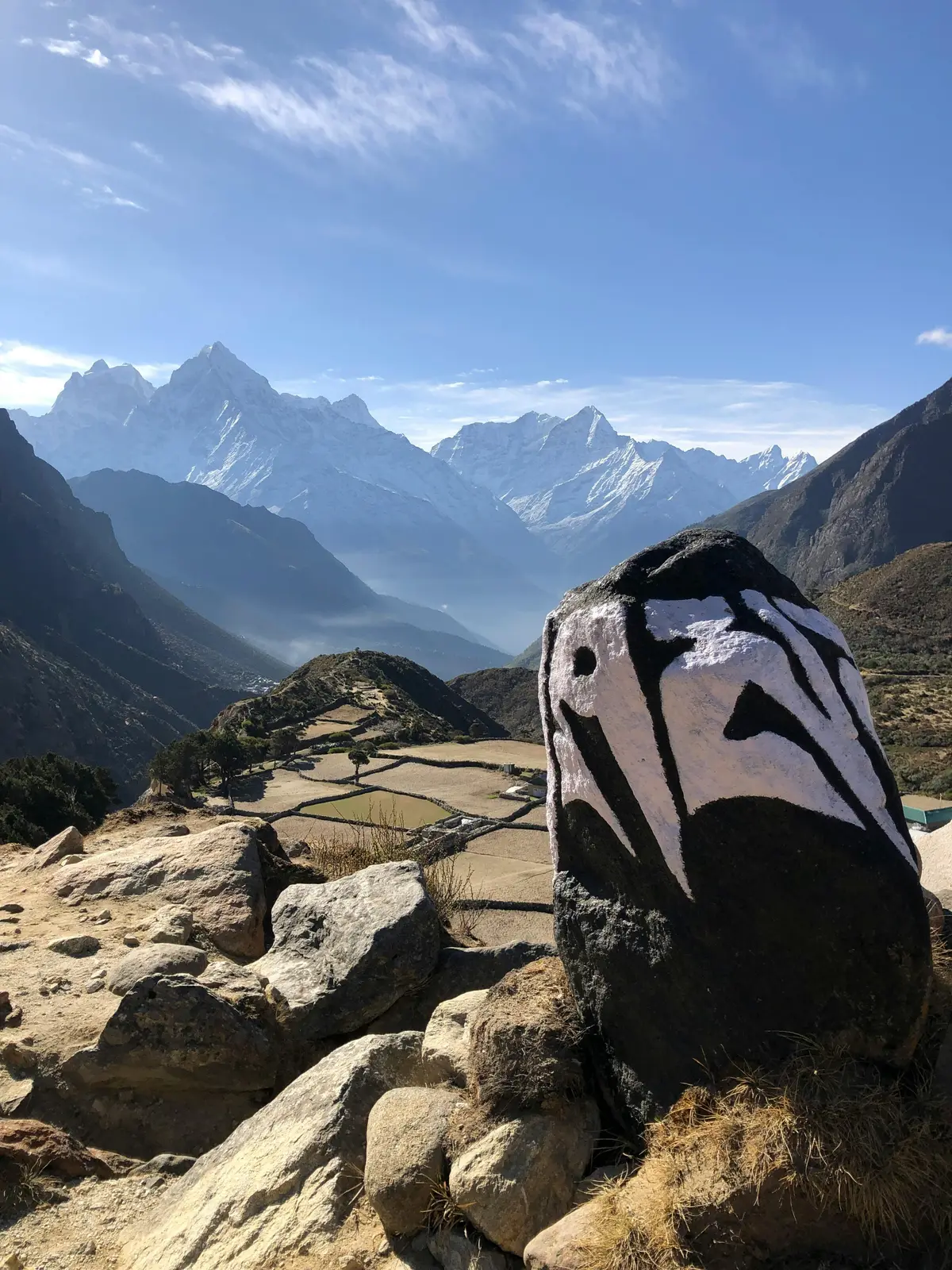
10. Cuisine as Cultural Expression Trekking menus reflect Nepal’s cultural diversity. From hearty dal bhat to Tibetan thukpa and momos, meals are not just fuel—they’re tradition served on a plate.
Cooking classes, shared family meals, or learning to churn butter tea are highlights of cultural trekking in Nepal. Food becomes a medium for connection and understanding Nepalese culture.
Conclusion: More Than a Trek—A Cultural Awakening At its heart, cultural trekking in Nepal is not about conquering mountains—it’s about meeting the spirit of a land. Every step brings new stories, smiles, and soulful encounters rooted in Nepalese culture.
Temples whisper ancient chants. Tea houses echo with shared laughter. Villages embrace you with sincerity. This is not just trekking; it’s immersion into a way of life that has endured for centuries—a reflection of timeless Nepalese culture.
For travelers who seek more than views, cultural trekking in Nepal offers a transformative journey—one where Nepalese culture meets adventure, and the memories last forever.
Ready to Experience Authentic Nepalese Culture on the Trails?
If you’re inspired to go beyond the trails and dive into the rich traditions, warm hospitality, and sacred landmarks of Nepal, First Camp Trek is here to guide you. Visit our Trekking Packages to explore a range of culturally immersive adventures that bring you closer to the heart of Nepalese culture. Let us help you plan your next unforgettable cultural trekking in Nepal experience.