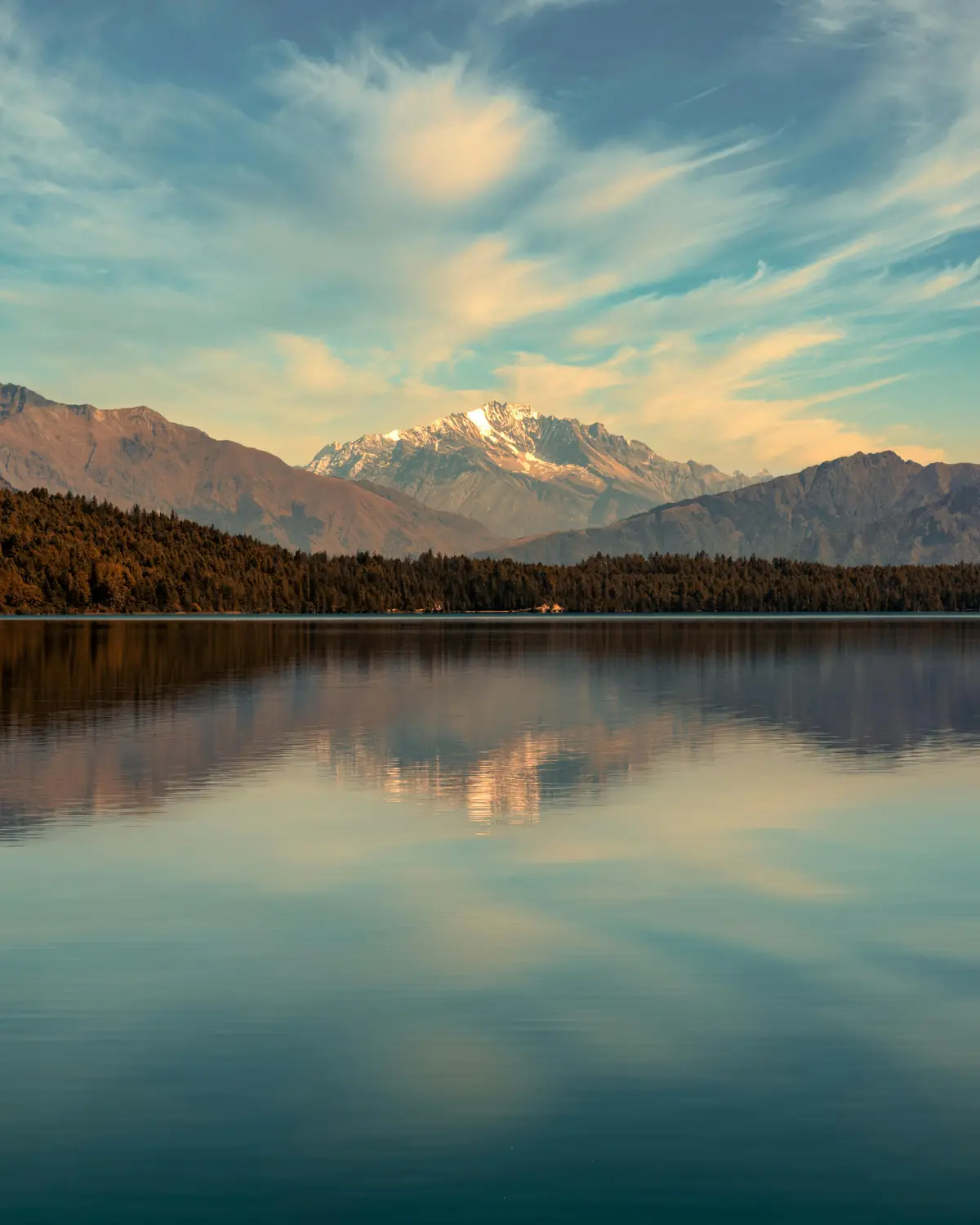
Eco-Tourism in Nepal: Sustainable Travel Tips & Destinations
Eco-Tourism in Nepal: Sustainable Travel Tips & Destinations
Nepal, a land of towering mountains, ancient cultures, and lush biodiversity, has long been a dream destination for travelers seeking adventure and natural beauty. In recent years, the global travel community has shifted its attention toward sustainability, and Nepal has emerged as a leading example of responsible travel practices. As more travelers seek meaningful and environmentally conscious journeys, Eco tourism in Nepal has become not just a trend but a powerful movement that supports local communities, protects fragile ecosystems, and creates long-term socio-economic benefits.
With its rich landscapes ranging from the subtropical jungles of the Terai to the snow-covered peaks of the Himalayas Nepal is uniquely positioned to promote Eco tourism as a way to preserve nature while offering travelers a rewarding and immersive experience. Whether you dream of hiking through pristine mountain trails, exploring protected wildlife reserves, or connecting with indigenous communities who practice sustainable living, Nepal offers endless opportunities for conscious travel.
This comprehensive guide explores everything you need to know about Eco tourism in Nepal from sustainable travel tips to the most eco-friendly destinations. By the end, you’ll not only understand why Nepal is a global hotspot for responsible travel but also feel inspired to embark on your own eco-conscious adventure.
What Makes Nepal a Hub for Eco Tourism?
Nepal’s commitment to conservation is deeply rooted in local culture and national policy. With over 23% of its land protected in the form of national parks, conservation areas, and wildlife reserves, Nepal has created an environment where nature thrives. This extensive conservation network is a defining reason why Eco tourism has grown rapidly across the country.
Here’s why Nepal stands out:
1. Incredible Biodiversity
Nepal might be a small country in size, but it is home to:
-
More than 900 bird species
-
208 mammal species
-
A variety of reptiles, amphibians, and rare medicinal plants
From Bengal tigers and one-horned rhinoceroses in Chitwan to snow leopards in the Himalayas, Nepal’s biodiversity is matched by few other places in the world.
2. Community-Based Tourism
Many regions in Nepal practice community-led tourism, where local villages manage homestays, eco-lodges, trekking routes, and cultural programs. This ensures that the benefits of Eco tourism go directly to local communities.
3. Traditional Sustainable Practices
Rural Nepali life is built on principles of harmony with nature. From terraced farming and organic agriculture to the use of natural construction materials, many Nepali communities embody the essence of sustainability.
4. Growing Eco-Friendly Infrastructure
Eco-lodges, solar-powered accommodations, waste-management initiatives, and eco-friendly trekking trails have expanded dramatically, helping position Nepal as a sustainable travel leader.
Sustainable Travel Tips for Nepal
Before exploring the best places for Eco tourism, let’s look at how travelers can minimize their environmental footprint. Whether you’re trekking in the mountains or visiting cultural heritage sites, mindful choices can help preserve Nepal’s natural and cultural treasures.
1. Choose Eco-Friendly Accommodation
When booking your stay, look for:
-
Eco-lodges powered by solar energy
-
Hotels with strong waste management and recycling systems
-
Homestays that support community-based tourism
This supports the growth of Eco tourism while ensuring your stay aligns with sustainable practices.
2. Reduce Plastic Usage
Plastic waste remains a challenge in remote areas of Nepal. You can help by:
-
Carrying a reusable water bottle
-
Using water purification tablets or filters
-
Avoiding plastic bags by bringing reusable tote bags
Some trekking regions have already banned plastic bottles, reinforcing the spirit of Eco tourism.
3. Respect Local Culture and Traditions
Sustainability doesn’t only involve nature culture matters too. Show respect by:
-
Dressing appropriately
-
Asking before photographing people
-
Supporting local artisans and businesses
Doing so deepens your travel experience while promoting socially responsible Eco tourism.
4. Travel With Reputable Sustainable Agencies
Many trekking and tour operators in Nepal now prioritize sustainability. Choose companies that:
-
Employ local staff
-
Follow “Leave No Trace” principles
-
Promote ethical wildlife encounters
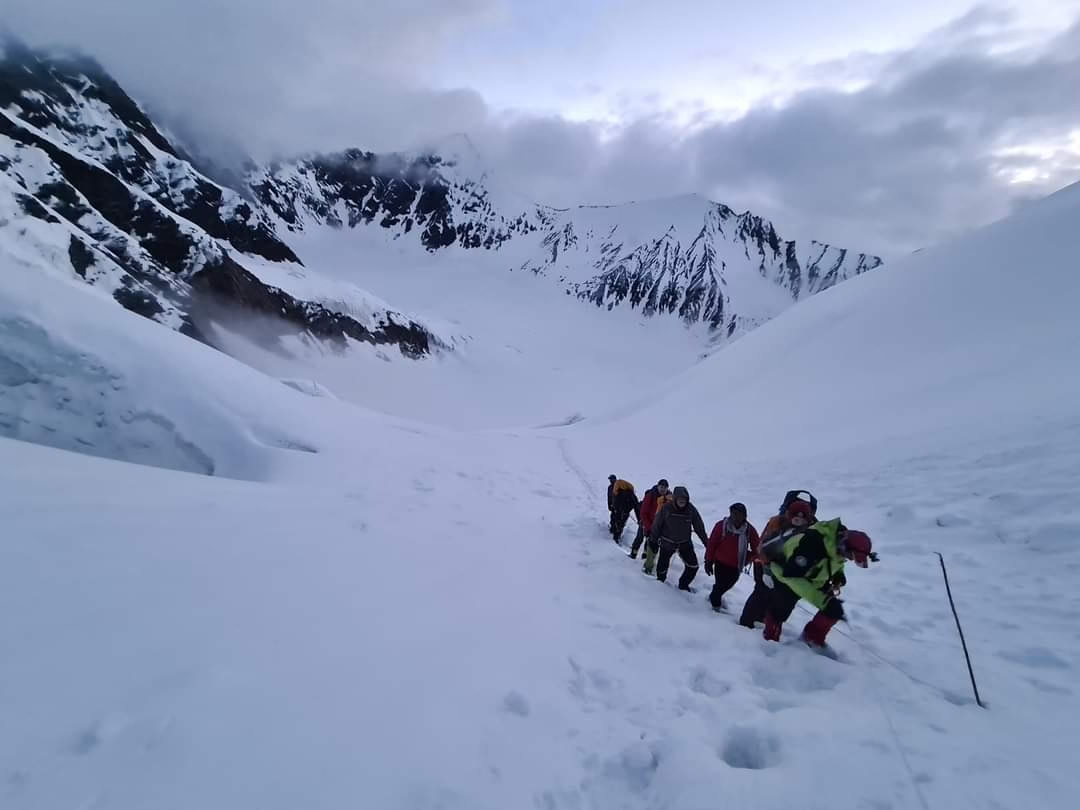
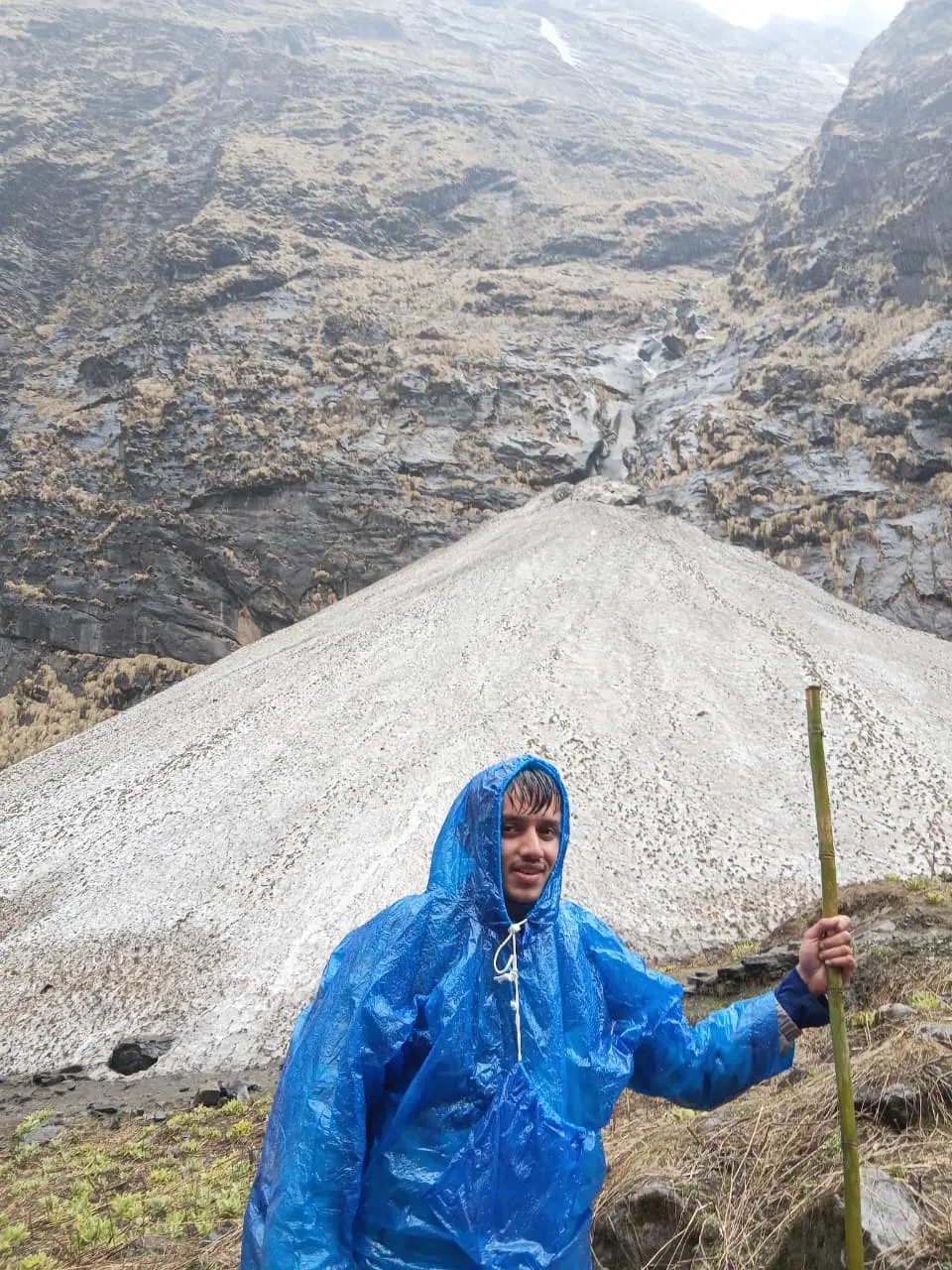
5. Practice Responsible Trekking
Trekking is one of the biggest attractions in Nepal. Make your hike eco-friendly by:
-
Staying on marked trails
-
Avoiding littering
-
Using biodegradable soaps
-
Carrying reusable utensils
6. Support Conservation Projects
Travelers can contribute directly by:
-
Donating to conservation groups
-
Participating in eco-volunteering programs
-
Visiting community-run wildlife conservation centers
Such actions strengthen the foundation of Eco tourism in Nepal.
Top Eco-Friendly Destinations in Nepal
Nepal is filled with destinations perfect for travelers seeking sustainable and nature-focused experiences. Here are some of the best places to explore for authentic Eco tourism adventures.
1. Chitwan National Park
A UNESCO World Heritage Site, Chitwan offers a chance to experience Nepal’s lowland jungles and incredible wildlife. It is one of the best destinations for Eco tourism, given its strong conservation programs and community-managed tourism.
Highlights
-
Jungle safaris to see rhinoceroses, crocodiles, and Bengal tigers
-
Tharu cultural experiences
-
Canoe rides and birdwatching tours
-
Eco-lodges that follow strict sustainability guidelines
Chitwan is a model example of how wildlife protection and community support can drive thriving Eco tourism.
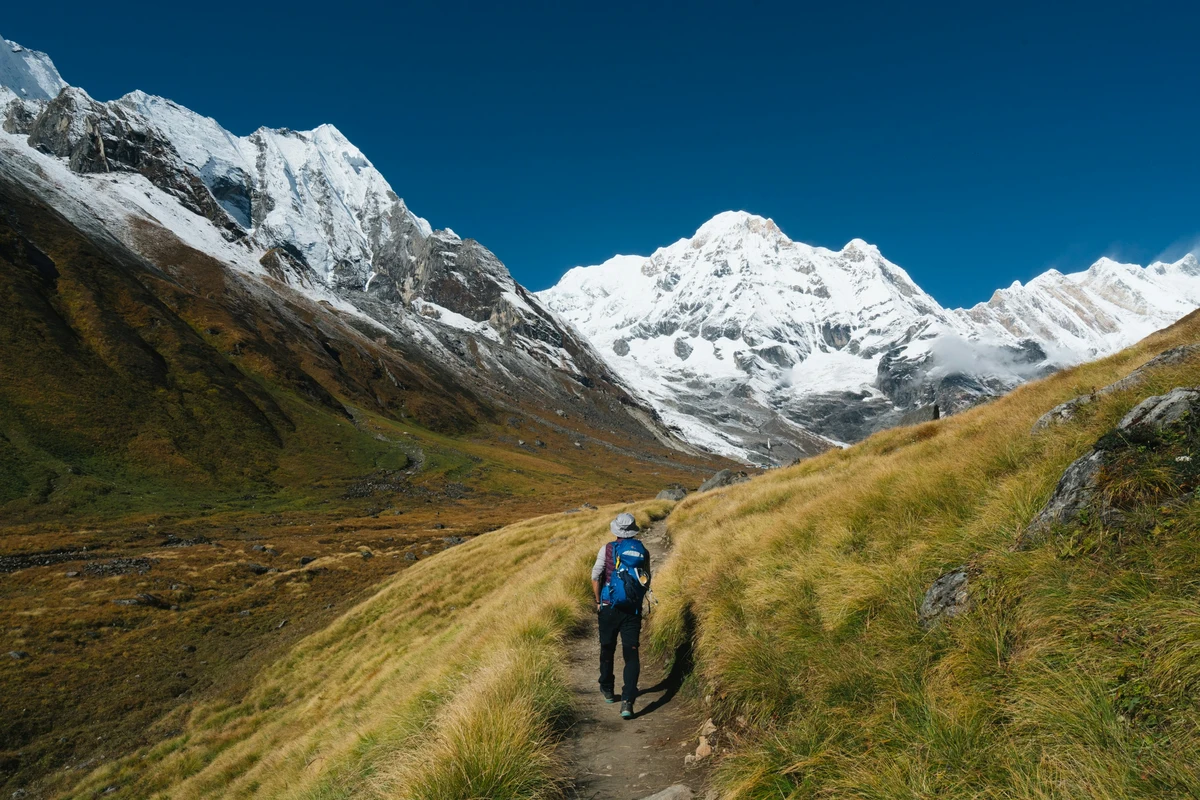
2. Annapurna Conservation Area
The Annapurna region is one of Nepal’s most visited trekking areas. With eco-friendly trails, community lodges, and regulated trekking permits, it sets a high standard for Eco tourism.
Why it’s eco-friendly:
-
Controlled tourism ensures balanced development
-
Trekkers contribute to conservation through permit fees
-
Local Gurung and Magar communities manage many lodges sustainably
Popular eco-friendly treks in this region include:
-
Annapurna Base Camp Trek
-
Ghorepani Poon Hill Trek
-
Mardi Himal Trek
3. Sagarmatha National Park
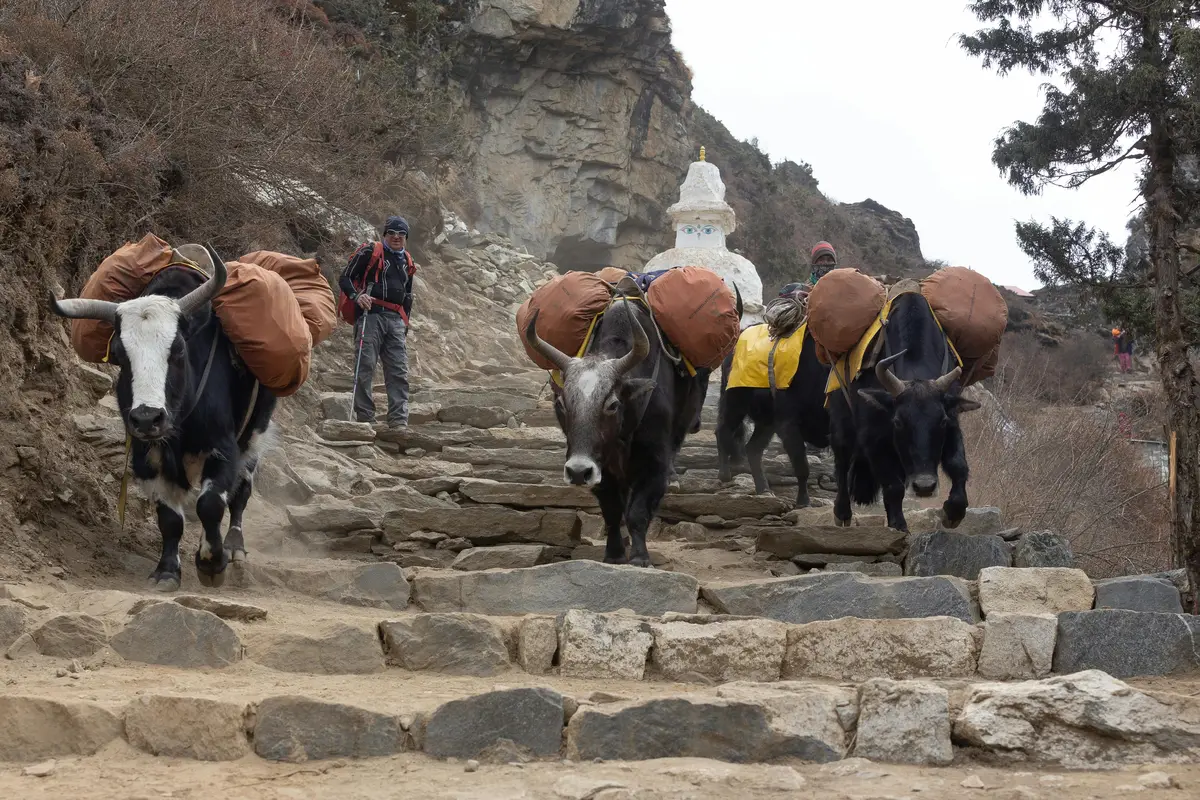
Home to Mount Everest, Sagarmatha National Park is not only breathtaking but also a symbol of successful environmental protection. The Sherpa community plays an essential role in managing trekking routes, monasteries, and eco-lodges making this region perfect for Eco tourism.
Attractions
-
Everest Base Camp Trek
-
Tengboche Monastery
-
High-altitude wildlife and flora
-
Sustainable teahouses throughout the trail
Efforts to reduce waste and promote renewable energy further encourage responsible Eco tourism here.
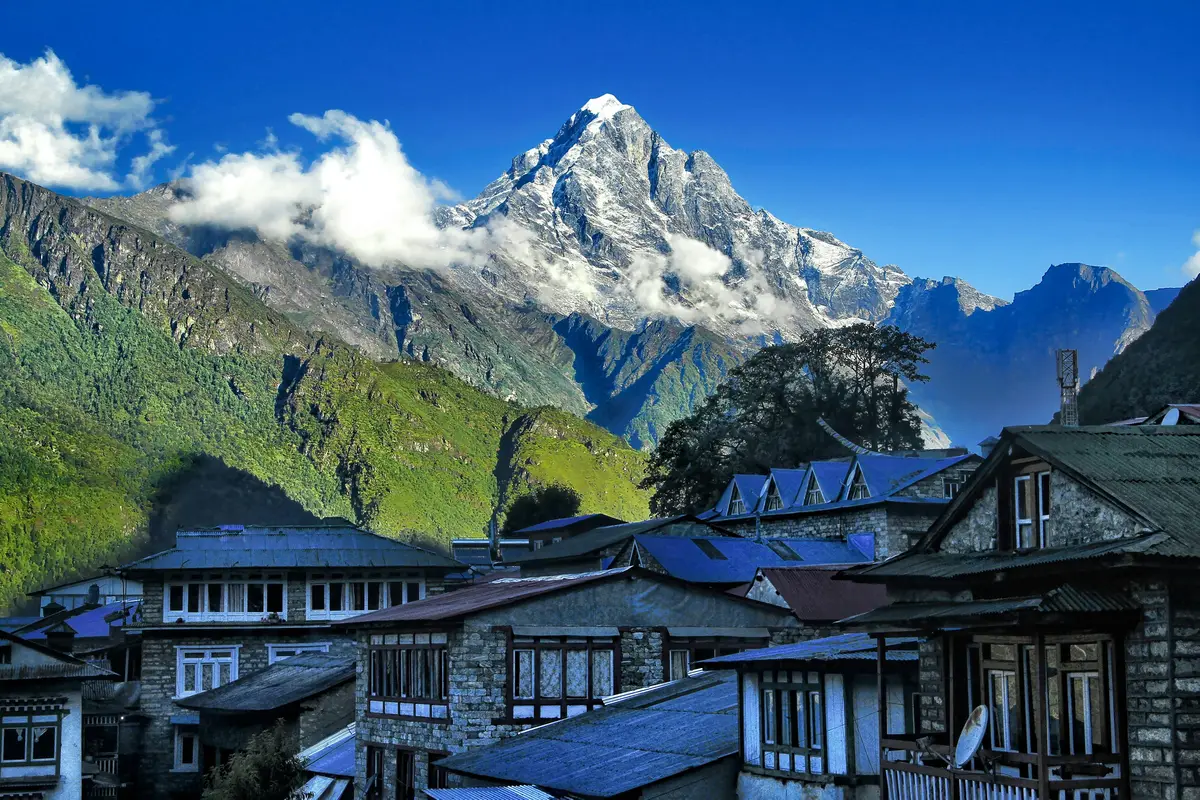
4. Langtang National Park
Langtang is one of Nepal’s most beautiful yet less commercialized trekking destinations. After the 2015 earthquake, the region rebuilt itself with a strong focus on sustainability and community-driven tourism.
Sustainable features
-
Community-run lodges
-
Rebuilt eco-friendly infrastructure
-
Organic meals sourced directly from local farms
With its close proximity to Kathmandu, Langtang is ideal for eco-conscious travelers seeking a shorter but rewarding trekking experience.
5. Ghandruk Village
Ghandruk is a picturesque Gurung village in the Annapurna region known for its stunning mountain views and cultural richness. It is a shining example of community-based Eco tourism, with homestays, organic farming, and local handicrafts playing a huge role.
What makes it eco-friendly
-
Solar-powered homes
-
Waste management systems
-
Cultural conservation programs
Visitors can enjoy cultural shows, short hikes, and nature walks all while supporting local livelihoods.
6. Bardiya National Park
For those looking to escape crowds, Bardiya is a paradise for wildlife and nature lovers. It offers some of the best chances to spot Bengal tigers in Nepal and is a growing hotspot for Eco tourism.
Activities
-
Jungle trekking
-
Rafting on the Karnali River
-
Village homestays
-
Birdwatching
Bardiya’s remoteness preserves its wilderness and ensures low-impact tourism.
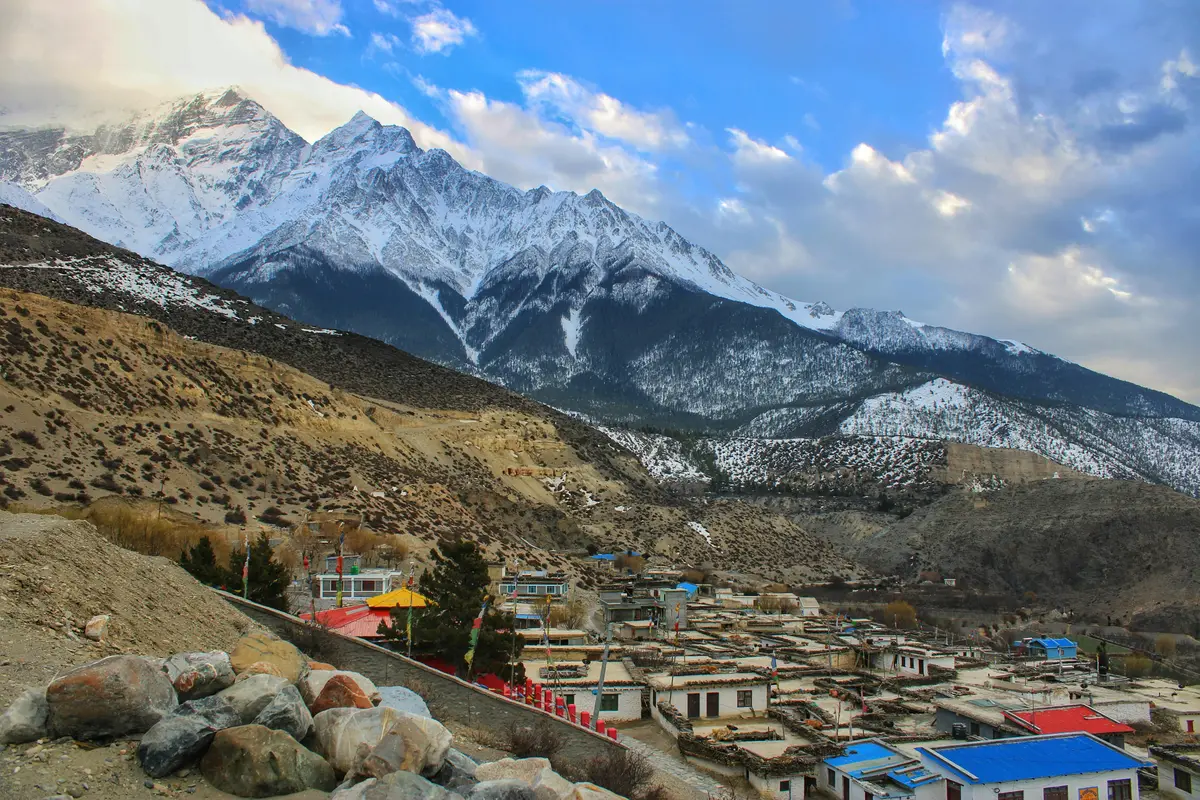
7. Upper Mustang
Upper Mustang, often called the “Last Forbidden Kingdom,” is one of Nepal’s most culturally and environmentally unique regions. Strict permit regulations limit the number of travelers, helping preserve Mustang’s natural and cultural heritage.
Sustainability highlights
-
Ancient Tibetan-influenced culture
-
Strict waste disposal rules
-
Limited tourism ensures preservation
Upper Mustang is ideal for travelers seeking high-altitude Eco tourism with a cultural twist.
How Eco Tourism Supports Nepal’s Future
The rise of Eco tourism in Nepal has lasting benefits that extend beyond individual trips or destinations. By choosing sustainable travel, visitors contribute to:
1. Environmental Conservation
Tourism revenues help fund:
-
Anti-poaching patrols
-
Habitat restoration
-
National park maintenance
2. Community Empowerment
Local communities gain:
-
Employment opportunities
-
Revenue through homestays and handicrafts
-
Greater involvement in decision-making
3. Cultural Preservation
Eco-conscious visitors show respect for:
-
Local traditions
-
Festivals
-
Indigenous knowledge
4. Long-Term Sustainability
By reducing environmental degradation, Eco tourism ensures that future generations can enjoy Nepal’s beauty.
Final Thoughts
Nepal’s breathtaking landscapes and rich cultural heritage make it one of the world’s most rewarding destinations for sustainable travel. As global awareness grows, Eco tourism continues to transform how travelers engage with nature and communities. By choosing eco-friendly destinations, respecting local traditions, minimizing waste, and contributing to conservation, every traveler can play a part in preserving Nepal’s natural wonders.
Whether you’re trekking through the Annapurna region, exploring wildlife in Bardiya, or immersing yourself in the peaceful life of mountain villages, Nepal offers countless opportunities to practice meaningful and responsible Eco tourism. Your choices today shape the future of this extraordinary country a place where sustainable travel isn’t just a concept but a way of life. If you’re planning your next adventure, you can explore more sustainable trekking options with First Camp Trek for an eco-friendly and authentic Nepal experience.
If you’re planning a trip to Nepal, embrace Eco tourism not only as a travel style but as your contribution to preserving one of the planet’s most spectacular environments.