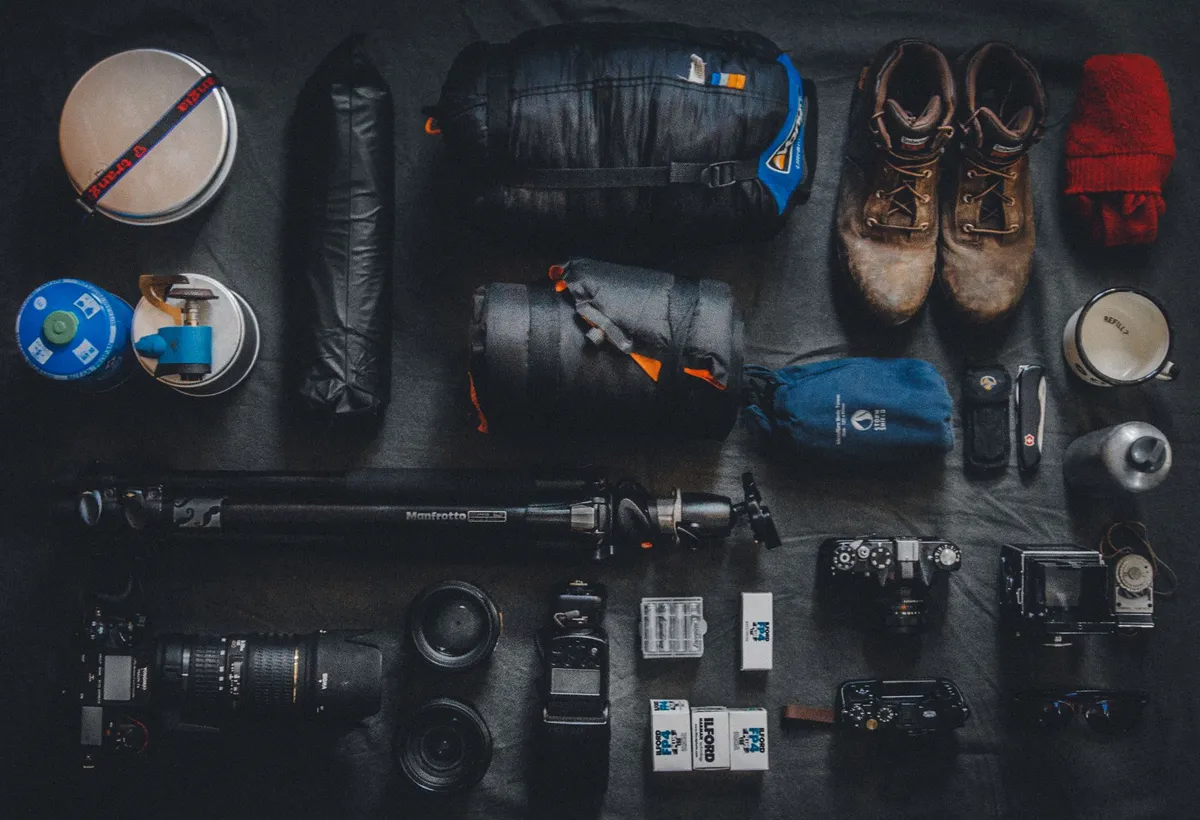
Trekking Essentials for Nepal: Everything You Need Before You Go
Trekking Essentials for Nepal: Everything You Need Before You Go
Nepal is a dream destination for trekkers. From the peaceful trails of the Annapurna region to the dramatic mountains around Everest, trekking in Nepal offers an experience that is hard to describe until you have walked through it yourself. But before you start imagining mountain views and sunrise over the Himalayas, there is one important thing to get right: packing.
Having the right equipment can make your trek more comfortable, safer, and much more enjoyable. At the same time, carrying too much can make every uphill section feel harder than it needs to be. This guide covers the most important Trekking Essentials for Nepal, including clothing, footwear, sleeping gear, personal items, health supplies, electronics, and other useful things to take with you. Whether you are planning the Annapurna Base Camp Trek, Everest Base Camp Trek, Langtang Valley Trek, Mardi Himal Trek, or another Himalayan adventure, this guide will help you prepare with confidence.
Why Packing Properly Matters for Trekking in Nepal
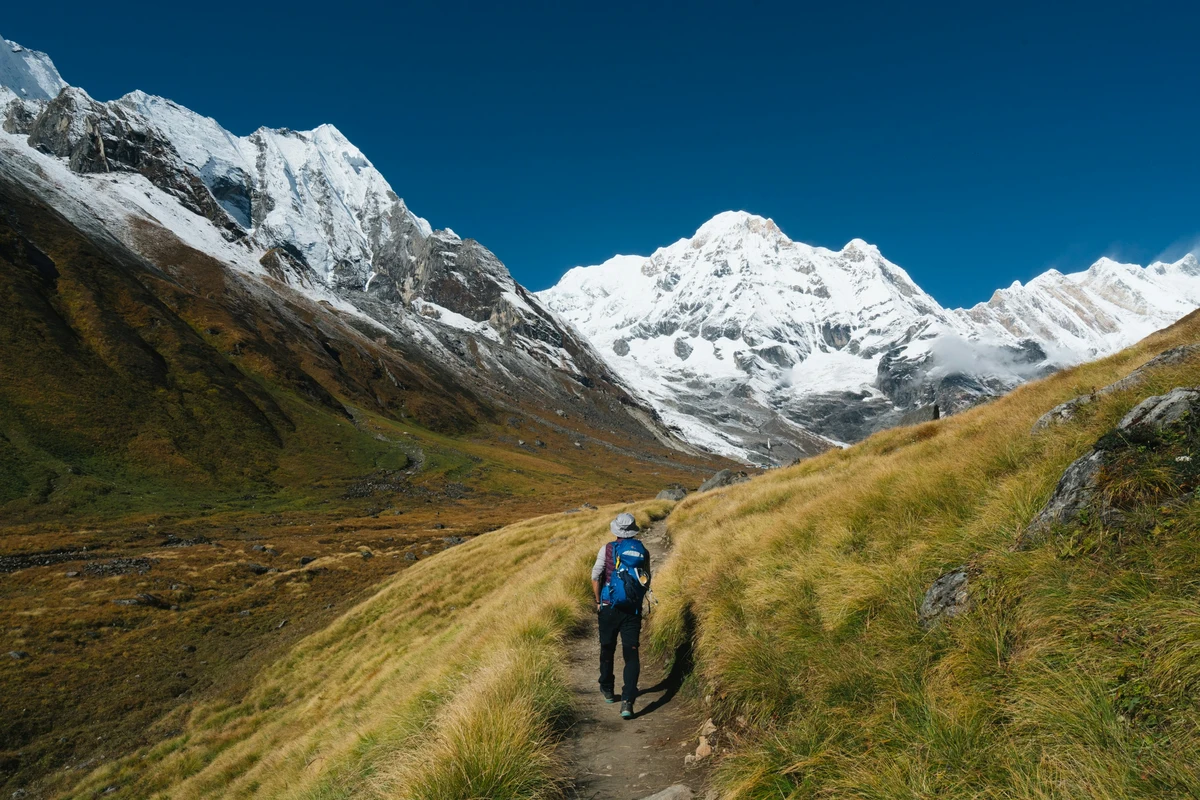
Trekking in Nepal is different from an ordinary hiking trip. Depending on your route, you may walk for several hours a day, gain significant altitude, experience changing weather, and stay in mountain tea houses where facilities are more basic than in cities. Keeping these Trekking Essentials for Nepal in mind will help you build a practical packing plan.
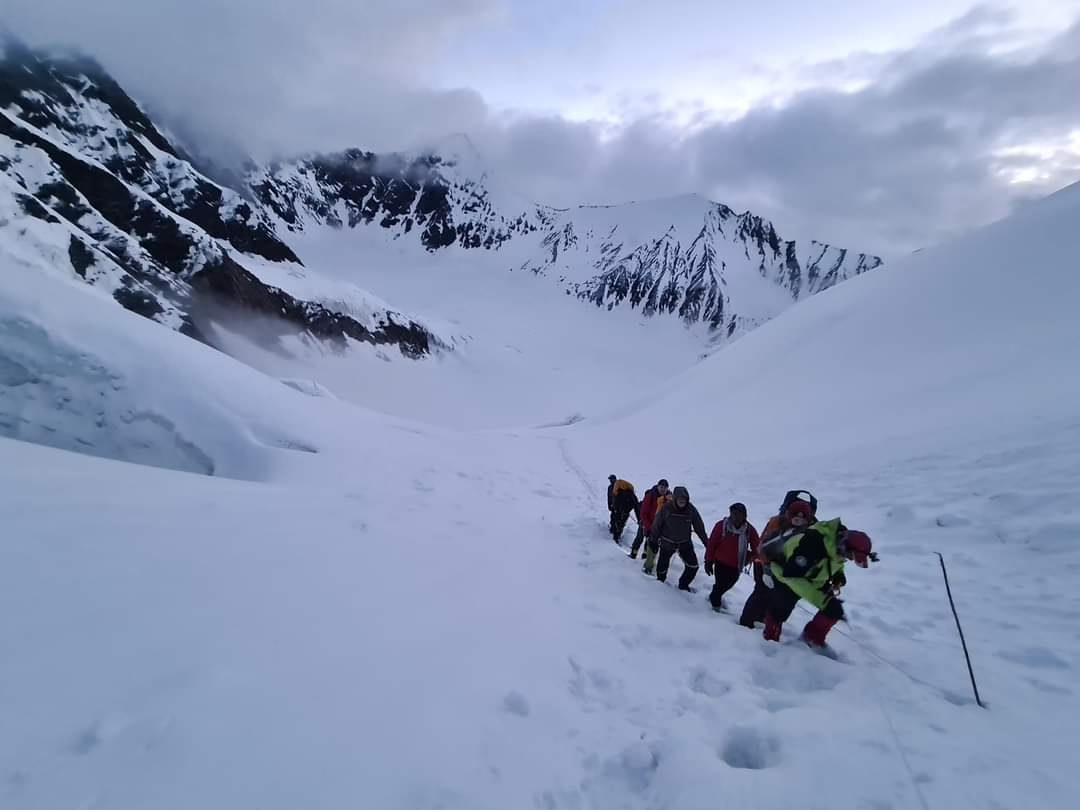
The weather can also change quickly. A warm and sunny morning can turn into a cold, windy afternoon, especially at higher elevations. You may experience rain at lower elevations, cold temperatures at night, and even snow on some high-altitude routes. That is why good preparation matters. The goal isn’t to bring everything you own. The goal is to bring the right things. A good packing strategy should keep you warm, dry, comfortable, and prepared without filling your backpack with unnecessary weight.
1. A Good Trekking Backpack
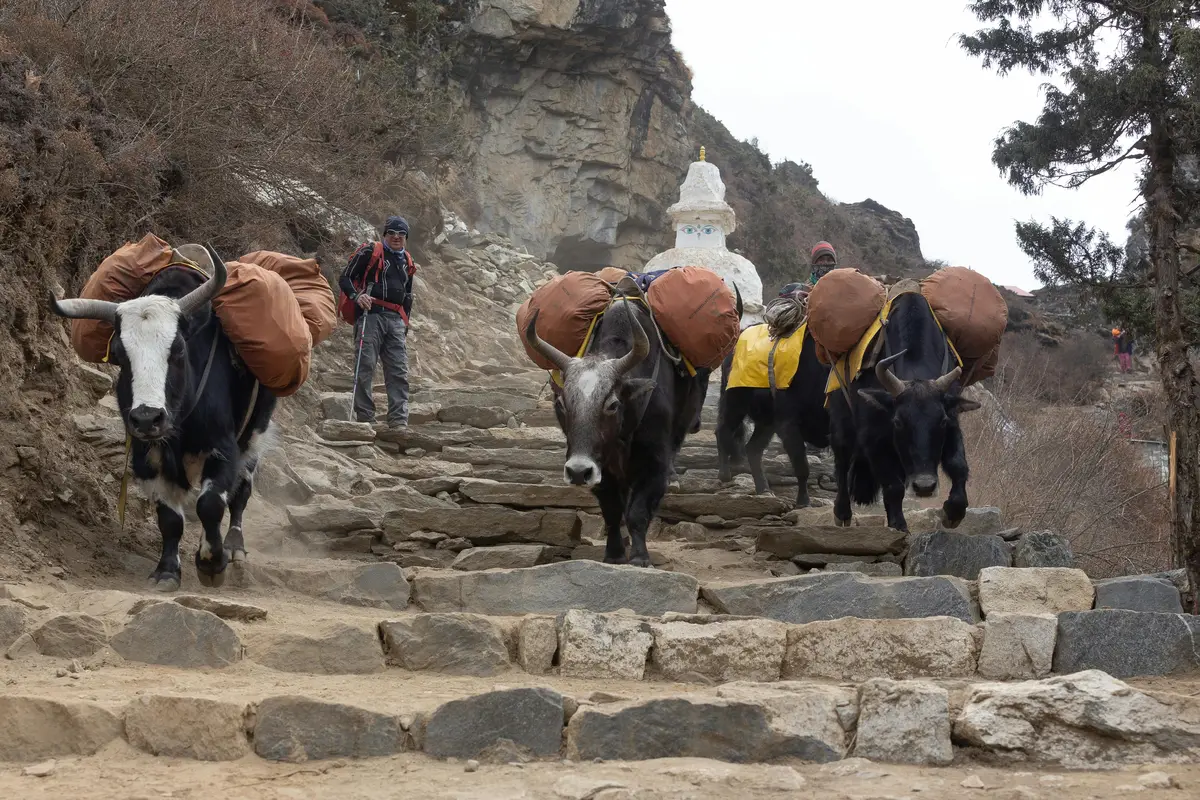
Your backpack is one of the most important Trekking Essentials for Nepal. For most tea house treks, a backpack around 40-50 liters is usually enough if you pack efficiently. If you are using a porter, you can keep your main belongings in a larger duffel bag while carrying a smaller daypack yourself.
Look for a backpack with:
- Comfortable shoulder straps
- Adjustable hip belt
- Good back support
- Multiple compartments
- Rain cover
- Strong zippers
- Easy access to water bottles
A comfortable hip belt is especially useful because it helps distribute the weight instead of putting everything on your shoulders. Try your backpack before your trek. Even a high-quality bag can become uncomfortable if it does not fit your body properly. Choosing the right Trekking Essentials for Nepal starts with understanding your route and the season.
2. Trekking Shoes
Never underestimate the importance of good footwear. You will spend hours walking on rocky paths, stairs, muddy trails, and uneven terrain. Comfortable trekking shoes with good grip can make a huge difference.
For most popular Nepal treks, look for waterproof or water-resistant hiking boots with: These Trekking Essentials for Nepal are useful for both first-time trekkers and experienced hikers.
- Good ankle support
- Strong traction
- Comfortable cushioning
- Breathable material
- A proper fit
Most importantly, do not wear brand-new shoes for the first time on your trek. Break them in before you leave. A beautiful pair of boots is useless if they give you painful blisters halfway through the trail. You may also want lightweight sandals or slippers for wearing inside tea houses after a long day.
3. Layered Clothing
One of the smartest things you can do while preparing for a trek is to dress in layers. One of the most important Trekking Essentials for Nepal is equipment that matches the conditions you will actually face. Instead of wearing one extremely thick jacket, use several layers that you can add or remove depending on the temperature. Your basic clothing system can include:
Base Layer
A moisture-wicking thermal or synthetic shirt helps move sweat away from your skin. Avoid relying entirely on cotton because cotton can stay wet and become uncomfortable in cold conditions.
Mid Layer
A fleece jacket or lightweight insulated layer provides warmth without adding too much weight.
Outer Layer
A waterproof and windproof jacket protects you from rain, snow, and strong mountain winds. For colder treks, a good down or synthetic insulated jacket is also highly recommended.
Trekking Pants
Bring comfortable trekking trousers that allow you to move freely. Convertible pants can be useful because temperatures can vary significantly during the day. A pair of thermal leggings can be helpful at higher elevations or during cold nights.
4. Warm Hat, Gloves and Socks
Small items can make a surprisingly big difference. A warm beanie or fleece hat is useful in cold conditions, especially during early-morning hikes. Gloves are equally important, particularly when trekking at higher altitudes. Pack several pairs of trekking socks. Good socks help reduce friction and keep your feet comfortable.
A useful combination is: These Trekking Essentials for Nepal can help you stay comfortable when conditions change during the day.
- 3-4 pairs of trekking socks
- 1-2 pairs of warm socks
- Lightweight liner socks if needed
Avoid packing too many clothes. Instead, choose items that can be layered and reused.
5. Waterproof Jacket and Rain Protection
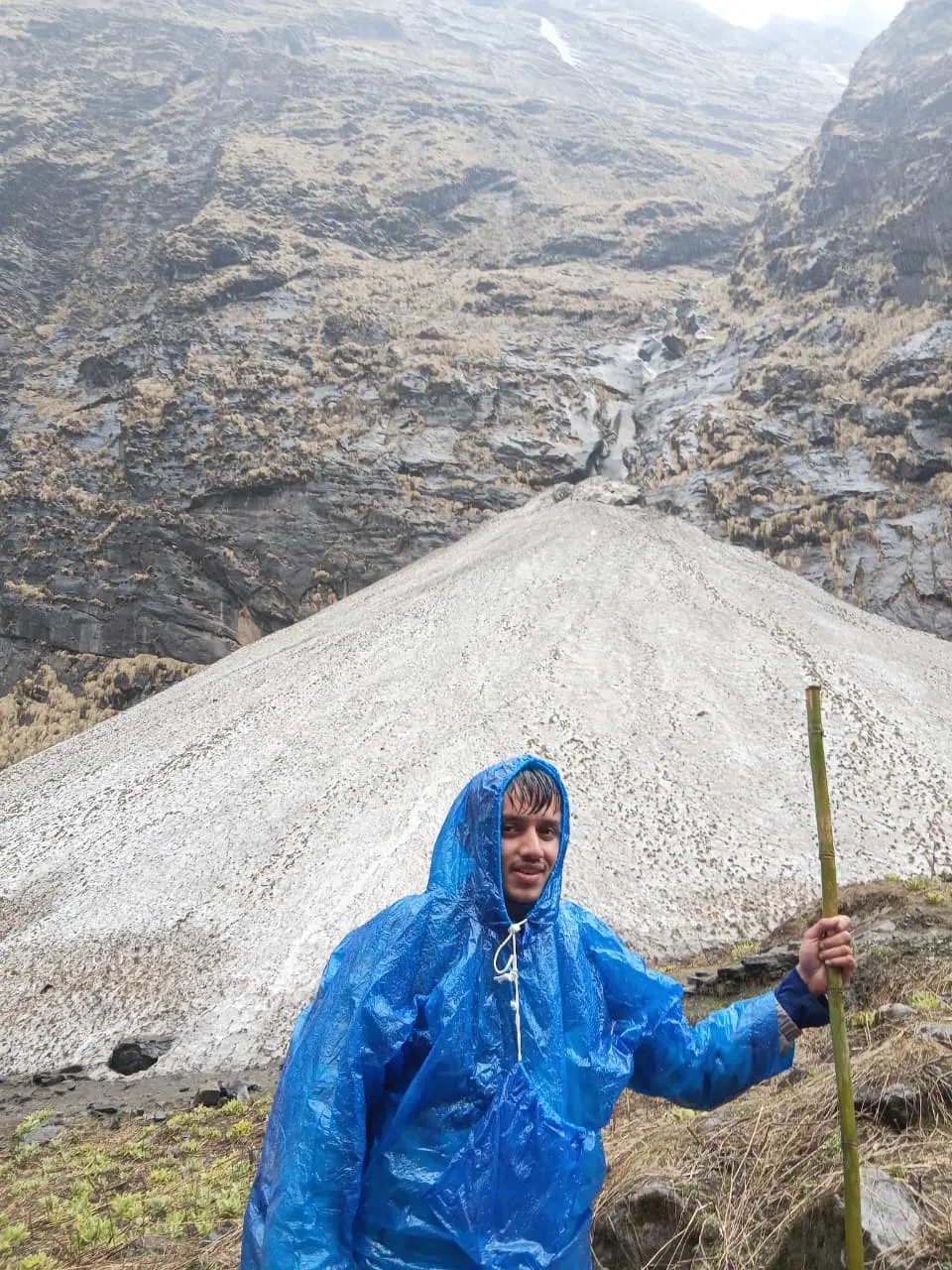
Weather in the Himalayas can be unpredictable. Even if the forecast looks good, carrying rain protection is a smart decision. A lightweight waterproof jacket can protect you from sudden rain and wind.
You should also consider:
- Backpack rain cover
- Waterproof dry bags
- Waterproof phone pouch
- Waterproof cover for important documents
During the monsoon season, rain protection becomes even more important on lower-elevation trails. Keeping your important belongings dry can save you from a lot of unnecessary trouble. Good planning around Trekking Essentials for Nepal can make a long trekking day feel much easier.
6. Sleeping Bag
A sleeping bag is another important item on many Nepal treks. Tea houses usually provide blankets, but temperatures can become very cold at higher elevations. Having your own sleeping bag gives you an additional layer of warmth and comfort. The exact sleeping bag you need depends on your trekking route and season. For higher-altitude treks such as Everest Base Camp or Annapurna Circuit, a warmer sleeping bag is generally more appropriate than one designed only for mild temperatures. If you do not want to purchase one, sleeping bags can often be rented in Kathmandu or other trekking hubs. Think of these Trekking Essentials for Nepal as a foundation rather than a list you must follow blindly.
7. Water Bottle or Hydration System
Staying hydrated is extremely important while trekking. Bring a reusable water bottle or hydration bladder that allows you to drink regularly throughout the day. Depending on the trek, you may need to treat your drinking water.
Options can include:
- Water purification tablets
- Water filters
- Sterilization devices
Avoid relying only on buying bottled water, especially on longer treks. A reusable system is more practical and creates less plastic waste. Remember that cold mountain air can sometimes make you feel less thirsty even though your body still needs fluids. Among the Trekking Essentials for Nepal, footwear deserves special attention because your feet carry you for hours.
8. Sunglasses and Sun Protection
The Himalayan sun can be surprisingly strong, especially at higher elevations. Good-quality sunglasses with UV protection are essential. They protect your eyes from intense sunlight and glare from snow.
Also pack:
- Sunscreen
- Lip balm with SPF
- Cap or sun hat
- Lightweight neck covering
Apply sunscreen regularly, especially to your face, ears, neck, and exposed hands. Sun protection is one of those things that is easy to ignore before the trek and easy to regret afterward. Packing the right Trekking Essentials for Nepal also means thinking about how quickly you can access each item.
9. Trekking Poles
Trekking poles are optional, but many trekkers find them extremely useful. They can provide extra stability on steep climbs, rocky sections, and downhill trails. They can also reduce some of the stress placed on your knees during long descents. If you have never used trekking poles before, practice with them before your trek. You do not need expensive poles. A lightweight, adjustable pair is usually sufficient for most trekking routes. These Trekking Essentials for Nepal should be adjusted according to the altitude and weather of your chosen route.
10. Personal Hygiene Items
Tea house trekking does not mean you have to completely forget about hygiene. However, you should pack smart and keep everything compact.
Useful items include:
- Toothbrush and toothpaste
- Small soap
- Face wash
- Quick-drying towel
- Wet wipes
- Hand sanitizer
- Toilet paper or tissues
- Lip balm
- Small comb
- Deodorant
A quick-drying microfiber towel is much more practical than carrying a large bath towel. Wet wipes can also be extremely useful on days when a proper shower is not available or when hot water is limited. Your personal Trekking Essentials for Nepal may vary, but the basic principles remain the same.
11. Basic First-Aid and Personal Medicines
A small personal first-aid kit is another important part of your Trekking Essentials for Nepal. You can include basic items such as:
- Blister treatment
- Bandages
- Antiseptic wipes
- Medical tape
- Pain-relief medication
- Any regular medication you personally need
- Small scissors
- Basic wound-care supplies
If you take prescription medication, bring enough for the entire trip and keep it in a clearly labeled container. It is also a good idea to speak with a qualified healthcare professional before a high-altitude trek, particularly if you have concerns about altitude or other health issues. Reviewing your Trekking Essentials for Nepal before departure can prevent small problems from becoming frustrating ones on the trail.
12. Headlamp
A headlamp is one of the most useful small items you can pack. You may need it for early-morning starts, walking around a tea house after dark, or visiting shared bathrooms at night. Choose a lightweight headlamp with good battery life and carry spare batteries or a way to recharge it. A phone flashlight can work in an emergency, but using your phone as your main light is not ideal because it uses valuable battery power. A simple approach to Trekking Essentials for Nepal is to prioritize comfort, protection, and practicality.
13. Power Bank and Charging Equipment
Electricity is available at many tea houses, but charging facilities can be limited or may cost extra at higher elevations. A reliable power bank can keep your phone, camera, or other devices running.
Bring:
- Power bank
- Charging cable
- Phone charger
- Necessary adapters
- Spare charging cable if possible
Keep your electronics protected from moisture and extreme cold. If photography is important to you, managing battery life becomes even more important. The best Trekking Essentials for Nepal are the things you will genuinely use throughout your journey.
14. Camera and Phone
You don’t necessarily need a professional camera to capture Nepal’s mountains. A smartphone can take excellent photos, while a compact camera can be useful if photography is one of your main interests. If you bring a camera, remember that extra lenses, batteries, and accessories can quickly add weight. Pack only what you genuinely plan to use. And don’t spend the entire trek looking through your screen. Organizing your Trekking Essentials for Nepal before leaving Kathmandu can make your first trekking day much smoother. Some Himalayan views are better experienced with your own eyes.
15. Snacks and Energy Food
Food is available along most popular trekking routes, but carrying a few personal snacks is always useful. Good options include:
- Energy bars
- Chocolate
- Nuts
- Dried fruit
- Biscuits
- Trail mix
These can be especially useful during long sections between villages. However, you don’t need to fill your backpack with food. Tea houses and lodges provide meals throughout most established trekking routes. Keep your Trekking Essentials for Nepal lightweight so you can focus more on the trail and less on your backpack.
16. Documents and Money
Keep your important documents safe and accessible. Depending on your trek, you may need:
- Passport
- Trekking permits
- Required identification
- Travel insurance documents
- Emergency contact information
- Some Nepalese cash
Do not keep all your money in one place. Carry a small amount for daily expenses and keep the rest safely stored. Higher trekking areas may have limited ATM facilities, so it is wise to plan your cash needs before heading into the mountains. With the right Trekking Essentials for Nepal, you can spend more energy enjoying the scenery and less energy worrying about your gear.
17. Trekking Towel and Dry Bags
A lightweight towel is useful for washing and drying. Dry bags are also extremely practical. They help separate wet clothes from dry clothing and protect electronics and documents from water. You do not need a huge collection of specialized bags. A few lightweight waterproof bags in different sizes can make organizing your backpack much easier. Use this guide to review your Trekking Essentials for Nepal before you set off for the mountains.
18. Toiletries and Personal Comfort Items
Everyone has different comfort needs, so leave a little room for personal items. You might want to bring:
- Small moisturizer
- Sunscreen
- Lip balm
- Earplugs
- Sleep mask
- Small mirror
- Personal hygiene products
Earplugs can be surprisingly helpful in shared tea house rooms, especially when other trekkers wake up early or move around during the night.
19. What You Should NOT Pack
Knowing what to leave behind is just as important as knowing what to bring. Avoid packing unnecessary heavy items such as:
- Too many clothes
- Large bottles of toiletries
- Heavy books
- Multiple pairs of shoes
- Excessive snacks
- Unnecessary electronics
- Bulky towels
- Items you can easily buy or rent in Nepal
Remember: every extra kilogram feels heavier after several hours of walking uphill. Pack for the trek you are actually doing, not for every possible situation you can imagine.
Trek-Specific Packing Matters
Not every trek in Nepal requires exactly the same equipment. For example, a short trek such as Mardi Himal may require less equipment than a longer, higher-altitude adventure such as Everest Base Camp or the Annapurna Circuit.
Your packing should depend on:
- Trek duration
- Maximum altitude
- Season
- Weather
- Accommodation
- Whether you are using a porter
- Personal preferences
For lower-altitude and shorter treks, you can often pack lighter. For high-altitude routes, warmer clothing and better cold-weather equipment become increasingly important.
Packing Tips for a Comfortable Trek
Once you have all your gear, don’t simply throw everything into your backpack. Organize your belongings by how frequently you will use them. Keep frequently used items near the top or in accessible pockets. For example, your rain jacket, water, sunscreen, snacks, and phone should be easy to reach.
Put heavier items close to your back and avoid having everything concentrated at the bottom or hanging outside the bag. Before your trek, take a practice walk with your fully packed backpack. If it feels uncomfortable at home, it certainly won’t become more comfortable after six hours on a mountain trail.
Final Trekking Essentials for Nepal Checklist
Before leaving for your trek, make sure you have covered the basics:
- Comfortable trekking backpack
- Good trekking shoes
- Layered clothing
- Waterproof jacket
- Warm insulated jacket
- Trekking pants
- Thermal layers
- Warm hat and gloves
- Trekking socks
- Sleeping bag
- Water bottle or hydration bladder
- Water purification method
- Sunglasses
- Sunscreen
- Trekking poles
- Headlamp
- Power bank
- Basic first-aid supplies
- Personal medicines
- Toiletries
- Quick-drying towel
- Snacks
- Passport and permits
- Cash
- Travel insurance documents
- Phone or camera
Final Thoughts
Preparing for a Himalayan trek can feel overwhelming, especially if it is your first time. You may look at a long packing list and wonder if you really need every single item. The good news is that you don’t. The best approach is to focus on the essentials and choose lightweight, practical equipment that works for your particular trek and season.
The right Trekking Essentials for Nepal will help you stay comfortable, prepared, and confident on the trail. From good footwear and layered clothing to a reliable water system and warm sleeping bag, each item has a purpose. And once your backpack is ready, the real adventure begins. You will trade busy city streets for mountain trails, wake up to Himalayan views, meet fellow trekkers in tea houses, and experience the unique culture and landscapes that make trekking in Nepal so special. So pack smart, keep your backpack manageable, and leave a little space for the memories you’re going to bring home. The mountains are waiting.
Whether you are planning a specific Himalayan adventure or still deciding between different routes, exploring the best treks in Nepal can help you choose a trail that matches your time, fitness level, and interests.