Upper Mustang Nepal: Explore the Hidden Himalayan Kingdom
Upper Mustang Nepal: Explore the Hidden Himalayan Kingdom
Introduction
Hidden in the rain shadow of the Annapurna and Dhaulagiri mountain ranges, Upper Mustang Nepal is one of the most extraordinary travel destinations in the Himalayas. Known for its dramatic desert-like landscapes, ancient monasteries, traditional villages, and Tibetan-influenced culture, this remote region offers a travel experience unlike anywhere else in Nepal. For travelers seeking adventure, history, and cultural discovery, Upper Mustang Nepal deserves a place on their travel list.
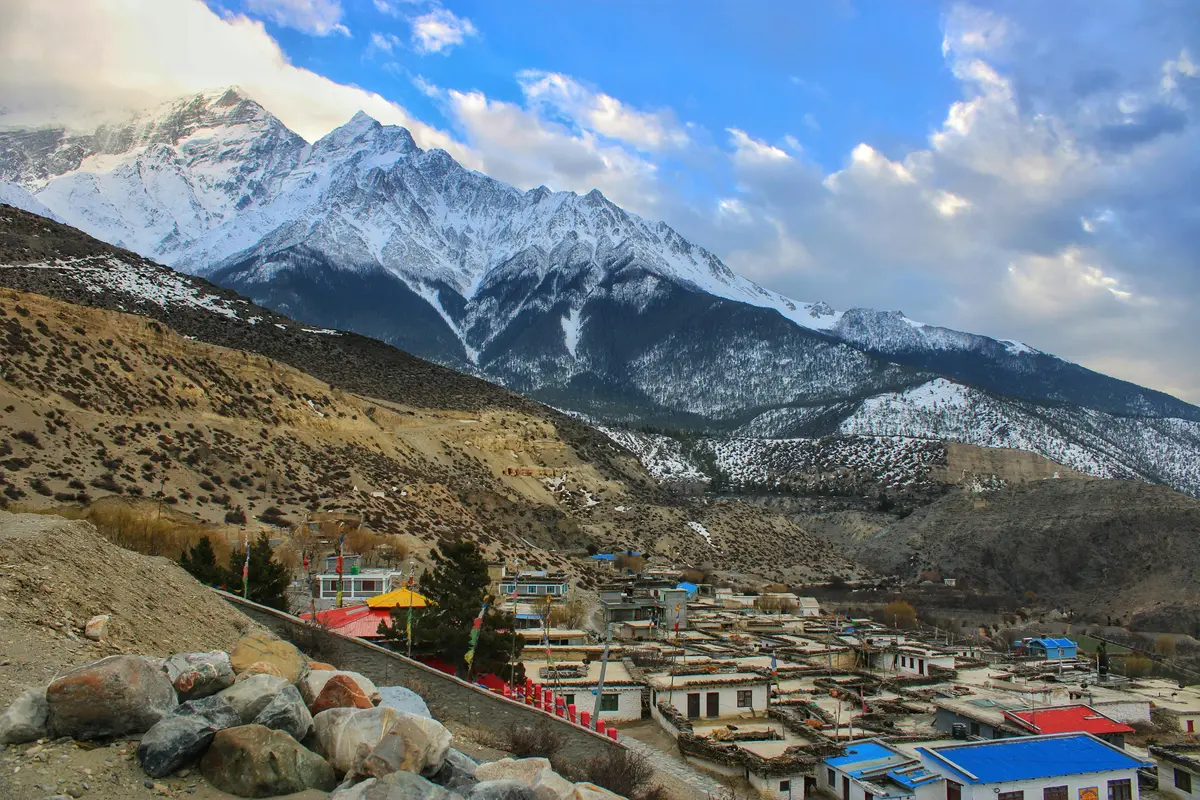
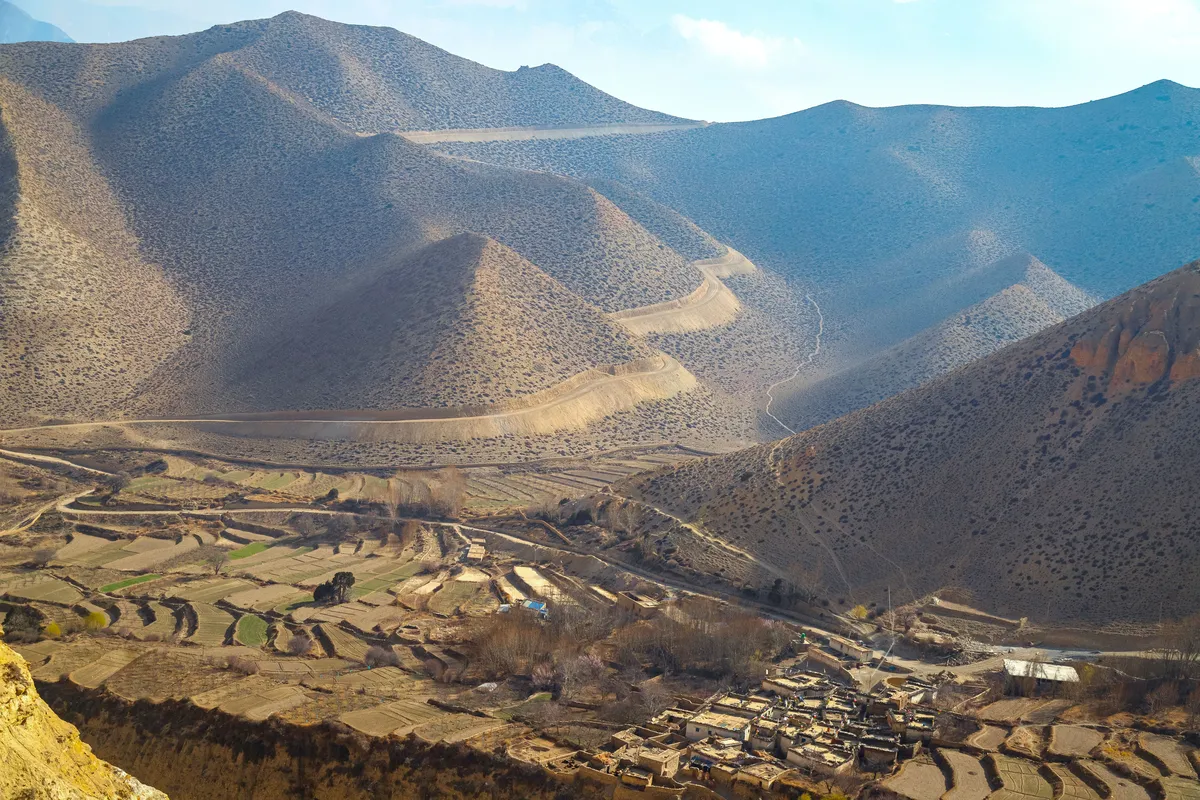
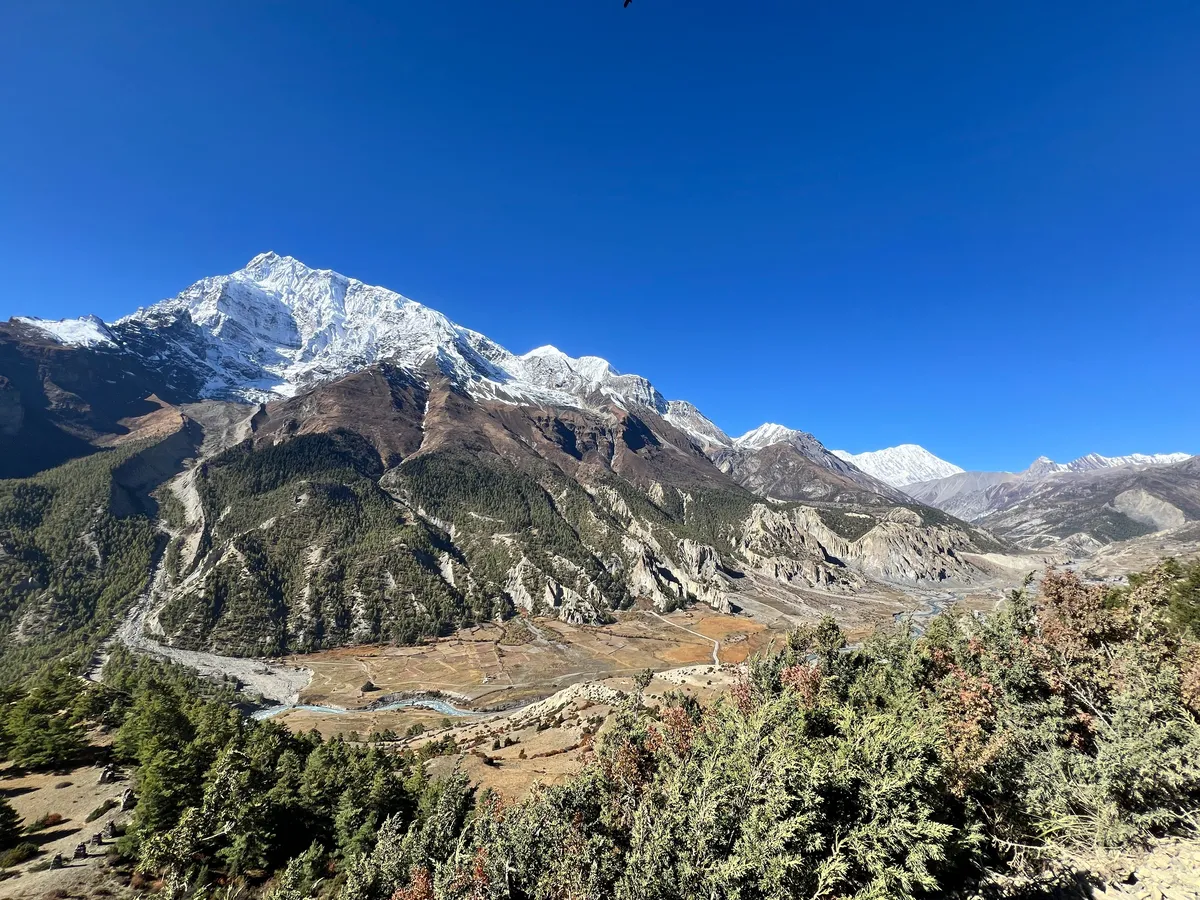
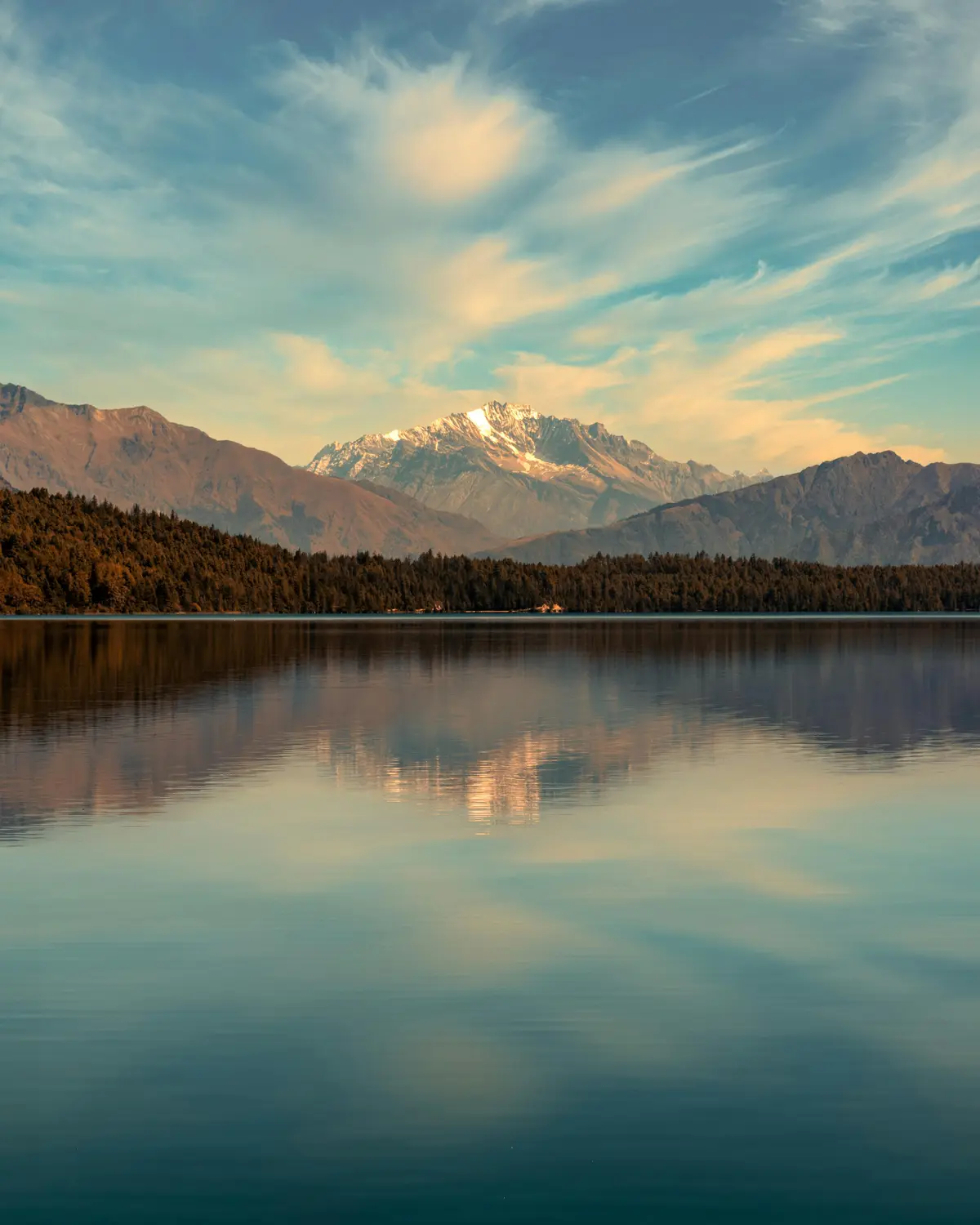
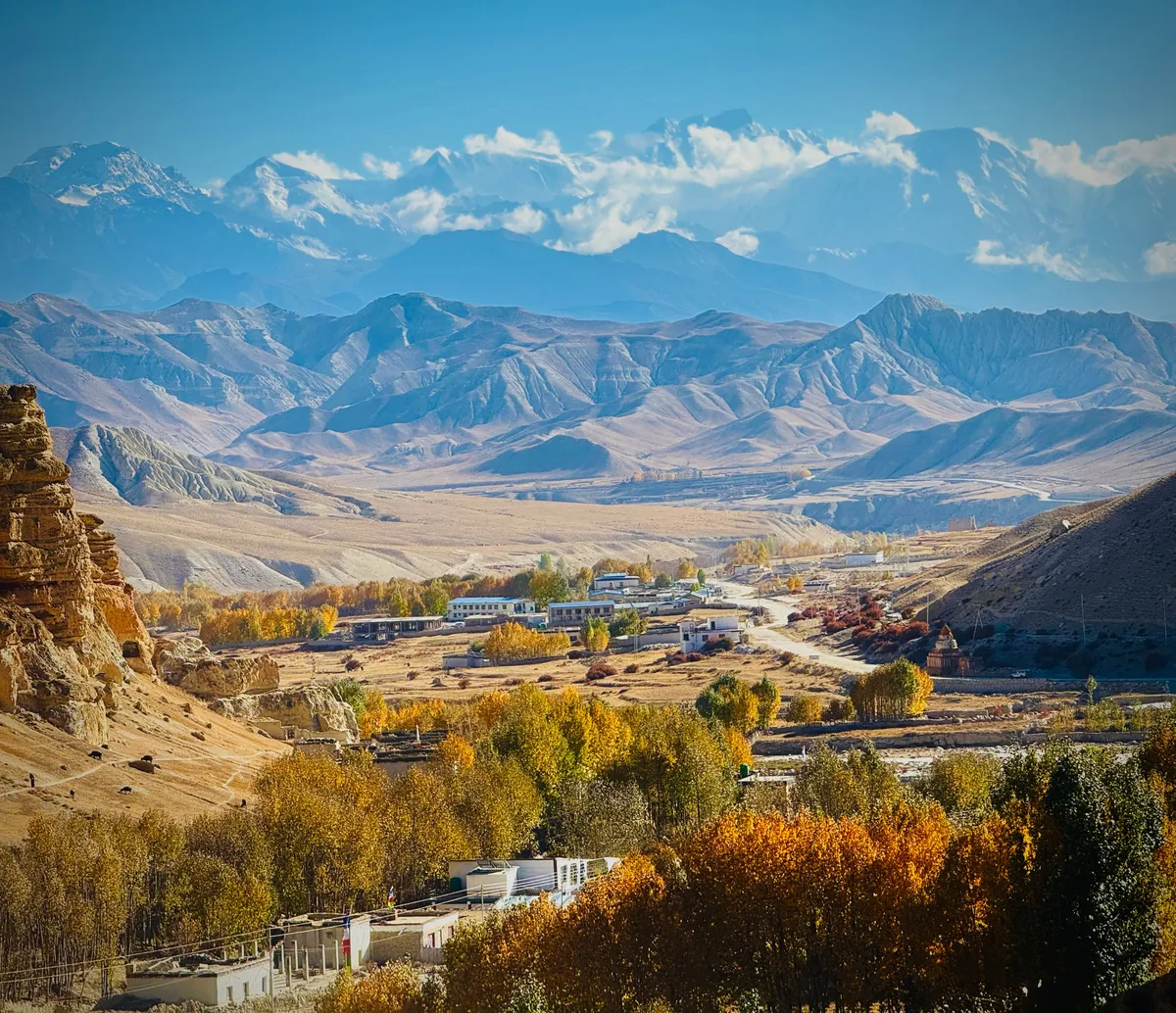
Unlike the lush forests and green valleys found on many popular trekking routes, Upper Mustang features colorful cliffs, deep canyons, rocky plateaus, and wide-open valleys. Its unusual geography creates a landscape that resembles parts of the Tibetan Plateau. At the same time, centuries-old settlements and spiritual traditions preserve a remarkable cultural heritage.
The region was historically associated with the Kingdom of Lo, with Lo Manthang serving as its famous walled capital. Although the former kingdom is now part of Nepal, its architecture, festivals, monasteries, and everyday traditions continue to reflect strong Tibetan cultural influences.
Where Is Upper Mustang Nepal Located?
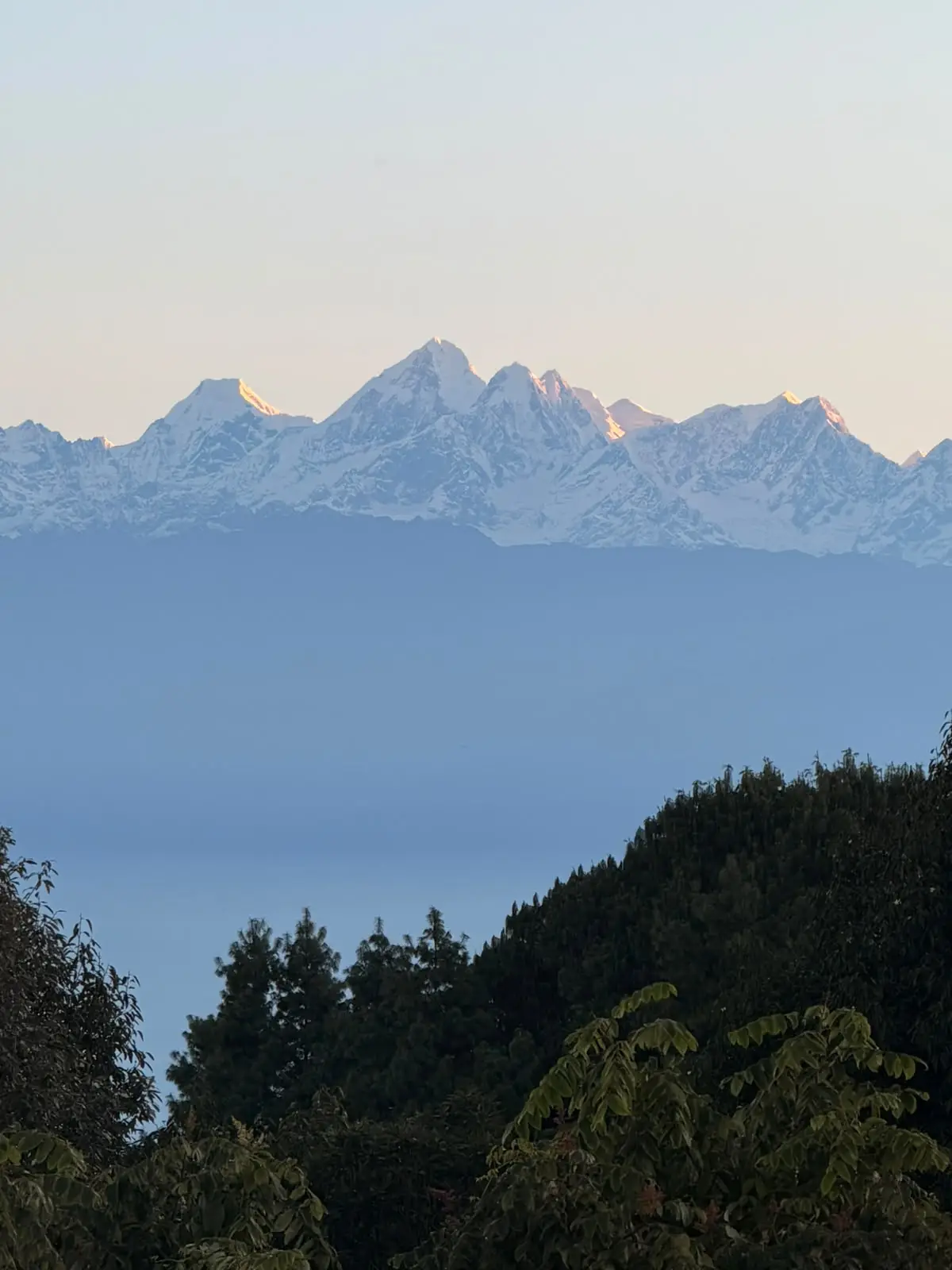
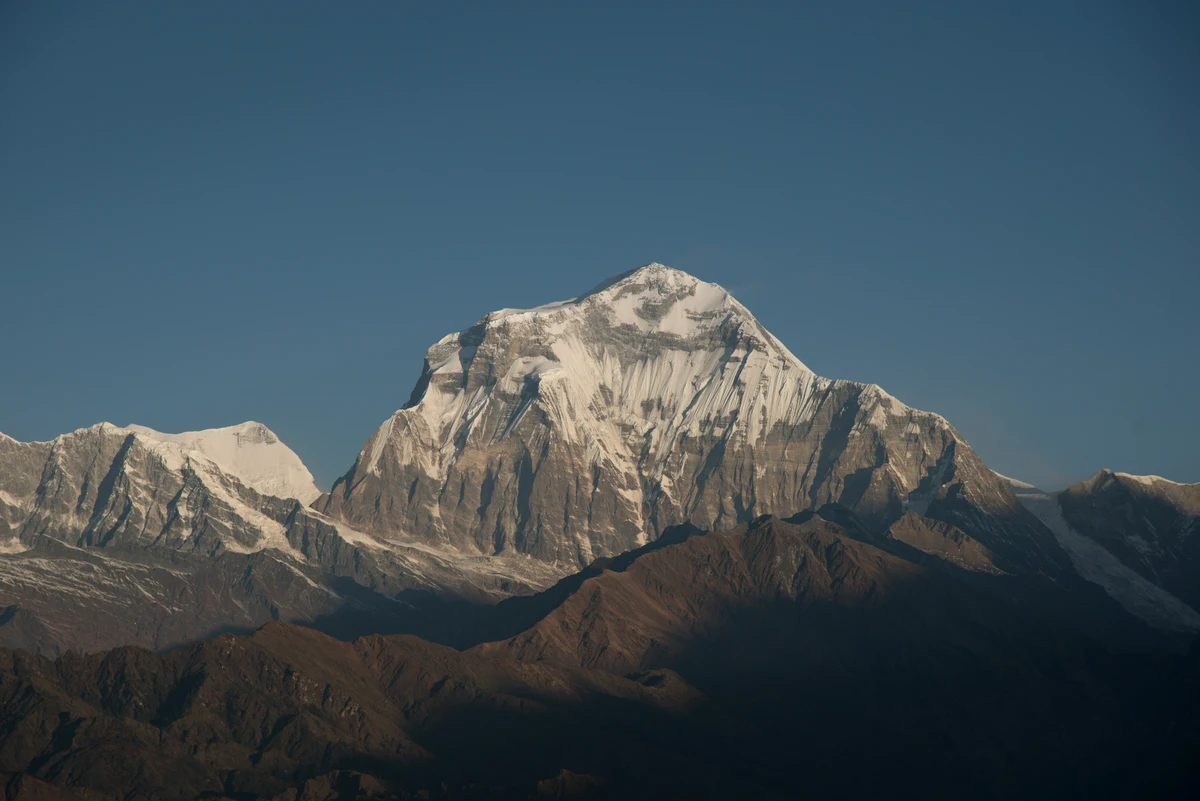
Upper Mustang Nepal lies in the northern part of Mustang District in Gandaki Province, close to the border with the Tibet Autonomous Region of China. The region is situated north of Jomsom and Kagbeni in the upper Kali Gandaki valley. The area is surrounded by high Himalayan terrain, including the Annapurna and Dhaulagiri ranges. Despite its Himalayan location, Upper Mustang receives relatively little rainfall because surrounding mountains block much of the monsoon moisture. This creates the dry, rugged environment that makes the region so distinctive.
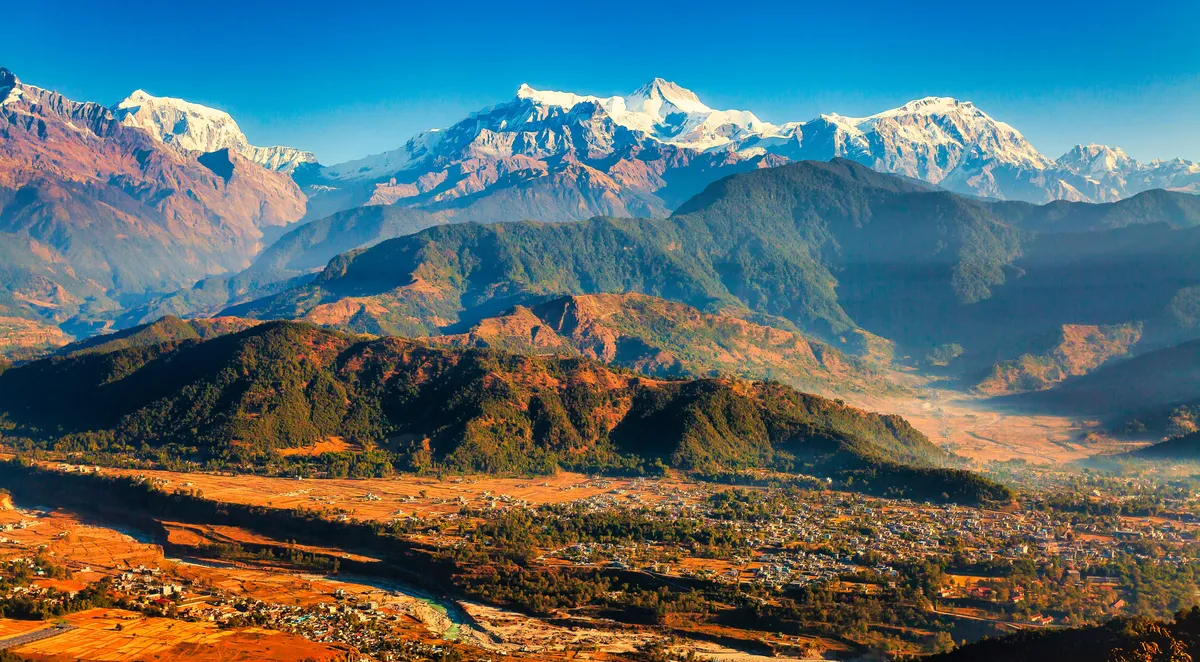
Lo Manthang, the historic walled settlement and cultural heart of Upper Mustang Nepal, is among its most important destinations. Travelers can explore traditional mud-brick houses, monasteries, narrow village lanes, and surrounding hills that reveal centuries of history. Most visitors begin their journey in Kathmandu and travel to Pokhara before continuing toward Jomsom or Kagbeni. From there, they follow the route north through villages and valleys toward Lo Manthang. Depending on the itinerary, visitors can explore the region on foot or use suitable vehicles along accessible sections of the route.
Why Is Upper Mustang Known as Nepal’s Hidden Himalayan Kingdom?
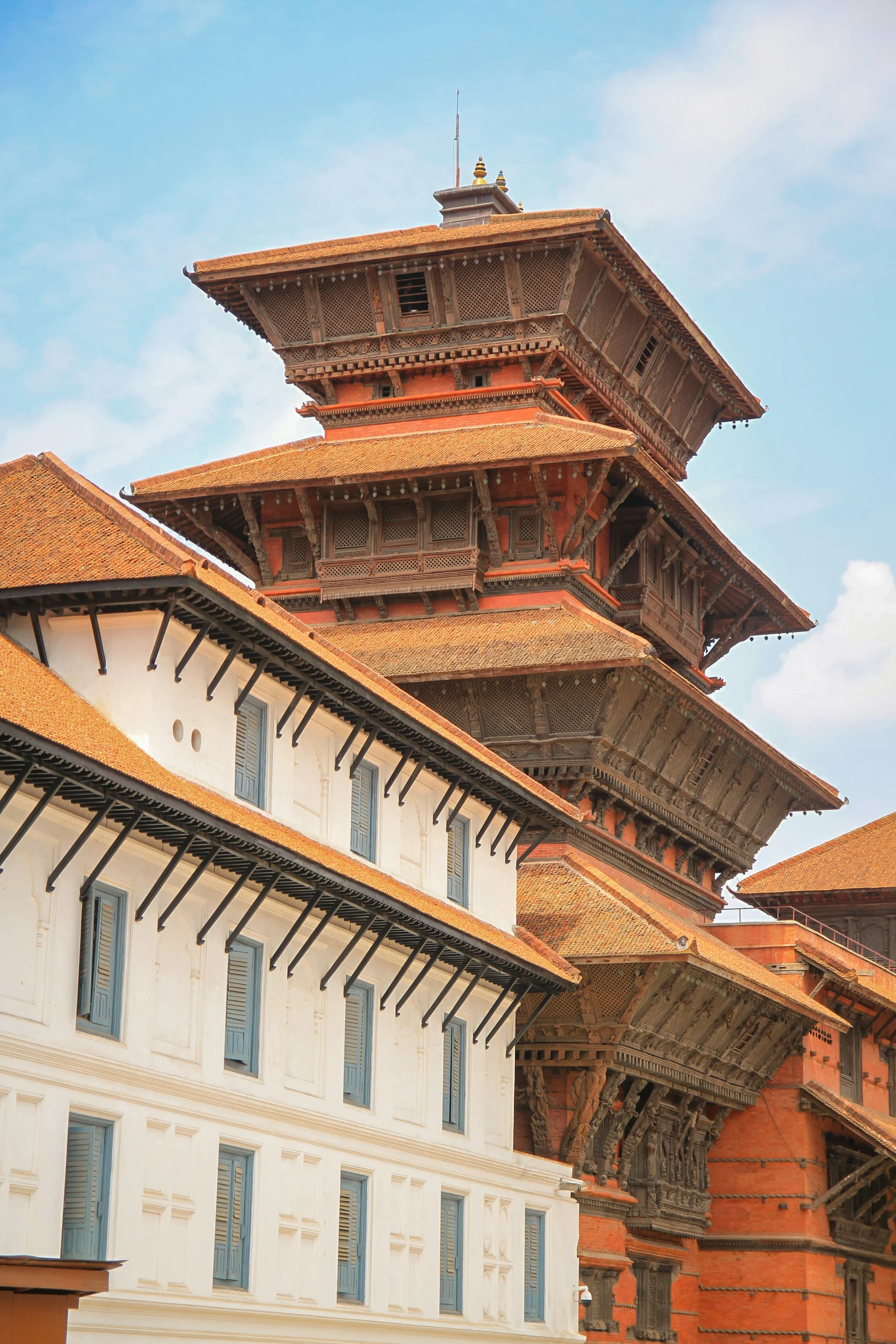
Upper Mustang Nepal is often described as a hidden Himalayan kingdom because of its remote location, distinctive Tibetan-influenced culture, and historic political identity. For centuries, the Kingdom of Lo maintained its own ruler and cultural traditions. The region also developed as an important trading area connecting Himalayan communities. Although its former kingdom status ended, its historical identity remains visible in its settlements, religious sites, and cultural practices. One of the most recognizable landmarks is the traditional walled settlement of Lo Manthang. Its closely packed buildings and narrow lanes reflect architectural styles shaped by the region’s climate and history.
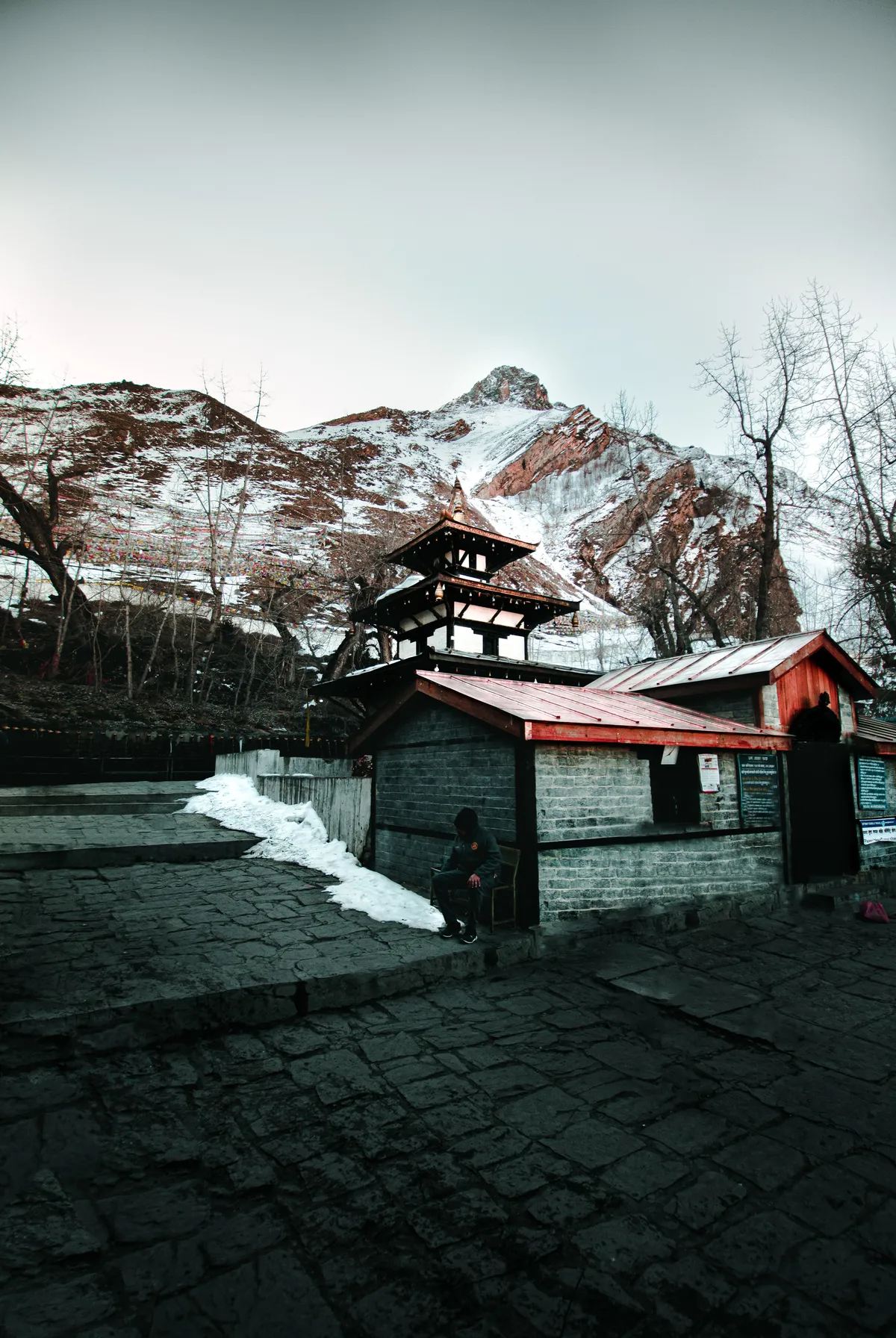
Throughout Upper Mustang Nepal, visitors can find Buddhist monasteries, prayer flags, chortens, and sacred spaces that remain important to local communities. These sites provide opportunities to understand the region’s cultural heritage, provided visitors respect religious customs and residents’ privacy. The combination of ancient history, striking landscapes, and living traditions makes Upper Mustang much more than a trekking destination. It offers an opportunity to discover a distinctive part of Nepal’s cultural diversity.
Top Places to Visit in Upper Mustang Nepal
1. Lo Manthang: The Historic Walled City
Lo Manthang is the most famous destination in Upper Mustang Nepal and a major highlight of the trekking experience. Historically associated with the Kingdom of Lo, this settlement is known for its traditional houses, narrow streets, and ancient religious buildings. Visitors can walk through the old town, observe traditional architecture, and learn about the area’s history. Several monasteries preserve Buddhist art, murals, and religious traditions, although access to individual buildings may depend on local arrangements.
The surrounding hills offer beautiful views of the arid Himalayan landscape. Spending time in Lo Manthang allows travelers to experience the cultural heart of the region instead of simply passing through. For photography enthusiasts, the town provides opportunities to capture traditional buildings, mountain scenery, and everyday village life. Always ask permission before photographing residents or entering private property.
2. Chhoser: Ancient Caves and Rocky Cliffs
Chhoser is located near Lo Manthang and is famous for its unusual cave systems carved into steep rock faces. These caves are among the most intriguing historical features of Upper Mustang Nepal. Some cave complexes contain multiple chambers connected by narrow passages. Researchers have studied the caves to understand their archaeological significance and possible historical uses. Their origins and purposes vary, so visitors should avoid assuming that every cave served the same function.
The surrounding landscape is equally impressive. Towering cliffs, exposed rock formations, and dry valleys reveal how wind and weather have shaped this remote Himalayan environment. A visit to Chhoser adds an archaeological and cultural dimension to an Upper Mustang Nepal itinerary. Travelers should follow local guidance regarding safe access and any restrictions on entering cave complexes.
3. Kagbeni: The Gateway to Upper Mustang
Kagbeni is a historic village near the junction of routes leading toward Upper Mustang. It is an important stop for trekkers traveling north from Jomsom. The village features traditional buildings, narrow lanes, prayer wheels, and views of the surrounding mountains. Its location beside the Kali Gandaki valley gives it a distinctive atmosphere and makes it a memorable introduction to the region.
Kagbeni is also a practical place to prepare for the restricted trekking area ahead. Travelers can review their permits, confirm arrangements with their guide, and organize supplies before continuing north. For visitors exploring Upper Mustang Nepal, Kagbeni offers both cultural interest and a useful transition between the lower Mustang region and the more remote settlements farther north.
4. Ghami: Traditional Village Life
Ghami is one of the traditional villages along the Upper Mustang trekking route. Its whitewashed houses, surrounding farmland, and mountain scenery provide a glimpse into life in this remote region. A notable feature near Ghami is a long mani wall decorated with Buddhist inscriptions. Mani walls are important cultural and religious structures throughout Himalayan Buddhist communities.
When passing religious structures, travelers should follow local customs, including walking around mani walls and chortens in a clockwise direction where that is the established practice. Ghami provides an opportunity to appreciate the cultural traditions of Upper Mustang Nepal while enjoying the region’s dramatic scenery. The village also offers a chance to observe how local communities maintain their livelihoods in a challenging environment.
5. Tsarang: History and Monastery Architecture
Tsarang, also known as Charang, is another historic settlement worth exploring. It is known for its traditional architecture, monastery, and former palace complex. The village sits within a dramatic landscape of dry hills and deep valleys. Its buildings reflect the region’s distinctive architectural traditions, while nearby fields demonstrate how communities cultivate land in a dry climate. For travelers interested in cultural heritage, Tsarang offers a valuable stop between other major destinations in Upper Mustang Nepal. Exploring the village at a relaxed pace helps visitors appreciate the relationship between local history, religion, and everyday life. What Makes the Landscape of Upper Mustang Nepal Unique?The landscape is one of the strongest reasons travelers choose this region.
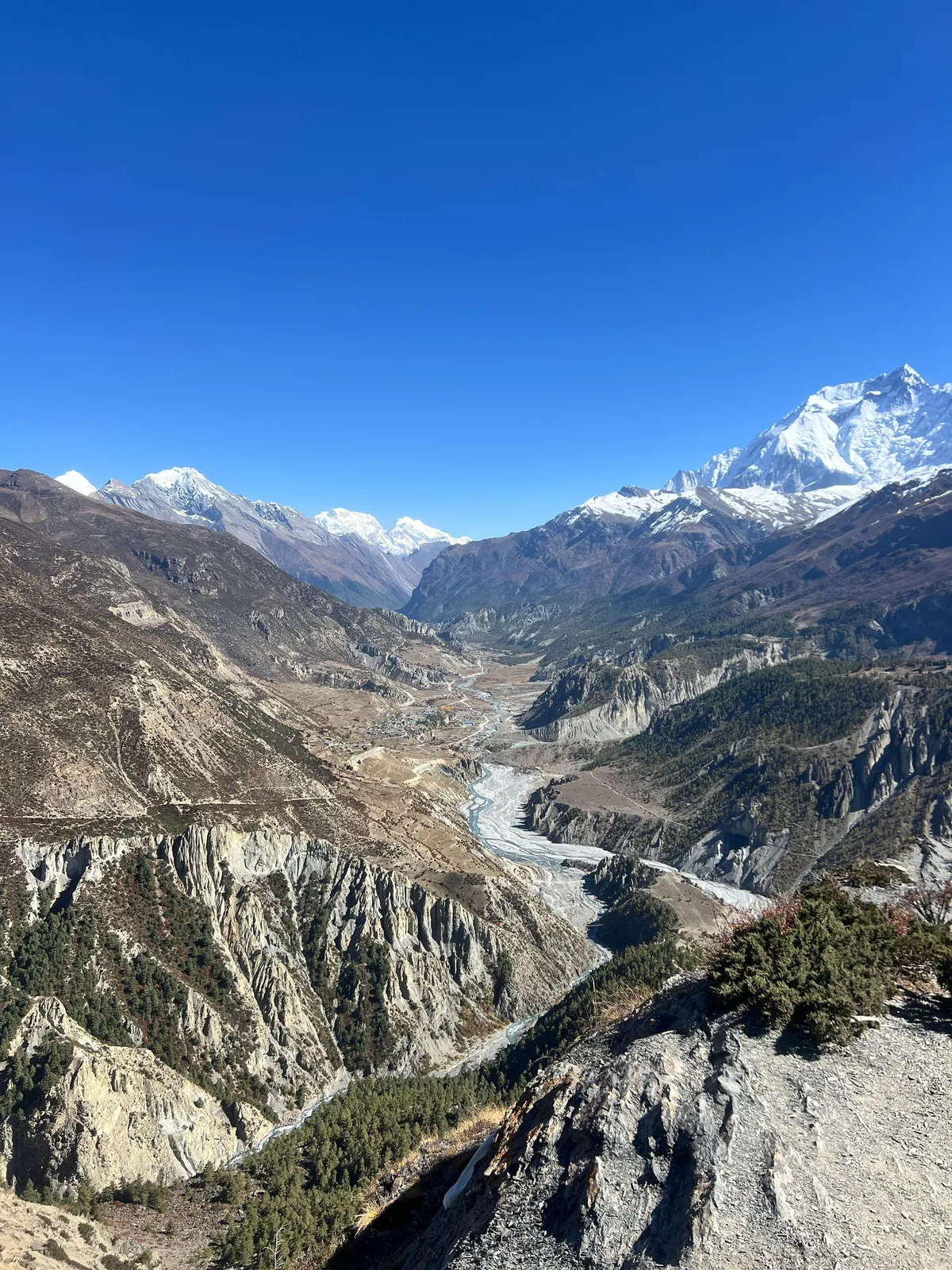
Instead of dense forests and humid valleys, visitors encounter dry plateaus, wind-carved cliffs, eroded hills, and broad river valleys. The Kali Gandaki valley is an important geographical feature, cutting through the Himalayas and creating a route that has historically connected communities across the mountains. The colorful rock formations are especially striking. Shades of red, brown, yellow, grey, and orange appear across the cliffs, creating dramatic contrasts under changing sunlight. Because much of Upper Mustang lies in a rain-shadow area, trekking can be possible during the summer monsoon months when many other Nepalese trails receive heavy rainfall. However, conditions can still be windy, dusty, or unpredictable, and weather should be checked before departure.
Best Time to Visit Upper Mustang Nepal
Choosing the right season can make a major difference to your experience.
Spring: March to May
Spring generally offers pleasant trekking conditions, moderate daytime temperatures, and clear views on many days. The landscape may appear dry, but longer daylight hours make this a good period for exploring villages and walking between settlements. Spring is also associated with cultural events in the region. The Tiji Festival, a significant multi-day festival generally held in Lo Manthang during spring or early summer, attracts travelers interested in local traditions. Exact dates change each year, so check the schedule before arranging your trip.
Summer and Monsoon: June to August
Upper Mustang Nepal is a well-known option for summer trekking because it lies in the rain shadow of the Himalayas. While much of Nepal experiences monsoon rainfall, this region generally receives less precipitation. However, rain can still affect roads and transportation connections elsewhere in Nepal. Strong winds, dust, and occasional storms may also affect local conditions. Summer can be a rewarding time for travelers who want to explore the Himalayan landscape while avoiding some of the heavy rainfall experienced in other trekking areas.
Autumn: September to November
Autumn is another excellent period for trekking in Upper Mustang Nepal. After the monsoon, the air can be clear, mountain views can be spectacular, and daytime conditions are often suitable for walking. September may still bring occasional unsettled weather, while October and November can become increasingly cold, particularly at night and at higher elevations. Autumn is popular with trekkers, so booking accommodation and guide services in advance is sensible during busy periods.
Winter: December to February
Winter brings colder temperatures, snow or ice in some areas, and the possibility of difficult travel conditions. Some accommodation providers and local services may operate on reduced schedules. Winter travel can offer a quieter experience, but it requires careful planning, suitable clothing, and confirmation of transport and accommodation availability. For many visitors, spring and autumn provide a good balance of trekking conditions and cultural experiences. Summer remains attractive for those seeking a Himalayan destination during Nepal’s monsoon season.
Upper Mustang Trek: Duration, Difficulty, and Experience
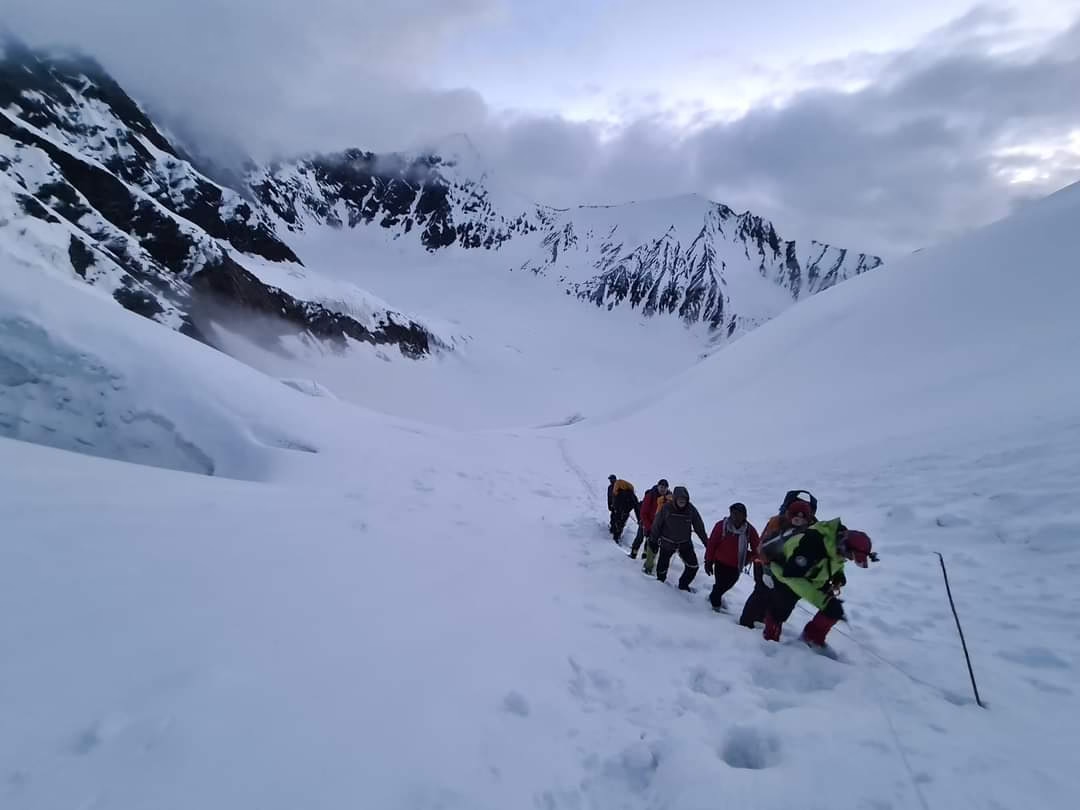
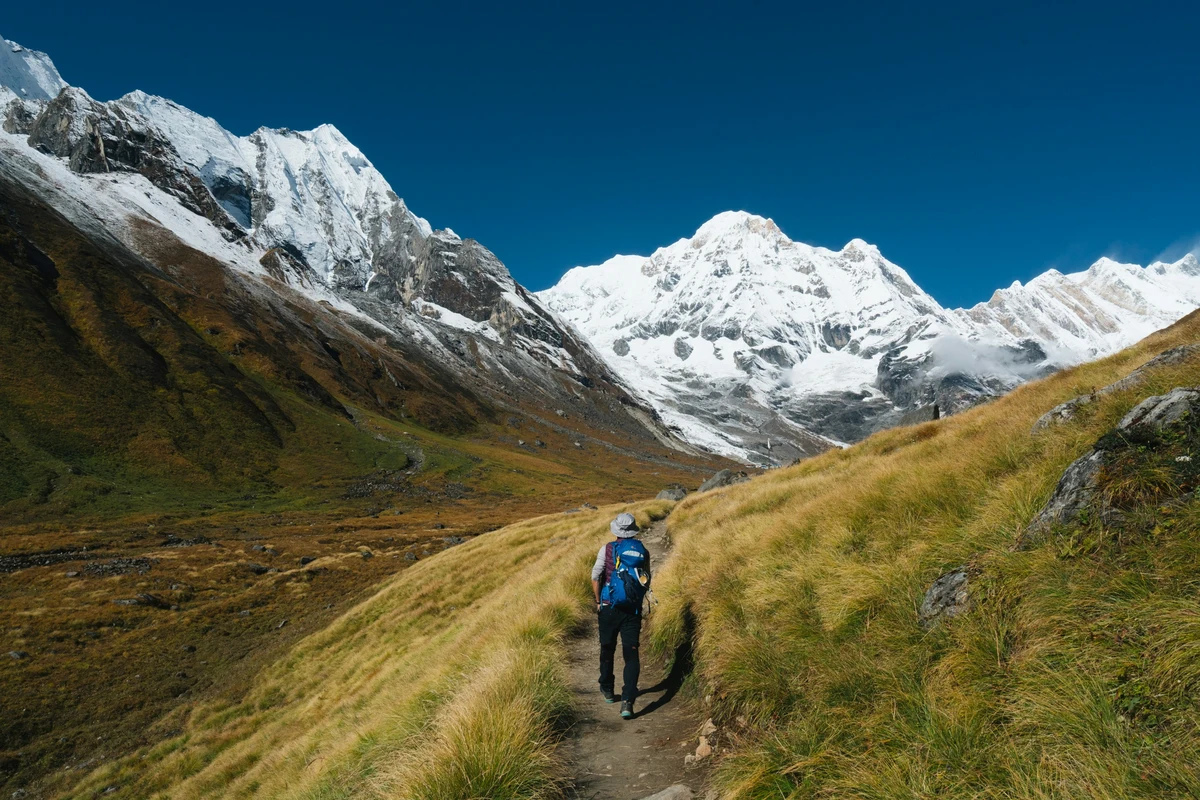
The Upper Mustang trek is generally considered a moderate-to-challenging trekking adventure, depending on the itinerary, altitude, daily walking hours, and the traveler’s fitness. Many classic itineraries take approximately 10 to 14 days, although shorter and longer options are possible. The total duration depends on transportation arrangements, acclimatization, sightseeing stops, and the starting and ending points. Trekkers often walk for several hours a day across dry trails, uneven ground, exposed valleys, and gradual climbs. The terrain can be dusty and windy, so comfortable trekking boots, layered clothing, and sun protection are important.
Although the standard walking route does not require technical climbing skills, altitude remains a serious consideration. Some sections rise above 3,500 metres, and Lo Manthang is located at approximately 3,800 metres.Travelers should allow time for acclimatization, maintain a comfortable pace, and recognize symptoms of altitude sickness, such as headache, nausea, dizziness, or unusual fatigue. Severe symptoms require immediate descent and medical assistance. Hiring a qualified guide can make the journey easier to organize and enrich the experience through local knowledge, cultural interpretation, and practical support. For those considering Upper Mustang Nepal for their next trekking adventure, preparation should include regular walking, cardiovascular exercise, appropriate equipment, and a realistic daily itinerary.
Permits and Entry Requirements
Upper Mustang is a restricted trekking area, so travelers must arrange the appropriate permits before entering the designated region. Foreign trekkers generally need a Restricted Area Permit (RAP), arranged through an authorized trekking agency under the applicable rules. Special requirements apply to the number of trekkers and guide arrangements, and regulations may change. The permit system helps manage access to a culturally and environmentally sensitive region. Travelers should confirm current requirements, fees, documents, and minimum group rules with an authorized agency or Nepal’s official tourism authorities before booking.
Additional conservation-area permits may also apply, depending on the route and current regulations. Do not assume that a regular trekking permit alone is sufficient for Upper Mustang Nepal. Confirm all documentation before departure to avoid problems at checkpoints. Because permit fees and regulations can change, including current details in your travel budget should be part of the planning process.
Local Culture, Food, and Accommodation
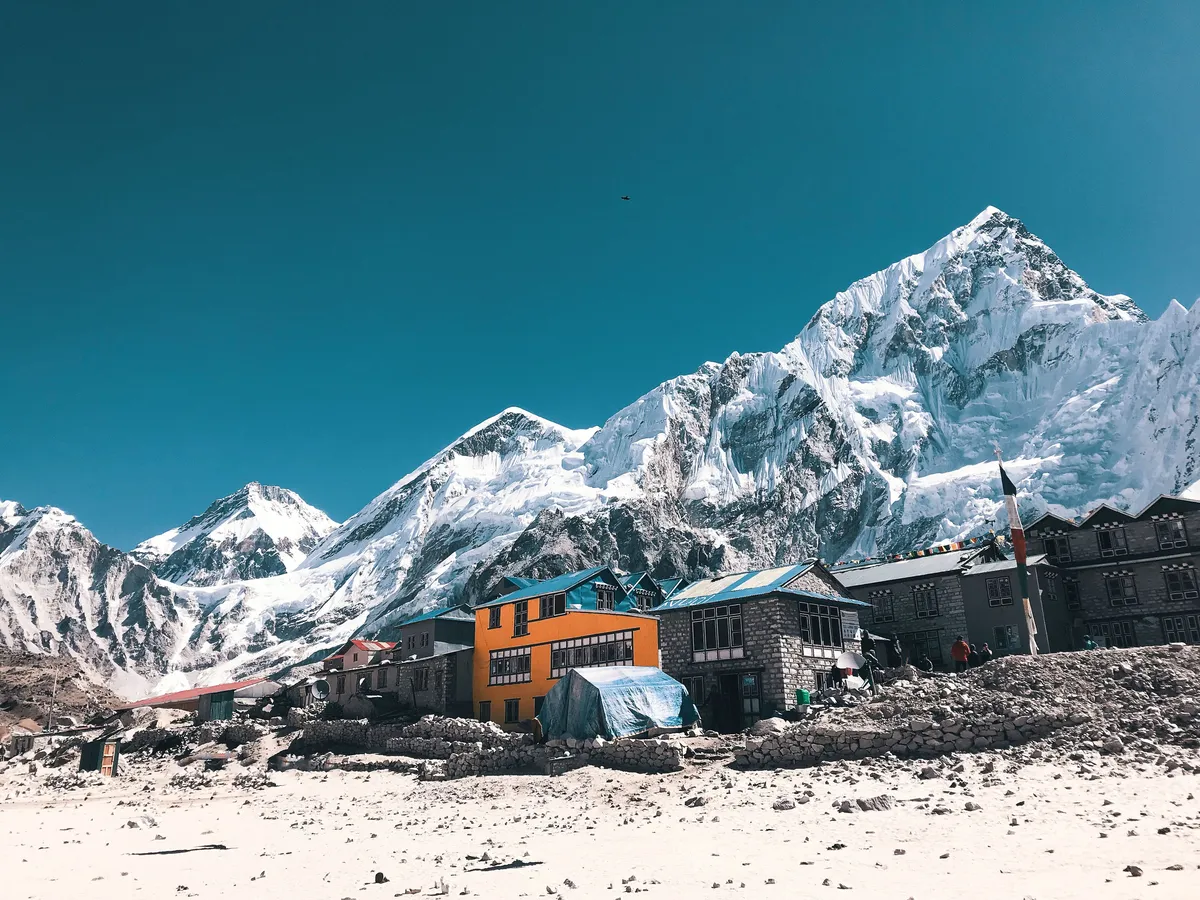
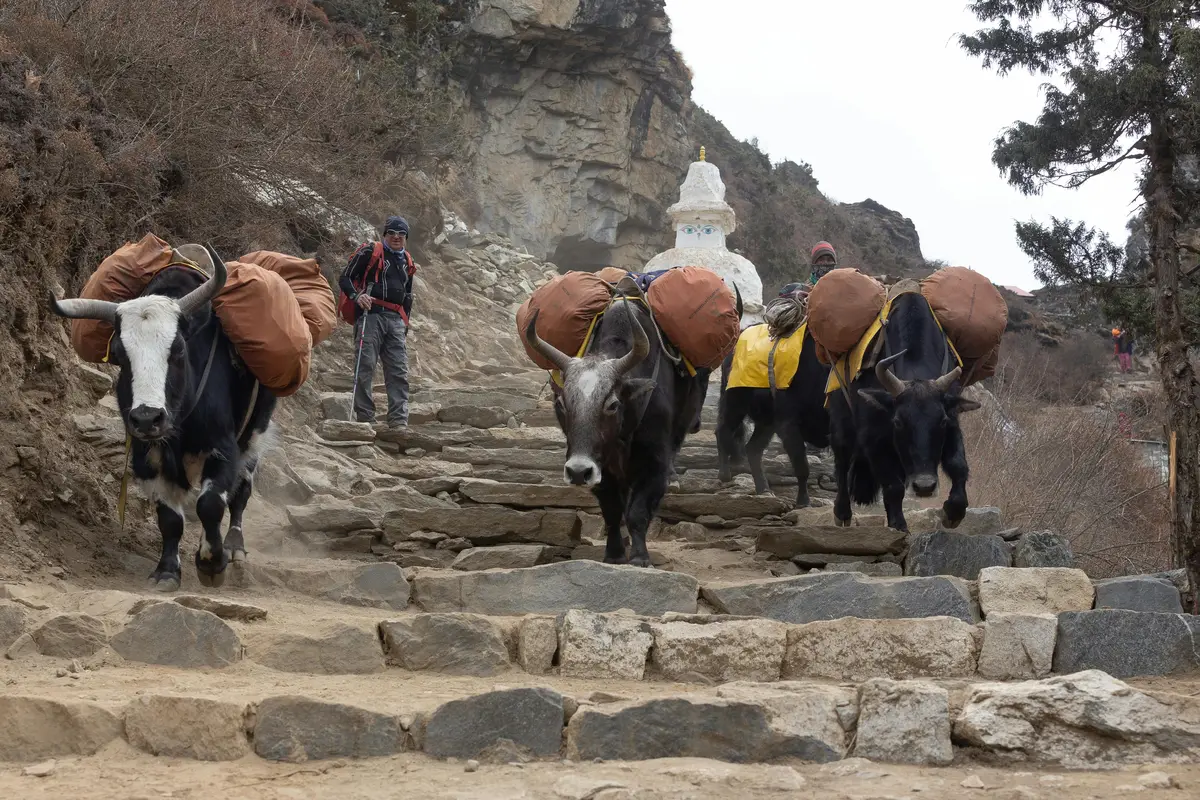
The cultural experience is a central part of visiting Upper Mustang Nepal. Local communities maintain Tibetan-influenced traditions, Buddhist practices, distinctive architecture, and agricultural lifestyles shaped by the region’s dry climate. Visitors may encounter monasteries, prayer flags, mani walls, local festivals, and traditional village gatherings. Customs vary between communities, so it is best to ask permission before photographing people or entering religious buildings. Accommodation is generally available in local guesthouses and teahouses along established trekking routes. Facilities vary by village, and travelers should not expect the same level of comfort found in major cities.
Meals often include dal bhat, noodles, soups, potatoes, Tibetan-style bread, and other simple dishes. Dal bhat is a practical option for trekkers because it provides carbohydrates and can often be refilled at participating teahouses. Carrying some cash is advisable, as card payment facilities and ATMs can be limited or unavailable in remote settlements. Choosing local accommodation, eating at village establishments, and respecting community customs can help make travel more responsible while supporting the local economy. For international visitors, learning a few respectful greetings and asking questions about local traditions can make cultural interactions more meaningful.
How to Reach Upper Mustang Nepal
Most visitors begin their journey in Kathmandu and travel to Pokhara, a major gateway to the Annapurna region. From Pokhara, travelers typically continue toward Jomsom by road or scheduled flight, depending on availability and conditions. From Jomsom, the route generally continues north through Kagbeni and other settlements toward Lo Manthang. Some travelers follow the route on foot, while others use suitable vehicles where road access exists.
Flights to Jomsom can be affected by weather, and road journeys may be long or subject to delays. It is wise to include a buffer day in your itinerary, especially if you have an international flight to catch after the trek. A well-planned Upper Mustang Nepal trip should account for transportation, permits, accommodation, meals, guide services, and possible changes caused by weather. Travelers should confirm the latest transport schedules and road conditions before leaving Kathmandu or Pokhara. Flexibility is particularly important when traveling in remote mountain regions.
Responsible Tourism in Upper Mustang
Upper Mustang’s cultural heritage and fragile landscapes deserve careful protection. Visitors can help preserve the region by following a few simple practices.
- Carry reusable water bottles and minimize single-use plastic.
- Take rubbish back to appropriate disposal points.
- Ask permission before photographing local residents.
- Respect monasteries, religious objects, and local customs.
- Stay on established trails where possible to reduce erosion.
- Support local guesthouses, guides, and small businesses.
- Avoid disturbing wildlife or removing fossils, artifacts, or other natural materials.
Travelers should also understand that local communities are not simply part of a tourist attraction. They are living communities with their own priorities, traditions, and daily responsibilities.
Responsible tourism helps protect Upper Mustang Nepal while ensuring that future visitors can continue to appreciate its extraordinary cultural and natural heritage.
Essential Tips Before Visiting Upper Mustang Nepal
Before setting out, prepare for the region’s altitude, weather, and remoteness.
Build your fitness. Regular walking, hiking, and cardiovascular exercise can help you prepare. You do not need to be an elite athlete, but you should be comfortable walking for several hours on uneven terrain.
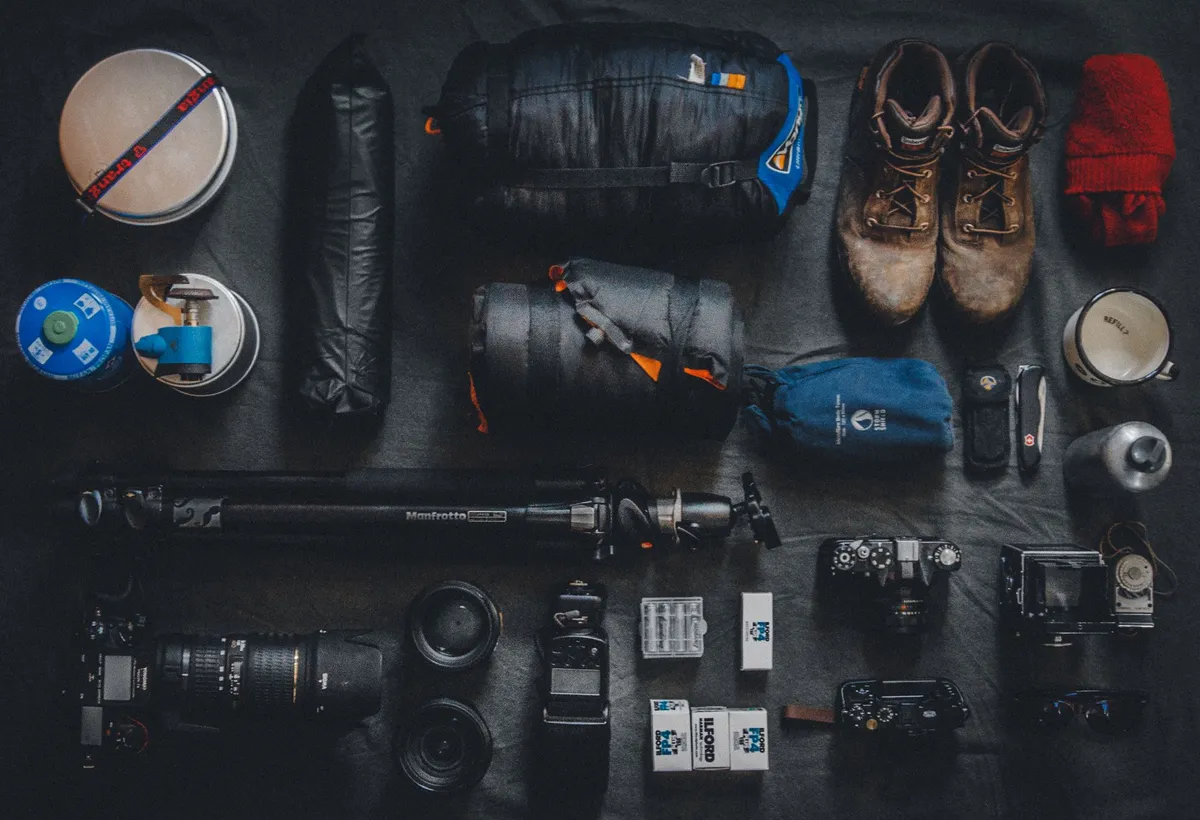
Pack suitable clothing. Bring layers, a windproof jacket, warm evening clothes, sturdy trekking boots, sunglasses, sunscreen, a hat, and personal medication.
Arrange appropriate insurance. Choose travel insurance that explicitly covers trekking at your planned maximum altitude and emergency evacuation where required.
Carry sufficient cash. Prepare a realistic budget and keep contingency funds available because remote settlements may have limited banking services.
Allow enough time. The villages, monasteries, landscapes, and conversations with local people are as important as reaching Lo Manthang.
Respect local traditions. Ask before taking photographs, dress appropriately when visiting religious sites, and follow local guidance.
Following these tips will help make your visit to Upper Mustang Nepal safer, more comfortable, and more rewarding.
Conclusion
Upper Mustang is one of Nepal’s most distinctive destinations, bringing together dramatic Himalayan scenery, ancient settlements, and a rich cultural heritage. From the walled town of Lo Manthang to the caves of Chhoser and the traditional villages of Ghami and Tsarang, every stop offers something different. For travelers seeking an experience beyond Nepal’s better-known trekking routes, Upper Mustang Nepal provides a memorable combination of adventure, history, and cultural discovery.
Its rain-shadow landscapes make it particularly appealing during the summer monsoon, while spring and autumn also offer rewarding trekking conditions. With suitable preparation, the correct permits, respect for local traditions, and a responsible approach to travel, visitors can explore this remarkable region while supporting the communities that make it special.
Travelers looking to explore the region’s dramatic landscapes and traditional villages can learn more about our Upper Mustang Jeep Tour and plan their Himalayan adventure.