What to Expect on Your First Trek in Nepal: A Beginner’s Guide
Here Is What to Expect on Your First Trek in Nepal: A Beginner’s Guide
Nepal is a paradise for nature lovers and adventurers alike. Home to the mighty Himalayas, vibrant cultural diversity, and friendly people, the country provides some of the most memorable trekking experiences in the world. A beginner’s first trek in Nepal is as thrilling as it is daunting. A beginner needs to prepare for exactly what they can expect, how they need to prepare themselves, and how Nepal Trekking is different.
Why Nepal for Your First Trek?
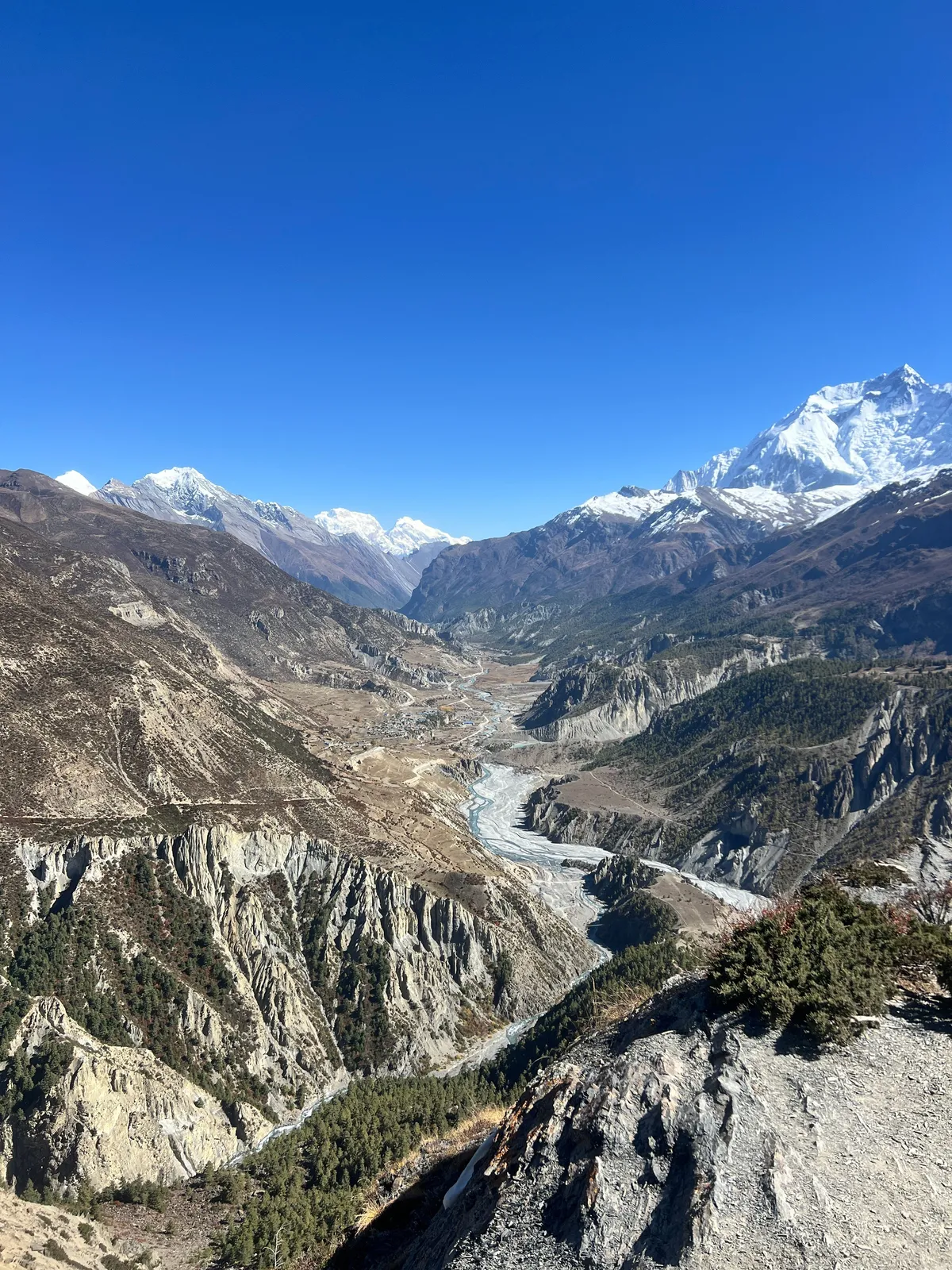
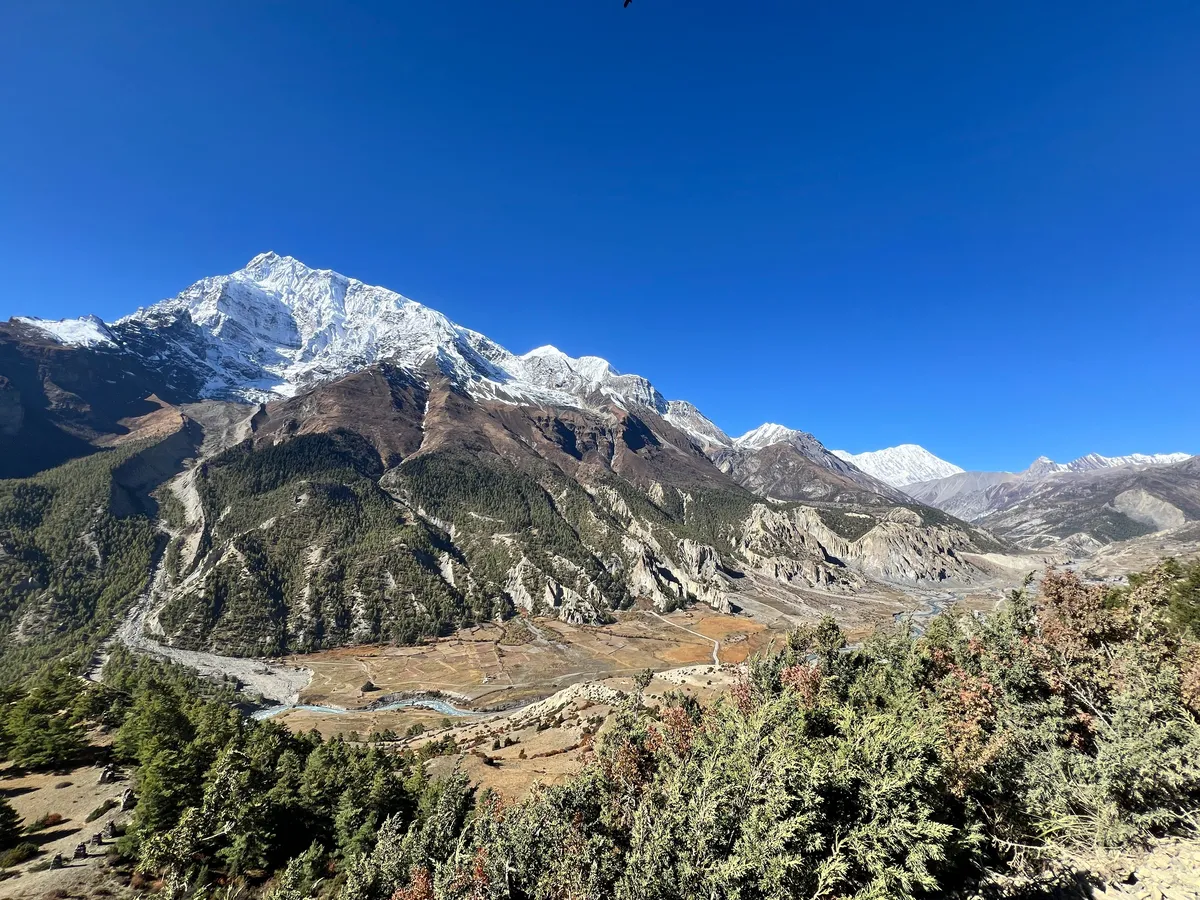
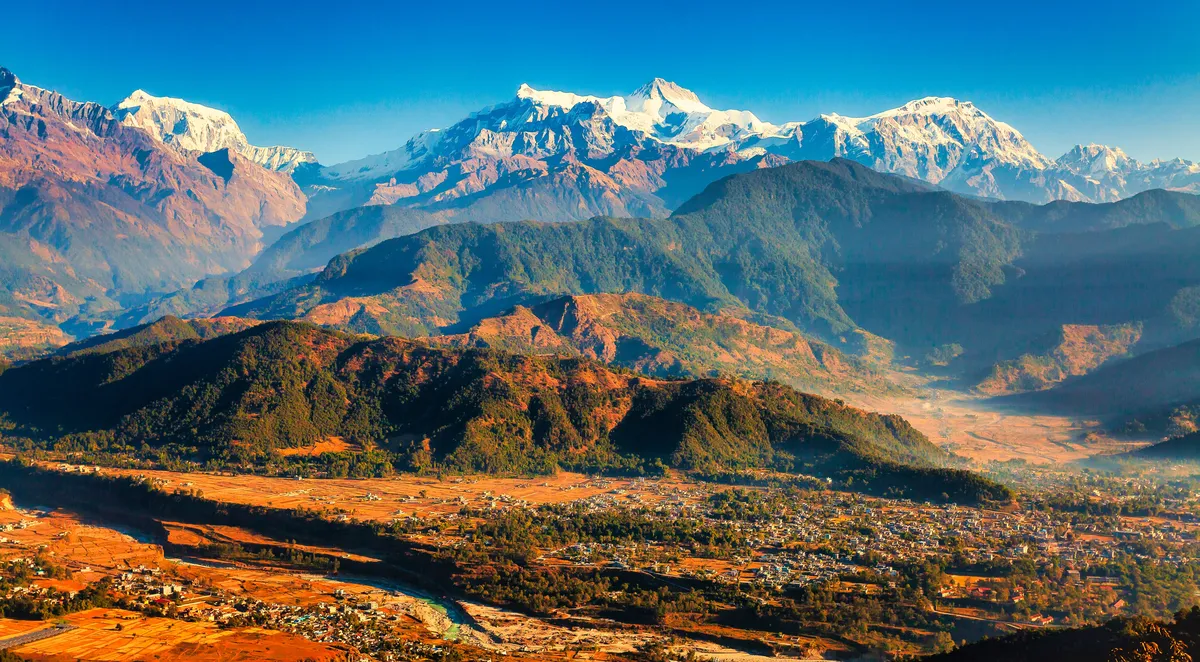
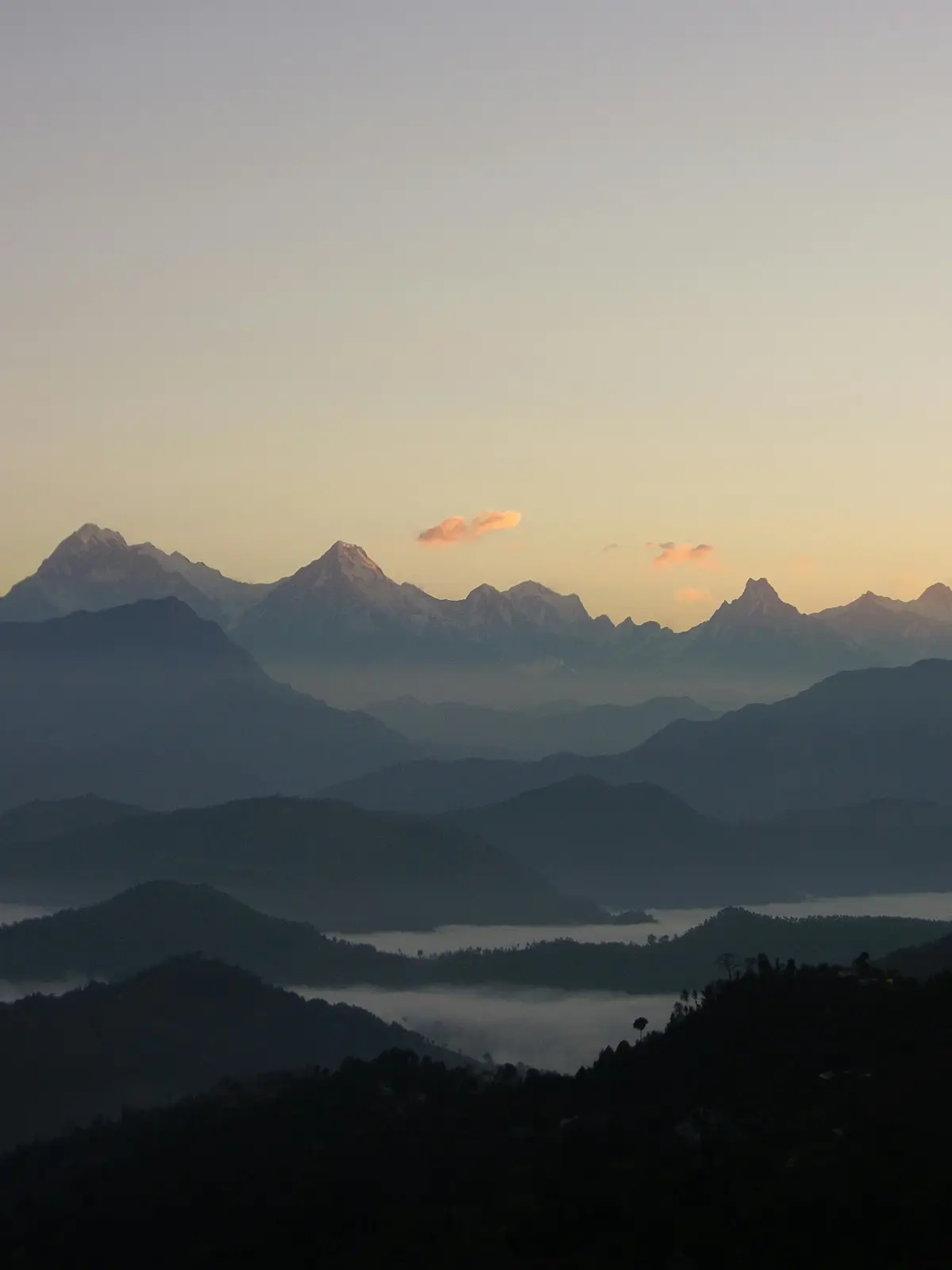
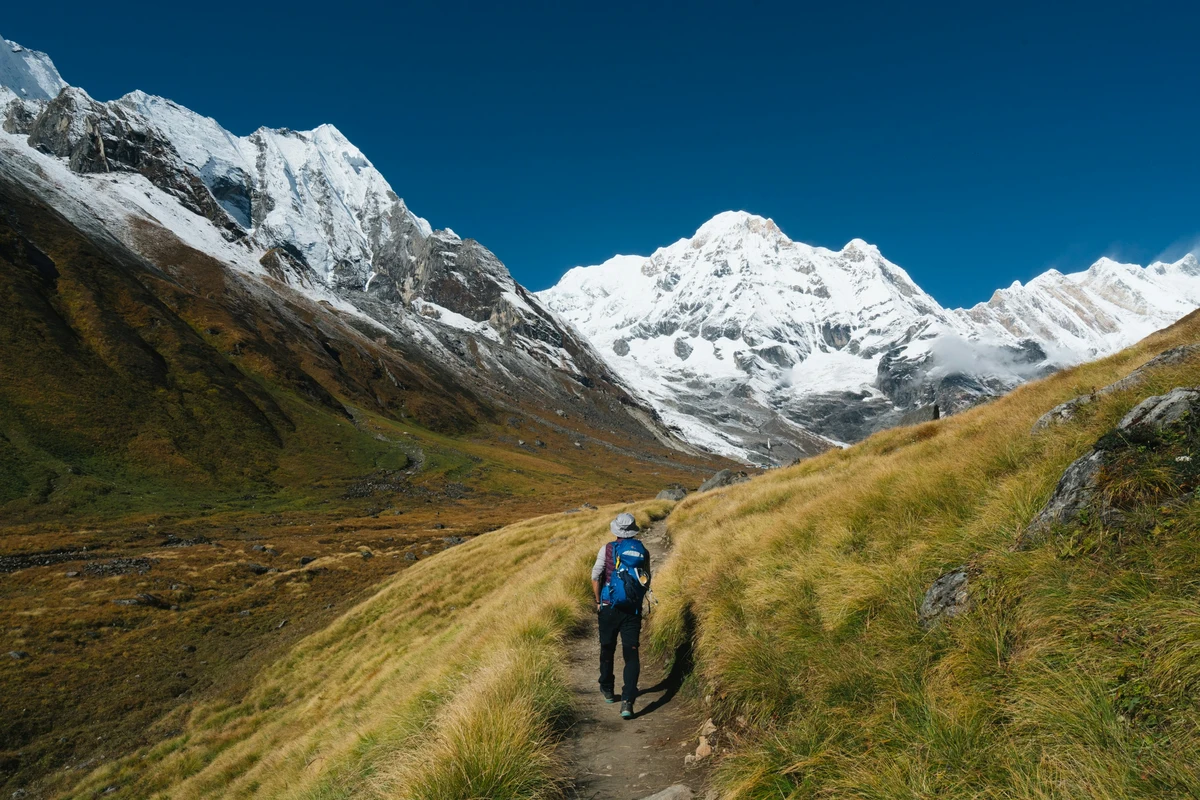
Nepal boasts eight of the ten highest peaks in the world, such as Mount Everest and is therefore a paradise for trekkers. The beauty of Trekking in Nepal is not merely ascending mountains it is absorbing the sublime views, the villages with their picturesqueness, and the centuries-old paths which have connected villages and people for centuries. Trekking in Nepal is for every fitness level as well as experience from the Annapurna range and Everest Base Camp to the Langtang Valley and a more recently opened trail.
Choosing the Ideal Trek
Your first trek does not have to be a challenging one. Several treks in Nepal are beginner-friendly and reward wonderful landscapes and cultural encounters. Some of the most popular beginner treks are:
Ghorepani Poon Hill Trek – Short and picturesque trek ideal for beginners.
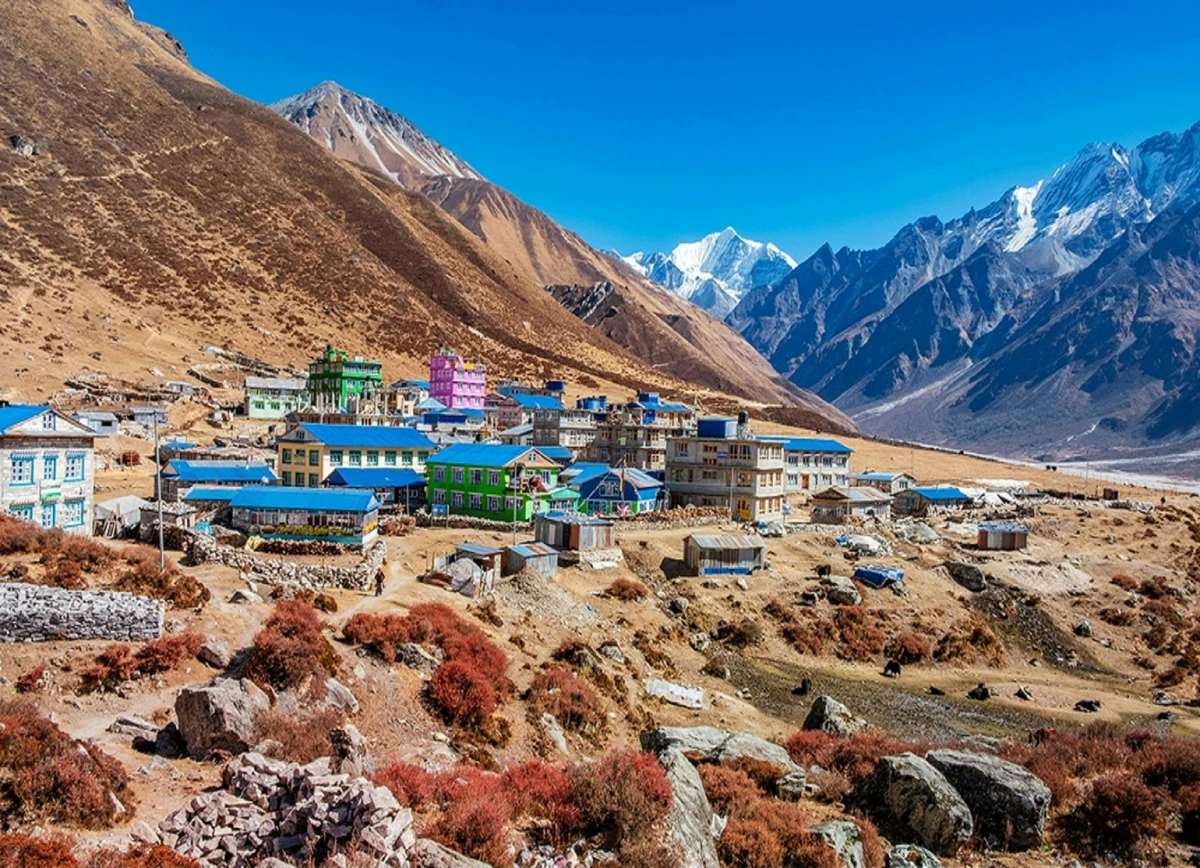
Langtang Valley Trek – A less crowded but more cultural alternative.
Everest Panorama Trek – Take in the views of Everest without the full base camp commitment.
In choosing your trek, be realistic according to your fitness level, time frame, and interests. Your trek can be tailored according to your requirement by a professional guide or a trekking agency so that your first ever Trekking in Nepal is enjoyable as well as safe.
Physical Preparation
You don’t have to become an athlete but a little physical conditioning is extremely helpful. Begin an exercise routine 4-6 weeks before you go. Focus on:
- Cardiac endurance (running, cycling, walking)
- Squats and lunges (leg strengthening exercises)
- Flexibility and balance exercises (yoga stretching)
- Training Hikes with a Ruck
Completely Racked-Out R
High-altitude hikes are more tiring than sea-level hikes, so prepare in advance. Conditioning the body not just makes the hike easier but enables you to enjoy the journey more.
What to Pack
- Pack smart. Overpacking and underestimation of the conditions is a novice trekker’s error. Some of the essentials that should be packed are:
- Backpack (30-40 litres for teahouse trek)
- Goodly used hiking boots (properly worn-in)
- Moisture-management base layers
- Insulating layers such as a fleece jacket
- Waterproof jacket and trousers
- Fisherman’s woolen socks, hat, and
- Sunnies and sunscreen
- Water purification tablets or filter
- Hiking poles
- headlamp and spare batteries
If you have not trekked in Nepal before, teahouse treks (you eat and sleep in village lodges) are recommended, as you won’t have the need for carrying camping gear.
Acclimatization and Altitude
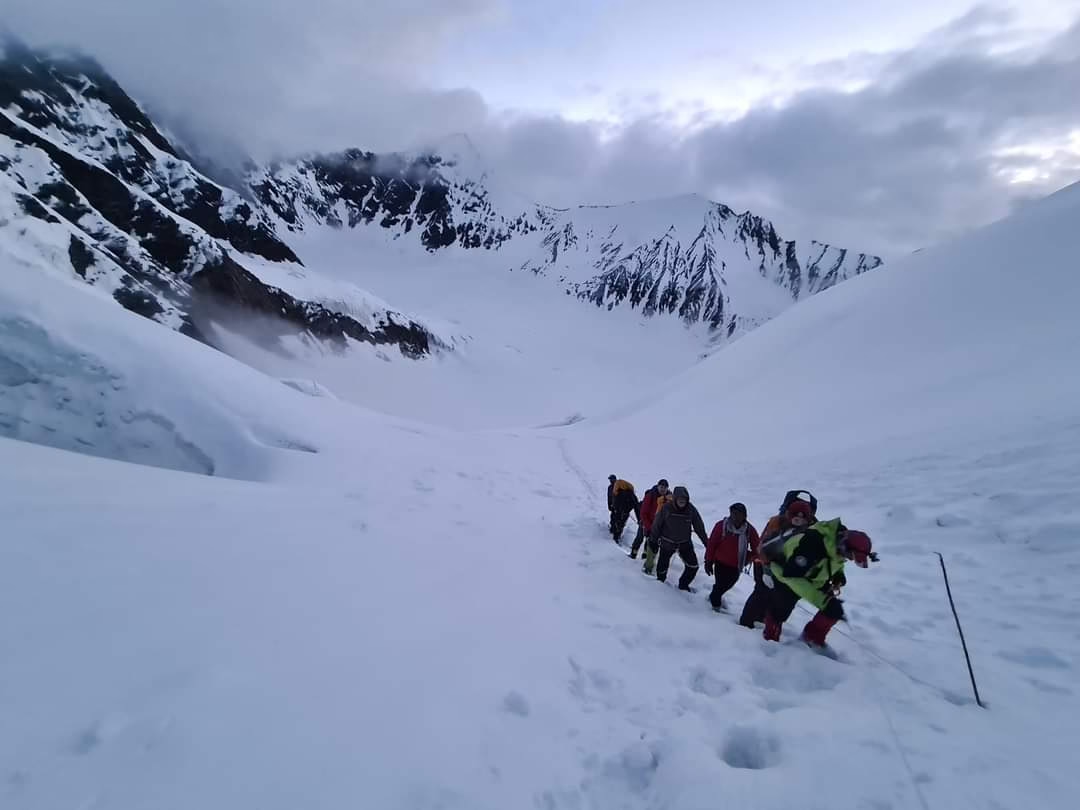
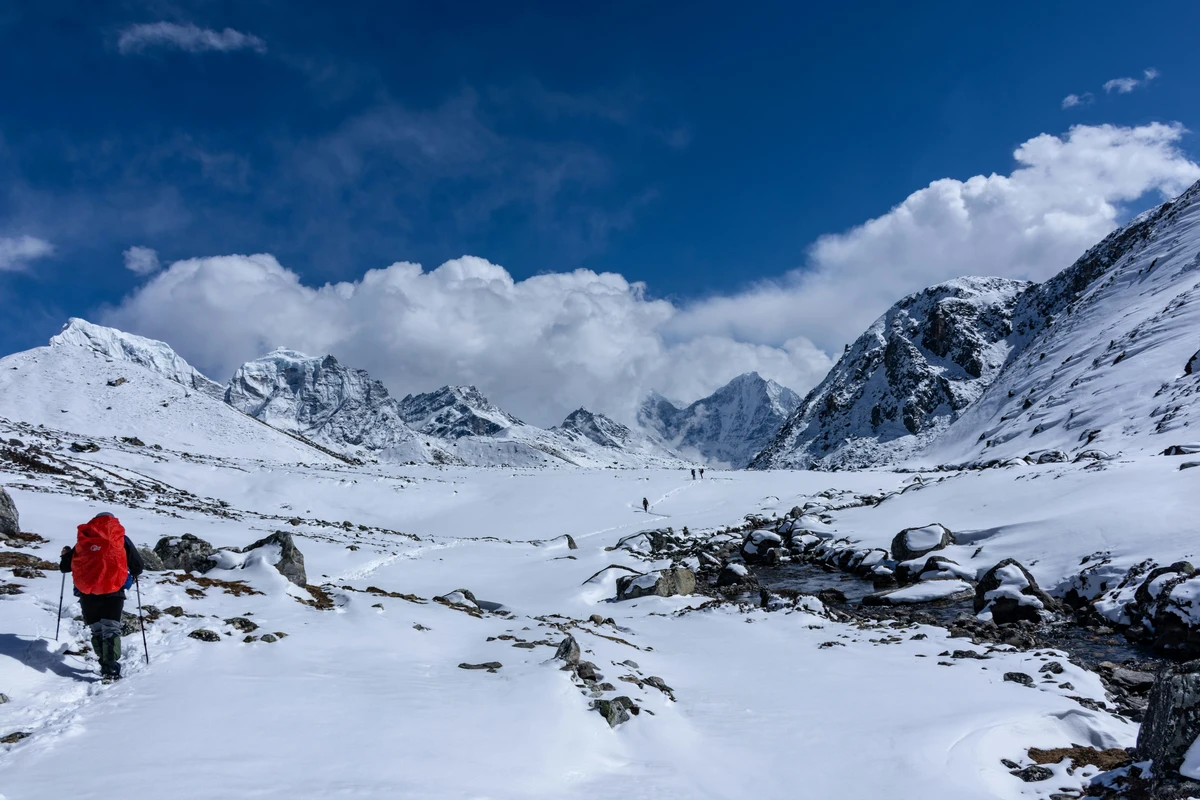
A highlight feature of Trekking in Nepal is the high altitude. As you go higher, the air is thinner, and thus your body requires time to adjust. Altitude sickness can happen to anyone irrespective of your physical fitness level.
Tips for acclimatization
- Gradual climb (no more than a 300-500 meters per day gain of altitude beyond 3,000m)
- Take rest days for acclimatisation
- Stay hydrated. Drink a minimum of 3-4 liters per day
- No smoking and alcohol
- Symptoms: headache, dizziness, nausea, and exhaustion
- Always pay heed to your body and don’t hesitate if the condition is worsening. Your guide is monitoring your condition and taking decisions for your safety.
Accommodations and Food
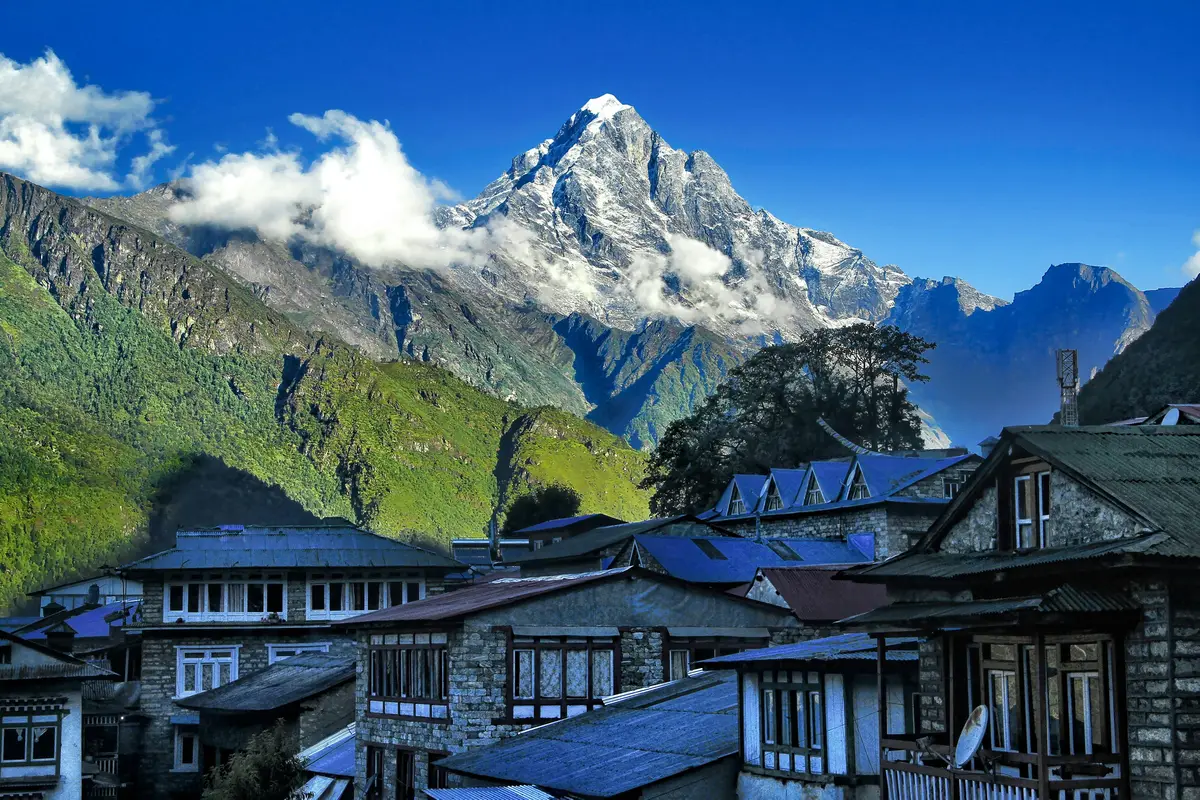
On most popular treks in Nepal you stay in teahouses basic family-owned lodges. They’re not fancy, but they give you a warm bed and a hot meal along with an opportunity to socialize with locals and other travelers.
Expect a communal atmosphere with shared dining areas. Food is more varied than you might anticipate, with menus offering local favorites like dal bhat (lentil soup with rice), momos (dumplings), noodles, pancakes, and even pasta.
Teahouse accommodation is a major aspect of the attraction of Trekking in Nepal. Don’t expect luxury but you should expect warmth, hospitality, and the chance once and for all to get away from the digital age.
Weather and Best Time for Trekking
There are four trekking seasons in Nepal. The best times of the year are spring (March-May) and autumn (September-November) when the weather is clear and the temperature is moderate and the trails in good condition.
Spring: Rhododendrons bloom and produce rainbow-colored
Autumn: Best visibility of the hills and the celebration of Dashain and Tihar festivals.
Winter (Dec-Feb): Cold but less tourist traffic.
Monsoon (Jun-Aug): Best foliage but high rainfall and leeches.
In the case of the first hike, it’s best to stick with the prime seasons.
Local customs and etiquette
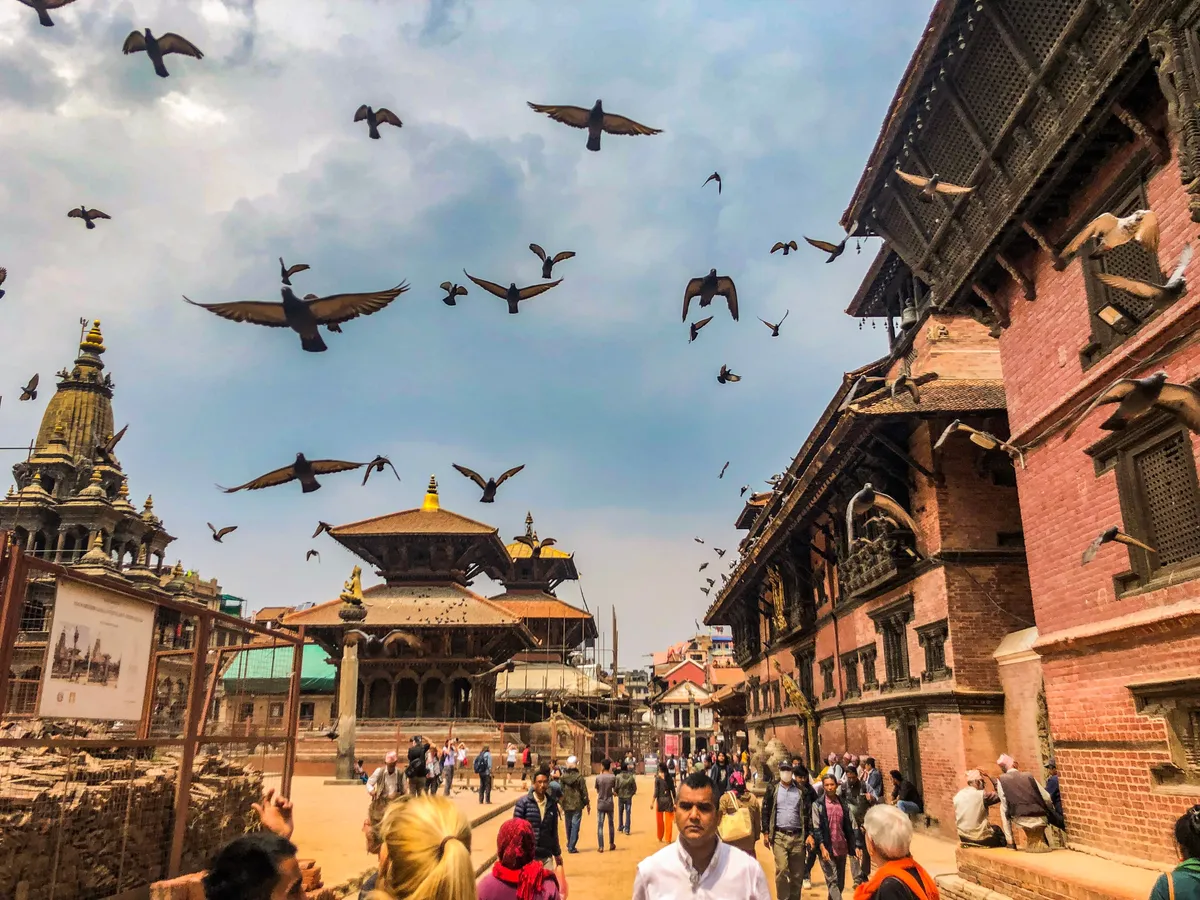
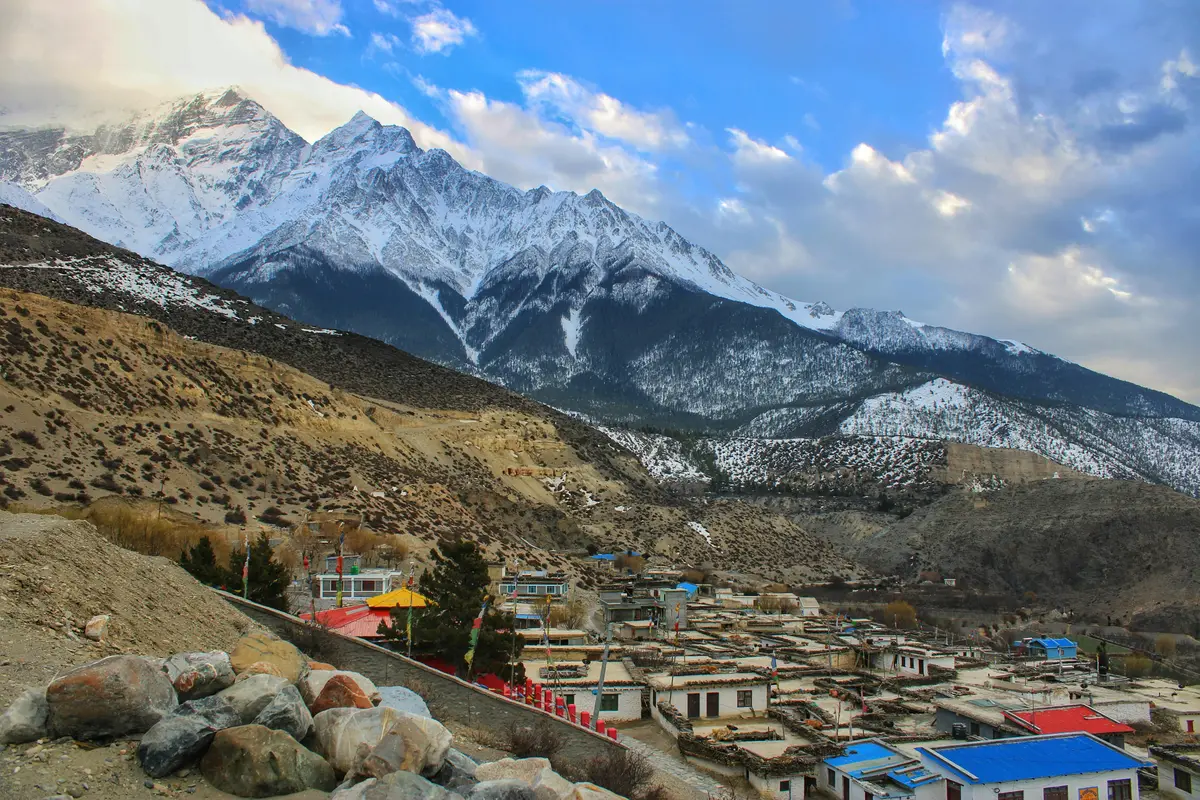
The most rewarding of all is the cultural experience of trekking in Nepal. Nepal’s diverse ethnic groups of Sherpa, Tamang, Gurung, and Rai and others each offer varying customs, languages, and hospitality.
Important etiquette guidelines:
- Be dressed modestly and respect local customs.
- Greet the locals with “Namaste” and a respectful bow.
- Always ask before photographing.
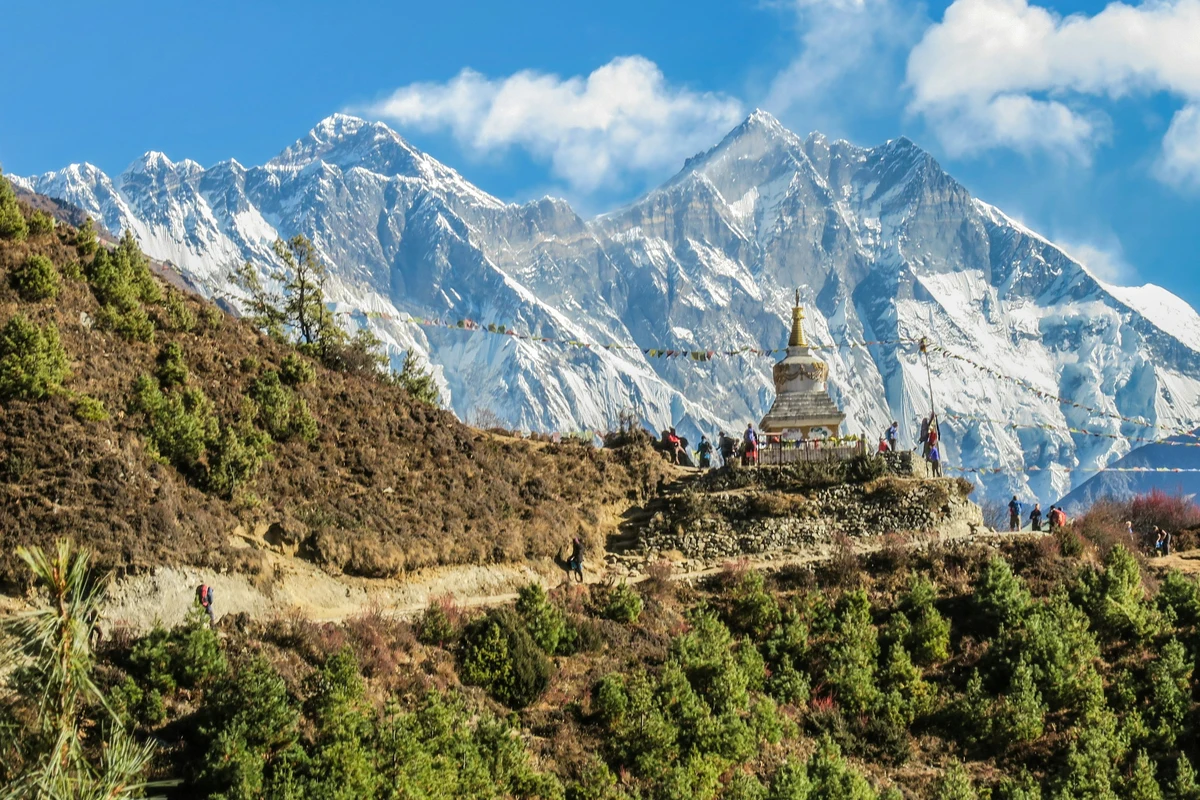
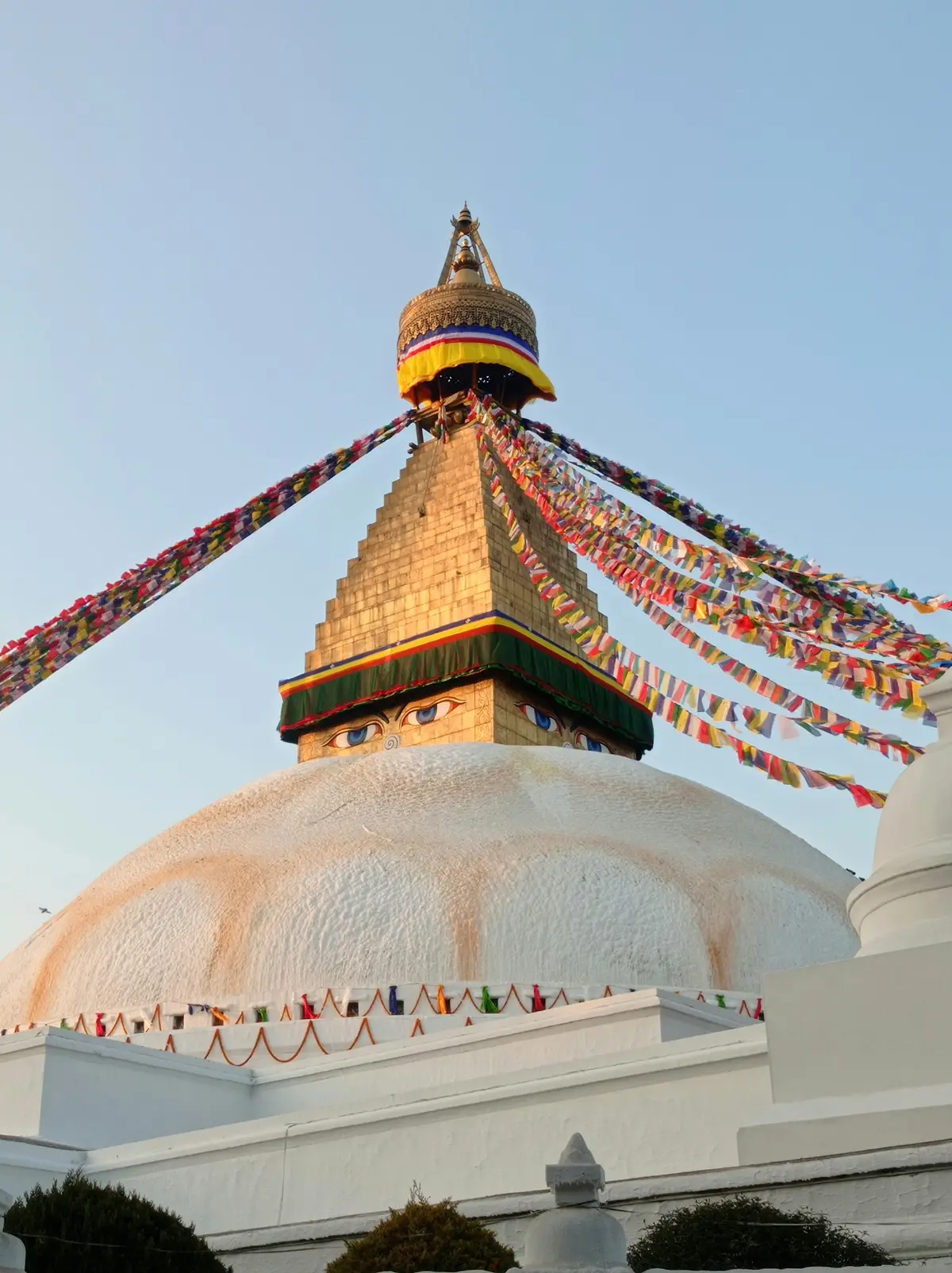
- Circumambulate mani stones and stupas in a clockwise
- Don’t gesture with your feet and don’t touch a person’s head.
- Learning a few Nepali expressions or gaining an awareness of local etiquette enhances your experience and is a demonstration of respect for your host country.
- Safety and Hike with a Guide
- Although independent trekking is possible, it is recommended that you employ the services of a licensed guide or trekking group for your first time. A guide provides:
- Knowledge of the route
- Cultural Analysis and Translation
- Cultural
- First Aid and Altitude Sickness Awareness
- Encouragement and emotional support
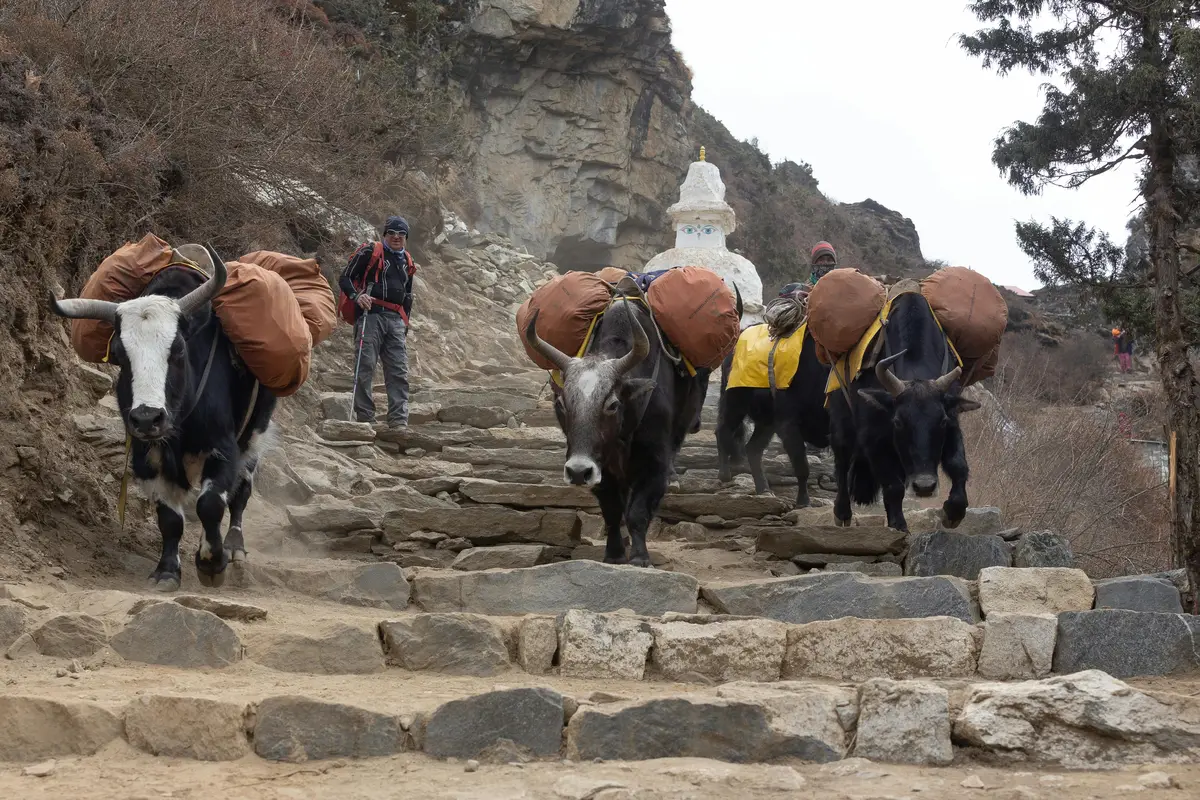
Your gear can also be carried by the porters, and you get the freedom of walking with ease and enjoying the landscapes. Trekkers find that the friendships they establish with guides and porters become one of the most enjoyable aspects of Trekking in Nepal.
Cost and Permits
The cost of trekking in Nepal varies with the destination, duration of the stay, and hiring of guides and/or porters. In general:
Budget: $25-40 a day
Estimated cost: $50-100 per day
Luxury: $150+/day (flights, luxury lodges)
Permits are necessary for most treks and usually entail:
TIMS card (Trekkers’ Information Management System)
National park or conservation area permits (e.g., ACAP, SAGARMATHA NP)
They can arrange these for you or you can get them in Kathmandu or Pokhara. Expect the Unforeseen Regardless of how well you prepare, the Himalayas have their way. Weather conditions, road delays, or unexpected conditions of trails all become a part of the journey. An open heart and a flexible mind are your best guides on the way. Be ready to be challenged but also deeply rewarded. The physical effort, cultural experience, and sense of achievement all mix to make Trekking in Nepal a life-altering experience. Final Thoughts: Savor the Process The trek of a lifetime in Nepal will be one of the most unforgettable experiences of your life.
Your first trek in Nepal doesn’t have to be your last but it will always be your most memorable. By choosing the right trek, preparing properly, and traveling with a reliable company like First Camp Trek, you can turn what might seem like a daunting adventure into one of the greatest journeys of your life.
So go ahead lace up your boots, take that first step, and let the Himalayas work their magic. Because once you experience Trekking in Nepal, you’ll never look at the world or yourself the same way again.