Nepal Beyond the Himalayas: Cultural, Spiritual, and Adventure Tourism
Nepal Beyond the Himalayas: Culture, Spiritual, and Adventure Travel
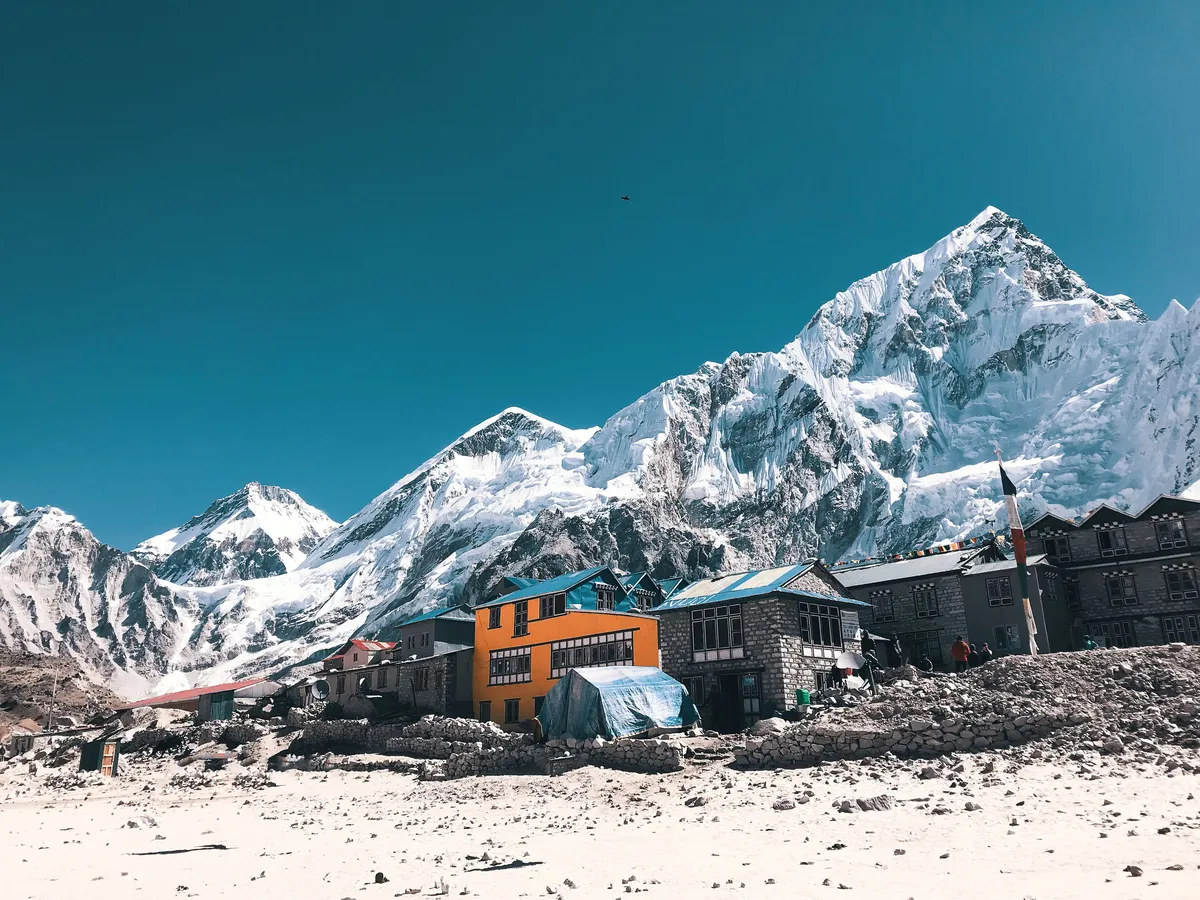
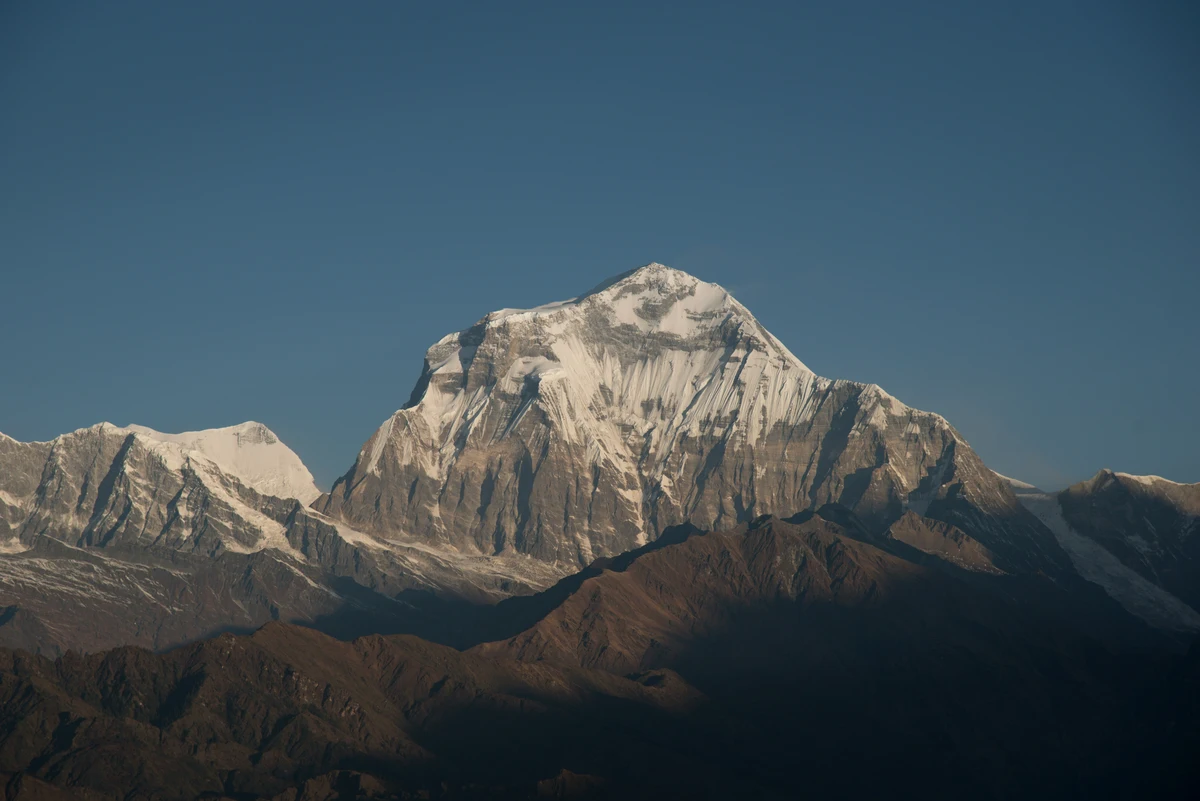
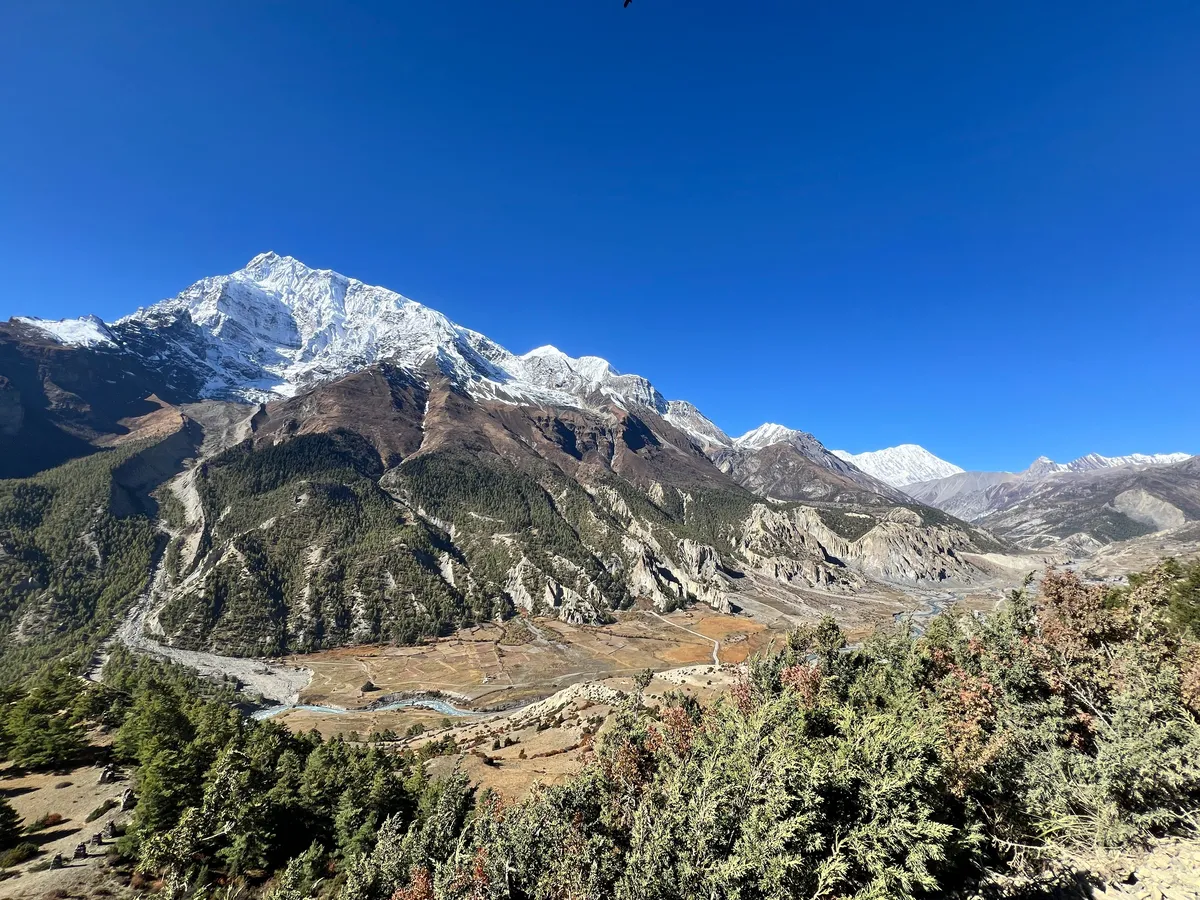
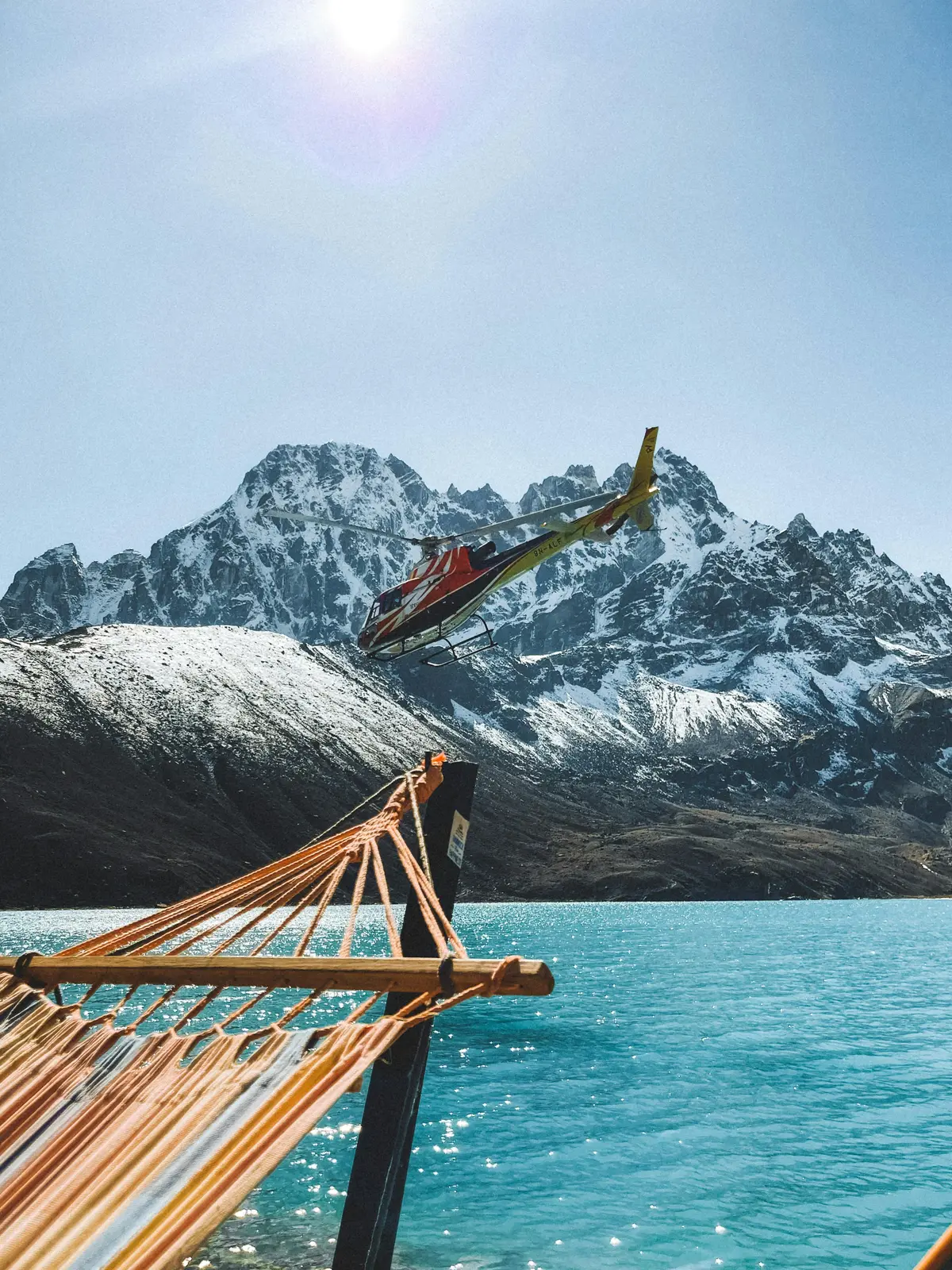
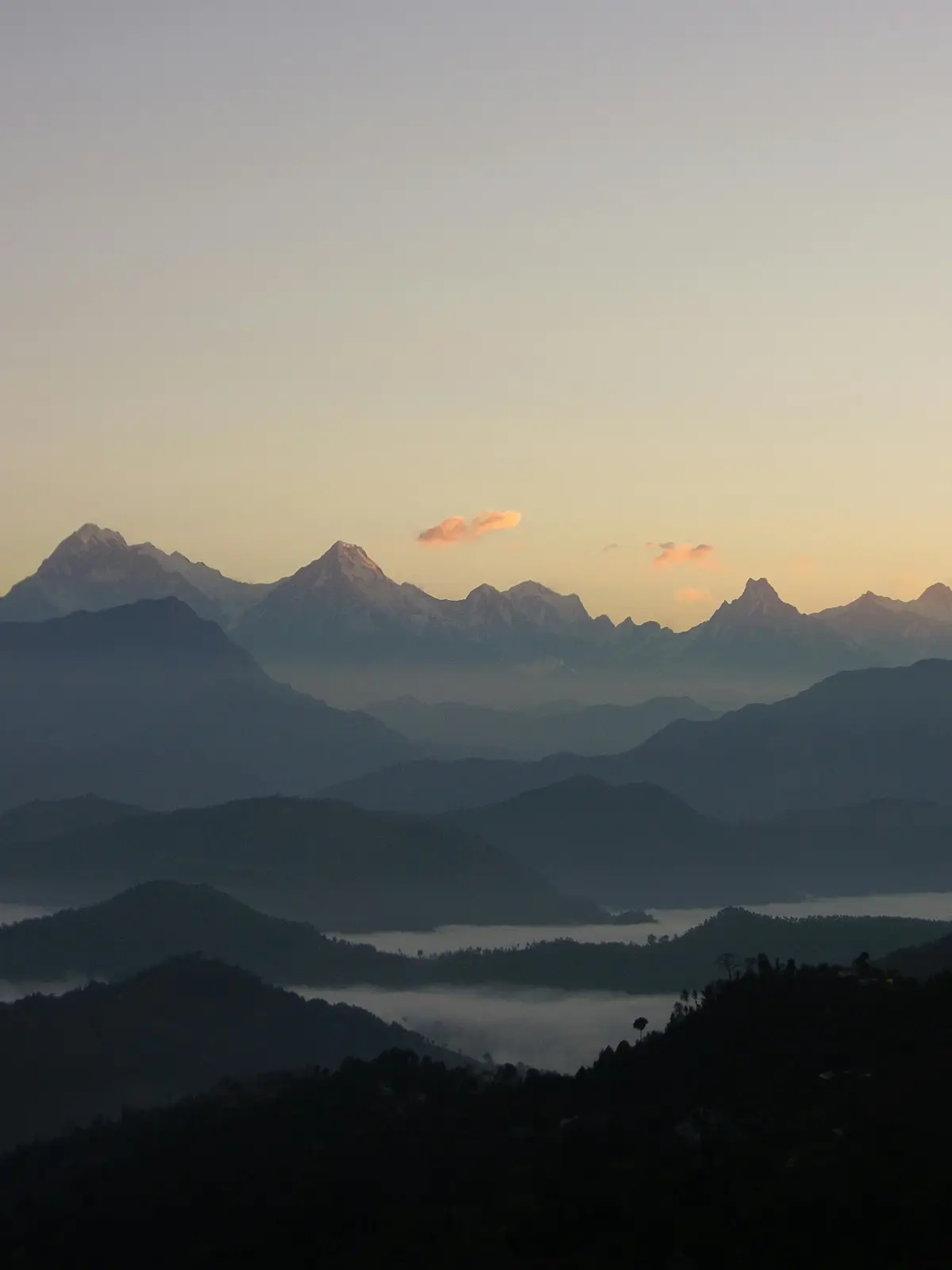
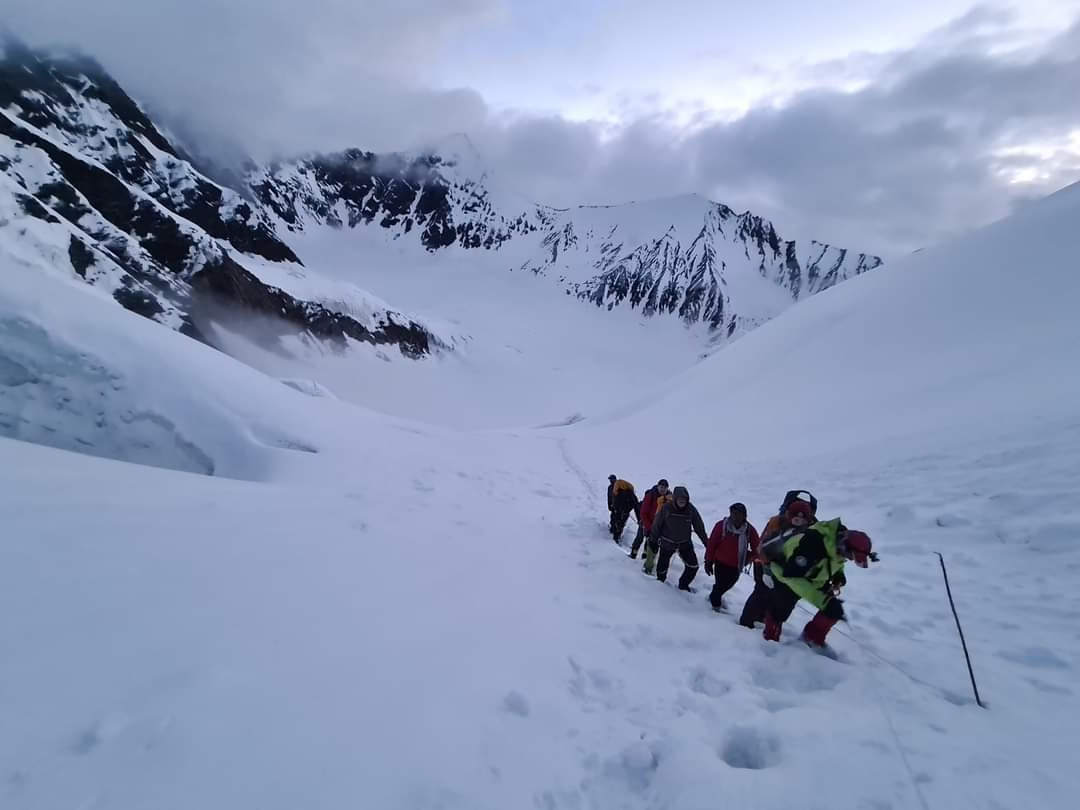
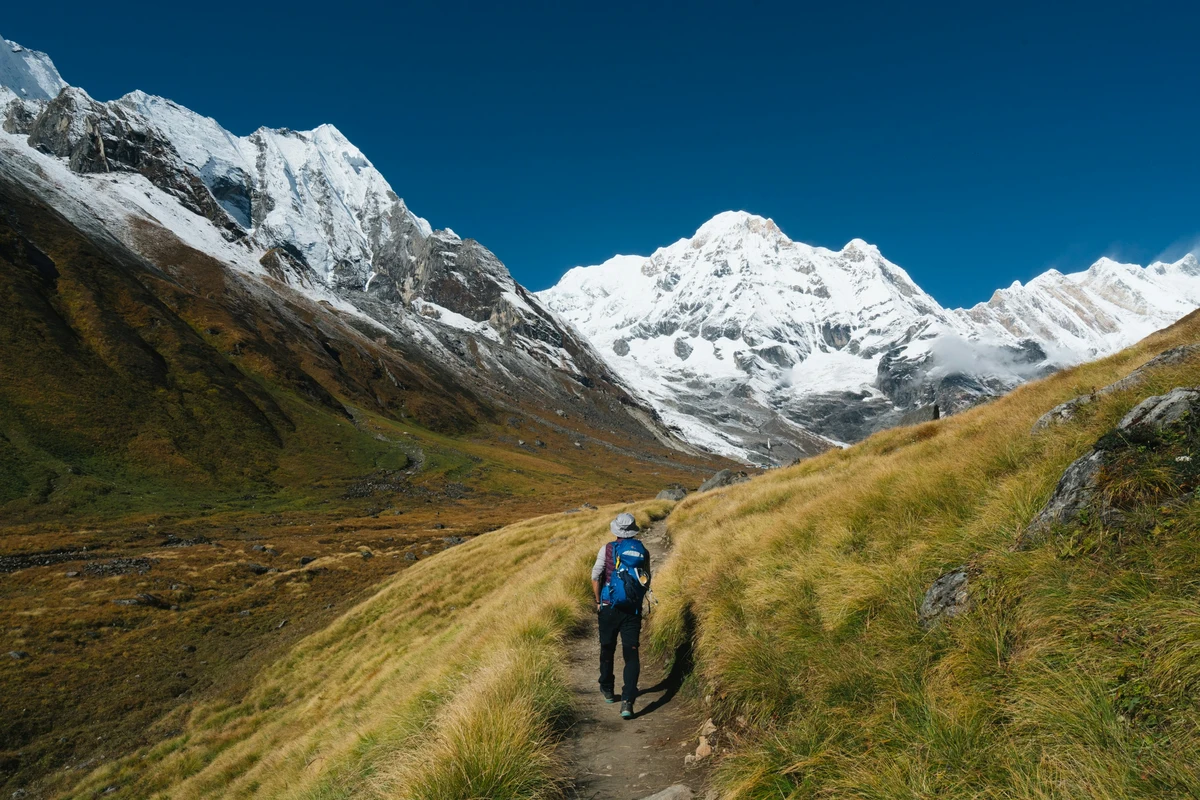
When someone mentions Nepal Himalaya, most minds instantly drift to the snow-covered peaks of Annapurna and Everest. The towering mountains, after all, are Nepal’s crowning jewels, attracting trekkers, climbers, and dreamers from around the world. Yet, Nepal offers much more than just its majestic peaks. It’s a land where culture, spirituality, and adventure converge, offering travelers experiences that go far beyond trekking and mountaineering.
This blog will take you to the heart of Nepal, showing how the Nepal Himalaya is as much about centuries-old culture, sacred sites, and spiritual journeys as it is about trekking, climbing, and thrilling adventures. From bustling cities to serene monasteries, from roaring rivers to festival celebrations, Nepal offers a multi-dimensional experience unlike any other.
1. Attractions of the Nepal Himalaya
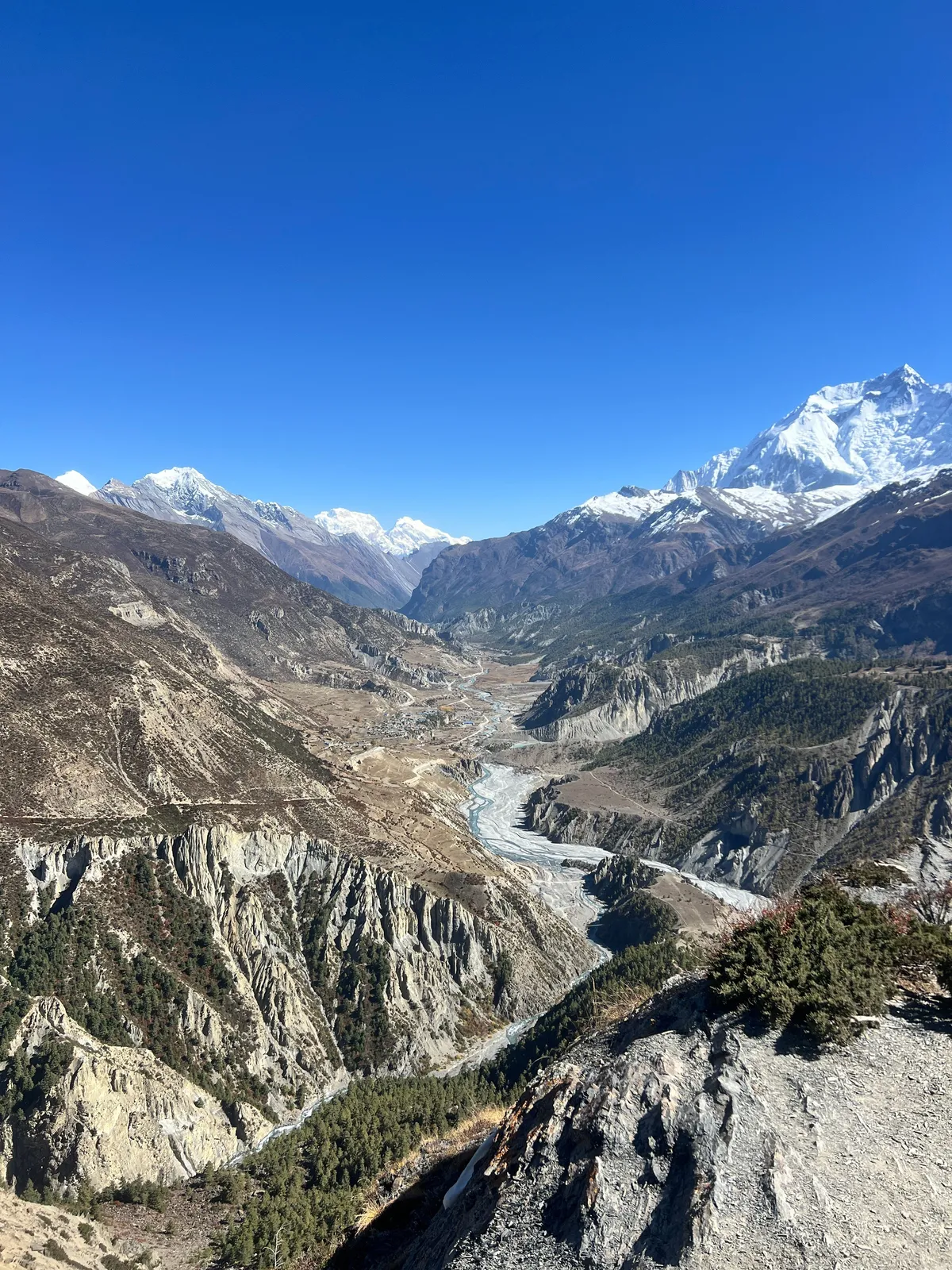
The Nepal Himalaya has long symbolized adventure, human endurance, and the spirit of exploration. From the historic first ascent of Mount Everest to the scenic trails of Annapurna, the region draws adventurers who want to challenge themselves and immerse in raw natural beauty. But the Himalayas are more than physical challenges they are a living cultural corridor, shaped by centuries of interaction between different communities, religions, and traditions.
The mountains serve both as barriers and bridges. They set Nepal apart from Tibet while allowing intermingling of Buddhist and Hindu traditions. This unique paradox makes the Himalayas a spiritual and cultural haven. For adventurers, historians, and seekers of all kinds, there is always something meaningful to experience.
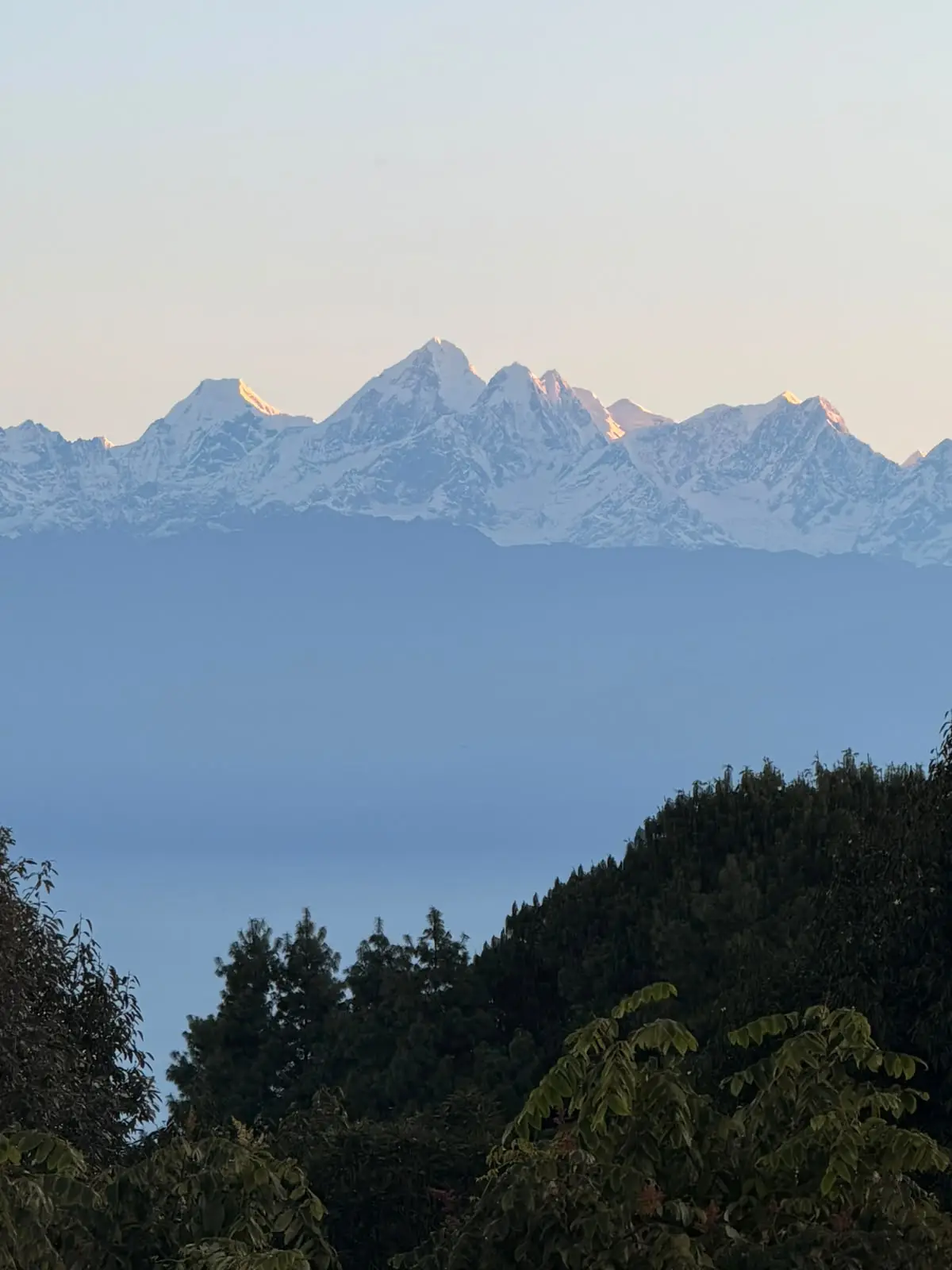
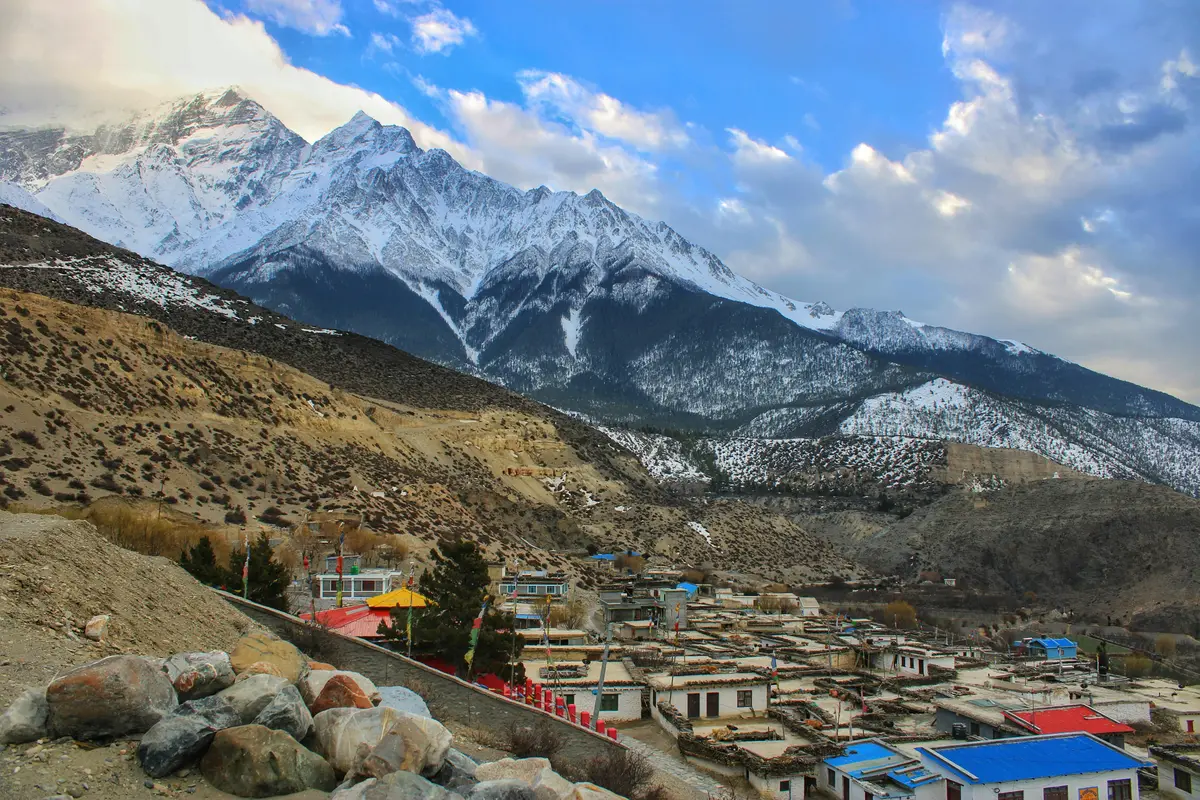
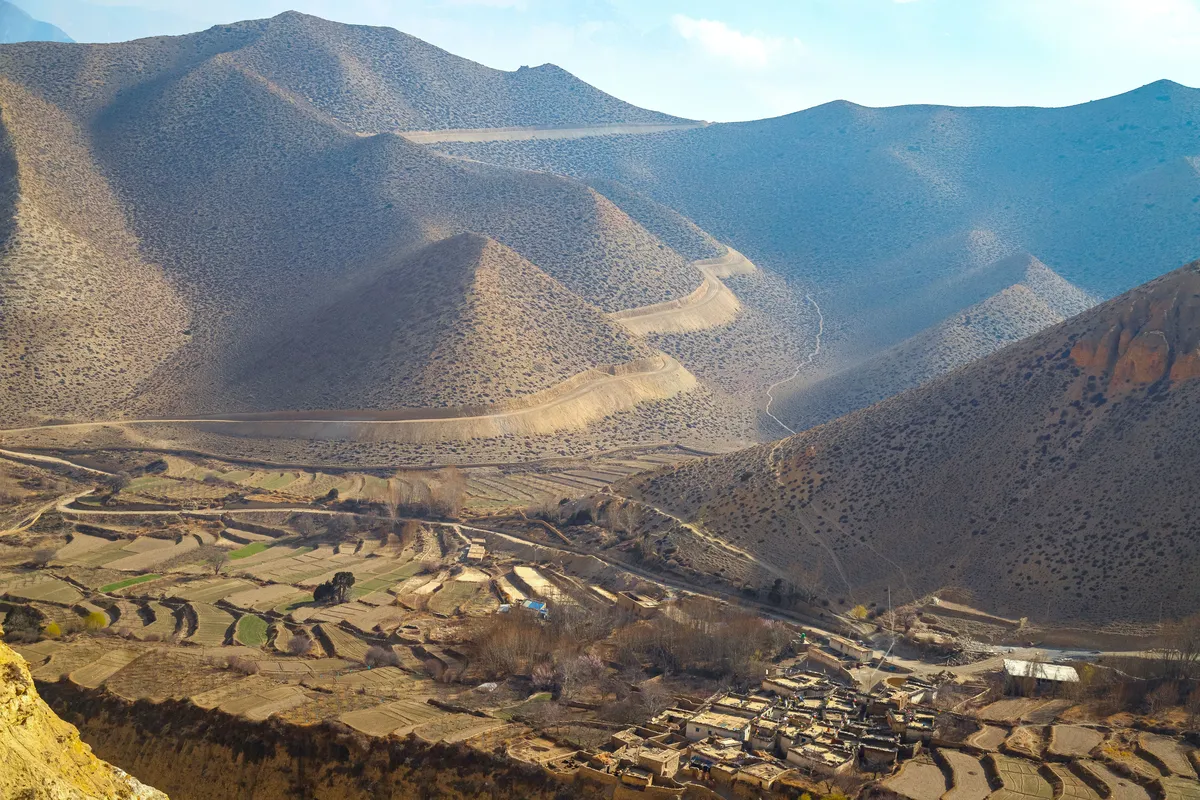
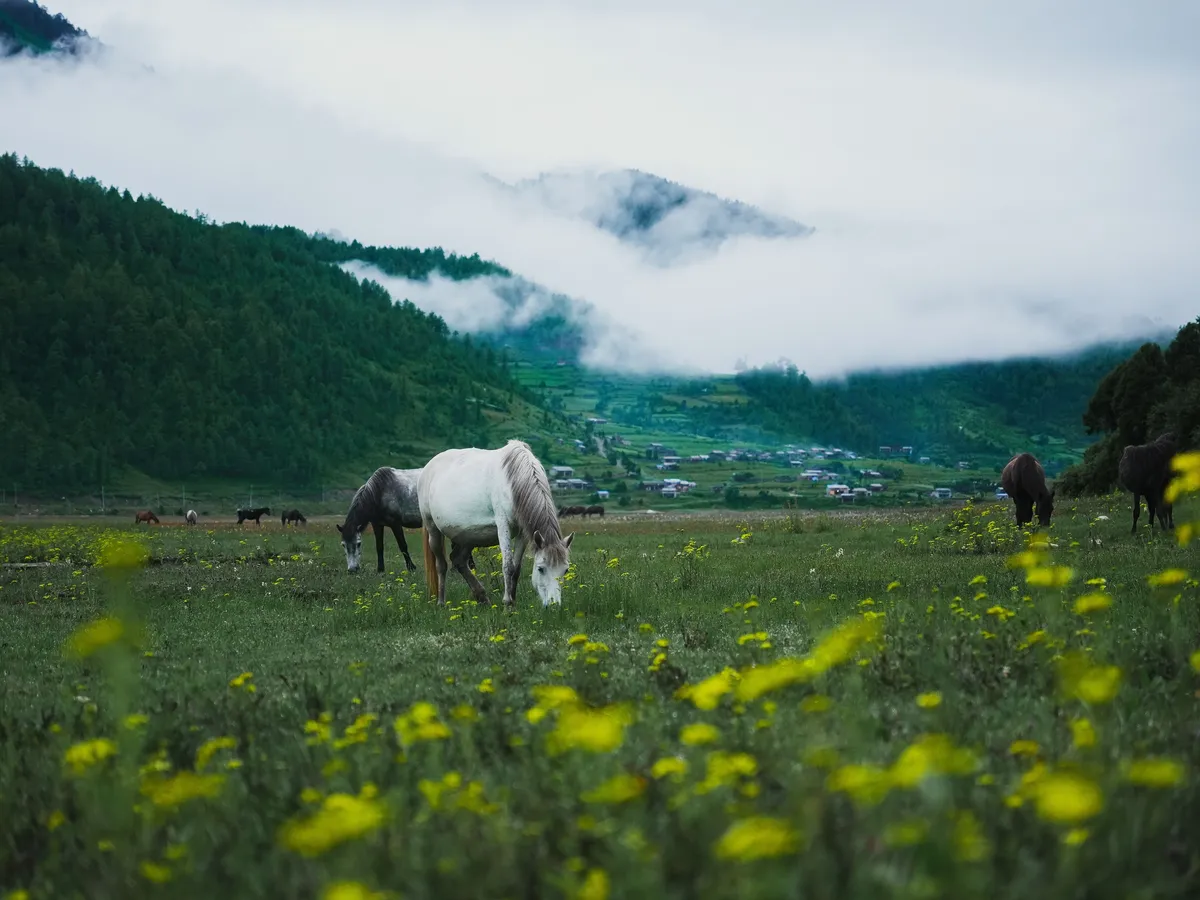
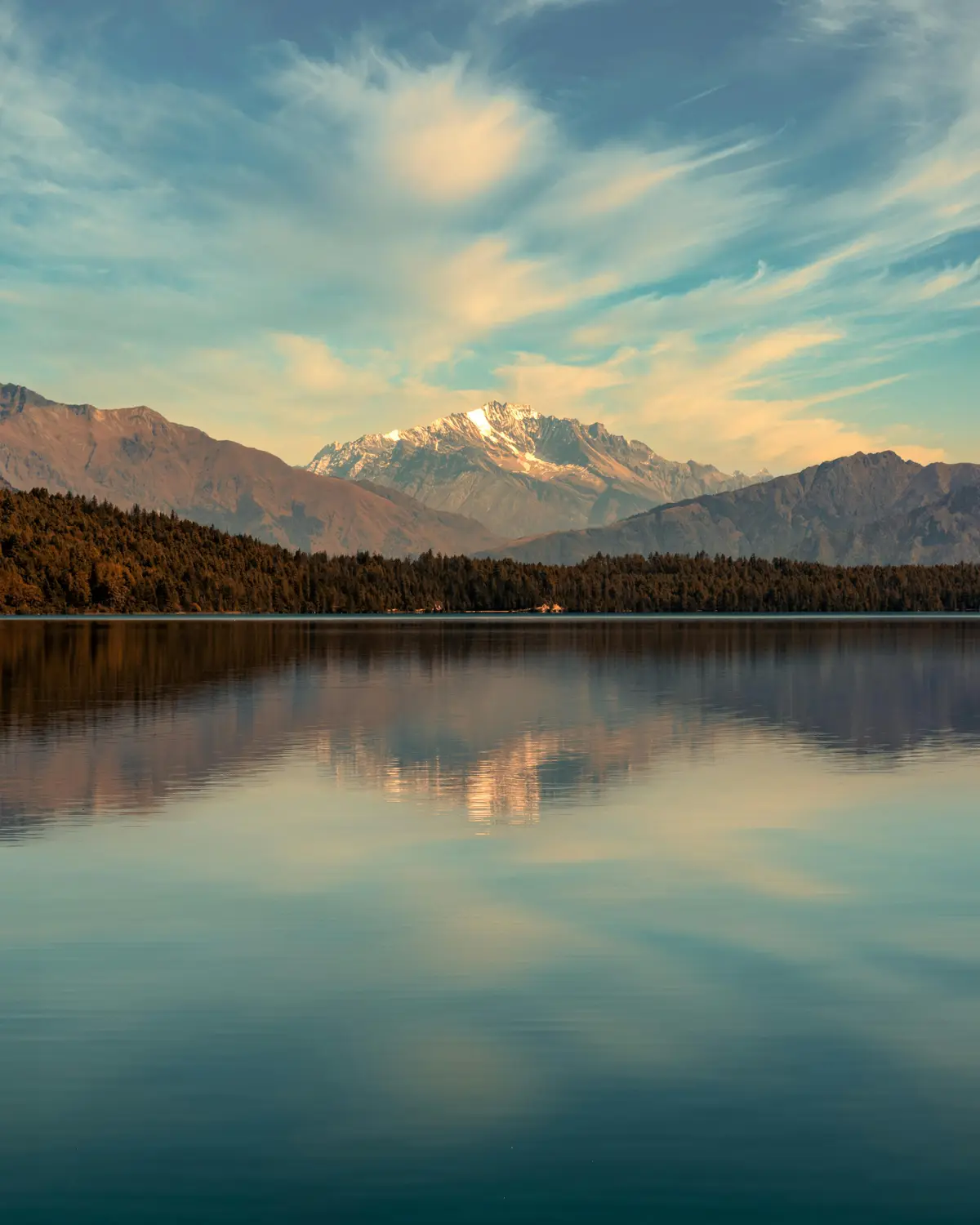
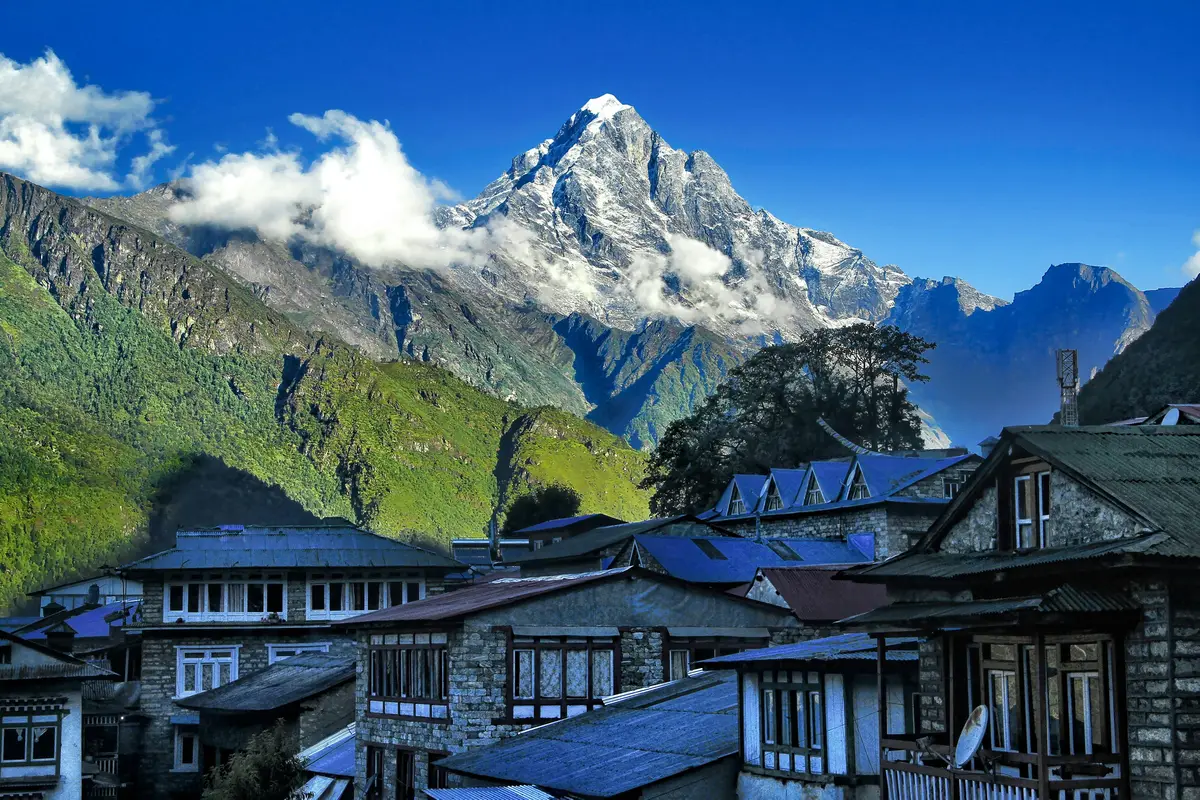
Beyond the sheer majesty of peaks, visitors often find themselves drawn to smaller villages and hidden valleys where the mountains meet the sky and culture thrives. From the terraced fields of Mustang to the high pastures of Langtang, the Nepal Himalaya offers vistas that are both awe-inspiring and humbling.
2. Cultural Tourism in Nepal
Nepal is often called a living museum of culture. The Nepal Himalaya is home to numerous ethnic groups, each with unique languages, customs, and festivals. Every village, town, and valley offers travelers a chance to experience a new slice of life.
Kathmandu Valley – The Cultural Heartland
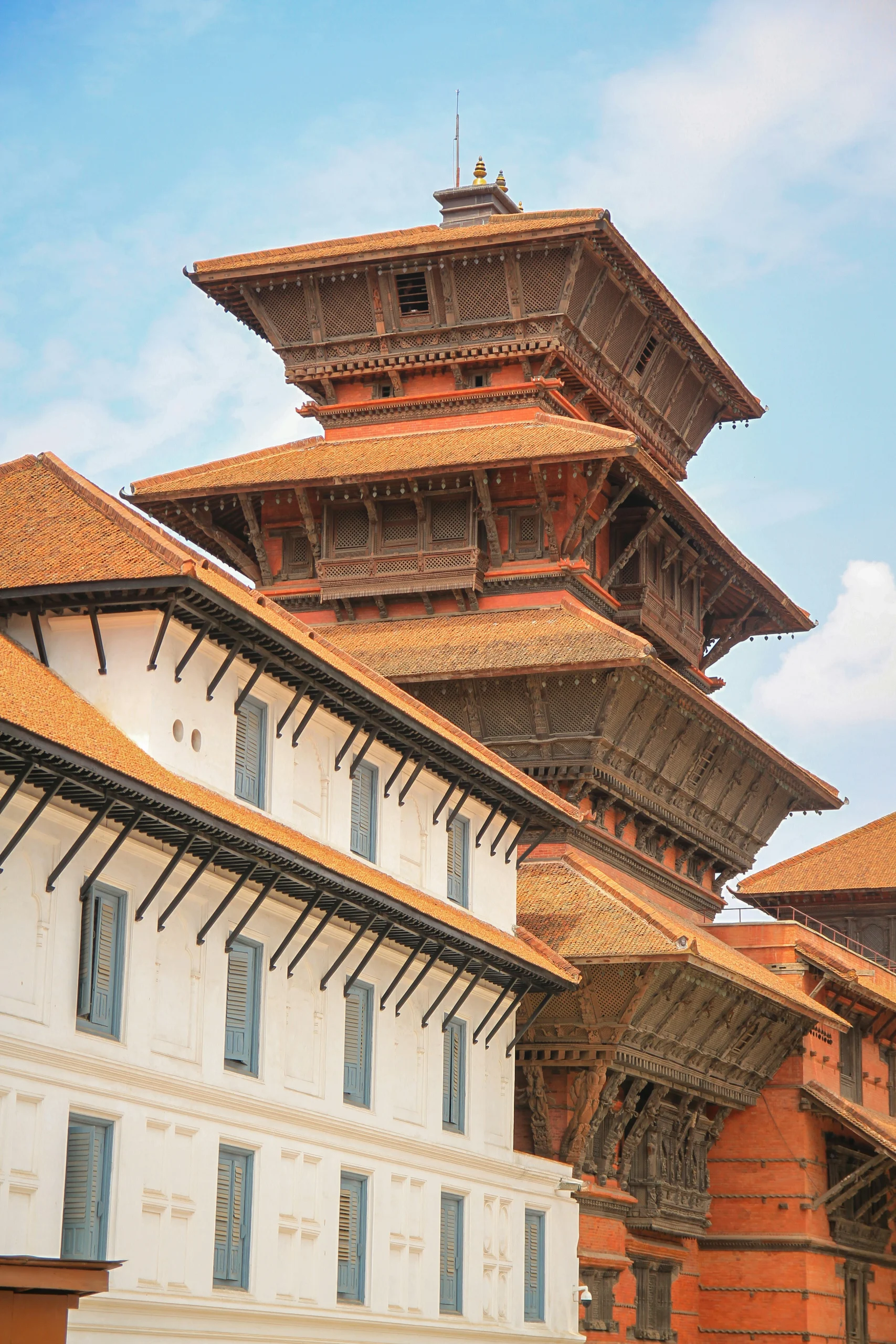
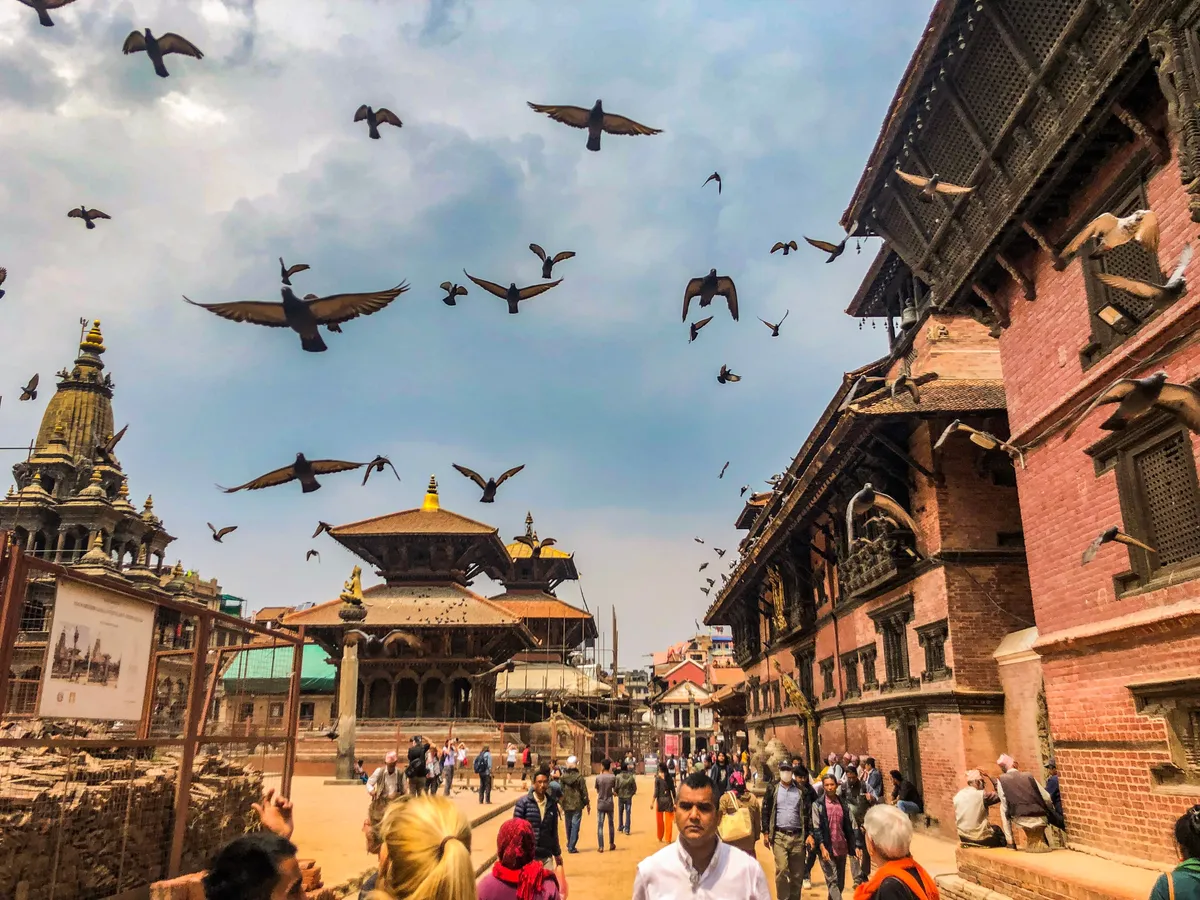
While not part of the high Himalayas, Kathmandu Valley serves as the cultural gateway to the mountains. Cities like Kathmandu, Bhaktapur, and Patan are UNESCO World Heritage sites, brimming with temples, palaces, and ancient courtyards. Walking through Durbar Square or the streets of Bhaktapur is like stepping into a living history book.
Here, travelers witness intricate carvings, historic architecture, and cultural performances that have survived centuries. The valley offers insights into Nepalese culture, blending Hindu and Buddhist traditions, rituals, and artistic expressions in a way that is truly unique to this region.
Himalayan Traditions and Villages
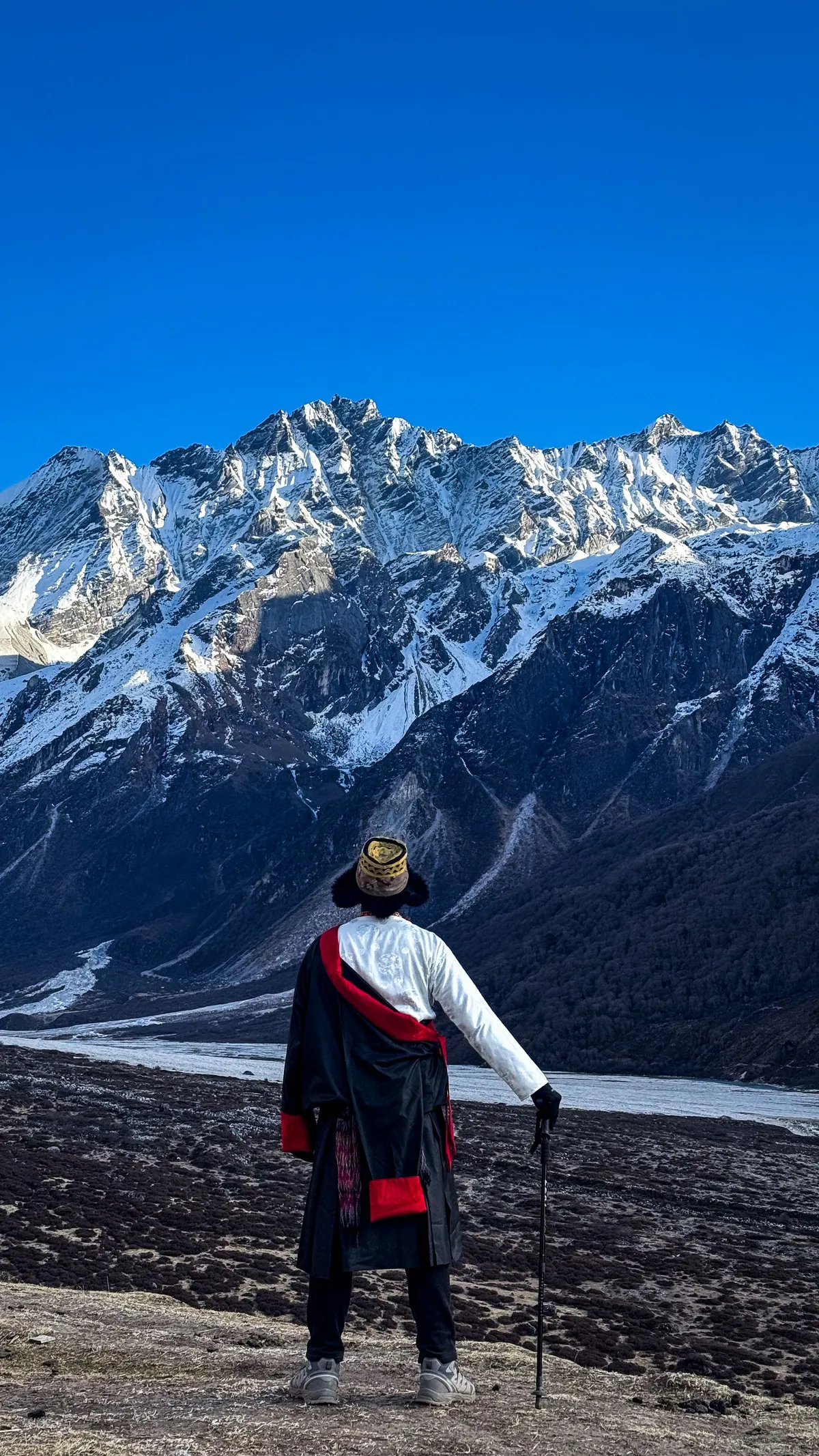
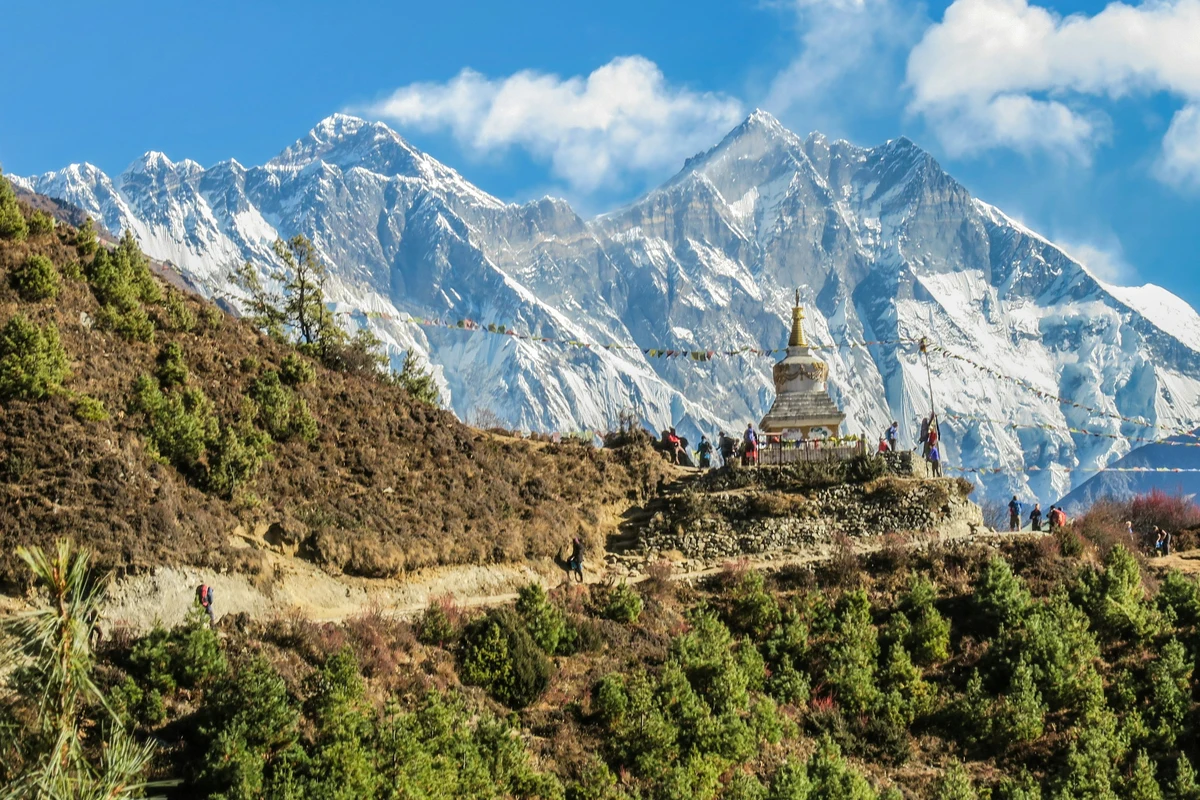
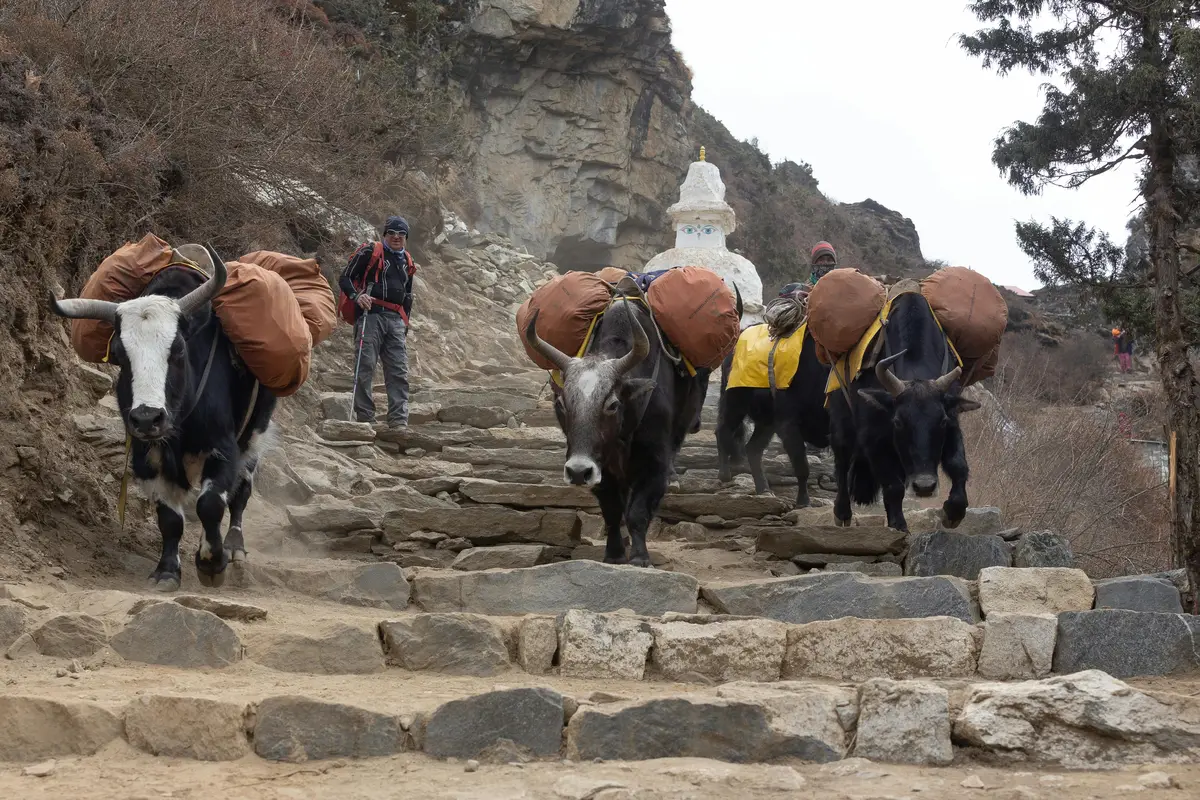
The highland regions offer a different cultural flavor. Sherpas in the Everest region, Gurungs in Annapurna, and Tamangs in Langtang maintain centuries-old traditions that visitors can observe and participate in Trekking through these areas not only reveals the grandeur of the mountains but also the warmth of local hospitality. Travelers may find themselves enjoying traditional songs, tasting local cuisine, or joining festivals like Lhosar, the Tibetan New Year, which is celebrated with vibrant ceremonies and community gatherings.
Visiting these villages allows travelers to connect deeply with the people of the Nepal Himalaya, experiencing their daily lives, stories, and ways of living in harmony with one of the most challenging landscapes in the world.
3. Religiosity and Spirituality in Nepal Himalaya
The Nepal Himalaya is not only a destination for thrill-seekers but also for those seeking spiritual solace. Pilgrims, monks, and sadhus have traveled here for centuries in pursuit of enlightenment, meditation, and divine experiences.
Temples and Stupas
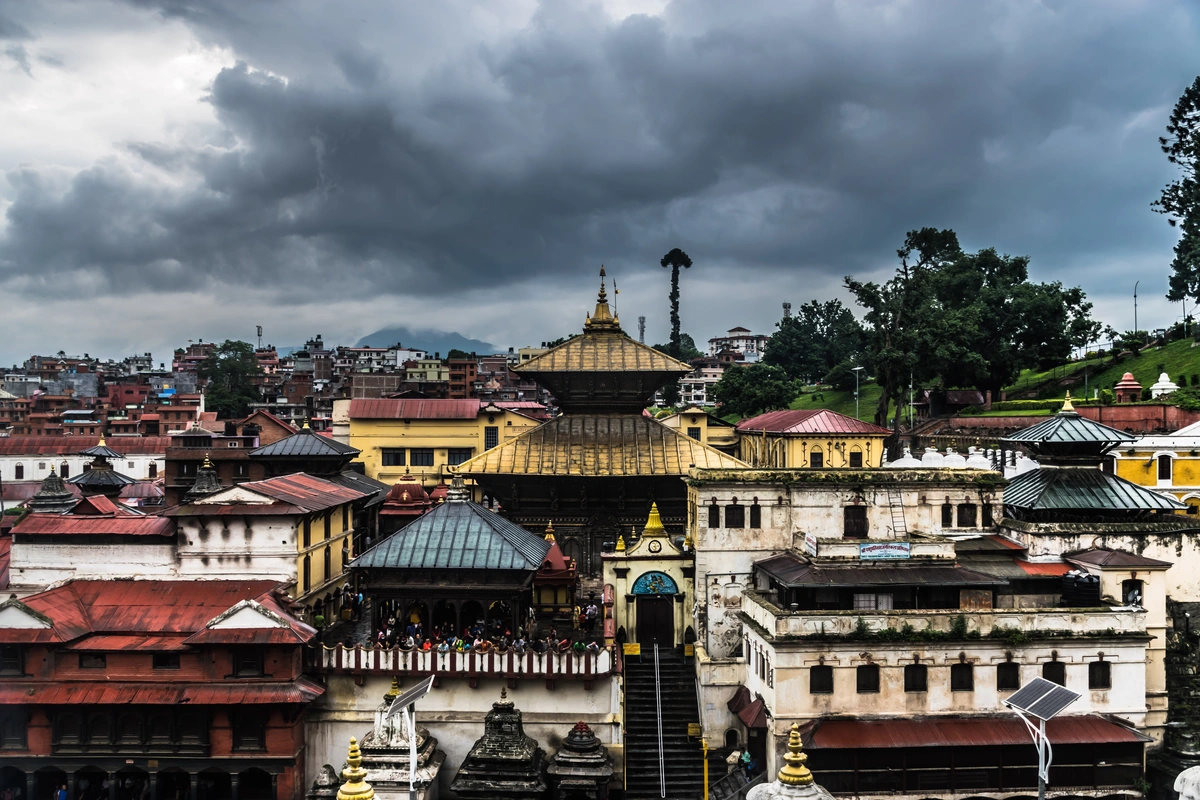
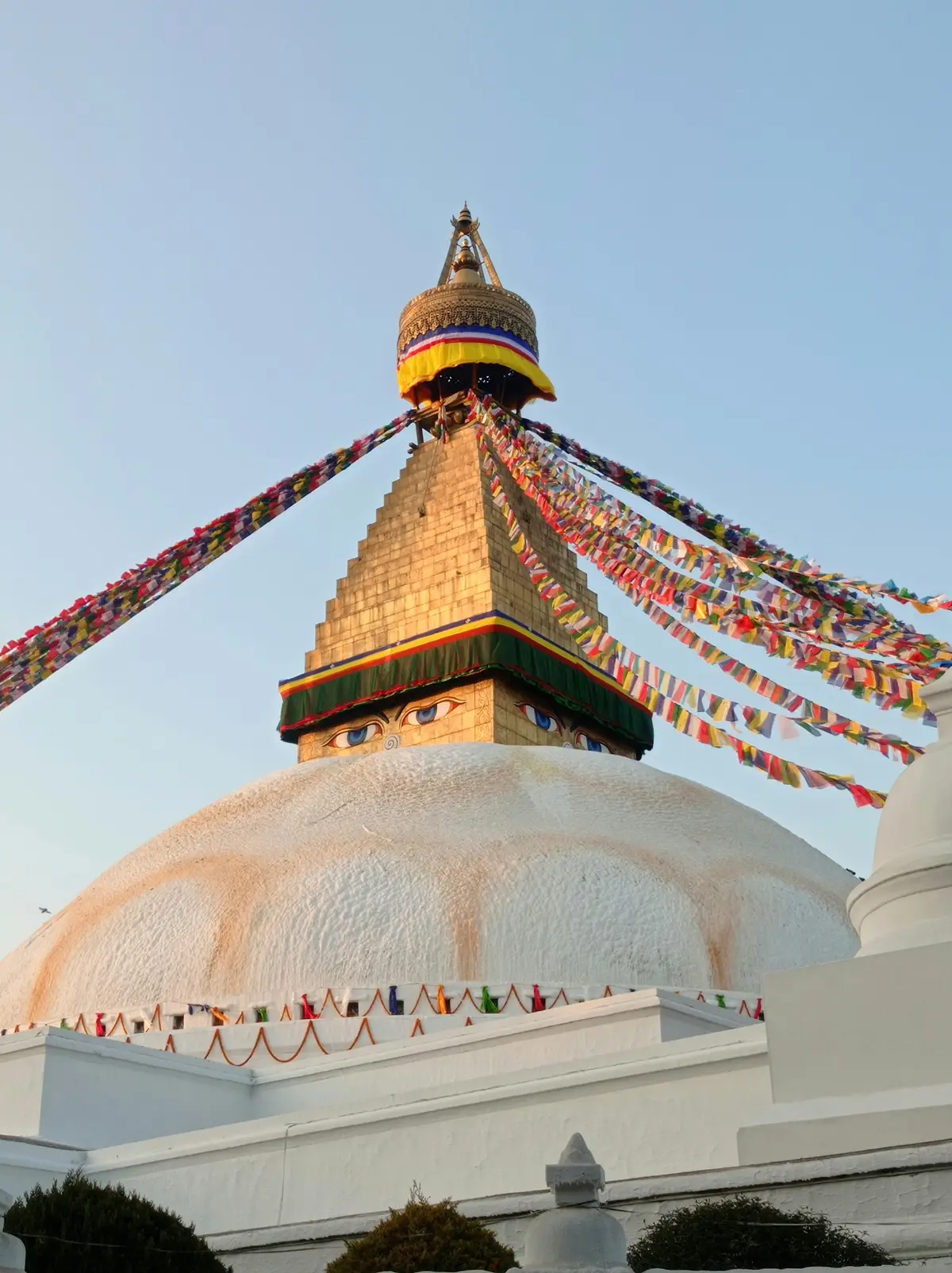
Kathmandu Valley houses some of the most significant religious sites in the world. Pashupatinath Temple, one of Hinduism’s holiest sites, draws thousands of devotees annually. Meanwhile, Boudhanath Stupa, one of the largest Buddhist stupas globally, provides a serene spiritual environment for meditation and reflection. Visiting these sites prepares travelers for deeper exploration into the spiritual side of the Himalayas.
Monasteries in the Mountains
Higher in the mountains, colorful monasteries, or gompas, line the trails. These serve as centers of Buddhist learning and practice. The Tengboche Monastery in the Everest region is particularly famous, offering breathtaking panoramic views of Everest while remaining a hub of spiritual life. Trekking here, watching morning prayers, or even staying overnight provides an authentic glimpse into the religious practices of the region.
Pilgrim Trails
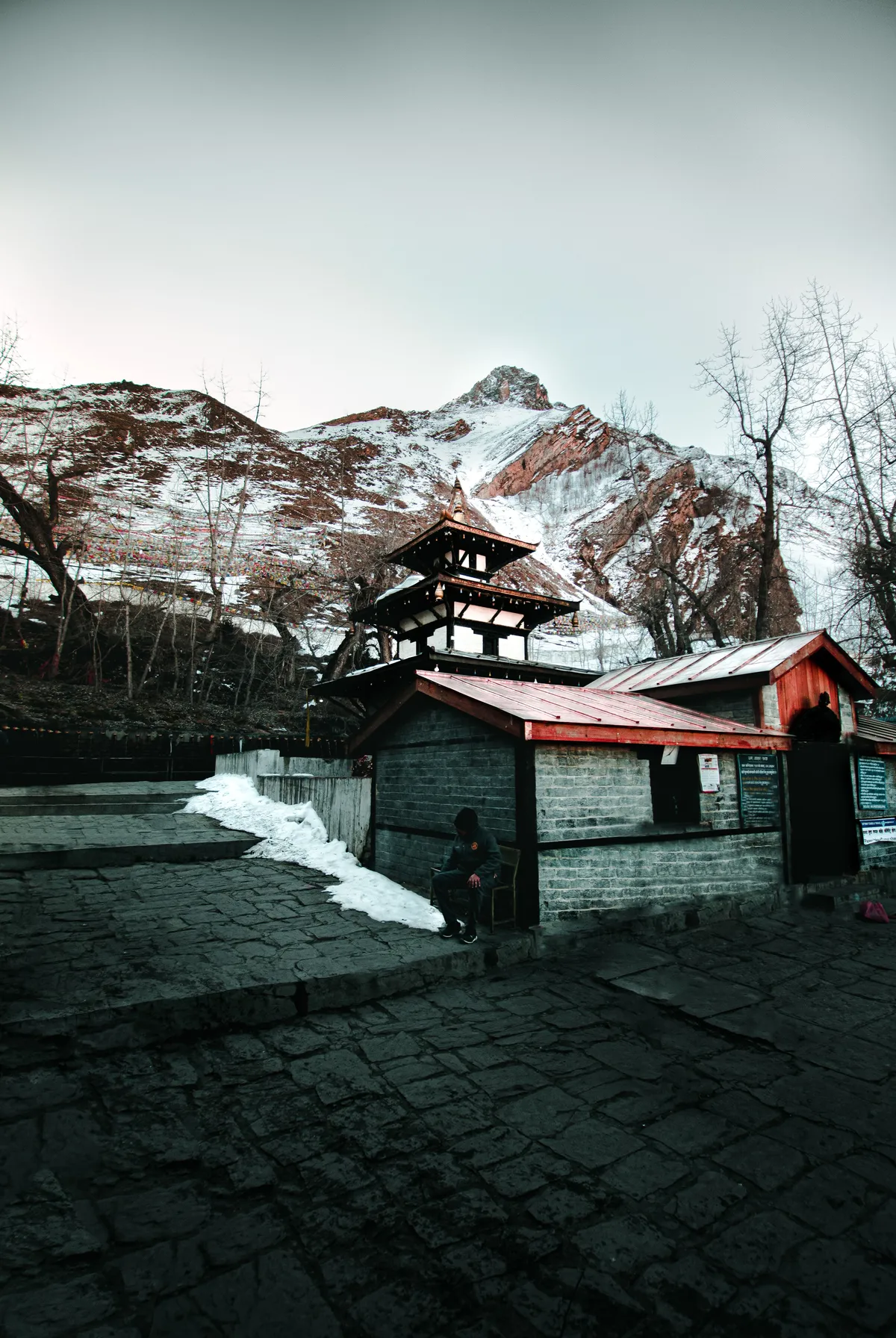
Pilgrimage is another essential aspect of travel in Nepal. Sacred sites such as Muktinath, located in the high Annapurna region, are revered by both Hindus and Buddhists. Thousands of pilgrims journey here annually, combining physical discipline with spiritual devotion. For many, trekking through the Himalayas becomes a form of meditation, blending physical effort with inner reflection.
4. Adventure Tourism Beyond Trekking
While trekking is the most popular adventure in the Nepal Himalaya, the region offers a wide array of activities for thrill-seekers.
White-Water Rafting
Nepal’s glacier-fed rivers are a paradise for rafting and kayaking enthusiasts. Rivers like Trishuli, Seti, and Sun Koshi offer rapids for beginners and experts alike, ranging from gentle flows to adrenaline-pumping torrents. Experiencing these rivers adds another layer of adventure to Himalayan travel, with breathtaking scenery alongside thrilling water rides.
Paragliding in Pokhara
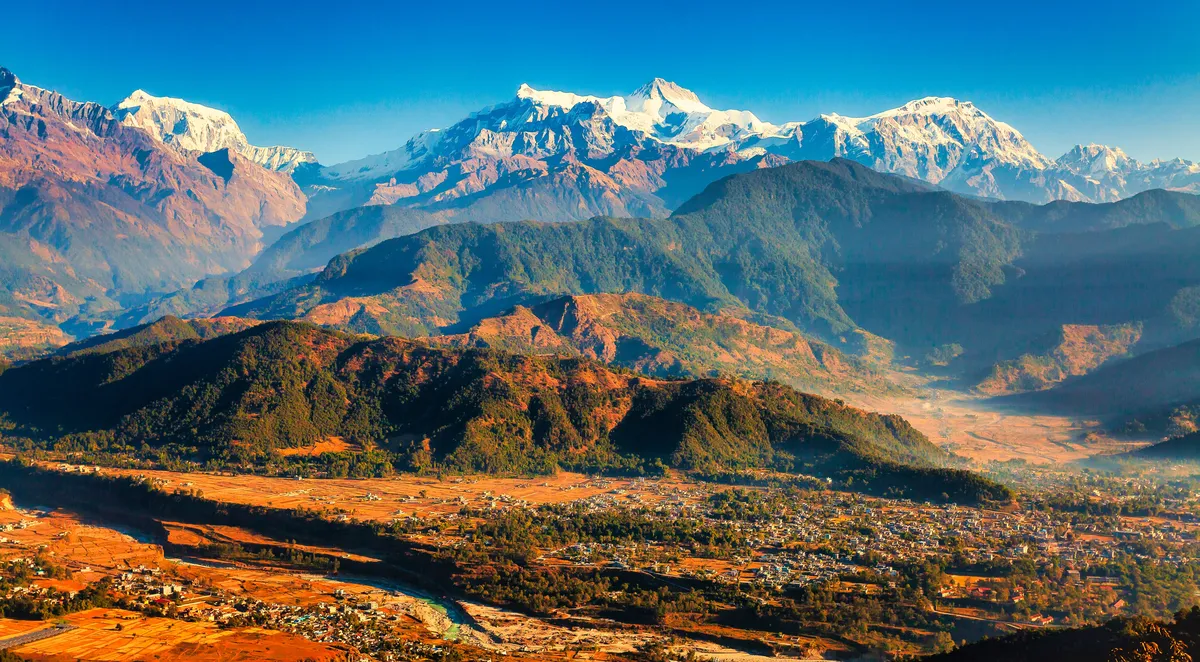
Pokhara, known as the gateway to Annapurna, is also the paragliding capital of Nepal. Flying over Phewa Lake, with the Annapurna range as a backdrop, offers an exhilarating way to appreciate the scale and beauty of the Himalayas. Paragliding here combines adventure with panoramic sightseeing, providing unforgettable memories.
Mountain Biking and Rock Climbing
Nepal is quickly becoming a hotspot for mountain biking, particularly in areas like Mustang and the outskirts of Kathmandu Valley. Trails range from smooth scenic rides to rugged routes that challenge even experienced bikers. Rock climbing is another growing adventure, with challenging cliffs and boulders around Kathmandu offering alternatives to high-altitude climbing.
Wildlife Safaris
It might surprise many, but Nepal offers wildlife adventures alongside its Himalayan treks. National parks like Chitwan and Bardiya provide jungle safaris where travelers can encounter rhinos, tigers, elephants, and exotic bird species. Combining Himalayan trekking with wildlife expeditions offers a diverse and immersive experience in Nepal.
5. Festivals and Celebrations in the Himalayas
Traveling in Nepal during festivals adds a unique cultural dimension to the journey.
-
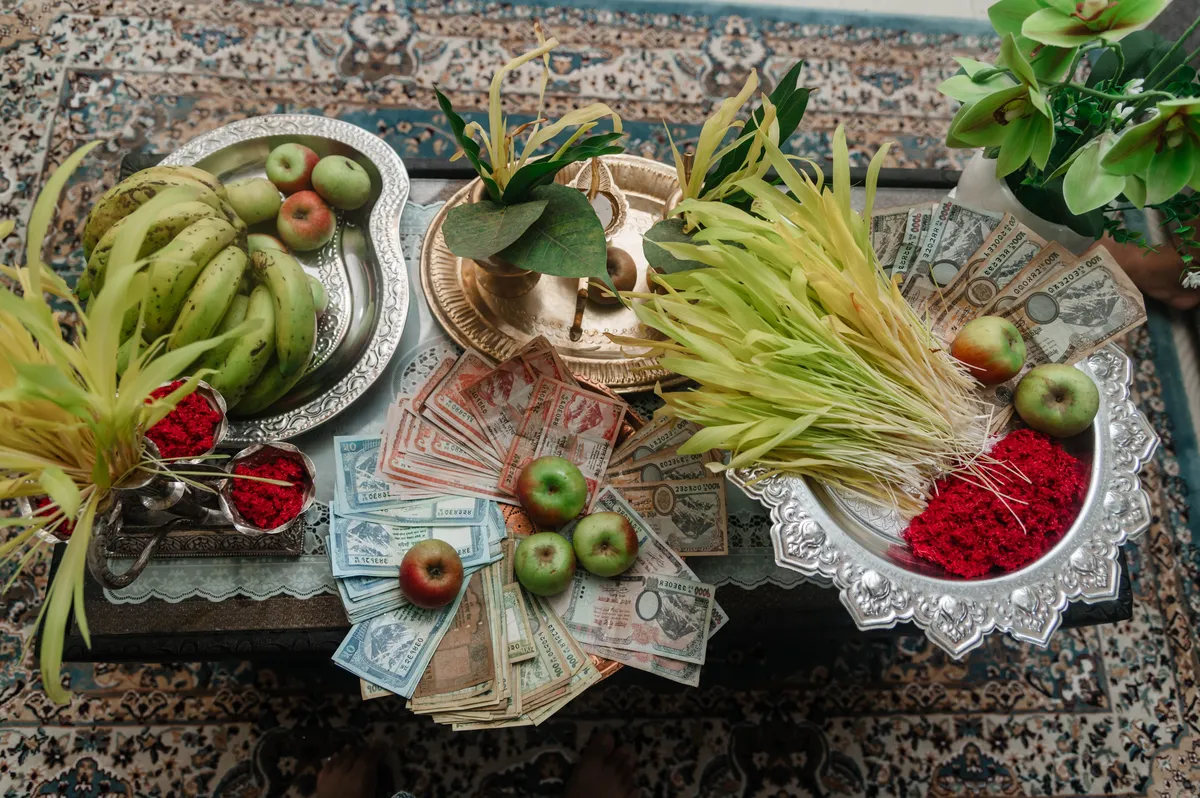
Dashain and Tihar – These are the biggest Hindu festivals celebrated nationwide, marking victory, prosperity, and family unity.
-
Mani Rimdu – A vibrant Buddhist festival celebrated in monasteries around Everest, featuring masked dances and ritual ceremonies.
-
Tiji Festival in Mustang – A three-day festival that reenacts the historical epic of good versus evil with colorful costumes and ancient traditions.
Participating in these festivals allows travelers to experience the heartbeat of the Nepal Himalaya, offering a glimpse into traditions that have been preserved for centuries.
6. Sustainable and Responsible Tourism
With the growing influx of trekkers and tourists, sustainability in the Nepal Himalaya is becoming increasingly important. Trek trails face challenges such as littering, deforestation, and cultural erosion. Responsible travel practices like hiring local guides, avoiding plastics, and respecting cultural norms ensure that the Himalayas remain pristine and culturally intact for future generations.
Why Nepal Himalaya Should Be on Your Bucket List
The Nepal Himalaya is more than just a collection of mountains it’s a blend of adventure, culture, spirituality, and nature. Whether you’re a trekker seeking rugged trails, a pilgrim looking for serenity, or a cultural explorer keen to understand diverse traditions, the Himalayas have something unforgettable for everyone.
Nepal is not just Everest. Every journey here is shaped by the people you meet, the places you traverse, and the culture you experience. From local festivals to spiritual journeys, from river adventures to wildlife safaris, Nepal offers a full spectrum of travel experiences.
Conclusion
When people say they’re visiting the Nepal Himalaya, they often think only of peaks or base camps. But the experience is much richer. Travelers discover temples, monasteries, river rapids, wildlife, and above all, the warm hospitality of the Nepalese people. Visiting the Nepal Himalaya means experiencing Nepal in its entirety beyond mountains, beyond trails, and deep into the nation’s soul.
To have the best experience in Nepal Himalaya, visit our website for exciting travel packages and customized itineraries. [link]