Essential Gear Checklist for Trekking in Nepal
Why the Right Trekking Gear Matters
Nepal’s trails are beautiful, but they can also be unpredictable. One moment you’re walking under bright sunshine, and the next you’re dealing with icy winds or sudden rain. Add long trekking days and high altitudes, and you’ll quickly realize why your trekking gear is your best friend.
Here’s what the right trekking gear does for you:
-
Keeps you warm when the temperature drops below freezing.
-
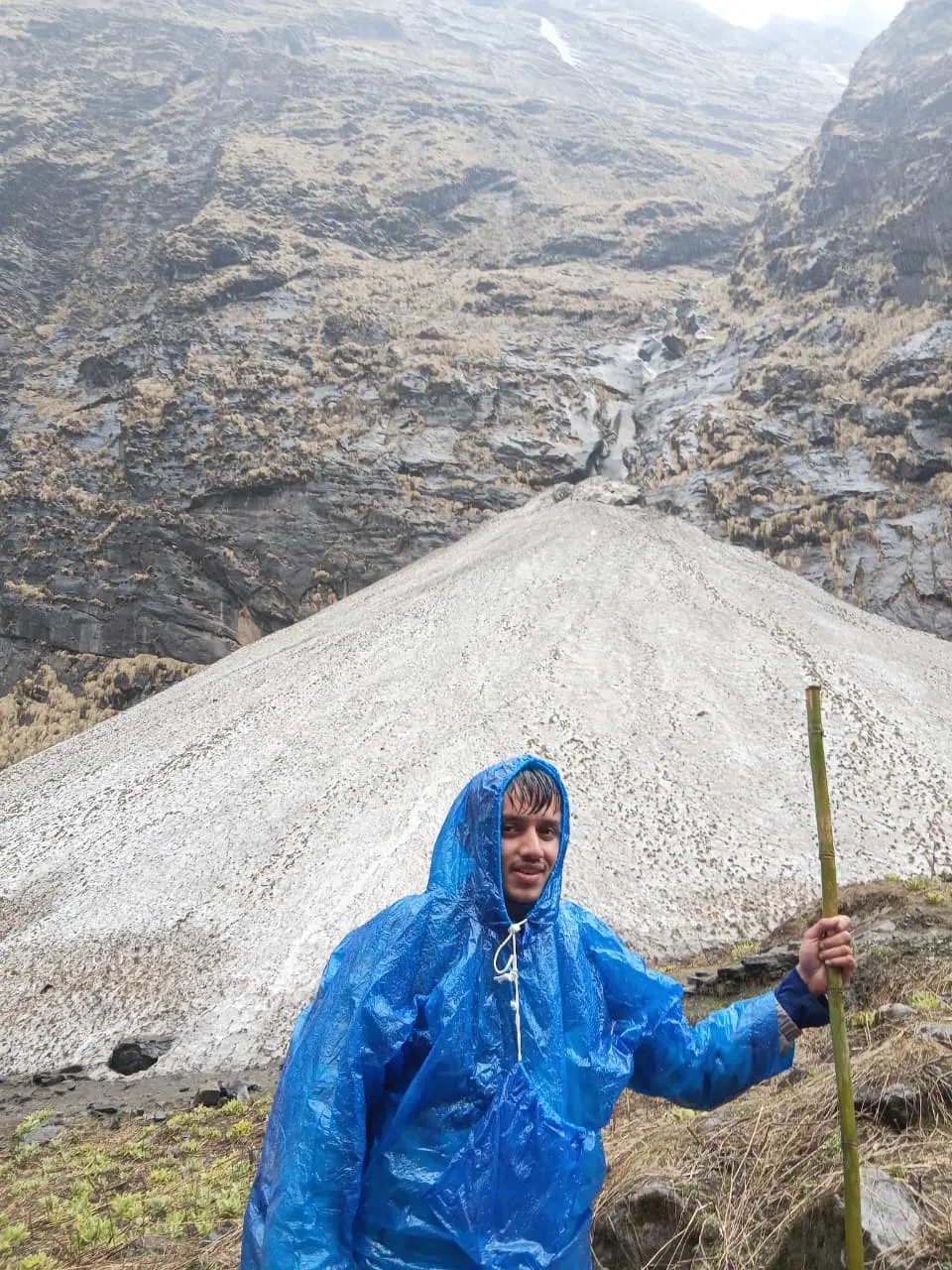
Protects you from rain, snow, and strong Himalayan winds.
-
Prevents blisters and sore muscles.
-
Helps you trek longer and more comfortably.
-
Keeps you safe in emergencies.
Think of your trekking gear as your mountain companion it’s got your back when things get tough.
1. Clothing Essentials for Trekking in Nepal
When it comes to trekking clothes, layering is the golden rule. Temperatures shift drastically from day to night and as you gain altitude, so you need clothing that adapts.
1. Base Layers
These are your first line of defense against sweat and cold. Go for moisture-wicking fabrics like merino wool or synthetics.
-
Thermal tops and bottoms (2–3 pairs)
-
Quick-dry t-shirts (2–3 pairs)
2. Insulating Layers
Once the sun dips or when you’re higher up, insulating layers are what keep you cozy.
-
Fleece jacket
-
Down or synthetic insulated jacket (a must-have trekking gear item)
3. Outer Shell
Nepal’s weather can change in minutes. A good waterproof, windproof jacket is non-negotiable.
4. Trekking Pants and Shorts
-
Convertible trekking pants (handy for warm lower sections)
-
Warm trekking pants for colder trails
-
Lightweight shorts for sunny days
5. Headwear and Gloves
-
Woolen hat or beanie
-
Sun hat or cap
-
Gloves (liners + waterproof outer gloves)
Your clothing is one of the most important parts of your trekking gear think versatility, not bulk.
2. Footwear: The Heart of Trekking Gear
If there’s one place not to cut corners, it’s your footwear. Your feet are doing all the work, so take care of them.
1. Trekking Boots
Sturdy, waterproof trekking boots with ankle support are a must. Break them in before your trek trust me, blisters in the Himalayas are no fun.
2. Camp Shoes
After a long day, your feet deserve a break. Lightweight sandals or sneakers do the trick.
3. Socks
-
Wool or synthetic trekking socks (4–5 pairs)
-
Liner socks to reduce friction
-
Warm thermal socks for cold nights.
Good shoes and socks = happy feet. And happy feet mean a happy trek. That’s why proper footwear is critical trekking gear.
3. Backpacks and Carrying Gear
You’ll be carrying your world on your back, so choose wisely.
-
Main backpack (50–65L) if trekking independently
-
Daypack (20–30L) for essentials (water, camera, snacks)
-
Rain cover – Nepal’s weather can surprise you
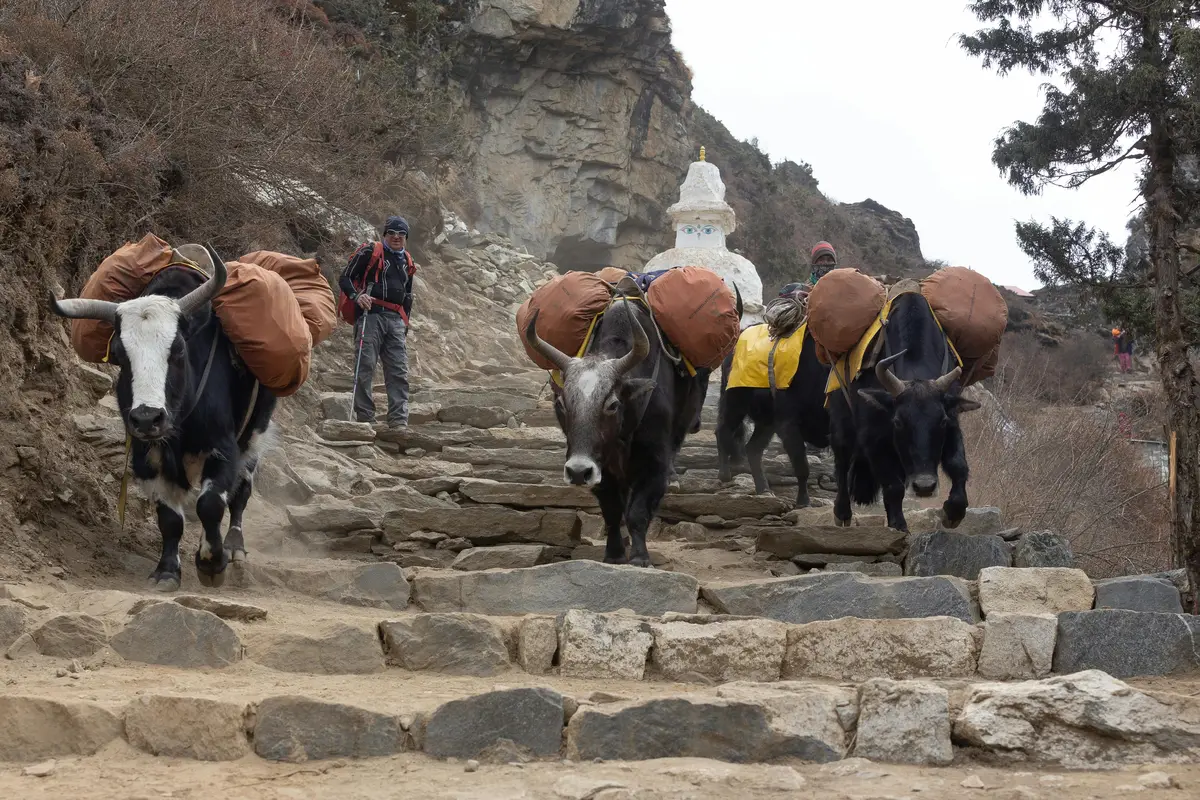
If you hire a porter, keep your bag under 15 kg. Be kind they’re climbing the same mountains as you. A high-quality backpack is essential trekking gear.
4. Sleeping Gear
Tea houses provide blankets, but nights in the mountains can get freezing.
-
Sleeping bag (-10°C to -20°C for high-altitude treks)
-
Sleeping bag liner for extra warmth and hygiene
This part of your trekking gear is often overlooked, but it can make the difference between shivering all night or sleeping peacefully.
5. Must-Have Trekking Accessories
-
Trekking poles: Save your knees on steep trails.
-
Headlamp: Essential for early starts or power cuts.
-
Sunglasses & sunscreen: The Himalayan sun is harsh.
-
Reusable water bottle or hydration bladder: Add purification tablets or a filter don’t rely on buying bottled water.
-
Multi-tool/Swiss knife: Handy in unexpected situations.
-
Dry bags: Keeps your trekking gear safe from rain.
These little things may seem small, but together they complete your trekking gear setup.
6. Health and Safety Essentials
-
First aid kit: Blister pads, antiseptic, painkillers, altitude medication (consult your doctor).
-
Hygiene items: Biodegradable soap, wet wipes, toilet paper, sanitizer.
-
Altitude gear: Diamox (if advised by a doctor), pulse oximeter (optional).
When trekking in Nepal, health gear is just as important as boots and jackets. Don’t forget these trekking gear essentials.
7. Electronics and Gadgets
Electricity can be limited in remote villages, so plan ahead.
-
Camera or smartphone
-
Power bank
-
Universal adapter
-
Solar charger (optional)
8. Snacks and Energy Boosters
Nepali tea houses serve hearty meals, but carrying your own snacks helps when hunger strikes on the trail.
-
Energy bars
-
Dried fruits and nuts
-
Electrolyte powders
9. Permits and Documents
Not technically “gear,” but equally important.
-
Conservation area or national park permits
-
Copies of your passport and photos
-
Travel insurance (must cover trekking and altitude)
10. Packing Tips for Trekking in Nepal
-
Keep it light: Don’t overpack every kilo feels heavier at altitude.
-
Organize smart: Use packing cubes or dry bags.
-
Comfort over style: Practical > fashionable.
-
Test before you go: Break in boots, try out jackets.
-
Rent in Nepal if needed: Kathmandu and Pokhara have affordable rental shops for sleeping bags, jackets, and poles.
Final Thoughts
Trekking in Nepal is one of the most incredible journeys you can take. The views, the culture, the challenge it all stays with you forever. But remember, the mountains reward those who come prepared. The right trekking gear isn’t just about comfort; it’s about safety, confidence, and making the most of every moment.
So pack smart, travel light, and embrace the adventure. With the right trekking gear on your back and a spirit full of excitement, Nepal’s trails are ready to welcome you. Ready to explore? Book your trek with FirstcampTrek and make your Himalayan dream a reality.