Trekking vs Peak Climbing in Nepal: Which Adventure is Right for You?
Trekking vs Peak Climbing in Nepal: Which Adventure is Right for You?
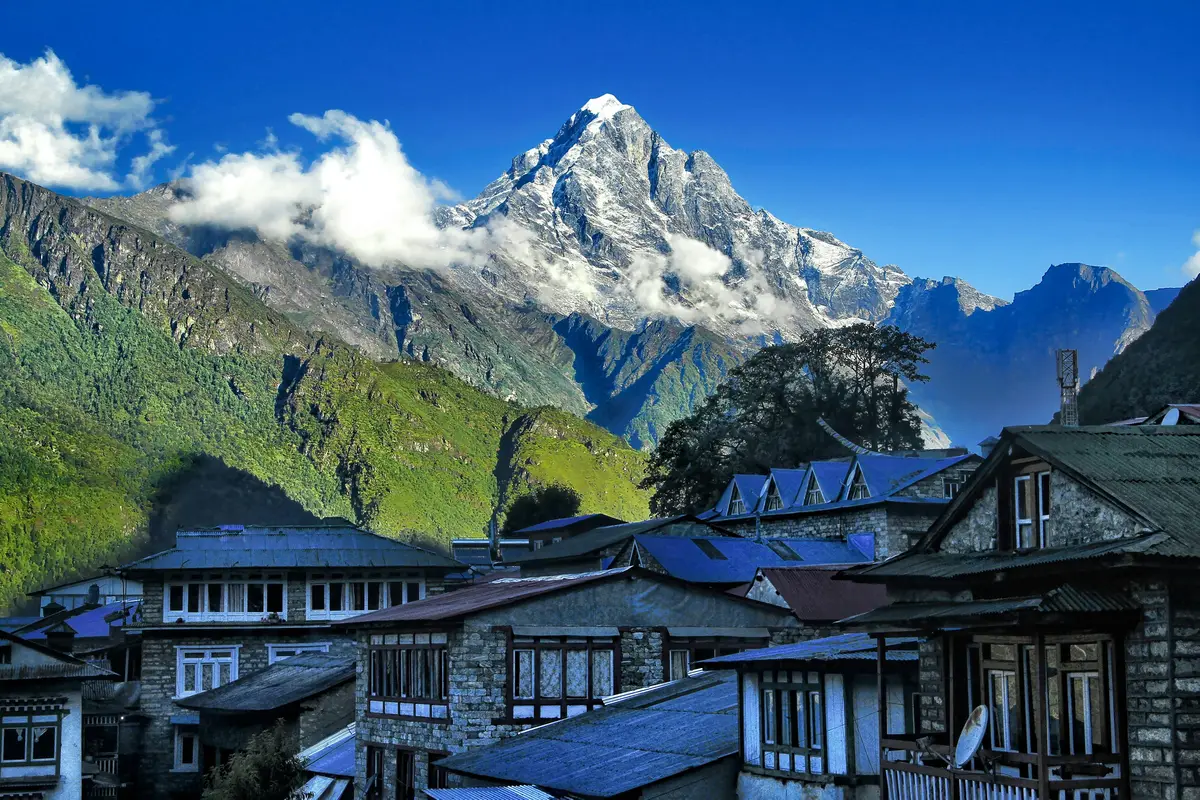
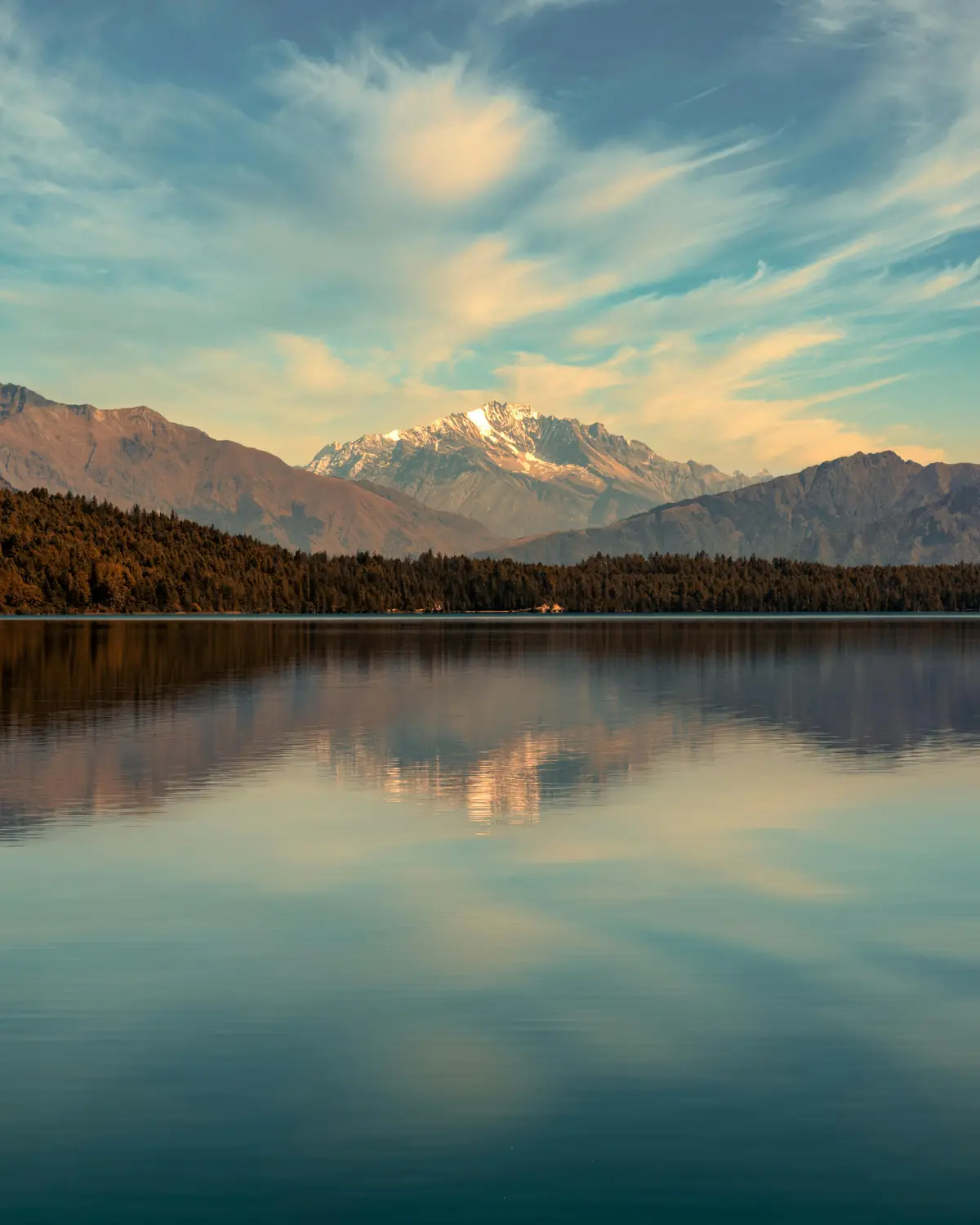
When people think of Nepal, the first images that often come to mind are snow-capped Himalayan peaks, fluttering prayer flags, and trails that lead to breathtaking vistas. Adventure lovers from around the world come here with one question in mind: Trek vs peak climbing which is right for me?
It’s a fair question. Both trekking and peak climbing in Nepal promise incredible experiences, but they aren’t the same journey. Trekking takes you through cultural villages, lush valleys, and high-altitude trails, while peak climbing pushes you beyond trekking into the world of ropes, crampons, and summits.
If you’re planning your Himalayan adventure and can’t decide between trek vs peak climbing, this guide will break down the differences, share highlights of each, and help you choose the adventure that matches your spirit.
What is Trekking in Nepal?
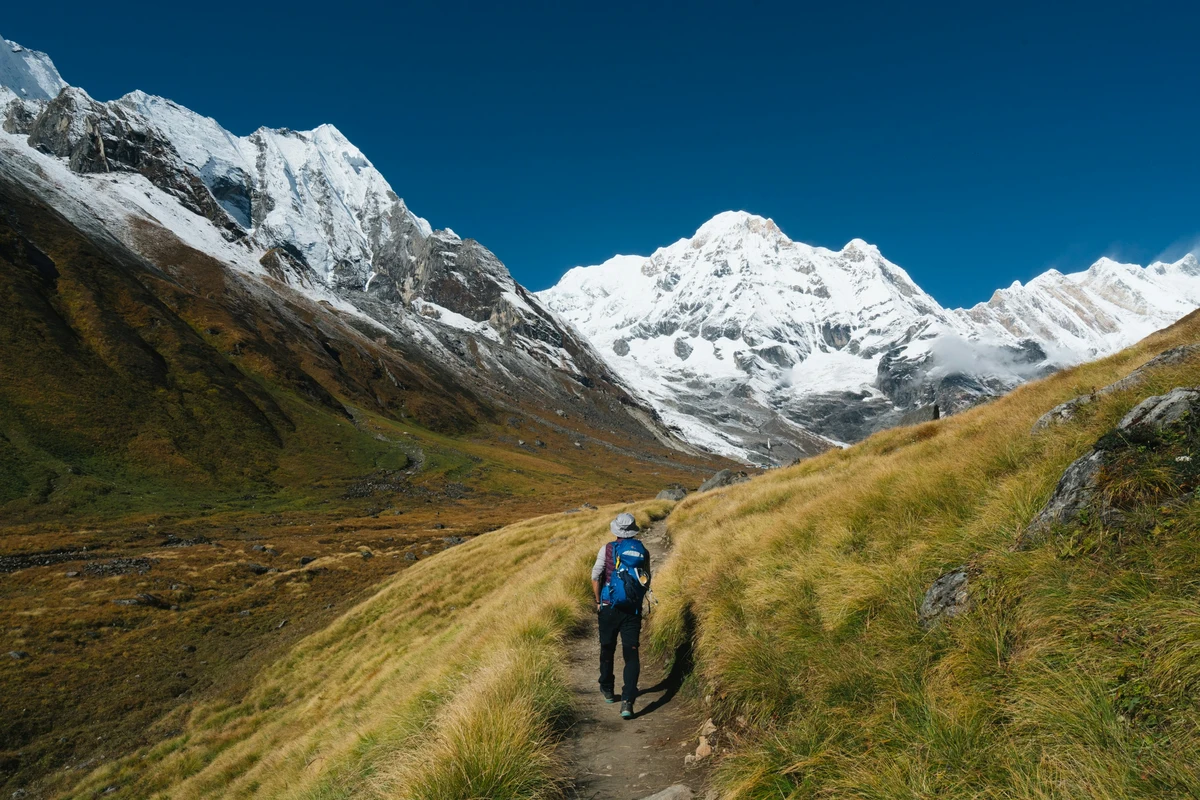
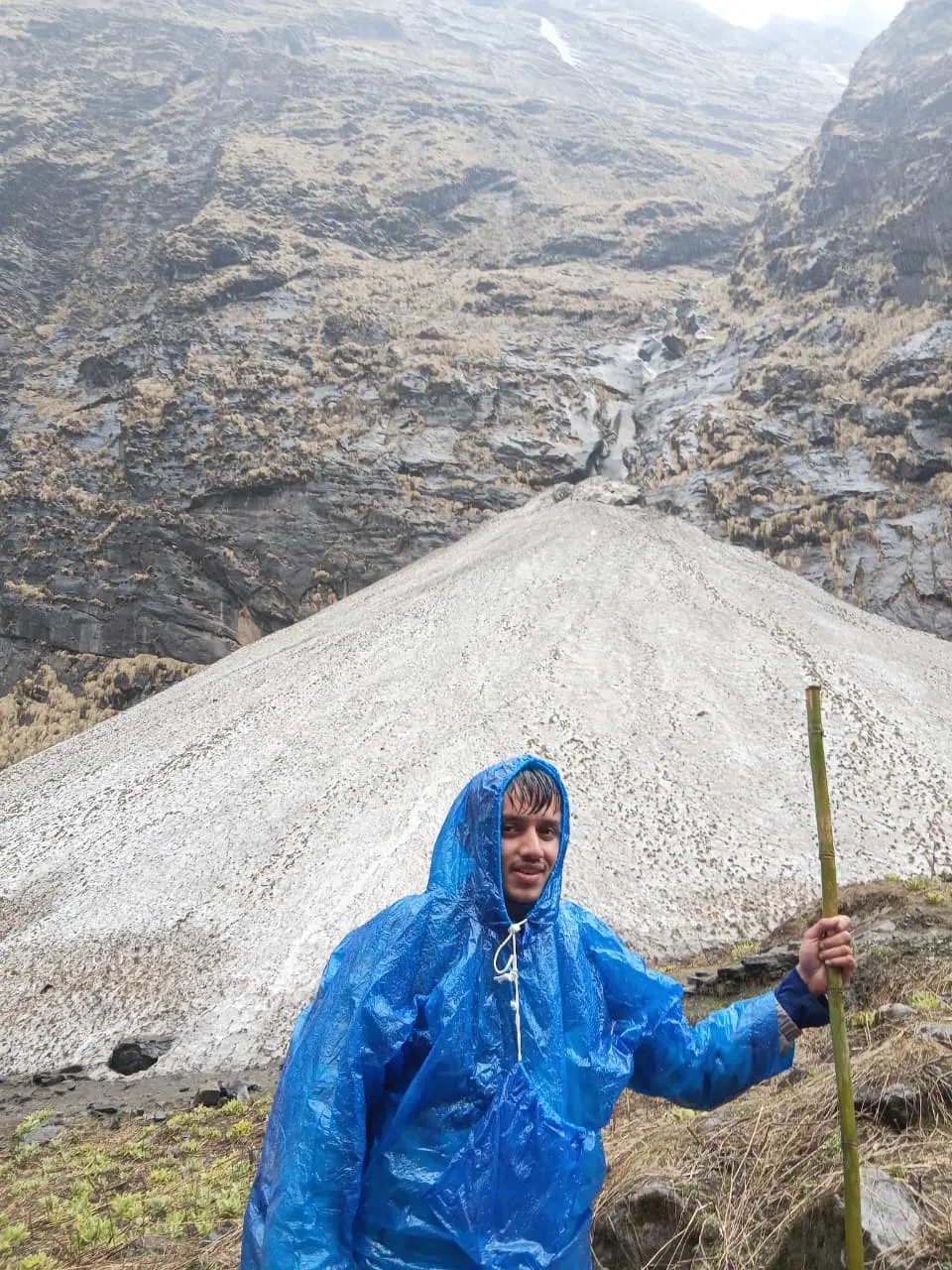
Trekking in Nepal is essentially long-distance hiking, often lasting days or weeks, across scenic trails that wind through forests, rivers, villages, and mountain passes. Unlike mountaineering, trekking doesn’t require technical climbing skills it’s about stamina, acclimatization, and curiosity for nature and culture.
Famous trails such as the Everest Base Camp Trek, Annapurna Circuit, and Langtang Valley Trek are loved for their blend of mountain views and cultural encounters.
Why Trekking is Special
-
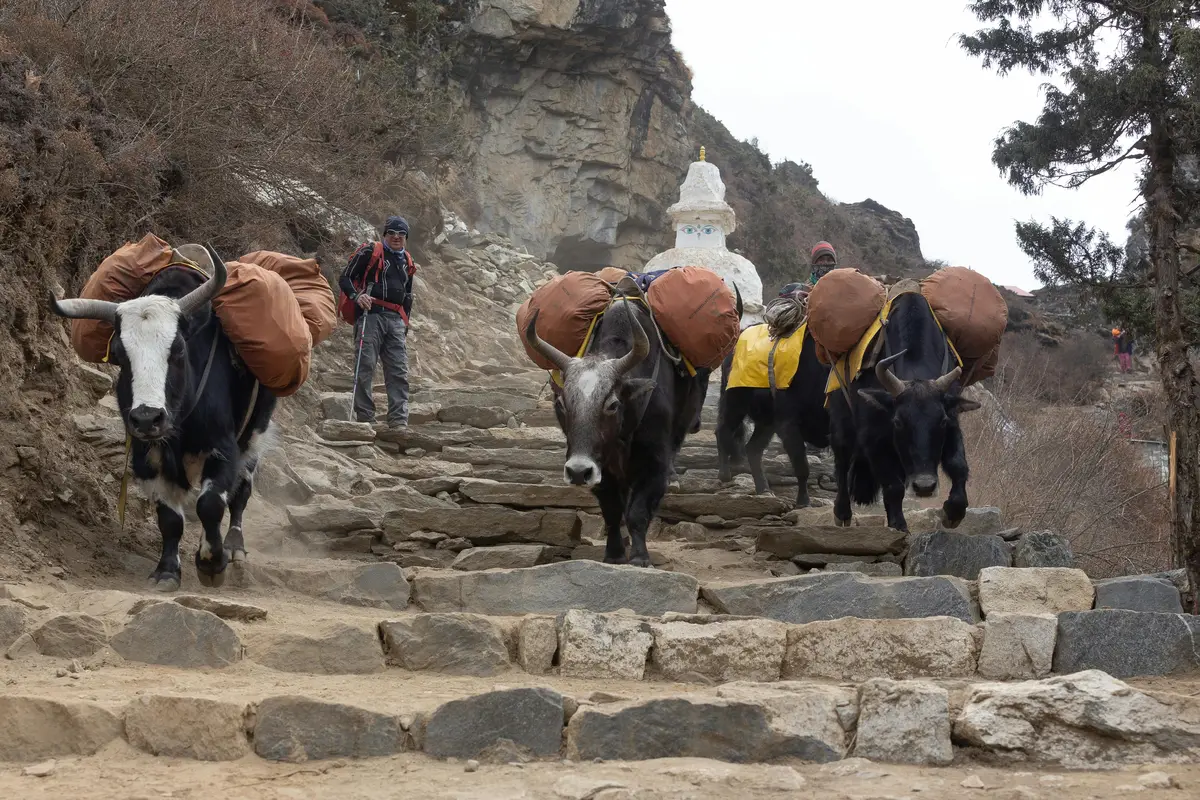
You get close to Himalayan culture by staying in tea houses run by local families.
-
Trails range from easy to challenging, so beginners and pros alike can find their pace.
-
Every step offers new scenery glaciers, alpine meadows, rivers, and, of course, towering mountains.
-
Treks can be short (a few days) or long (two weeks or more), giving flexibility depending on your time and budget.
For many travelers, trekking is their first introduction to the magic of Nepal.
What is Peak Climbing in Nepal?
Now let’s talk about the other side of the trek vs peak climbing debate actually climbing Himalayan peaks. Nepal is famous for its “trekking peaks,” smaller mountains (between 5,000–7,000 meters) that are accessible for adventure seekers who want more than trekking but less than full-scale mountaineering.
Peaks like Island Peak (6,189m), Mera Peak (6,476m), and Lobuche East (6,119m) attract thousands of climbers each year. Unlike trekking, peak climbing requires technical skills, climbing gear, and the guidance of experienced Sherpas.
Why Peak Climbing is Special
-
You get the thrill of summiting a Himalayan peak a feeling that stays with you forever.
-
It’s more physically and mentally demanding, testing endurance and determination.
-
You’ll use ropes, crampons, and ice axes to conquer steep snowy slopes.
-
It’s an excellent stepping stone if you dream of climbing bigger mountains like Everest one day.
Peak climbing combines trekking with technical climbing, offering the best of both worlds for adventure seekers.
Trek vs Peak Climbing: The Core Differences
When deciding between trek vs peak climbing, think about your fitness level, budget, and what kind of adventure you’re after. Here are the main differences:
1. Difficulty
-
Trekking: Demands stamina but not technical climbing skills.
-
Peak Climbing: Requires fitness plus knowledge of ropes, glacier travel, and high-altitude climbing.
2. Equipment
-
Trekking: Hiking boots, poles, warm clothes, and a sleeping bag.
-
Peak Climbing: Specialized gear like helmets, crampons, ice axes, harnesses, and ropes.
3. Duration
-
Trekking: Short treks (3–7 days) or long expeditions (2–3 weeks).
-
Peak Climbing: Usually 15–20+ days since it includes trekking and summit attempts.
4. Cost
-
Trekking: More budget-friendly.
-
Peak Climbing: Higher due to permits, climbing gear, and guide support.
5. Risk Level
-
Trekking: Safer, with main risks being altitude sickness or bad weather.
-
Peak Climbing: More dangerous due to steep slopes, crevasses, and extreme cold.
👉 Bottom line: Trekking is accessible for most people, while peak climbing is for those ready to push limits.
Best Trekking Routes in Nepal
If you lean toward trekking in the trek vs peak climbing choice, here are some favorites:
-
Everest Base Camp Trek (5,364m)
-
12–14 days
-
Famous for stunning Everest views and Sherpa culture.
-
-
Annapurna Circuit Trek (5,416m at Thorong La)
-
14–18 days
-
Known for diverse landscapes and crossing one of the world’s highest passes.
-
-
Langtang Valley Trek (3,870m at Kyanjin Gompa)
-
7–10 days
-
A shorter trek with Tibetan-inspired culture and glacier views.
-
-
Manaslu Circuit Trek (5,160m at Larkya La Pass)
-
14–18 days
-
Remote, less crowded, and equally stunning.
-
Best Peaks for Climbing in Nepal
For climbers drawn to the challenge of trek vs peak climbing, these peaks are most popular:
-
Island Peak (6,189m)
-
16–20 days
-
Moderate to difficult, with epic views of Lhotse and Makalu.
-
-
Mera Peak (6,476m)
-
18–22 days
-
Slightly less technical, but physically demanding.
-
-
Lobuche East (6,119m)
-
15–18 days
-
More technical, located near Everest Base Camp.
-
-
Pisang Peak (6,091m)
-
17–20 days
-
Beautiful climb in the Annapurna region.
-
Who Should Trek?
Choose trekking if you:
-
Are new to the Himalayas.
-
Want to explore villages, culture, and landscapes.
-
Prefer a safer, less technical challenge.
-
Have limited time or budget.
Who Should Climb Peaks?
Peak climbing is for you if you:
-
Already have trekking experience.
-
Want the thrill of summiting a Himalayan peak.
-
Are physically strong and ready to train.
-
Have time and money for a longer trip.
Training Tips
No matter which side of the trek vs peak climbing decision you choose, training is important:
-
Cardio: Running, hiking, or cycling for endurance.
-
Strength: Core, legs, and upper body.
-
Altitude Prep: If possible, train at high elevations.
-
Technical Training: Rope work and ice climbing (for peak climbing).
Permits You’ll Need
-
Trekking: National park entry permits.
-
Peak Climbing: All trekking permits plus climbing permits issued by the Nepal Mountaineering Association.
Trek vs Peak Climbing: Which Adventure is Right for You?
At the end of the day, the trek vs peak climbing choice boils down to your goals. Trekking is about discovery of culture, landscapes, and yourself while peak climbing is about pushing boundaries and conquering summits.
If you’re new to the Himalayas or want to immerse yourself in Nepal’s culture, start with a trek. If you’re craving an adrenaline rush and ready to test your skills, peak climbing will give you the challenge of a lifetime.No matter what you choose, one thing is certain: Nepal will leave you with stories to tell and memories to treasure forever.
To have the best experience in Nepal Himalaya, visit our website for exciting Trekking packages and customized itineraries.firstcamptrek.com