10 Reasons Why Nepal Should Be Your Next Travel Destination
Exploring Pashupatinath Temple: Nepal’s Spiritual and Cultural Landmark
Introduction
When people think of Nepal, the majestic Himalayas and Mount Everest often come to mind first. However, Nepal is also home to some of the world’s most sacred religious sites, and among them, Pashupatinath Temple Nepal holds a special place. Located on the banks of the holy Bagmati River in Kathmandu, this ancient temple is one of the most important pilgrimage destinations for Hindus worldwide.
More than just a place of worship, Pashupatinath Temple Nepal represents the spiritual heart of the nation. It is a place where faith, culture, history, and tradition come together in a remarkable way. Every day, thousands of devotees, tourists, and spiritual seekers visit the temple to experience its peaceful atmosphere and rich heritage.
Whether you are a religious pilgrim, a cultural enthusiast, or simply a traveler exploring Nepal, visiting this sacred site offers a unique glimpse into the country’s soul.
The History Behind Pashupatinath Temple
The origins of Pashupatinath Temple Nepal stretch back centuries. Historians believe that the temple has existed since at least the 5th century, although legends suggest its history is even older.
One of the most popular stories tells of Lord Shiva, who is believed to have disguised himself as a deer and wandered through the forests surrounding Kathmandu. When the gods discovered him, one of his antlers broke and became the sacred Shiva Lingam that is worshipped at the temple today. Over the years, various kings and rulers of Nepal helped preserve and expand the temple complex. Despite earthquakes, political changes, and the passage of time, Pashupatinath Temple Nepal has remained a symbol of unwavering faith and devotion. Today, it stands as a living monument to Nepal’s rich spiritual and cultural history.
Why Pashupatinath Temple Is So Important to Hindus
For millions of Hindus around the world, Pashupatinath Temple Nepal is one of the holiest shrines dedicated to Lord Shiva. The name “Pashupatinath” means “Lord of All Living Beings,” highlighting Shiva’s role as a protector and guardian. Devotees believe that offering prayers at this sacred temple can bring spiritual blessings and inner peace. Many pilgrims travel long distances to seek guidance, perform religious rituals, and connect with their faith.
The temple is also closely associated with the Hindu belief in life, death, and rebirth. The cremation ghats along the Bagmati River are considered sacred places where final rites are performed. Many families believe that cremation near Pashupatinath Temple Nepal helps loved ones achieve moksha, or liberation from the cycle of reincarnation. This deep spiritual significance makes the temple a powerful destination for worshippers and visitors alike.
Architectural Beauty That Captivates Every Visitor
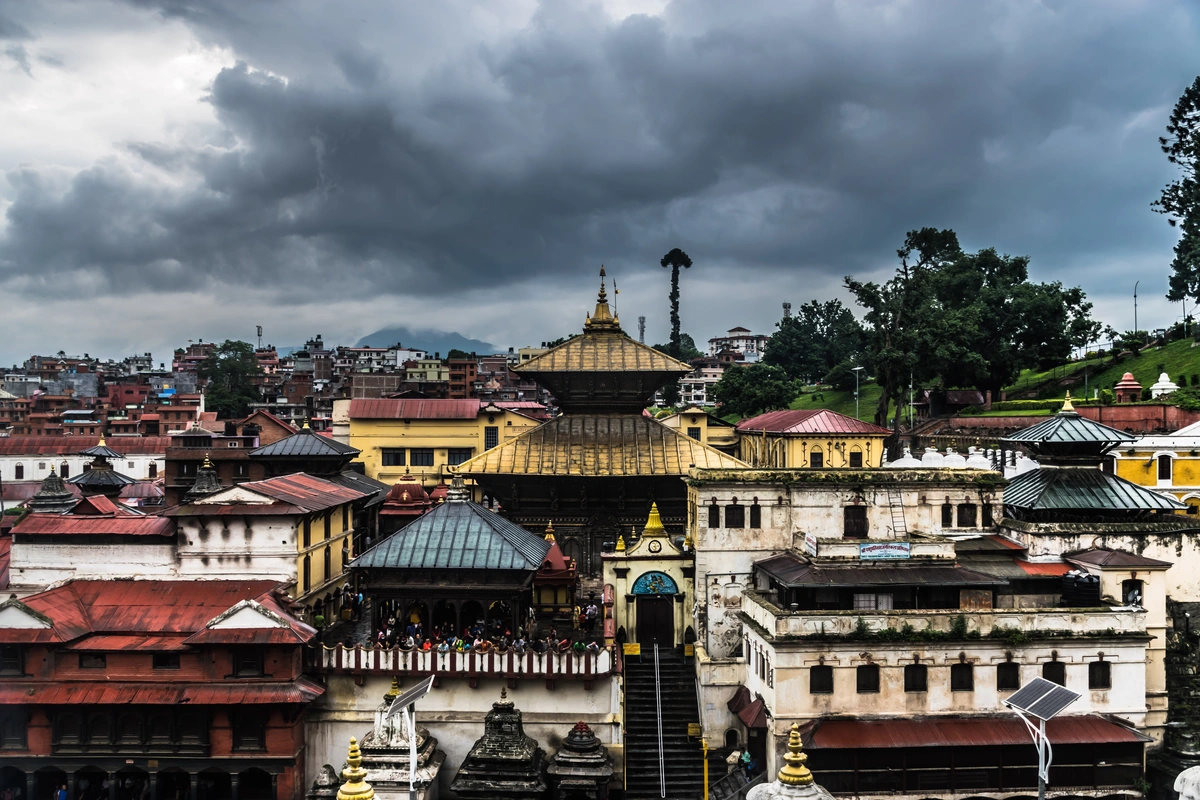
One of the first things visitors notice about Pashupatinath Temple Nepal is its stunning architecture. The temple is built in the traditional Nepalese pagoda style and showcases exceptional craftsmanship. Its two-tiered golden roof shines brightly in the sunlight, while beautifully carved wooden structures reflect the artistic skills of ancient Nepalese artisans. The silver-covered doors and intricate details throughout the temple add to its grandeur.
Inside the main shrine is a sacred Shiva Lingam with four faces, representing different forms of Lord Shiva. Surrounding the main temple are hundreds of smaller shrines, statues, and monuments dedicated to various Hindu deities. Walking through the temple complex feels like stepping into a living museum where every structure tells a story from Nepal’s past.
The Sacred Bagmati River
Flowing alongside Pashupatinath Temple Nepal, the Bagmati River plays a central role in the site’s spiritual importance. For Hindus, rivers are considered sacred, and the Bagmati is no exception. Pilgrims often take ritual baths in its waters before entering the temple as a symbol of purification.
The riverbanks are also home to cremation ghats where traditional funeral ceremonies are performed. While these rituals may seem unfamiliar to some international visitors, they provide meaningful insight into Hindu beliefs about mortality and the journey of the soul. Observing life and death unfolding side by side near Pashupatinath Temple Nepal creates a powerful reminder of the spiritual philosophy that shapes Hindu culture.
Festivals That Bring the Temple to Life
The atmosphere at Pashupatinath Temple Nepal becomes even more vibrant during major religious festivals.
Maha Shivaratri
Maha Shivaratri is the largest and most celebrated festival at the temple. Dedicated to Lord Shiva, it attracts hundreds of thousands of devotees from Nepal, India, and beyond.
The temple remains crowded throughout the night as pilgrims offer prayers, light oil lamps, chant sacred hymns, and participate in religious ceremonies. The gathering of holy men, known as sadhus, adds a unique and colorful dimension to the festival.
Teej Festival
During Teej, Hindu women dressed in bright red clothing visit Pashupatinath Temple Nepal to pray for the health and prosperity of their husbands and families.
The temple grounds fill with devotional songs, dancing, and joyful celebrations, creating an unforgettable cultural experience.
Bala Chaturdashi
This special festival honors departed loved ones. Devotees scatter sacred seeds throughout the temple complex while offering prayers in memory of family members who have passed away.
The ceremony reflects the temple’s enduring connection to remembrance and spiritual continuity.
A Window Into Nepalese Culture
While Pashupatinath Temple Nepal is primarily a religious site, it is also an important cultural treasure. Visitors can witness traditions that have been preserved for generations.
From priests conducting ancient rituals to musicians performing devotional songs, every corner of the temple reflects Nepal’s living heritage. The interactions between pilgrims, monks, and local communities provide a fascinating look at daily spiritual life. For travelers interested in cultural tourism, the temple offers an authentic experience that goes far beyond ordinary sightseeing.
UNESCO World Heritage Recognition
The global importance of Pashupatinath Temple Nepal was recognized when it became part of the Kathmandu Valley UNESCO World Heritage Site in 1979.
This prestigious designation highlights the temple’s outstanding historical, architectural, and cultural value. UNESCO recognizes the site not only for its physical beauty but also for its role in preserving centuries-old religious traditions. Today, the temple remains one of Nepal’s most visited heritage attractions, drawing people from every corner of the world.
Visiting Pashupatinath Temple
If you are planning a trip to Kathmandu, adding Pashupatinath Temple Nepal to your itinerary is highly recommended.
Best Time to Visit
The spring and autumn seasons are ideal for visiting because the weather is pleasant and skies are generally clear. These seasons also coincide with several important festivals.
Getting There
The temple is located about five kilometers from the center of Kathmandu and can be reached easily by taxi or local transportation.
Visitor Guidelines
Only Hindus are allowed inside the main temple building. However, non-Hindu visitors can explore much of the surrounding complex and enjoy excellent views of the temple from designated areas.
Visitors should dress respectfully and remain mindful during religious ceremonies and cremation rituals.
The Spiritual Experience
What truly sets Pashupatinath Temple Nepal apart is its atmosphere. The gentle ringing of temple bells, the scent of incense, the chanting of prayers, and the flowing Bagmati River combine to create a deeply spiritual environment.
Even those who do not follow Hinduism often describe feeling a sense of peace and reflection while exploring the temple grounds. Watching devotees offer prayers, observing centuries-old rituals, and experiencing the sacred energy of the site leaves a lasting impression on visitors from all backgrounds.
Why Every Traveler Should Visit
There are many reasons why Pashupatinath Temple Nepal deserves a place on every traveler’s bucket list.
It offers an opportunity to learn about Nepal’s religious traditions, admire incredible architecture, and witness cultural practices that have remained unchanged for centuries. Unlike many tourist attractions, the temple is not simply a historical monument it is a living spiritual center where faith continues to shape everyday life.
Whether you are interested in history, photography, architecture, spirituality, or culture, you will find something meaningful here.
Conclusion
Pashupatinath Temple Nepal is far more than a famous landmark. It is a symbol of Nepal’s spiritual identity, cultural richness, and historical legacy. For centuries, it has served as a sacred place where people come to worship, reflect, celebrate, and honor their traditions.
From its fascinating history and remarkable architecture to its vibrant festivals and spiritual atmosphere, the temple offers an unforgettable experience for anyone who visits. As one of the most important religious sites in South Asia, Pashupatinath Temple Nepal continues to inspire millions of people each year. For a complete travel experience in Nepal, check out Why Nepal Should Be Your Next Travel and Trekking Destination.