February 3, 2025
Nepal Now Has 14 Peaks Above 8,000 Meters: 6 New Additions
Nepal Now Has 14 Peaks Above 8,000 Meters: 6 New Additions
Nepal, already home to some of the world’s tallest mountains, has now expanded its list of peaks towering above 8,000 meters. The Department of Tourism recently unveiled six new peaks that qualify as eight-thousanders, bringing the total count to 14. These additions come from the Kanchenjunga and Lhotse regions, further solidifying Nepal’s reputation as a premier mountaineering destination.
The Six Newly Recognized Peaks
The six newly added peaks include:
From the Kanchenjunga Region:
- Yalung Khang (8,505m)
- Yalung Khang West (8,077m)
- Kanchenjunga Central (8,473m)
- Kanchenjunga South (8,476m)
From the Lhotse Region:
- Lhotse Middle (8,410m)
- Lhotse Shar (8,400m)
Previously, only 8 mountains in Nepal were recognized as standing above 8,000 meters. These included:
- Mount Everest (8,848.86m) – The world’s tallest peak
- Kanchenjunga (8,586m)
- Lhotse (8,516m)
- Makalu (8,463m)
- Cho Oyu (8,201m)
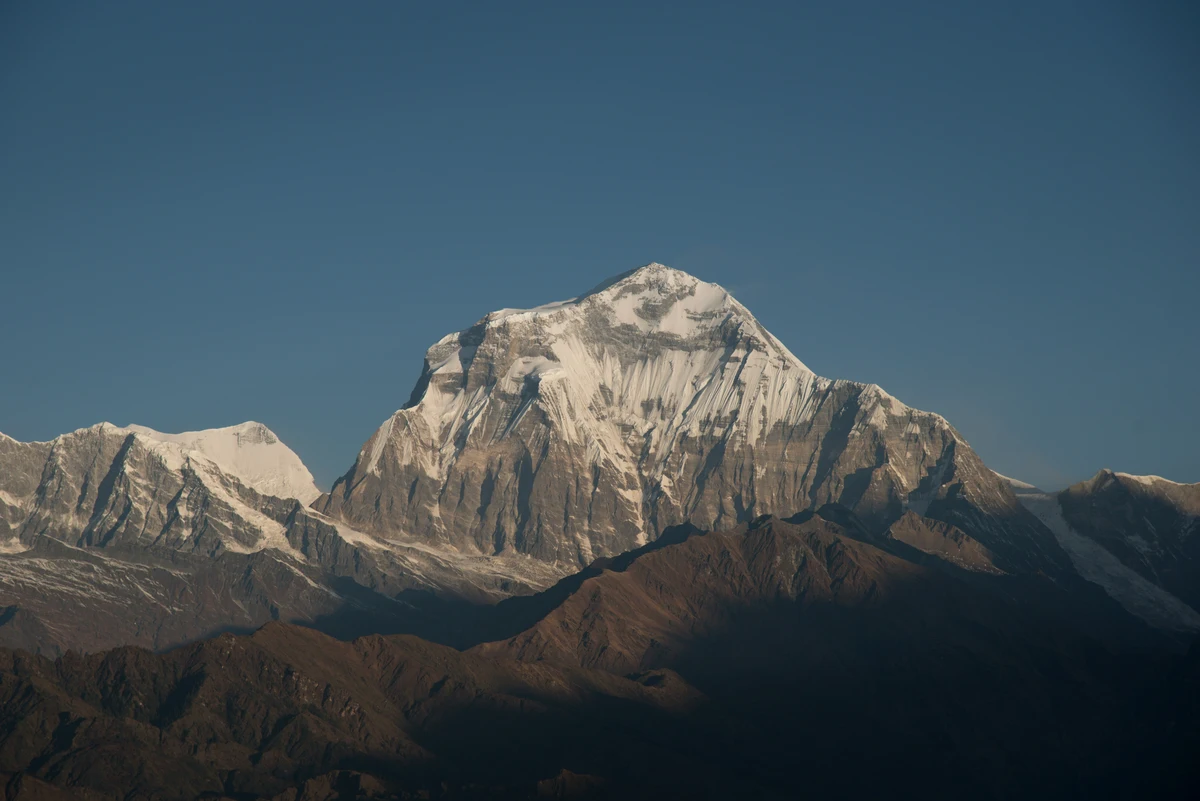
- Dhaulagiri (8,167m)
- Manaslu (8,163m)
- Annapurna I (8,091m)
With these six additions, Nepal now boasts 14 of the world’s 14 eight-thousanders, recognizing the previously overlooked sub-peaks of Kanchenjunga and Lhotse as independent mountains.
Why Were These Peaks Added?
The decision to expand the list follows extensive research and verification by Nepalese mountaineering authorities. While these peaks were always physically present, they were categorized as sub-peaks of larger mountains. However, international climbing records and geographical surveys highlighted their distinct prominence, leading to their official recognition.
Impact on Mountaineering in Nepal
The inclusion of these peaks brings several benefits:
- More Climbing Opportunities: Mountaineers now have additional summits to explore, creating new challenges and expeditions.
- Tourism Growth: As Nepal’s mountain tourism industry thrives, recognizing more peaks will attract climbers and trekkers looking for fresh adventures.
- International Recognition: Nepal will further establish itself as the ultimate destination for high-altitude mountaineering.
Awaiting Cabinet Approval
While the Department of Tourism has made the new list public, the final approval now rests with the Nepalese Cabinet. If endorsed, Nepal will officially have 14 mountains exceeding 8,000 meters, further cementing its status as a global mountaineering hub. However, for international recognition, the list must also be approved by the International Mountaineering and Climbing Federation (UIAA), the body recognized by the International Olympic Committee.
Final Thoughts
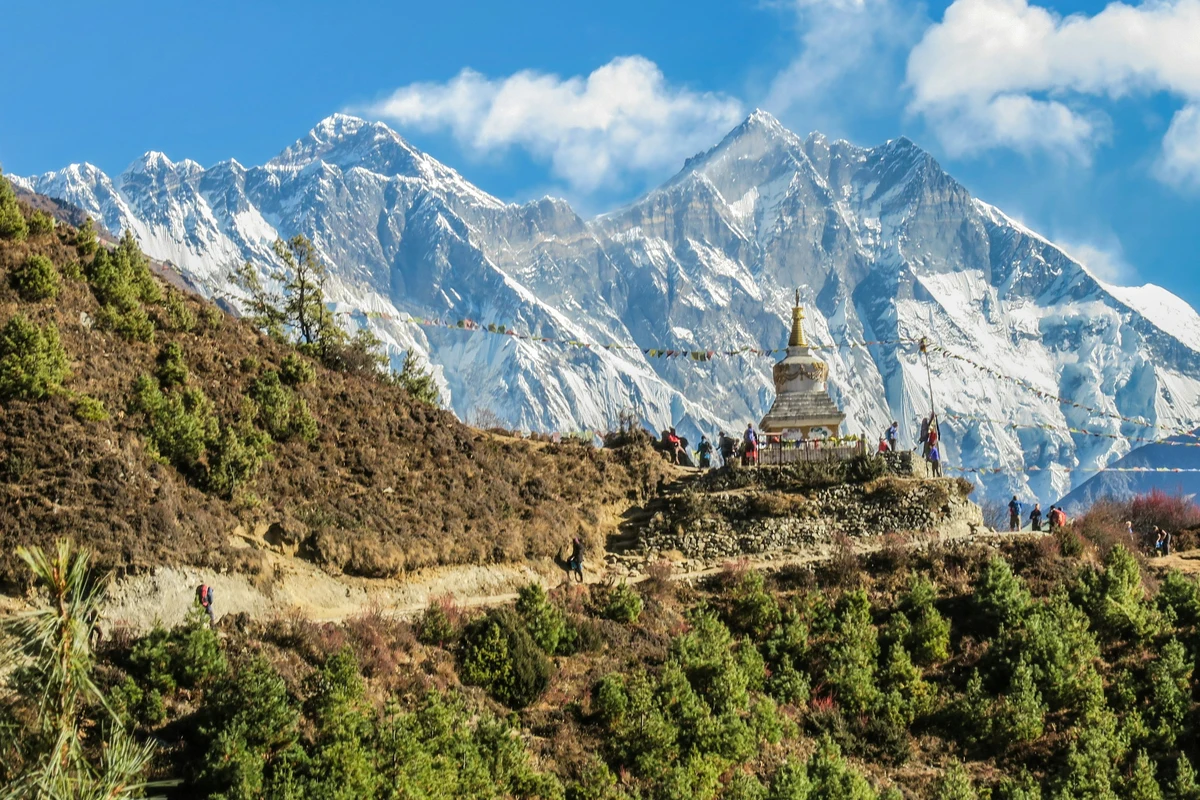
Nepal’s mountains have always been a source of pride, adventure, and exploration. With the addition of these six peaks, the country offers even more opportunities for climbers and mountaineers. Whether it’s conquering Everest, scaling the newly recognized Lhotse Middle, or venturing into the Kanchenjunga range, Nepal remains at the heart of the world’s high-altitude expeditions. View peak information at Peak Profile.