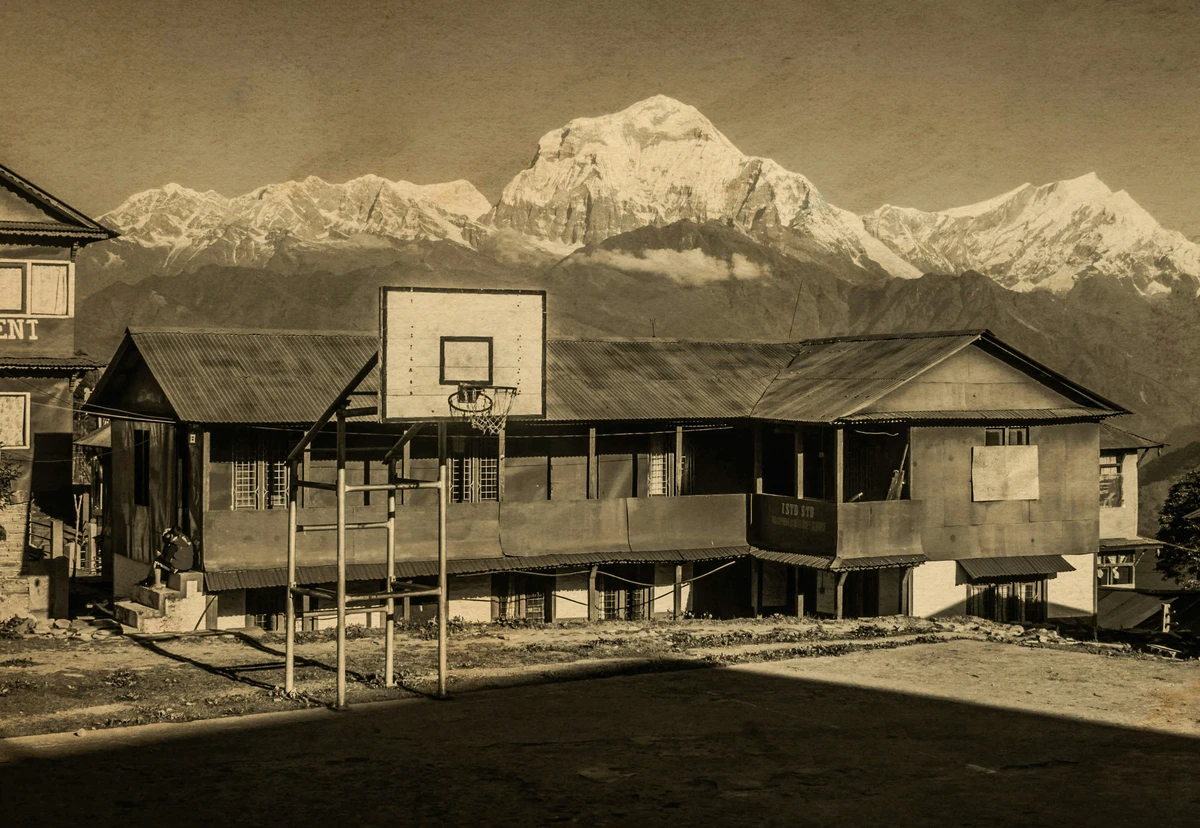
Conquering Gokyo Ri: Nepal’s Hidden Gem Trek with Spectacular Everest Views
Gokyo Ri Trek: Nepal’s Hidden Treasure Everest Panorama Trek
Deep in the Everest region, Gokyo Ri is one of Nepal’s most beautiful and less-trodden trekking destinations. Reaching an awe-inspiring 5,357 meters (17,575 ft), the vast and towering mountain offers scenery that is as beautiful as, and by most accounts, more beautiful than, the famous Everest Base Camp trek. The trek takes one through breathtaking scenery, green valleys, and by the hypnotic, turquoise-colored Gokyo Lakes, creating an unforgettable Himalayan adventure combining culture and nature.
Relative to more famous brother, the Gokyo trekking route provides less crowded access to the Khumbu, allowing tourists to form an intimate bond with the tough highlands and welcoming Sherpa villages that call these rugged lands their own. For tourists eager to eschew the throngs but still catch the drama associated with the world’s highest peaks, the Gokyo Ri trek is an excellent choice.
This ultimate guide will guide you through all you will need to do prior to embarking on this great adventure, from intricate itineraries and best times to visit, to essential gear recommendations and cultural tips that will make your adventure complete. Ideal for experienced trekker or brave first-timer in excellent physical health, the trek strikes an excellent balance between difficulty and doability in one of the world’s most beautiful environments.
Why Gokyo RI and not other Everest Region Treks?
This lake is The beauty of the Everest region is unquestionable and draws thousands of trekking tourists to witness the beauty of the highest mountain in the world. Yet, there are several reasons in favour of this place to make it an excellent alternative or addition to the standard Everest Base Camp trek. The Gokyo region is one of the unspoiled wilderness gems in Nepal, and the beauty is almost other-worldly.
Breathtaking panoramic views
While most trekker visitors to Kala Patthar come to see Everest, more experienced guides prefer the views from this place. At the summit, you have a 360-degree panorama that takes in four of the world’s eight-thousanders, that is, Everest (8,848m), Lhotse (8,516m), Makalu (8,485m), and Cho Oyu (8,201m). This breathtaking view of white-topped giants sparkling in the blue waters of the Gokyo Lakes below is a photographer’s paradise which cannot be found anywhere else in the region.
Fewer Crowded Trails
One of the best things about the Gokyo trekking path is the relative quietness and serenity. While the main Everest Base Camp trek is busy at peak time, the paths get much fewer tourists. There is a peacefulness and quietness here that gives a more authentic experience, and there is plenty of time to observe Sherpa culture and enjoy the natural beauty without tourists.
Biodiverse Landscapes
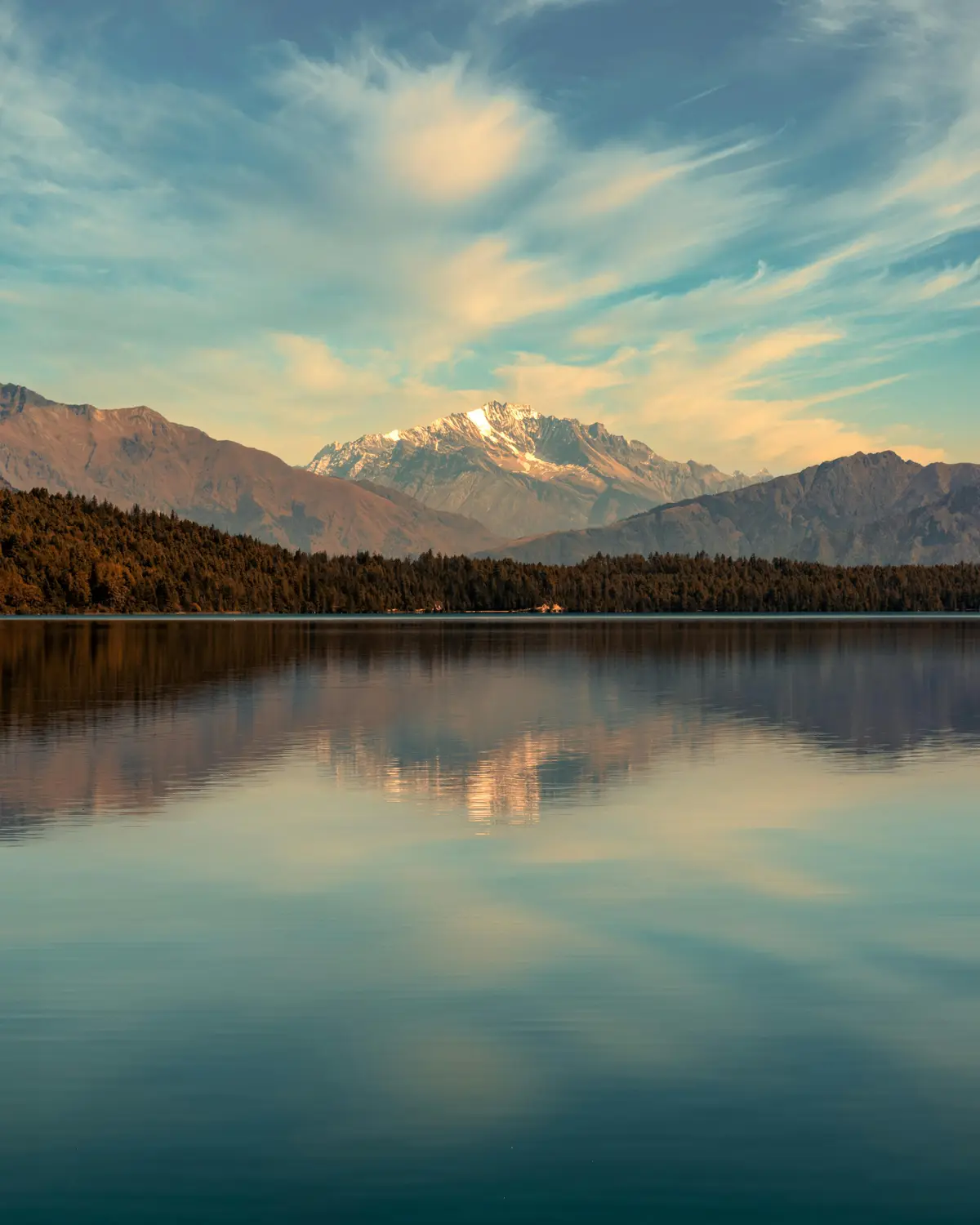
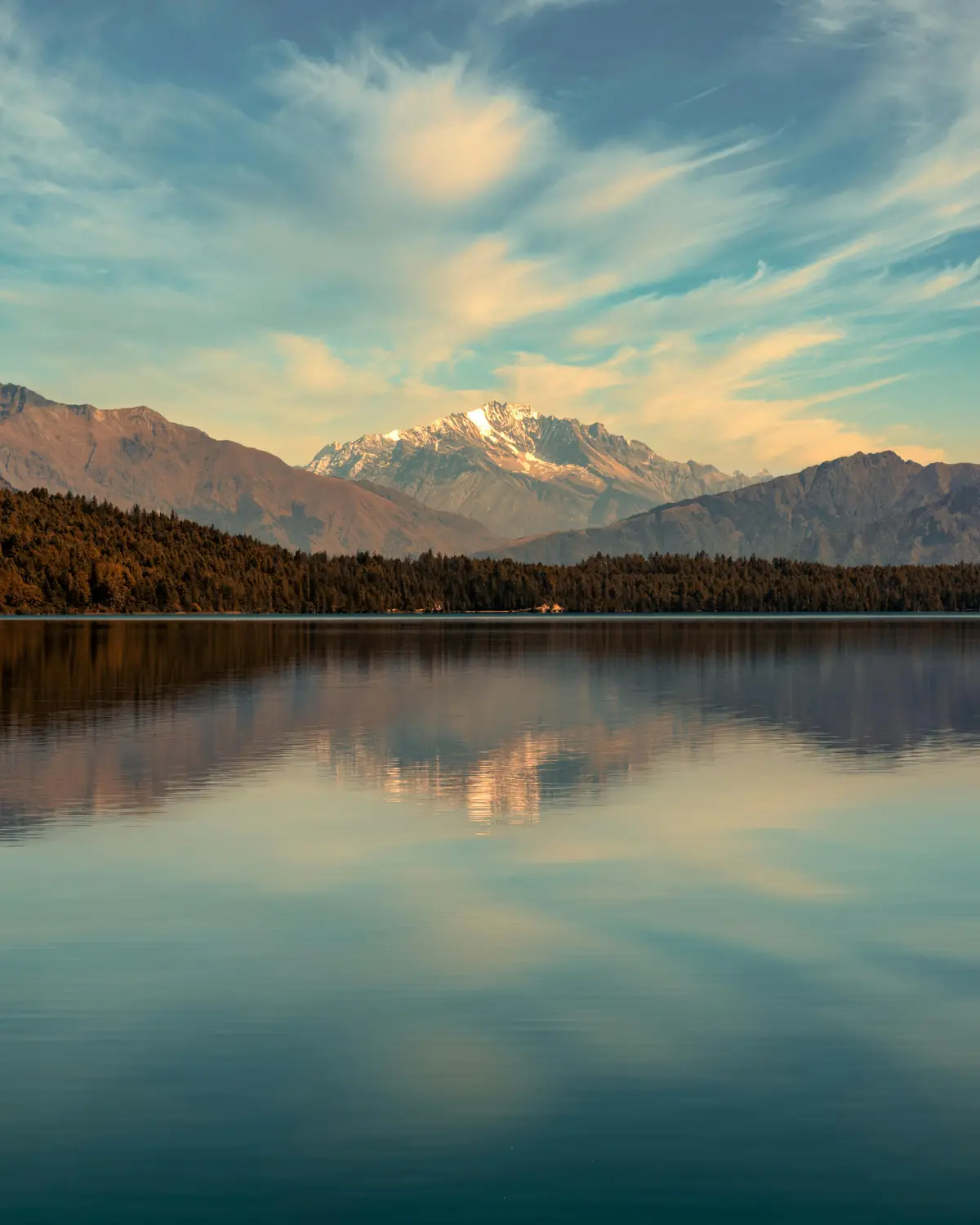
The journey to Gokyo Ri takes one through relentlessly contrasting land, ranging from untamed rhododendron jungles and grassy Alpine meadows to barren high-altitude moonscapes. The pièce de résistance is, though, the string of six emerald-turquoise Gokyo Lakes, the highest freshwater lake system in the world. The glacier-fed lakes sparkle as jewels against the rough-topped mountain landscape, creating indescribably lovely scenery that varies with the changing light as the sun strikes them.
Best Time to Visit
Getting the best out of your trek and enjoying a safe journey depends largely on timing. Himalayan weather creates trekking seasons that have various pros and cons in relation to your visit to witness the natural beauty.
Pre-Monsoon Season (March to May)
Spring is the best season to trek to Gokyo. As winter recedes, the weather is mild, and sunny, especially mornings. The season is great to have excellent mountain view vistas from Gokyo Ri and favorable walking weather during the days. An added advantage is the rhododendrons and other flowers blooming higher up, and they color the lower sections with beautiful natural gardens.
Post-Monsoon Season (Late September to November)
This Autumn is most likely the ideal season to trek in Nepal. The monsoons have cleansed the air, and the mountain scenery is clear and stable. The clear, deep blue sky is a stark contrast to the white-tipped peaks, and the Gokyo Lakes are their bluest. The mild temperatures and absence of precipitation make the season ideal for trekking, regardless of one’s level.
Winter season, December to February
For the more adventurous trekker, winter offers a distinct perspective to Gokyo Ri and the sceneries. The trails are virtually empty, and one is able to have the Himalayas to themselves. Temperatures do drop, especially during the night, and may drop below the freezing point in the vicinity of the higher ranges. The lakes may be partially covered by ice, creating an other-worldly winter scene. Special weather gear and preparation is needed to trek in winter.
Monsoon period (June to early September)
The best time to trek is not during the monsoon season due to heavy rain, which makes lower elevation trails wet and full of leeches and increases the chances of landslides. Mountain views also keep hiding behind cloud cover, diminishing the visual reward of getting to lakes and the summit. Flights to Lukla (the starting point of most Gokyo trekking trips) also stand to be cancelled during the same time.
Detailed Trek Itinerary
A carefully planned itinerary is the secret to a successful Gokyo Ri trek, with sufficient acclimatization but maximizing your experience of this stunning area. The below 12-day itinerary is a sensible compromise, but can be made shorter or longer depending on time available and trekking experience.
Day 1: Lukla to Phakding (2,651m)
You begin your trek by taking an exhilarating flight to Lukla’s airstrip, commonly known as one of the most scenic landings in the world. From Lukla, a 3-4 hour descent trek takes you down the fertile Dudh Koshi Valley to Phakding. This gentle first day begins the acclimatizing and gives you an introduction to the Gokyo Lakes region that you will be trekking through over the subsequent days.
Day 2: Phakding to Namche Bazaar (3,440m)
It is a strenuous day’s trek to the fabled Sherpa capital of Namche Bazaar. First, you will cross a series of suspension bridges covered in multicolored prayer flags, and then ascend steeply to “Namche Hill.” Your reward for all your effort is your first possible glimpse of Mount Everest (weather allowing) and in Namche’s commercial center, where hikers and other Everest region tourists converge.
Day 3: Acclimatising Day in Namche Bazzar
Acclimatising is no time to take a rest day. An excursion to the Everest View Hotel to unveil stunning views of the Himalayas, including your destination, Gokyo Ri, is in order. Namche offers plenty of time to study Sherpa culture, visit the local museum, and sample the finest Himalayan coffee shops and bakeries while picking up on the customs surrounding the holy Gokyo water body.
Day 4: Namche to Dole (4,038m)
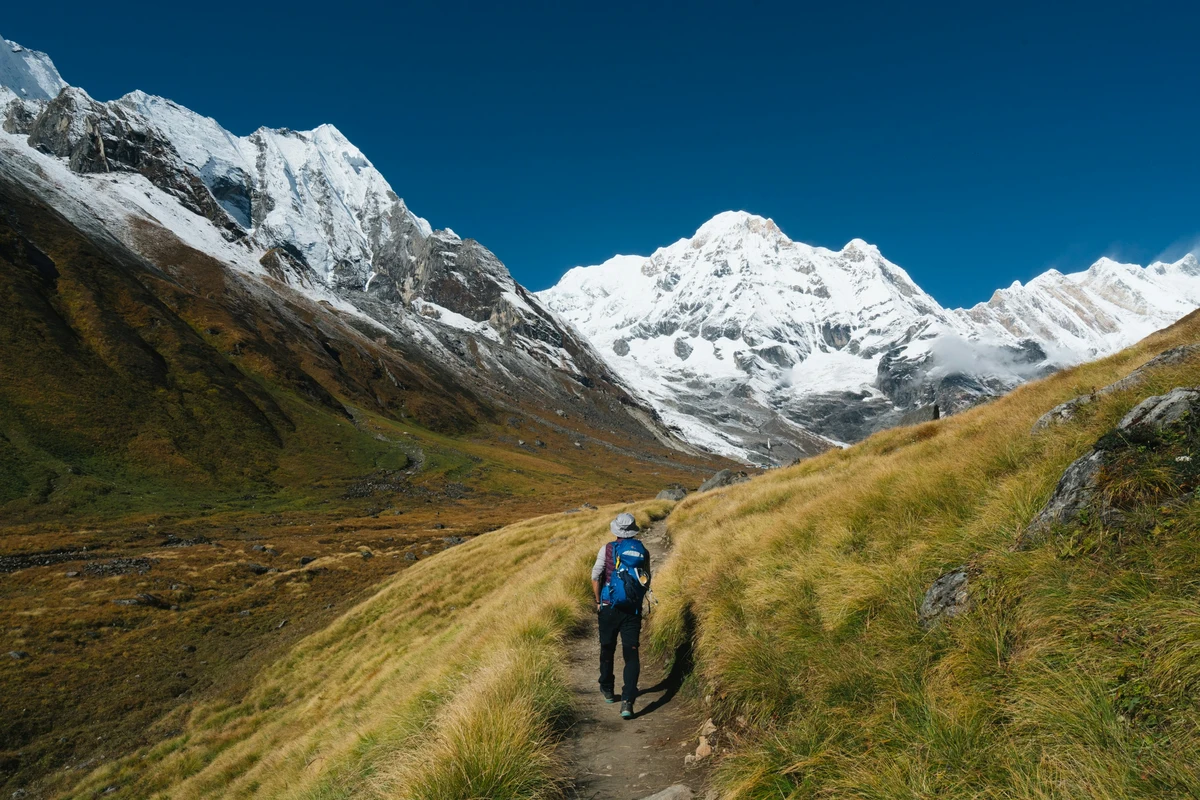
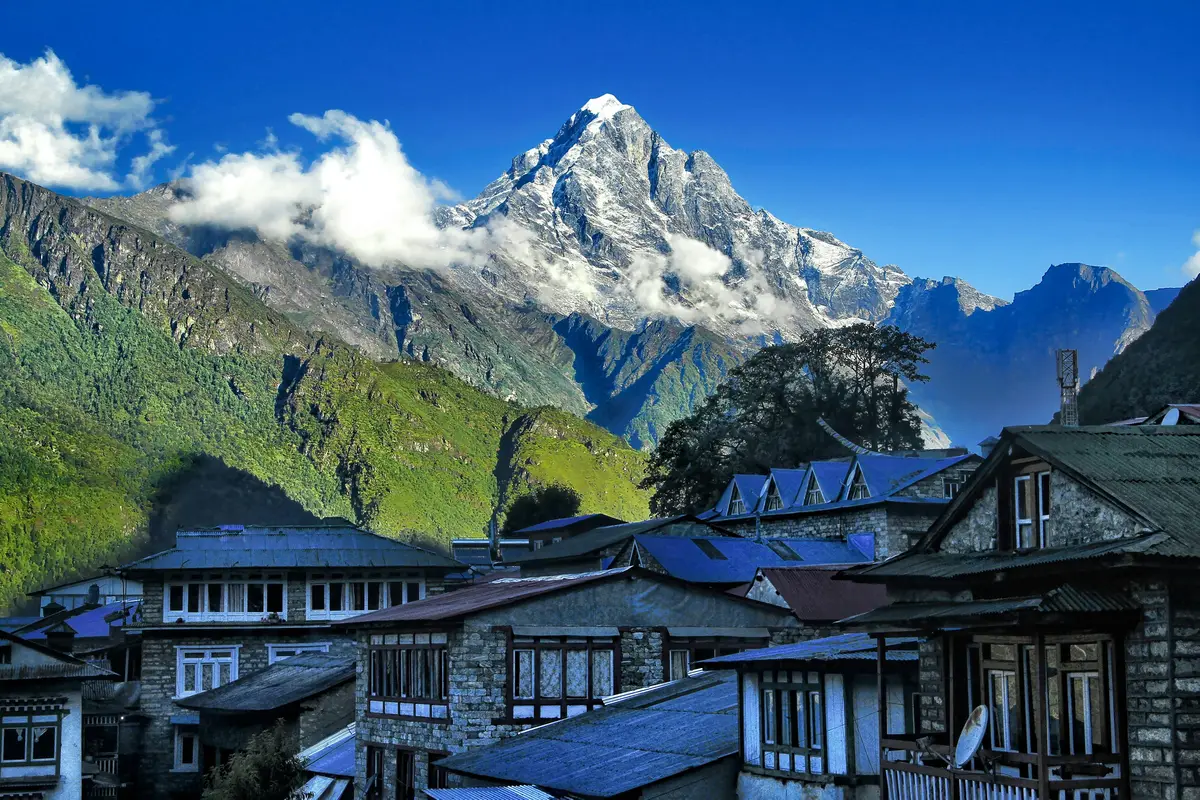
The trek today branches off from the standard Everest Base Camp route, taking the Gokyo trekking trail instead. After an arduous climb out of Namche, you get to enjoy out-of-this-world vistas of Ama Dablam, Thamserku, and other Himalayan giants. The trail subsequently descends to the village of Dole, offering quieter surroundings compared to the more traveled main EBC trail.
Day 5: Dole to Machhermo (4,470m)
A shorter day’s walk gives more acclimatization as you gain in elevation. The trail climbs steeply through stunning Alpine views and Cho Oyu vistas, the sixteenth highest peak in the world. There is a local legend about Machhermo as well of Yeti sightings in 1974 a captivating story which local guides will relate to you as you approach the legendary Gokyo Ri and area.
Day 6: Machhermo to Gokyo Village (4,750m)
You will get to the shores of the Gokyo Lakes today. The first glimpse of these skyblue jewels against the massive peaks is a moment to be remembered by the trekker. The trek takes one through to the first two lakes to arrive in Gokyo village, which is situated on the shores of the third and largest lake.
Day 7: Summit Day (5,357m)
Leave early (usually in time to catch the sun rising) to try the demanding climb to the summit of Gokyo Ri. The 2-3 hour climb is tough, but most fit trekker will find it within their ability. The payoff, which is what you get when you reach the summit, is one of the finest Himalayan views four 8,000-meter peaks and the lakes shining below. Take your afternoon, once you descend, to explore around the lakes or recover from tomorrow’s trek.
Day 8: Exploration Day – Fifth Gokyo Lake and Ngozumpa Glacier
There is another day to explore the amazing Gokyo trekking area. One highly rated outing is a trek to the fifth Gokyo Lake (Ngozumpa Tsho) and views over the massive Ngozumpa Glacier, Nepal’s largest. The otherworldly scenery of ice peaks, glacial lakes, and towering mountain peaks that seems from another world.
Day 9: Gokyo to Dole (4,038m)
Start the descent today, taking the same route back to Dole. The descent gives a fresh perspective to the scenery you climbed up, and there are new angles on the massive peaks looming over Gokyo Ri. Descending is found to be surprisingly enjoyable by most trekking visitors, as less physical effort allows more time to be spent on photography and the surrounding environment.
Day 10: Dole to Namche Bazaar (3,440m)
Continue your way down to Namche Bazaar, where you will again find the principal Everest area trekking trail. The facilities of Namche will provide a welcome relief from the less basic teahouses of the Gokyo Lakes region. Here is a chance to meet other travelers to celebrate your summit and to enjoy the relatively luxurious facilities of this hill town.
Day 11: Namche Bazaar to Lukla (2,860m)
The final trekking day takes you from Namche to Lukla, which is the culmination point of your trekking loop. The long trek is filled with much downhill walking and some final climbs to Lukla. Trekkers usually celebrate the last party with their guides and porters, reminiscing about the incredible journey to Gokyo Ri and a lifetime’s worth of memories.
Day 12: Lukla to Kathmandu by Air
Assuming favorable weather, return by morning flight to Kathmandu, with you the memories, which will be etched in your minds as one of your most rewarding journey moments.
Acclimatization and Precautions to Avoid
The trek to Gokyo Ri requires ascending to very high altitudes where Acute Mountain Sickness (AMS) is an all-too-real issue. It is helpful to know about altitude issues and take positive steps to avoid them to have a safe and successful journey to the Gokyo Lakes region.
Understanding Altitude Sickness
Altitude sickness occurs when your body hasn’t yet acclimatized to low oxygen levels found in high elevation. The most common reason is rising too quickly, and hence acclimatization is extremely important on your Gokyo trekking excursion. Altitude sickness is either mild or severe and usually includes headache, nausea, dizziness, fatigue, reduced appetite, and disrupted sleep.
Acclimatization Strategies
Ascent gradually: The below itinerary includes strategic acclimatization days. Observe these days rather than trying to hurry the trek.
“Climb high, sleep low”: Climb to a higher elevation during the daytime and return to lower levels to rest.
Adequate hydration: Drink a minimum of 3-4 liters daily during trekking to Gokyo Ri.
Steer clear of alcohol and smoking: Alcohol and smoking can heighten symptoms and impede acclimatization.
Listen to your body: If you experience any symptoms, inform your guide immediately.
Medication and prevention
Diamox (Acetazolamide): This medication is used to help prevent altitude sickness, but speak with your physician prior to ascending.
Rest days: There are strategically placed rest days, particularly in Namche Bazaar and Gokyo Lakes.
Descent as a cure: When symptoms worsen, the sole cure is immediate descent to lower altitudes.
Pulse oximeter: Take one with you to monitor your oxygen saturation level during your Gokyo trekking trip.
Cultural Insights and Etiquette
The trek to Gokyo Ri goes through Sherpa land, which is famous for their mountaineering skills and their own culture. A respect and knowledge of local culture will make your trek more enjoyable and help you to be in good terms with the people you meet in the area around the Gokyo and elsewhere.
Sherpa Culture and Traditions
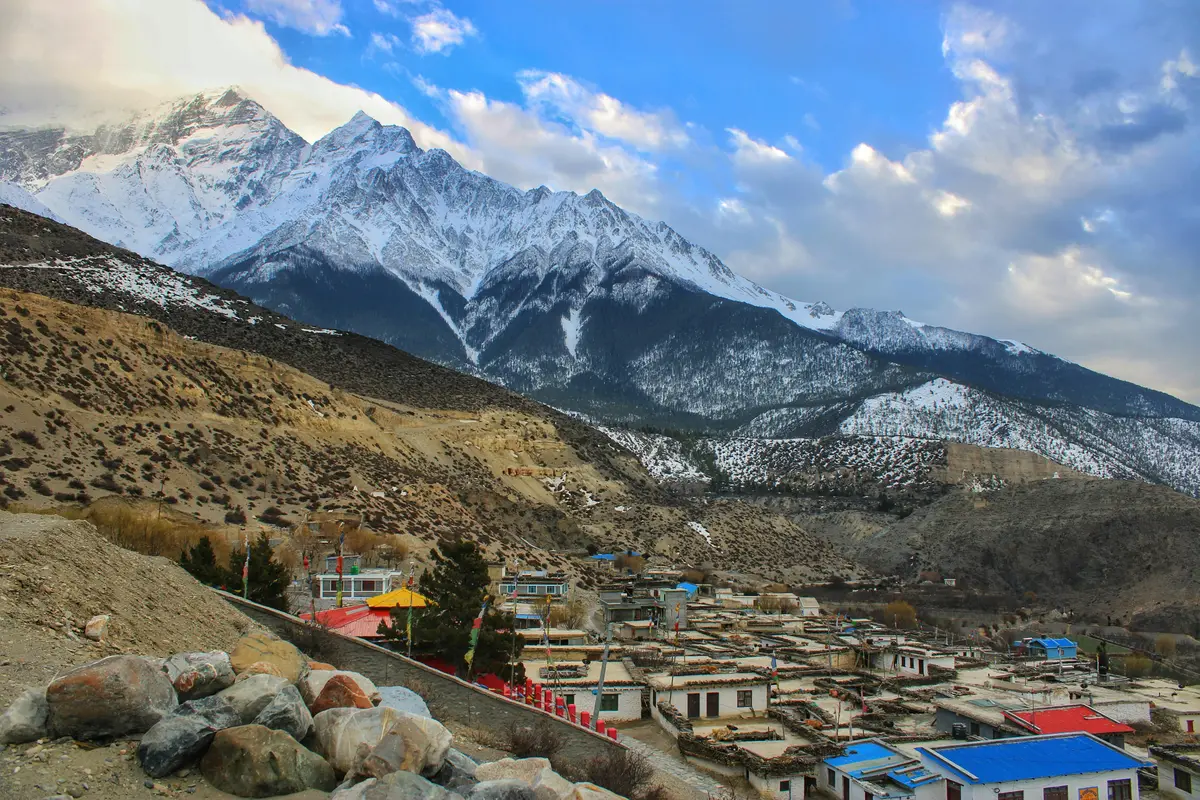
The Sherpas have been inhabiting these Himalayan valleys for centuries and have their own unique culture based on Tibetan Buddhism. All the icons of their faith will come into sight on your trek , including prayer flags, mani walls (walls constructed out of rocks covered with Buddhist mantras), prayer wheels, and gompas (monasteries).
Respectful behavior
Religious buildings: Always circumambulate stupas, mani stones, and prayer wheels
Photography: Get permission first to photograph local individuals
Dress modestly: Especially when you visit the monasteries
Affectionate public conduct: They are not valued in mountain cultures which are conservative.
Environmental respect: Practice Leave No Trace guidelines in your trekking experience
Communication and Interaction
Learning to speak a little basic Nepali or Sherpa language will help provide even more positive interactions with the local people. Simple greetings including “Namaste” (hello) and “Dhanyabad” (thank you) are appreciated and demonstrate respect towards the culture of the Gokyo Ri village people.
Teahouse lodging and dining
Unlike certain other wilderness hikes involving camping, the trek is on a set trail and there is teahouse accommodation available in every stopping point. Knowing what to expect in the way of accommodations and meals will help you prepare properly for your Gokyo Trek.
Teahouse Fund
Basic but adequate lodging is available in teahouses on the trek to Gokyo. The rooms typically have twin beds with mattresses and pillows, and occasionally blankets (though your own sleeping bag is essential). The facilities become more primitive as one climbs to higher altitude, with communal toilets the norm and paid hot showers in all but the most remote establishments leading to Machhermo. In the village of Gokyo, the lodges have the best views of the Gokyo Lakes but little by way of luxury.
Food and drinks
Nearly all teahouses have incredibly diverse menus to suit foreign travelers. The standard is the ubiquitous dal bhat (rice and lentil soup and veggies), excellent trekking food to and from Gokyo Ri and served with refills available. Additional menu standards are noodle dishes, potatoes, soups, momos (dumplings), and simple pasta meals.
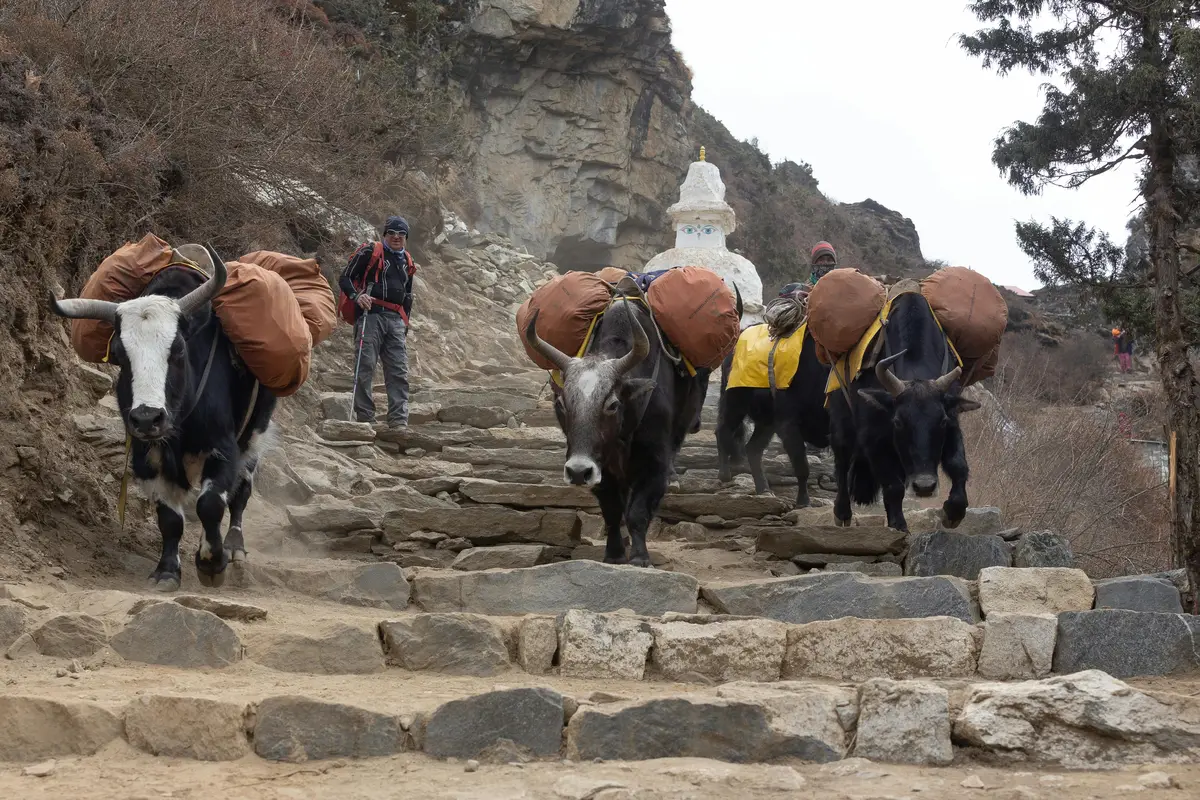
The prices increase as one moves towards thelakes due to the costs involved in transporting the materials to these heights. All is carried by yaks or porters, and with every meal consumed with the backdrop of the Gokyo , a new appreciation is created.
Water consumption
You will also need safe drinking water during your trek. Boiled or bottled water is available from most teahouses, but the latter results in plastic litter problems in the region. Alternatively, you can bring a water filter system or purification tablets and purify the water yourself to reduce plastic usage and still keep yourself properly hydrated during your trek.
Combining Everest Base Camp with Gokyo Ri
For the more time-available trekkers seeking a grander adventure, the Everest Base Camp and this trek combination is an ultimate Himalayan trek. This loop, which is more popularly known as the Everest Base Camp and Gokyo Lakes trek, has the best of both worlds the cultural significance and bucket-list destination attraction of EBC and the breathtaking beauty and relative isolation of the trek.
Suggested Extension Tours
The combined trek usually takes 14-18 days and involves crossing the demanding Cho La Pass (5,420m), which connects the Gokyo trekking trail and the standard EBC trail. There is more preparation, suitable gear to cope with potential snow and ice, and excellent acclimatization to the high mountain pass.
Advantages of the Composite Trek Explore both the traditional Everest Base Camp and the off-the-beaten-path Gokyo Ri
- Be awed by the stunning Gokyo Lakes and Khumbu Glacier
- Witness two contrasting visions of Mount Everest
- Return by circuit instead of by backtracking
Push yourself with the challenging Cho La Pass crossing Considerations during the Extended Trek Requires excellent physical shape and additional acclimatization days The Cho La Pass is technically challenging, especially in poor weather Other equipment may be needed to traverse the pass Increased overall cost due to the longer time.
Why the Gokyo Ri Trek is a Must-Have on Your Bucket List?
This trek is one of the most satisfying trekking experiences in the Himalayas. Though not as well-known as Everest Base Camp, the circuit is in many experienced trekkers’ and guides’ opinions, actually more spectacular for scenery, culture, and the quality of the experience. You will understand why this trek is so popular with people who have attempted it the moment you catch a glimpse of the sparkling turquoise lakes set against the backdrop of the massive Himalayan peaks.
The panorama from the summit of Gokyo Ri a quartet of four 8,000-meter peaks, including Everest is one that will leave an enduring image in your head long after you’ve returned to Nepal. No matter if you trek the straight Gokyo trekking route or add Everest Base Camp to the journey and have a more extensive adventure, the trek is an ideal blend of difficulty and achievability.
With adequate preparation, moderate fitness, and being mindful to the protocols of acclimatization, the remarkable trek is an option available to most enthusiastic walkers. As you set out on your Himalayan trek, venture beyond the most frequented trekking routes to witness the breathtaking beauty and serenity of Gokyo Ri and the Gokyo Lakes. In so doing, not only will you have the chance to behold the towering mountain summits, but connect with the land, the culture, and indeed with yourself even more.
Find out about top 5 Best Treks in Nepal by Clicking HERE!