Everest Base Camp vs. Annapurna Base Camp: Discover the Perfect Himalayan Adventure for You
Everest Base Camp vs. Annapurna Base Camp: Discover the Perfect Himalayan Adventure for You
When it comes to trekking in Nepal, two names dominate the conversation: Everest Base Camp (EBC) and Annapurna Base Camp (ABC). These iconic trails offer unforgettable journeys into the heart of the Himalayas, but they’re very different experiences. Whether you’re planning your first trek or your fifth, choosing the right one can significantly impact your adventure.
This comprehensive guide compares EBC and ABC treks in terms of scenery, altitude, difficulty, cultural immersion, cost, logistics, and more so you can decide which one aligns best with your travel goals, fitness level, and budget.
1. Landscape and Scenic Beauty
Everest Base Camp (EBC)
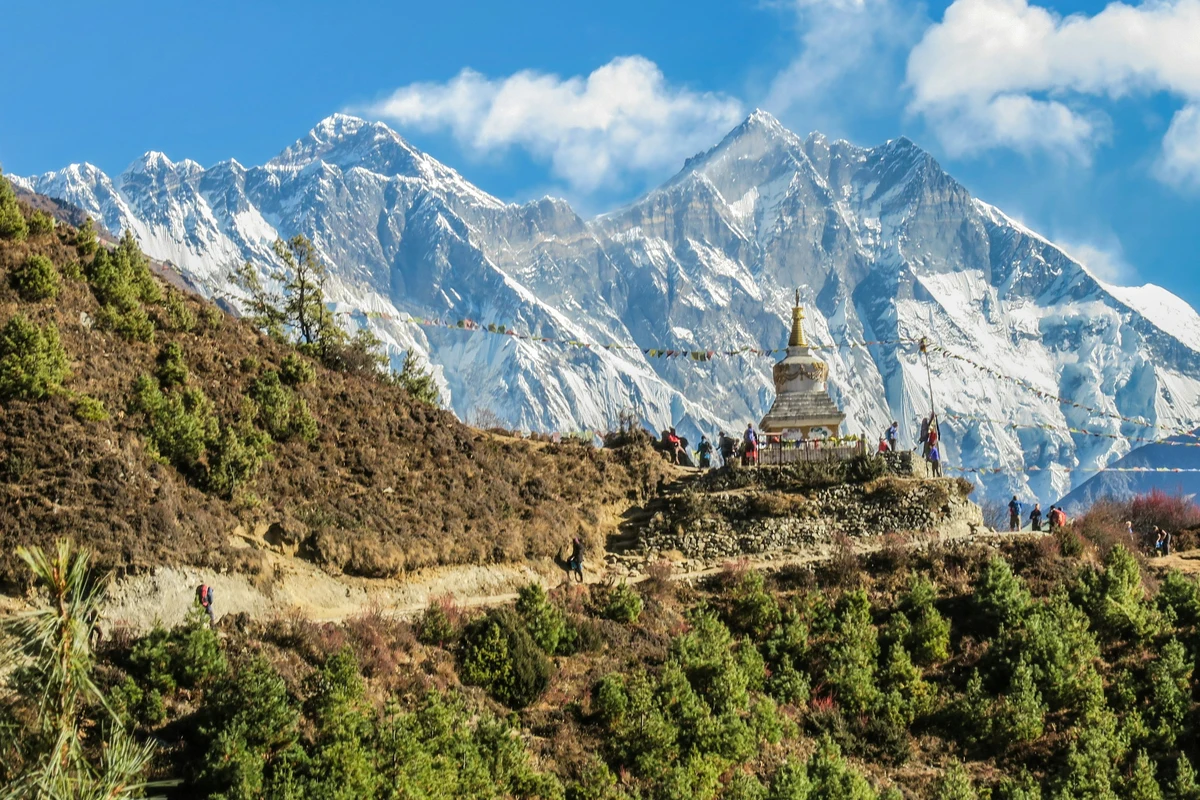
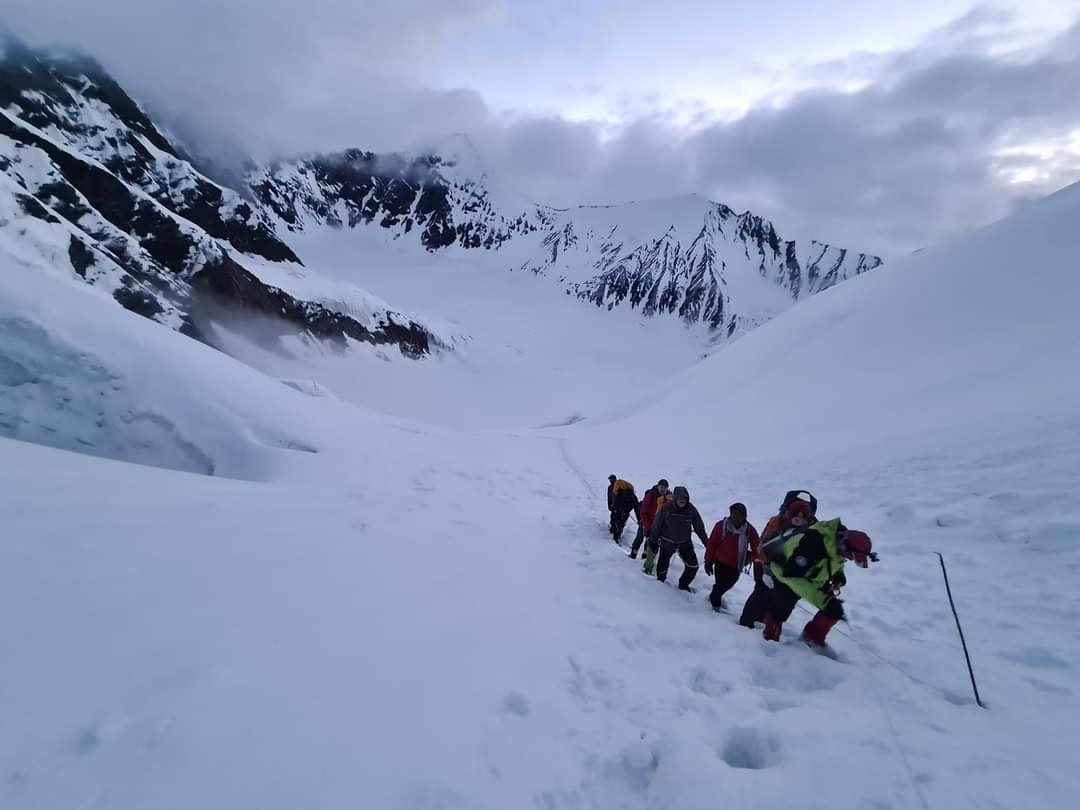
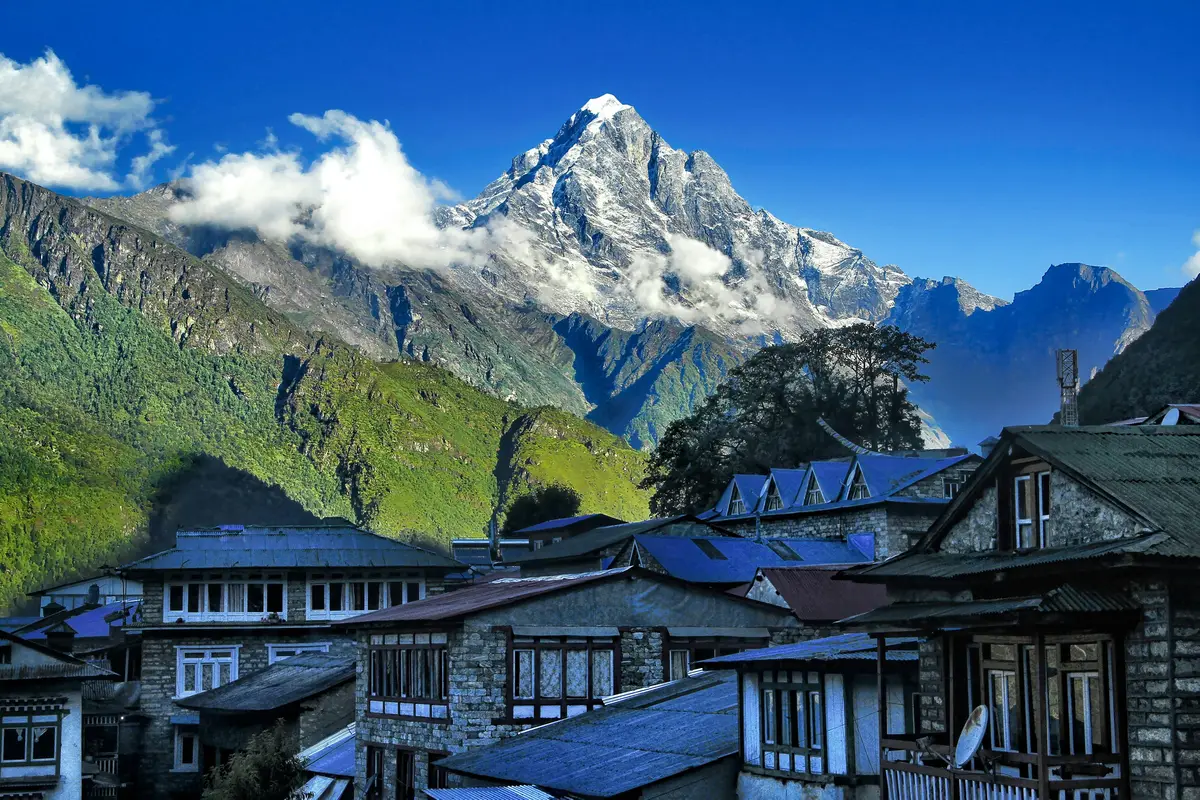
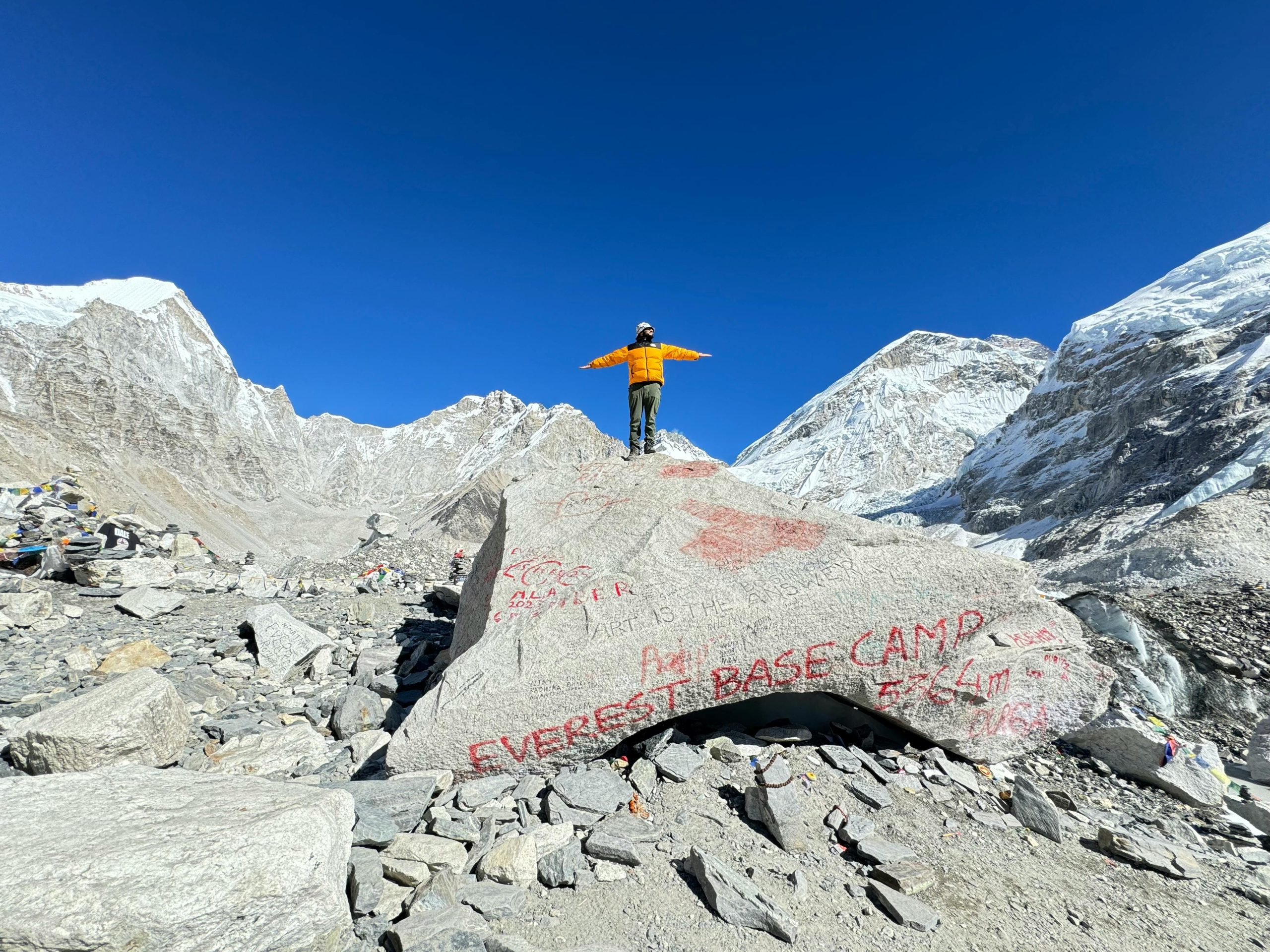
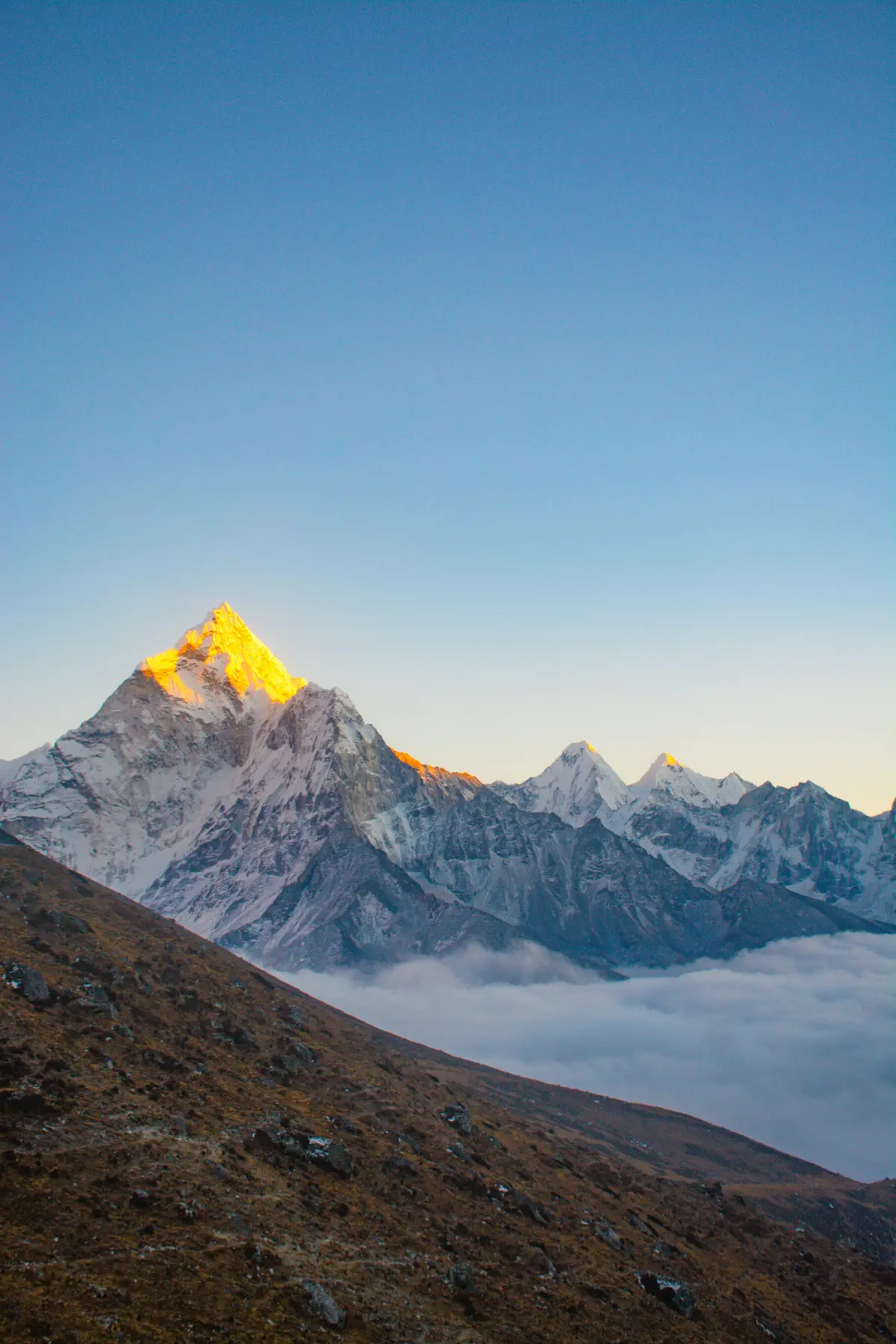
The Everest Base Camp trek takes you deep into the Khumbu region, showcasing the raw, high-altitude wilderness of the Himalayas. Towering peaks such as Mount Everest (8,848m), Lhotse, and Ama Dablam dominate the skyline. As you ascend, you’ll pass through pine forests, glacial valleys, and rugged moraines until you reach the legendary Everest Base Camp at 5,364 meters.
The view from Kala Patthar (5,545m), a popular side trek, offers one of the best panoramic scenes of Everest often the highlight of the journey.
Annapurna Base Camp (ABC)
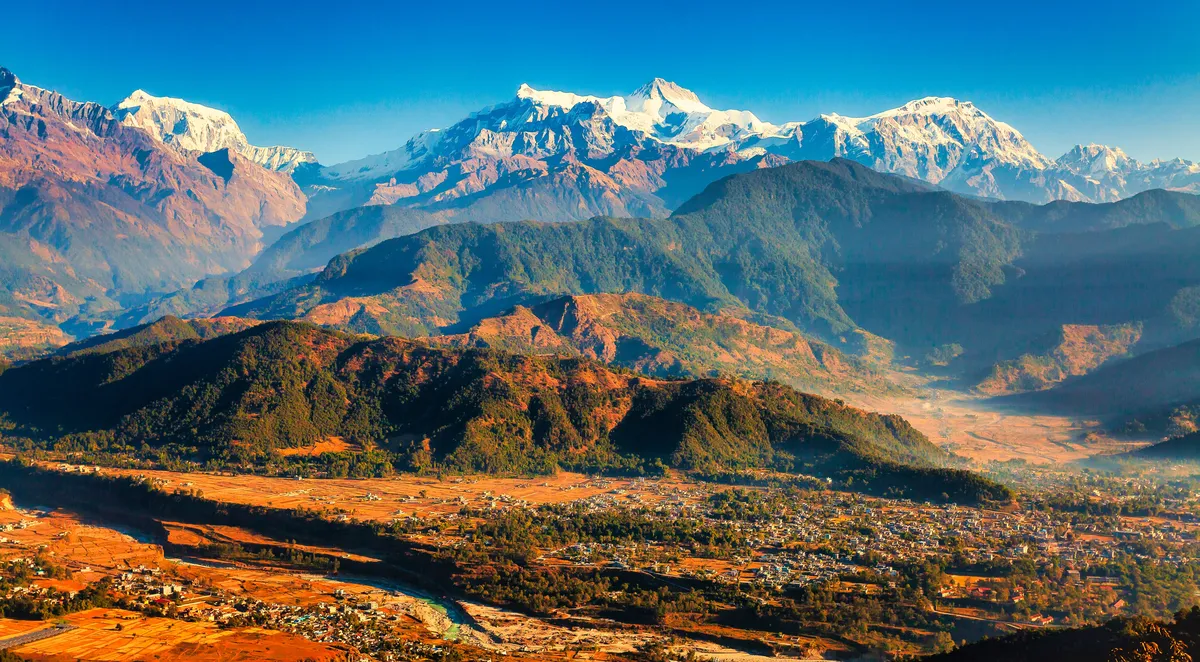
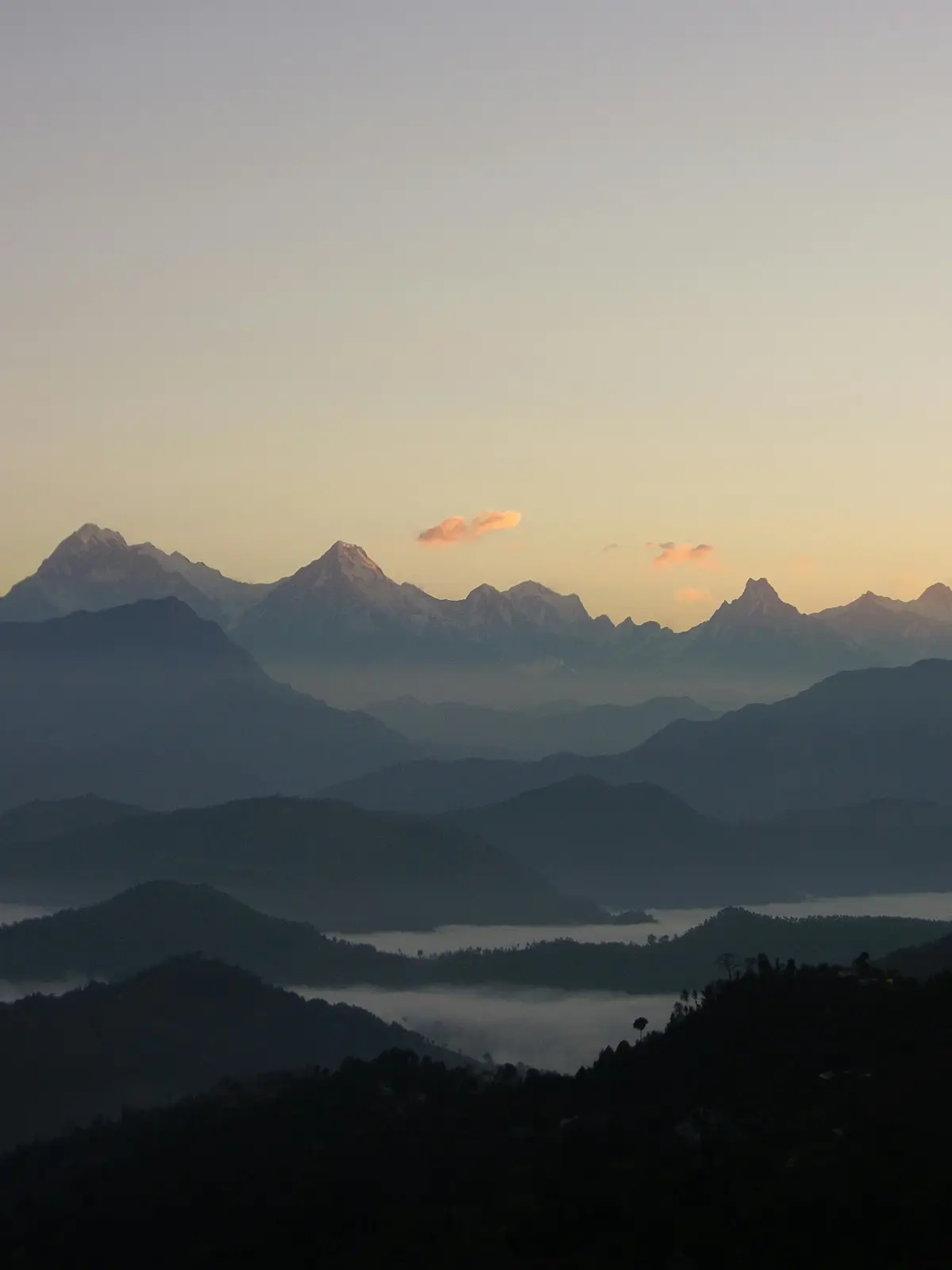
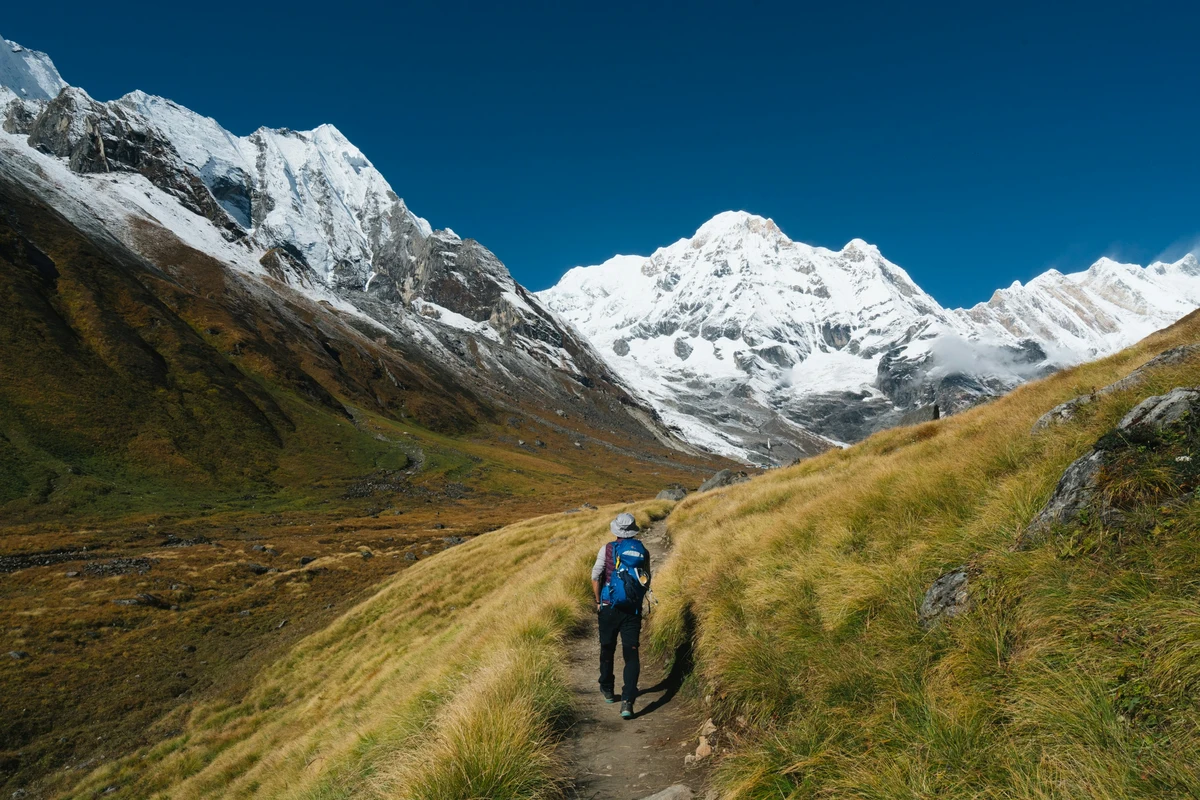
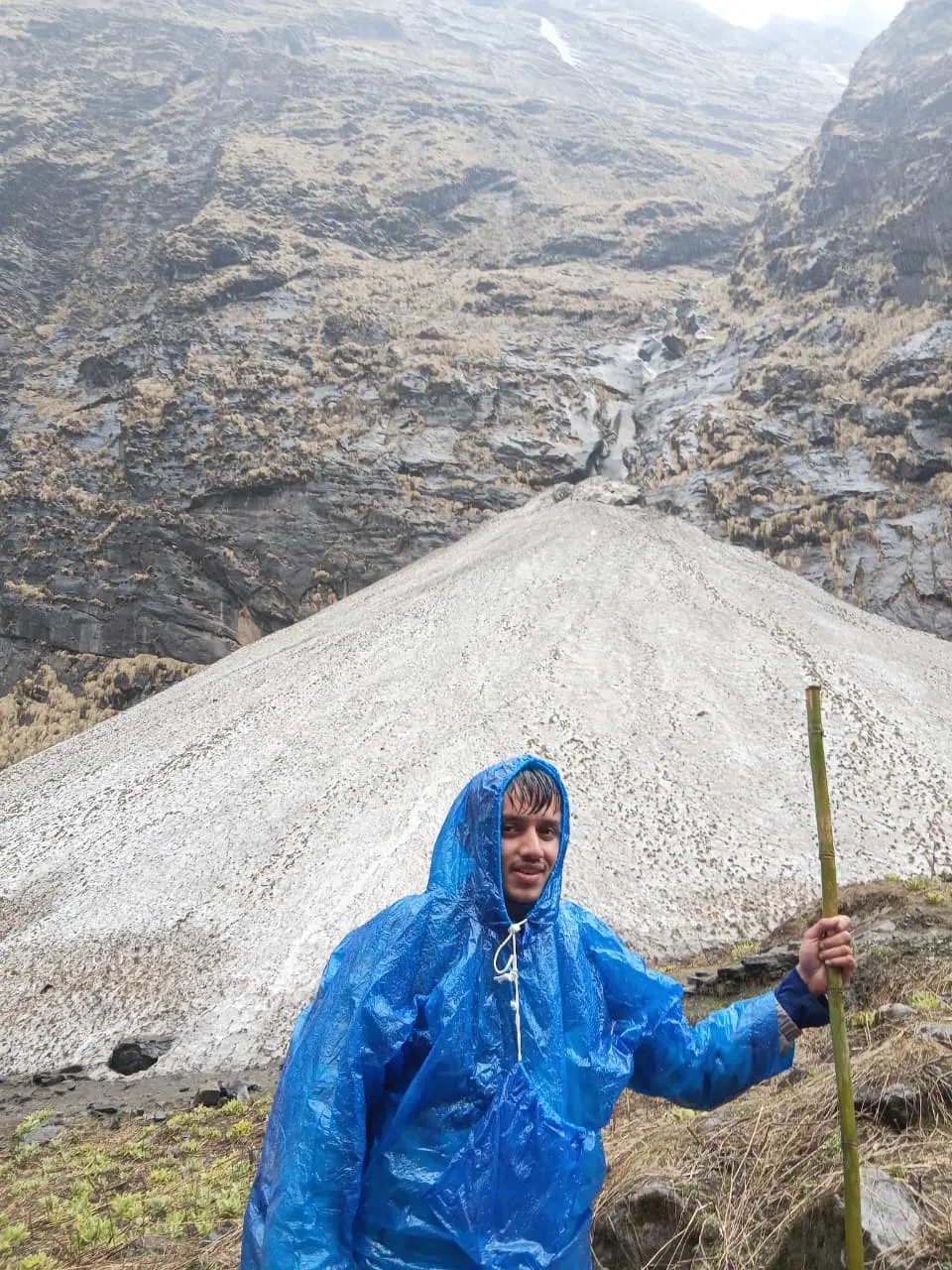
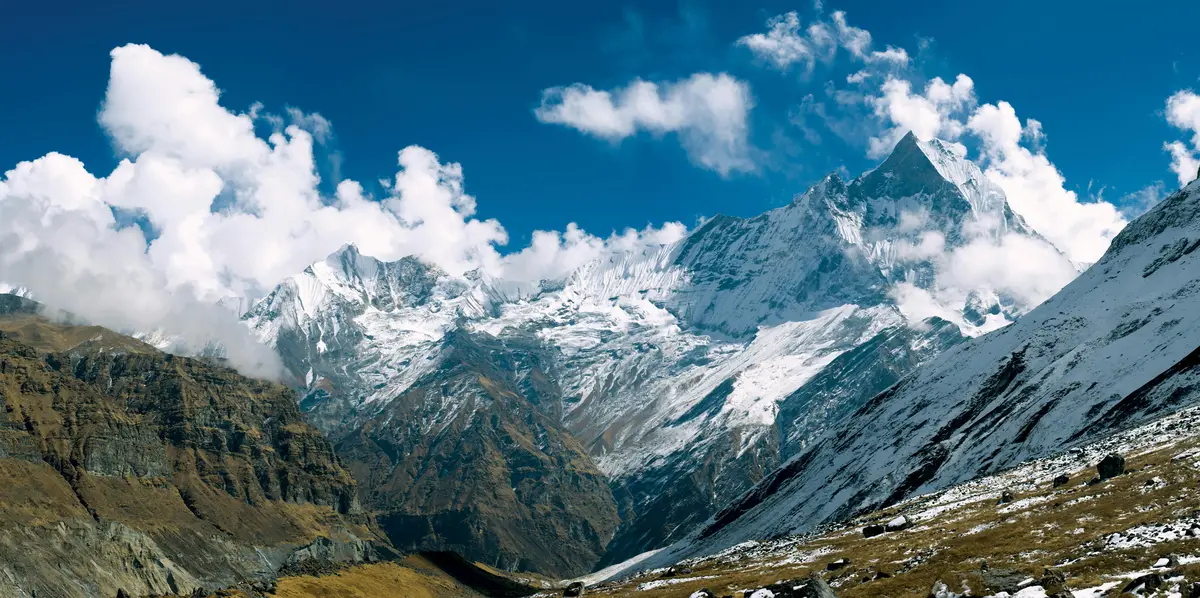
In contrast, the Annapurna Base Camp trek offers a diverse range of landscapes within a more compact region. The trail begins in sub-tropical forests and terraced rice paddies, transitions through bamboo groves and rhododendron forests, and finally emerges into the natural amphitheater of the Annapurna Sanctuary at 4,130 meters. You’re surrounded by towering peaks like Annapurna I (8,091m), Machapuchare (Fishtail), and Hiunchuli.
Verdict:
-
EBC: Best for dramatic, rugged alpine scenery and views of the world’s tallest peaks.
-
ABC: Ideal for those who enjoy changing landscapes and lush forests leading to a scenic sanctuary.
2. Altitude and Acclimatization
EBC
Reaching above 5,300 meters, the Everest trek poses a greater risk of altitude sickness. Proper acclimatization is critical, and the trek itinerary often includes rest days in Namche Bazaar and Dingboche. The air gets thin and cold, and trekkers must go slow and stay hydrated to avoid AMS (Acute Mountain Sickness).
ABC
The highest point of the ABC trek is significantly lower at 4,130 meters, and the ascent is more gradual. This makes acclimatization easier, and altitude-related problems are less frequent.
Verdict:
-
ABC is safer for those concerned about high altitude or with no prior experience at elevation.
-
EBC requires more preparation and caution.
3. Trek Duration and Difficulty
EBC
This trek typically lasts 12-14 days, including acclimatization days. The trails are long and often steep, with long hours of trekking each day. The high altitude adds to the challenge, making this trek moderately to highly difficult.
ABC
The ABC trek is shorter, generally 7-10 days. It’s moderately challenging but more manageable for first-time trekkers or those with less time.
Verdict:
-
EBC is best for experienced or fit trekkers seeking a serious challenge.
-
ABC is more accessible, especially if you’re short on time or new to trekking.
4. Cultural and Local Experience
EBC
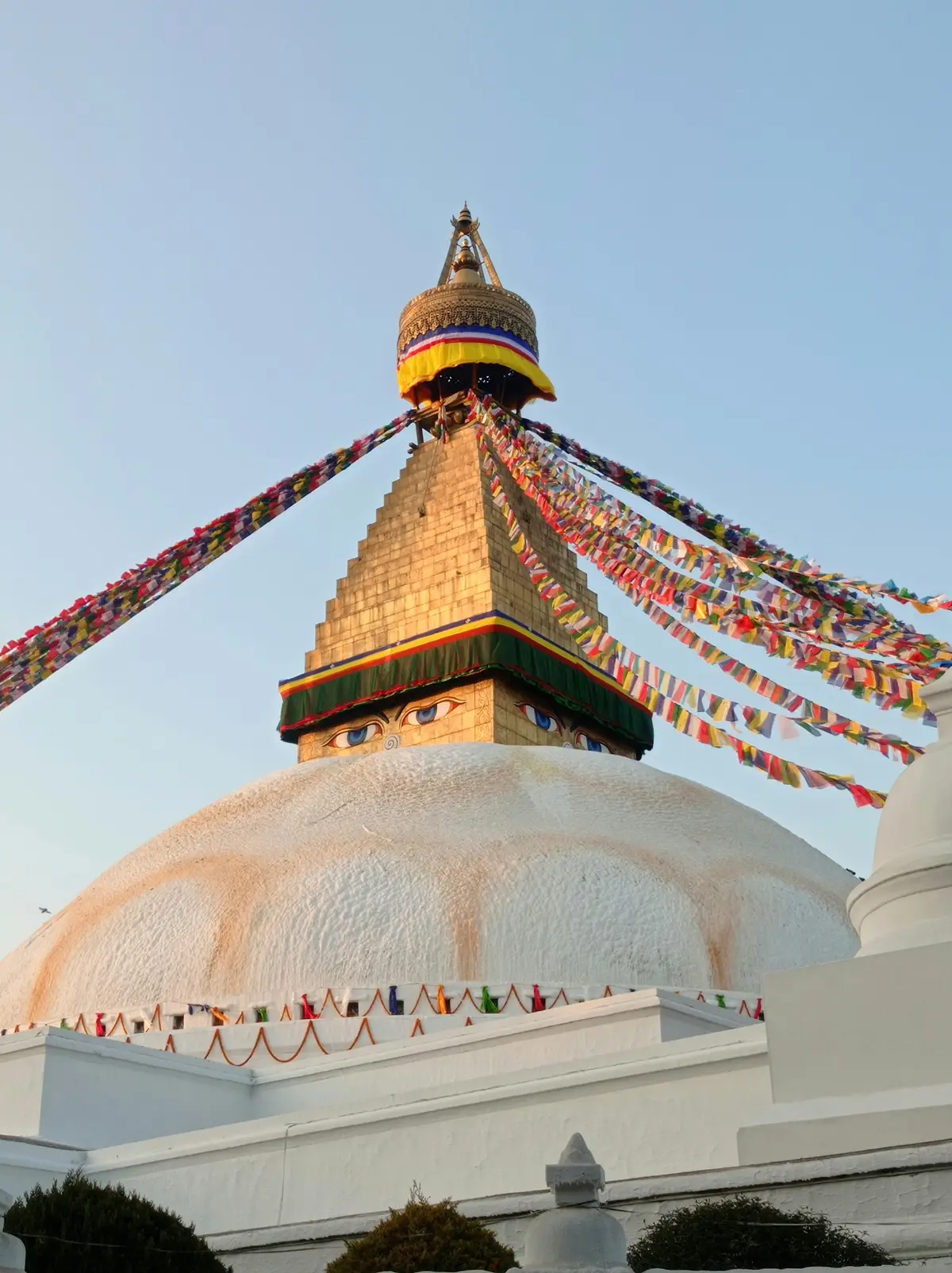
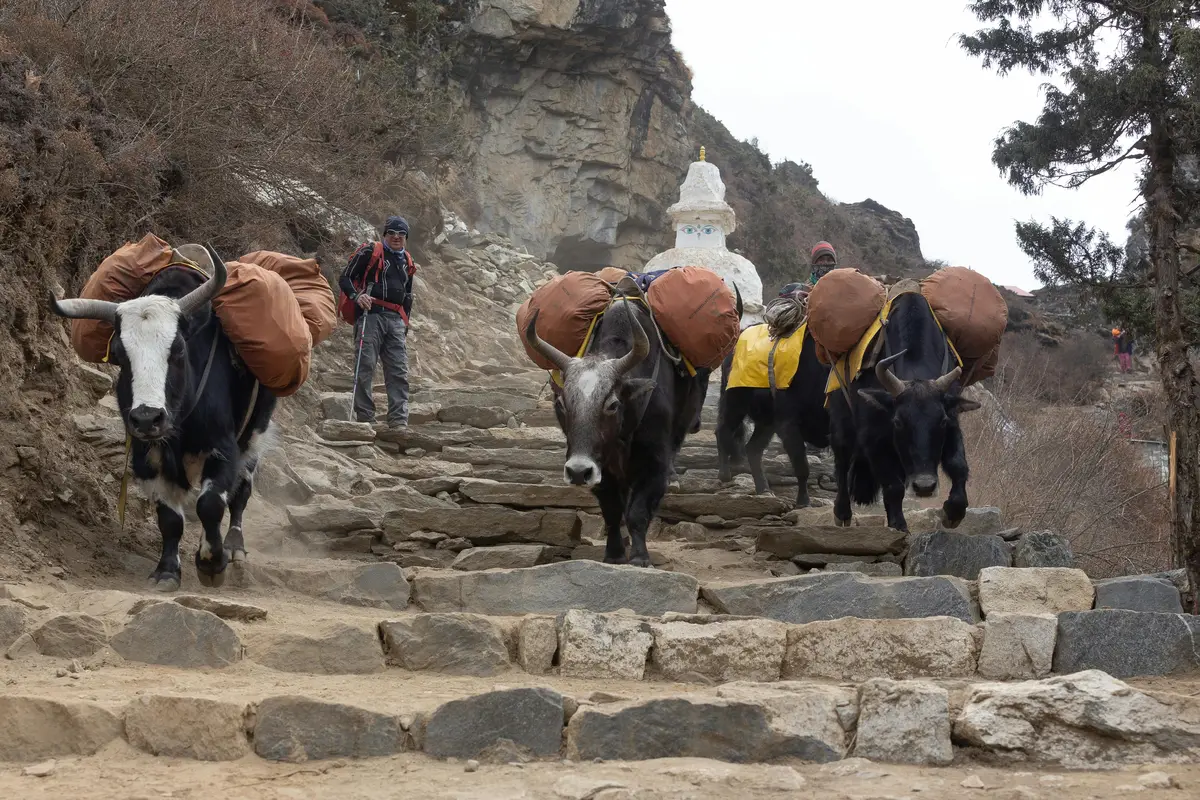
The trail to Everest takes you through Sherpa villages rich in Buddhist culture. You’ll encounter Tibetan-style monasteries, prayer flags, and chortens (stupas). Visiting Tengboche Monastery, the spiritual heart of the Khumbu, is a unique highlight.
ABC
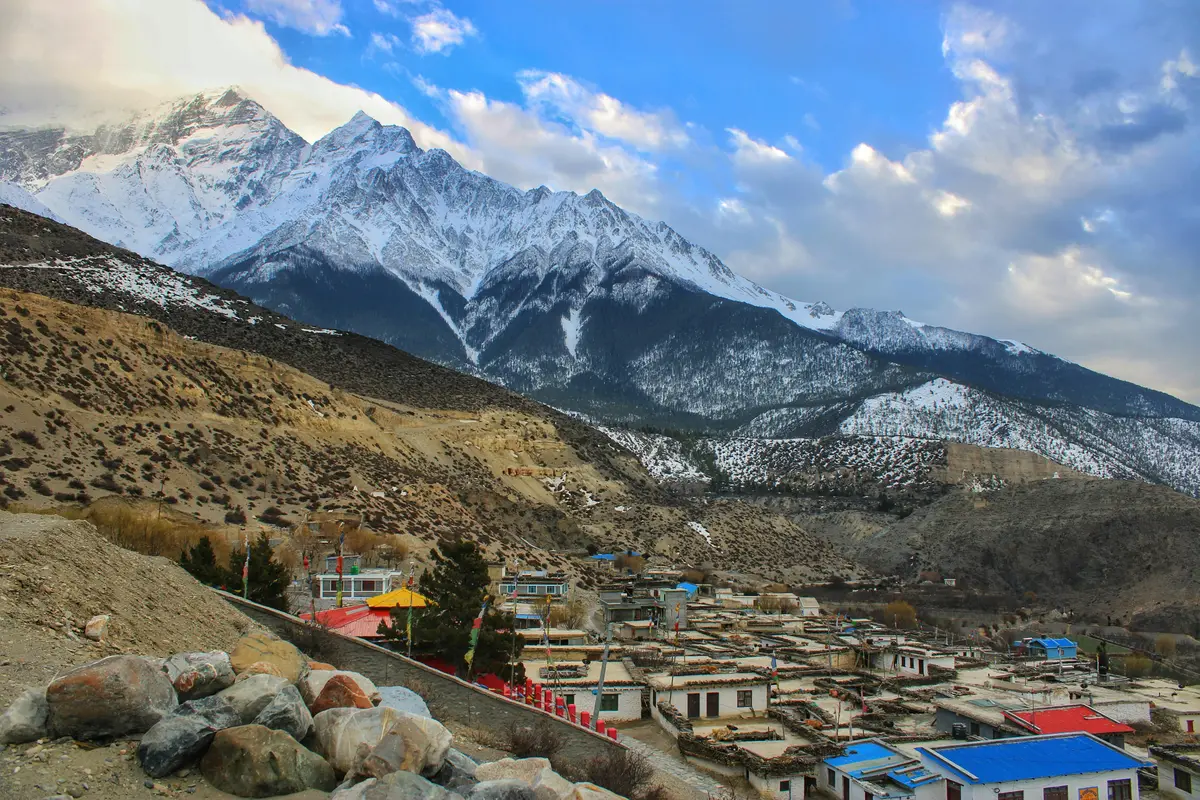
The ABC route offers immersion into the Gurung and Magar cultures of central Nepal. Traditional villages like Ghandruk and Chhomrong feature stone houses, cultural museums, and local hospitality.
Verdict:
-
Choose EBC if you’re interested in Tibetan Buddhist culture and Himalayan highland traditions.
-
Opt for ABC for a more diverse and homely village experience with mixed Hindu and Buddhist influence.
5. Access and Transportation
EBC
To reach the starting point of the EBC trek, you must fly into Lukla a tiny airstrip perched on a mountainside. This flight is thrilling but weather-dependent, often causing delays or cancellations.
ABC
ABC treks begin from Pokhara, which is accessible by a 25-minute flight or a 6-8 hour bus ride from Kathmandu. From Pokhara, the trailhead is just a short drive away.
Verdict:
-
ABC is more accessible and convenient, especially during bad weather.
-
EBC involves more logistical challenges due to reliance on flights to Lukla.
6. Cost and Budget
EBC
This trek tends to be more expensive, mainly due to flights to Lukla, longer duration, and higher costs for food and lodging in the Khumbu region.
ABC
Generally more budget-friendly, with cheaper accommodation, permits, and transportation. Food and lodging costs are also lower due to better access to supplies in the Annapurna region.
Verdict:
-
Choose ABC if you’re trekking on a tighter budget.
-
Choose EBC if you’re willing to spend more for a more extreme adventure.
7. Crowds and Popularity
EBC
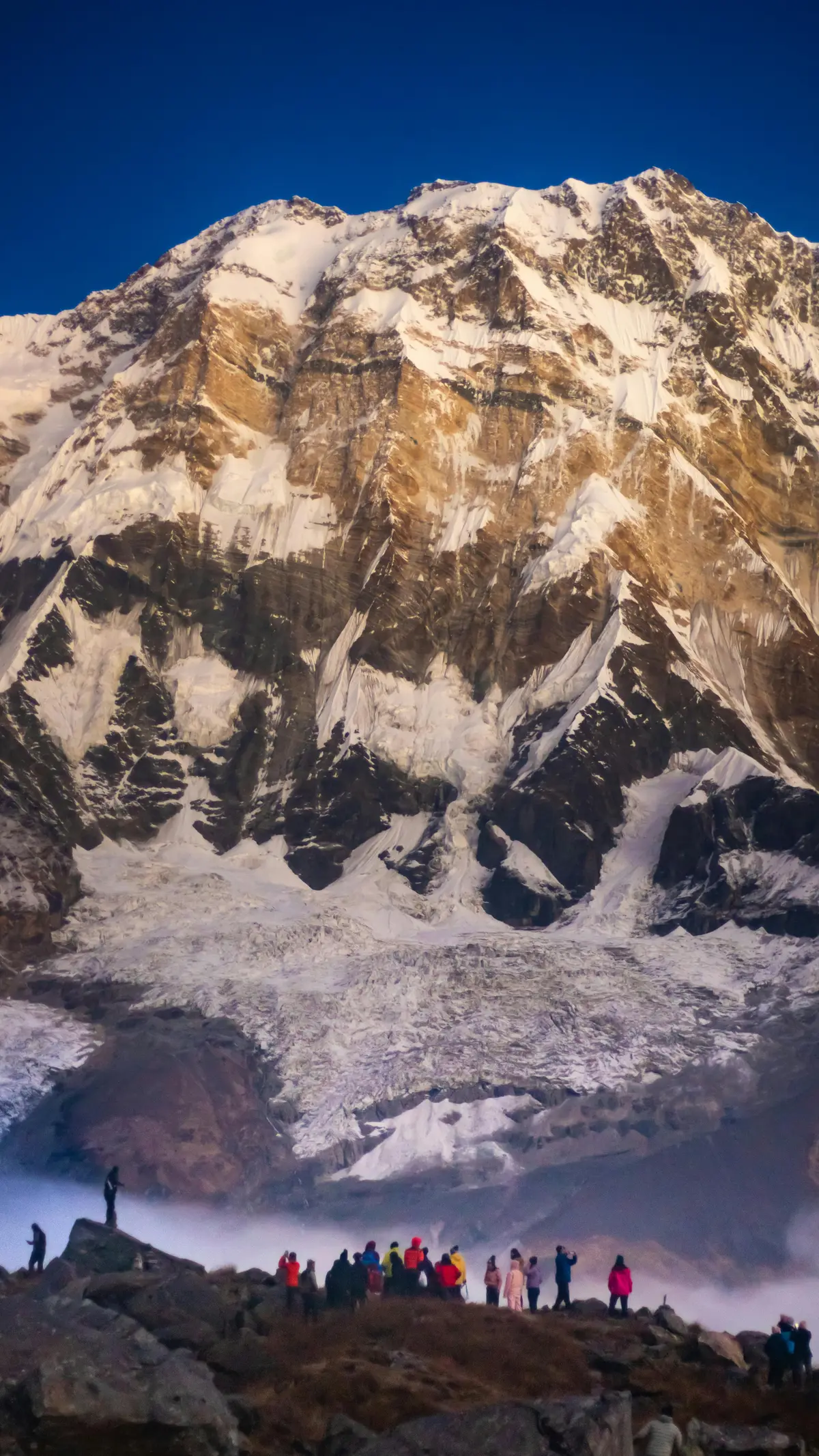
It’s one of the world’s most famous treks and can get quite crowded, especially in spring (March-May) and autumn (September-November). The trail and tea houses fill quickly.
ABC
While also popular, ABC tends to be less crowded, especially if you choose alternative routes like Poon Hill or Jhinu Danda.
Verdict:
-
For a quieter, more peaceful experience, ABC may be the better choice.
-
EBC is great if you enjoy the camaraderie of fellow adventurers from around the world.
8. Highlights and Side Trips
EBC Highlights
-
Standing at Everest Base Camp
-
Stunning viewpoint at Kala Patthar
-
Crossing suspension bridges over deep valleys
-
Visiting Namche Bazaar, the Sherpa capital
-
Tengboche Monastery, spiritual hub of the region
ABC Highlights
-
Sunrise views from Poon Hill
-
Natural hot springs at Jhinu Danda
-
Cultural village stays in Ghandruk and Landruk
-
Trek through Annapurna Sanctuary with 360° mountain views
Final Verdict: Which Trek is Right for You?
| Feature | Everest Base Camp | Annapurna Base Camp |
|---|---|---|
| Altitude | High (5,364m) | Moderate (4,130m) |
| Duration | 12–14 days | 7–10 days |
| Difficulty | Challenging | Moderate |
| Culture | Sherpa, Buddhist | Gurung, Magar, Mixed |
| Scenery | Glaciers, alpine valleys | Lush forests to snow peaks |
| Accessibility | Flight to Lukla | Road/flight to Pokhara |
| Budget | Higher | Lower |
| Crowds | More crowded | Less crowded |
Choose Everest Base Camp if:
-
You want to stand in the shadow of the highest mountain on Earth.
-
You’re physically fit and ready for a challenge.
-
You’re fascinated by Sherpa culture and Buddhist monasteries.
Choose Annapurna Base Camp if:
-
You prefer a shorter, more affordable trek.
-
You want scenic variety from jungles to snow-capped peaks.
-
You’re a beginner or concerned about high altitudes.
Conclusion: No Wrong Choice in the Himalayas
Ultimately, both EBC and ABC treks are spectacular in their own right. Your decision should reflect your personal interests, physical condition, available time, and desired cultural experiences. Whether you opt for the epic scale of Everest or the diverse beauty of Annapurna, trekking in Nepal is guaranteed to be a transformative and humbling journey.
Plan Your Trek with First Camp Trek
At First Camp Trek, we offer expert-guided treks to both Everest and Annapurna regions. From personalized itineraries to local cultural insights and safe trekking practices, we’re here to make your Himalayan dream a reality.
Contact us today and let’s plan your next great adventure!