The Ultimate Inspiring Guide to the Manaslu Circuit Trek
The Ultimate Guidebook for Manaslu Circuit Trek
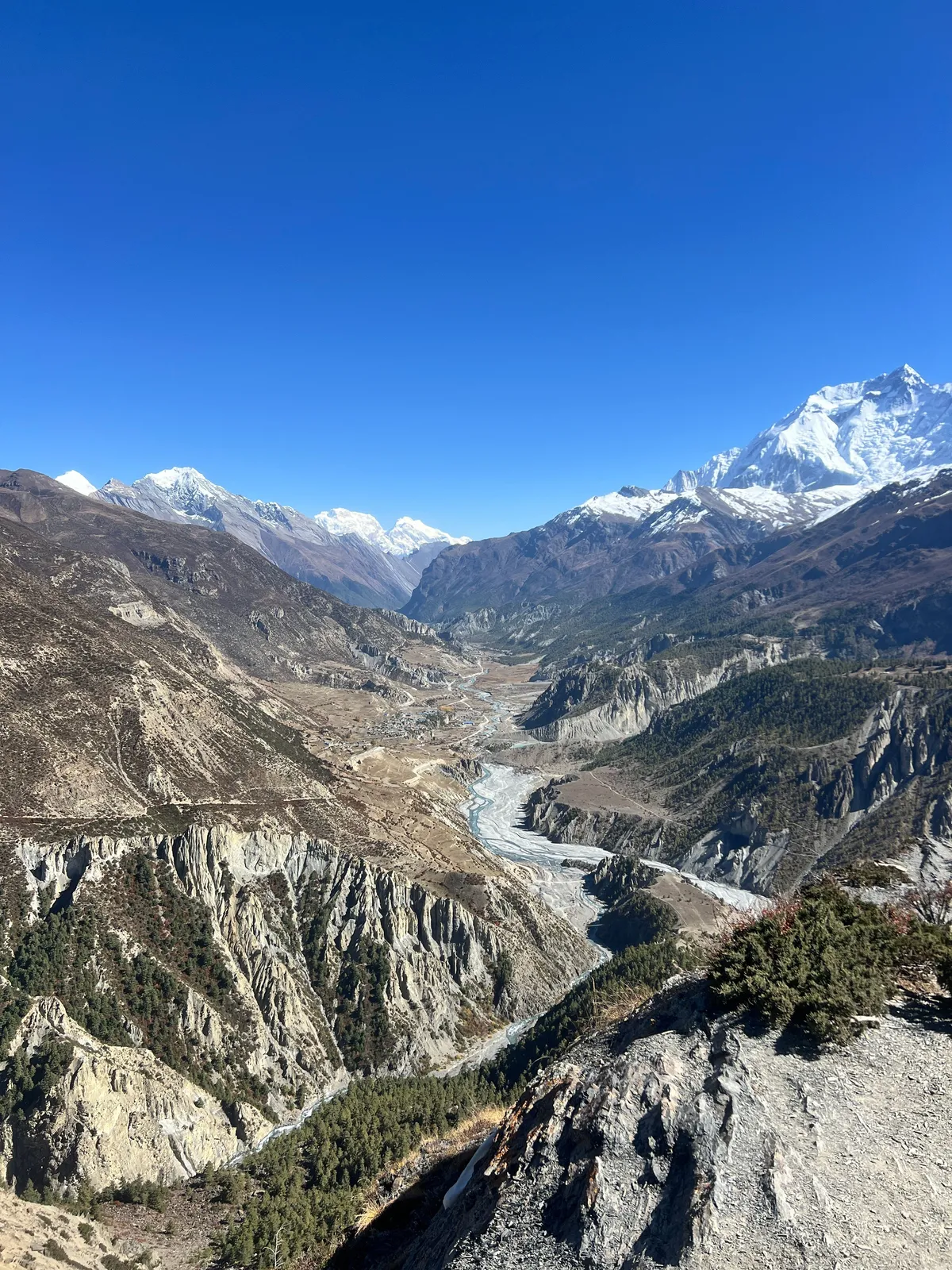
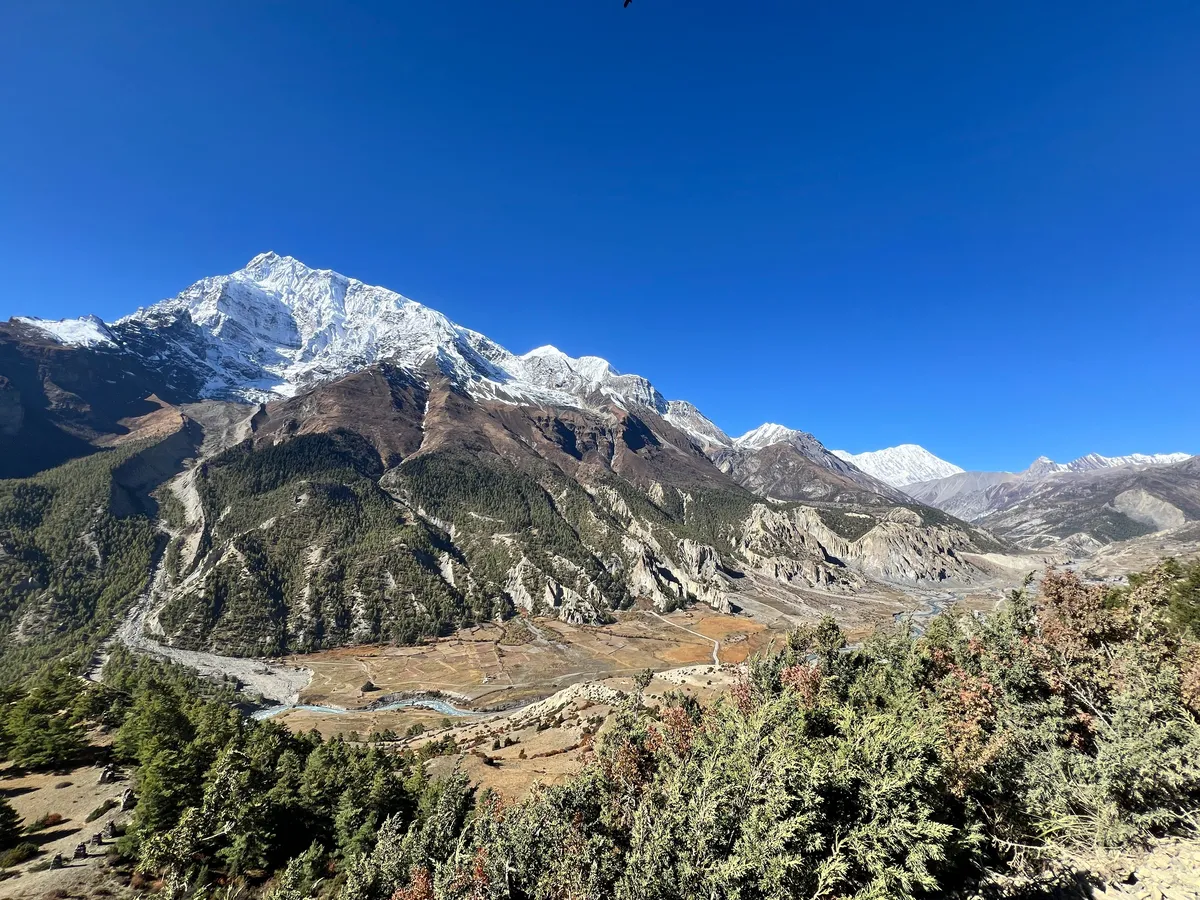
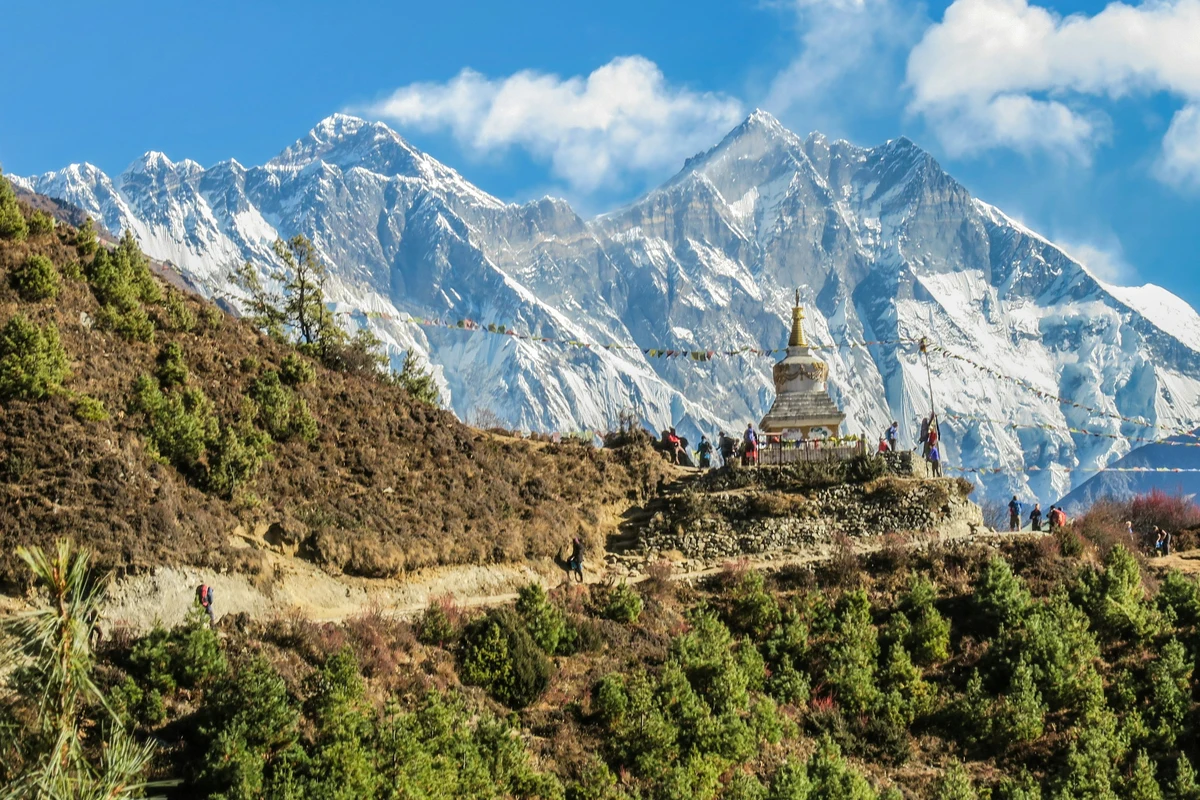
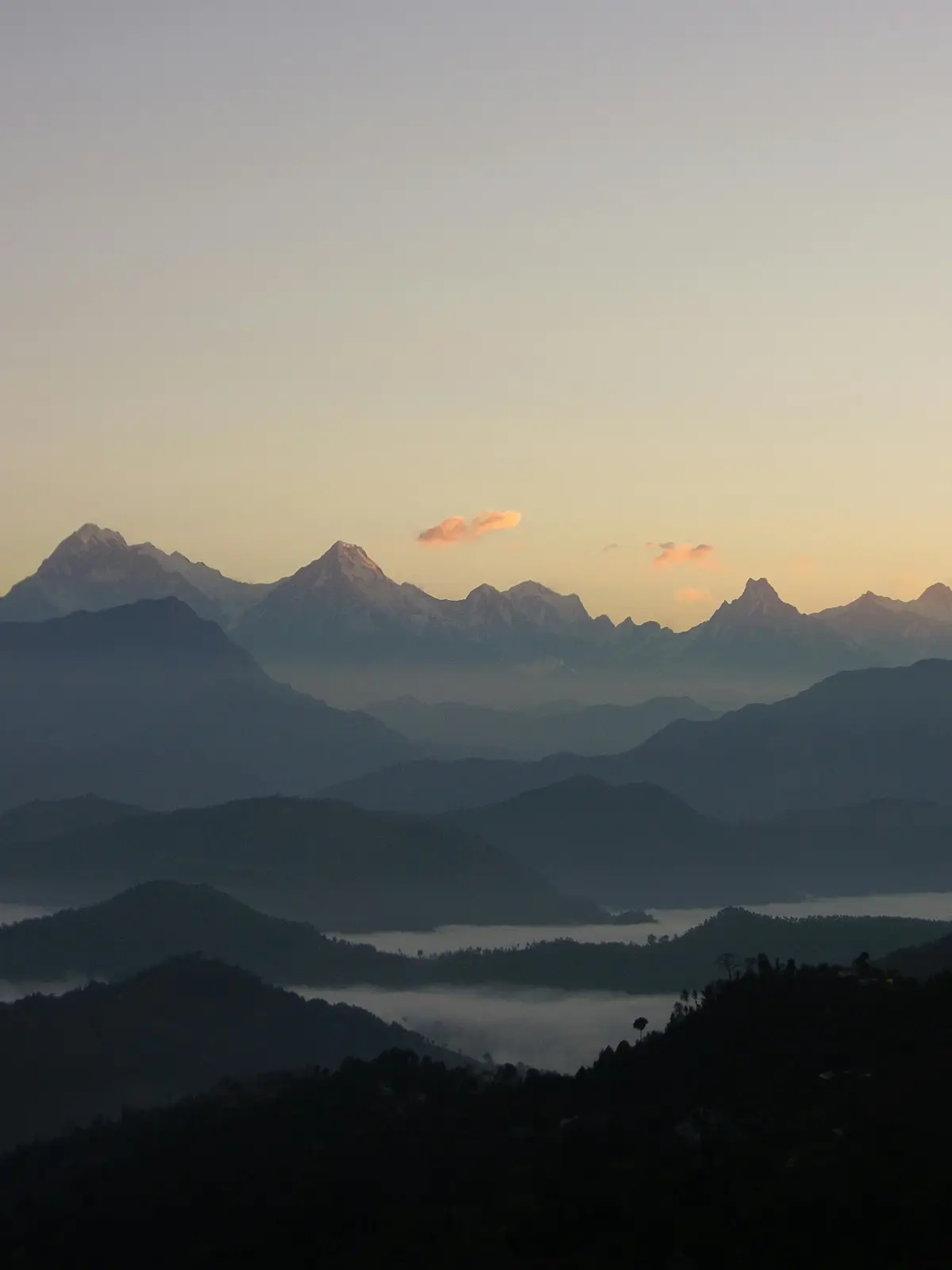
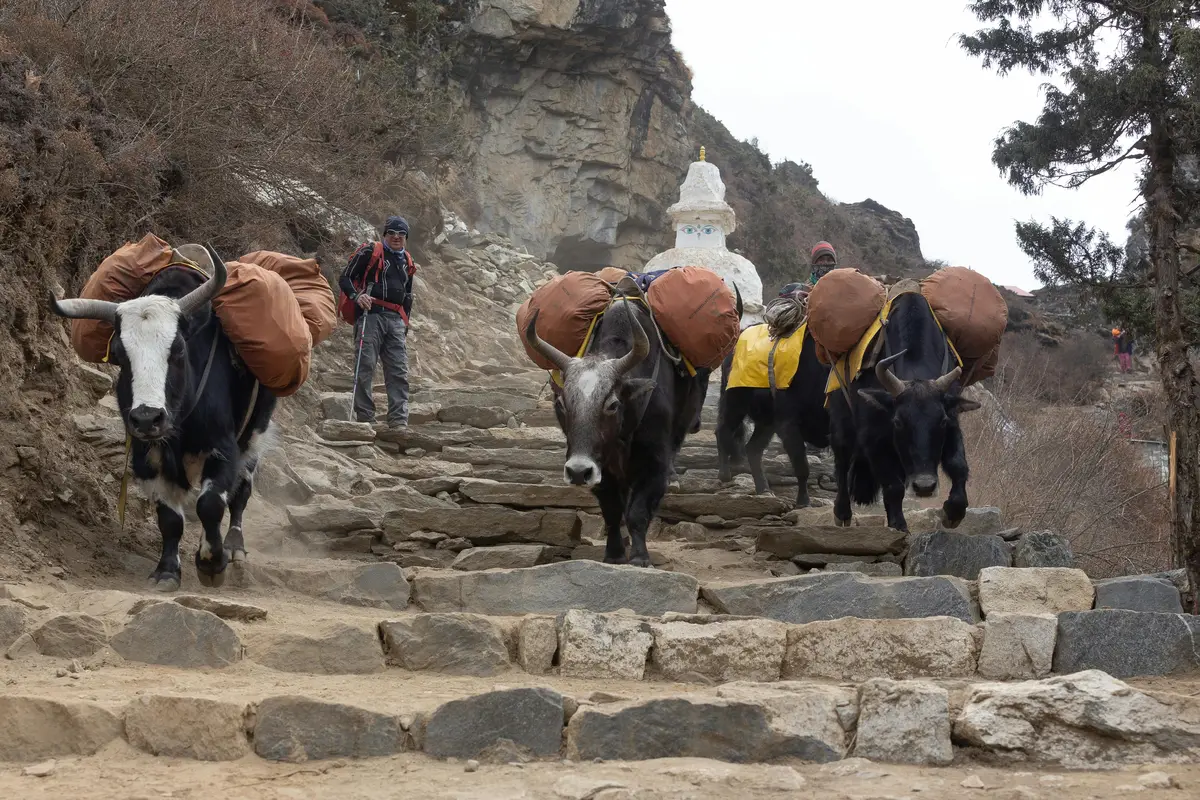
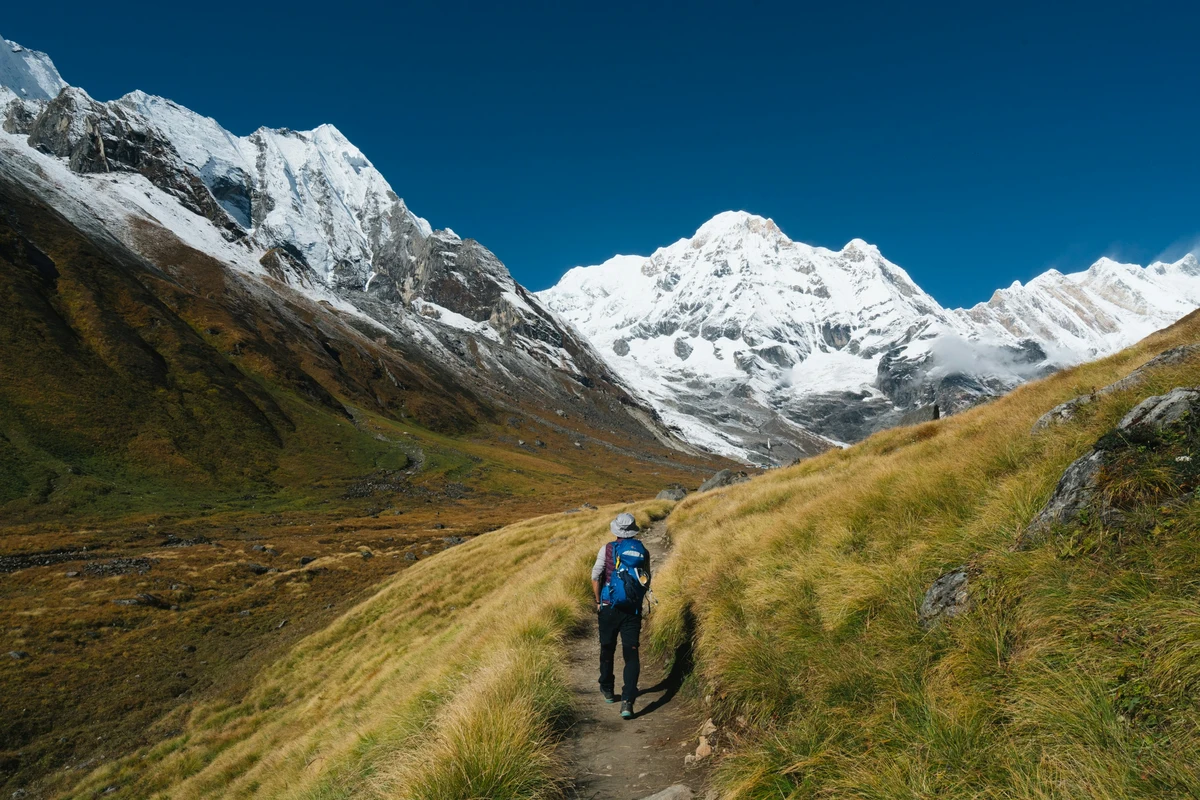
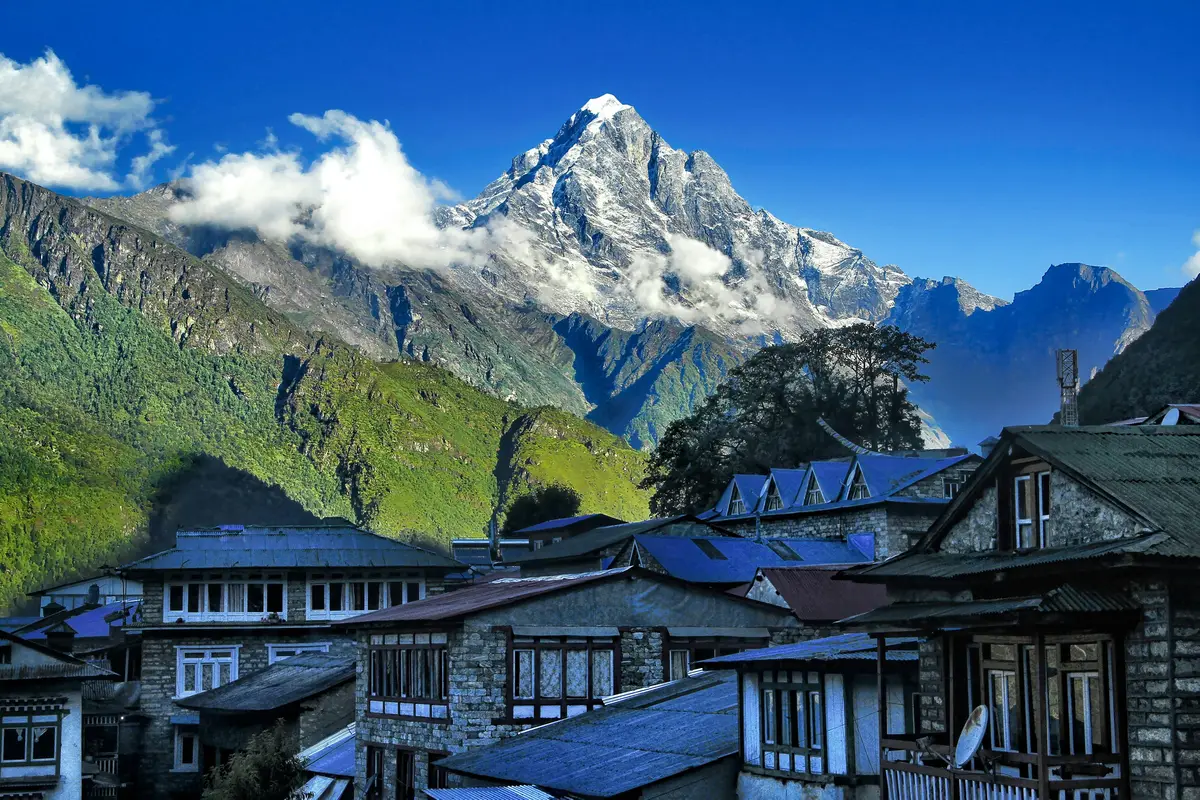
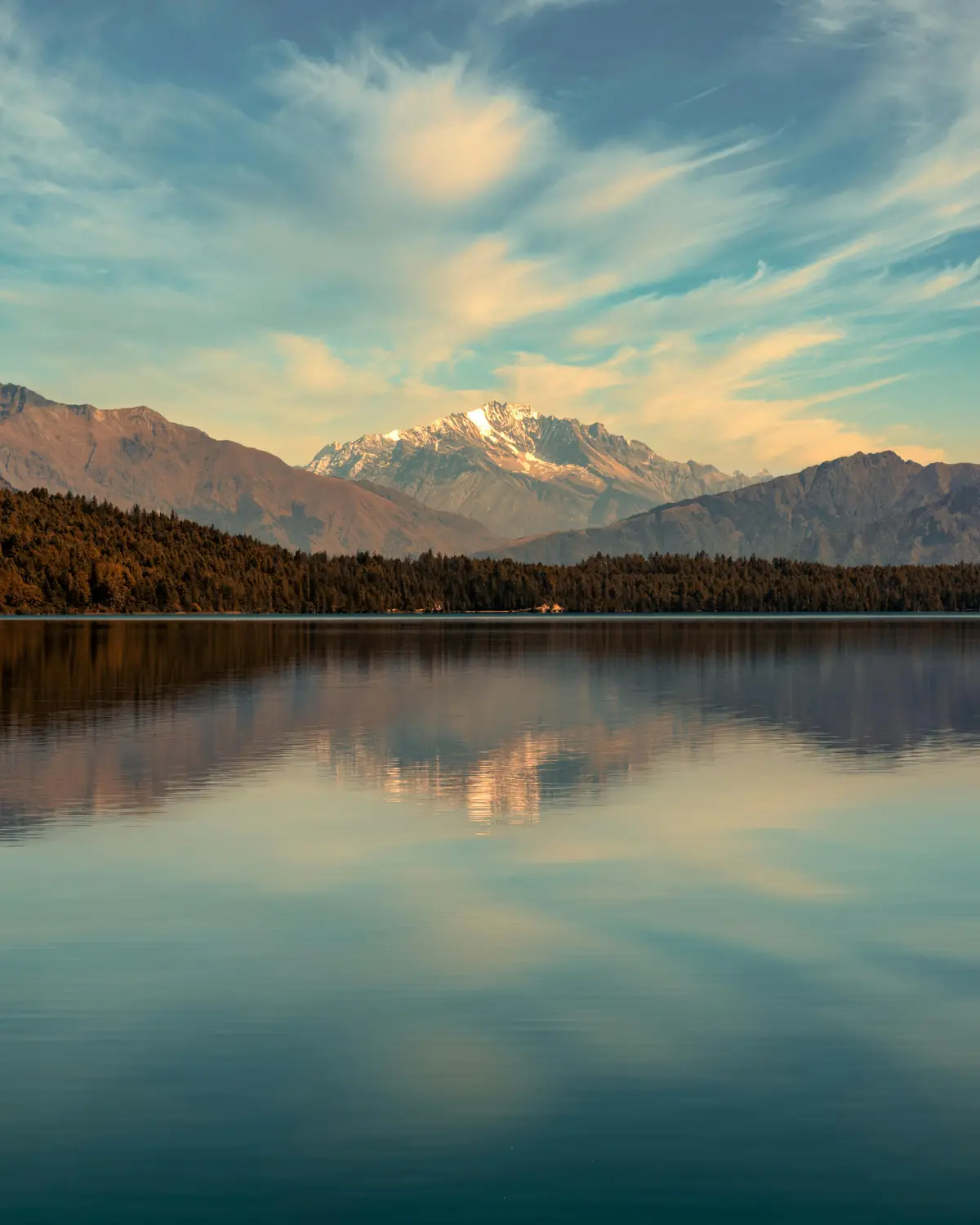
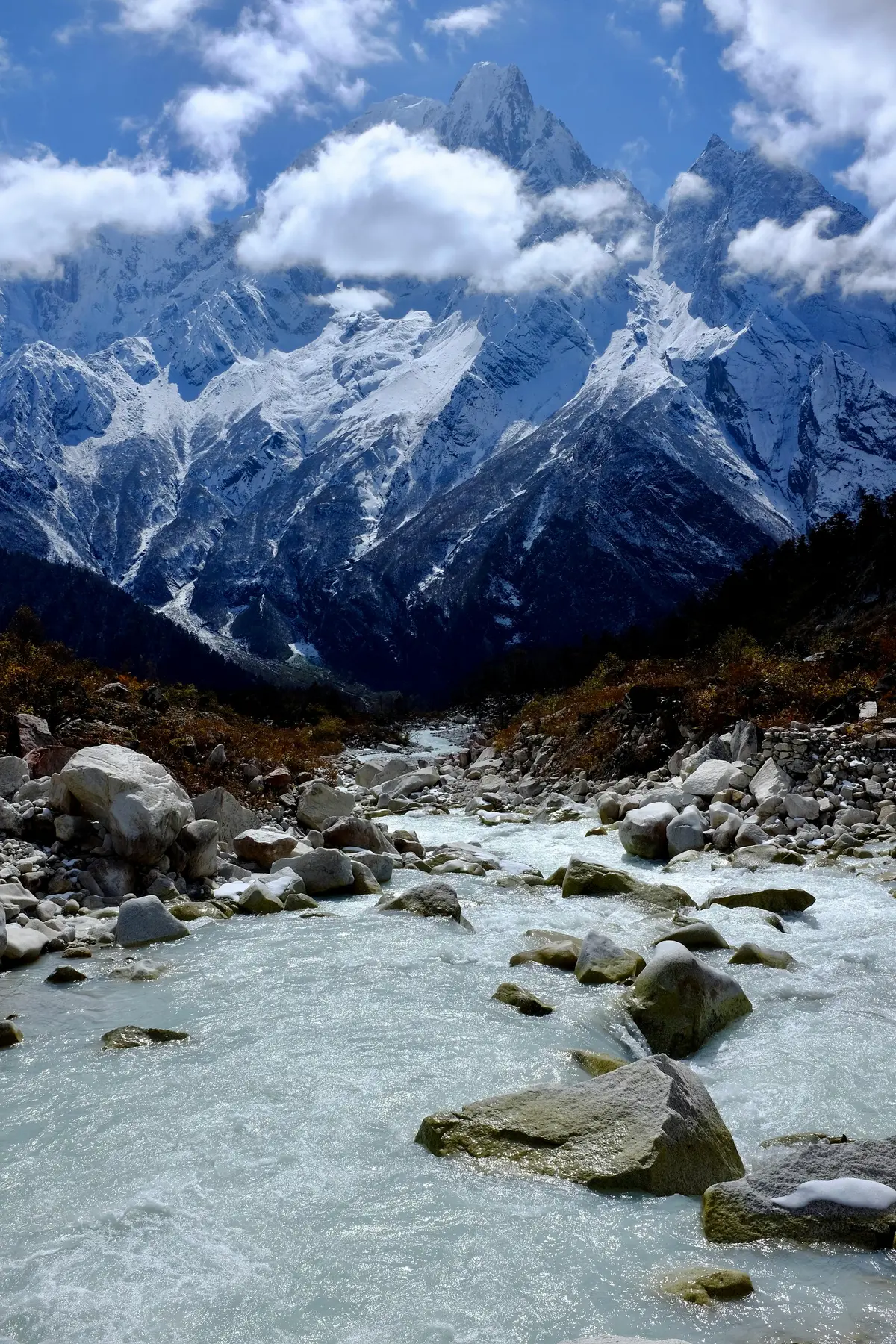
Nepal is a Himalayan country with incredible treks, and while Everest and Annapurna are far and away the attraction for most travelers, the Manaslu Circuit Trek is a tourism insider’s best-kept secret for those seeking solitude, unadulterated natural beauty, and unspoiled cultural encounters. This lesser-trodden trail is a circuit of Mount Manaslu, world’s eighth-highest peak at 8,163m, with incredible scenery, vast Tibetan-influenced culture, and a trekking experience harking back to the pre-tourist days of the Annapurna Circuit.
Below, you will find a comprehensive guide on what you need to know to prepare for your Manaslu Circuit Trek, from trail and permits to what season is best for visiting, what you need to bring, and what you can expect on the trail.
Why the Manaslu Circuit Trek
- The Manaslu Circuit Trek is ideal for solitude-seeking trekkers. The trail opened to tourists in the 1990s and remains less visited due to its isolation and requirement of a special permit. Though less traversed, it has excellent rewards:
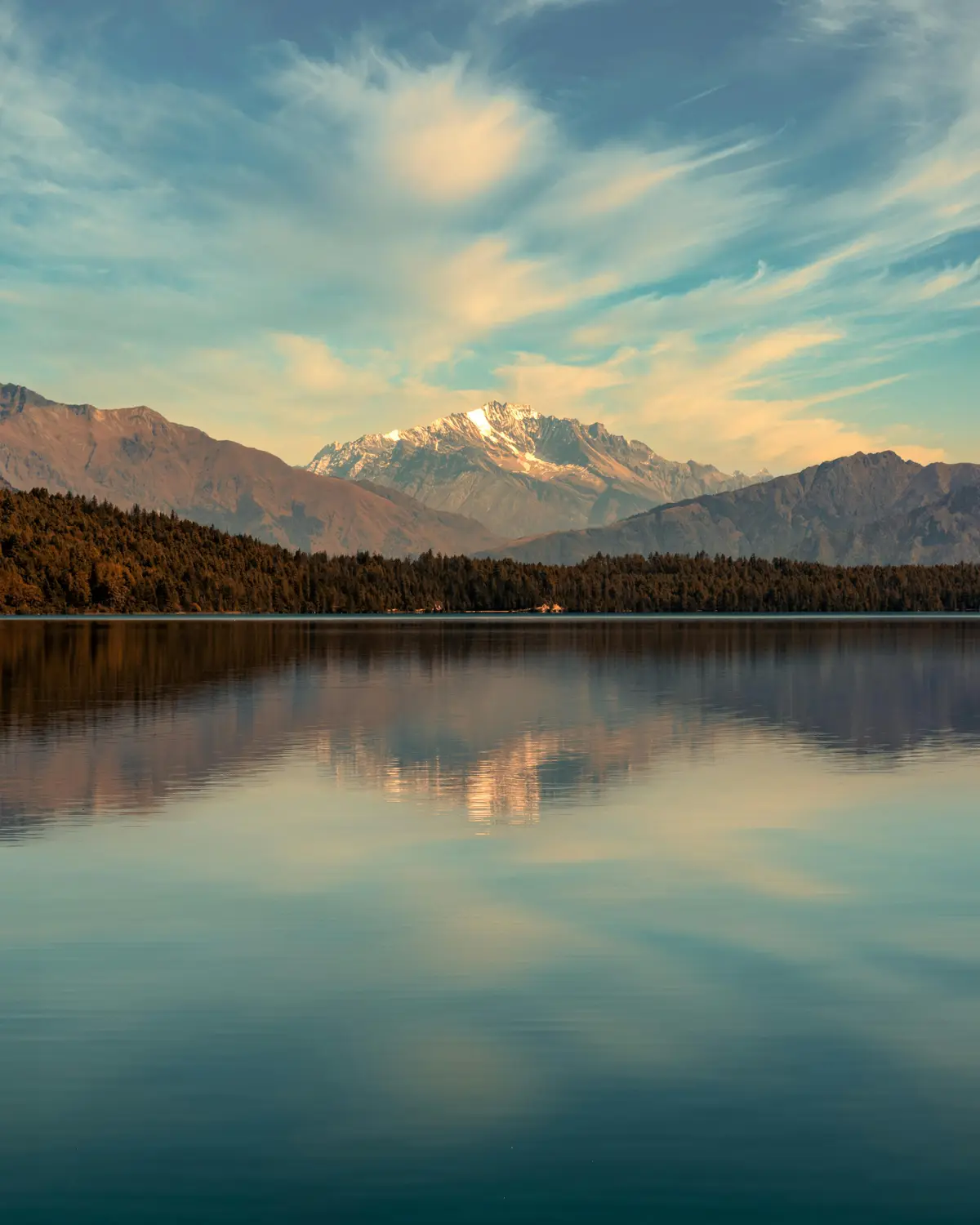
- Pristine mountain landscapes
- Fewer trekkers than either Everest or Annapurna
- Diverse ecosystems ranging from fertile lowlands to alpine tundra
- Ancient monasteries and prosperous Tibetan Buddhist society
- Crossing the breathtaking Larkya La Pass (5,160)
It combines an excellent blend of culture and nature, adventure and rest.
Route Description
The classic Manaslu Trek will take you 14 to 18 days, depending on acclimatization and pace. The trek starts at Soti Khola (or Machha Khola) and finishes at Dharapani, from which you’ll be able to join up with the Annapurna circuit if you wish.
Major Stops Along the Trail
- Soti Khola / Machha Khola – Access through riverside paths and tiered hills
- Jagat – Permission checkpoint and entry into Manaslu Conservation Area
- Namrung – With first glimpses of the high Himalayas
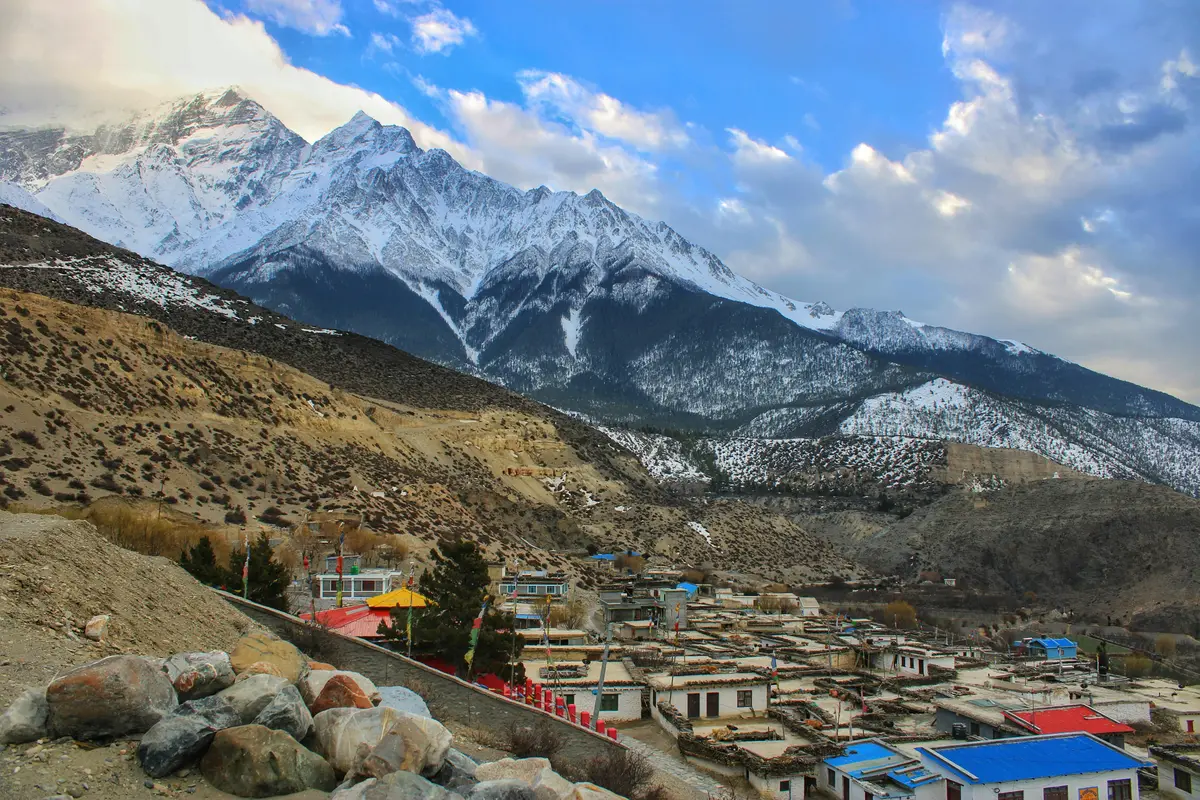
- Lho – Tibetan-like village with sweeping views of Manaslu
- Samagaon – acclimatization stop and base for Manaslu Base Camp visit
- Samdo – Remote village on Tibet’s frontier
- Dharamsala (Larkya Phedi) – Last high altitude camp before Larkya La Pass
- Larkya La Pass (5,160m) – The trekking high point
- Bimthang and Dharapani – Descend through rhododendron forests and
Permits Required
The Manaslu Circuit Trek traverses a restricted region, so you will need a special permit. This is what you will need:
- Manaslu Restricted Area Permit (RAP) – Obtainable only through a registered trekking agency
- Manaslu Conservation Area Permit (MCAP)
- Annapurna Conservation Area Permit (ACAP) – Required for Dharapani exit route
There are a minimum of two trekkers for RAP, and you must be accompanied by a licensed guide. Fortunately while travelling with First Camp Treks, First Camp takes care of all of the required permits that you will need during your trekking.
Best Time for Trekking
There are two main seasons for doing the Manaslu Circuit Trek.
Autumn (Sept. to Nov)
Advantages: Pleasant weather, stable climate, great view of mountains
Cons: More trekkers than spring (but far fewer than either Everest or Annapurna)
Spring (March through May):
Advantages: Blooming rhododendrons, comfortable temperatures, perfect for
Disadvantages: Possibility of afternoon haziness and cloudiness over lower altitudes
Avoid June through August due to landslides, leeches, and poor trail conditions. Winter (December through February) is doable but challenging due to snow above the pass and limited lodge availabilities.

Difficulty and Fitness Level
The Manaslu Circuit Trek is a moderately demanding hike. Whilst there is no technical climbing, you will require
Good cardiovascular fitness.
- Ability to walk for 6-8 hours a day on varied landscapes
- High-altitude acclimatization is essential
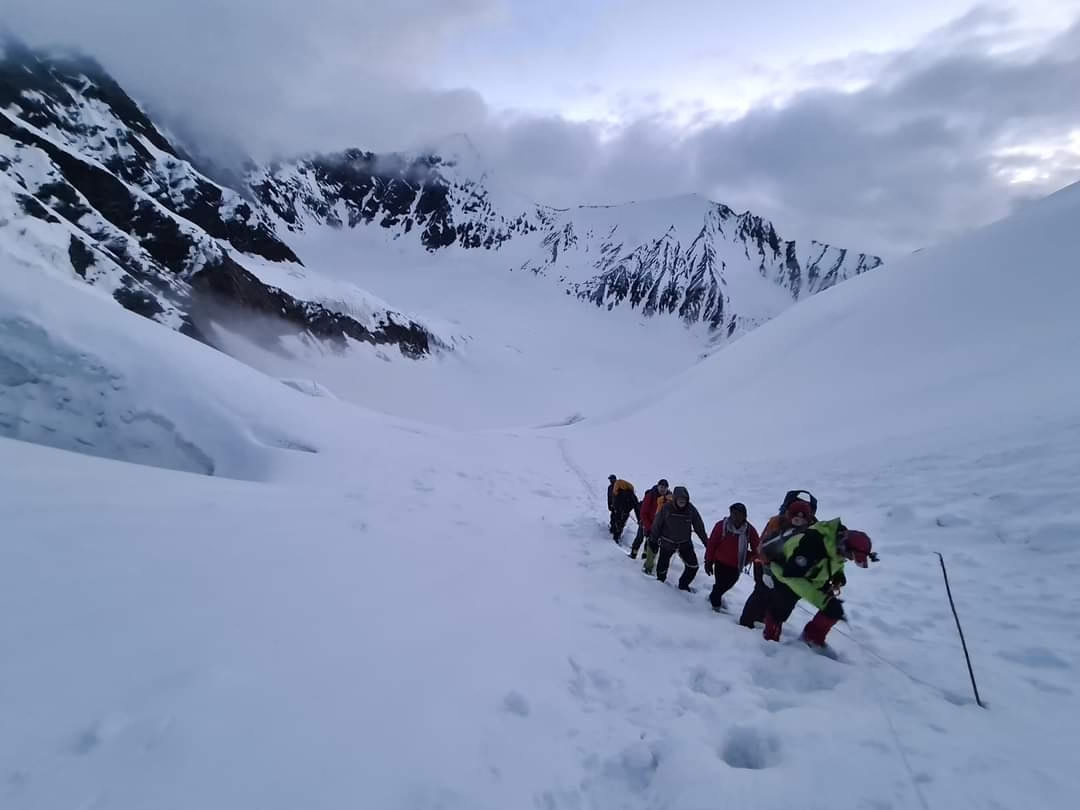
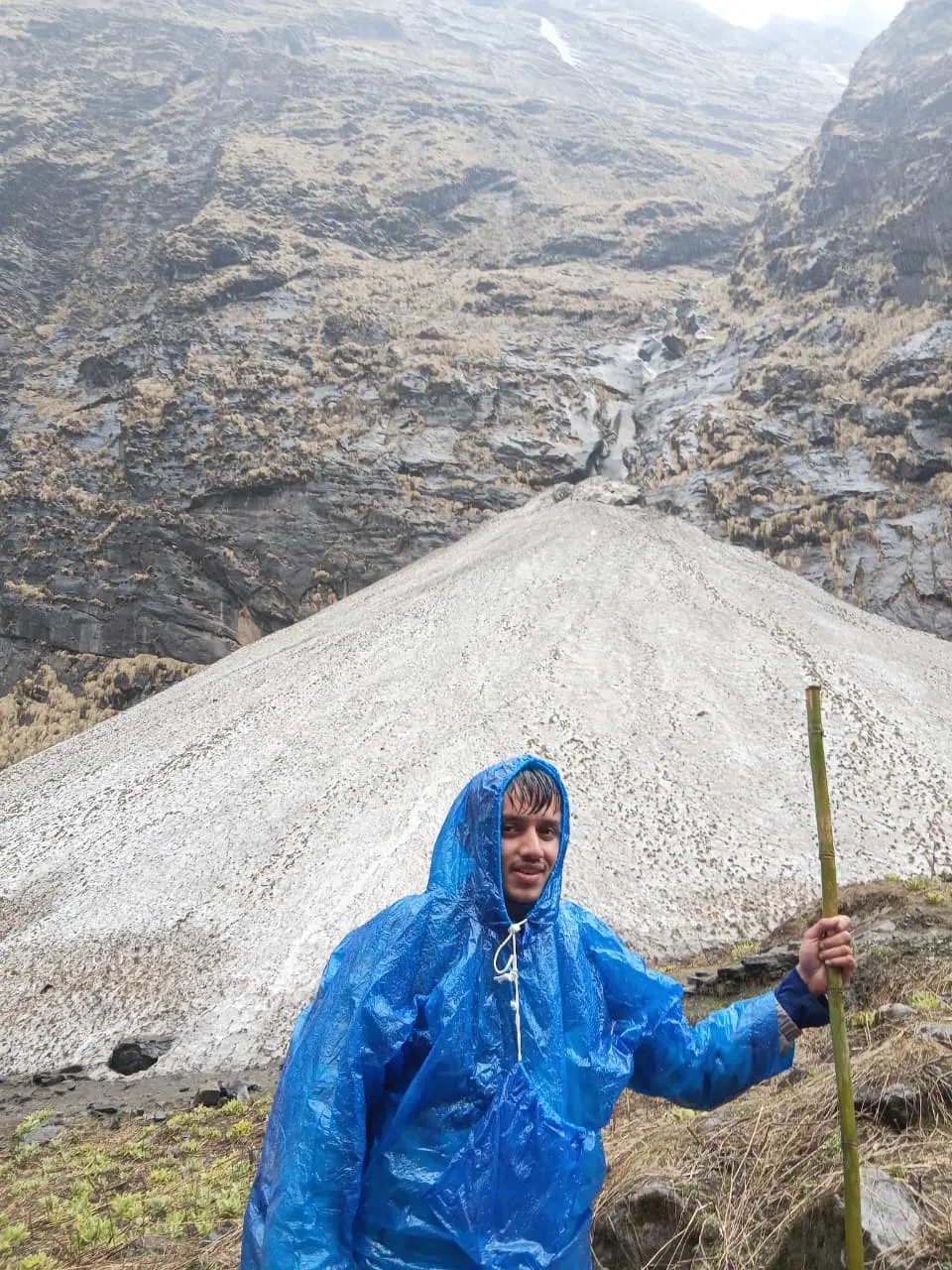
The toughest section is Larkya La Pass crossing at an altitude of 5,160 meters, which is challenging due to altitude, cold, and snow.
Accommodation and food
You can teahouse trek the entire Manaslu Circuit Trek, and there is no need for any camping gear. Basic, comfortable lodges offer hot food, hot drinks, and bed accommodations.
Common Available Foods:
*Dal Bhat (rice, lentils, vegetables Pasta, noodles, and soups)
*Tibeten, Tibetan bread, Tibetan Tea, coffee, and bottled water (and rising prices with every ascent)
The accommodations become more basic and expensive with altitude. Bring snacks like protein bars and electrolyte powder.
Packing List
Packing smart is important for Manaslu Circuit Trek. The list given below is general.
- Clothing
- Thermal leggings and thermal top (base layers)
- Fleece and down jacket layers
- Waterproof shell jacket and trousers
- Hiking shirts and trousers
- Gloves, beanie, sunhat
- Gear
- Sleeping bag (temperature rating -10°C or lower)
- Hiking sticks,
- Daypack with rain cover
- Headlamp
- Goggles and sunscreen
- Miscellaneous
2. Filter or water purification tablets
3. Altitude sickness medication and first aid kit
4. Toiletries and a quick-dry
5. Passport-sized photographs (for permit)
6. Altitude Sickness and Acclimatization
Altitude sickness is a serious matter on the Manaslu Circuit Trek, especially above 3,000 meters. Please take all necessary precautions.
Take it slow – Climb slowly
Rest days – Allow at least a day’s acclimatization at Samagaon
Hydrate – Drink 3–4 litres of water every day
Avoid alcohol – particularly at the upper altitudes
Symptoms include fatigue, dizziness, nausea, and headache. Descend immediately if there are worsening symptoms.
Cultural Highlights
The Manaslu Trek is less about mountains, though the path is a walk along Nepal’s cultural frontier. How Tibetan it is depends on how far up you go.
Cultural High Points
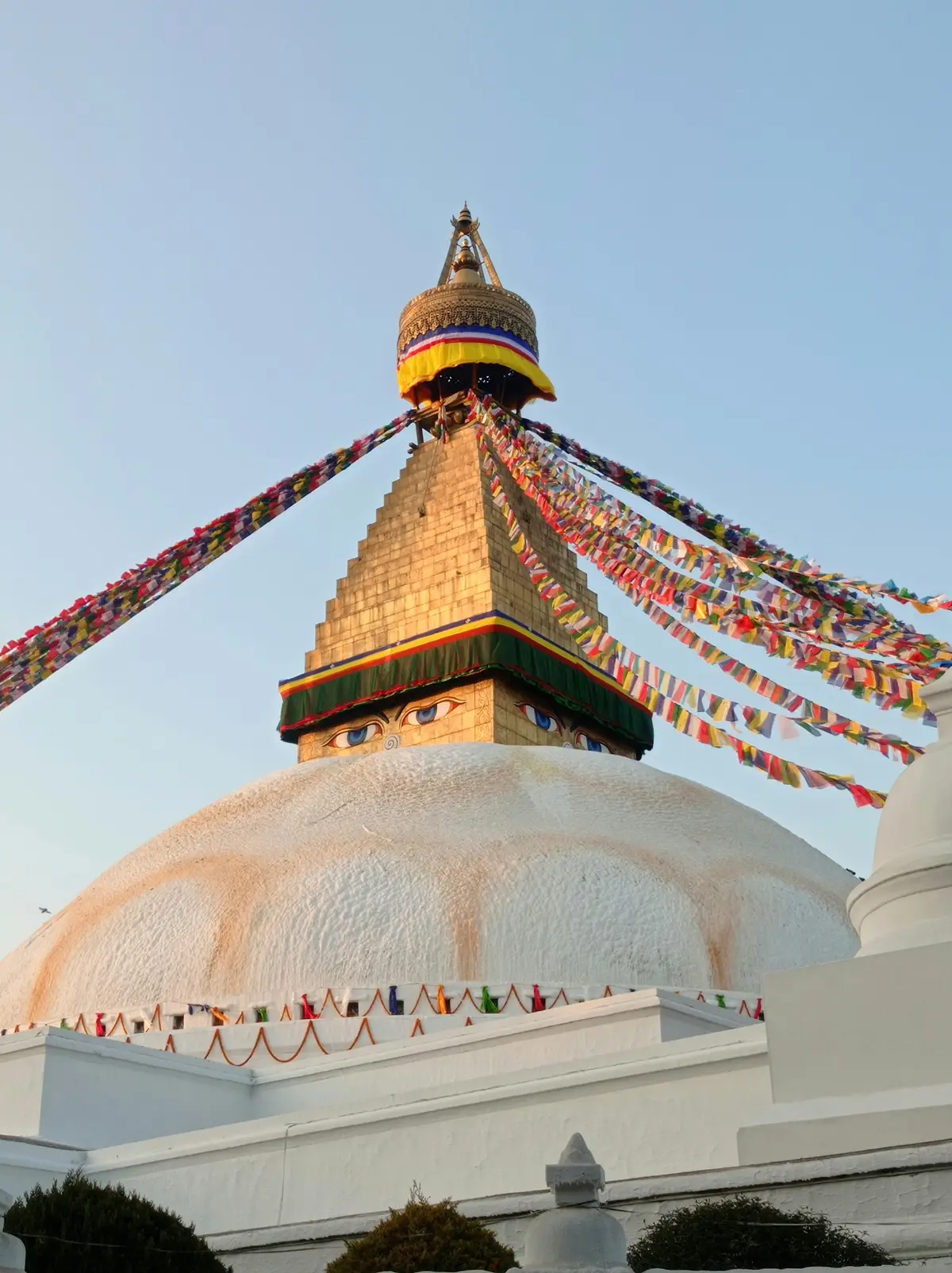
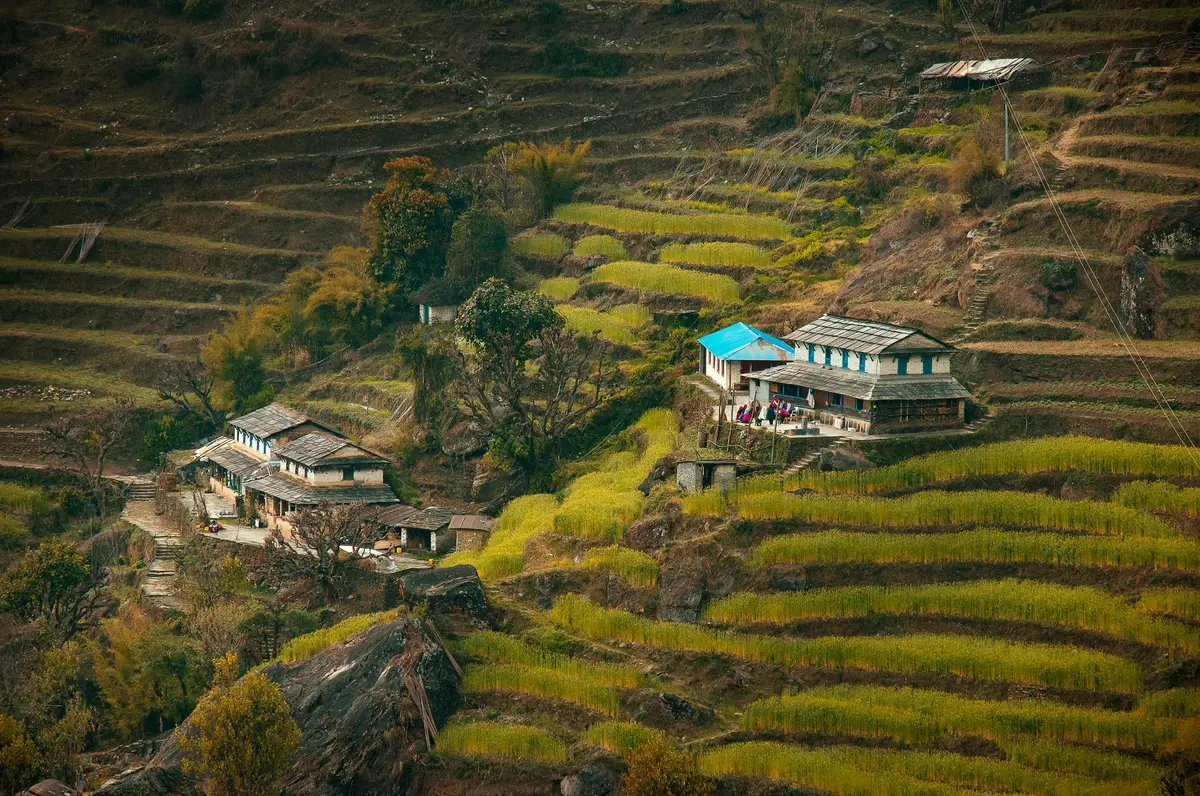
There are ancient monasteries such as Pungyen Gompa, along with mani walls, chortens, and prayer wheels. Traditional Tibetan houses reflect the unique way of life of the residents of the Nubri and Tsum Valleys. Visitors are encouraged to dress respectfully, walk clockwise around religious structures, and ask for permission before taking photographs.
Dress respectfully, moving around religious buildings in a clockwise direction, and asking permission before photographing.
Guided vs Trekking Alone
Solo treks are not allowed due to rules for permits. You need to go through a registered agency and hire a guide. Although it does increase costs, a experienced guide does enhance the experience because they provide you with information about the culture of the area, take measures for safety, and handle logistics.
Porters will also lighten your load so you can focus on the view and hike.
Side Trips and Extensions
Though the Manaslu Circuit Trek is an adventure in itself, it’s also possible to tack on or connect it with treks in the region:
The Tsum Valley Trek a peaceful and culturally enriching side excursion from the main trail Annapurna Circuit Extension Go west from Dharapani to Thorong La Manaslu Base Camp. A side excursion from Samagaon with close-up glimpses of Mt. Manaslu These extensions require additional days and even permits at times. Responsible Trekking Maintain the beauty of Manaslu Circuit Trek for generations to come by adhering to the following guidelines: Take nothing with you pack out all litter Support the local economy shop local, stay in teahouses Use refillable water bottles. Avoid single-use plastics Be wildlife- and nature-friendly don’t disturb wildlife or vegetation Concluding Remarks. The Manaslu Circuit Trek is an experience of a lifetime among some of Nepal’s lesser-explored and culturally fascinating regions.
With a mix of high altitude mountains, plenty of culture, and isolation, there is something for the Himalayan enthusiast without any crowds. Provided you are adequately prepared and respectful of the mountains, the Manaslu Circuit Trek will provide a lifetime of memories.
If you want to experience Manaslu Circuit Trek Then you can visit here