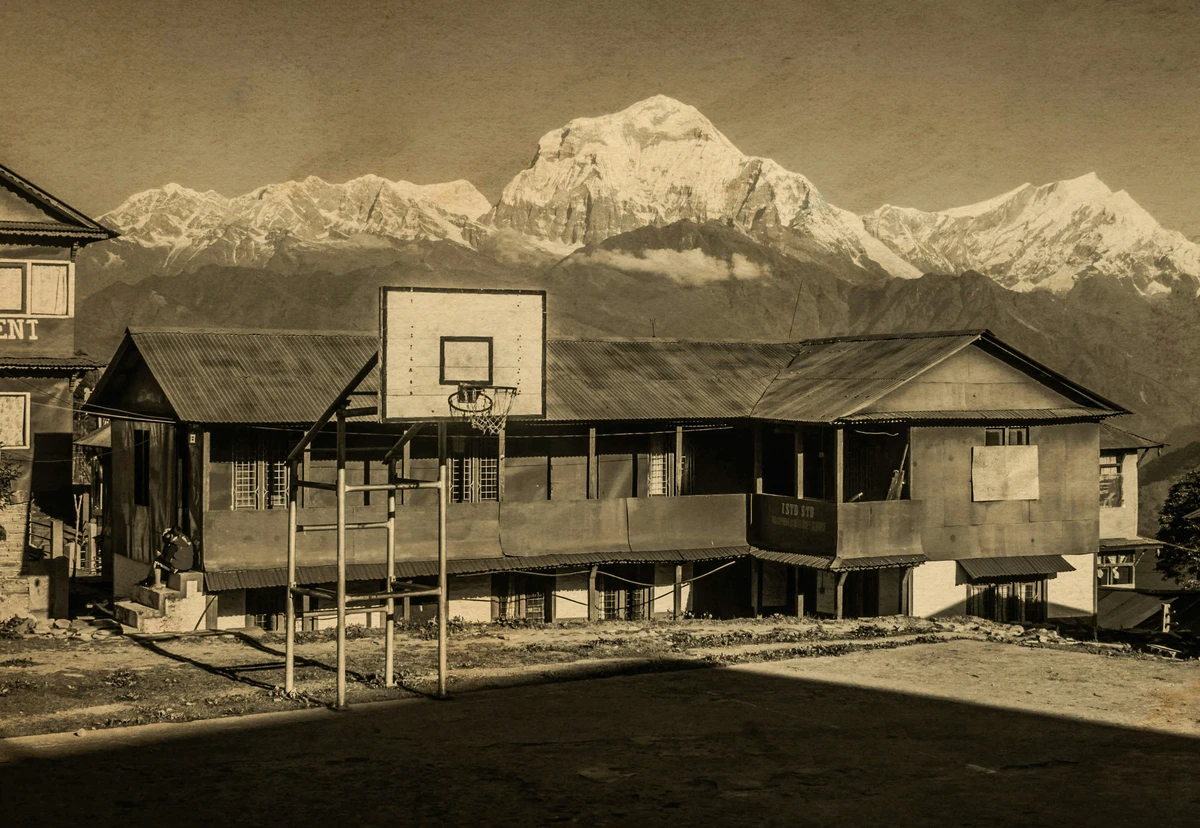
Trekking in Nepal: How to Choose the Perfect Trek Based on Your Fitness Level
Choosing a Trekking Package in Nepal on the Basis of Your Physical Conditioning
Trekking in Nepal offers a truly unparalleled experience to travelers of all backgrounds. Nest
led in the heart of the Himalayas, Nepal features an array of trekking routes that cater to every kind of adventurer from those seeking a gentle, scenic walk to hardcore mountaineers aiming to conquer some of the world’s highest passes. However, choosing the right trek isn’t just about beautiful landscapes or famous peaks. Your physical conditioning plays a vital role in ensuring a safe, enjoyable, and fulfilling experience.
In this guide, we’ll explore how to choose a trekking package in Nepal based on your fitness level. Whether you’re a complete beginner or an elite trekker, you’ll find valuable insight into the best routes, how to prepare, and what to expect.
The Role of Physical Conditioning in Trekking in Nepal
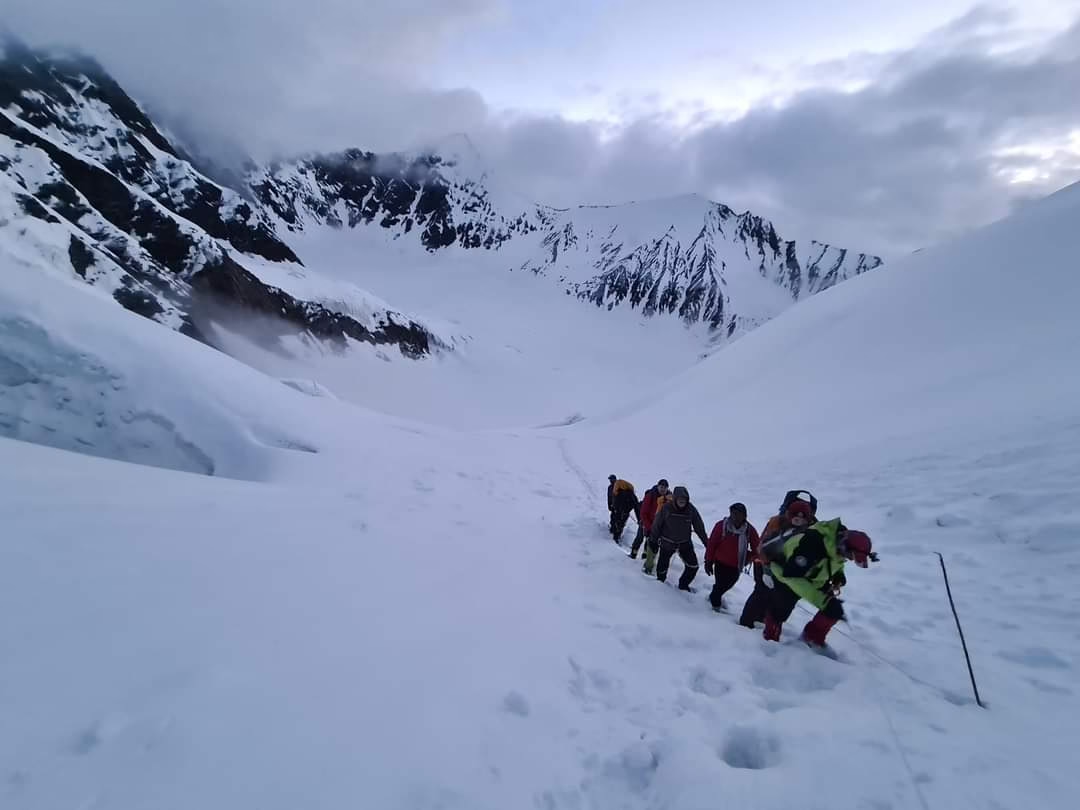
Trekking in Nepal involves navigating a mix of challenging terrain, varying altitudes, and fluctuating weather conditions. Picking a trek that is too difficult for your physical ability may lead to fatigue, altitude sickness, or even serious health risks. On the flip side, a trek that is too easy may leave you feeling unfulfilled or under-challenged.
Before deciding on a trekking route, take stock of the following:
- Cardiovascular endurance
- Previous hiking or trekking experience
- Acclimatization capability at higher altitudes
- Time available for training and preparation
With these factors in mind, let’s look at the different trekking categories in Nepal and match them to suitable fitness levels.
Trekking Grades in Nepal: Understanding the System
Before selecting your ideal trek, it’s important to understand the general grading system used for trekking in Nepal:
- Easy Treks
- Ideal for: Beginners and families
- Altitude: Below 3,000 meters
- Experience needed: None
- Moderate Treks
- Ideal for: Recreational hikers
- Altitude: 3,000-4,000 meters
- Experience needed: Some hiking or walking
- Strenuous Treks
- Ideal for: Fit individuals with trekking experience
- Altitude: Up to 5,000 meters
- Experience needed: Prior multi-day trekking experience
- Challenging Treks
- Ideal for: Highly fit and experienced trekkers
- Altitude: Above 5,000 meters
- Experience needed: Advanced trekking and altitude acclimatization
Now let’s match these categories with the best treks for each fitness level.
For Beginners and Casual Walkers
If you’re new to trekking in Nepal or don’t have prior experience hiking long distances, begin with simple and accessible trails.
Recommended Treks:
Ghorepani Poon Hill Trek
- Duration: 4-5 days
- Max Altitude: 3,210 meters
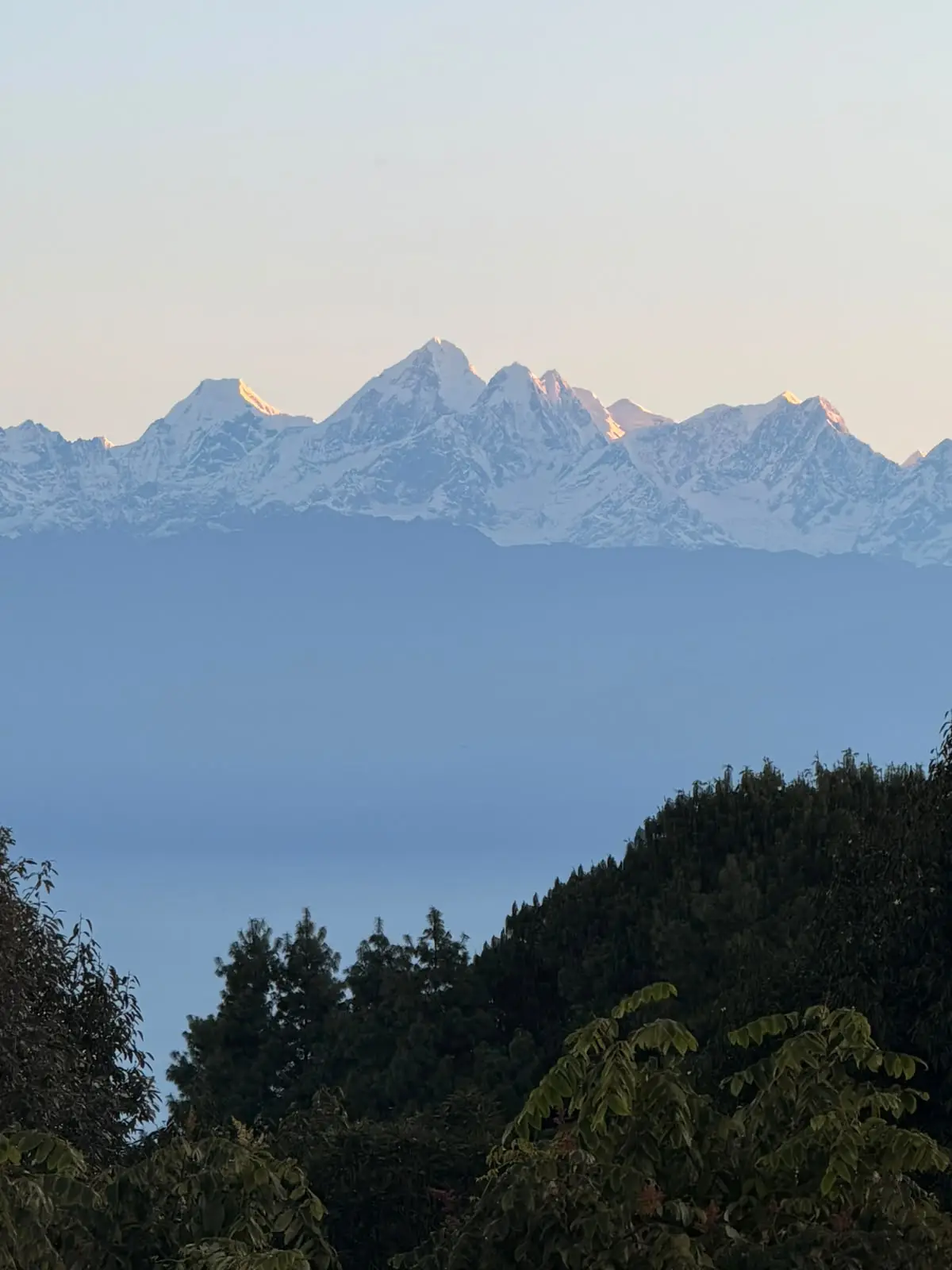
- Highlights: Himalayan sunrise views, Gurung villages, rhododendron forests
- Why it works: Short and scenic with plenty of teahouses
Nagarkot to Dhulikhel Hike
- Duration: 1-2 days
- Max Altitude: 2,100 meters
- Highlights: Close proximity to Kathmandu, cultural encounters, panoramic views
- Ideal for: Quick trips or warm-up hikes
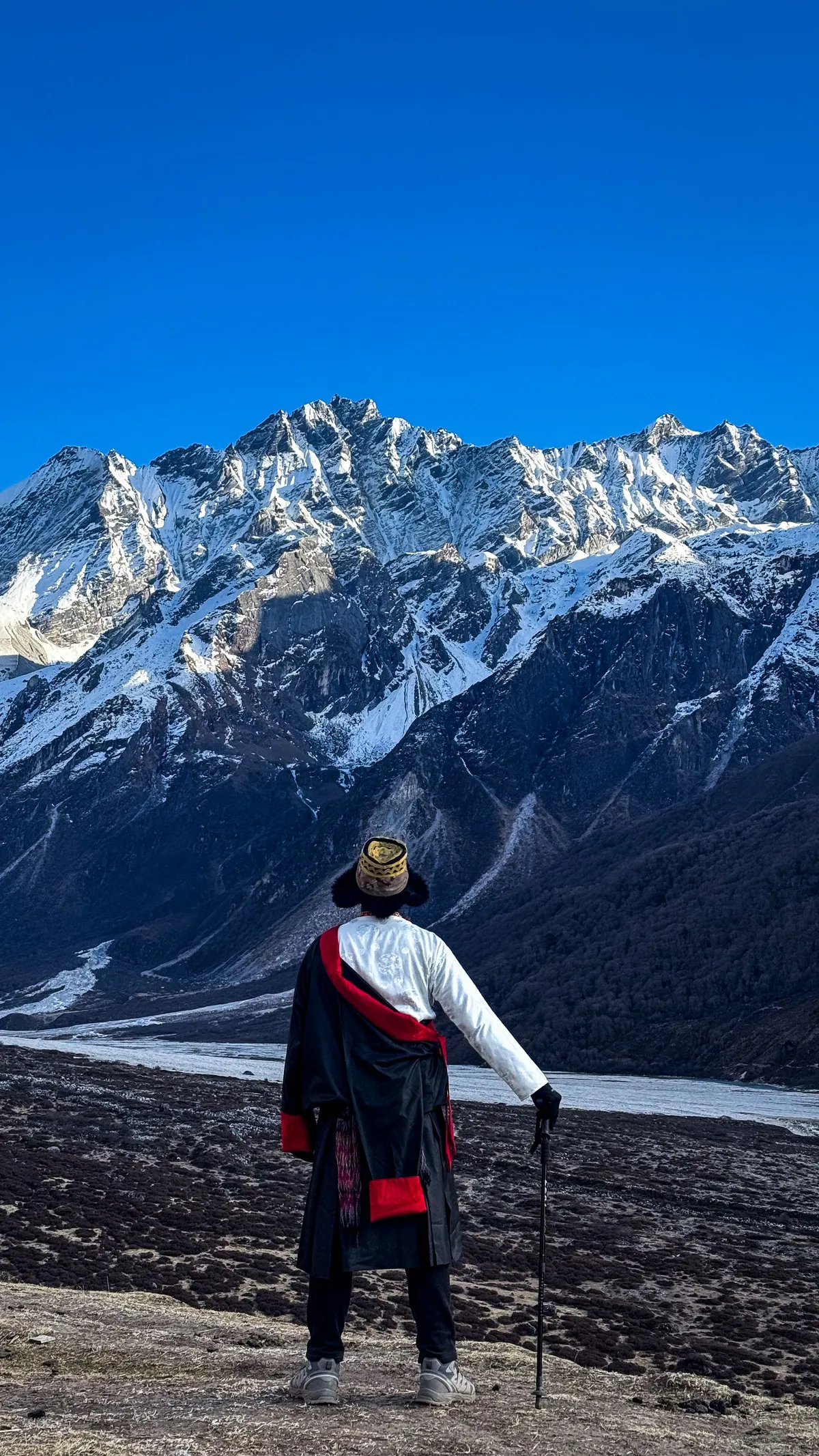
Langtang Valley Trek (Beginner Version)
- Duration: 7-8 days
- Max Altitude: 3,870 meters (Kyanjin Gompa)
- Why it suits beginners: Gentle elevation gain and moderate terrain
Fitness Tips:
- Walk daily for at least one hour
- Practice uphill walking with a light pack
- Stretch regularly to prevent cramps and strains
For Moderately Fit Trekkers
If you exercise regularly whether by jogging, cycling, or going to the gym you are well-suited for moderate treks that offer both adventure and challenge.
Recommended Treks:
- Duration: 12-14 days
- Max Altitude: 5,364 meters
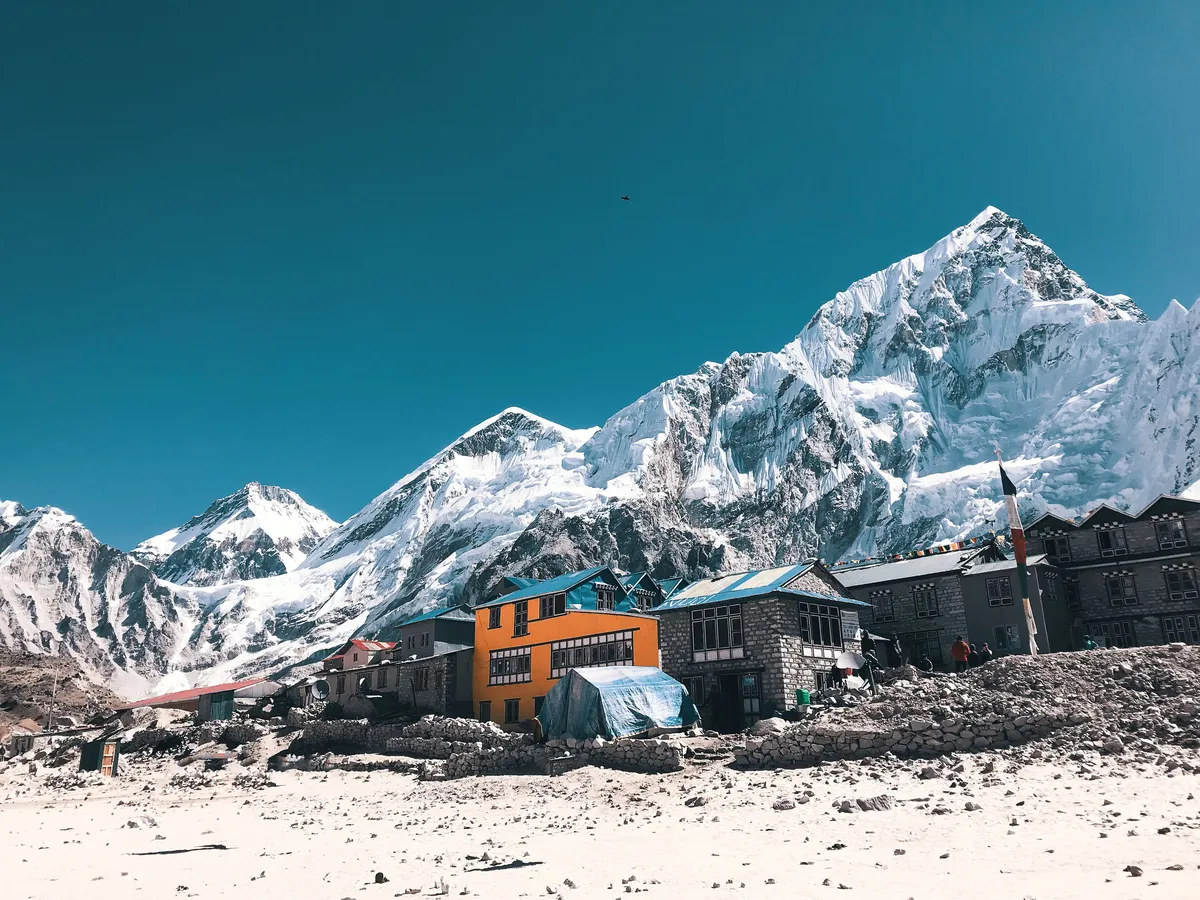
- Highlights: Majestic Everest views, Sherpa hospitality, Khumbu Glacier
- Note: Gradual acclimatization is crucial
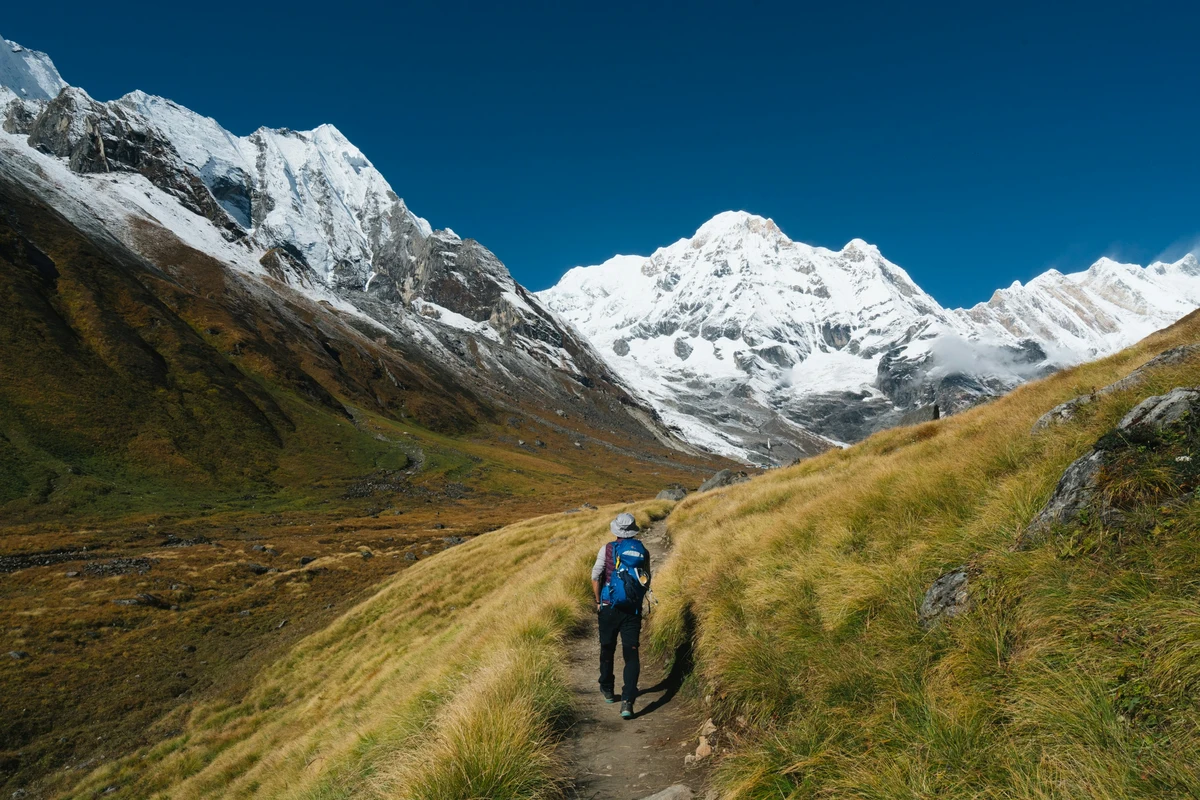
Annapurna Base Camp (ABC) Trek
- Duration: 8-12 days
- Max Altitude: 4,130 meters
- Highlights: Hot springs, lush forests, Annapurna sanctuary
- Why it’s ideal: Varied terrain and manageable elevation
Langtang Valley Trek (Full Route)
- Duration: 8-10 days
- Max Altitude: 4,984 meters (Tserko Ri, optional)
- What makes it special: Fewer crowds, glaciers, and traditional villages
Fitness Tips:
- Cardio training 4-5 times a week
- Practice long weekend hikes with a 10-kg pack
- Strengthen your legs and core

For Experienced and Fit Trekkers
If you’ve previously completed multi-day hikes or are involved in endurance sports, you’re ready for Nepal’s more challenging trails.
Recommended Treks:
Manaslu Circuit Trek
- Duration: 14-18 days
- Max Altitude: 5,160 meters (Larkya La Pass)
- Highlights: Remote landscapes, Tibetan culture, epic mountain views
- Good for: Avoiding crowds while taking on a real challenge
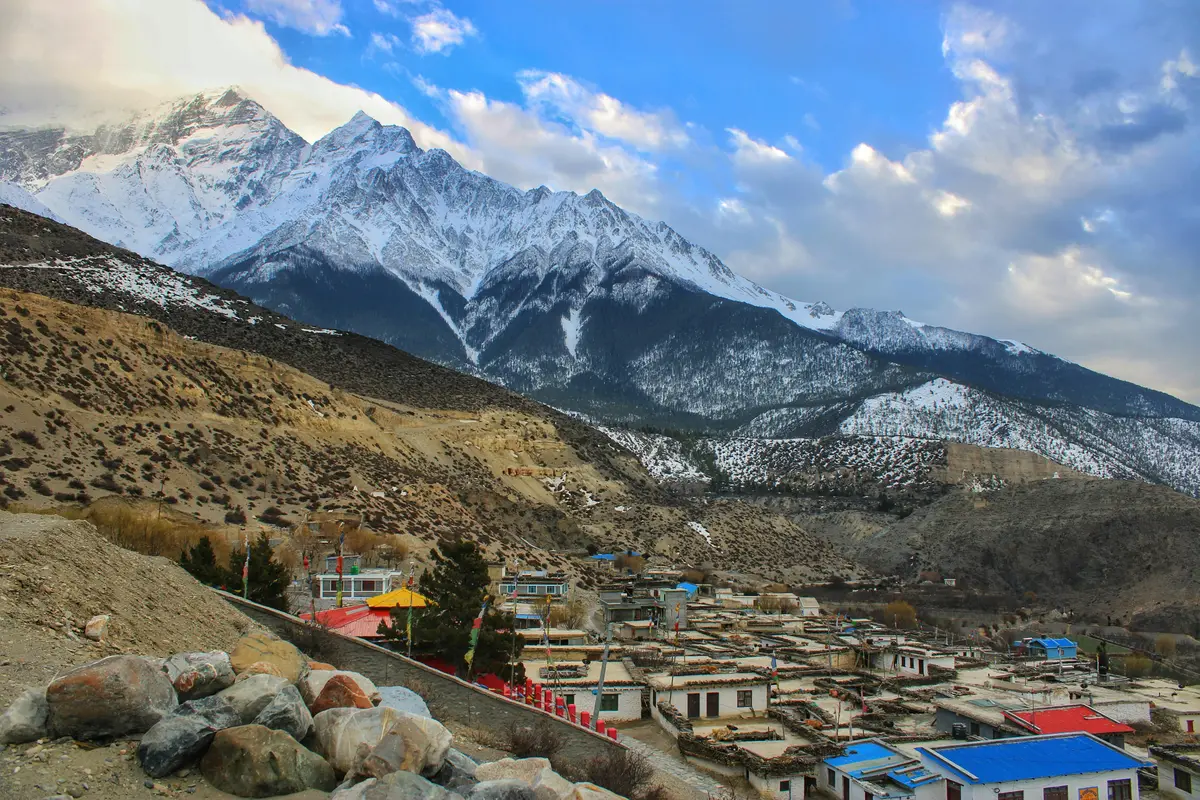
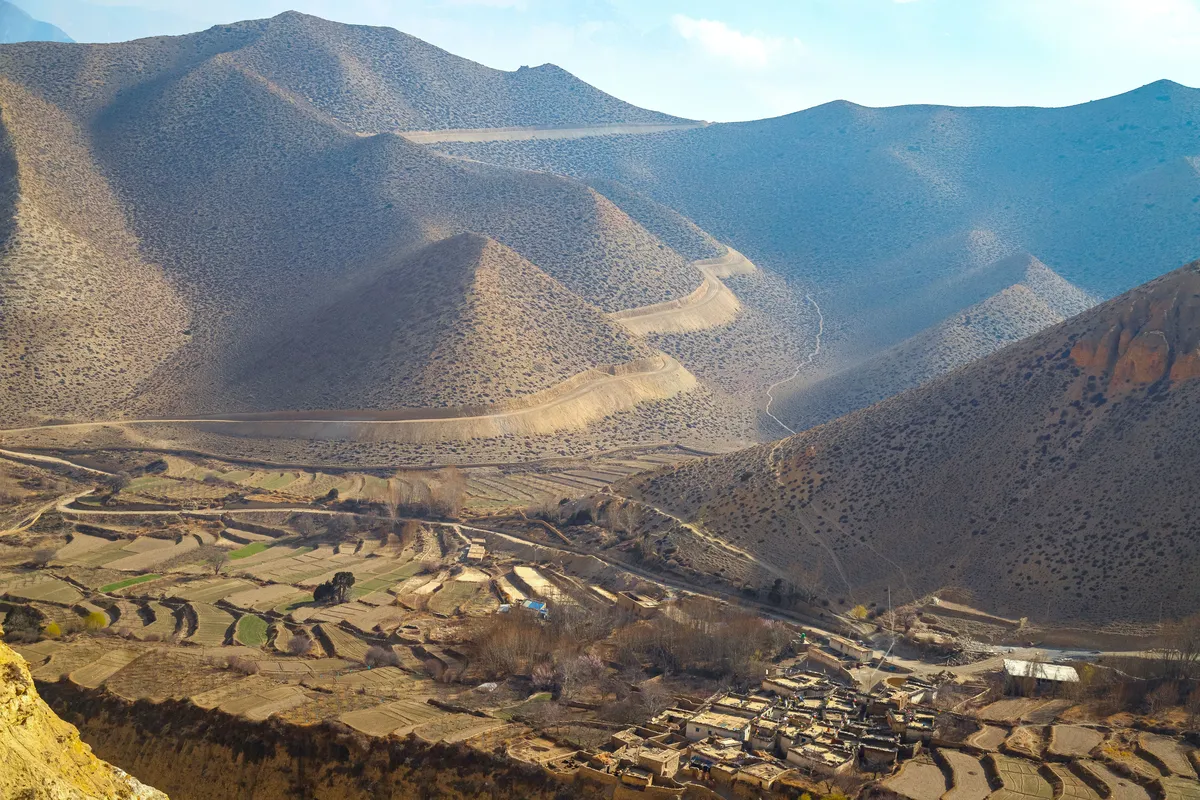
Upper Mustang Trek
- Duration: 10-14days
- Max Altitude: 3,800 meters
- Features: Desert-like landscapes, ancient caves, and Tibetan influence
- Requires: A restricted area permit
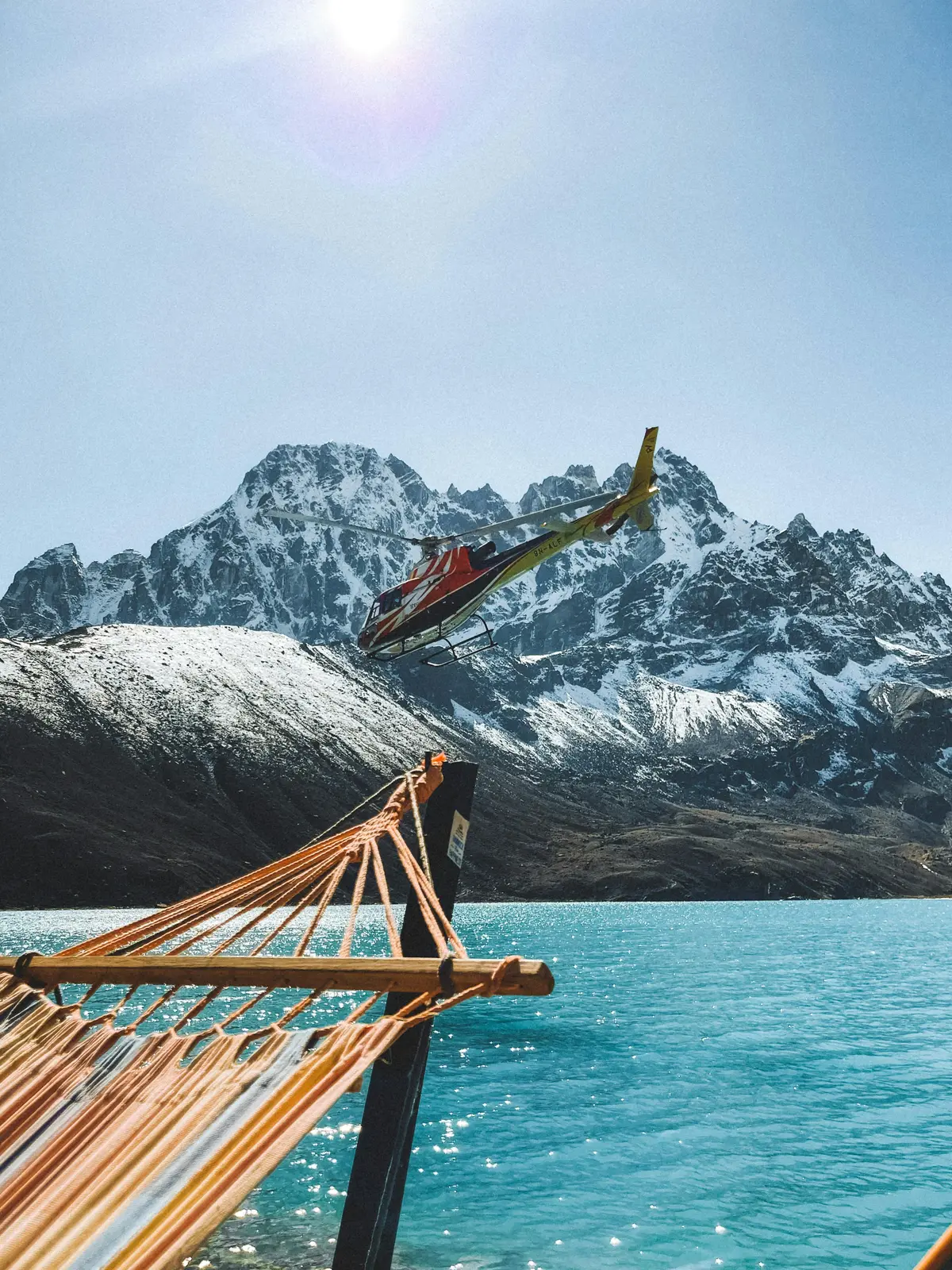
Gokyo Lakes Trek
- Duration: 12-15 days
- Max Altitude: 5,357 meters (Gokyo Ri)
- Highlights: Turquoise glacial lakes, massive glaciers, Everest panorama
- Bonus: Less crowded than EBC
Fitness Tips:
- Train with full gear and at higher altitudes if possible
- Incorporate strength and interval training
- Practice mindfulness for mental stamina
For Elite and Adventurous Trekkers
For those in peak physical condition with extensive trekking backgrounds, these trails offer unmatched adventure and challenge.
Recommended Treks:
Three Passes Trek
- Duration: 18-21 days
- Max Altitude: 5,535 meters (Renjo La, Cho La, Kongma La)
- Highlights: Complete Everest region circuit, glacial valleys, high passes
- Note: Requires serious preparation and flexibility
Kanchenjunga Base Camp Trek
- Duration: 20-24 days
- Max Altitude: 5,140 meters
- Features: Isolated eastern region, rugged terrain, pristine nature
- Permit Required: Yes
Makalu Base Camp Trek
- Duration: 18-22 days
- Max Altitude: Over 5,000 meters
- Why it’s extreme: Remote, physically demanding, fewer amenities
Fitness Tips:
- Simulate trekking conditions in training
- Acclimatize thoroughly with planned rest days
- Be prepared for unpredictable weather and navigation challenges
Additional Considerations for Trekking in Nepal
Even when you select a trail suitable to your fitness, keep these critical factors in mind:
- Acclimatization No matter your level of fitness, ascending too rapidly can lead to Acute Mountain Sickness (AMS). Always follow the “climb high, sleep low” principle and allow time to acclimatize.
- Weather Monsoon and winter seasons add difficulty. The best times for trekking in Nepal are spring (March–May) and autumn (September–November), when the weather is clear and dry.
- Trek Duration Longer treks require both physical and mental endurance. If you’re unsure about your stamina, start with a shorter trek and gradually take on longer routes.
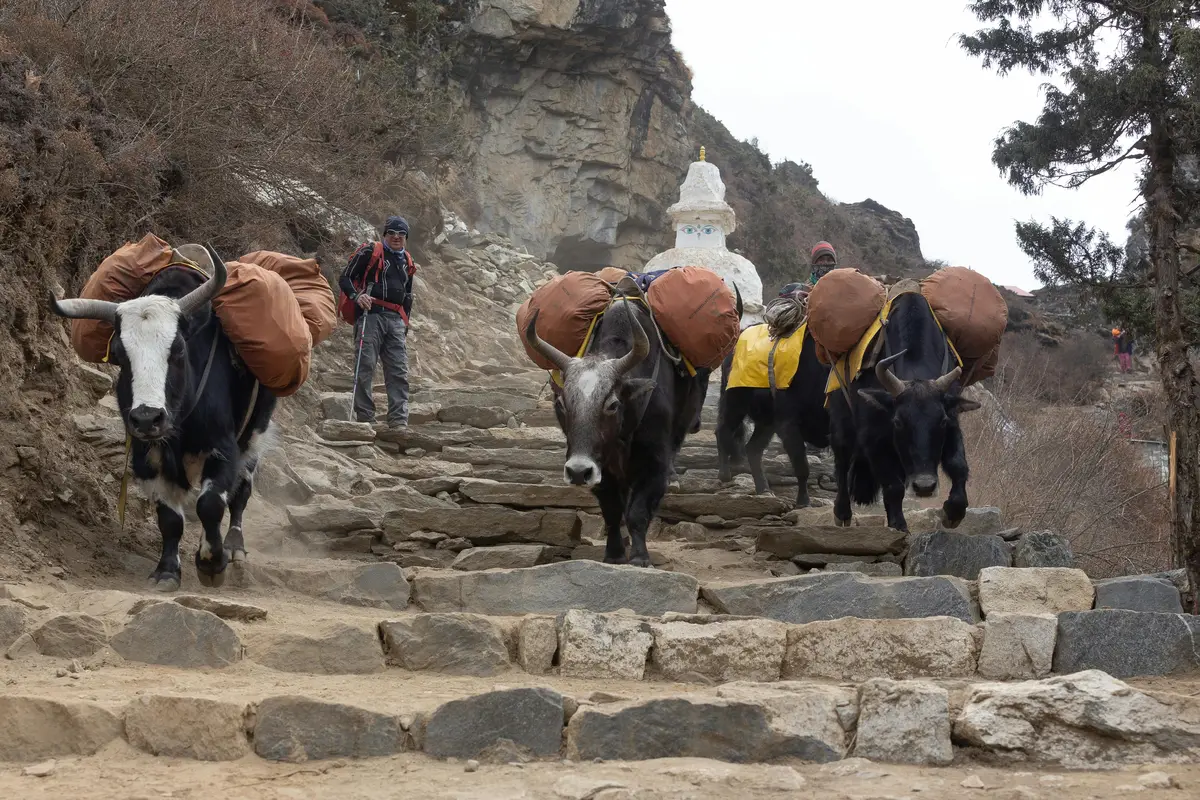
- Support Systems Hiring a licensed guide or porter not only lightens your load but also increases safety, especially if you’re unfamiliar with the terrain or language.
Final Thoughts
Trekking in Nepal is a life-changing adventure, but it’s essential to choose a package that matches your physical condition. At First Camp Trek, we’re committed to helping every traveler find the route that fits their ability and aspiration whether you’re gazing at the peaks from Poon Hill or conquering the high passes of Everest.
Train smart, choose wisely, and you’ll discover that trekking in Nepal is not just a journey through mountains it’s a journey into yourself.