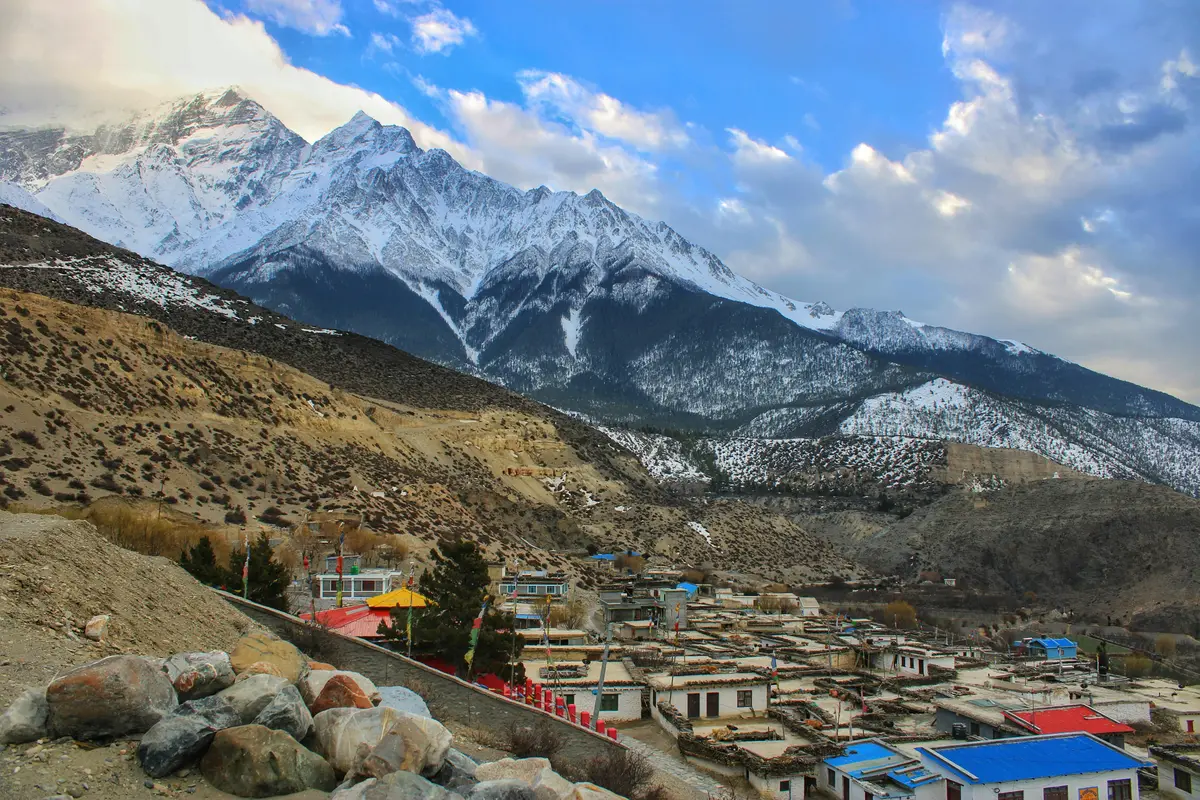
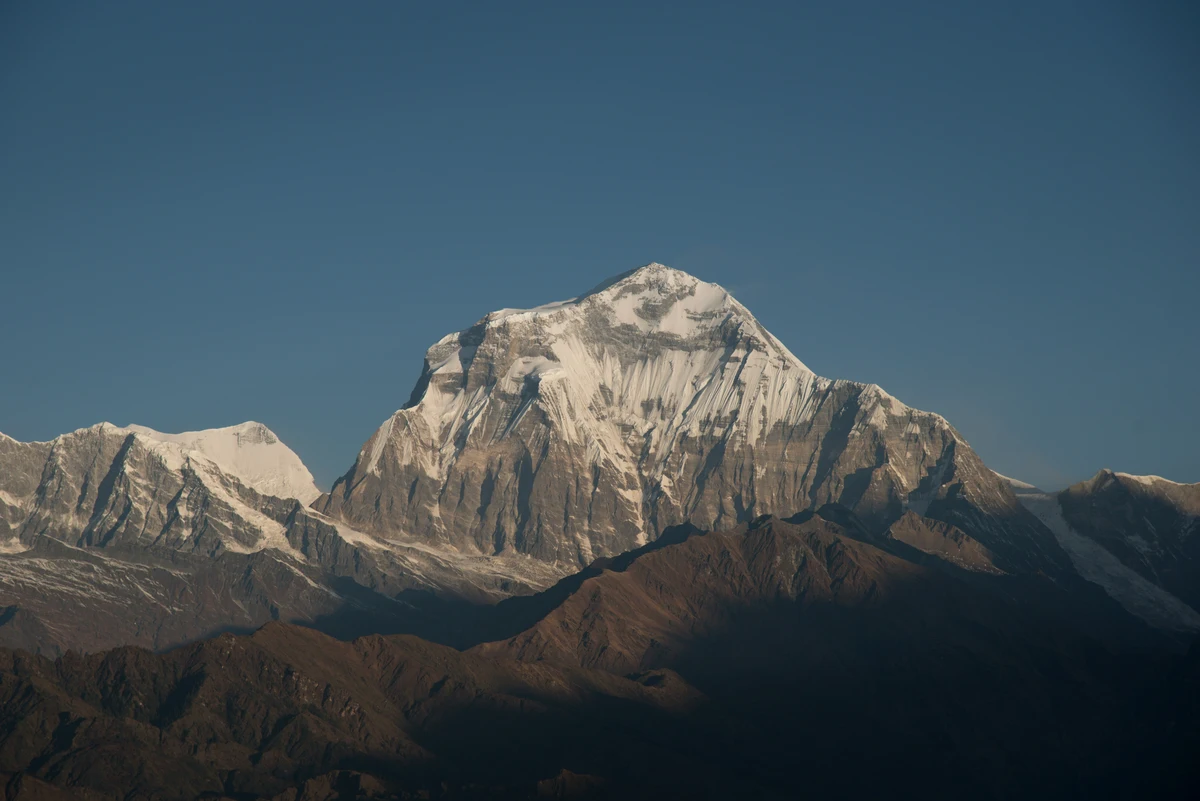
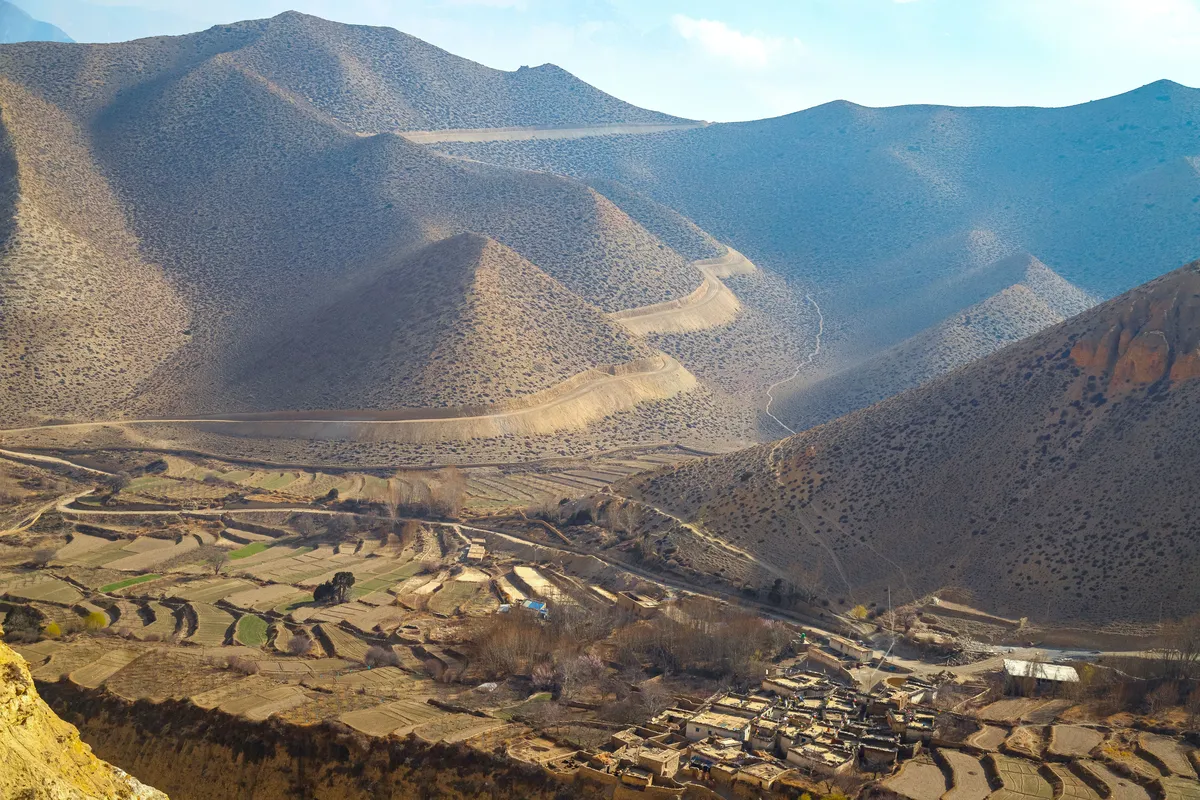
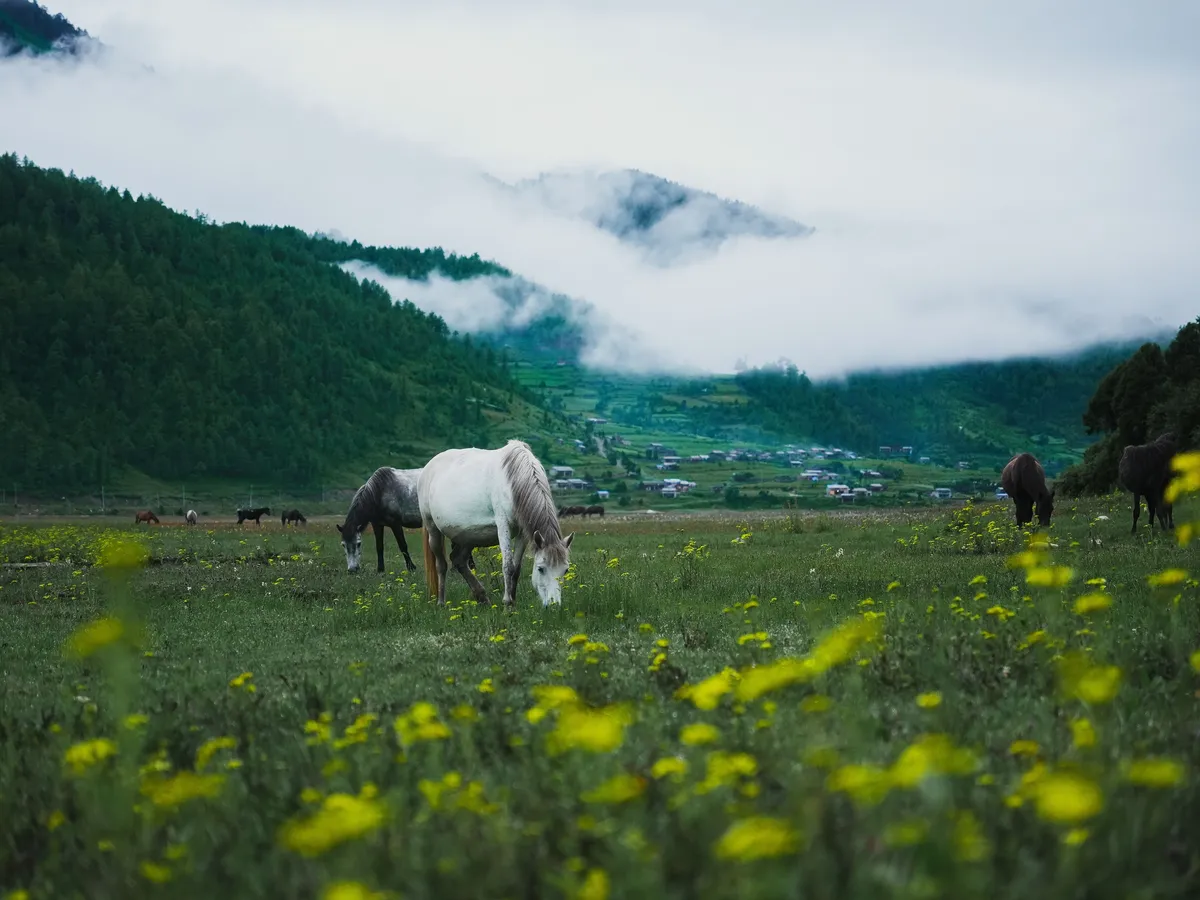
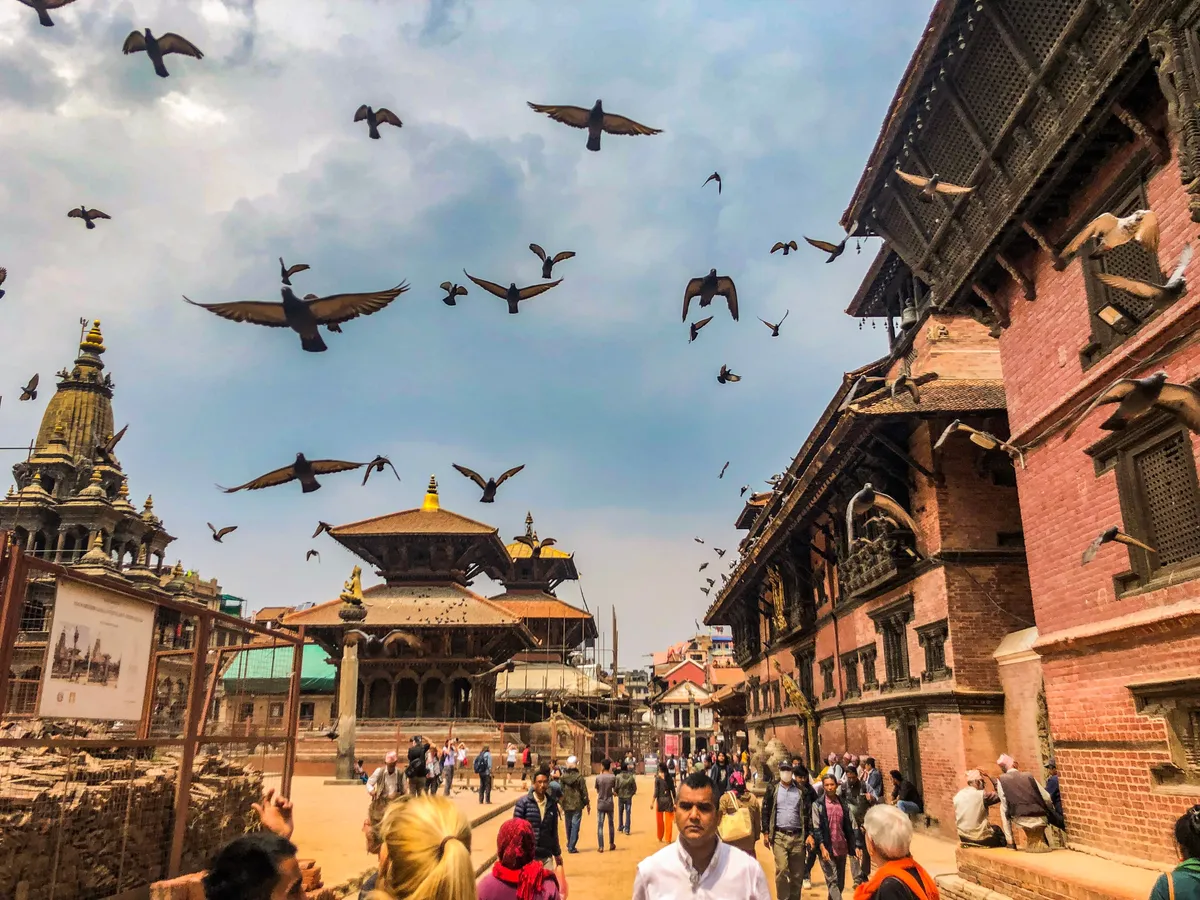
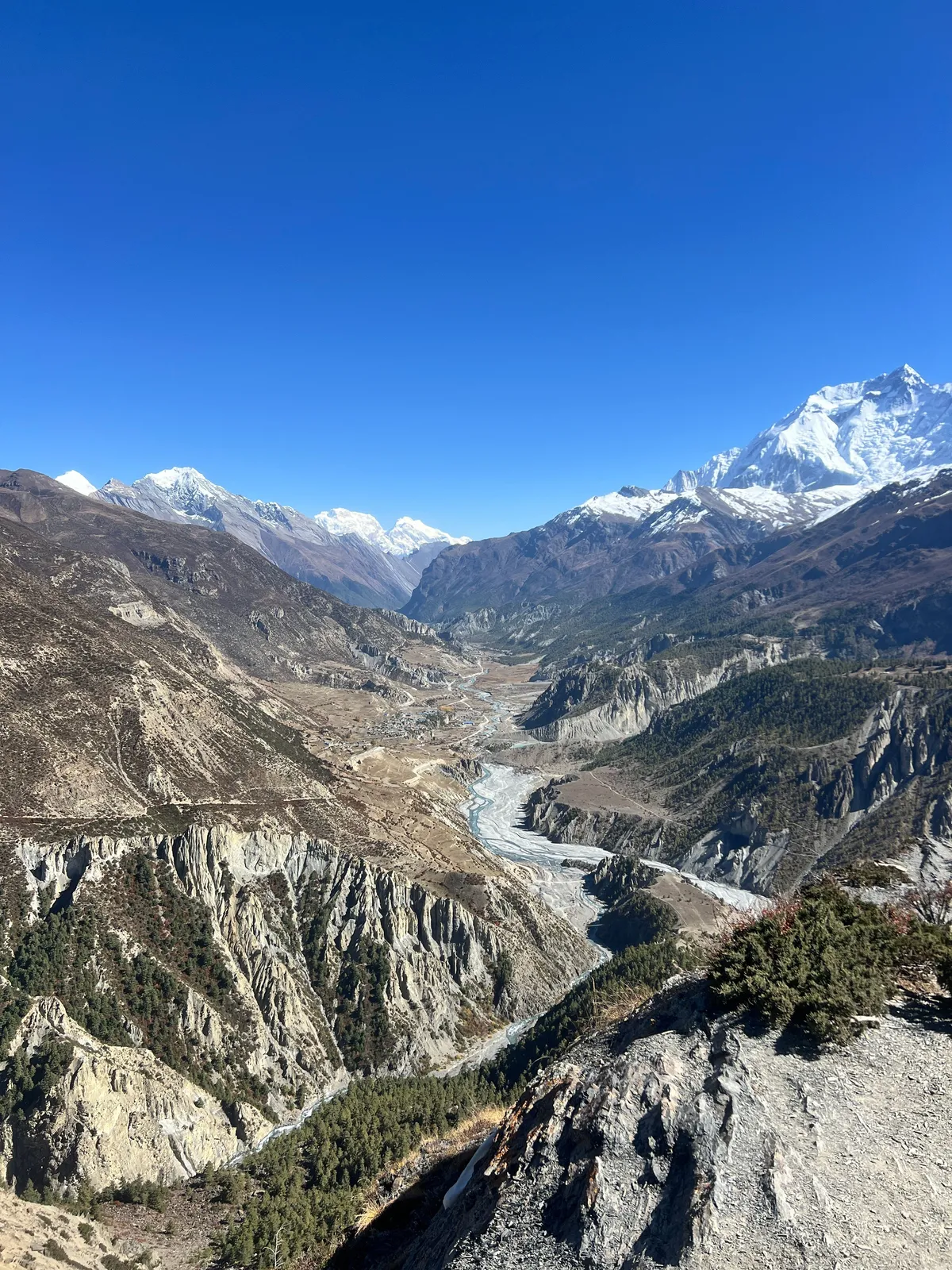
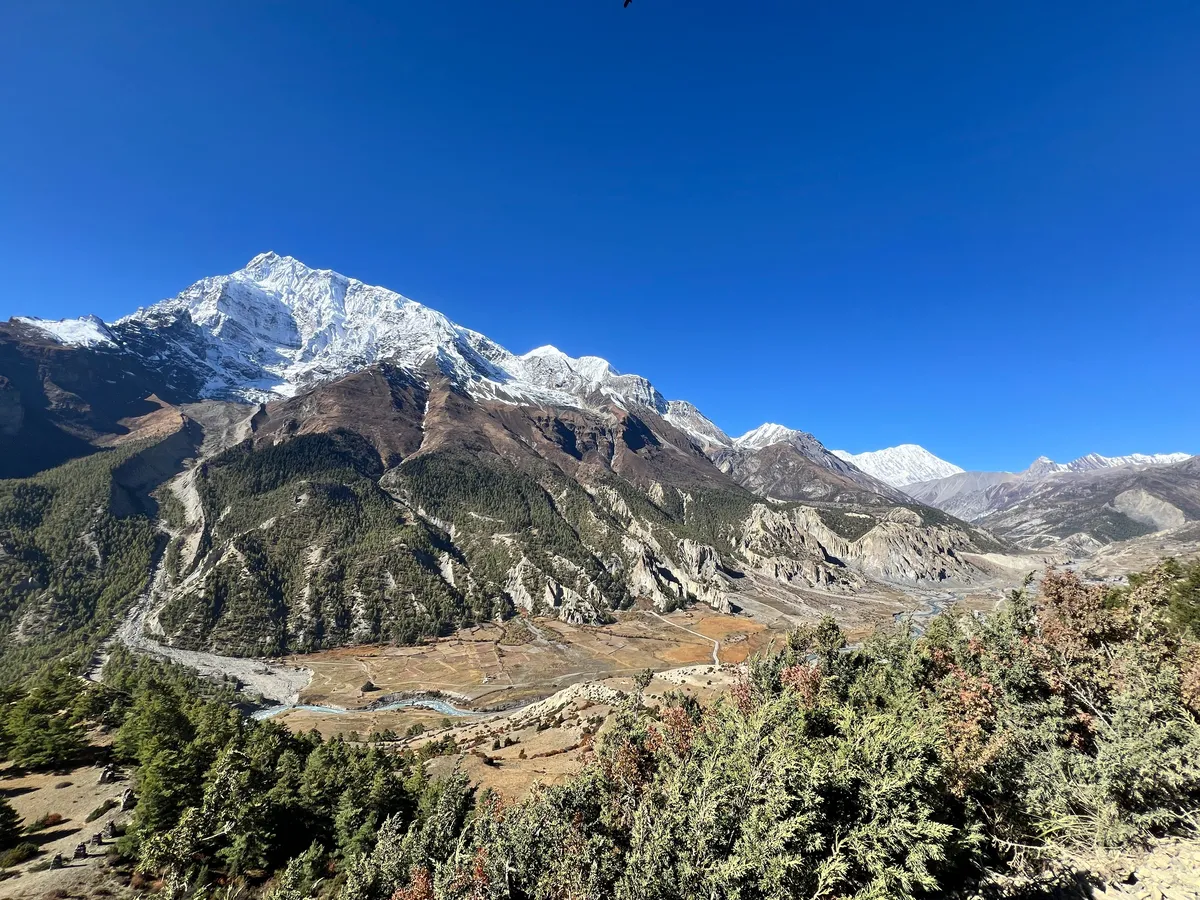
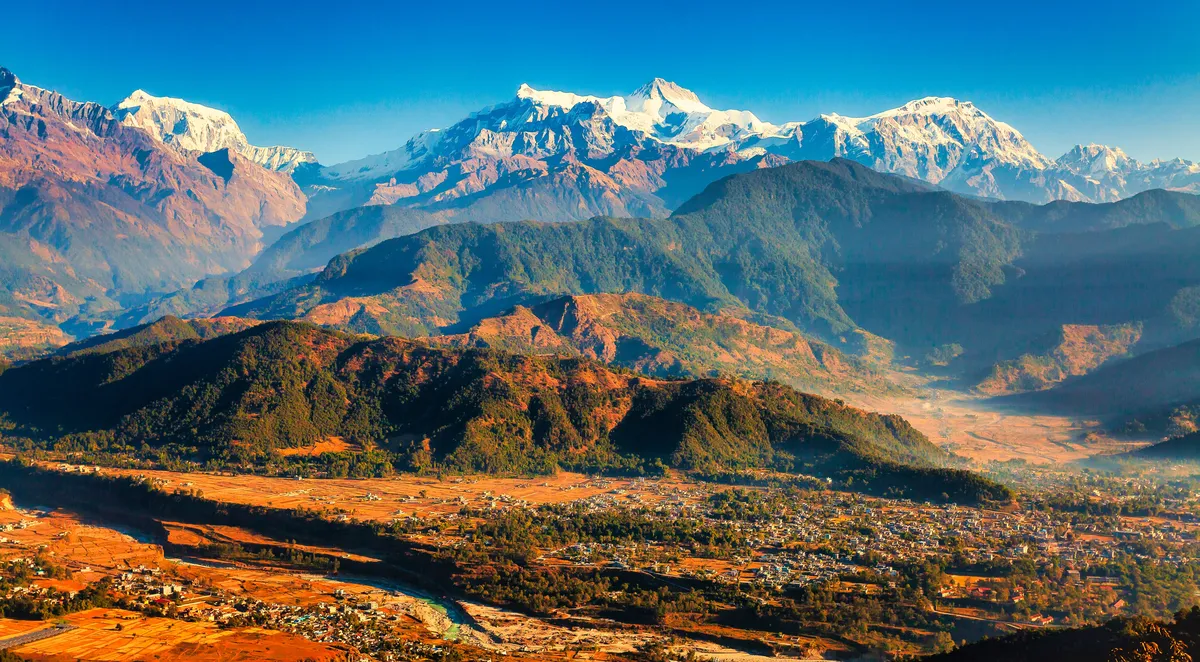
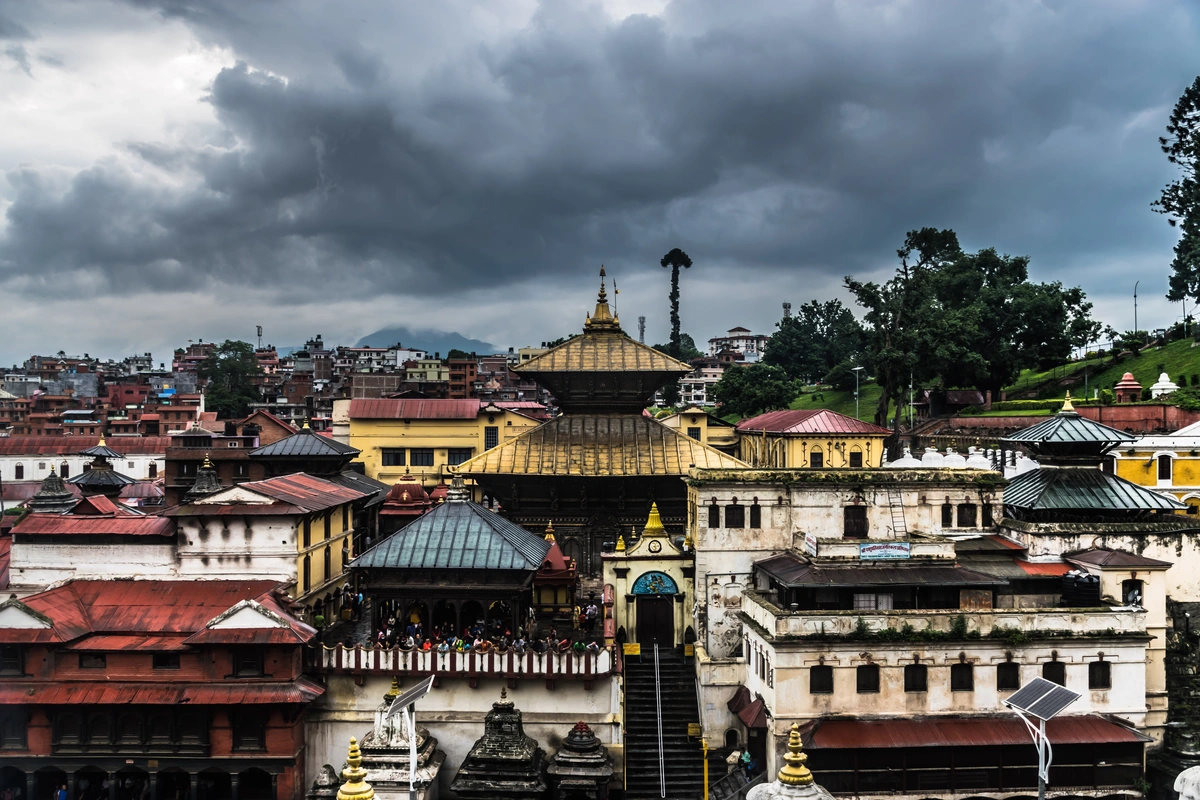
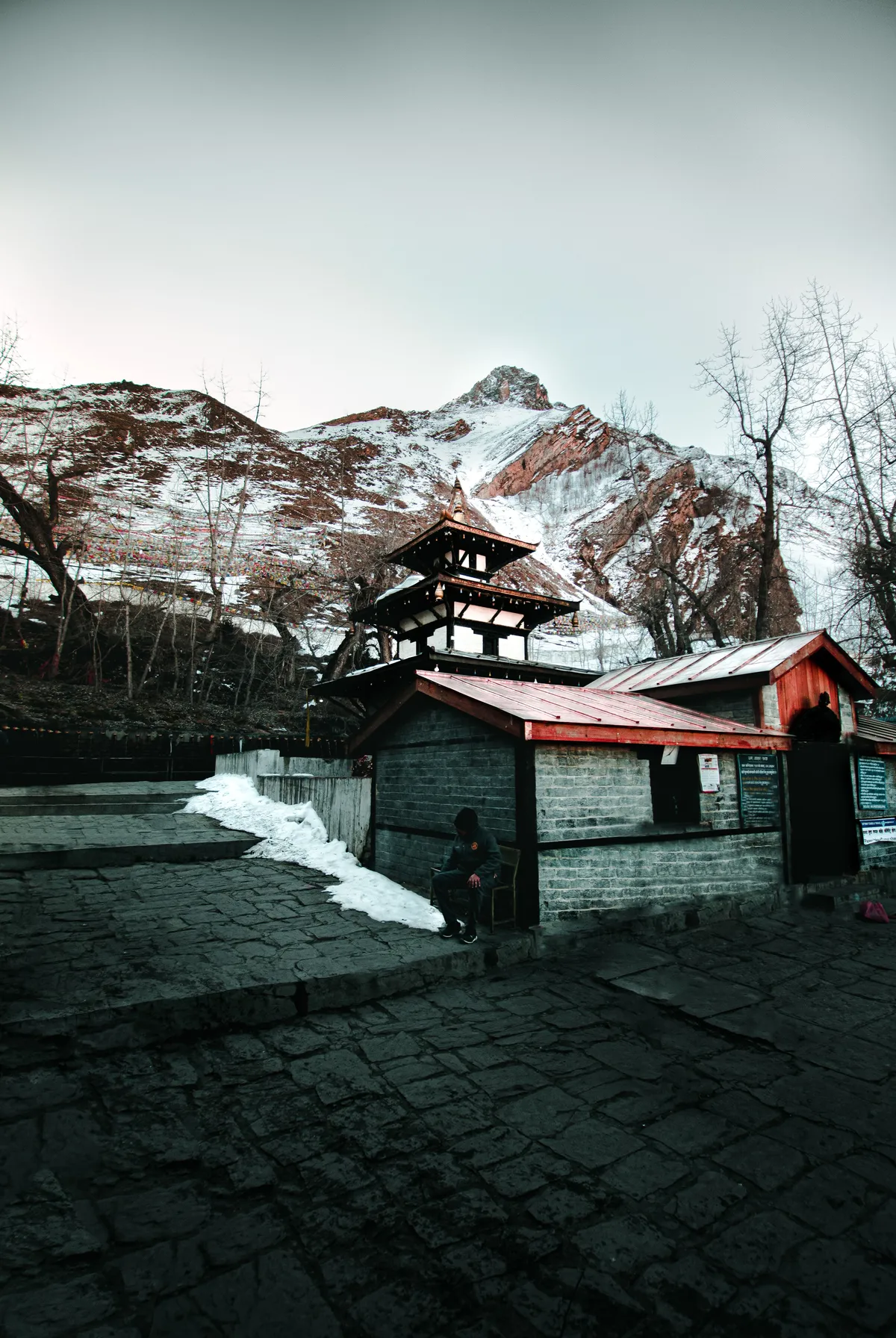
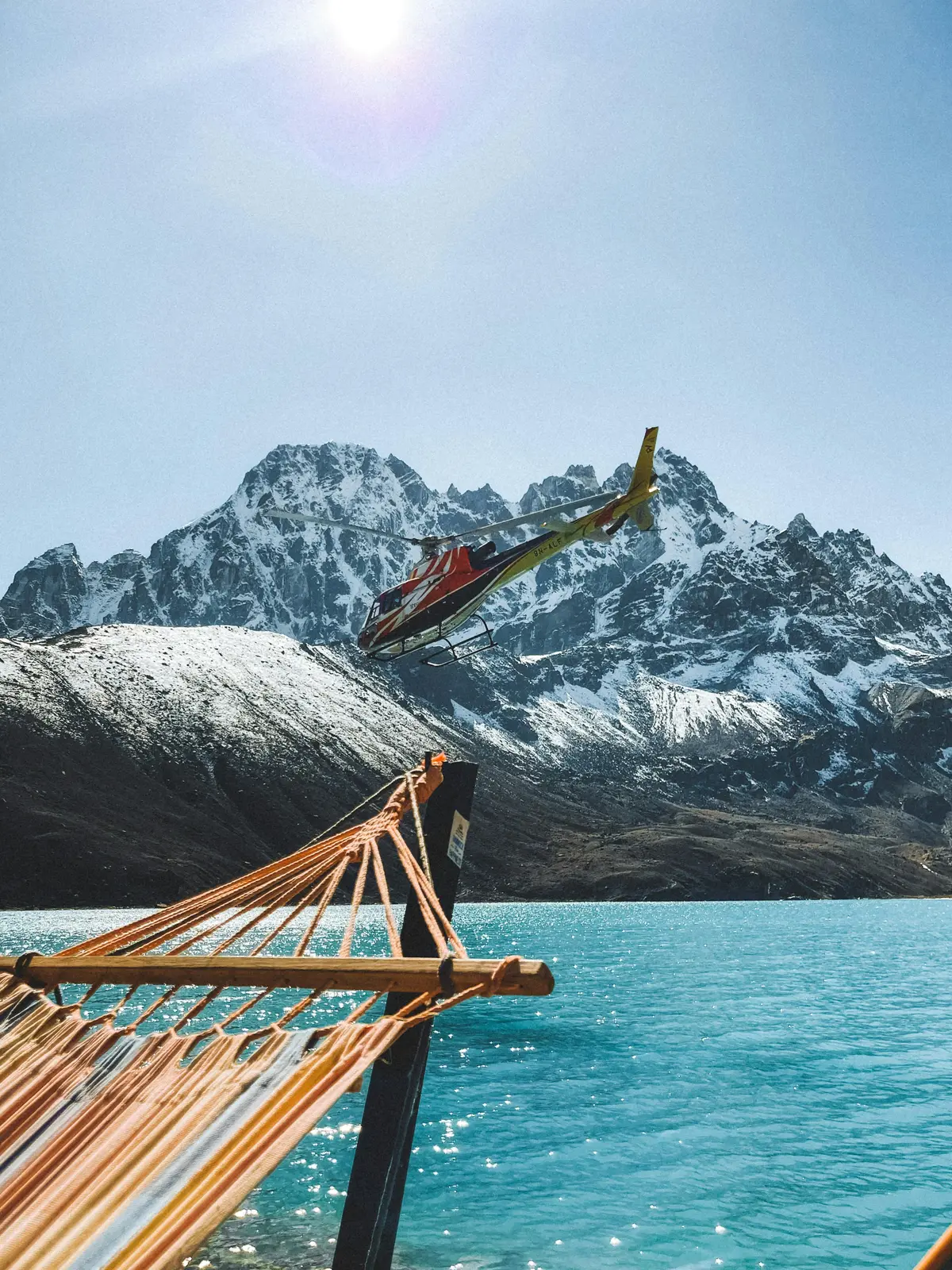
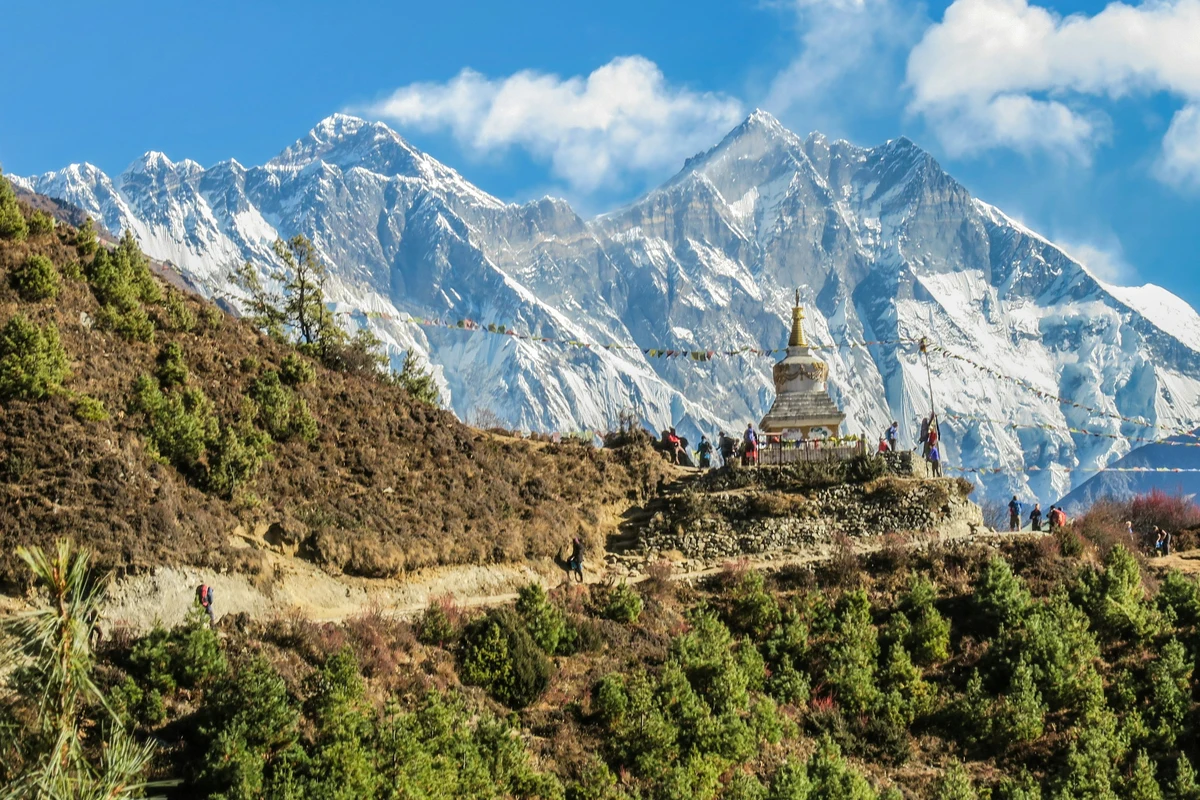
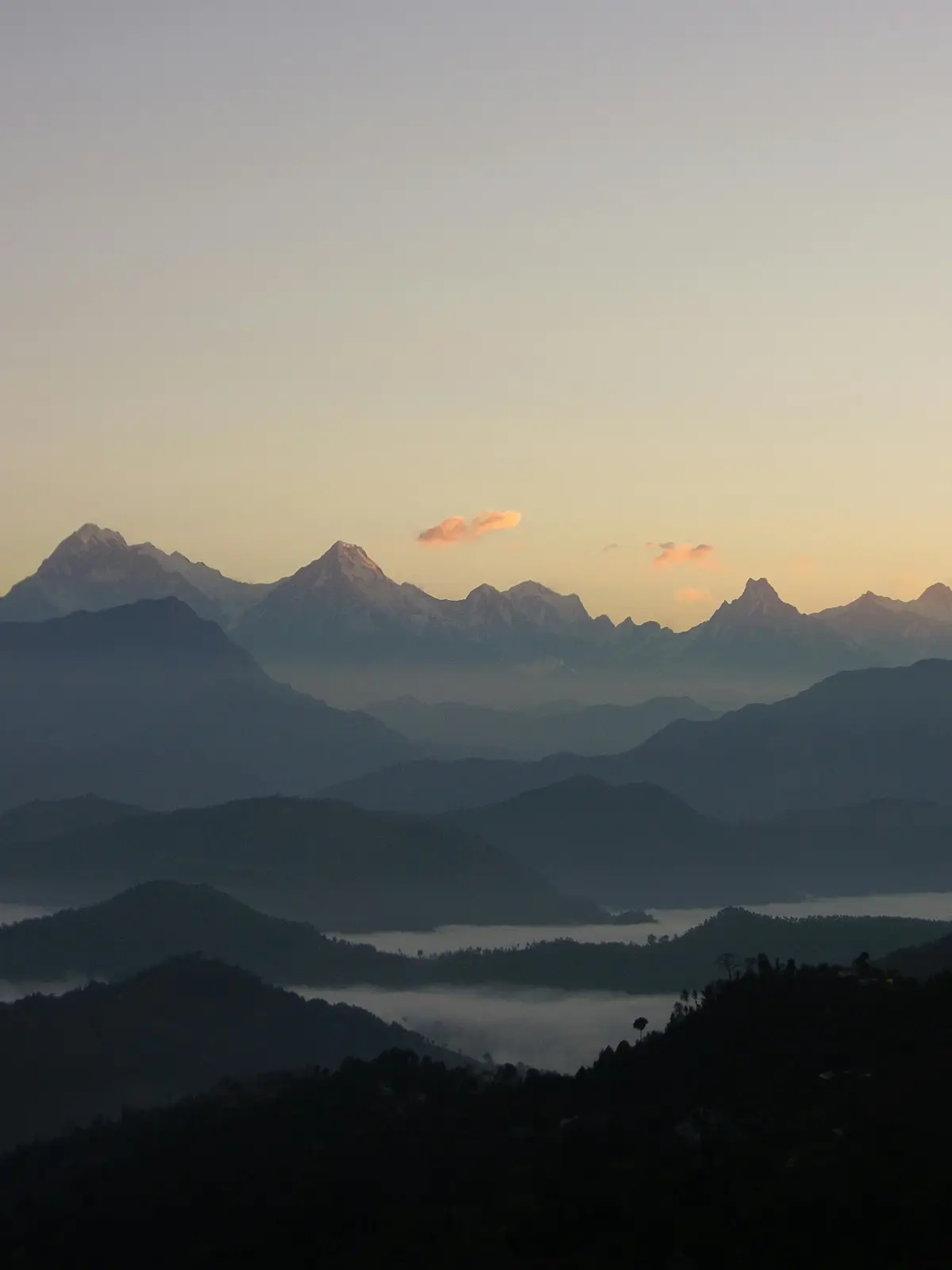
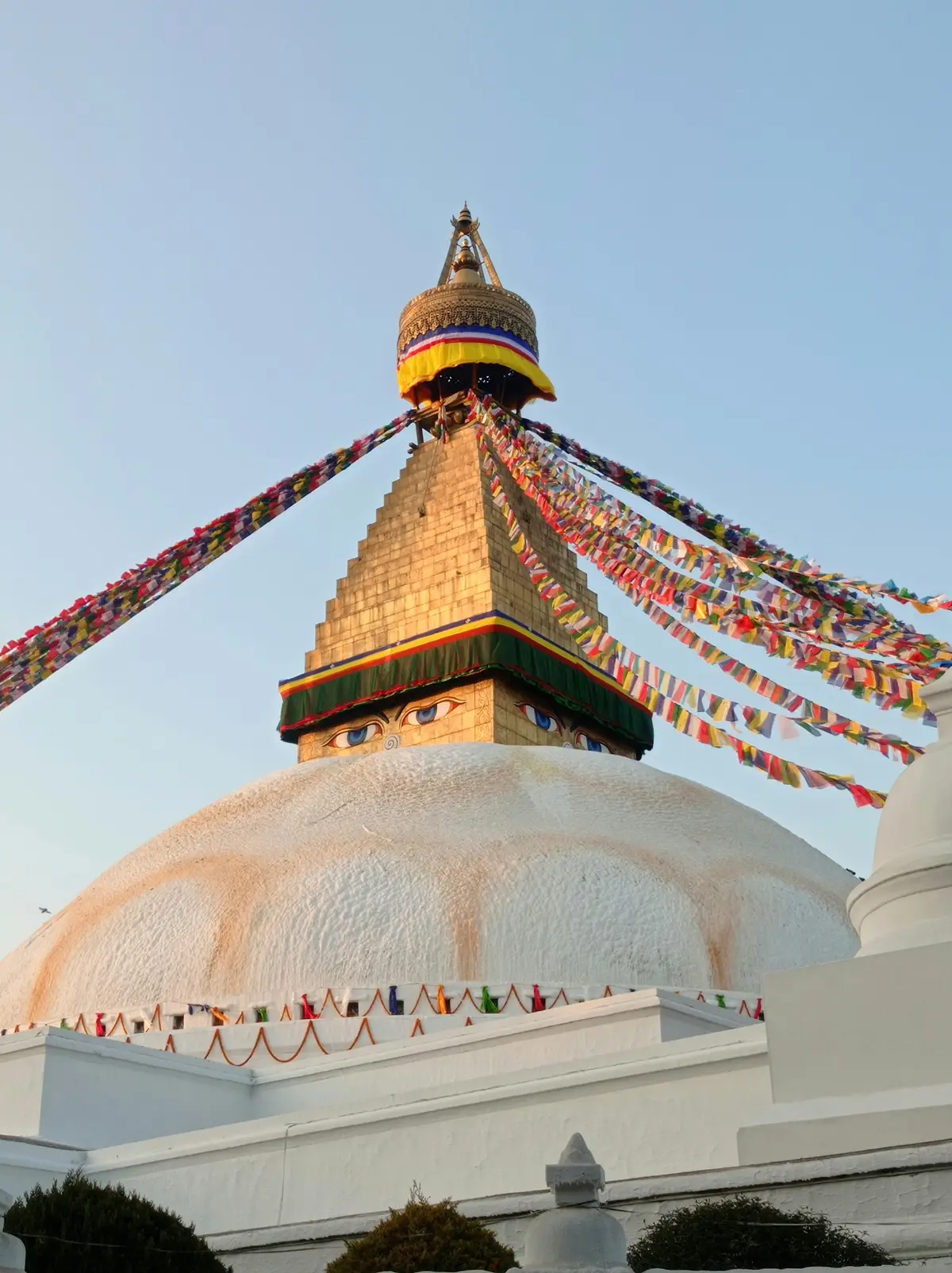
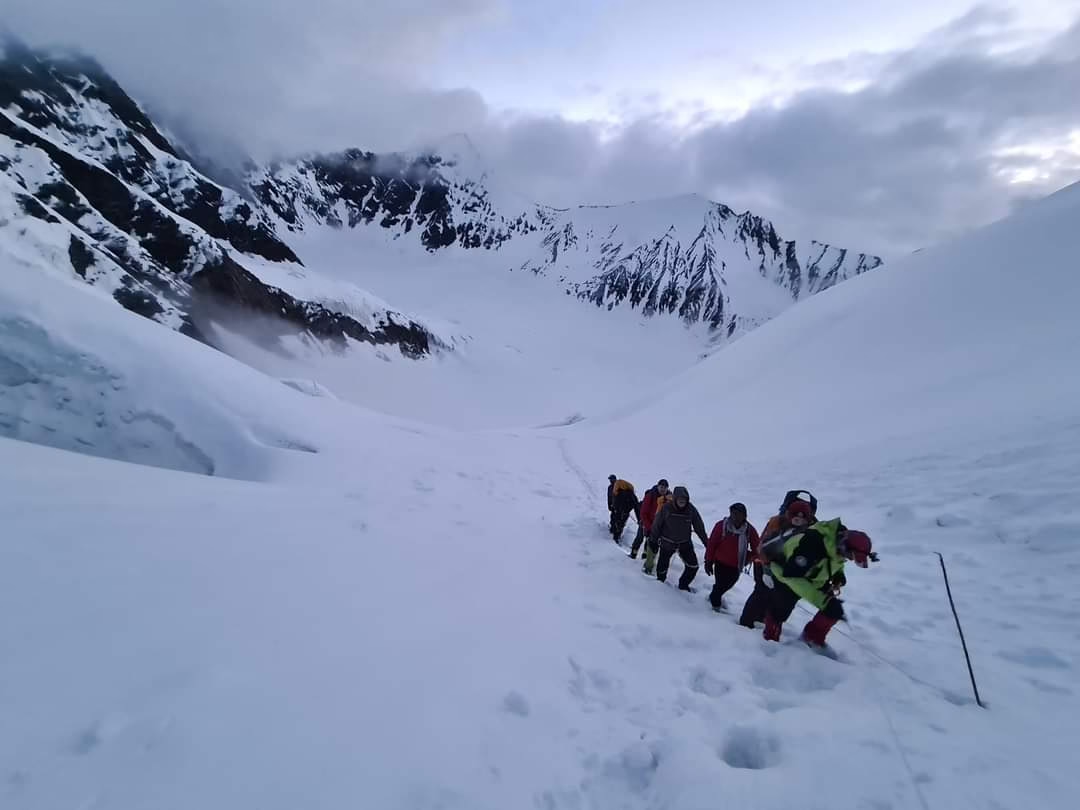
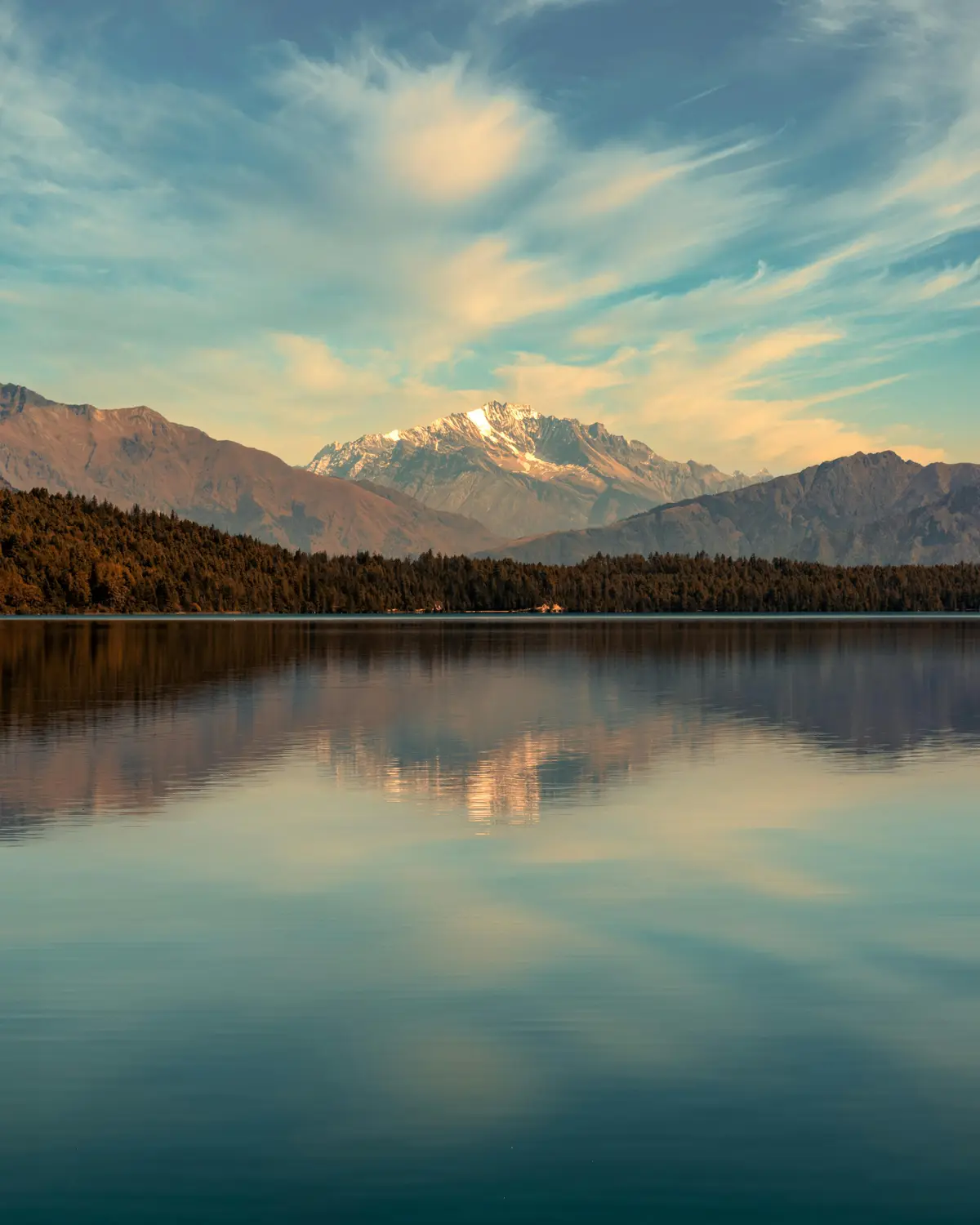
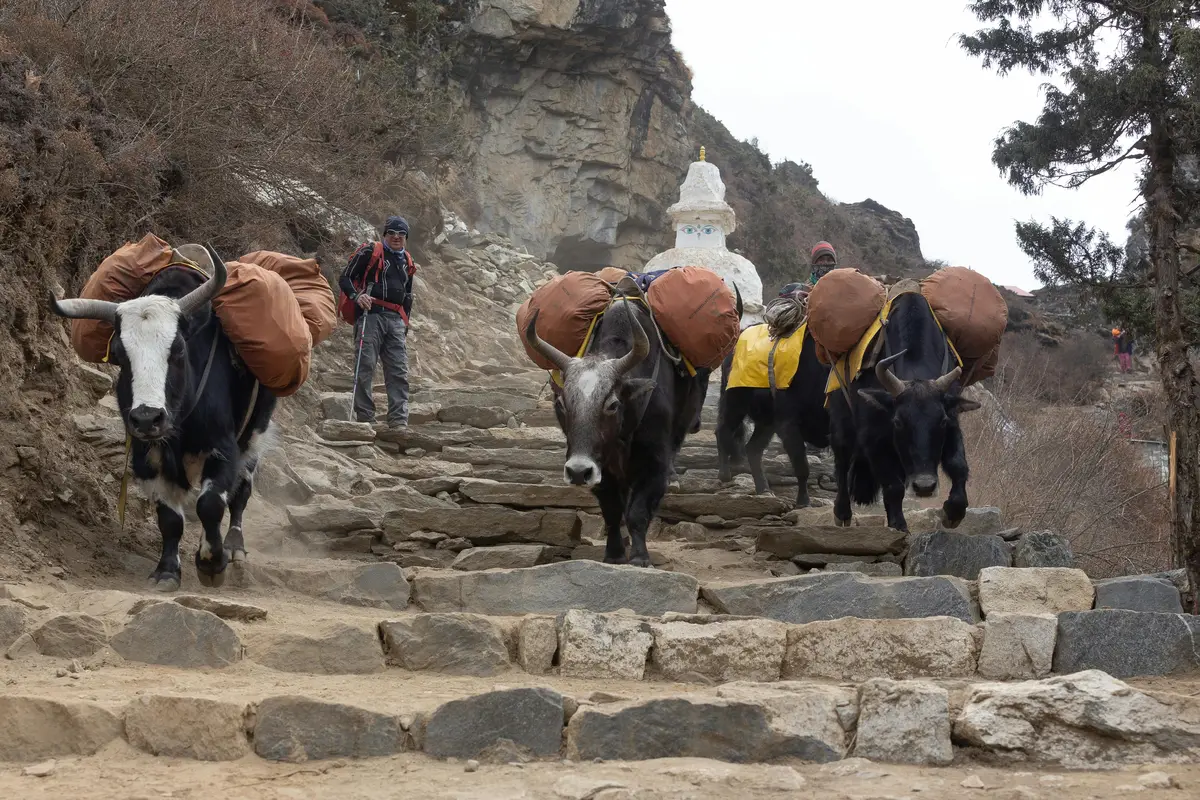
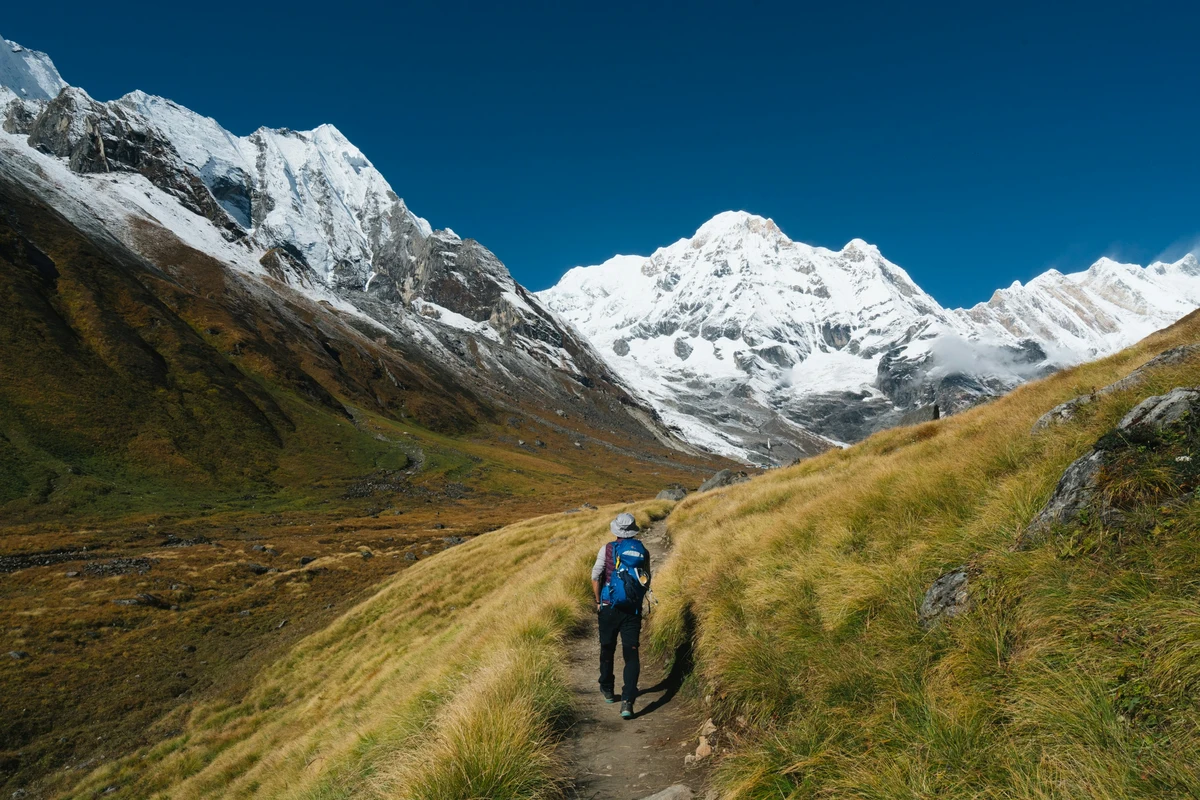
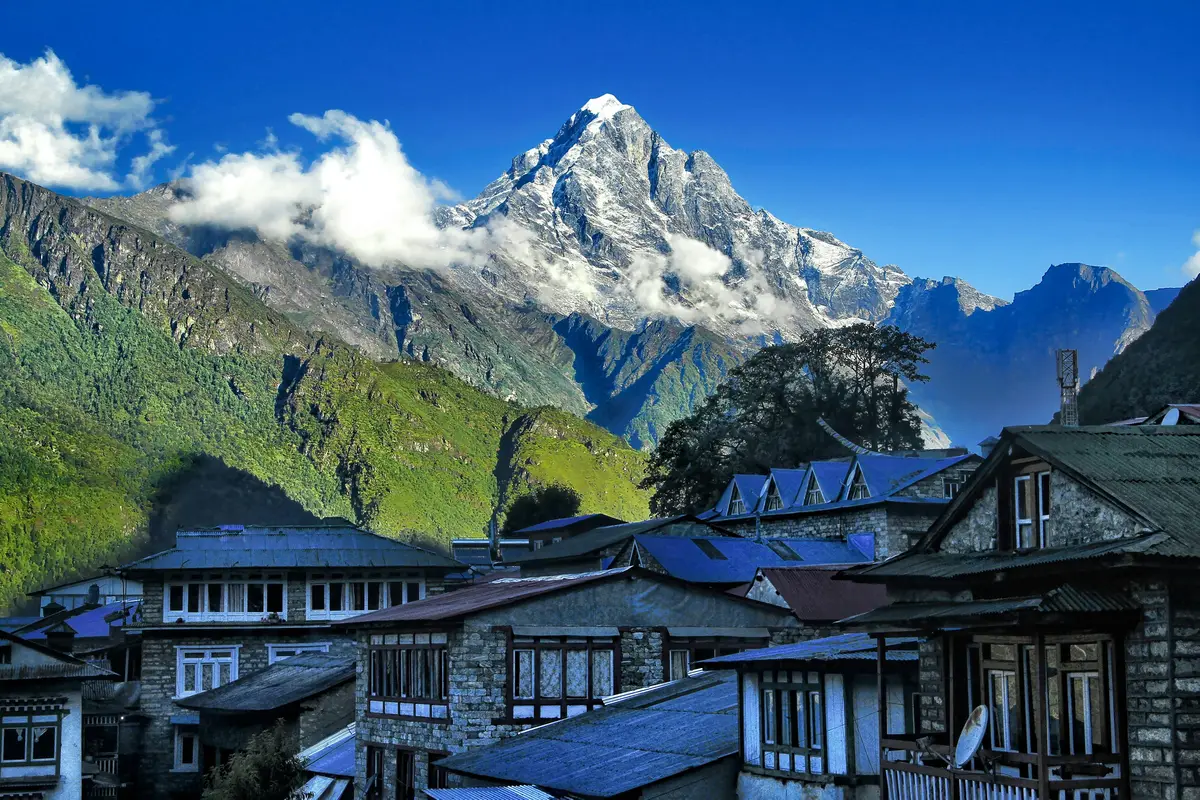
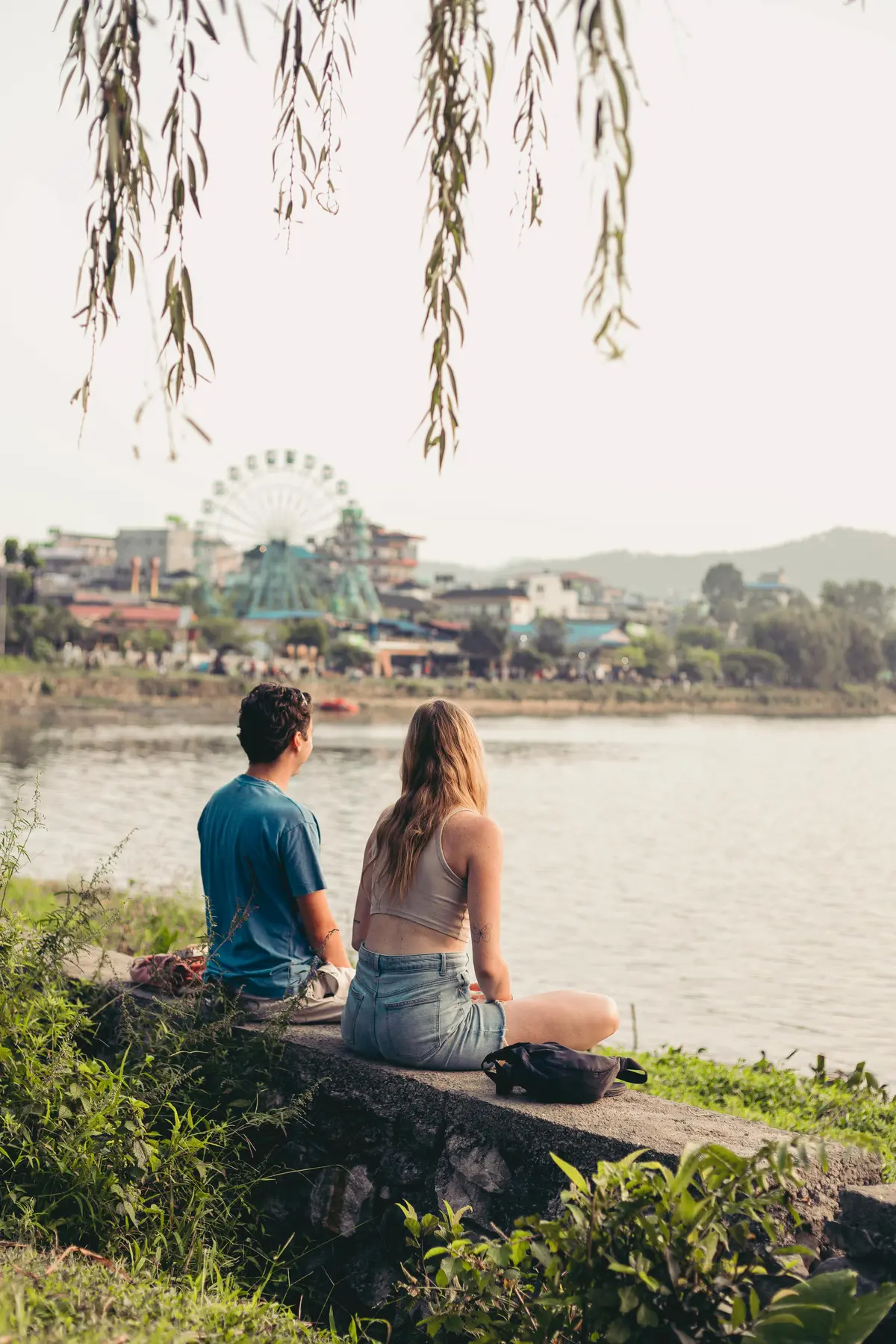
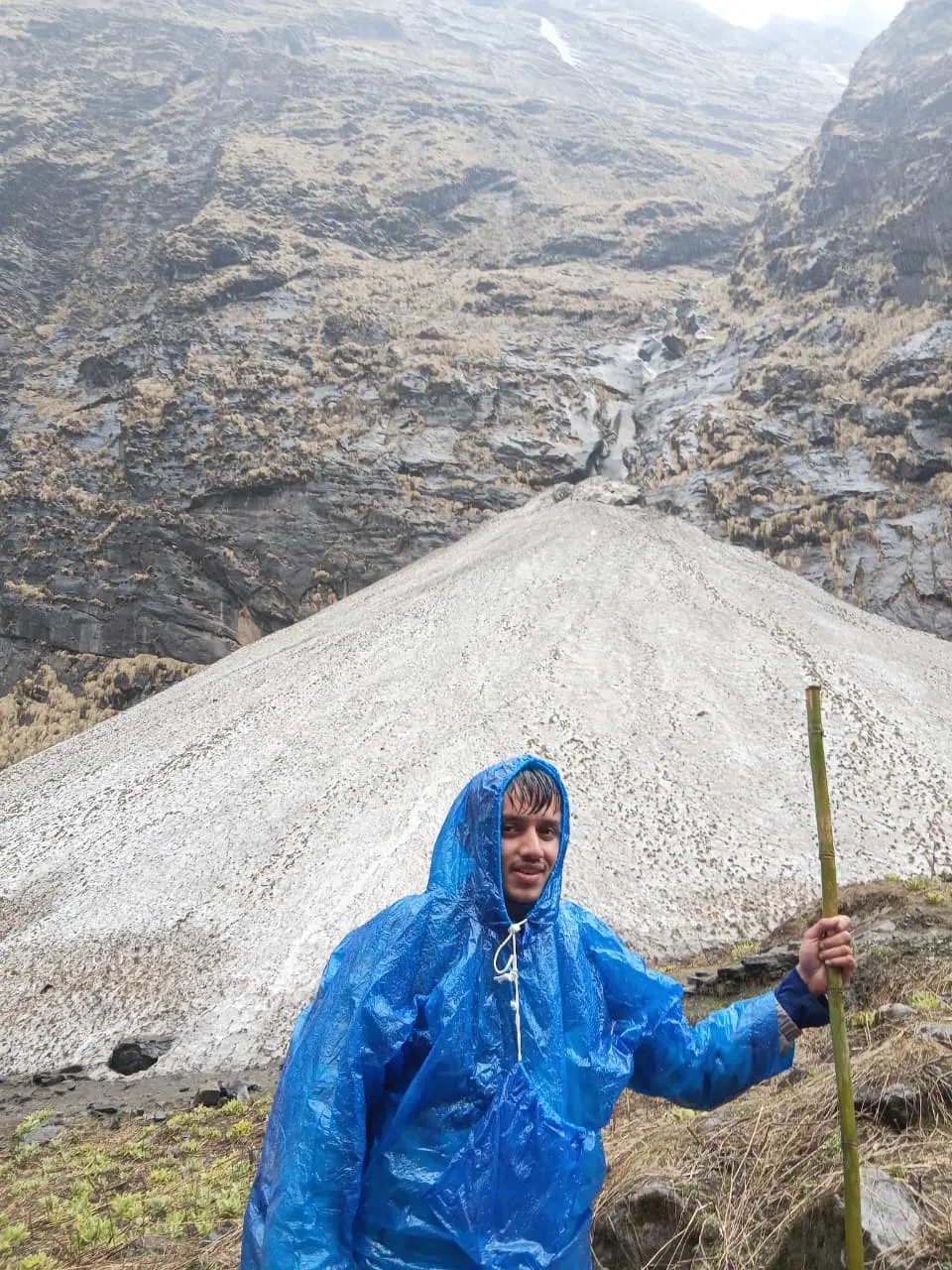
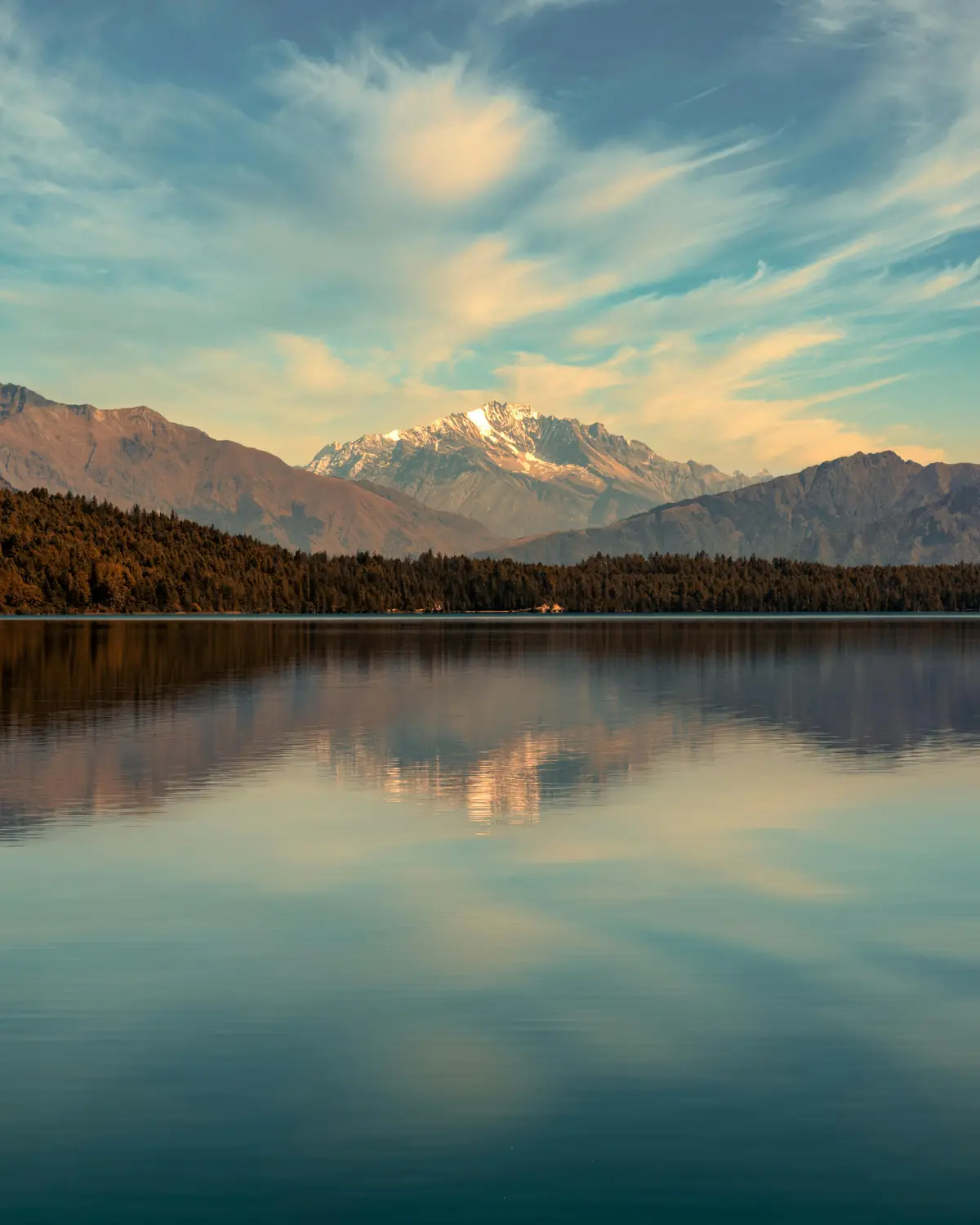
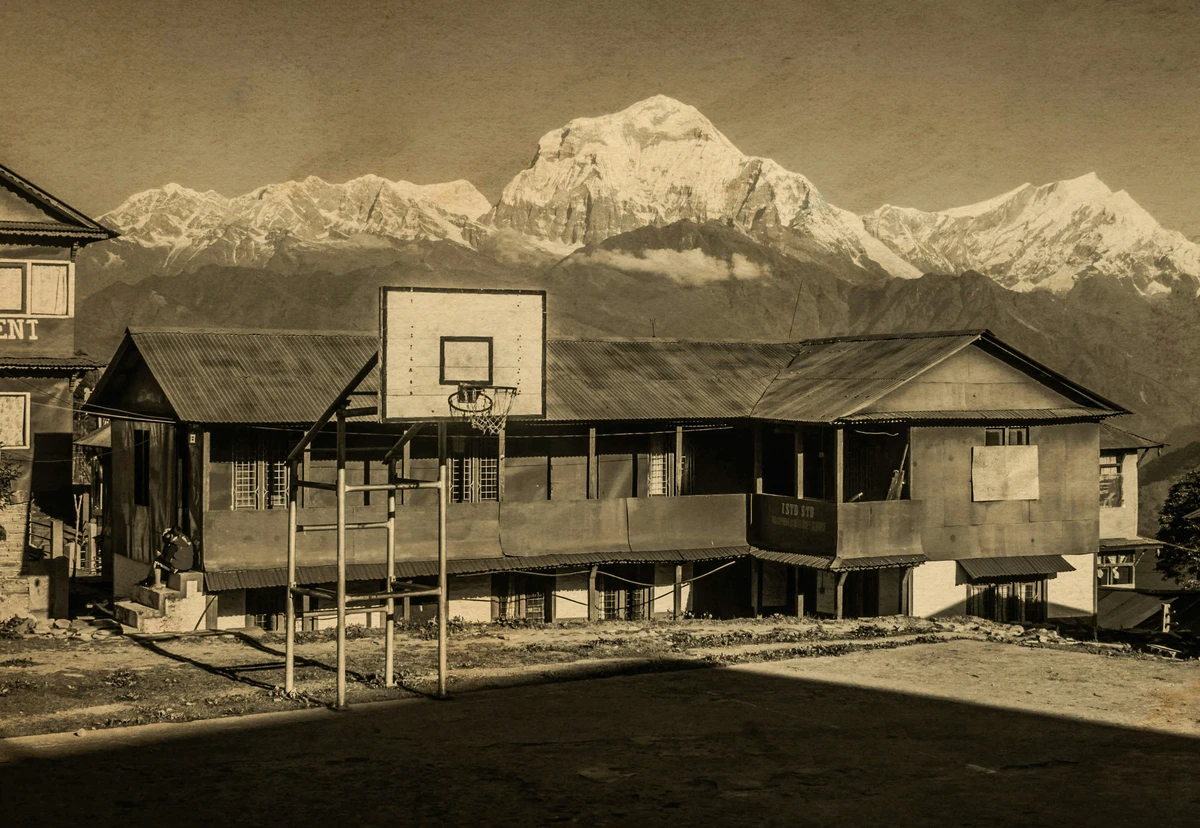
Cultural trekking in Nepal lets you experience both majestic mountains and vibrant local traditions
Cultural Trekking in Nepal: Walking in the Civilization and Mountains
Nepal is often imagined as a realm of high adventure snow-capped peaks, daring Himalayan treks, and adrenaline-filled climbs. Yet, the soul of this nation lies equally in its rich cultural fabric. Cultural trekking in Nepal offers not only a journey through landscapes but a deeper immersion into the stories, rituals, and traditions that have shaped life in the Himalayas for centuries. As you walk through terraced fields and remote villages, every step brings you closer to the heart of Nepal’s heritage.
This article explores the nature of cultural trekking and introduces regions where mountain trails and cultural legacies intertwine, offering a travel experience that is both meaningful and memorable.
What Is Cultural Trekking in Nepal?
Cultural trekking in Nepal blends the joy of hiking with authentic engagement in local traditions and community life. Instead of merely observing from a distance, trekkers participate sharing meals, staying in village homes, and joining seasonal celebrations. These treks are typically based in mid-hill regions rather than high-altitude zones, allowing more interaction with settlements deeply rooted in ancient customs.
Rather than focus on conquering passes or reaching summits, these journeys focus on interaction with architecture, religion, folklore, and festivals forming the highlights of your itinerary.
Why Choose Cultural Treks?
1. Authentic Experiences
You don’t just witness life; you live it. Share meals with host families, learn traditional dances, and take part in rituals. Cultural trekking in Nepal offers deeper access to communities than traditional tourism allows.
2. Less-Crowded Trails
While Everest and Annapurna see heavy footfall, cultural trekking routes remain peaceful, offering solitude and genuine human connection.
3. Ethnic Diversity
Nepal is home to over 125 ethnic groups and 100+ languages. Cultural trekking in Nepal allows encounters with Gurungs, Tamangs, Magars, Sherpas, and many more each with distinct clothing, beliefs, and dialects.
4. Sustainable Tourism
Most cultural treks support community-based tourism. Homestays, local guides, and village-run guesthouses ensure that your presence benefits the local economy directly.
Best Cultural Trekking Routes in Nepal
1. Tamang Heritage Trail
-
Region: Langtang
-
Duration: 7 – 10 days
Explore ancient Tamang villages, Buddhist monasteries, and traditional homes. The trek runs near the Tibetan border and is rich in spiritual symbolism mani walls, prayer wheels, and welcoming communities. Tatopani hot springs and dance rituals are cultural highlights.
2. Ghale Gaun and Ghanpokhara
-
Region: Annapurna
-
Duration: 4-6 days
A model of community-based tourism, Ghale Gaun offers spectacular views of Machhapuchhre and Lamjung Himal. The trek features homestays, traditional Ghatu dances, and participation in Gurung customs. A must-do for anyone interested in cultural trekking in Nepal.
3. Tsum Valley Trek
-
Region: Manaslu
-
Duration: 14-18 days
Known as the “Hidden Valley,” Tsum preserves Buddhist culture in pristine form. Trekkers encounter ancient monasteries like Rachen Nunnery and Mu Gompa, while learning about unique practices such as polyandry and ancient dialects.
4. Upper and Lower Mustang Treks
-
Region: Mustang
-
Duration: 10-18 days
Lower Mustang merges Hindu and Buddhist beliefs. Upper Mustang, once a forbidden kingdom, remains deeply Tibetan in culture. Explore Lo Manthang, centuries-old caves, and the colorful Tiji Festival-making this trek a pinnacle of cultural trekking in Nepal.
5. Helambu Circuit Trek
-
Region: Langtang
-
Duration: 6-9 days
Close to Kathmandu, this trek is perfect for a short cultural escape. The Hyolmo people welcome visitors into their homes and monasteries. Stone houses, prayer flags, and local festivals create a culturally immersive environment.
Things You Will Encounter
Traditional Architecture
Stone and mud houses with intricately carved wooden windows reflect local aesthetic and religious beliefs. The layout of villages often follows ancient geomantic principles.
Local Cuisine
Food plays a key cultural role. Dishes like dal bhat, gundruk, yak cheese, and sel roti are staples. Eating with local families provides insight into daily life and agricultural practices.
Festivals and Rituals
Traveling during festivals like Dashain, Tihar, or Tiji adds a celebratory atmosphere. Witnessing weddings, funerals, or village rituals lends deeper context to your experience with cultural trekking in Nepal.
Handicrafts and Apparel
Treks bring you face-to-face with artisans potters, weavers, and woodcarvers. Traditional attire ranges from Tamang tunics and Buddhist beads to Gurung vests and Sherpa robes.
Monasteries and Temples
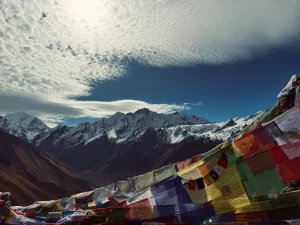
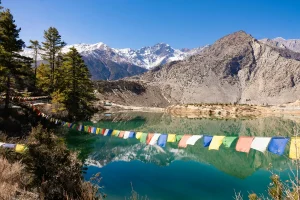
Chortens, mani walls, and prayer flags line the trails. These sacred markers are not just religious they’re expressions of Himalayan identity. Visiting these places enhances the spiritual aspect of cultural trekking in Nepal.
Homestays: The Cultural Bridge
Homestays offer an immersive glimpse into rural life cooking on firewood, sipping butter tea, and waking to the sound of temple bells. More than just lodging, they’re platforms of cultural exchange.
Managed by local cooperatives, these stays maintain hygiene and respect traditions. While language might be a barrier, a warm smile and shared meal often transcend words.
Responsible Cultural Trekking
With cultural exposure comes responsibility. Here are some key tips:
-
Always ask before taking photographs.
-
Dress conservatively, especially in temples.
-
Learn a few Nepali phrases simple greetings go a long way.
-
Never touch religious artifacts or enter shrines without guidance.
-
Show curiosity, not judgment remember, you’re the guest.
By following these practices, your cultural trekking in Nepal journey remains respectful and enriching for both you and your hosts.
When to Go
The best seasons for cultural trekking in Nepal are:
-
Spring (March-May): Flowers bloom, and many festivals take place.
-
Autumn (September-November): Clear skies and major festivals like Dashain and Tihar.
Lower-altitude treks such as Helambu, Ghale Gaun, and Lower Mustang are accessible even in winter, though higher areas like Tsum Valley may be snow-covered.
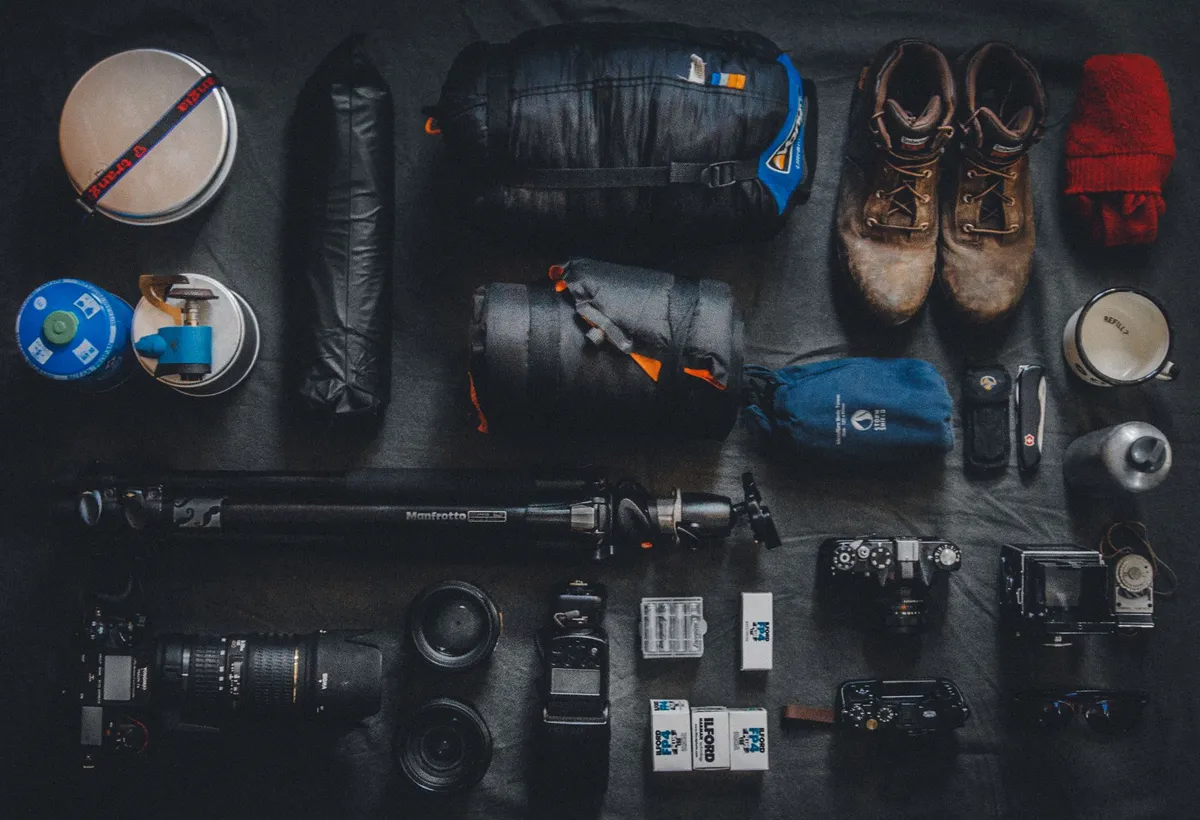
What to Bring on a Cultural Trek
Essentials include:
-
A backpack with non-technical hiking gear
-
Modest clothing (covered shoulders and long pants)
-
A Nepali phrasebook or translation app
-
Small gifts or souvenirs from your home country
-
Water purification tablets or filters
-
A journal to record your cultural observations
-
Small change for monastery donations

Trek With a Cultural Guide
Opting for a culturally trained guide enriches your trek significantly. They interpret dialects, explain customs, and help build bridges with locals. Choose guides affiliated with TAAN or the Nepal Tourism Board to ensure ethical and knowledgeable service.
A cultural guide transforms your walk into an interpretive experience bringing deeper understanding to every chant, monument, or festival.
Challenges and Rewards
Cultural trekking in Nepal may lack luxury. Trails can be rugged, and English is limited in remote areas. Yet, the emotional rewards outweigh the inconveniences. You gain insights into life that no photograph can capture shared laughter, morning chants, and timeless traditions.
Final Thoughts
Nepal’s natural beauty is undeniable, but its real treasure lies in its people and their way of life. Cultural trekking in Nepal is not just a journey across terrain but across time. It’s about stepping into living history where every stone path, prayer flag, and temple bell tells a story.
If you’re seeking travel that stirs both the heart and the mind, that slows your pace and deepens your view, then cultural trekking is the most profound way to experience Nepal.
Book Your Trek now with First Camp Trek