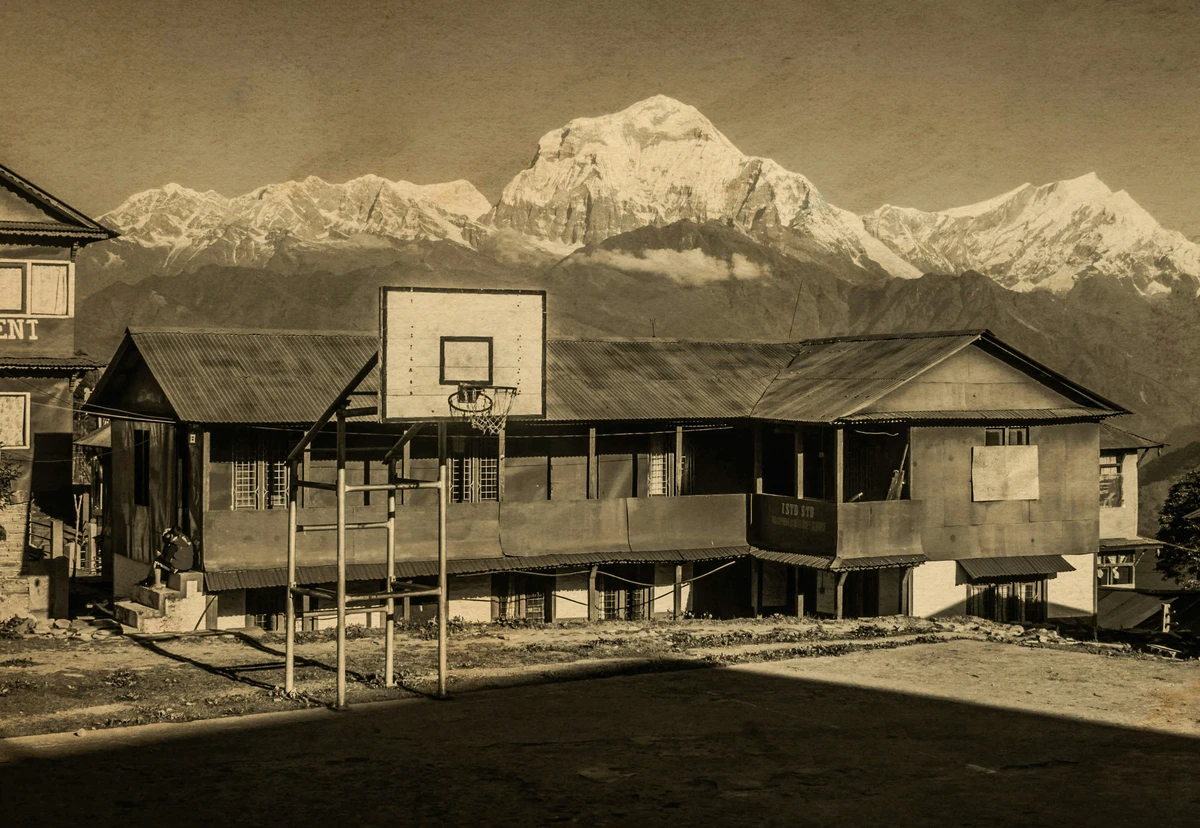
Trekking in Nepal after COVID: What’s Inspiringly New on the Trails
Trekking in Nepal after COVID: What’s Changed and What to Anticipate
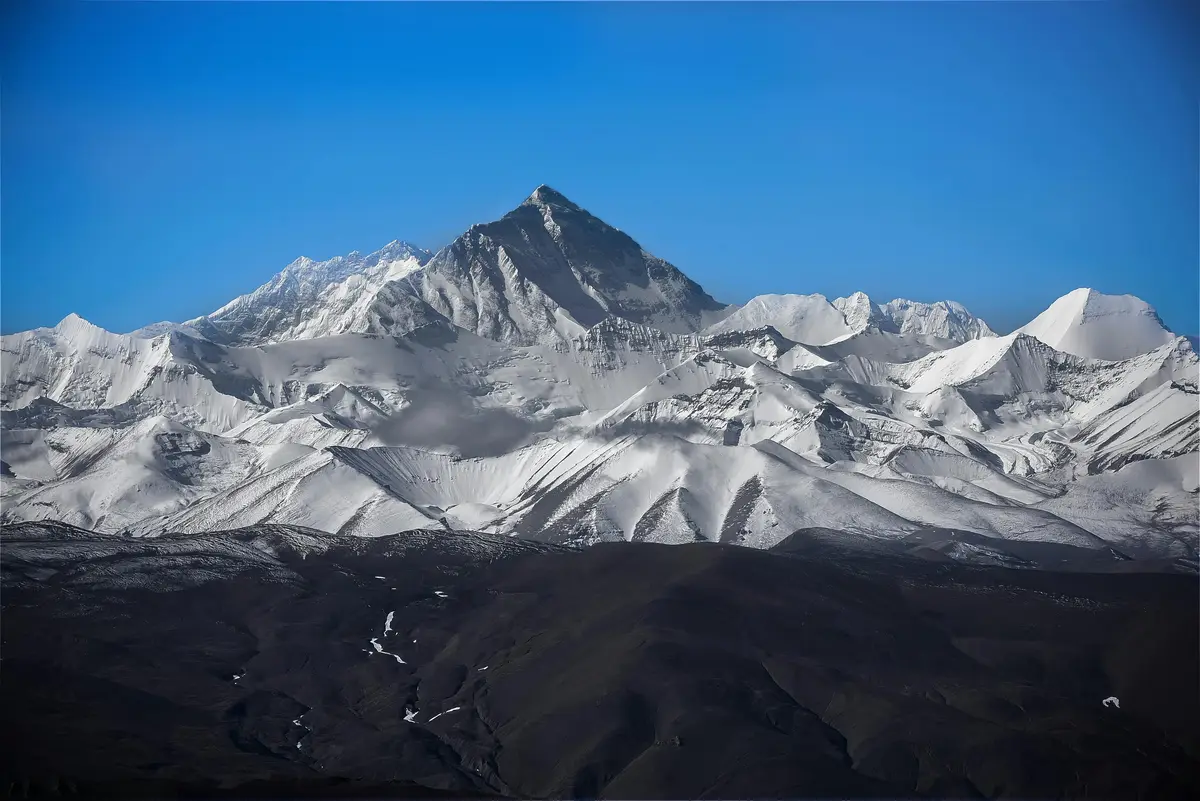
International global travel was brought to a grinding halt by the lockdown of the COVID-19 pandemic, and Nepal the globally renowned trekking destination was no exception. With international travel going into suspension mode, tourism-based visitor destinations like the Annapurna, Everest, and Langtang districts emptied out. But with international borders reopening again and tourists once again tying laces around their ankles, trekking in Nepal after COVID has come back with new perspectives, changed procedures, and a newfound respect for nature and culture.
Whether it’s your first foray or your return after an extended layoff, this piece will bring to your attention what’s new on the trail, what new safety guidelines exist today, and how the trekking industry is shaping up in the post-COVID landscape.
The Road to Revival: Nepal’s Tourism After COVID
Nepal reopened completely in early 2022 and relaxed rules on traveling and quarantines. Trekking numbers have been increasing since then in the top destinations like Everest Base Camp (EBC) and Annapurna Circuit.
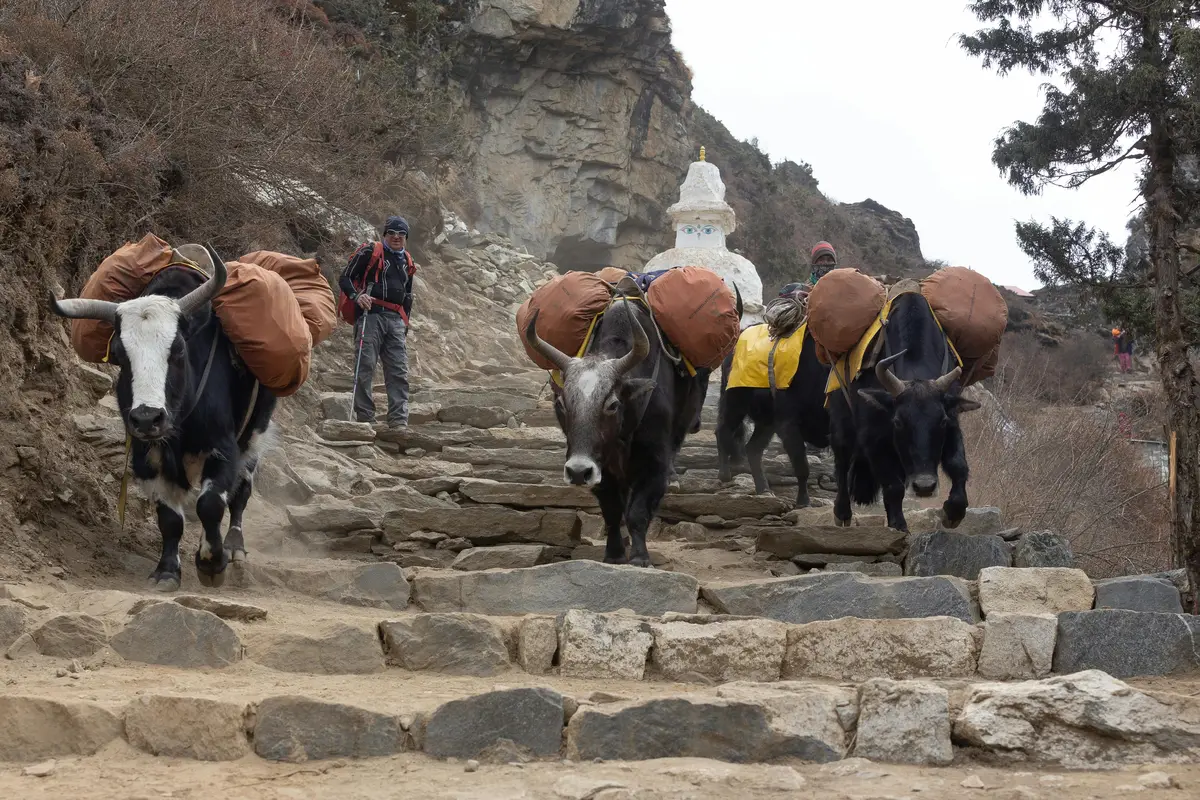
Despite this crisis, however, there was a lasting impact. Tea houses shut down temporarily or forever, guides and porters had to change employment, and local economies took a severe hit. Recovery in tourism has brought hope but also a call for stronger, sustainable systems.
If you’re planning trekking in Nepal after covid, realize that by going there, you’re contributing in a direct manner toward the recovery of those who live mainly on tourism. Your responsible act of traveling contributes toward rebuilding an entire lifestyle.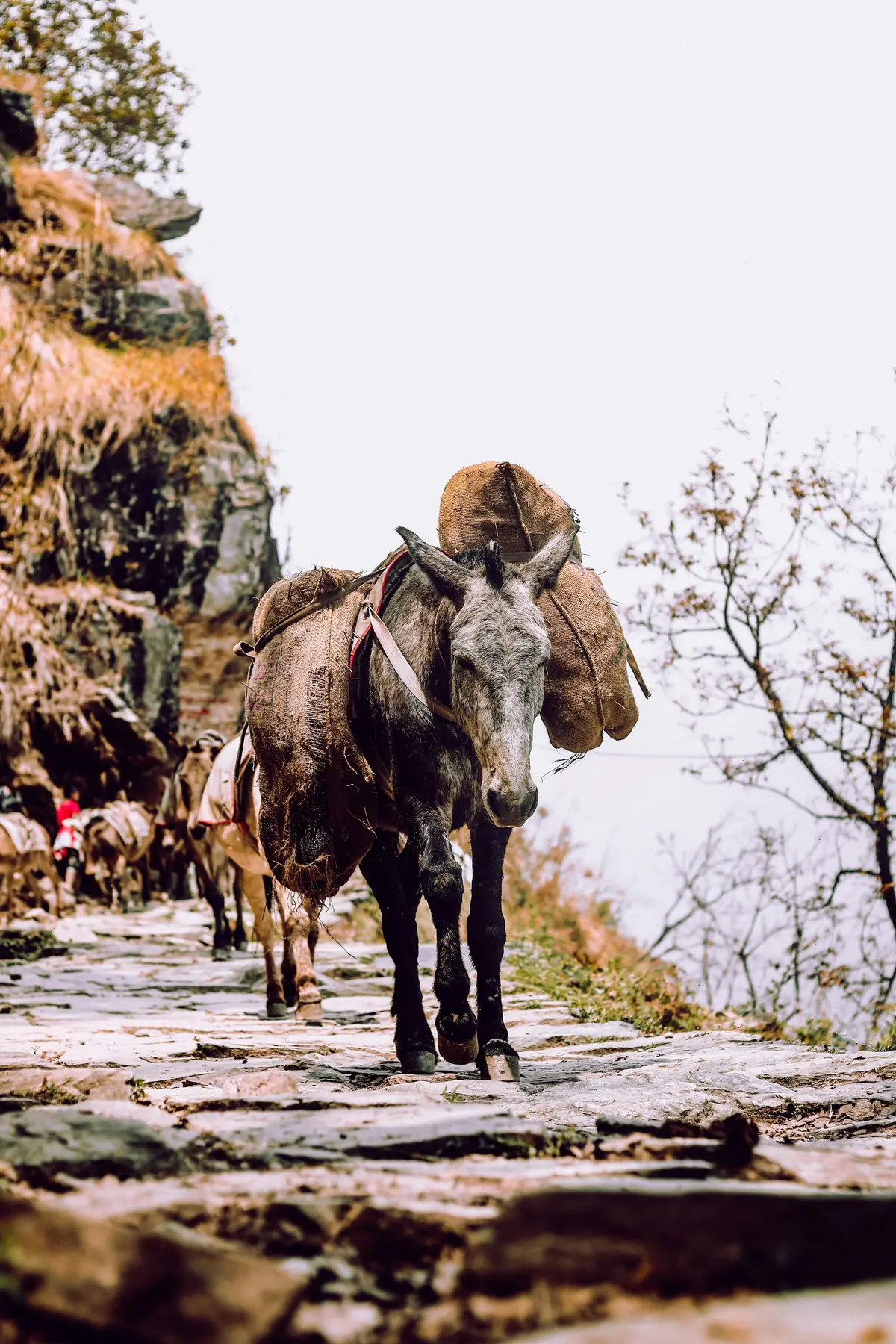
New Entry Protocols and Health Regulations
Travel to Nepal has become simpler, but there remain a number of things the trekker must know about.
Visa on Arrival remains available to the majority of nationalities, but checking current requirements prior to flight departure is a good idea.
Vaccination against COVID-19 is encouraged but not obligatory. Certification of vaccination may be requested by certain carriers or countries in transit.
There is minimal airport health screening present but it is still operational. You may be required to fill out an online declaration form upon arrival.
Most trekking companies have responded to these new facts on the ground by adopting strict standards of hygiene and health. First Camp Trek, for example, makes sure guides get a vaccination and a mask, a sanitizer, and a first aid kit.
A Shift on the Trail: What Backpackers Should Anticipate
1.Smaller crowds, richer experiences
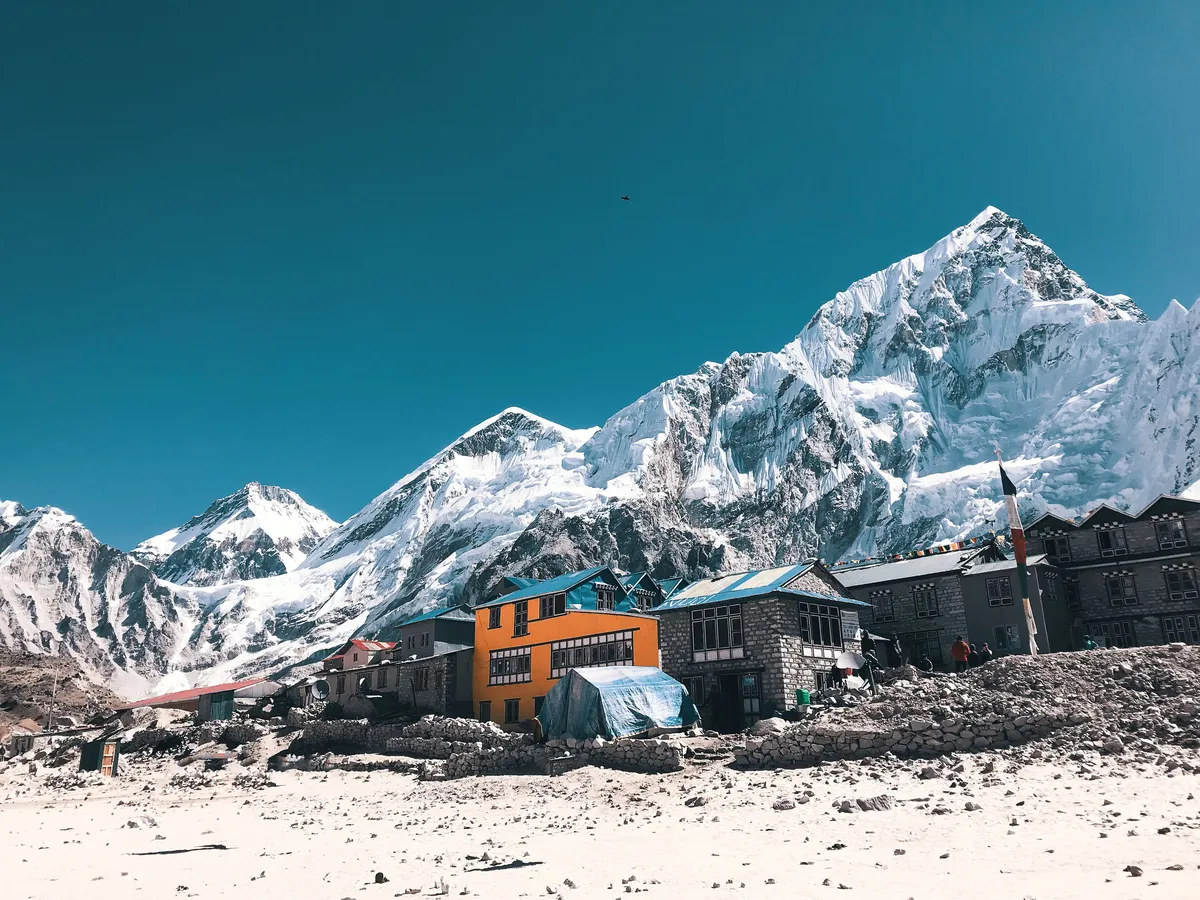
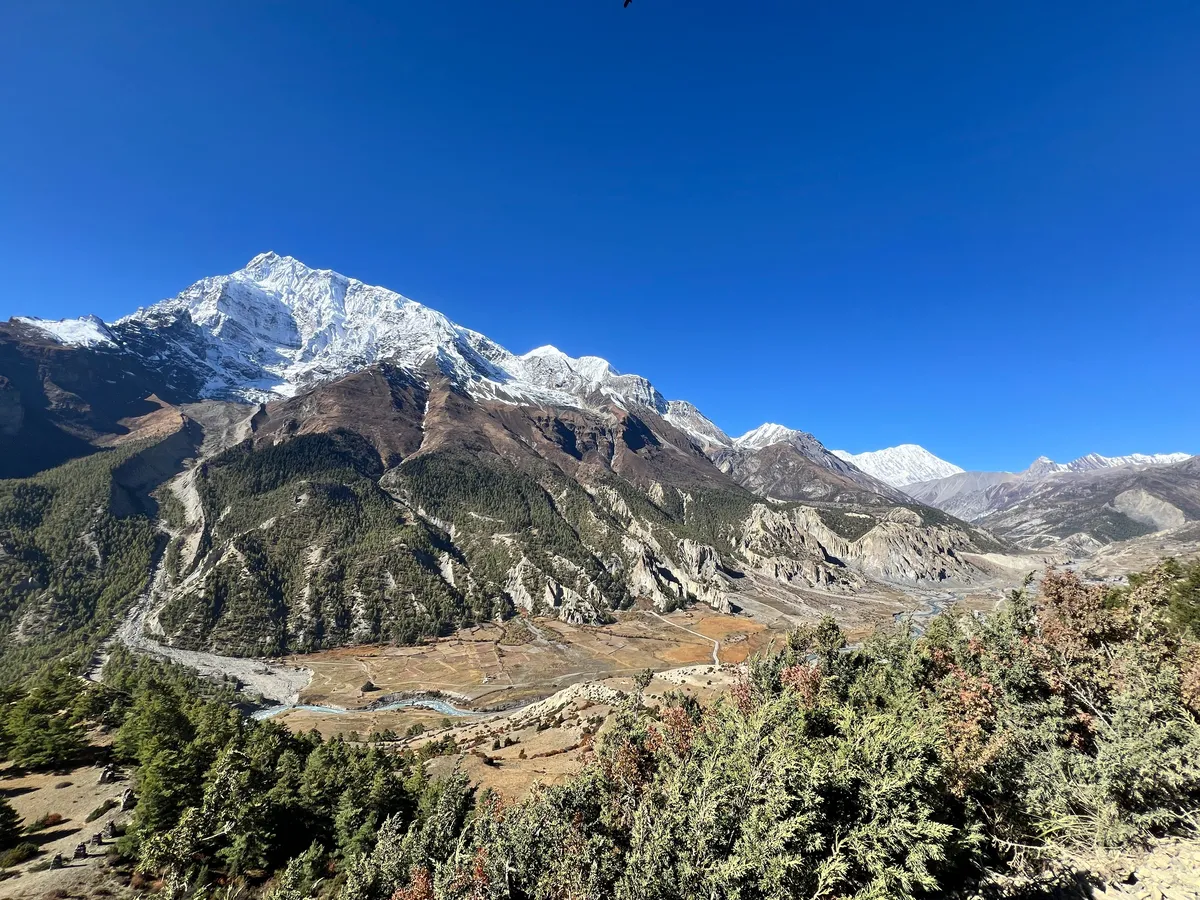
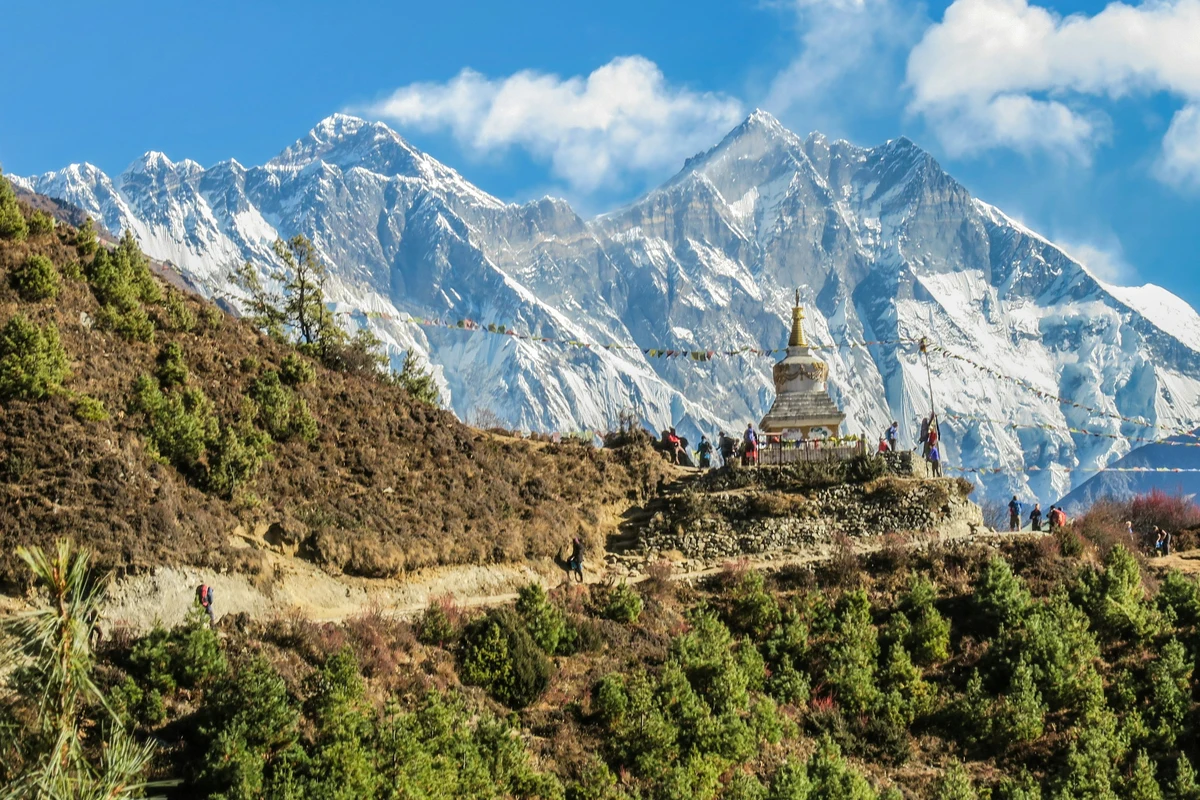
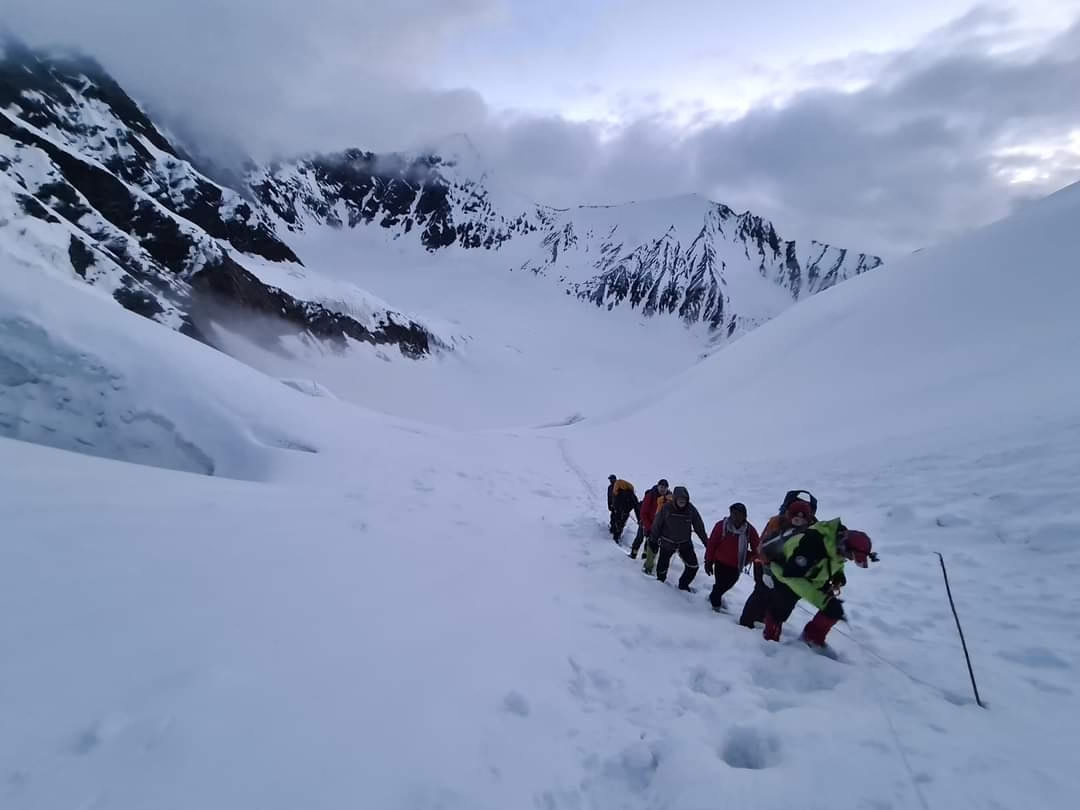
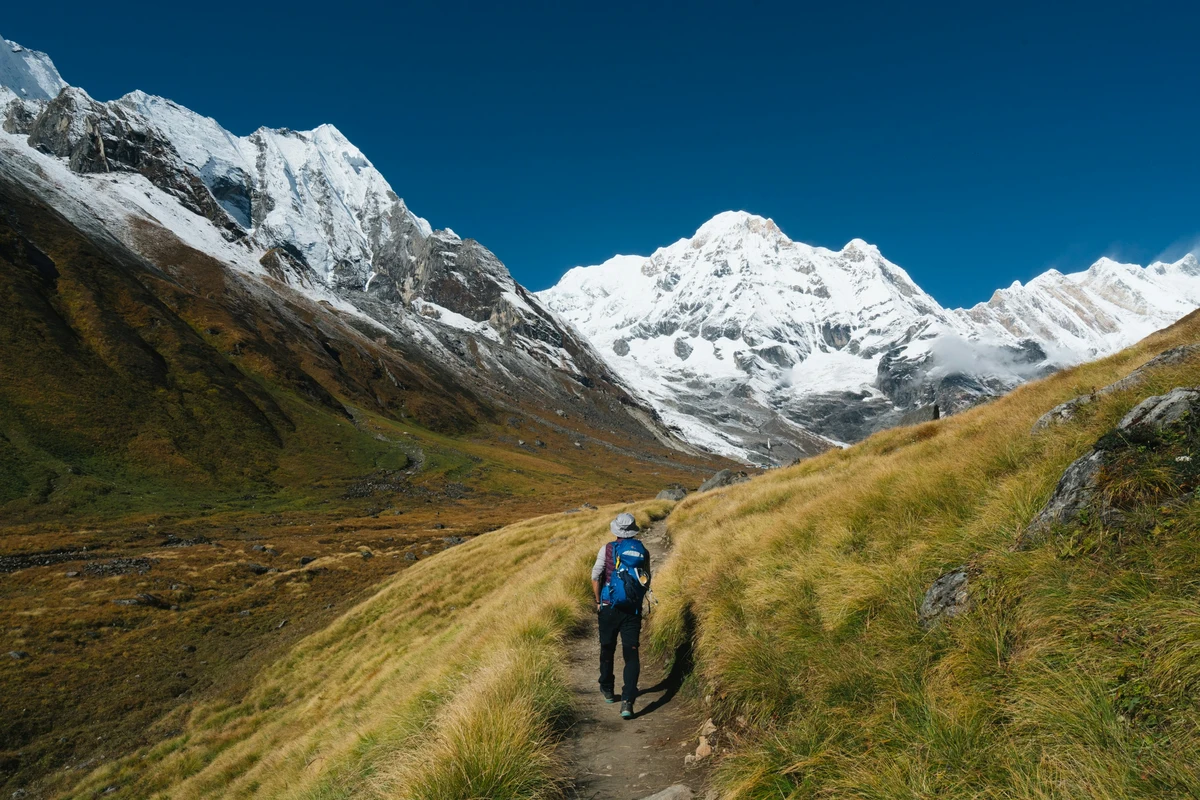
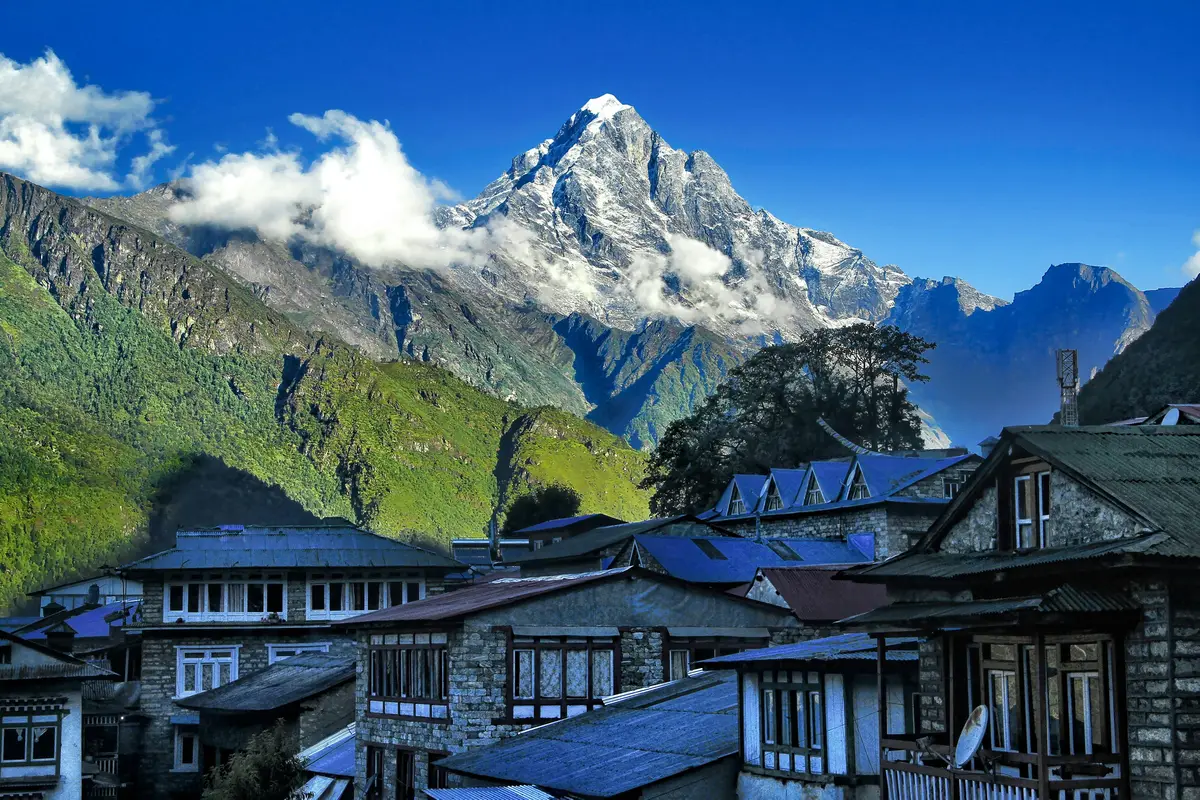
One of the silver lining aspects of trekking in Nepal after COVID is the fewer tourists on traditional routes. Treks such as the EBC or Annapurna Base Camp, once swarming with tourists, now offer a quieter trekking experience. This is a great opportunity for greater cultural interactions as well as less crowded encounters with nature.
2.Improved Standards of Accommodation and Hygiene
Teahouses and lodges now have enhanced sanitation standards. Watch out for increased cleaning frequency, the presence of hand sanitisers and re-organisation of eating facilities to reduce communal exposure. Advance bookings are also being demanded as some of the lodges have cut back on numbers.
3.Online Registration and e-Permits
The Nepal Government’s Tourism Board has automated parts of the trekking permit process. While even now you will be required to collect your TIMS card and conservation area permits in advance, online preregistration simplifies the process and minimizes paperwork.
4.Increased Emphasis on Travel Insurance
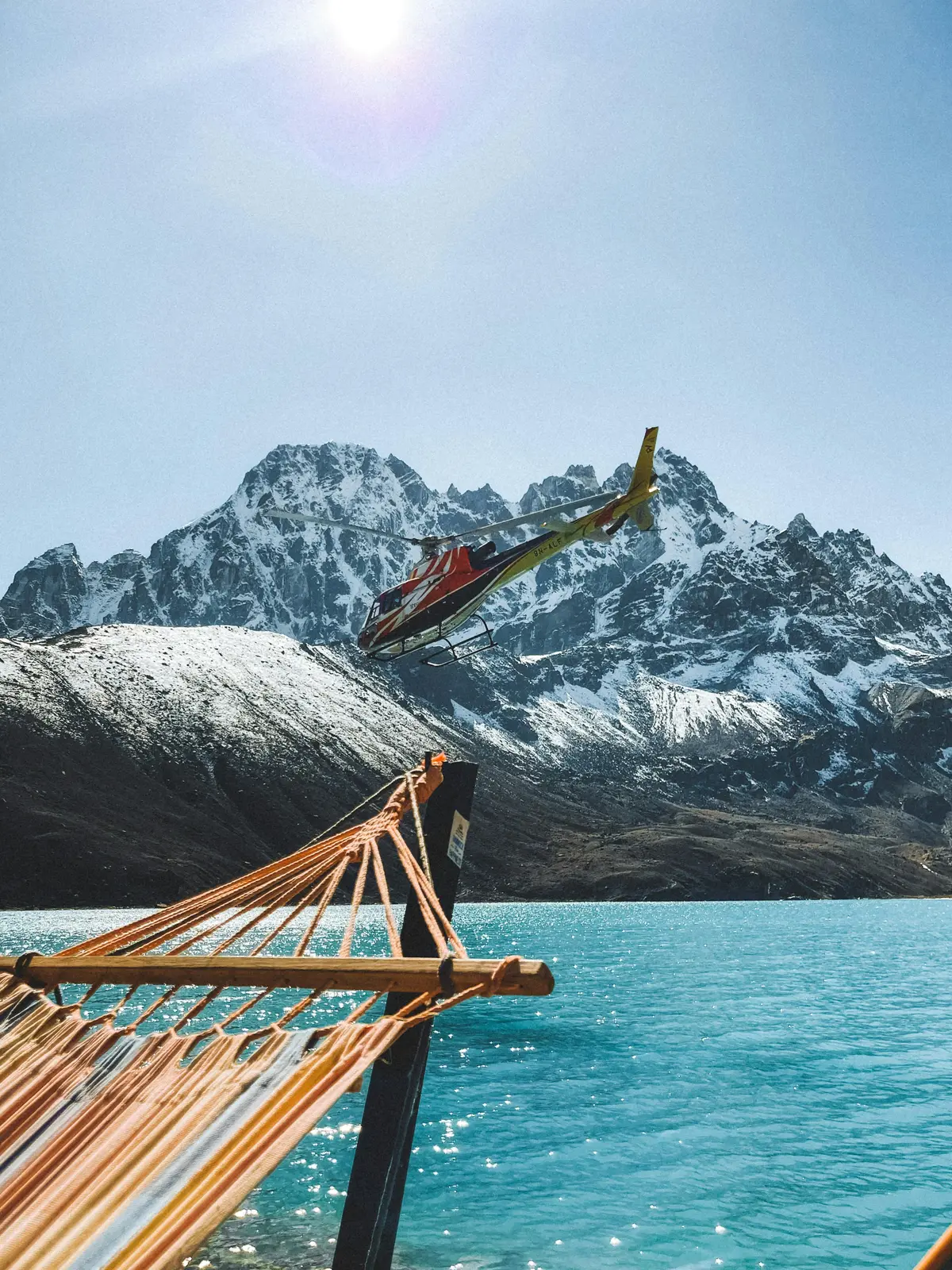
We strongly recommend taking out COVID-related cancellation or medical emergency insurance and in some cases, this may be mandatory. Helicopter evacuations in high-altitude trekking, already an essential service, come with increased adherence to insurance these days 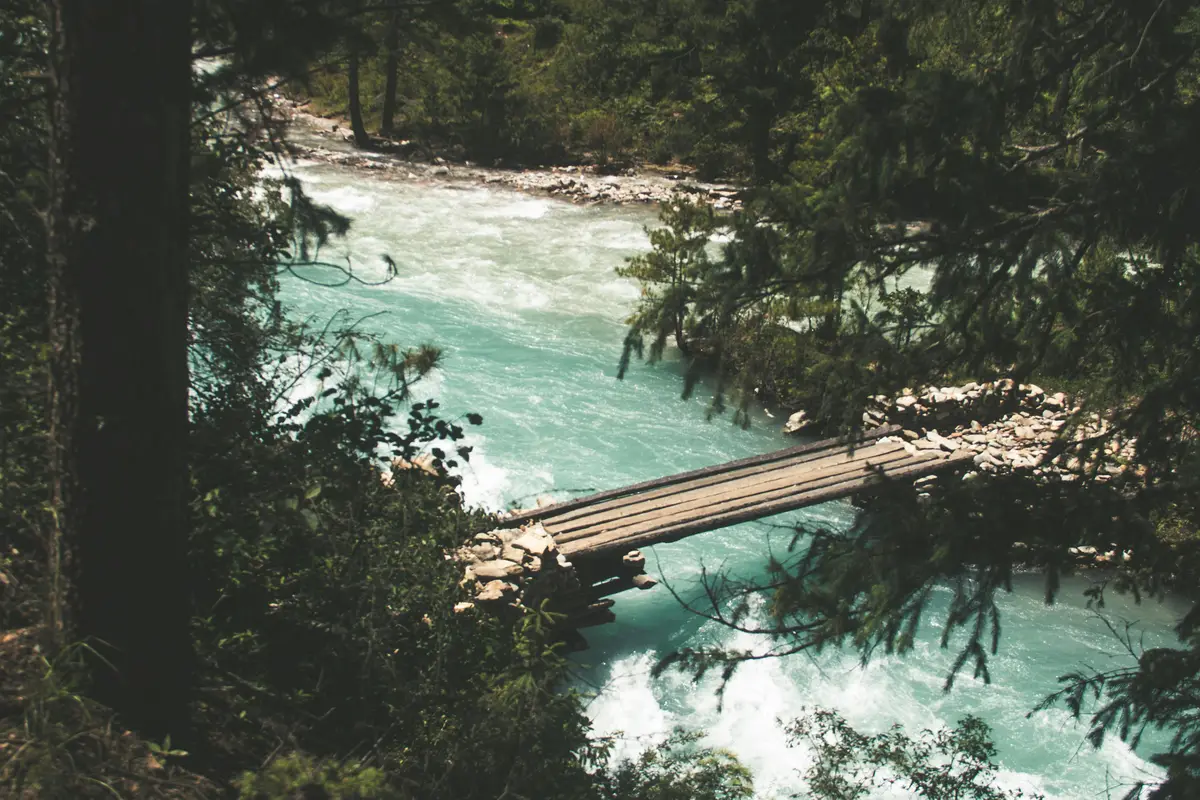
Impact on Local Communities and the Natural World
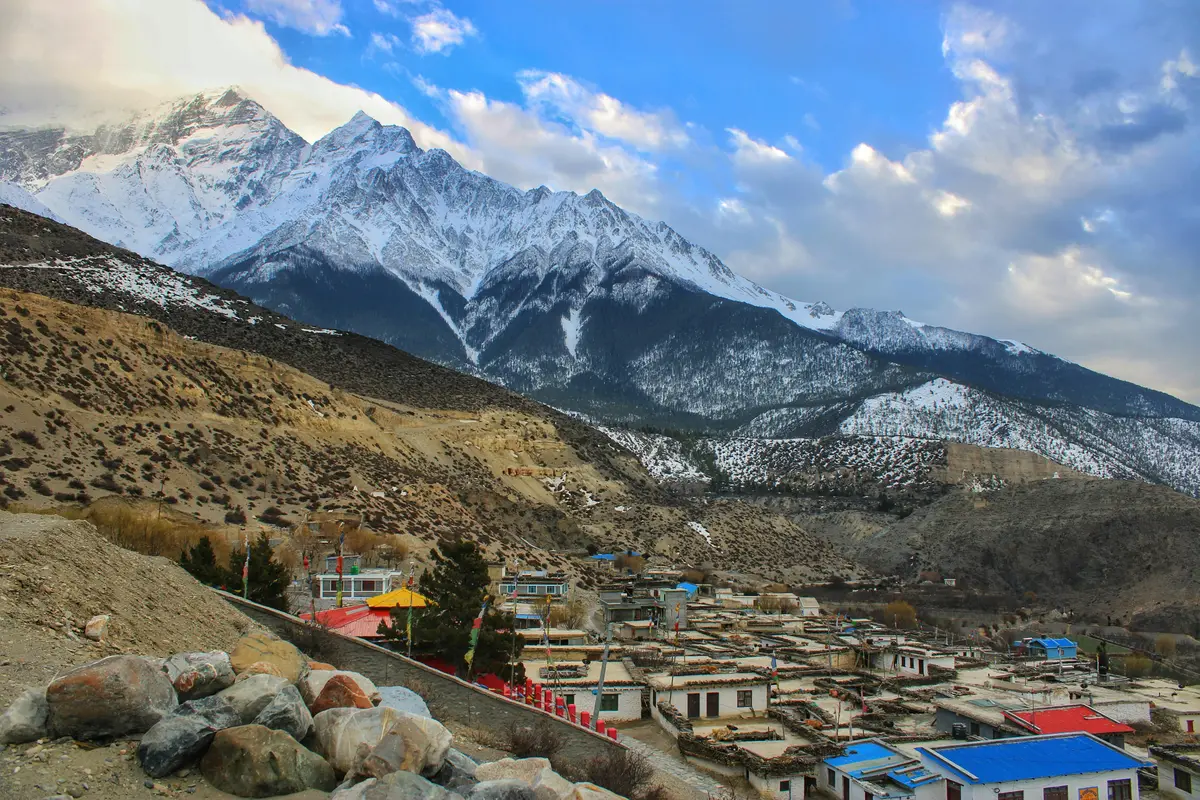
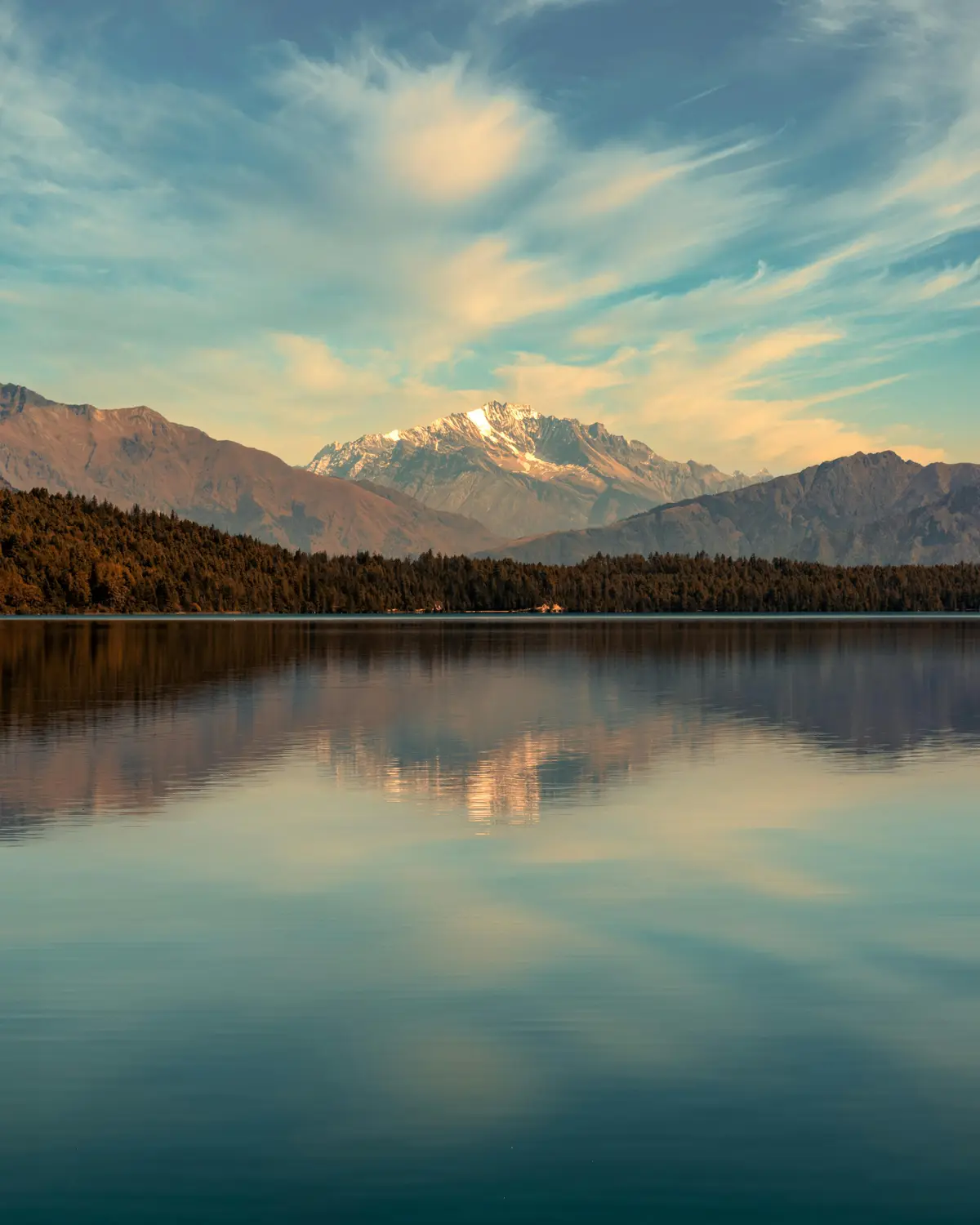
The pandemic hit villages in Nepal which relied on tourism really badly. The villages once filled with tourists’ visits lost jobs, saw schools closing down and lost income. The break also afforded nature a much-needed respite. There’s increased wildlife sightings now, less erosion on the trails, and purer air in places like the Khumbu.
There has been increased emphasis in trekking in Nepal after COVID on community-based and sustainable tourism. Travelers are encouraged to use local teahouses, hire local guides, and follow Leave No Trace principles.
Mental and Emotional Benefits of Post-Pandemic Hiking
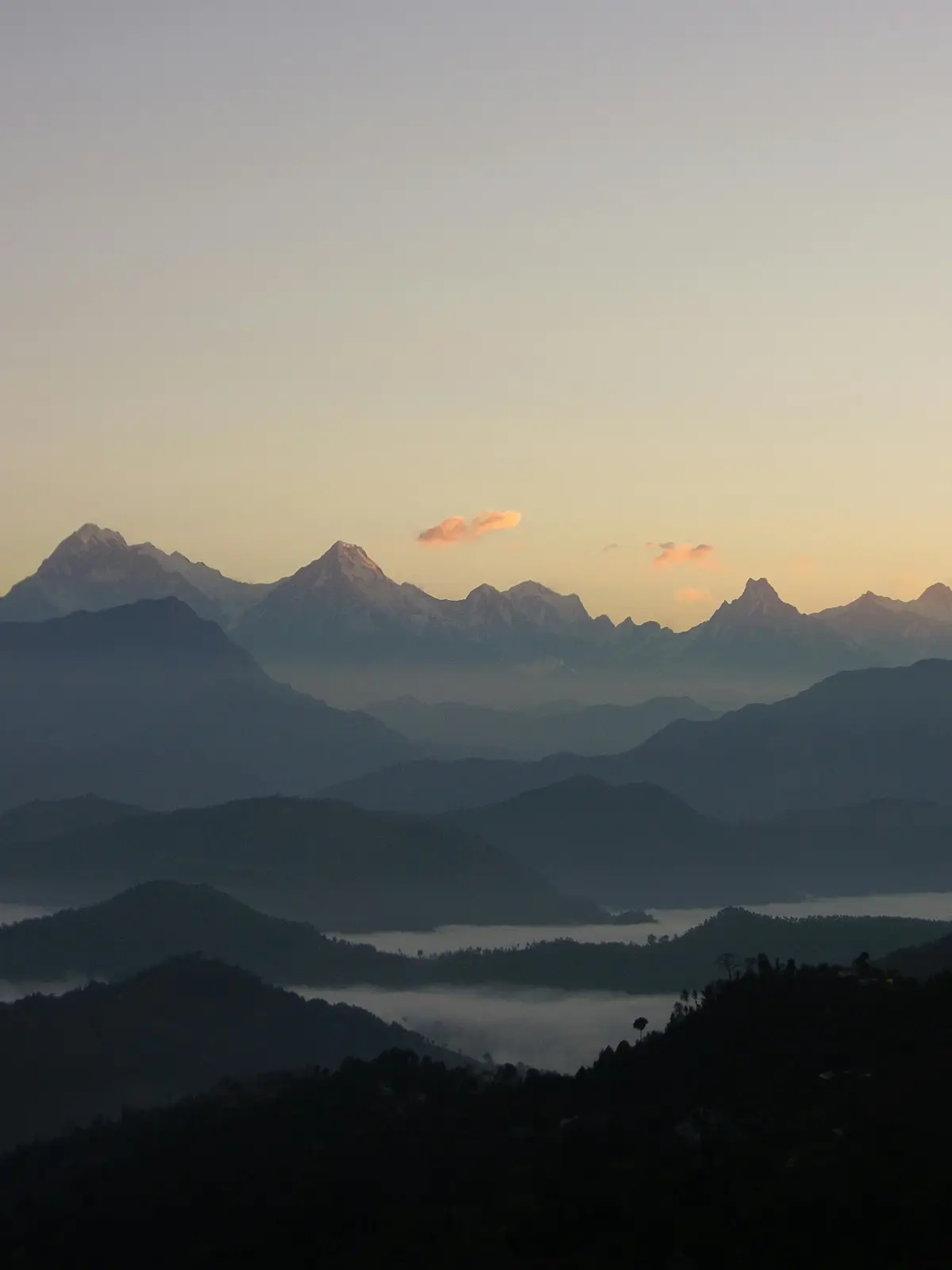
After years of doubt and isolation, there’s a unique form of healing in mountains. The sweeping expanses of the Himalayan peaks, the rhythms of walking, and the uncomplicated nature of mountain existence have never felt so rejuvenating.
To most who opt for trekking in Nepal after COVID, it is no longer just about adventure but about rebirth spiritual, emotional, and mental. The process of trekking is a therapeutic one where the traveler re-discovers themselves in one of the most beautiful corners of the world.
Recent Trends in Post-COVID Hiking
1.Private and Custom Treks
To reduce exposure, many tourists now prefer private treks with custom-made itineraries. This gives them greater control over trekking conditions and a more personalized experience.
2.Shorter, Safer Treks
Not everyone is ready for three-week-long hikes. Short hikes like Ghorepani-Poon Hill, Mardi Himal, and Helambu have gained favor with time-pressured or risk-averse tourists.
3.Digital Detox and Wellness Treks
Increasing numbers of people are seeking refuge in trekking as a respite from digital fatigue. Treks with wellness, yoga, meditation, and mindfulness activities are seeing increasing demand.
4.More Local Hikes
During the pandemic, international travel was limited but domestic tourism thrived. Nepalis traveled back into their own Himalayas, and this trend continues. Trekking in Nepal after COVID is now a routine activity for local as well as foreign tourists.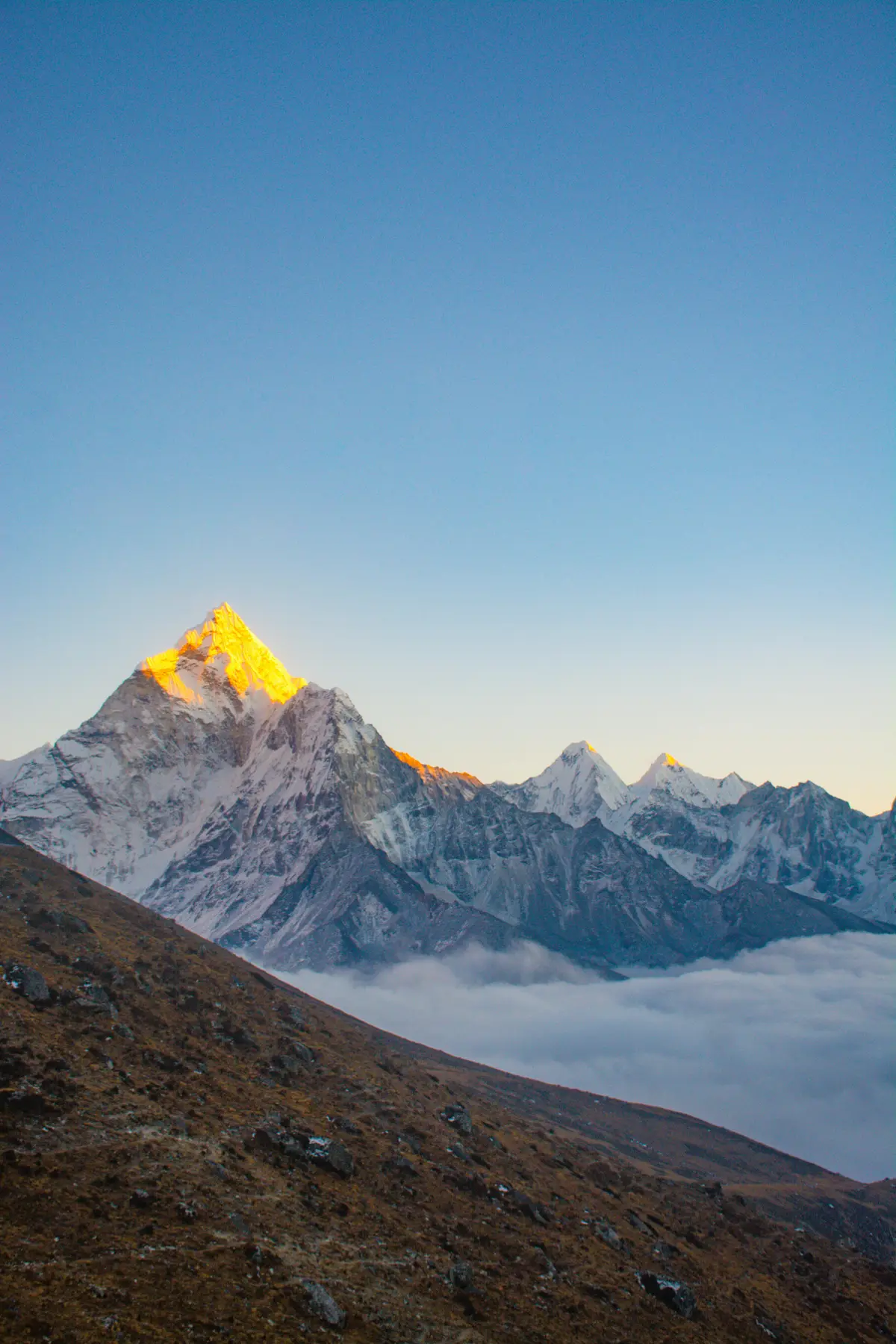
Preparation Tips for Trekking in Nepal After COVID
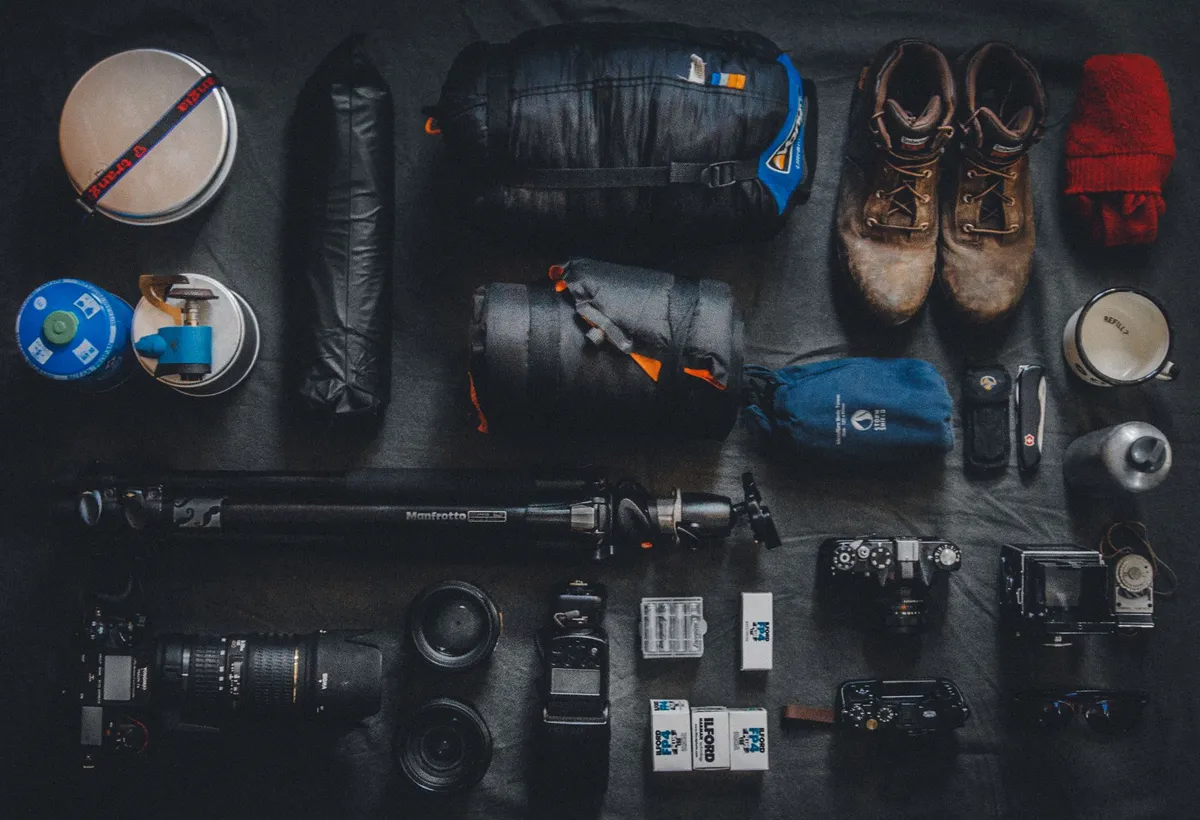
If you’re organizing your trek soon, the following are some practical suggestions to get you ready:
- Book with a trusted agency like First Camp Trek for safety, organization, and the most up-to-date information.
- Stay updated with travel advisories and visa rules on the Nepal Tourism Board website or your country’s embassy.
- Bring along extra masks, hand sanitizer, and a small first-aid kit with fever reducers and cough medication.
- Acclimatize correctly if you’re trekking at altitudes over 3,000 meters. Do not hurry your schedule.
- Engage in responsible travel with a beneficial effect on local residents and the environment.
Why Trekking in Nepal After COVID Is Worth It
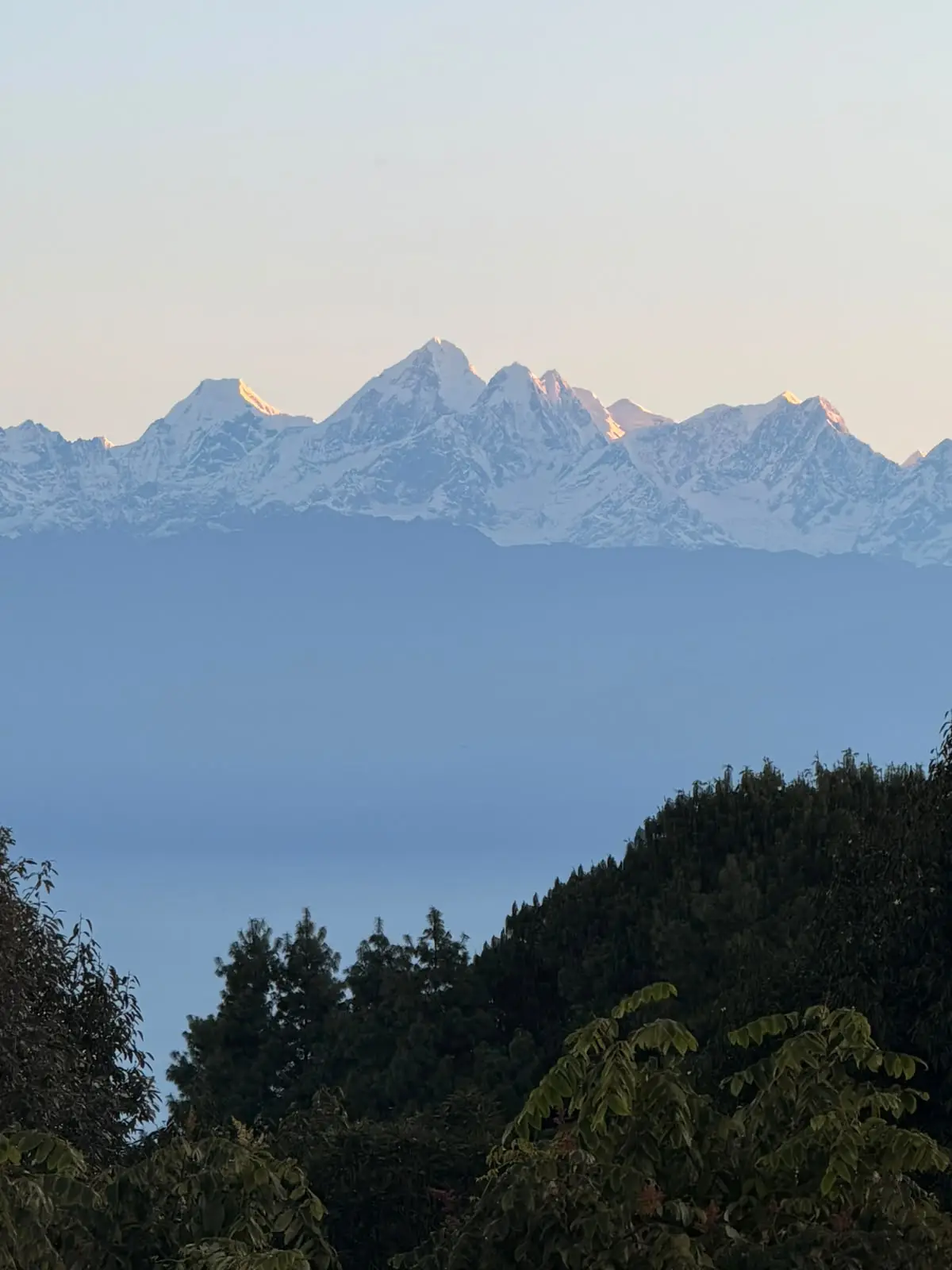
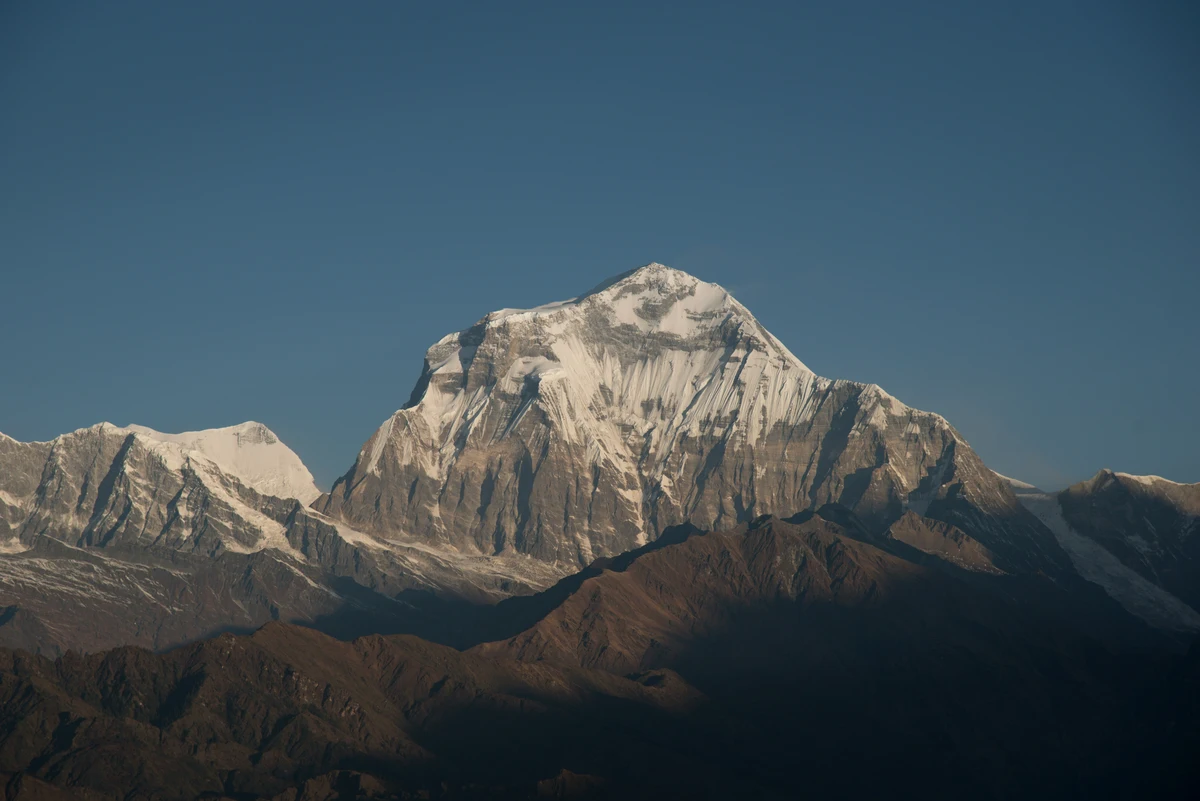
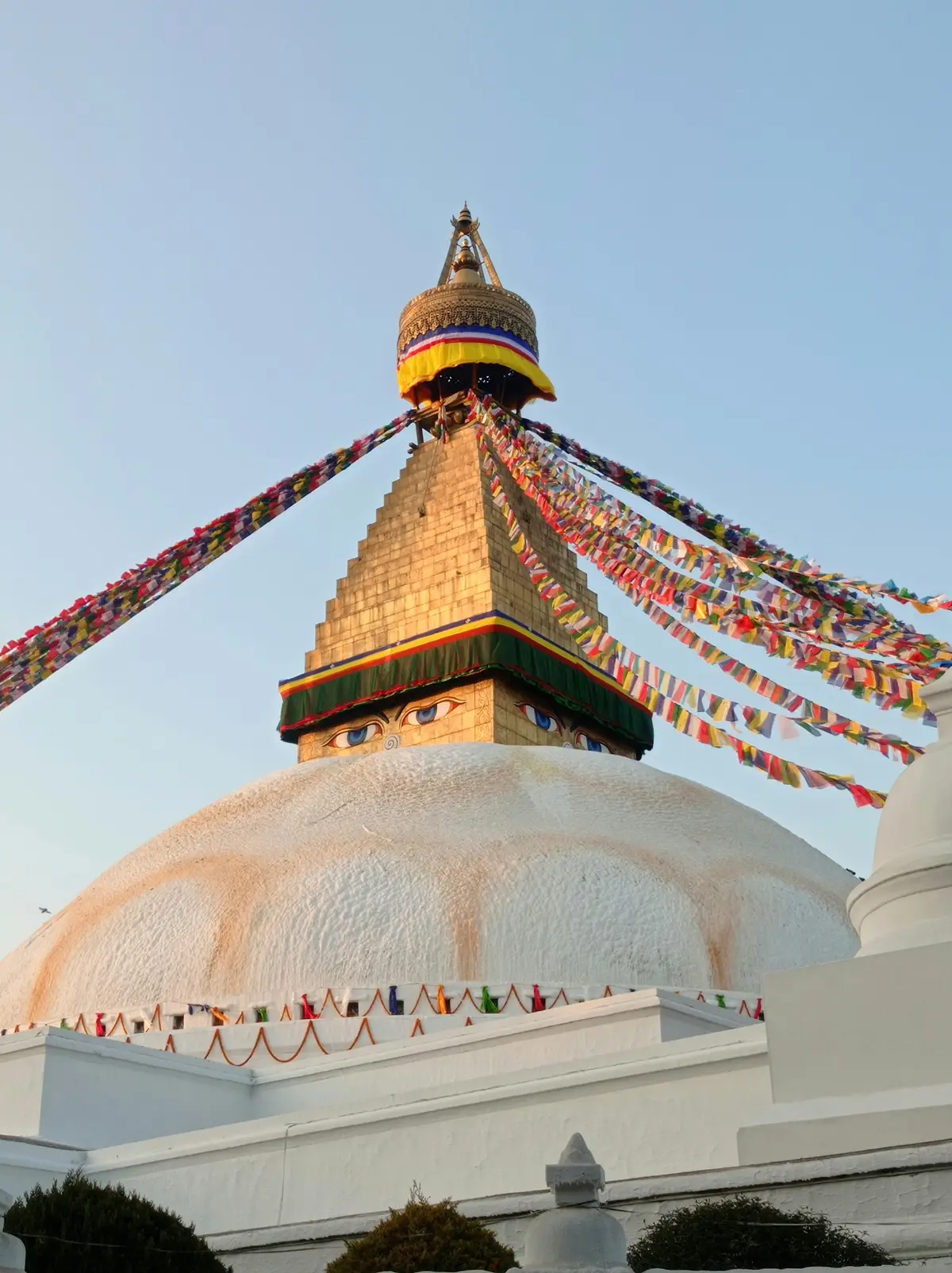
Nepal’s mountains remain unchanged. The peaks still tower above, the prayer flags flutter in the wind, and the friendly local hospitality continues to greet guests from around the world.
This time around, what’s changed is us how and where we travel, how we value freedom, and how much appreciation we have for the pure happiness of being outdoors.
Trekking in Nepal after COVID isn’t just about checking items off a bucket list it’s about mindful movement through some of the planet’s most stunning landscapes.
No matter what brings you to Nepal the adventure, the culture, or an escape Nepal welcomes you back with open hearts and towering peaks.