Why Nepal Is One of the Most Diverse Travel Destinations in the World
Why Nepal Is One of the Most Diverse Travel Destinations in the World
For decades, the global traveler has associated Nepal with a single, towering image: Mount Everest. While the world’s highest peak is undoubtedly a crown jewel, it is merely the first chapter in a much larger story. The diversity of Nepal tourism is a phenomenon that transcends simple sightseeing; it is an immersive journey through vertical climates, ancient civilizations, and wild ecosystems that coexist within a surprisingly small geographical footprint.
Whether you are an adrenaline junkie, a spiritual seeker, or a history buff, Nepal offers a depth of experience that few countries can match. From the tropical jungles of the south to the sub-arctic peaks of the north, here is why the diversity of Nepal tourism remains a global leader in travel.
1. A Geographical Marvel: From Sea Level to the Sky
Nepal’s geography is a vertical staircase. Within a distance of less than 200 kilometers, the elevation rises from just 60 meters above sea level in the Terai plains to the 8,848-meter summit of Everest. This rapid ascent creates three distinct ecological belts, which form the bedrock of the diversity of Nepal tourism.
The Terai (The Tropical Lowlands)
The southern belt of Nepal is a lush, humid region characterized by dense sub-tropical jungles and fertile plains. This is the “Green Heart” of the country.
-
Top Experiences: Jungle safaris, bird watching, and exploring the indigenous Tharu culture.
The Pahad (The Mid-Hills)
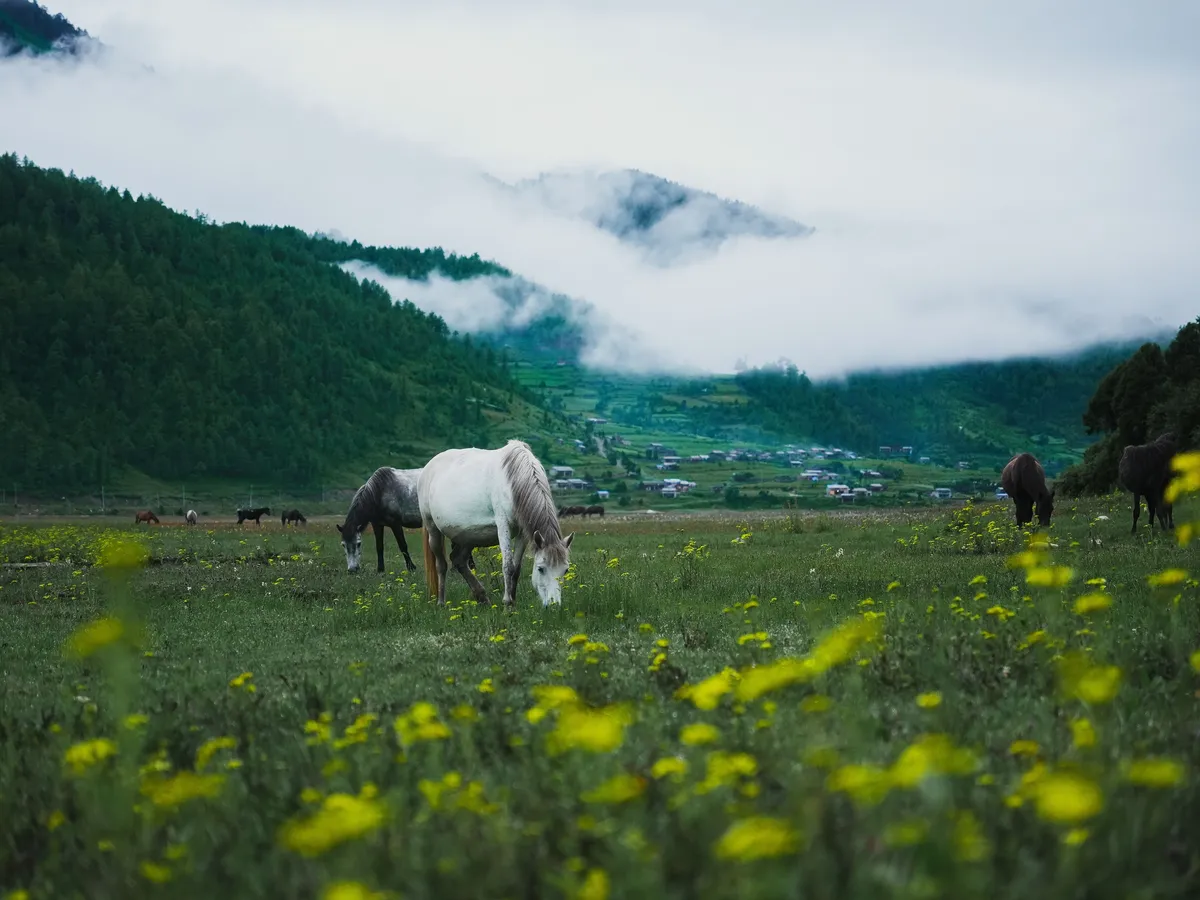
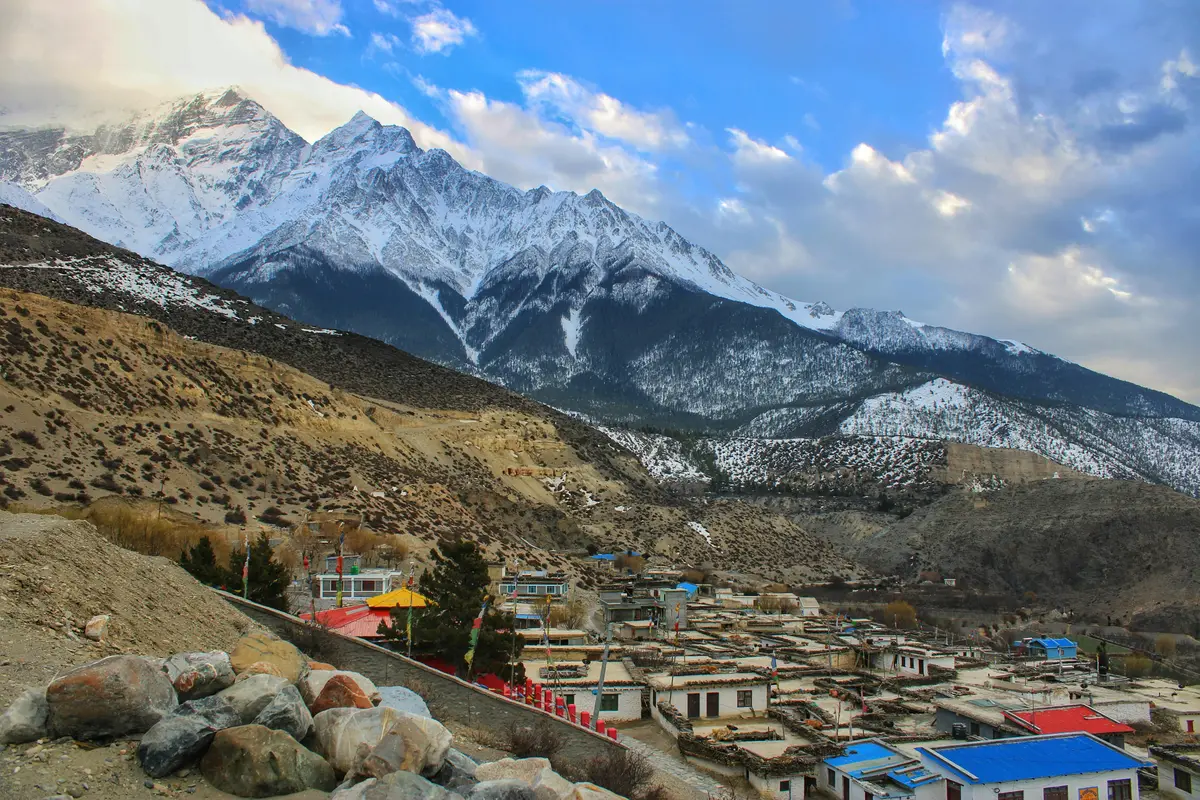
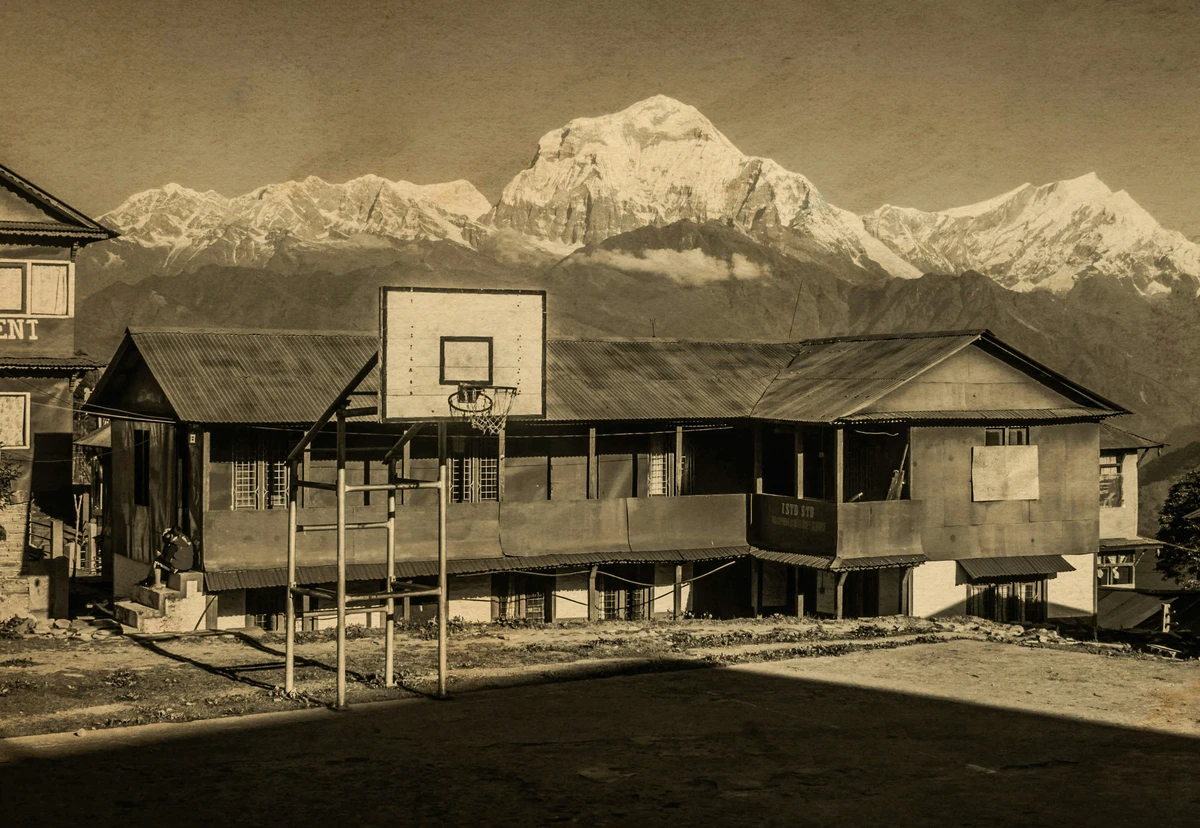
The hilly region, sitting between 600 and 3,000 meters, is the most inhabited part of the country. It is a landscape of terraced fields, emerald valleys, and ancient hilltop towns like Bandipur and Tansen. This region significantly contributes to the diversity of Nepal tourism by offering moderate climates and cultural richness.
The Himal (The High Mountains)
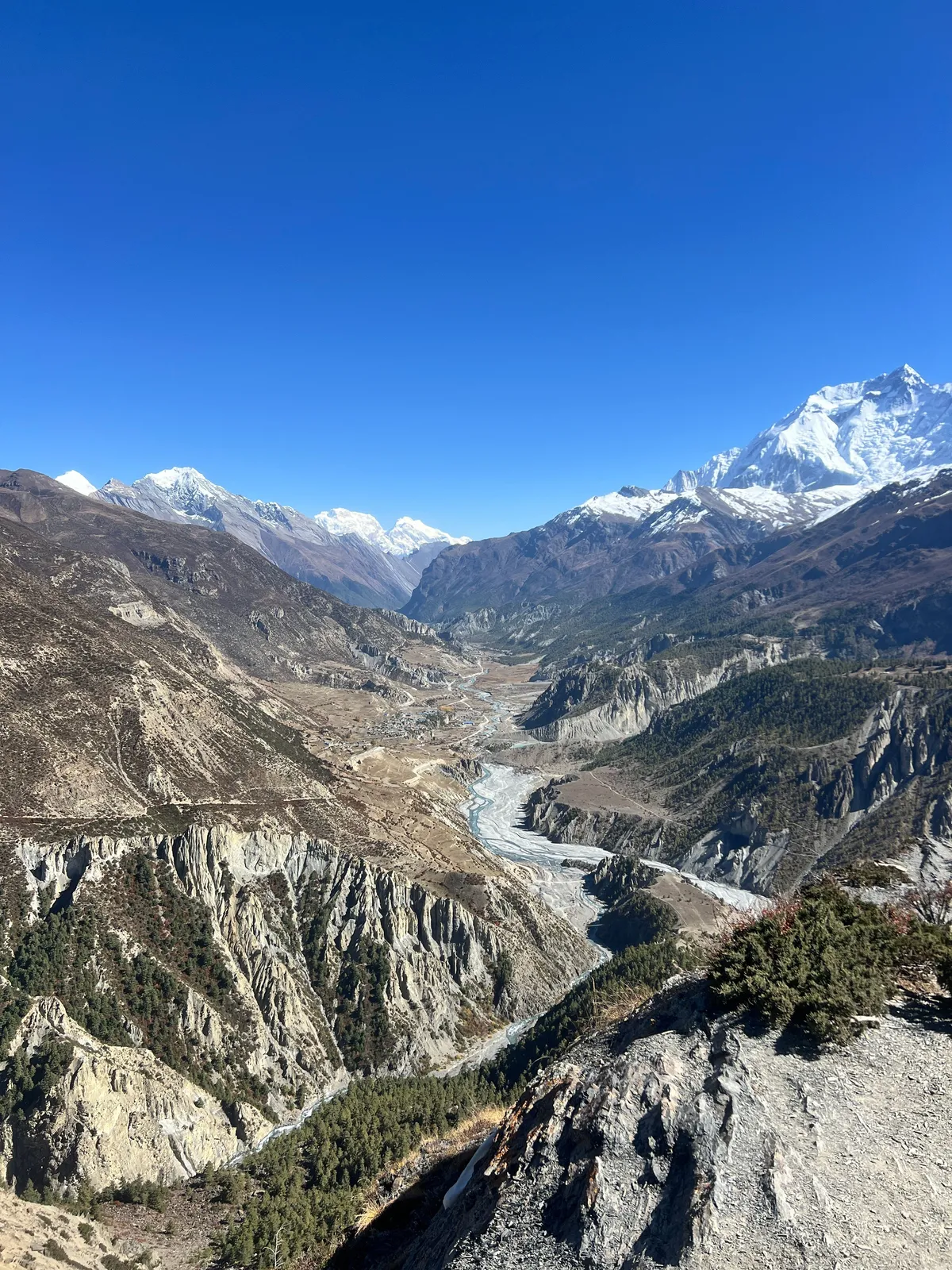
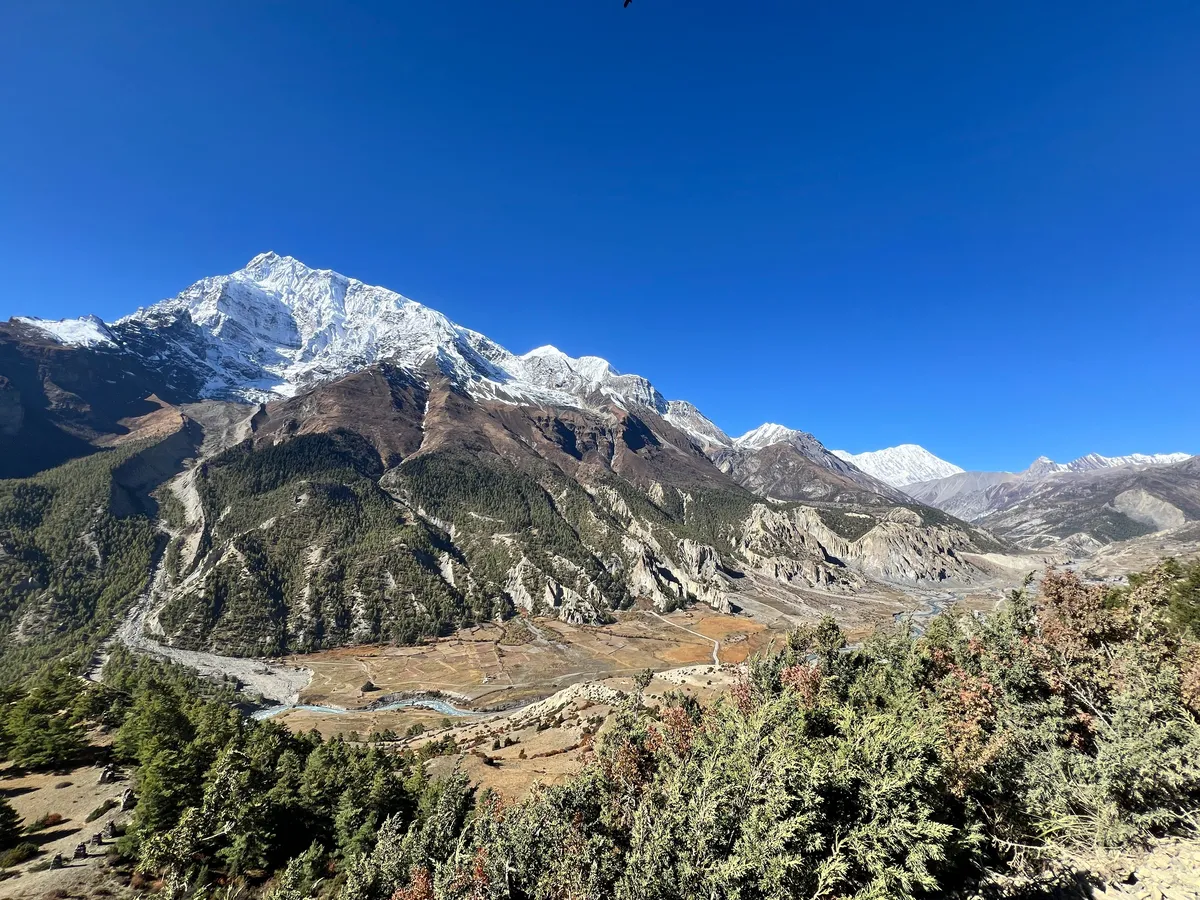
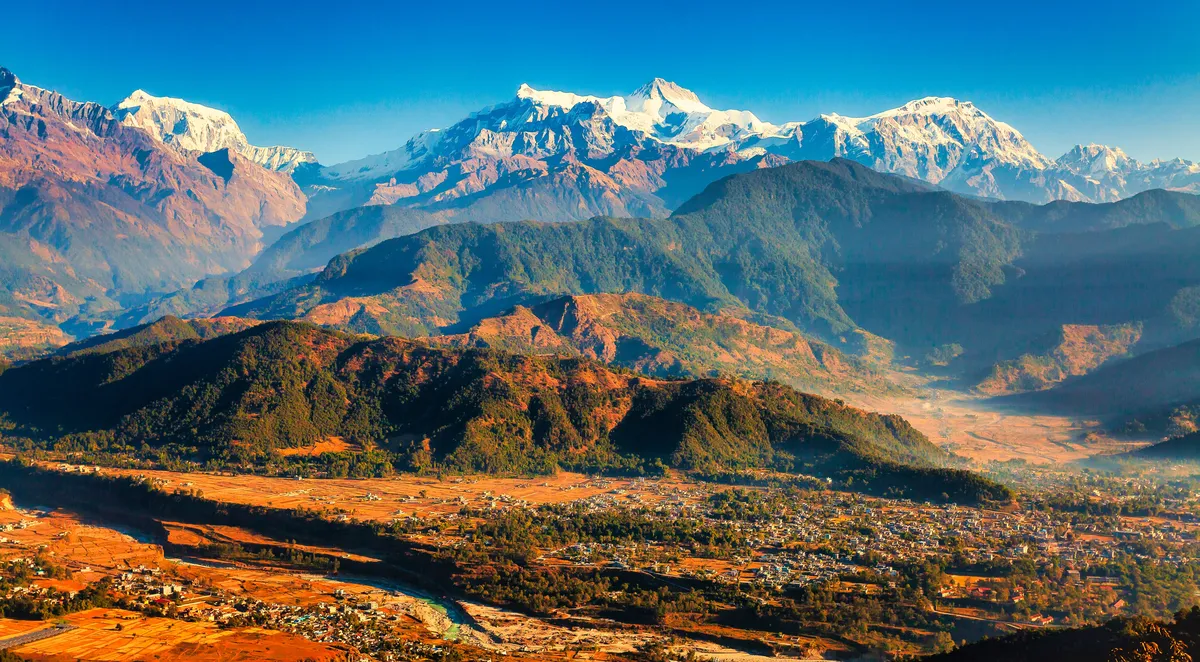
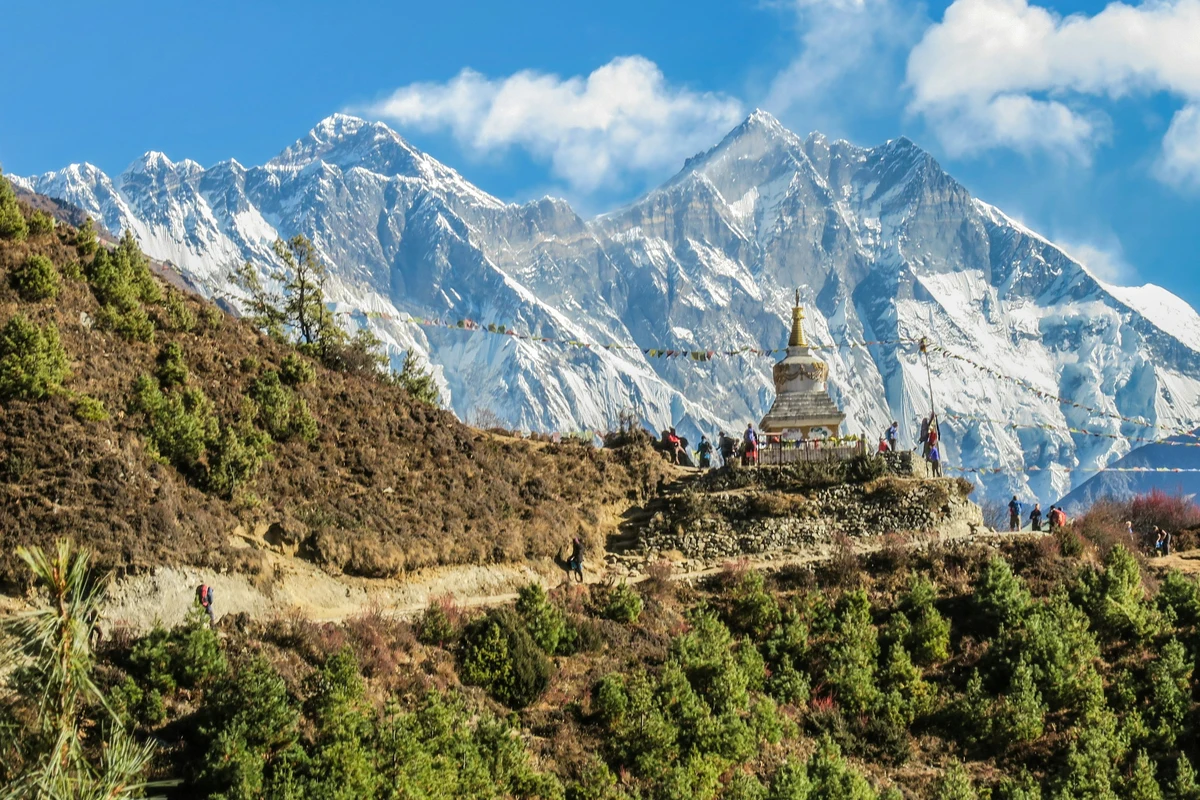
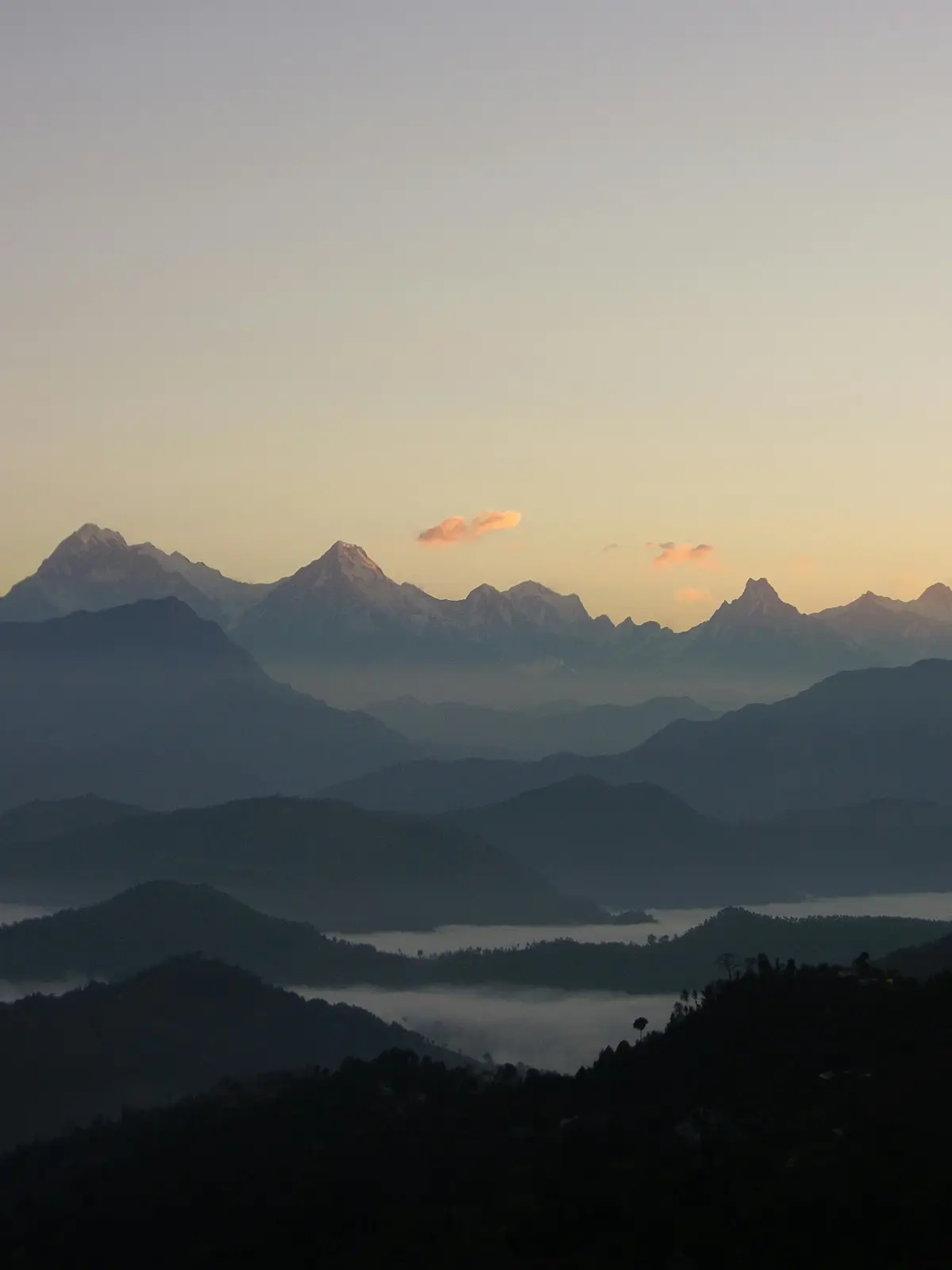
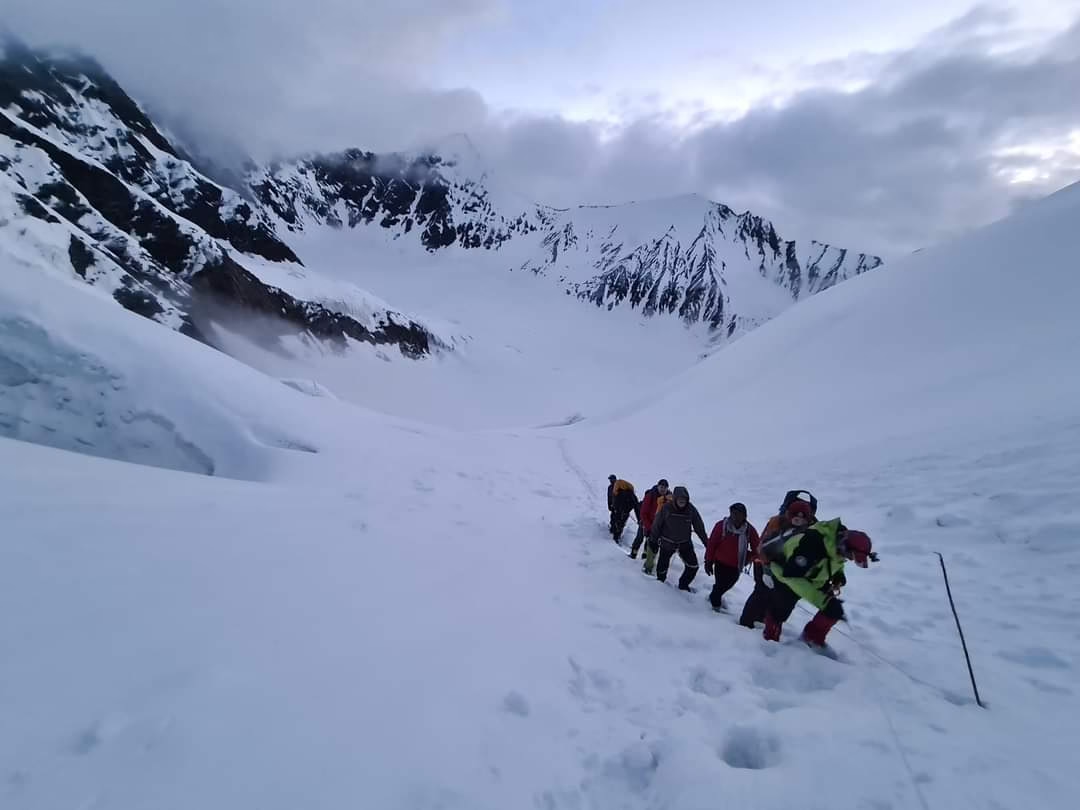
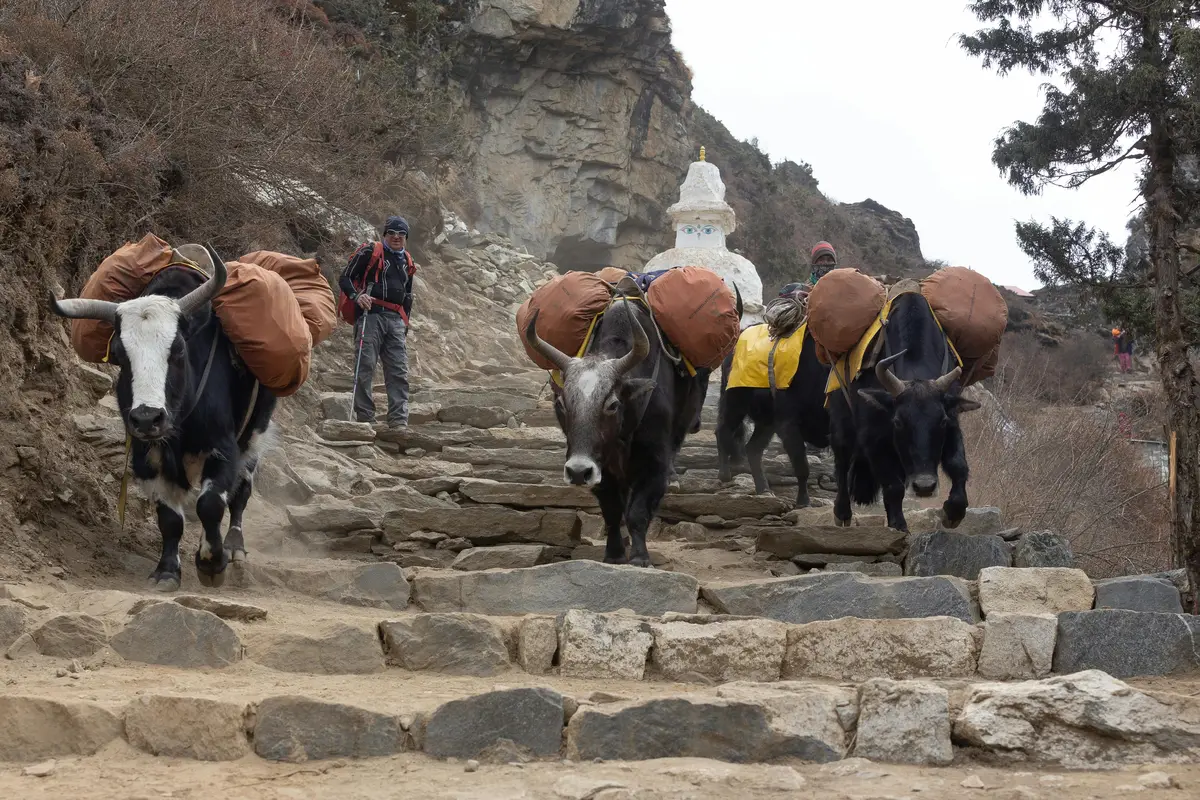
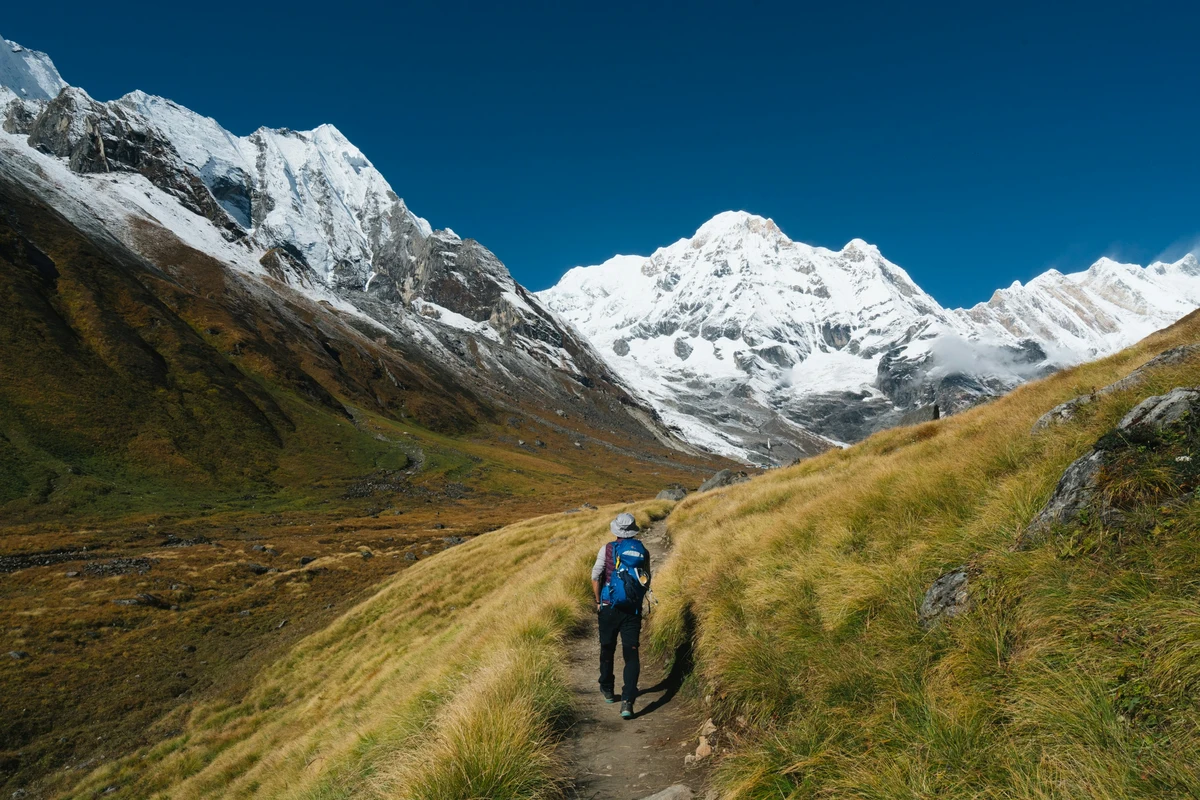
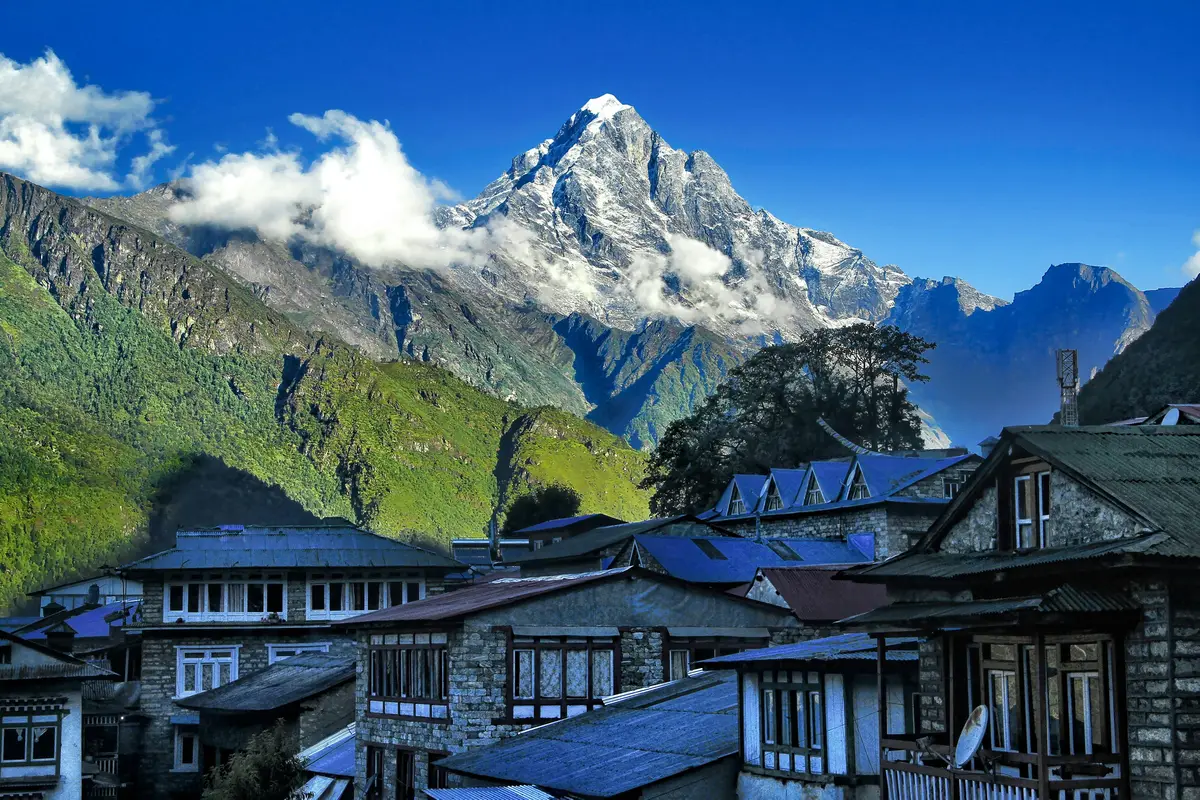
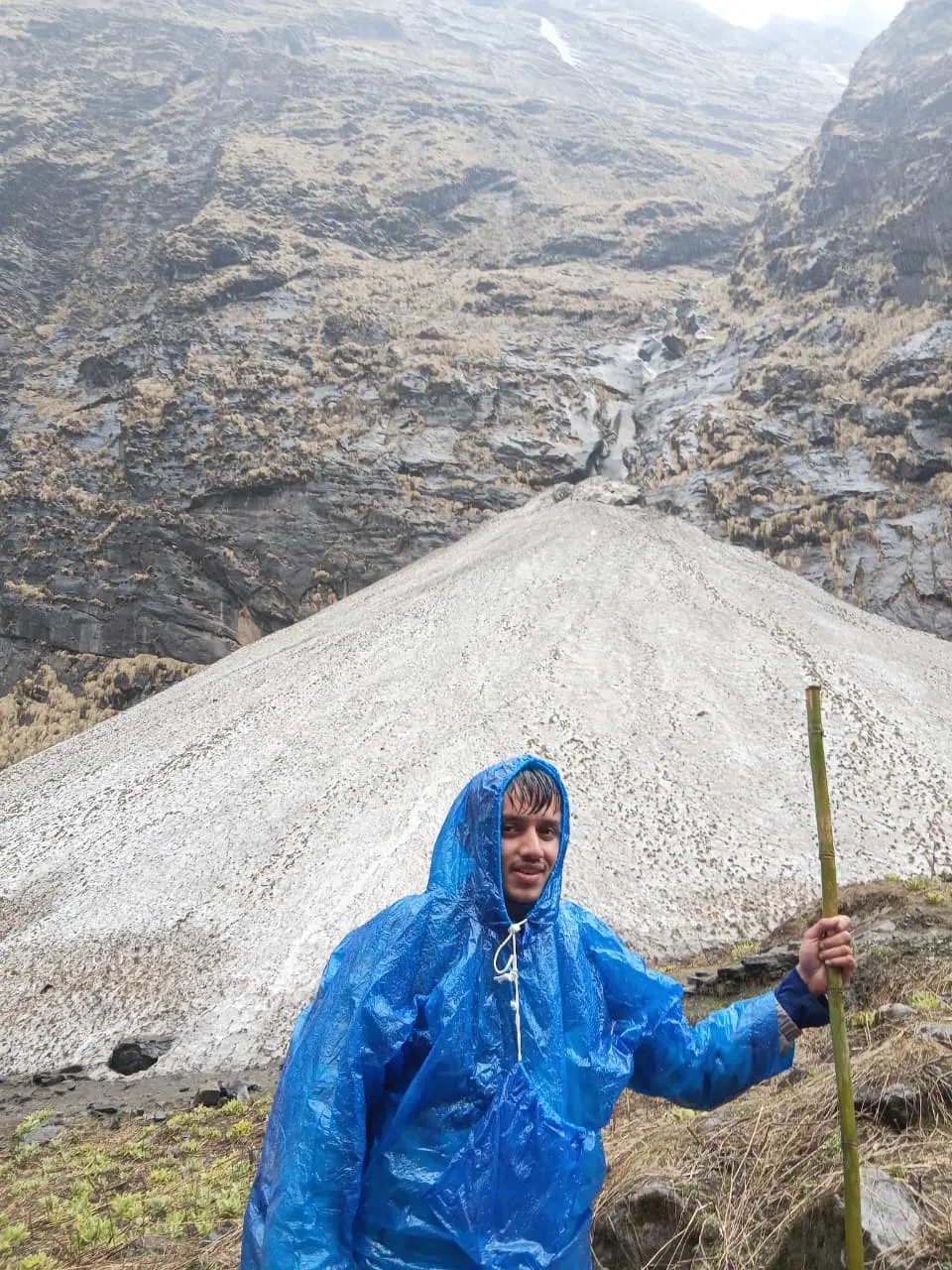
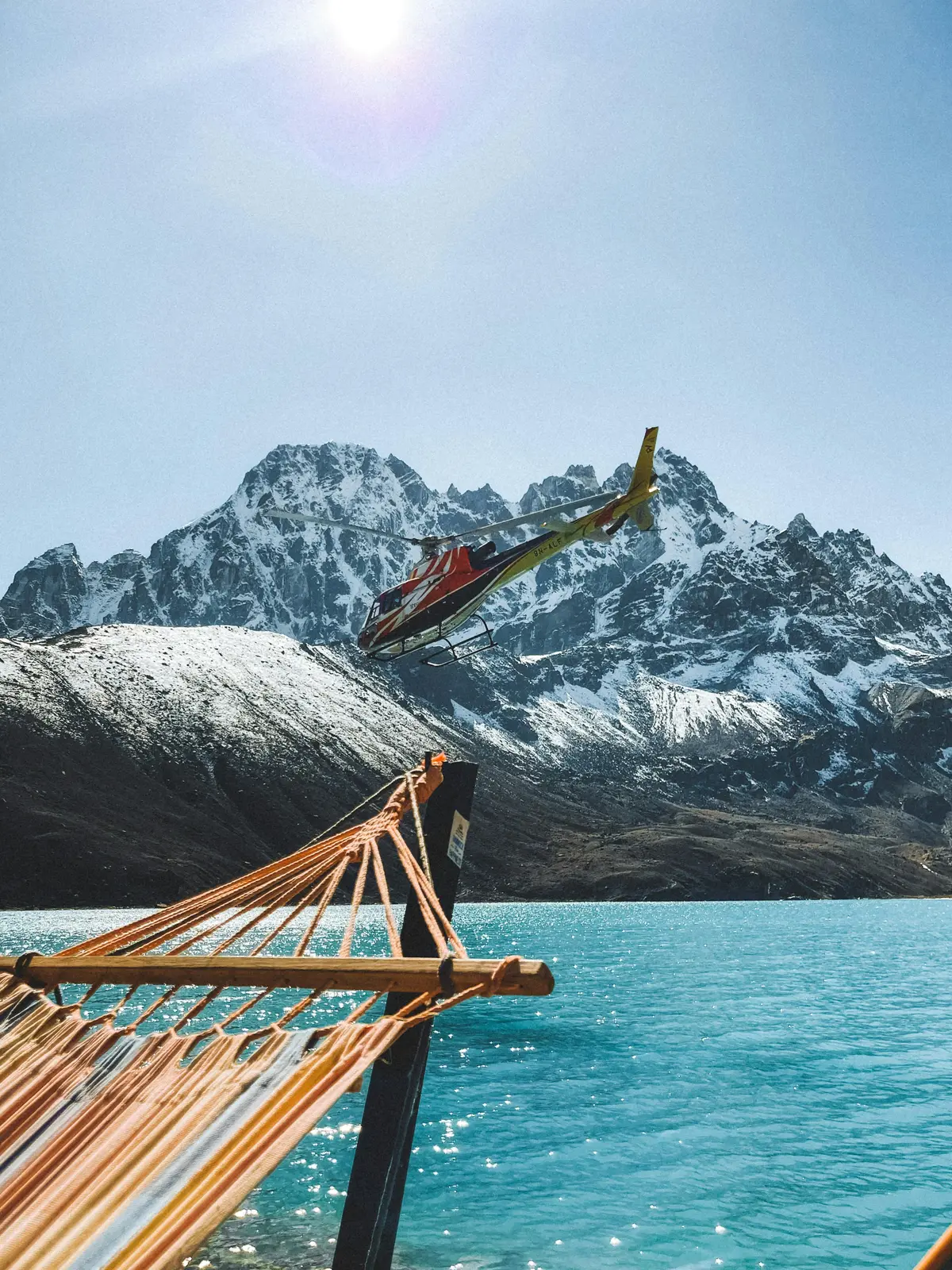
The northern border is home to eight of the world’s fourteen highest peaks. This is the ultimate playground for mountaineers and high-altitude trekkers, representing the most iconic facet of the diversity of Nepal tourism.
2. Cultural Diversity: A Living Museum
The diversity of Nepal tourism is perhaps most visible in its people. As of 2026, Nepal is recognized for being home to over 142 ethnic groups and 124 languages. This ethnic mosaic has turned the country into a living museum where ancient traditions are not just preserved but practiced daily.
The Kathmandu Valley: A UNESCO Goldmine
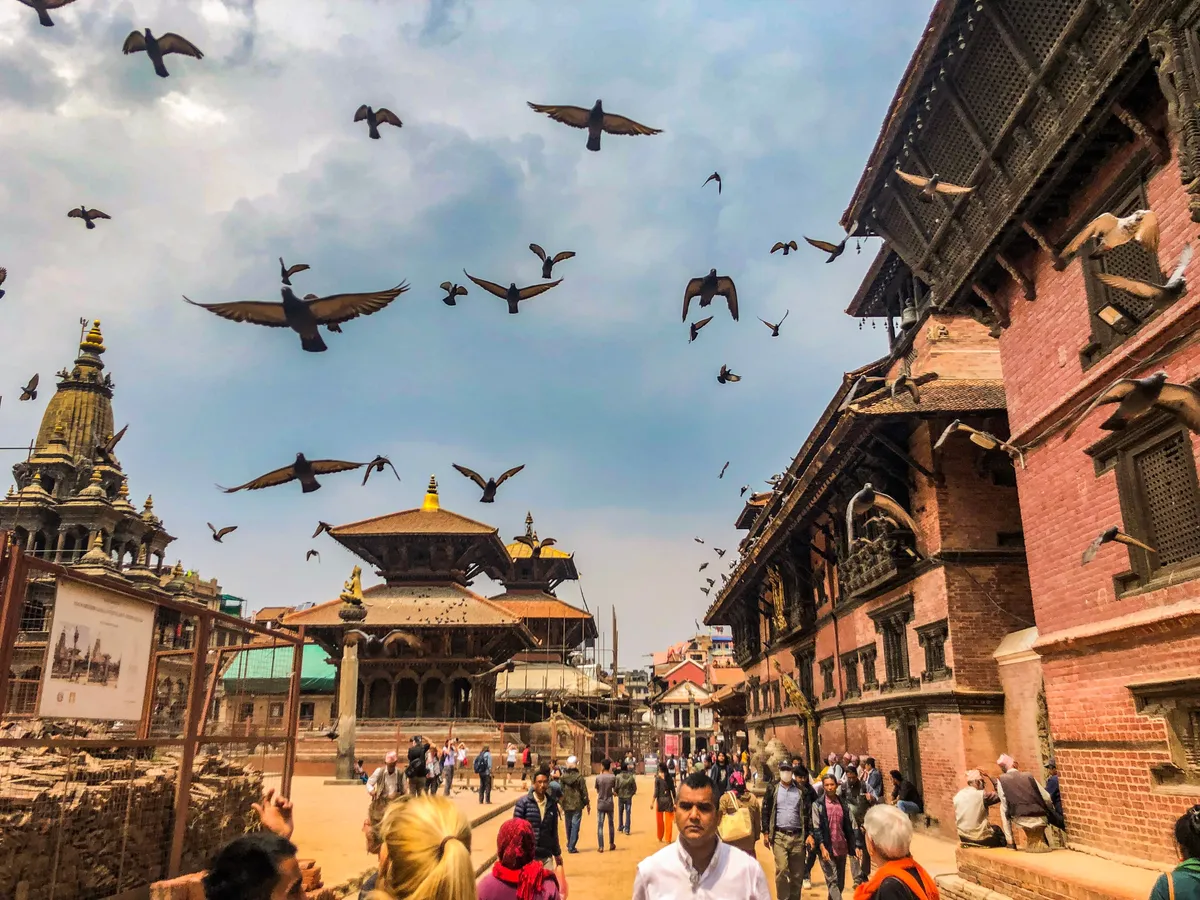
In a radius of just 15 kilometers, the Kathmandu Valley houses seven UNESCO World Heritage Sites. The three ancient kingdoms Kathmandu, Patan, and Bhaktapur showcase the pinnacle of Newari architecture, a key element in the diversity of Nepal tourism.
The Spiritual Confluence
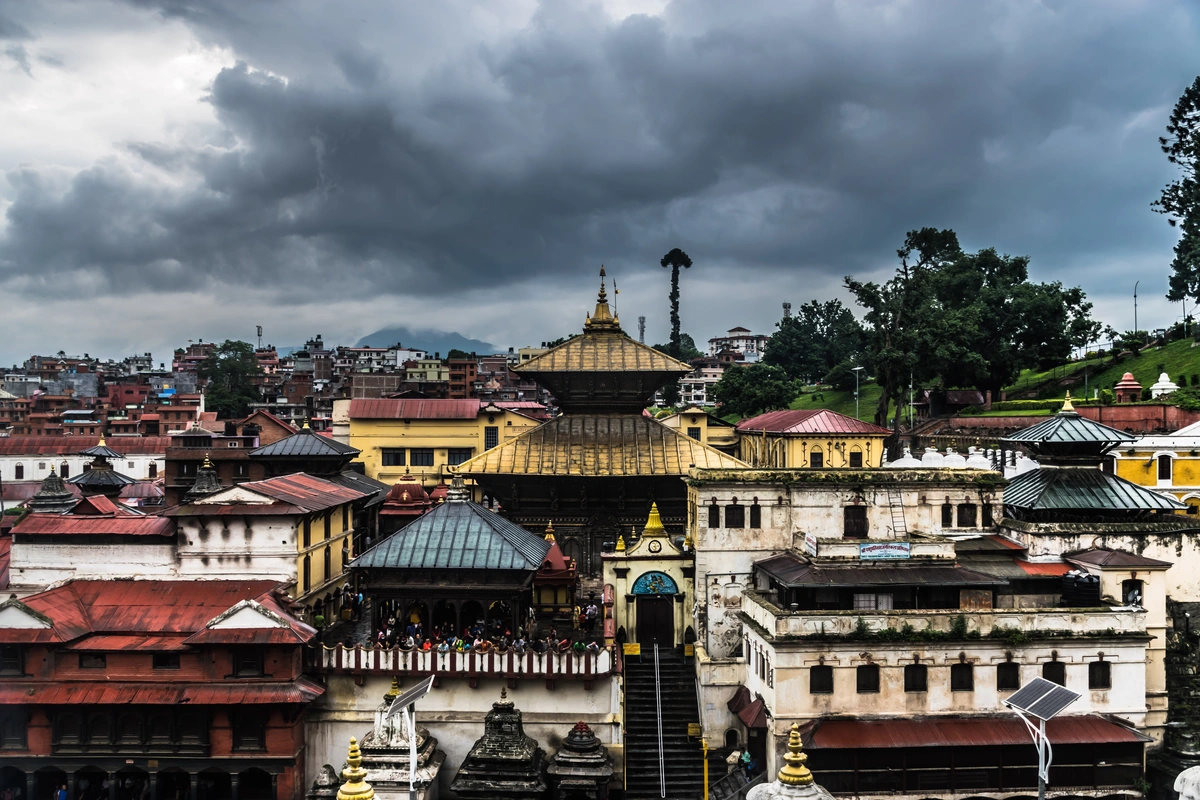
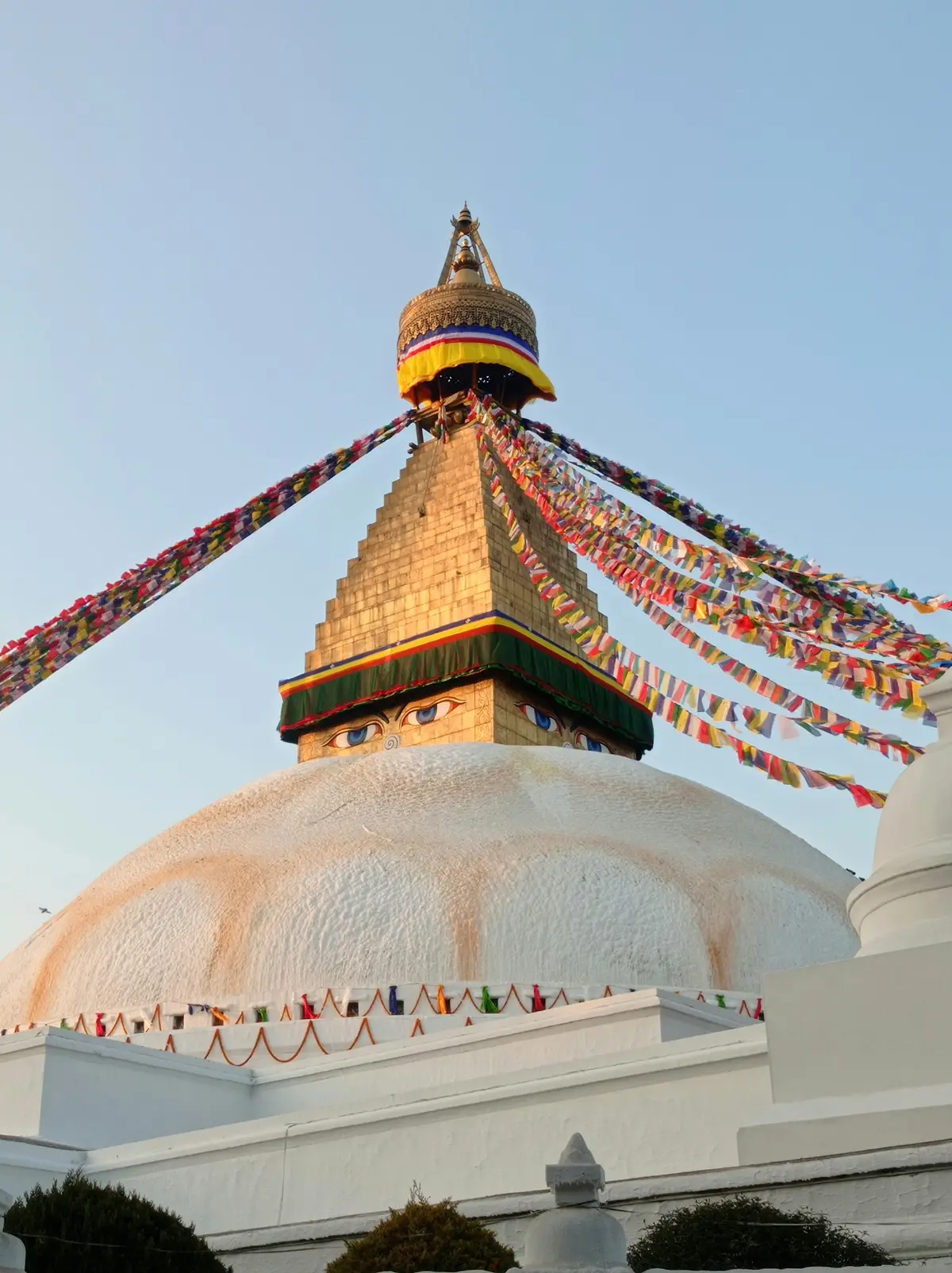
Nepal is the birthplace of Lord Buddha (Lumbini) and a sacred land for Hindus (Pashupatinath). The harmony between Hinduism and Buddhism is unique here, adding a layer of spiritual depth to the diversity of Nepal tourism.
3. Wildlife and Biodiversity: Beyond the Snow
Many travelers are surprised to learn that Nepal is one of the best places in Asia for a wildlife safari. Because of its extreme altitudinal range, the country hosts nearly 10% of the world’s bird species. The biological diversity of Nepal tourism is evident in its protected areas.
Royal Bengal Tigers and One-Horned Rhinos
Chitwan National Park and Bardiya National Park are premier destinations for spotting the endangered Greater One-Horned Rhinoceros and the Royal Bengal Tiger. The diversity of Nepal tourism allows you to go from a frozen peak to a tropical jungle in a matter of hours.
High-Altitude Fauna
In the north, the elusive Snow Leopard roams the rugged terrains. You can also spot the Red Panda and the Himalayan Monal. This range of species further emphasizes the diversity of Nepal tourism.
4. Adventure Tourism: The Ultimate Playground
While “trekking” is the buzzword, the diversity of Nepal tourism extends into every imaginable adventure sport.
-
White-Water Rafting & Kayaking: The Bhote Koshi and Sun Koshi rivers are world-renowned.
-
Canyoning: Dropping down waterfalls in Jalbire.
-
Bungee Jumping: One of the world’s highest jumps over the Trishuli River.
-
Mountain Biking: Technical trails in Mustang represent the rugged diversity of Nepal tourism.
5. Spiritual and Wellness Tourism
In a world that is increasingly fast-paced, Nepal has emerged as a hub for “Slow Travel.” The spiritual energy of the Himalayas is a major draw in the diversity of Nepal tourism.
-
Vipassana Meditation: Centers in Kathmandu and Lumbini.
-
Yoga Retreats: Particularly in Pokhara, by Phewa Lake.
-
Ayurveda: Traditional healing using Himalayan herbs.
6. Culinary Diversity: A Taste of the Himalayas
The diversity of Nepal tourism is also reflected in its cuisine. It’s not just “Dal Bhat” the culinary landscape is vast.
-
Newari Cuisine: Known for spicy buffalo dishes.
-
Sherpa Food: Hearty stews like Shyakpa.
-
Tharu Cuisine: Freshwater fish and snails from the plains.
7. Planning Your Visit in 2026: Statistics and Trends
As of January 2026, the data from the Nepal Tourism Board shows a resilient recovery. In 2025, Nepal welcomed 1,158,459 international visitors. India remains the largest source market, followed by the USA and China. This global appeal highlights the widespread interest in the diversity of Nepal tourism.
| Destination | Why Visit? | Best For |
| Ilam | Rolling tea gardens. | Nature & Photography |
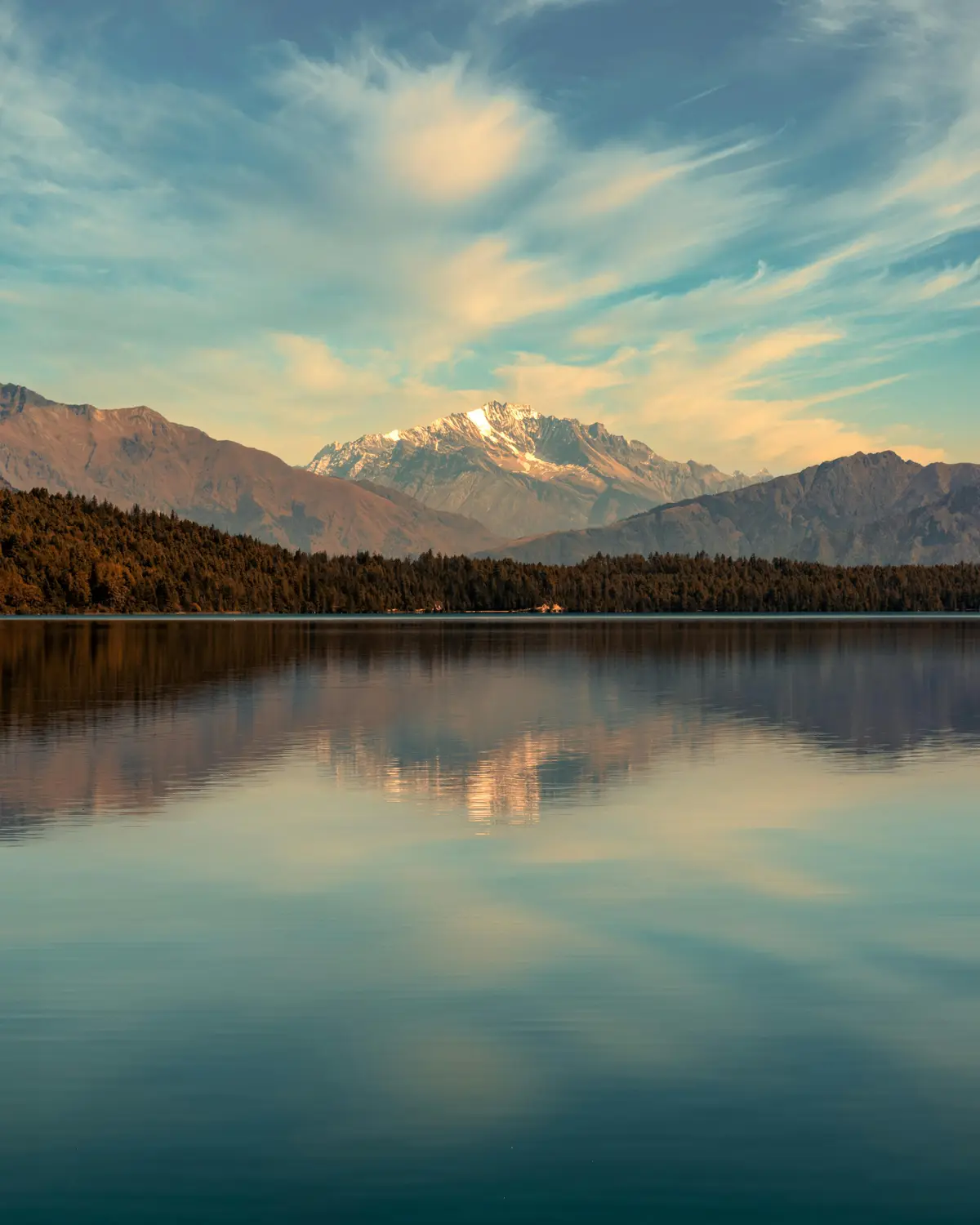
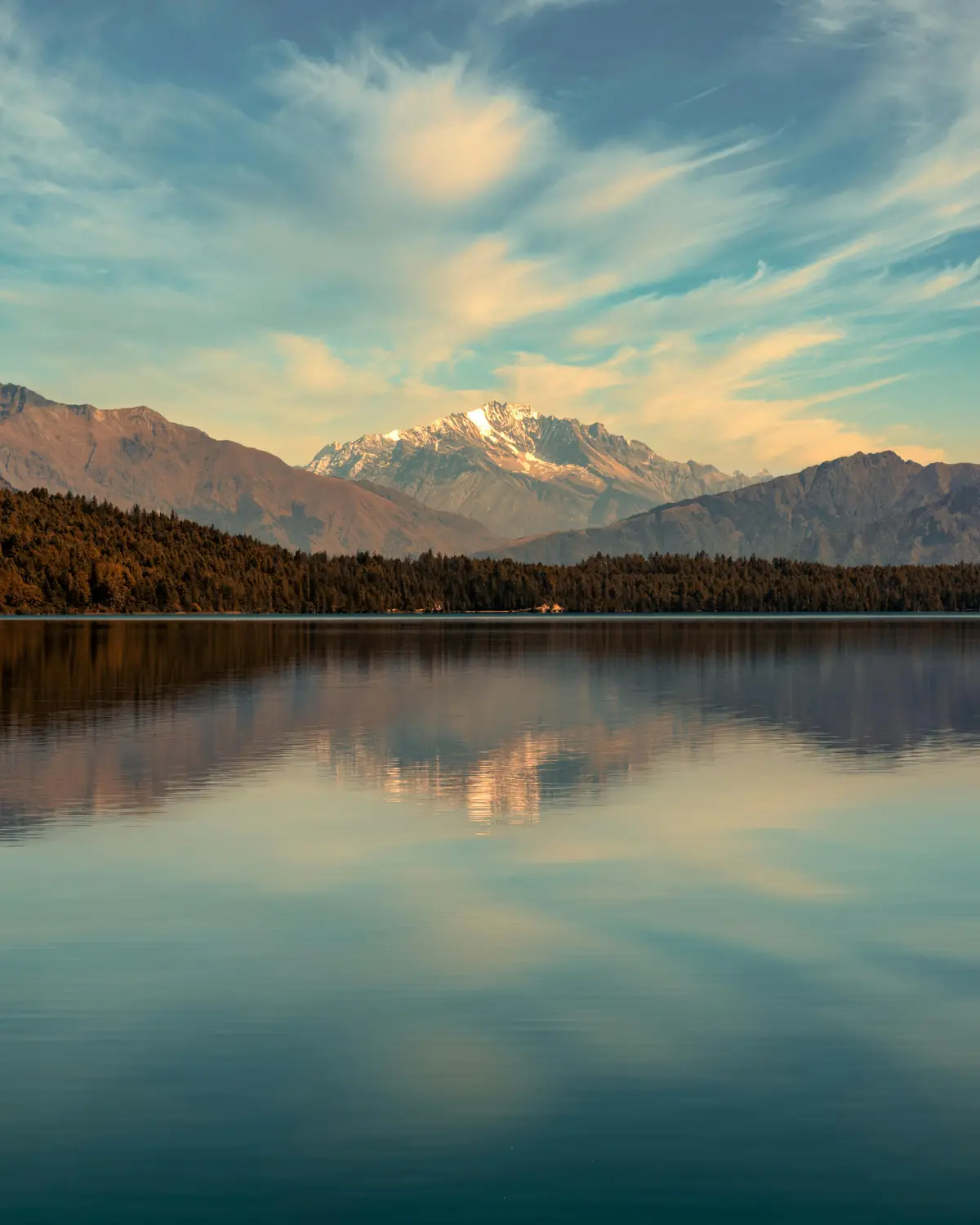
| Rara Lake | Clearest freshwater lake. | Solitude |
| Janakpur | Mithila Art and history. | Culture |
| Khaptad | Spiritual high-altitude plateau. | Wellness |
8. Why the Diversity of Nepal Tourism Matters
When we talk about the diversity of Nepal tourism, we are talking about a destination that caters to every budget.
-
Luxury Travelers: Boutique heritage hotels like Dwarika’s.
-
Budget Backpackers: Affordable teahouse trekking ($30-$50 a day).
-
Families: Safe wildlife safaris and city tours.
The diversity of Nepal tourism ensures that whether you seek luxury or raw adventure, Nepal delivers.
9. Experience the Diversity with First Camp Trek
To truly navigate the incredible diversity of Nepal tourism, you need a partner with local expertise. First Camp Trek is a premier trekking and tour agency based in Kathmandu. They specialize in tailoring journeys that showcase the full diversity of Nepal tourism, from mountain expeditions to cultural immersions.
Popular Packages with First Camp Trek:
-
Everest Base Camp Trek: The ultimate high-altitude adventure.
-
Annapurna Circuit Trek: A journey through diverse ecological zones.
-
Manaslu Circuit Trek: A hidden gem showcasing the remote diversity of Nepal tourism.
10. Sustainable Future for Nepal
As we move through 2026, the diversity of Nepal tourism is being protected through sustainable practices. Community-based tourism and eco-friendly lodges are becoming the norm. The diversity of Nepal tourism is a heritage that belongs to the world, and protecting it is the priority for agencies like First Camp Trek.
11. Why “Once Is Not Enough”
The diversity of Nepal tourism is so vast that a single trip can only scratch the surface. Many travelers return annually to explore different facets, from the Far West’s untouched wilderness to the East’s tea hills. This repeat visitation is a testament to the diversity of Nepal tourism.
12. Connectivity and Infrastructure in 2026
Modernization of the Tribhuvan International Airport and the operation of regional airports in Bhairahawa and Pokhara have made accessing the diversity of Nepal tourism easier than ever. Better roads and flight frequencies mean you can experience the diversity of Nepal tourism with less travel time.
13. Festivals: The Pulse of Nepal
Participating in festivals like Dashain, Tihar, or Holi is the best way to witness the cultural diversity of Nepal tourism. These celebrations bring people together and show the vibrant heart of the nation.
14. Conclusion: A Journey for the Soul
Nepal is not just a place you see; it is a place you feel. The sheer diversity of Nepal tourism ensures that no two trips are ever the same. You might come for the mountains, but you will stay for the people, and you will return for the spirit of a nation that finds harmony in its differences.
As the tourism slogan famously says, “Once is not enough.” Whether you are standing at the base of the world’s tallest peak or watching a rhino in the wild, the diversity of Nepal tourism will challenge your senses and expand your world.