Muktinath Temple: A Sacred Journey in the Himalayas
Muktinath Temple: A Sacred Journey in the Himalayas
Introduction
Nestled in the breathtaking landscapes of Nepal’s Mustang district, Muktinath temple stands as one of the most revered pilgrimage sites in South Asia. Surrounded by snow-capped Himalayan peaks, ancient monasteries, and rugged mountain terrain, this sacred destination attracts thousands of devotees and travelers every year. The spiritual significance, stunning natural beauty, and cultural richness of Muktinath temple make it a must-visit destination for pilgrims, trekkers, and adventure seekers alike.
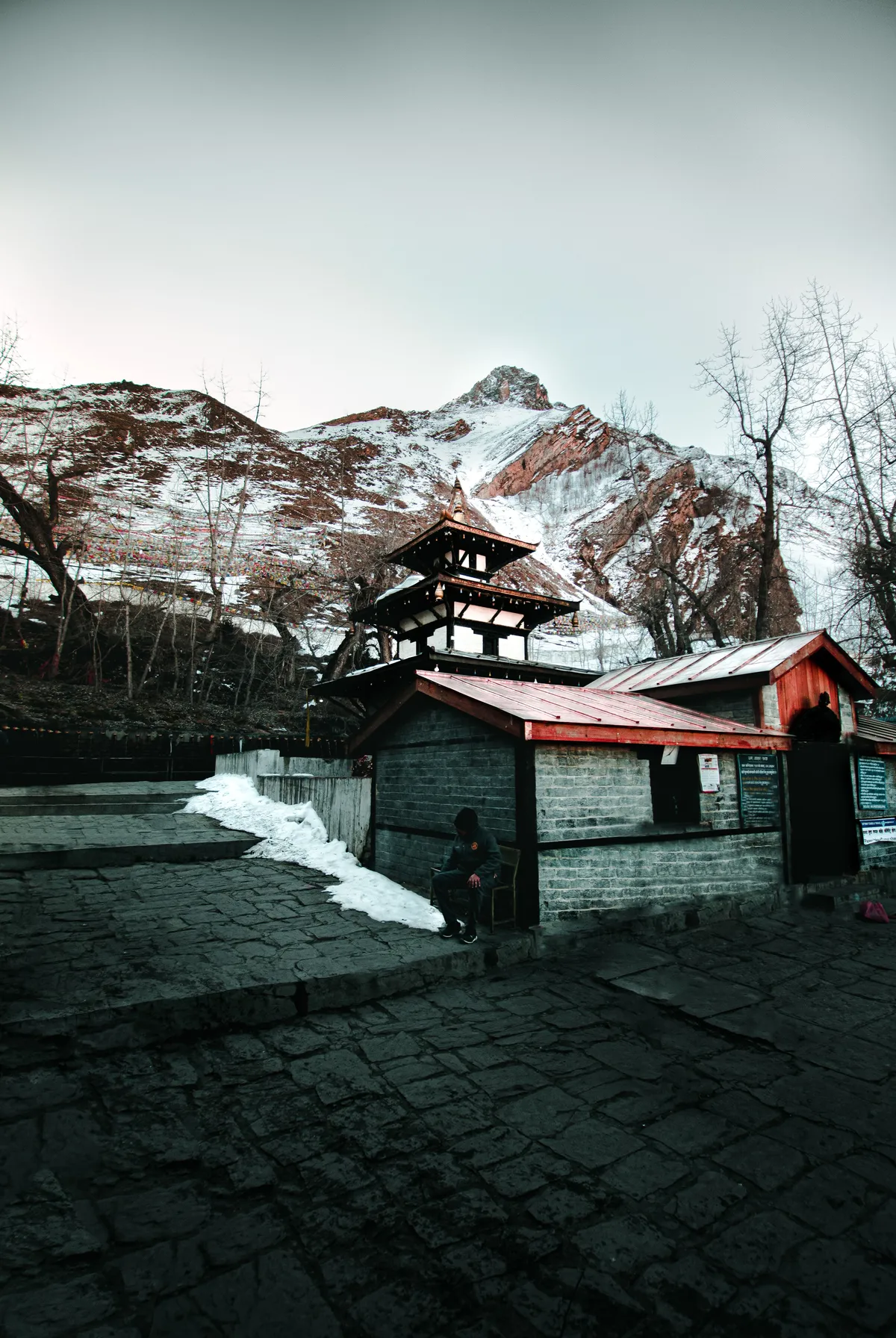
Located at an altitude of approximately 3,800 meters (12,467 feet), the temple is considered sacred by both Hindus and Buddhists. For Hindus, it is one of the eight most important Vishnu shrines, while Buddhists regard it as a sacred place associated with Guru Rinpoche (Padmasambhava). This unique blend of faiths creates a harmonious spiritual atmosphere that is rarely found elsewhere.
Whether you seek religious blessings, cultural experiences, or the beauty of the Himalayas, a journey to Muktinath temple offers memories that last a lifetime.
The Spiritual Significance of Muktinath Temple
The word “Muktinath” comes from two Sanskrit words: “Mukti,” meaning salvation or liberation, and “Nath,” meaning lord or master. Together, they signify the “Lord of Liberation.” Devotees believe that visiting Muktinath temple and worshipping here can help them attain spiritual freedom and wash away the sins accumulated throughout their lives.
For Hindu pilgrims, the temple is dedicated to Lord Vishnu, who is worshipped as Sri Mukti Narayana. According to religious beliefs, bathing under the temple’s sacred water spouts and taking a dip in the holy ponds purifies the soul and brings divine blessings. For Buddhists, the site is known as Chumig Gyatsa, meaning “Hundred Waters.”
It is regarded as one of the 24 Tantric places and is closely connected with Guru Padmasambhava, who played a significant role in spreading Buddhism throughout the Himalayan region. The coexistence of Hindu and Buddhist traditions at Muktinath temple symbolizes religious harmony and mutual respect, making it one of Nepal’s most unique spiritual destinations.
History and Mythology of Muktinath Temple
The origins of Muktinath temple date back centuries, with references appearing in ancient Hindu scriptures and Buddhist texts. Legends suggest that Lord Vishnu attained liberation from a curse at this sacred site, further enhancing its spiritual importance.
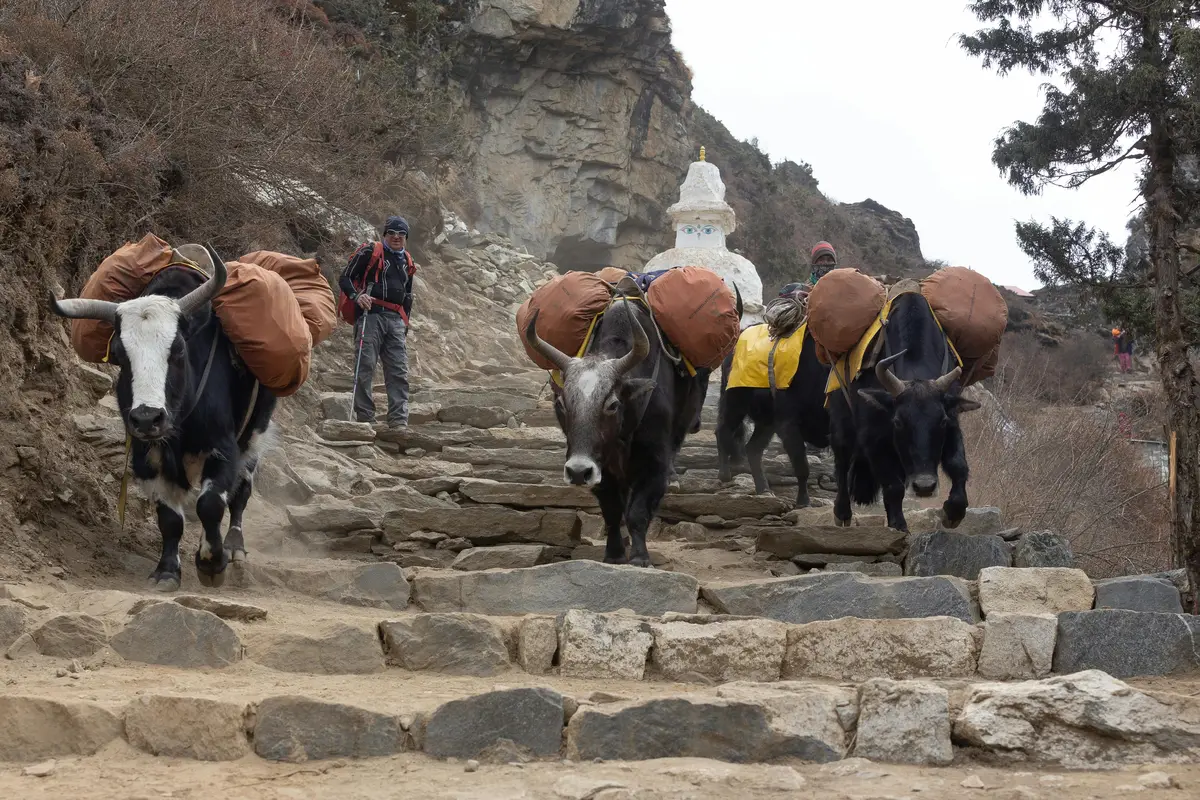
Another popular myth states that the temple is one of the 108 Divya Desams, the holy shrines of Lord Vishnu praised by the Alvars, the Tamil poet-saints of South India. This recognition attracts pilgrims from Nepal, India, and various parts of the world. The temple’s long history reflects Nepal’s diverse religious heritage. Over generations, devotees have traveled through challenging mountain routes to reach this sacred sanctuary. Today, improved transportation has made access easier, but the spiritual essence of the pilgrimage remains unchanged.
The Stunning Location of Muktinath Temple
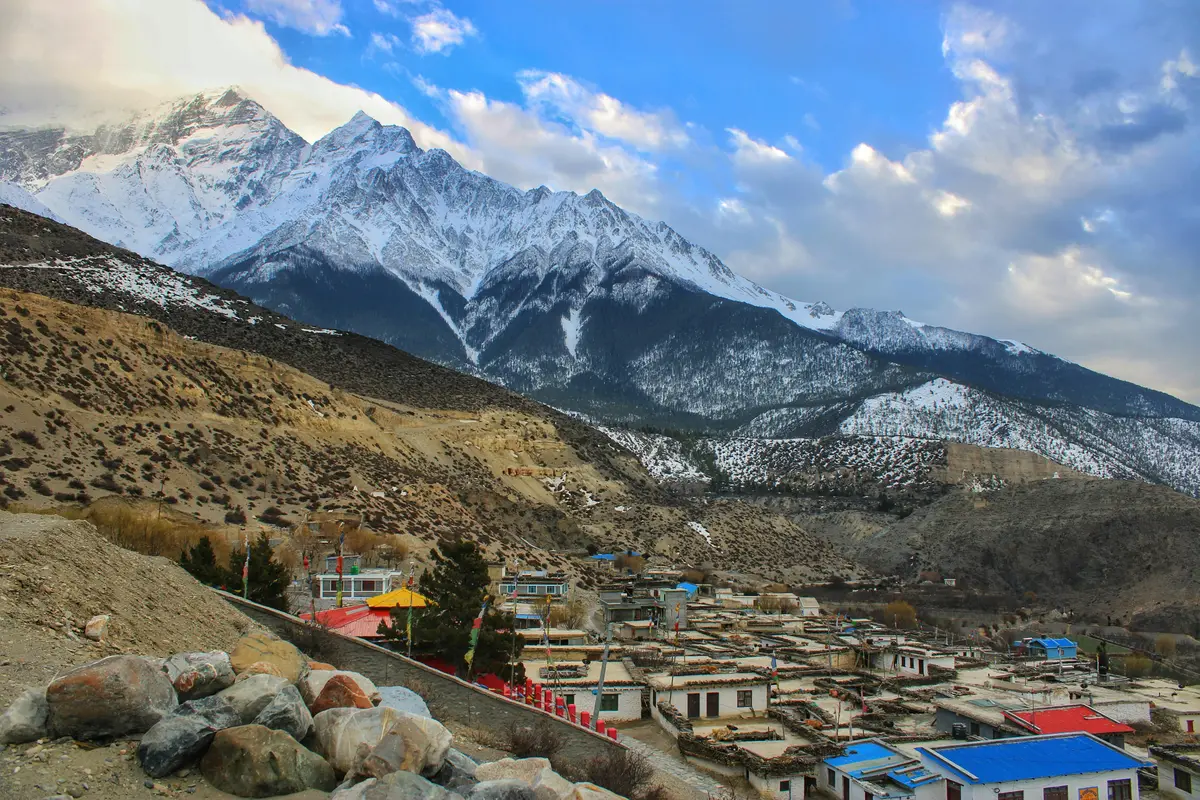
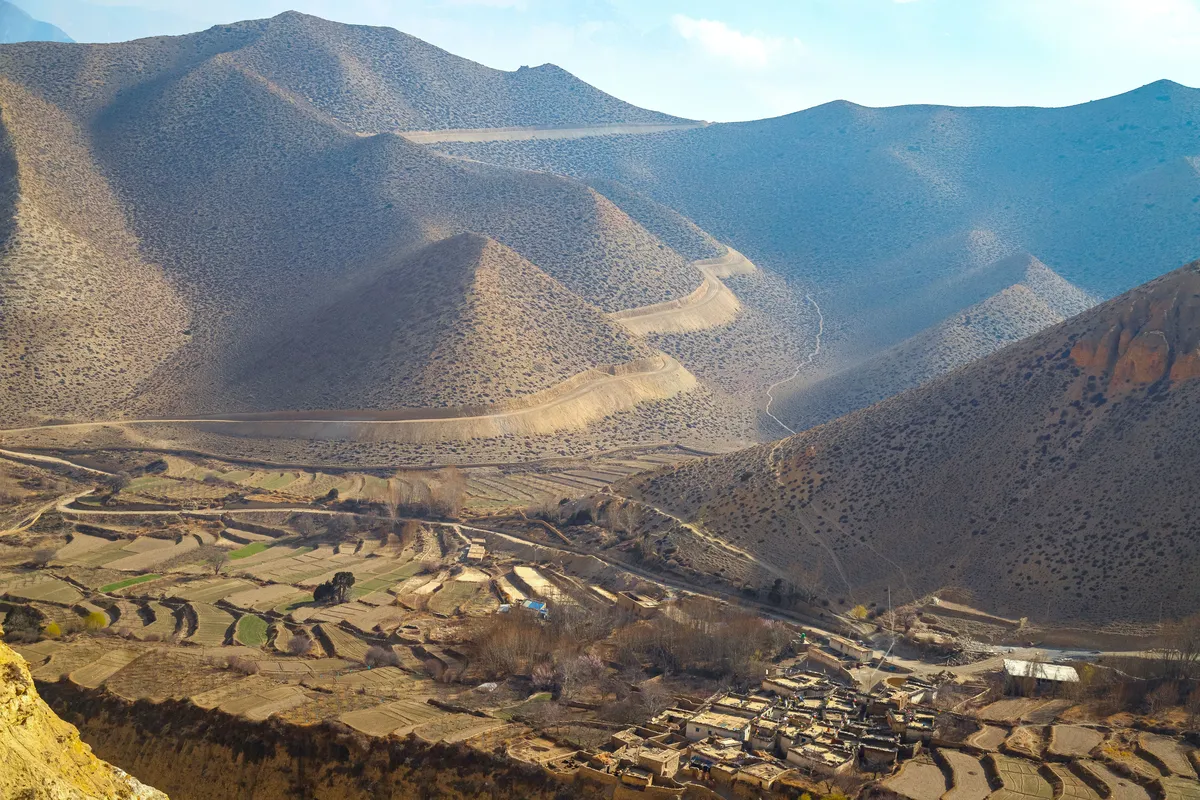
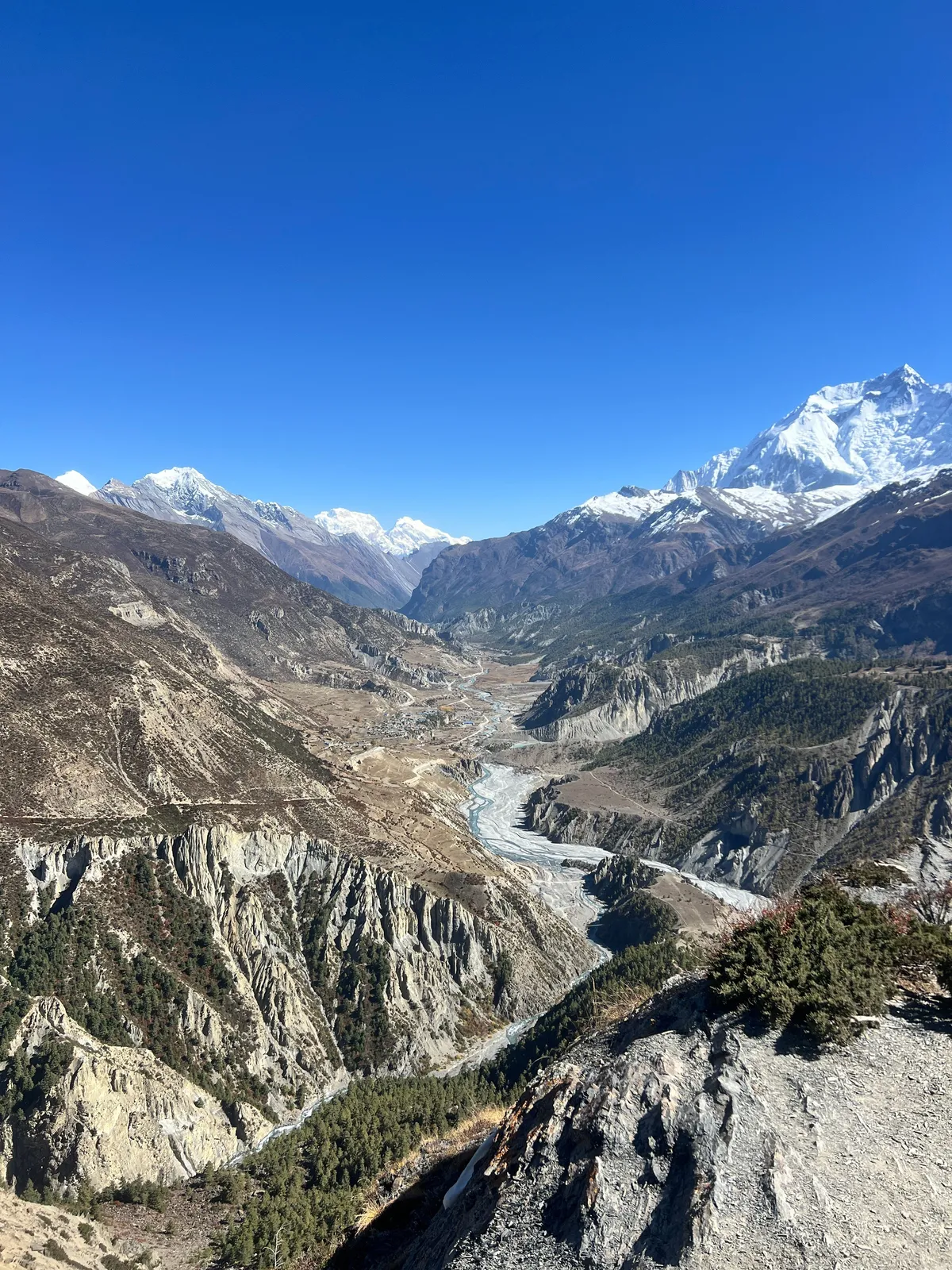
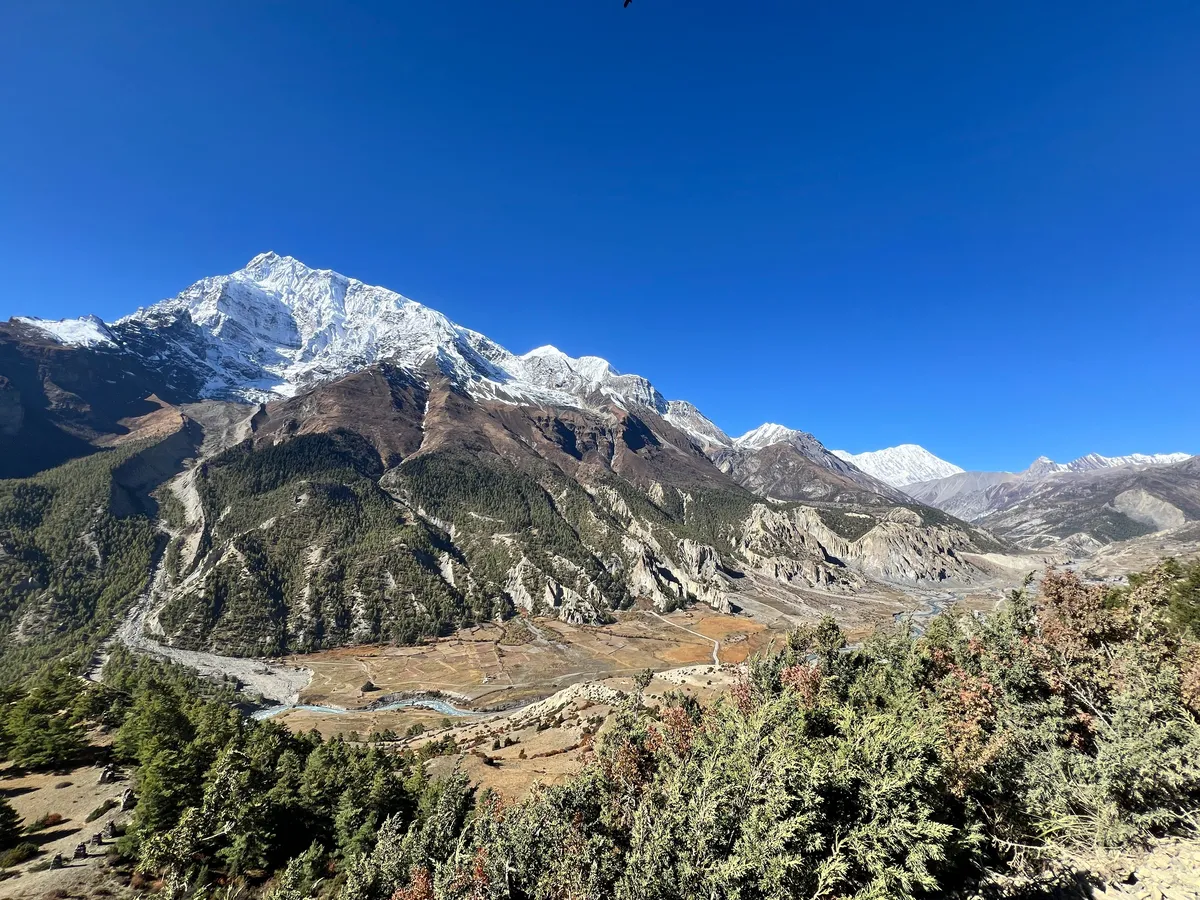
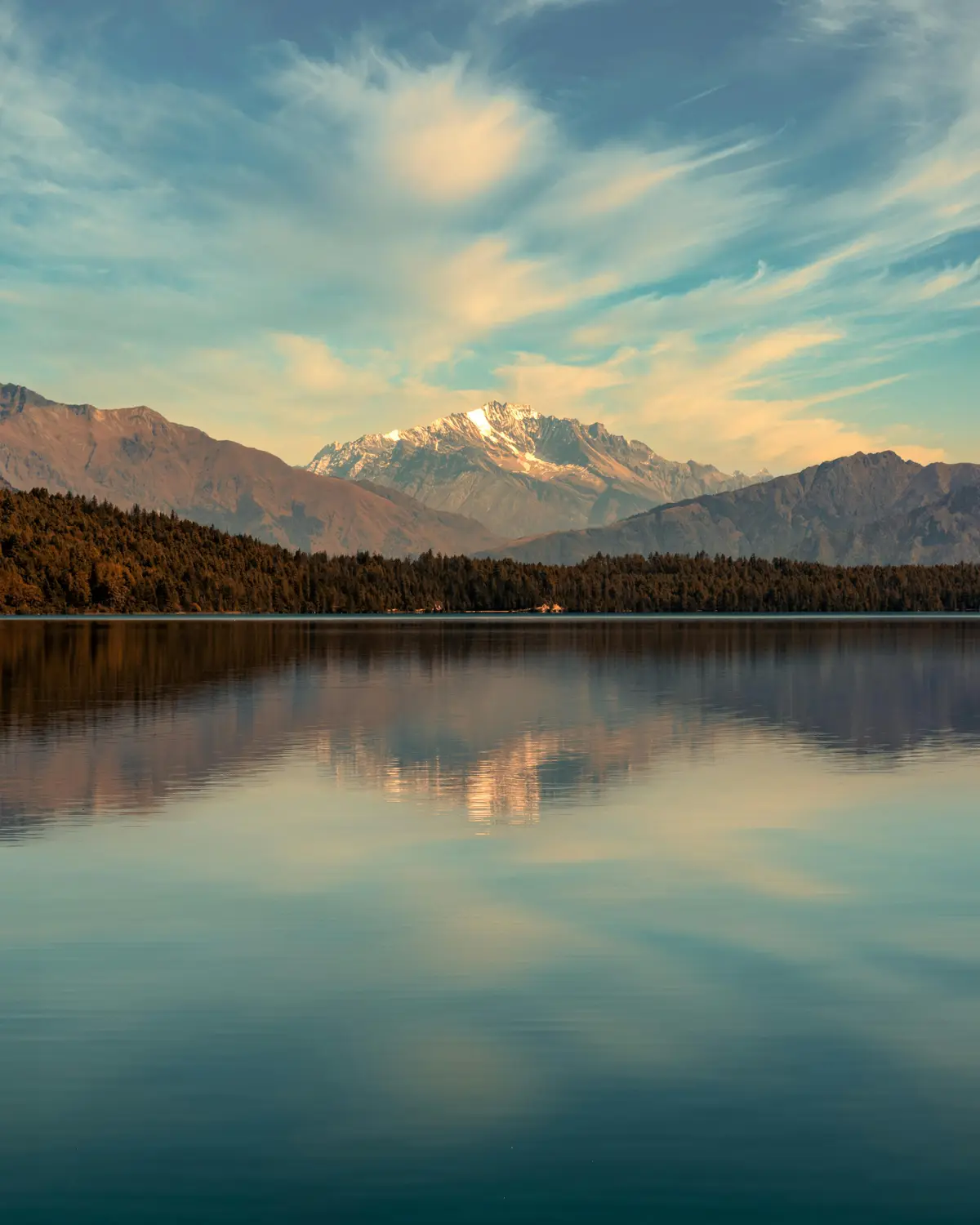
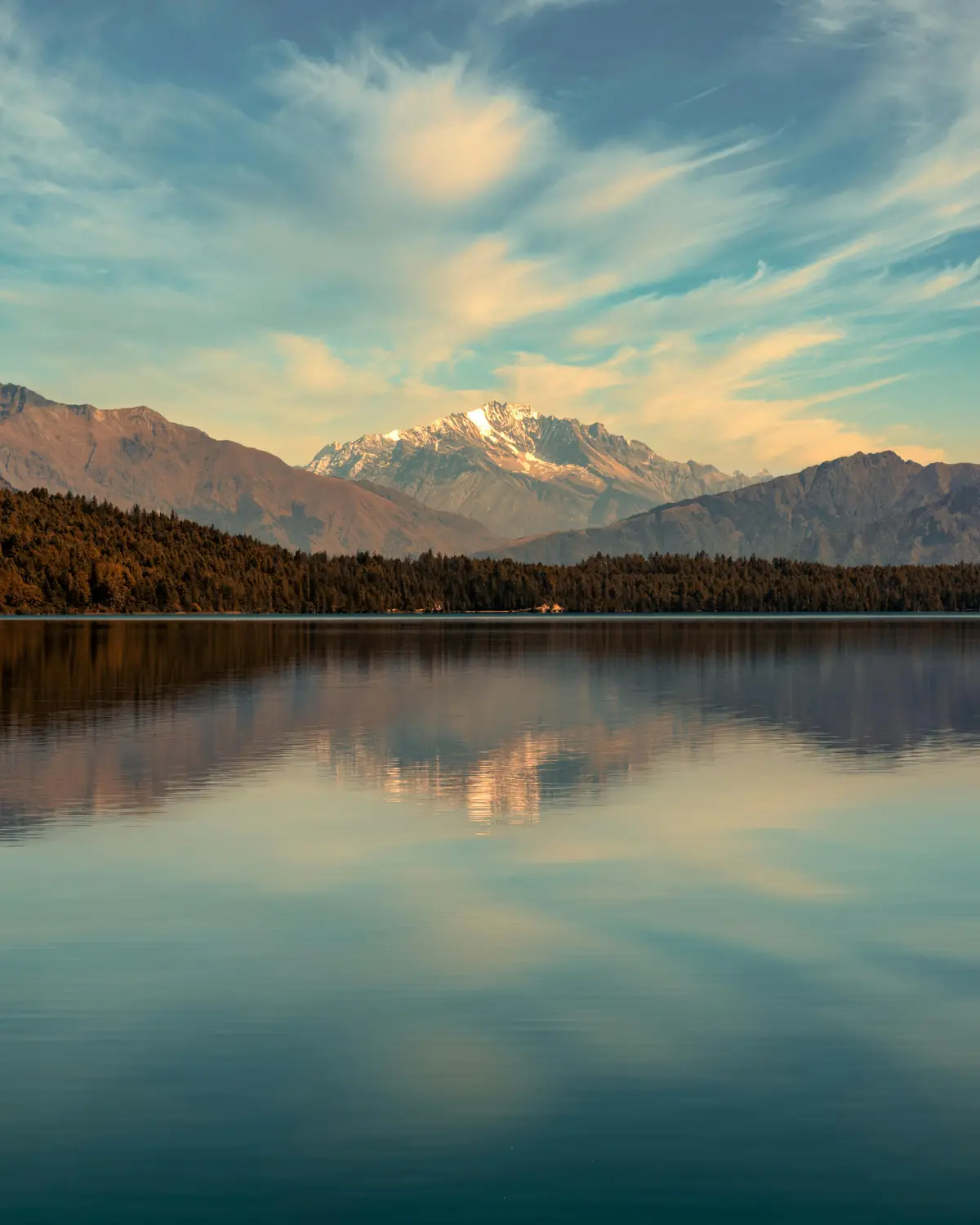
One of the most remarkable aspects of Muktinath temple is its spectacular setting. Situated in the Mustang region, the temple lies amidst dramatic mountain landscapes that seem almost otherworldly.
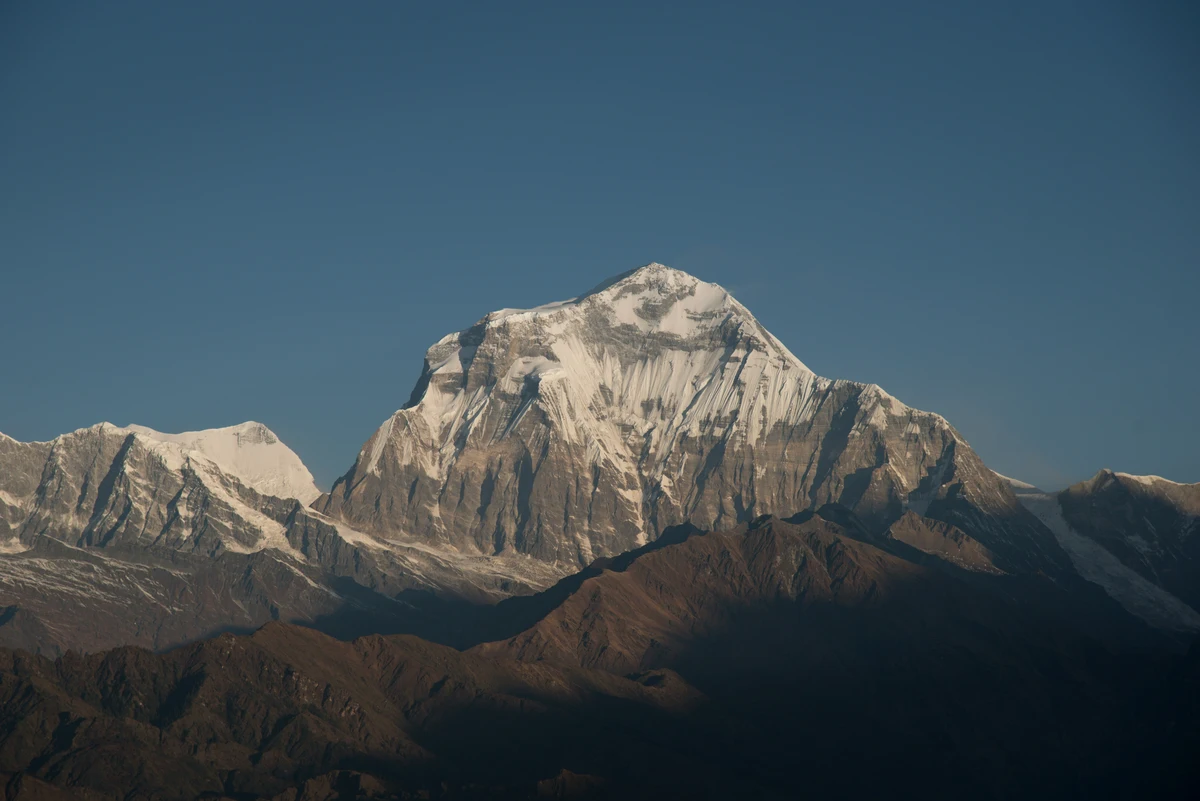
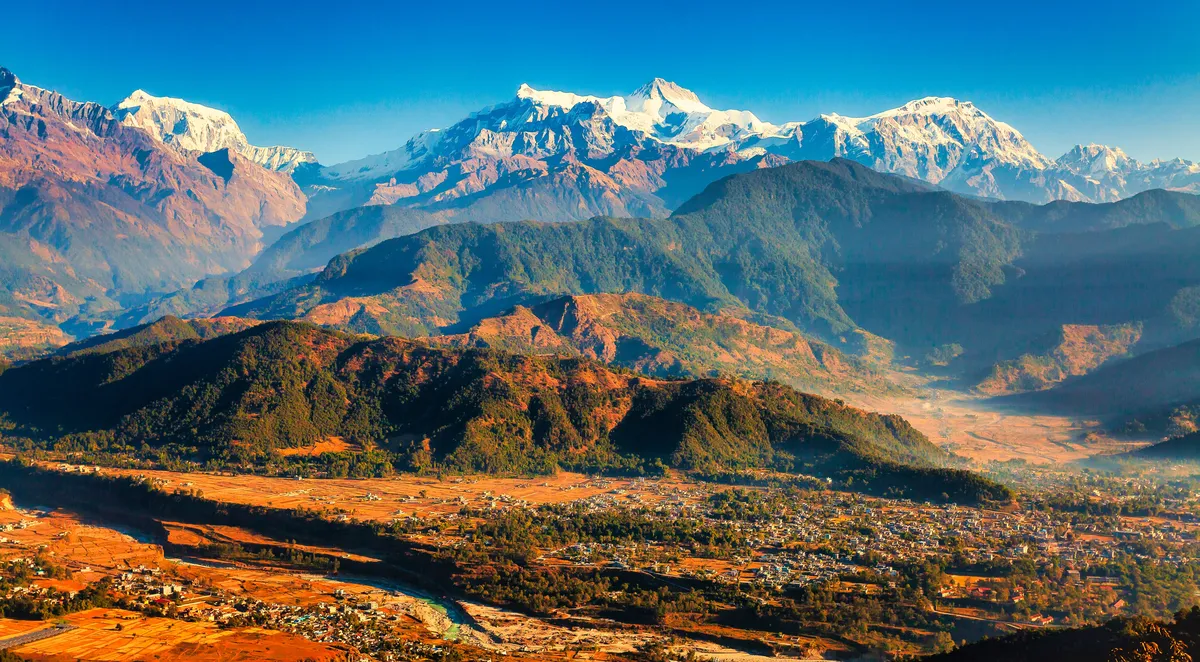
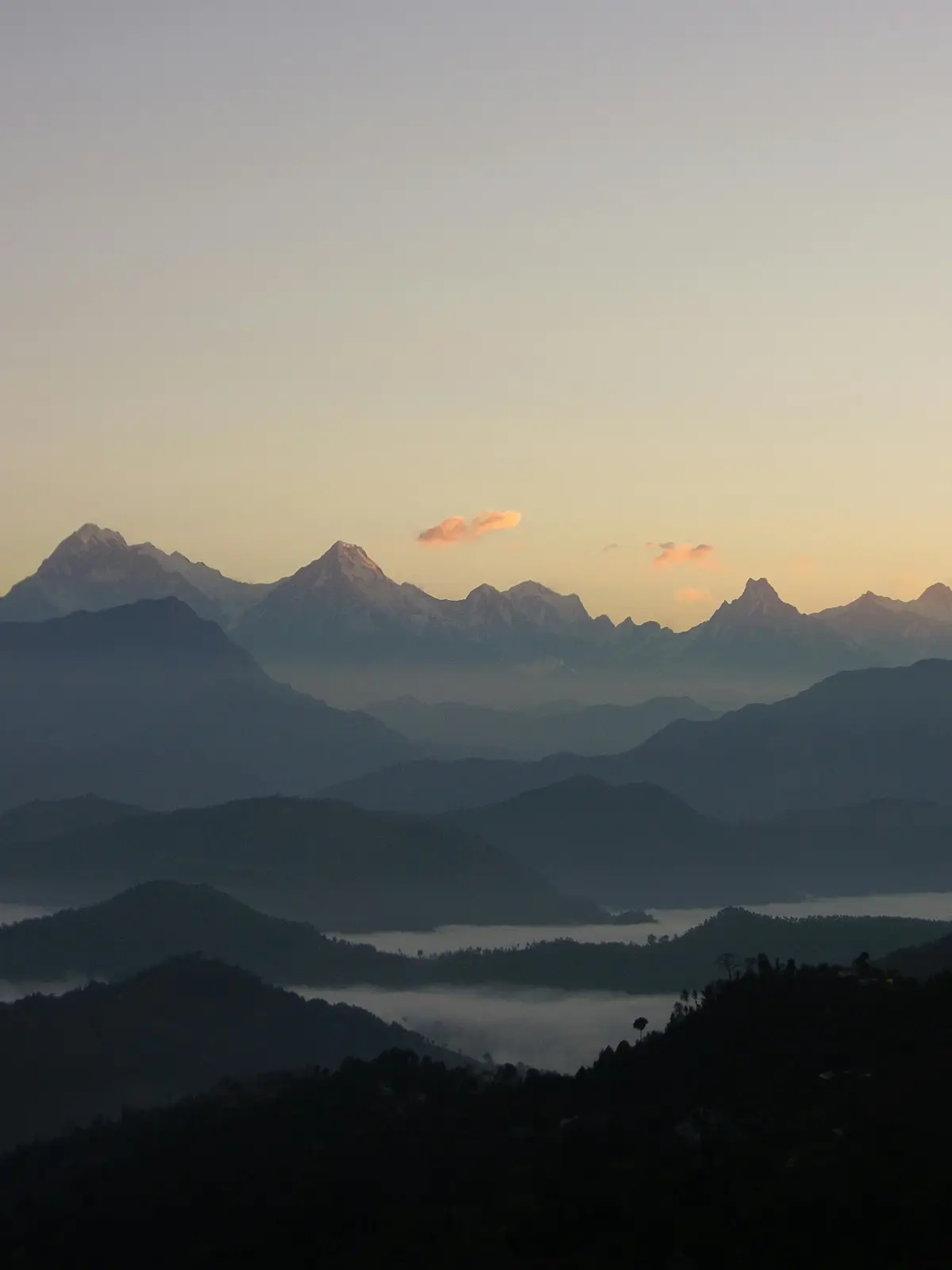
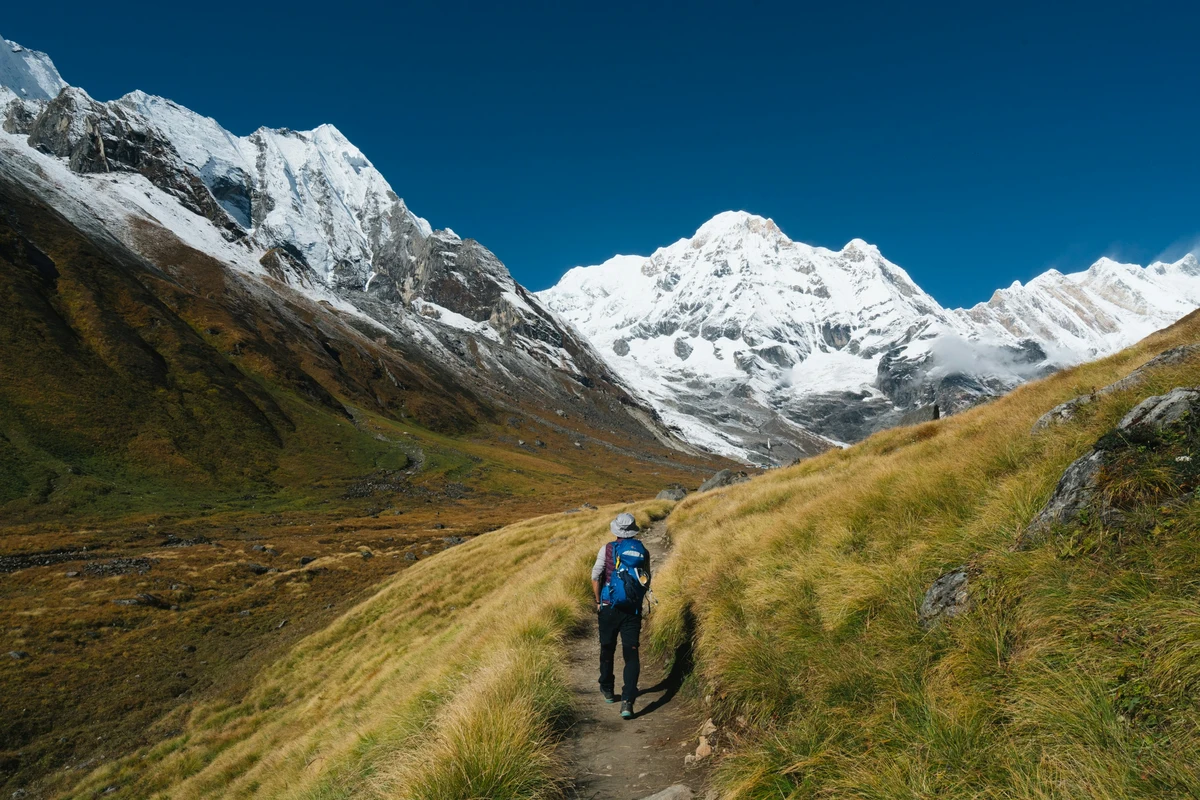
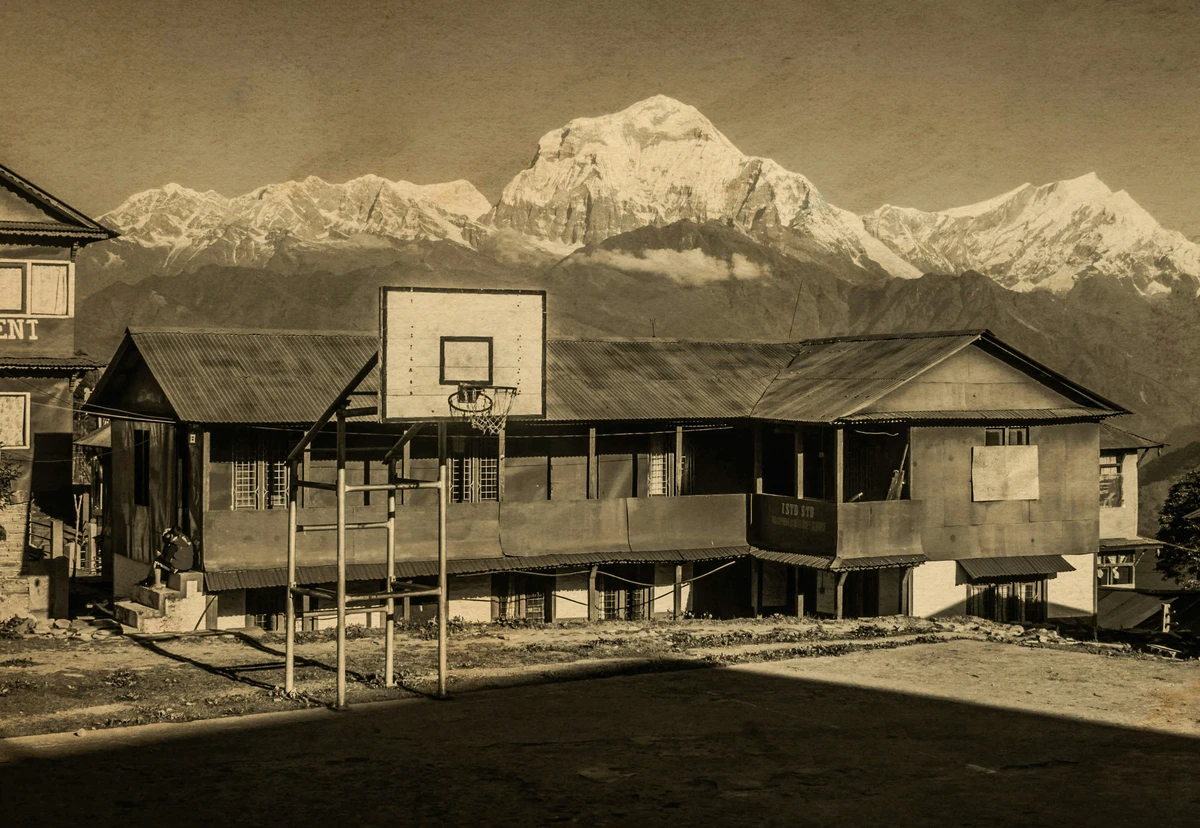
Visitors are greeted by panoramic views of the Annapurna and Dhaulagiri mountain ranges. The dry, desert-like terrain of Upper Mustang contrasts beautifully with the snow-covered Himalayan peaks, creating a unique visual experience.
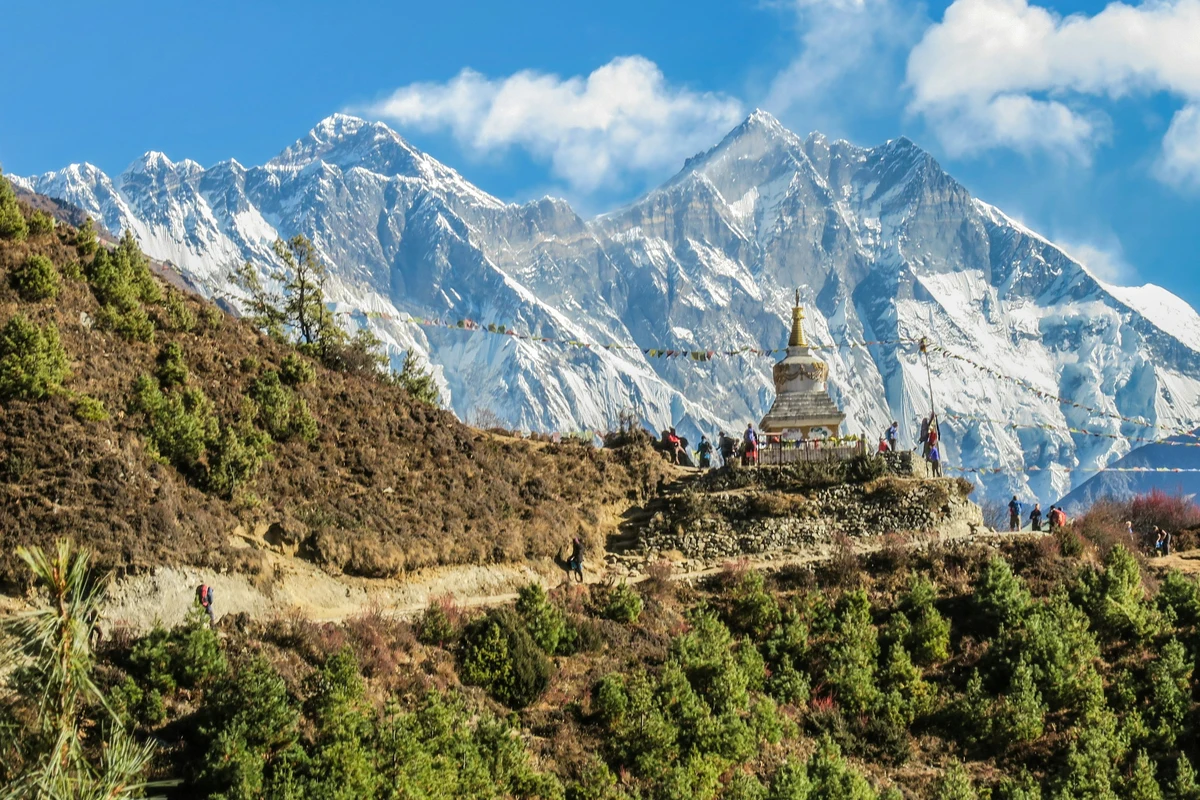
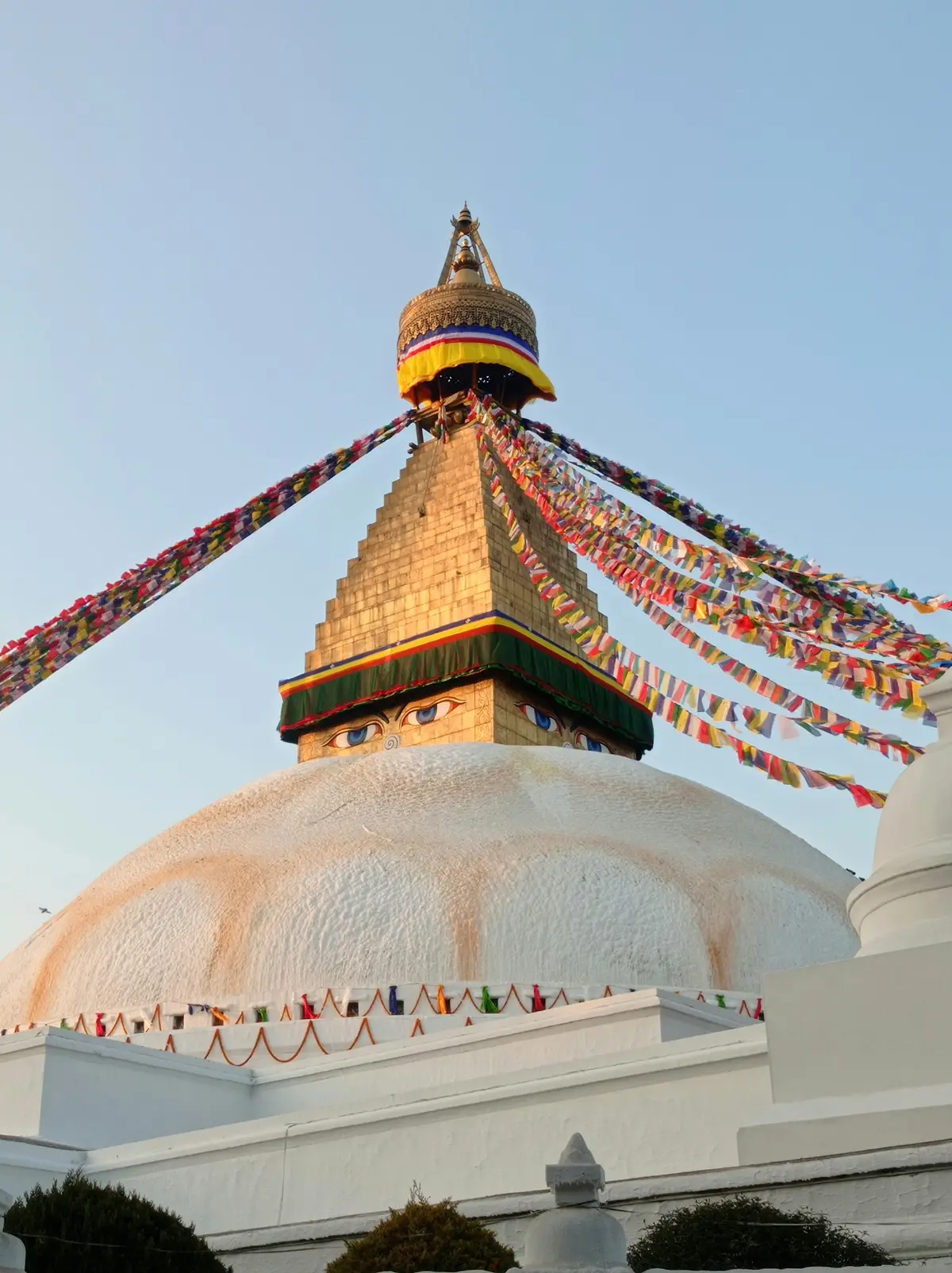
The crisp mountain air, colorful prayer flags, ancient chortens, and peaceful surroundings contribute to the temple’s serene atmosphere. Many travelers describe their visit to Muktinath temple as both a spiritual and scenic journey, where nature and faith come together perfectly.
Sacred Features of the Temple Complex
The temple complex contains several important religious elements that hold deep significance for pilgrims.
The Main Temple
The main shrine houses a golden statue of Lord Vishnu. Devotees offer prayers, flowers, and sacred items while seeking blessings for prosperity, peace, and liberation.
The 108 Water Spouts
One of the most famous attractions of Muktinath temple is the row of 108 sacred water spouts, known as Muktidhara. Water flowing from these spouts originates from nearby mountain sources.
Pilgrims traditionally walk beneath all 108 spouts despite the freezing temperatures. This ritual is believed to cleanse sins and purify the soul.
Sacred Ponds
In front of the temple are two holy ponds called Mukti Kunda and Saraswati Kunda. Many devotees take ritual baths in these ponds before entering the main shrine.
Eternal Flame
The Jwala Mai Temple near the main complex houses a unique eternal flame fueled naturally by underground gas. This flame symbolizes the sacred union of earth, water, and fire, making it a significant spiritual attraction.
How to Reach Muktinath Temple
Traveling to Muktinath temple is an adventure in itself. Several routes are available depending on your preferences and schedule.
By Air
The fastest option is to fly from Kathmandu to Pokhara and then take another flight to Jomsom. From Jomsom, visitors can travel by jeep or hike to the temple.
By Road
Road access has improved significantly in recent years. Travelers can drive from Pokhara to Jomsom and continue toward the temple by jeep.
Trekking Route
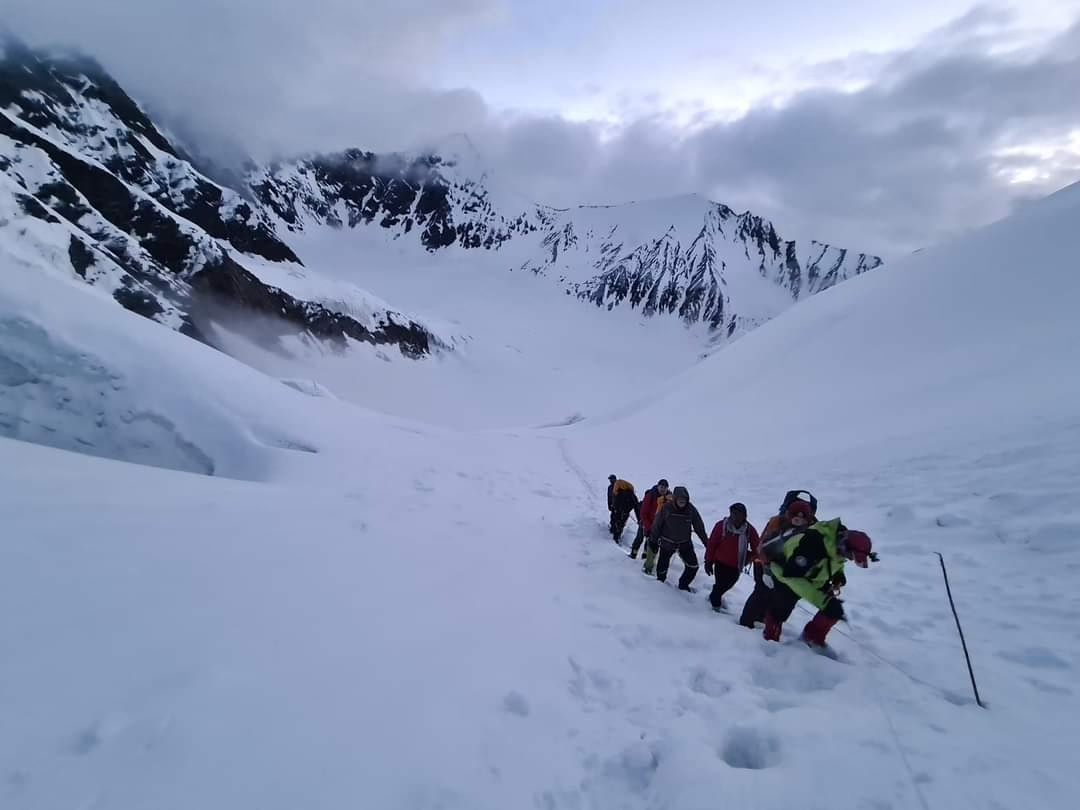
Adventure enthusiasts often combine their pilgrimage with trekking. The Annapurna Circuit Trek includes a visit to Muktinath temple, offering spectacular mountain scenery and cultural encounters along the way.
Best Time to Visit Muktinath Temple
Choosing the right season is important for an enjoyable journey.
Spring (March to May)
Spring is one of the best times to visit. Pleasant temperatures, blooming rhododendrons, and clear mountain views create ideal conditions.
Autumn (September to November)
Autumn offers stable weather, excellent visibility, and comfortable temperatures. This is the peak season for visiting Muktinath temple.
Winter (December to February)
Winter brings snowfall and colder temperatures. Although fewer tourists visit during this period, the snowy landscapes create a magical atmosphere.
Monsoon (June to August)
The Mustang region receives less rainfall compared to other parts of Nepal, making it relatively accessible even during the monsoon season.
Cultural Experiences Around Muktinath
The journey to Muktinath temple provides opportunities to experience the rich culture of the Himalayan communities.
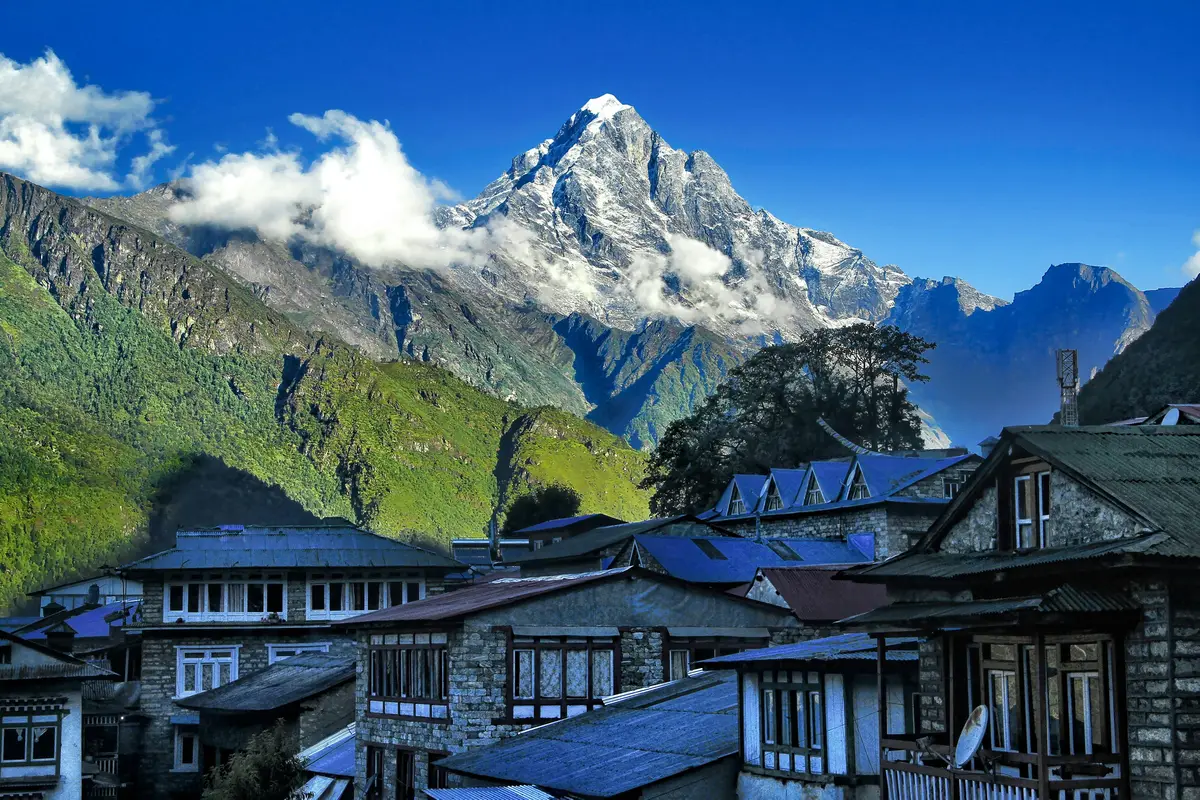
The region is home to Thakali, Tibetan, and Gurung communities whose traditions have been preserved for generations. Visitors can explore traditional villages, interact with local residents, and learn about unique customs and lifestyles.
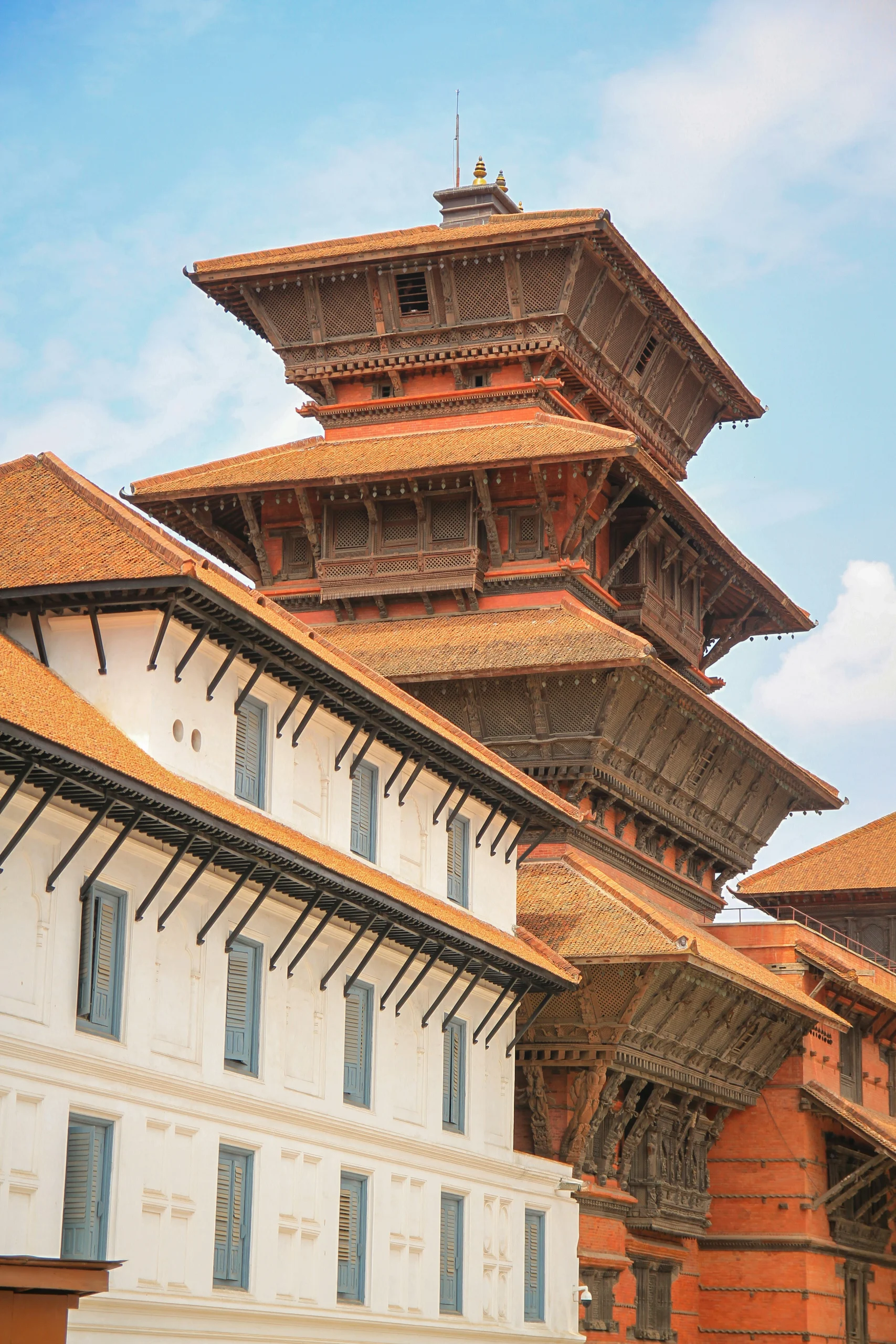
The colorful monasteries, prayer wheels, and Buddhist shrines found throughout Mustang reflect the area’s strong spiritual heritage. Festivals celebrated in the region provide fascinating insights into local culture and religious practices.
Why Muktinath Temple Attracts Global Visitors
Although it is primarily a pilgrimage destination, Muktinath temple attracts a wide variety of visitors.
Religious devotees come seeking blessings and spiritual fulfillment. Nature lovers are drawn by the dramatic Himalayan scenery. Photographers find endless opportunities to capture stunning landscapes and cultural moments.
Adventure travelers often combine their temple visit with trekking, mountain biking, or exploring the remote valleys of Mustang. This combination of spirituality, culture, and adventure makes the destination appealing to travelers from around the world.
Travel Tips for Visiting Muktinath Temple
To ensure a comfortable and memorable trip, consider the following tips:
- Acclimatize properly to avoid altitude sickness.
- Carry warm clothing, as temperatures can change rapidly.
- Stay hydrated throughout the journey.
- Respect local customs and religious traditions.
- Wear comfortable walking shoes.
- Keep cash available, as ATM facilities may be limited.
- Start your journey early to enjoy clear weather conditions.
Proper preparation allows visitors to fully appreciate the beauty and spiritual significance of Muktinath temple.
The Spiritual Reward of the Journey
Many pilgrims believe that the journey itself is as meaningful as reaching the destination. Traveling through mountain roads, crossing rivers, and witnessing breathtaking Himalayan landscapes creates a sense of reflection and inner peace.
The atmosphere at Muktinath temple encourages visitors to slow down, connect with nature, and contemplate life’s deeper meaning. Whether you arrive as a devotee, traveler, or adventurer, the experience often leaves a lasting impression. Standing before the sacred shrine, surrounded by towering mountains and centuries of spiritual tradition, many visitors describe feeling a profound sense of peace and gratitude.
Conclusion
A visit to Muktinath temple is far more than a simple trip it is a transformative journey that combines faith, culture, history, and natural beauty. From the sacred water spouts and eternal flame to the stunning Himalayan vistas, every aspect of the destination offers something extraordinary. As one of Nepal’s most important pilgrimage sites, Muktinath temple continues to inspire countless travelers seeking spiritual enlightenment and unforgettable experiences. Its unique blend of Hindu and Buddhist traditions, coupled with the majestic setting of the Himalayas, makes it a destination unlike any other.
Whether you are planning a religious pilgrimage, a trekking adventure, or a cultural exploration, Muktinath temple promises an enriching journey that touches both the heart and the soul. The memories created here remain long after the journey ends, making it one of the most remarkable destinations in Nepal and the entire Himalayan region.
If you’re planning a pilgrimage to Muktinath Temple, our First camp trek offers a comfortable and convenient way to experience this sacred destination while enjoying the spectacular landscapes of the Mustang region.