Rara Lake Nepal Travel Guide: Essential 2026 Logistics
Rara Lake Nepal Travel Guide: 2026 Logistics & Reach
The “Queen of Lakes” is no longer a secret, yet it remains one of the most elusive and rewarding destinations in the Himalayas. As we move through 2026, the remote district of Mugu has seen significant updates in accessibility, but the core essence of the journey remains a raw adventure. This comprehensive Rara Lake Nepal Travel Guide is designed to help you navigate the complex logistics of reaching the largest freshwater lake in Nepal, ensuring your 2026 expedition is both safe and soul-stirring.
Why Rara Lake is the Ultimate 2026 Destination
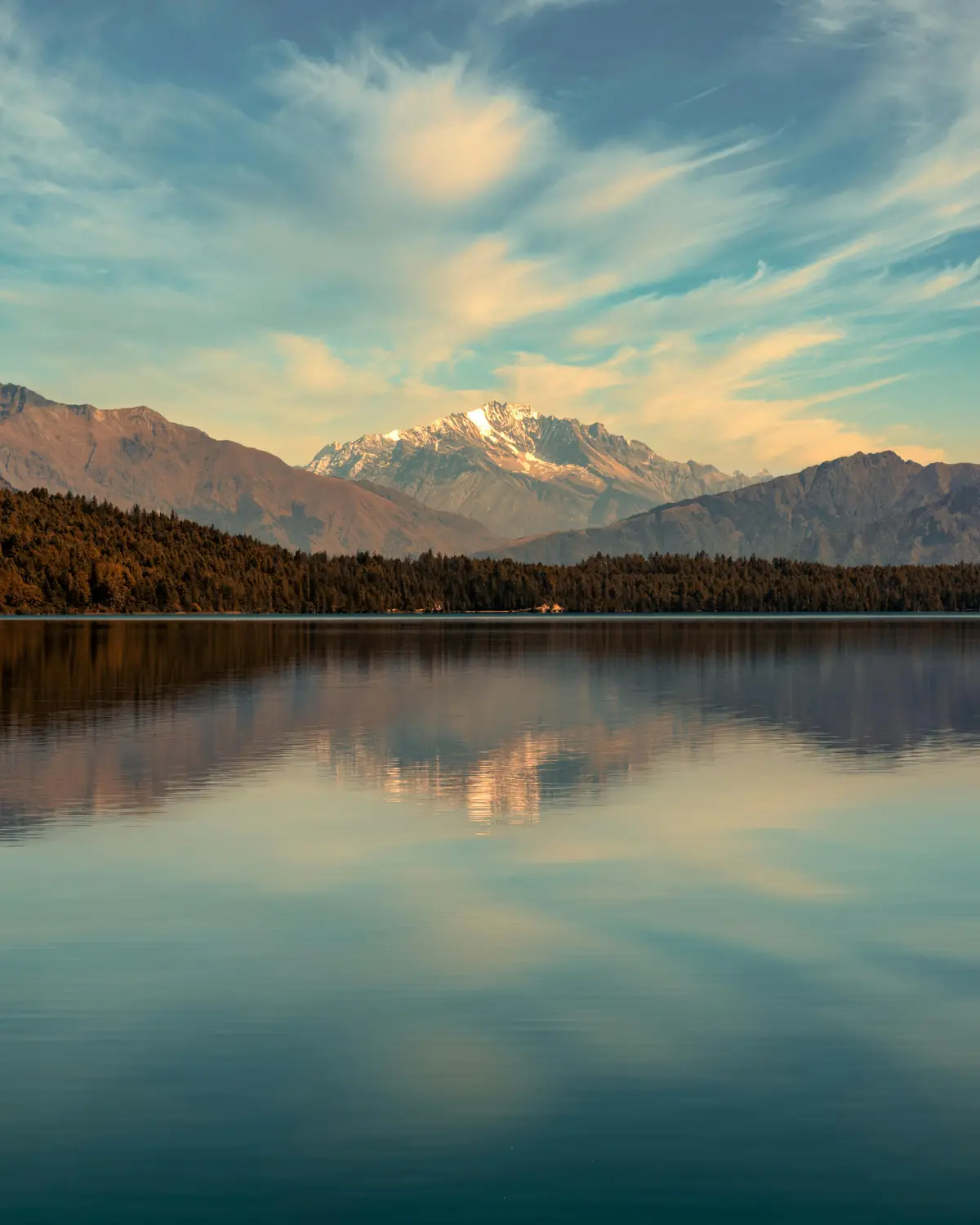
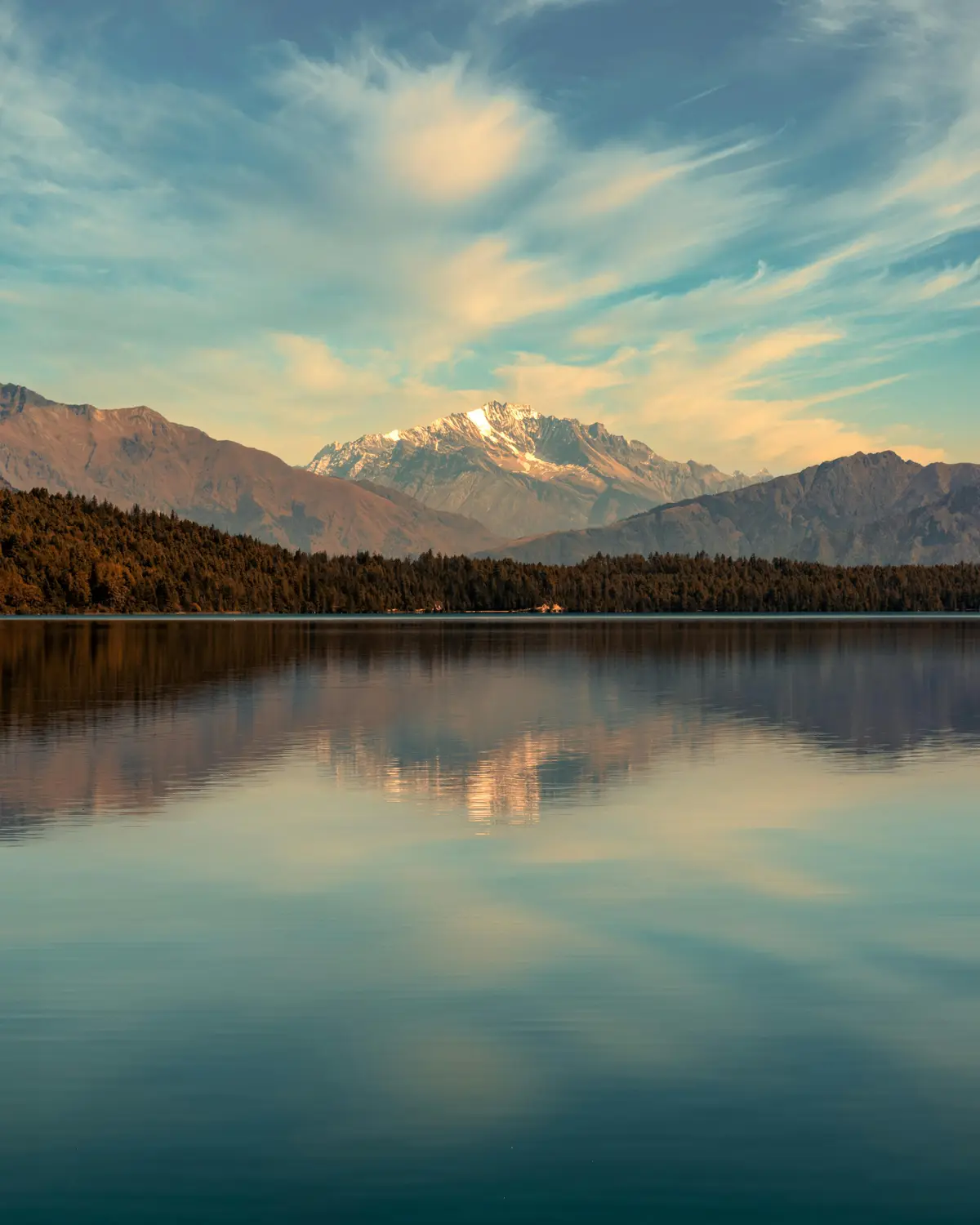
In an era where the classic trekking routes of Everest and Annapurna are becoming increasingly crowded, Rara Lake offers a profound alternative. Located within the Rara National Park, the lake sits at an altitude of 2,990m, surrounded by alpine meadows and dense forests of blue pine, spruce, and cedar. For travelers following this Rara Lake Nepal Travel Guide, the attraction isn’t just the water it’s the silence, the rare biodiversity (including the Red Panda), and the deep cultural immersion into the Thakuri and Magar communities of the Karnali region.
How to Reach Rara Lake: The 2026 Logistics
Reaching Mugu requires a multi-stage journey. Depending on your budget, time, and appetite for adventure, there are three main ways to reach the lake.
1. The Fastest Route: By Air (Kathmandu – Nepalgunj – Talcha)
The most common and time-efficient method involves two separate flights.
-
Kathmandu to Nepalgunj: A 50-minute flight brings you to the hot plains of the Terai.
-
Nepalgunj to Talcha: This is where the real adventure begins. In 2026, small aircraft (Twin Otters and Dorniers) operated by airlines like Nepal Airlines, Sita Air, and Tara Air fly into Talcha Airport (2,735m).
Pro Tip from our Rara Lake Nepal Travel Guide: Flights to Talcha are notoriously weather-dependent. Even in 2026, mountain fog and high winds can cause delays for days. Always build a 48-hour “buffer” into your return itinerary to avoid missing international connections.
2. The Overland Adventure: By Road
For the budget-conscious or those who love a rugged road trip, the overland route via the Karnali Highway is a rite of passage.
-
The Route: Kathmandu → Surkhet → Manma (Kalikot) → Gamgadhi.
-
Duration: 2 to 3 days of intense driving.
-
2026 Update: While major sections of the road from Nagma to Gamgadhi are currently being blacktopped, the Karnali Highway remains a challenging, narrow mountain road. A 4WD Jeep is highly recommended.
3. The Classic Trek: From Jumla
If you want to experience the “Old Nepal,” trekking from Jumla is the best option. This Rara Lake Nepal Travel Guide recommends the 10-day loop that takes you through the Sinja Valley the ancient capital of the Khasa Kingdom and the birthplace of the Nepali language.
Permits and Regulations (2026 Updated)
Entering the Mugu region and Rara National Park requires specific paperwork. Based on the 2026 regulations, ensure you have:
-
Rara National Park Entry Permit: NPR 3,000 for foreigners (~$23 USD) and NPR 1,500 for SAARC nationals.
-
Mugu Restricted Area Permit: If your route ventures into northern Mugu near the Tibetan border, a special permit of USD $90 for 10 days is required.
10-Day Rara Lake Trekking Itinerary
This itinerary is curated for 2026 to ensure proper acclimatization while hitting the most scenic landmarks.
| Day | Destination | Elevation | Highlight |
| Day 1 | Kathmandu | 1,400m | Final briefing & permit collection. |
| Day 2 | Nepalgunj | 150m | Flight to the Terai; overnight in a standard hotel. |
| Day 3 | Jumla | 2,540m | Flight to Jumla; start trek to Chere Chaur. |
| Day 5 | Sinja Valley | 2,490m | Exploring 12th-century stone inscriptions. |
| Day 7 | Rara Lake | 2,990m | Arrival at the sapphire-blue waters. |
| Day 8 | Murma Top | 3,726m | 360-degree aerial view of the lake. |
| Day 9 | Talcha | 2,735m | Short walk to the airport area for the flight out. |
Biodiversity and Wildlife
As you follow this Rara Lake Nepal Travel Guide, keep your binoculars ready. Rara National Park is a sanctuary for over 214 species of birds and rare mammals.
-
The Red Panda: Though shy, they reside in the bamboo thickets around the lake.
-
The Danphe: Look for the iridescent feathers of the Himalayan Monal, Nepal’s national bird.
-
Endemic Fish: The lake is home to three species of snow trout found nowhere else on earth.
{If you are looking for lakes, biodiversity and himalayas mixture, [Gosaikunda trek] might just be perfect for you as it is situated in Himalayas and is a national park home to endangered species like red panda, snow leopard, wild boar, langur monkeys,etc]}
Accommodation: Where to Stay in 2026
Accommodations in Mugu are categorized into three types. Our Rara Lake Nepal Travel Guide suggests managing expectations:
-
Lakeside Lodges: Facilities like Rara Eco Resort and Rara View Lodge offer basic wooden rooms and communal dining.
-
Teahouses: Common in villages like Sinja and Bumra; expect shared toilets and simple beds.
-
Camping: For the most immersive experience, many 2026 travelers choose to camp in designated areas near the lake to enjoy the crystal-clear night skies.
Culinary Insights: The Taste of Karnali
Karnali is the highest rice-growing region in the world. This Rara Lake Nepal Travel Guide encourages you to try the local staples:
-
Marsi Chamal (Red Rice): Extremely nutritious and native to Jumla.
-
Local Beans (Simi): Often cooked with local ghee and mountain herbs.
-
Thakuri Bread: Hearty, thick bread perfect for long trekking days.
Health, Safety, and Altitude
While the lake is at 2,990m, you will cross passes exceeding 3,500m.
-
Acclimatization: Do not rush. Follow the “walk high, sleep low” rule.
-
Water Safety: Never drink tap water. Use a high-quality portable filter or purification tablets.
-
Communication: In 2026, NTC and Ncell have basic coverage near the lake, but expect frequent outages.
Sustainable Tourism: Leave No Trace
The ecosystem of Rara is incredibly fragile. As a responsible traveler using this Rara Lake Nepal Travel Guide, please carry out all non-biodegradable waste. 2026 sees a push for “Plastic-Free Rara,” and visitors are urged to use reusable water bottles and avoid single-use plastics.
Final Thoughts: Is the Journey to Rara Lake Worth It?
The journey to Rara Lake is undeniably demanding, shaped by unpredictable flights, rugged road conditions, and the simplicity of high-altitude tea houses making patience far more important than luxury. Yet, as this Rara Lake Nepal Travel Guide prepares you for, the reward comes at dawn, when mist slowly lifts to reveal crystal-clear waters shifting from soft sapphire to deep emerald. In this remote corner of Mugu, silence feels calming and profound, and Rara’s untouched beauty offers more than scenery it delivers a rare sense of peace and a meaningful reset for the modern traveler, proving the value of following a well-planned Rara Lake Nepal Travel Guide.
If you’d like to explore more hidden gems like this, visit First Camp Trek and let our professional team make your journey easy and memorable.
Pro-Tip for Global Travelers: While we focus on the trails here in Nepal, many of our trekkers arrive from or continue their journey through Europe. To avoid the headache of local SIM cards, we recommend securing a europe esim with number before you even land. If your itinerary is more specific, such as a stopover in Paris, getting a france esim with number or a temporary france phone number ensures you can book local transport and stay in touch with your team without expensive roaming fees. It’s a small technical step that makes your entire international transition much smoother
Find more travel guides like Rara Lake Nepal travel guide in our [blogs] section.
If you are short on time read this blog on [best short treks in Nepal] that you can complete in lesser days.