Why is Gosaikunda Lake famous ?
Why Lake Gosaikunda is Renowned for a 12-Day Trek?
Gosaikunda Lake is Nepal’s most scenic and holy high-altitude trekking destination. Situated in Langtang National Park, the lake is not only holy but also naturally important, and therefore a favorite of trekkers, pilgrims, and nature enthusiasts from across the globe. The Gosaikunda Lake Trek is a 12-day trek, not only about reaching a destination of breathtaking scenery but also about experiencing rich cultures and seeing the suffocating beauty of the Himalayas. In this blog, we’ll let you know why Gosaikunda Lake is so popular and why the 12-day trek is so unique.
Why is Gosaikunda Lake famous among Hindus?
Gosaikunda Lake is a religious holy place among Hindus. It was formed by Lord Shiva, one of the most powerful gods in Hindu mythology. It is mythical that Lord Shiva used his trident to bore the mountain to create the lake so that he could ease his throat after having drunk the poisonous nectar during the churning of the ocean. The lake’s religious significance has made it a site of pilgrimage for centuries.
There are thousands of Hindu pilgrims who travel to Gosaikunda Lake annually to bathe in its holy waters, particularly during the festival on the full moon day of August which clarifies on why is Gosaikunda Lake famous. Bathing in the holy lake is said to cleanse one of sin and provide spiritual cleansing. Thus, trekkers who travel to the lake do not just travel there for the adventure of visiting this high-altitude site but also to visit the holy site.
Religious and Spiritual Significance
The spiritual atmosphere of Gosaikunda Lake contributes to its fame. For most tourists, the trek to the lake is not only a physical challenge; it is a pilgrimage to discover spiritual solace and enlightenment. Why is Gosaikunda Lake famous? Trekkers and Hindu pilgrims visit the site to meditate, pray, and reflect on the sacred place. The lake, located at the foot of snow-capped mountains, is a serene and peaceful environment, the perfect place to reflect and spiritually recharge.
Why is Gosaikunda Lake famous among trekkers?
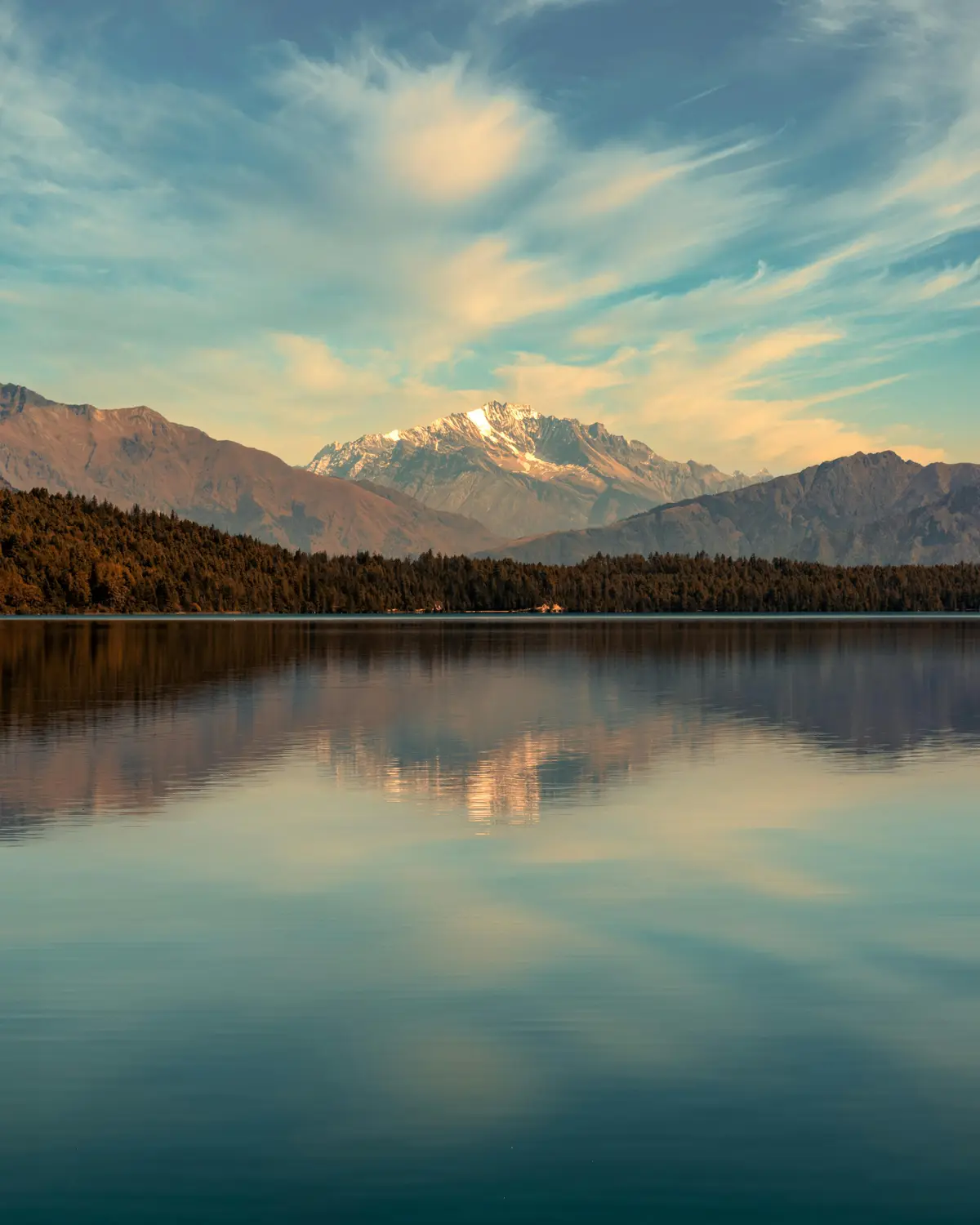
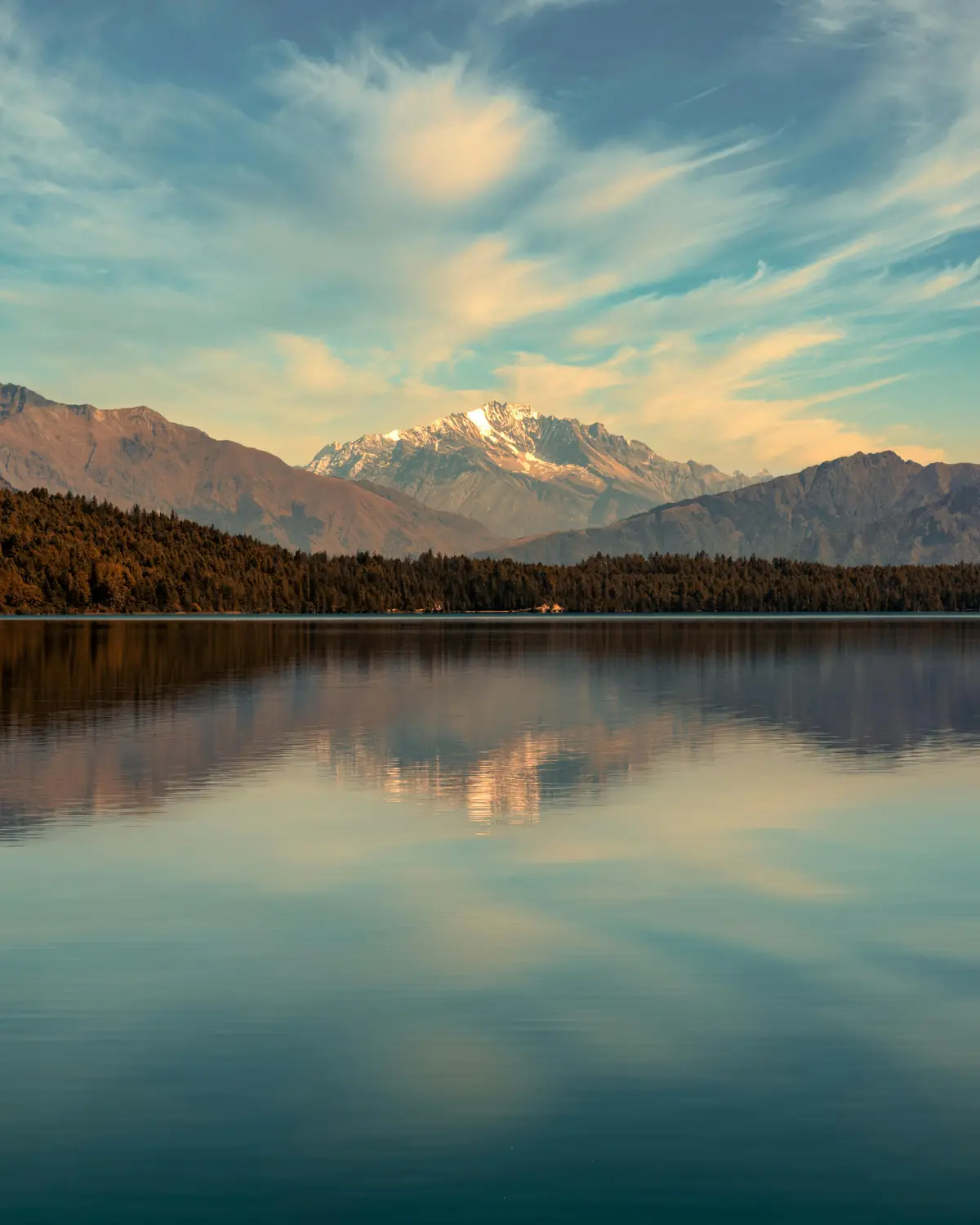
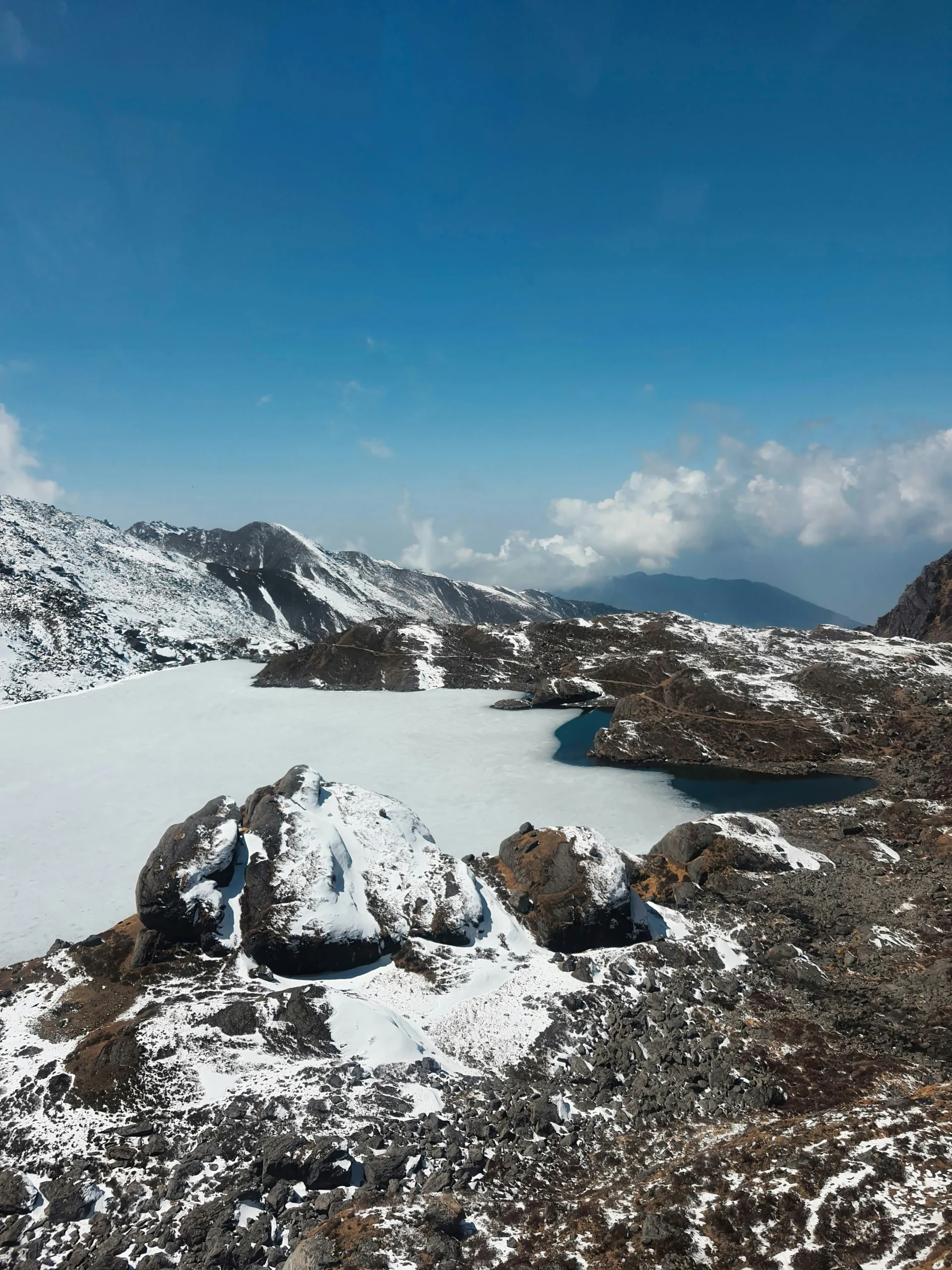
Apart from its religious significance, Gosaikunda Lake is a natural treasure of beauty. The lake with its shining blue water is situated in the Langtang National Park, amid the towering peaks of the Langtang Himalaya Range. The sight of Gosaikunda Lake, reflected in the peaceful waters, with the towering backdrop of the snow-covered mountains, is nothing short of breathtaking.
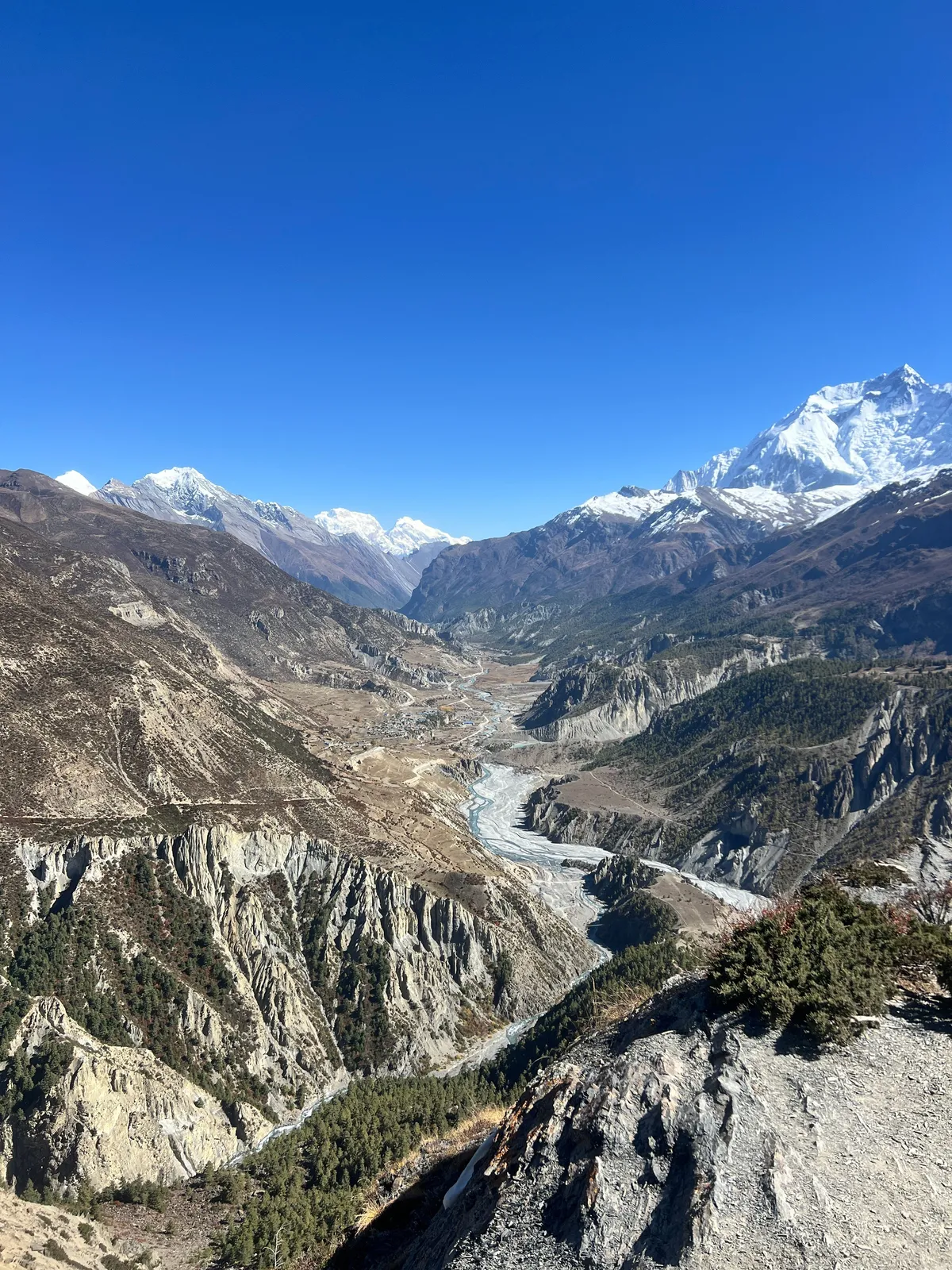
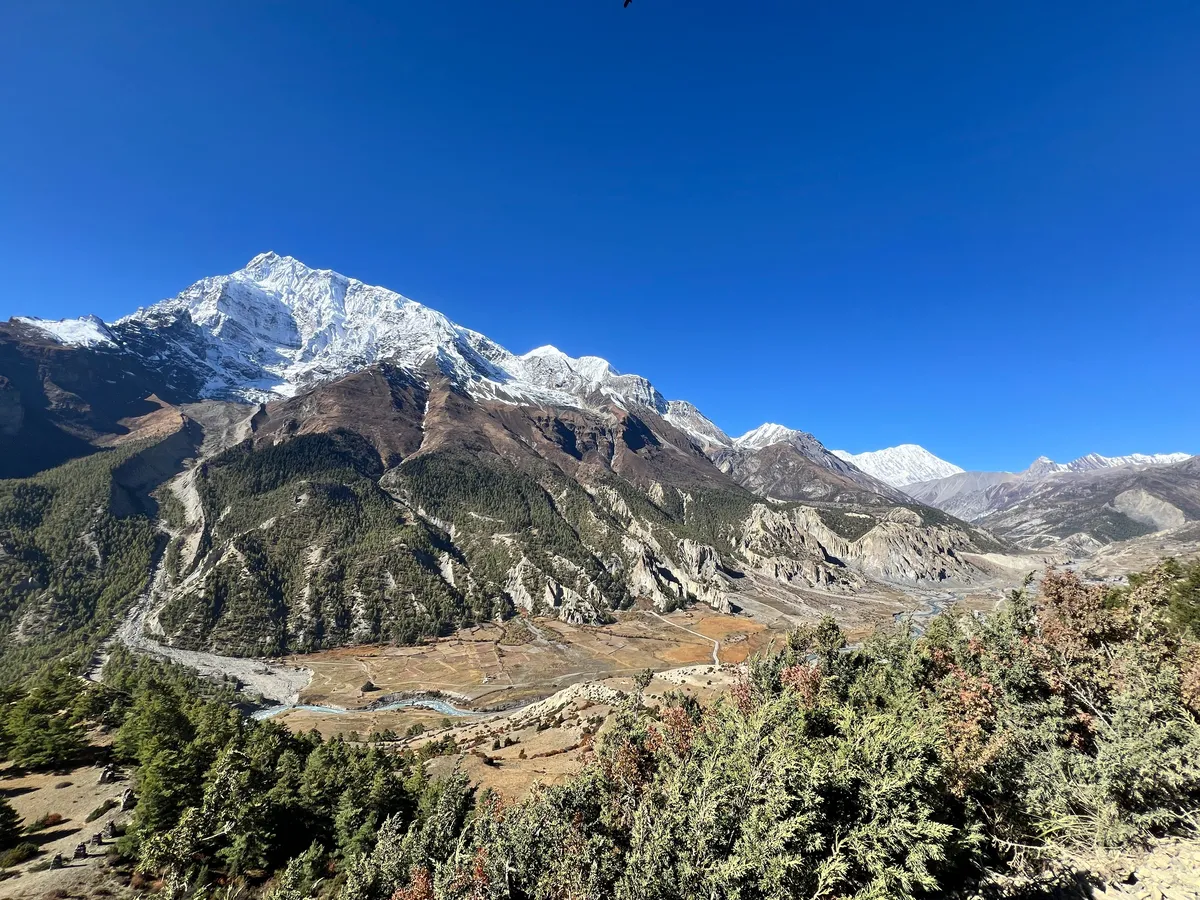
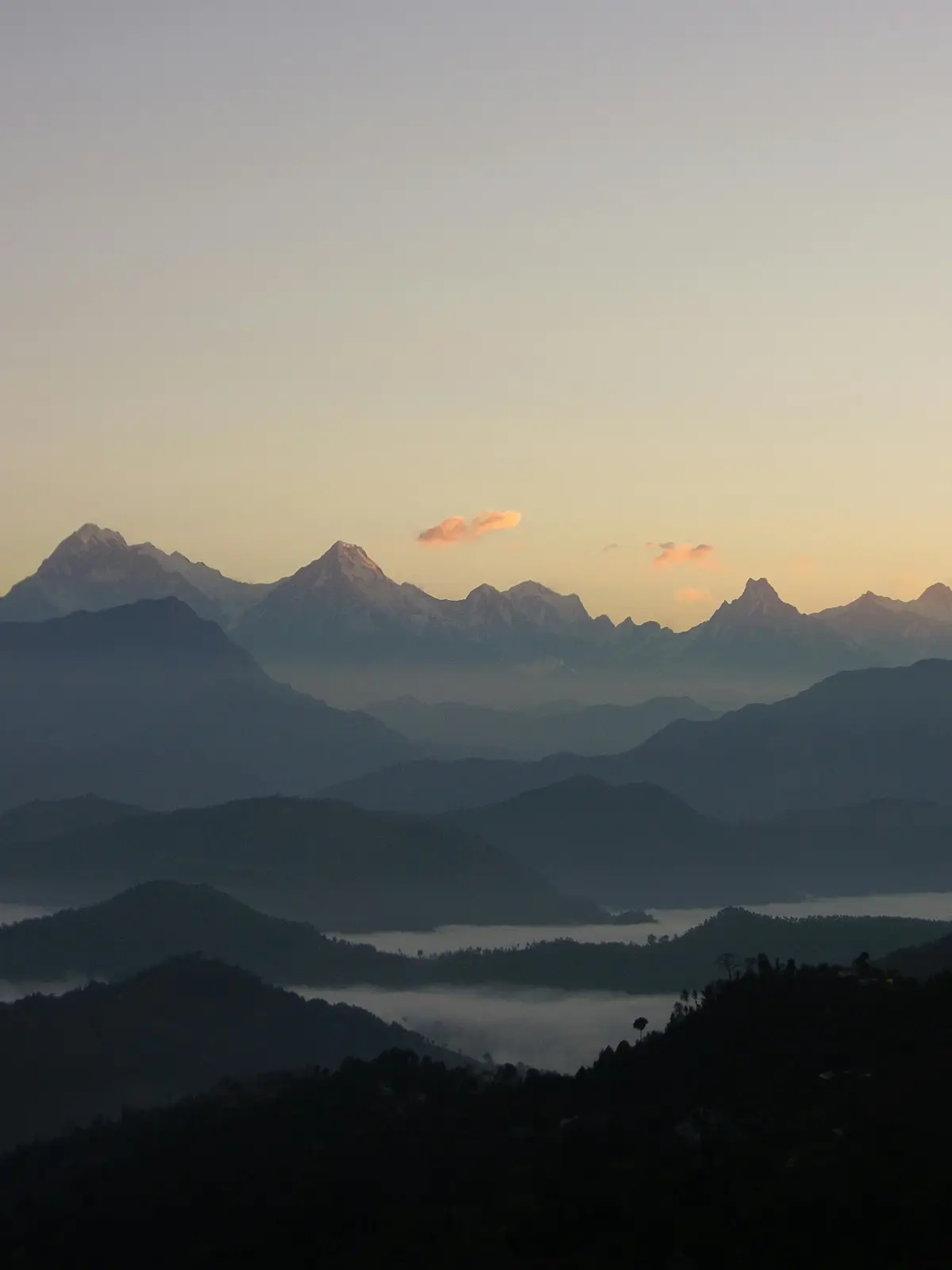
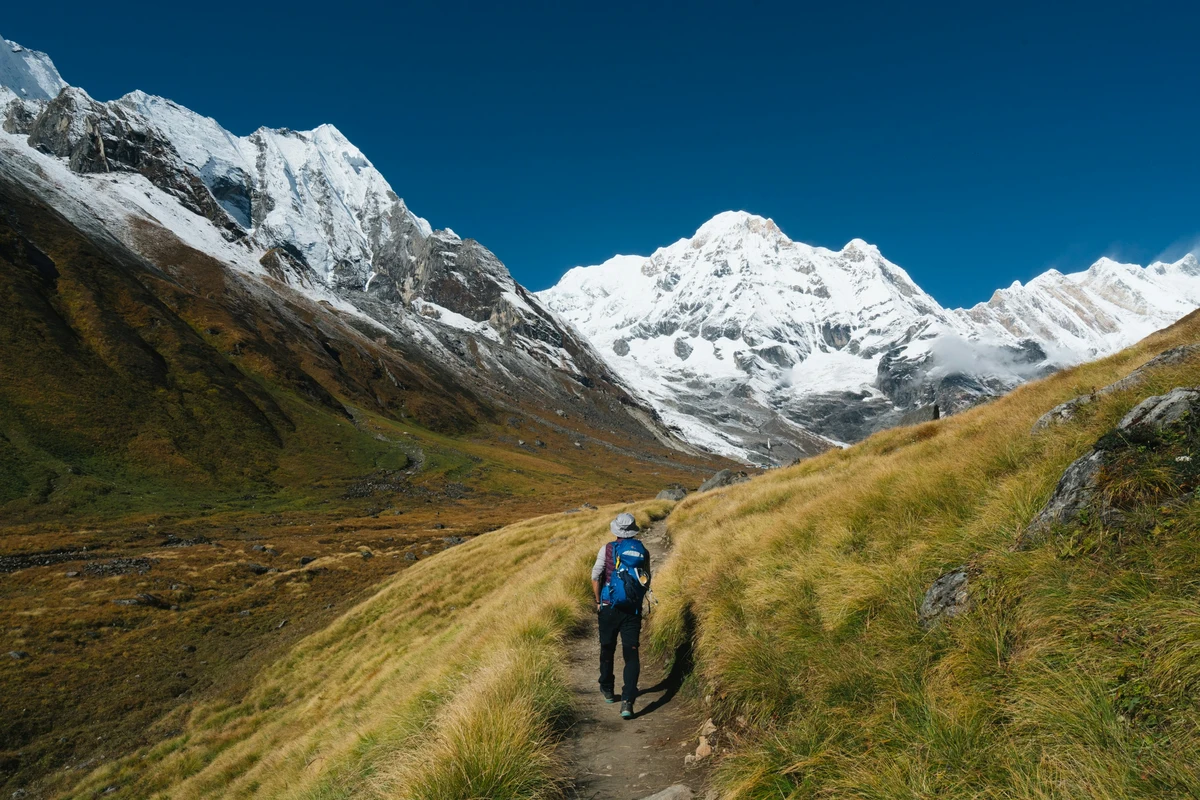
The entire trek to Gosaikunda Lake allows trekkers to experience the pure beauty of Nepal’s Himalayas which is the reason Why is Gosaikunda lake famous among trekkers. From the dense forest that consists of rhododendrons and bamboo trees to alpine meadows filled with wildflowers, landscapes keep changing and thus the trek is visually beautiful at every turn. The landscape only becomes more breathtaking as the trekkers ascend to higher altitudes, where the view of the surrounding peaks, including Langtang Lirung, Ganesh Himal, and Manaslu, dominates the landscape.
Wildlife and Flora
The hike to Gosaikunda also exposes hikers to the rich flora and fauna of Nepal. The lake’s environment supports a range of flora and fauna. Why is Gosaikunda Lake famous? Hikers can see Himalayan tahr, red panda, and various birds, including pheasants. The trekking path leads one through forests that are teeming with life, especially during spring when the forests are in bloom.
Gosaikunda Lake Altitude: A Test to High-Altitude Trekking
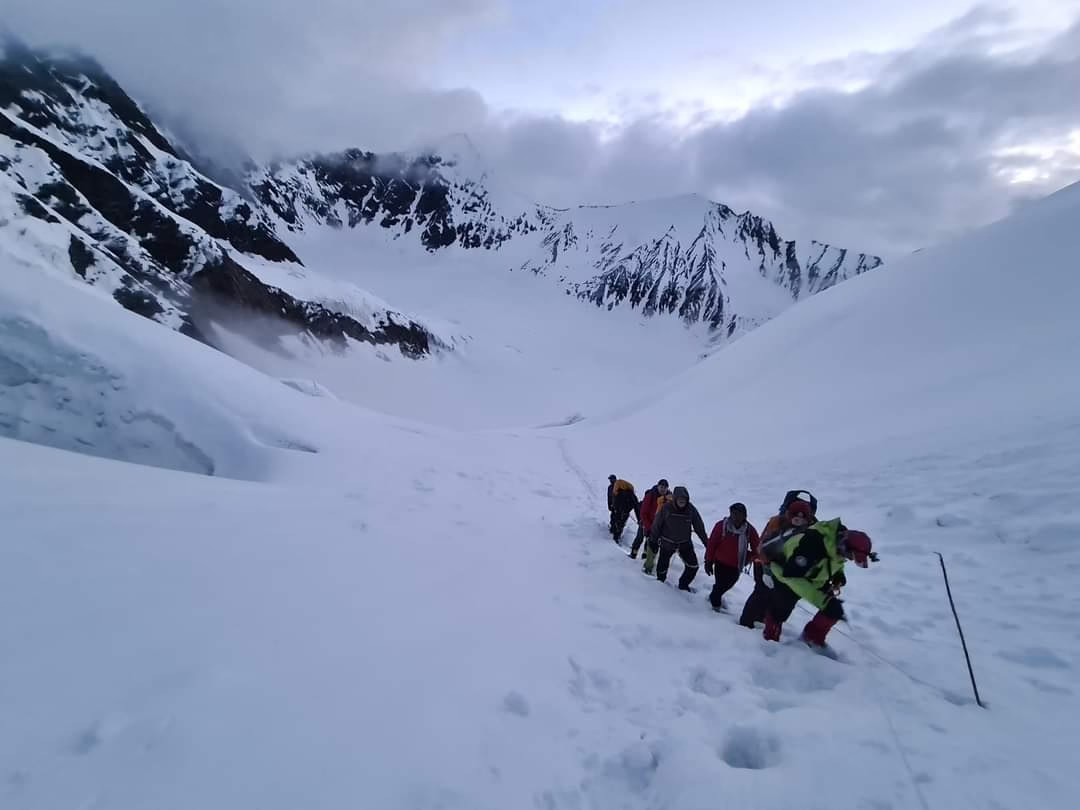
One of the reasons that Gosaikunda Lake is such a favorite among trekkers is its elevation. Gosaikunda Lake, with its elevation of 4,380 meters above sea level, is no easy place to get to. The elevation being so high, it is far from an easy trek to do, especially for one who is not used to trekking at such elevations. There is less oxygen in the air at this elevation, and so it is more difficult to breathe, which only makes the trek more complex.
Altitude sickness is a definite risk on this trek, and travelers must be careful and acclimatize at lower altitudes before ascending higher. Why is Gosaikunda Lake famous? The five-day trek allows a gradual rise in altitude, which minimizes the risk of altitude sickness and allows travelers to acclimatize to the lower atmospheric pressure.
How to Acclimatize to the Altitude of Gosaikunda Lake
To successfully ascend to the high altitude of Gosaikunda Lake, acclimatization for a couple of days is required. Trekkers can trek from Syabrubesi and stay overnight at Lama Hotel and Langtang Village before reaching Gosaikunda Lake to enable them to acclimatize to the rising altitude gradually. Having plenty of water, resting, and listening to the cues of your body are essential to a successful trek.
Where is Gosaikunda Lake situated?
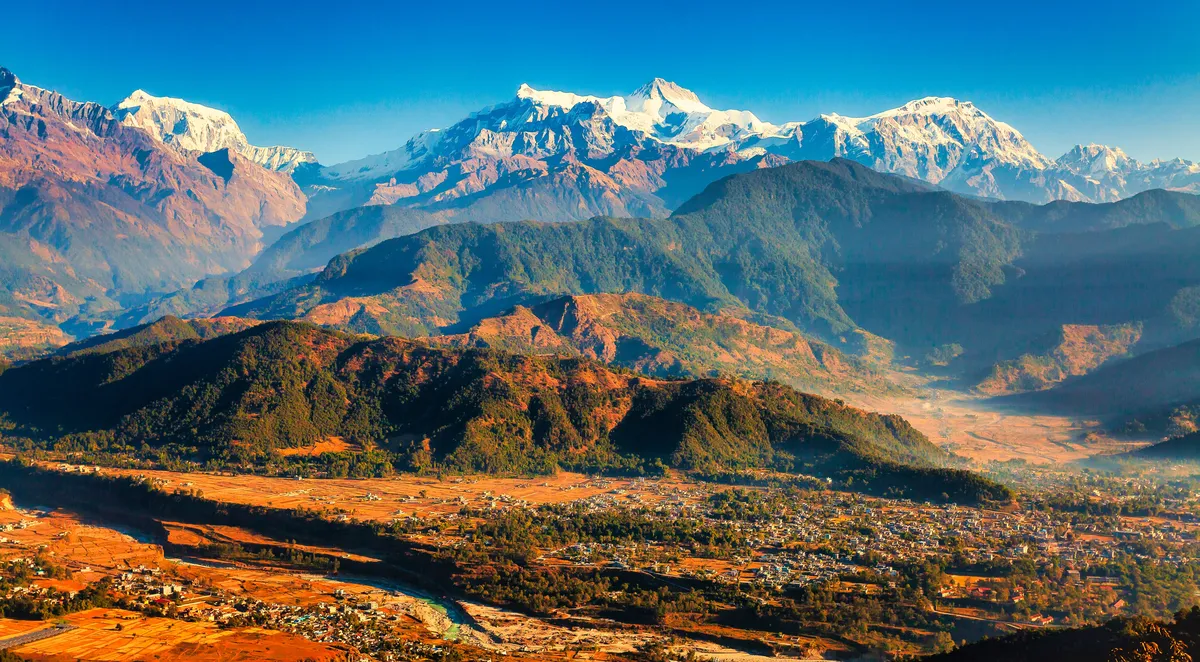
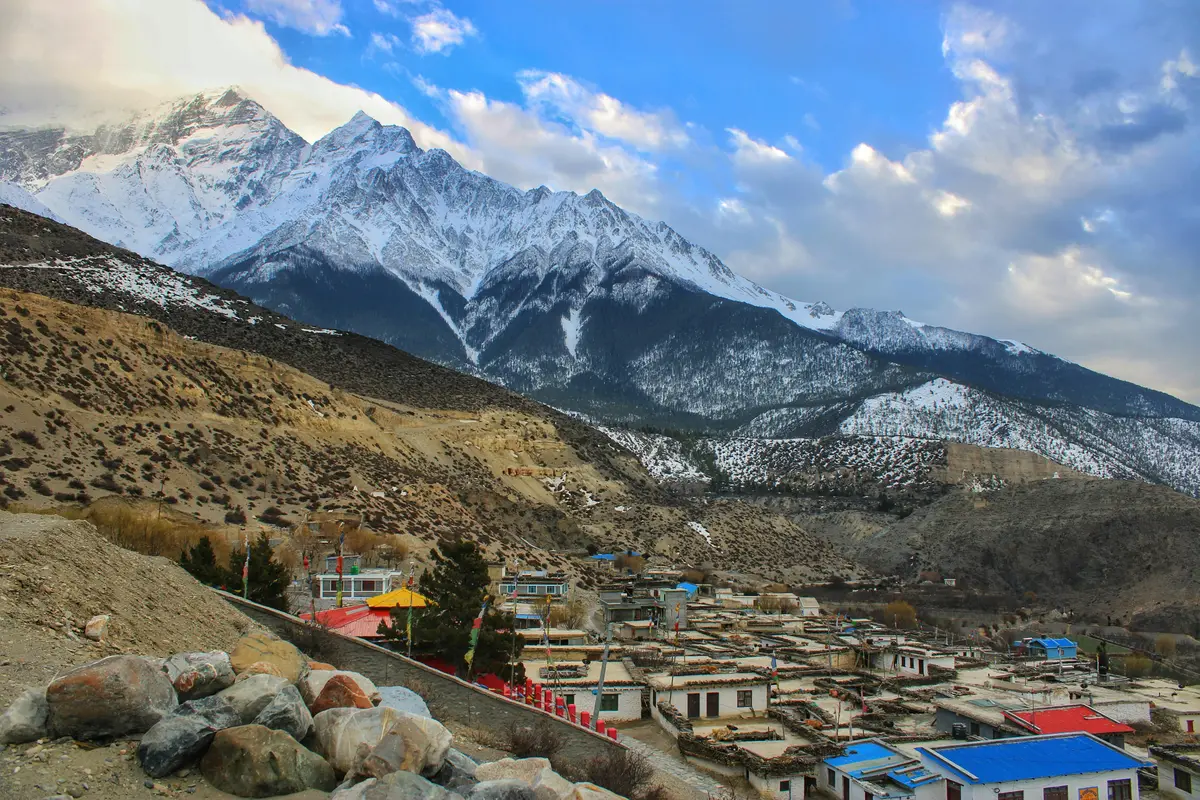
The most common question where is Gosaikunda Lake? It is usually inquired by the trek organizers. Gosaikunda Lake is located in Langtang National Park, in the central part of Nepal, about 75 kilometers to the north of Kathmandu. It is situated at the foot of the Langtang Himal Range, which consists of some of the highest and most beautiful peaks of Nepal.
The hike to Lake Gosaikunda is usually preceded by a vehicle ride from Kathmandu to Syabrubesi, a village at the entrance of the Langtang district. Why is Gosaikunda Lake famous? Trekkers depart Syabrubesi and follow the trail that traverses through scenic woods, river, and village, gradually increasing elevation as it rises to the lake. Along the way, tourists are treated to views of snow peaks like Langtang Lirung (7,227 meters), Ganesh Himal (7,406 meters), and Manaslu (8,163 meters).
How to Access Gosaikunda Lake
To access Gosaikunda Lake, the trekkers have to drive from Kathmandu to Syabrubesi, which is approximately a 7-9 hour drive. The trekking process takes twelve days through different scenic villages and forests, where the trekkers get a chance to enjoy local culture and traditions.
Why is Gosaikunda Lake famous? The trek, being a challenging one, allows sufficient time to absorb the landscape and culture of the Langtang region.
The 12-Day Gosaikunda Lake Trek Schedule
Day 1: Kathmandu to Syabrubesi (1,550m) – 7-8 hours drive
The journey to find why is Gosaikunda Lake famous begins with a scenic drive from Kathmandu to Syabrubesi, the gateway to the Langtang region. The route follows the Trishuli River, passing through Dhunche and offering picturesque views of terraced fields, traditional villages, and glimpses of the snow-capped mountains. Upon arrival in Syabrubesi, you will rest and prepare for the trek ahead.
Day 2: Syabrubesi to Lama Hotel (2,380m) – 6 hours
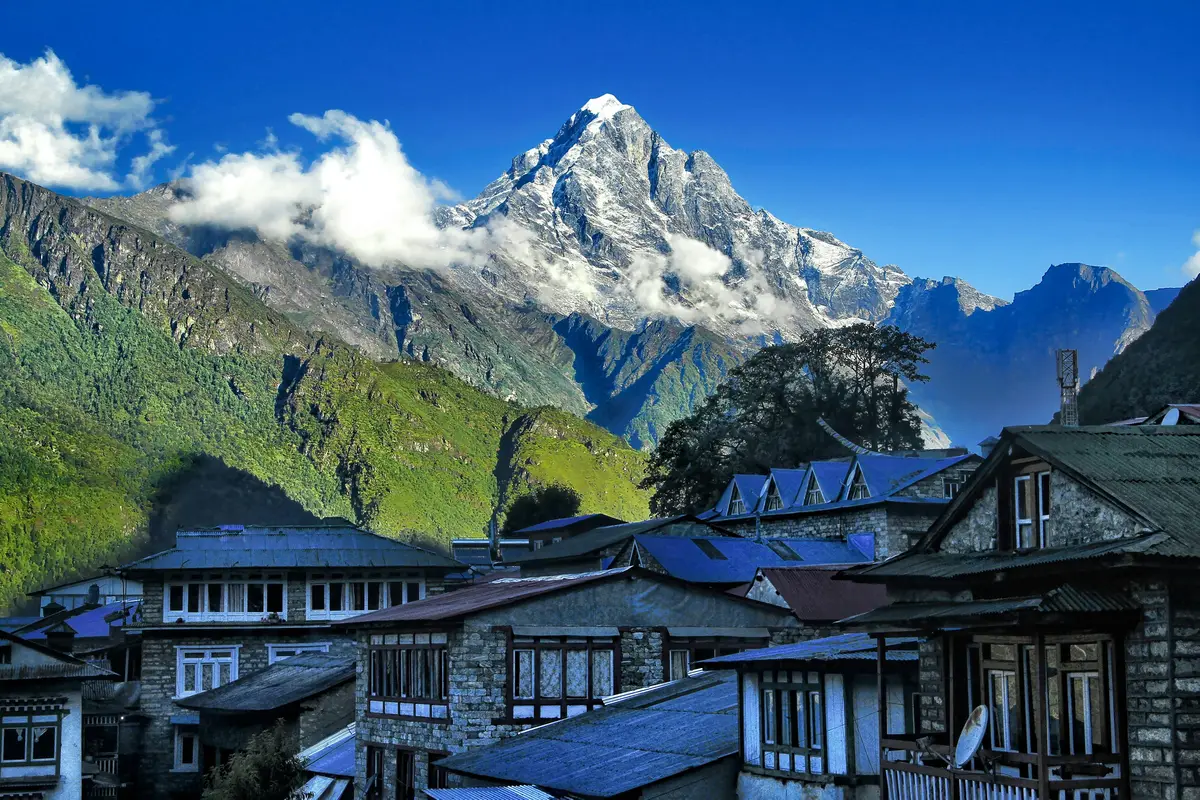
The trek starts by crossing the Bhote Koshi River and following the Langtang Khola. The trail ascends through sub-tropical forests rich in oak, maple, and rhododendron trees. Several suspension bridges and cascading waterfalls add to the beauty of the route before reaching Lama Hotel, a peaceful settlement surrounded by dense forest.
Day 3: Lama Hotel to Langtang Village (3,430m) – 6-7 hours
The trek continues with a gradual climb through forests before the valley opens up, revealing breathtaking views of Langtang Lirung. The trail passes through Ghoda Tabela, an army checkpoint, before transitioning into an alpine landscape. Langtang Village, rebuilt after the 2015 earthquake, provides insight into the rich Tamang culture of the region. During this trek , one might wonder Why is Gosaikunda Lake famous? It is considered a sacred site by Hindus and Buddhists alike, attracting thousands of pilgrims every year.
Day 4: Langtang Village to Kyanjin Gompa (3,870m) – 4 hours
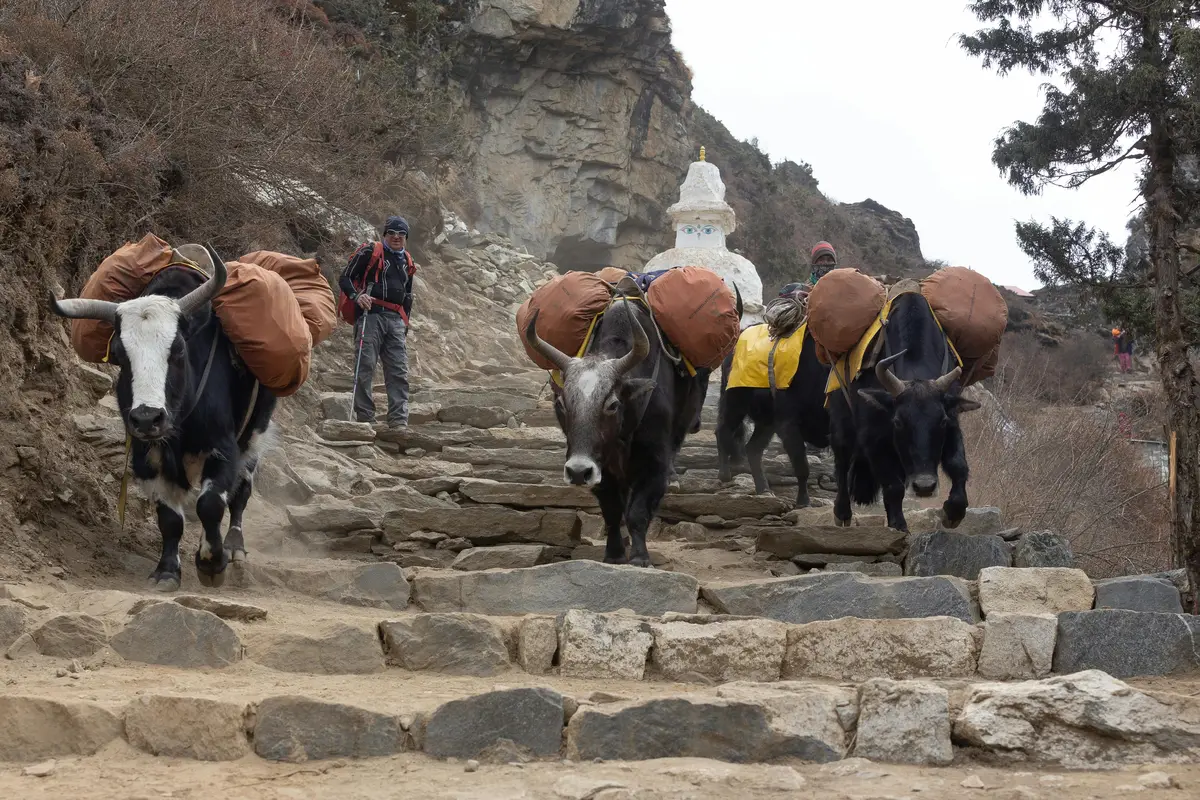
A shorter trek today takes you through yak pastures and stone huts towards Kyanjin Gompa. The village is surrounded by towering peaks, including Langtang Lirung, Kimshung, and Yansa Tsenji. Explore the ancient Buddhist monastery, visit the cheese factory, or take in the stunning mountain views. Why is Gosaikunda lake famous? It is due to this village that one can see if they opt a longer Gosaikunda trek where they include Langtang Valley.
Day 5: Acclimatization Day at Kyanjin Gompa
To adapt to the increasing altitude, you can take an optional hike to Kyanjin Ri (4,773m) for panoramic sunrise views of the Langtang range, Langshisha Ri, and the glaciers below. Alternatively, you may explore the village, relax, and immerse yourself in the peaceful surroundings.
Day 6: Kyanjin Gompa to Lama Hotel (2,380m) – 6-7 hours
Retrace your steps back through the alpine meadows, passing Langtang Village and continuing through dense forests. The dense forest is also one of the answers of why is Gosaikunda Lake famous. The descent offers a different perspective of the landscapes and an opportunity to spot local wildlife.
Day 7: Lama Hotel to Thulo Syabru (2,260m) – 5 hours
Leaving the main Langtang Valley trail, you ascend and descend through lush forests toward Thulo Syabru. The trail offers chances to spot red pandas and Himalayan bird species. Thulo Syabru is a picturesque village offering spectacular views of Langtang Himal and Ganesh Himal. This path officially leaves previous trails and moves towards the Gosaikunda Lake in our Journey of finding Why is Gosaikunda Lake famous.
Day 8: Thulo Syabru to Shin Gompa/Chandanbari (3,330m) – 5 hours
A steep climb takes you through rhododendron forests and terraced fields to Shin Gompa, a small settlement known for its monastery and cheese factory. On clear days, you can see Langtang Lirung, Ganesh Himal, and the distant Tibetan peaks.
Day 9: Shin Gompa to Gosaikunda Lake (4,380m) – 5-6 hours
This challenging yet rewarding trek ascends through alpine terrain. The landscape changes as the tree line disappears, revealing rugged slopes. As you reach Gosaikunda, you will witness its serene, turquoise waters. Why is Gosaikunda Lake famous? It holds immense religious significance for Hindus and Buddhists, believed to have been created by Lord Shiva, and is also known for its stunning mountain reflections.
Day 10: Gosaikunda to Sing Gompa (3,330m) – 5 hours
Begin the descent from Gosaikunda back to Shin Gompa (Sing Gompa). The route retraces your steps through alpine meadows and rhododendron forests, offering a final chance to soak in the majestic landscapes.
Day 11: Sing Gompa to Dhunche (1,960m) – 5-6 hours
The trail continues downhill through lush forests and scattered settlements. As you approach Dhunche, the administrative center of the Langtang region, you can enjoy the last views of the Langtang Himal.Why is Gosaikunda Lake famous? Apart from its religious importance, the lake is a high-altitude marvel, offering breathtaking views and an aura of tranquility.
Day 12: Dhunche to Kathmandu – 6-7 hours drive
A scenic drive takes you back to Kathmandu, marking the end of this unforgettable Himalayan adventure. The journey follows the winding roads alongside the Trishuli River, offering one last glimpse of the mountains and rural landscapes.
Conclusion: Why is Gosaikunda Lake famous?
It is not the natural scenery, tough altitude, or religious beliefs alone that give this destination so much appeal – it is the blend of all of them. The 12-day Gosaikunda Lake trek provides adventurers with a rare opportunity to embrace nature, culture, and spirituality. The majestic landscapes, the holy lake, and the numerous flora and fauna render it one of the top trekking trails in Nepal. Whether you climb for religious reasons, adventure, or simply to witness the beauty of the Himalayas, the experience is unforgettable. The Glory of Gosaikunda Lake is the answer to why is Gosaikunda Lake famous.
If you want to go Gosaikunda Trek we have a package of Langtang Gosaikunda Trek click here if you are interested.